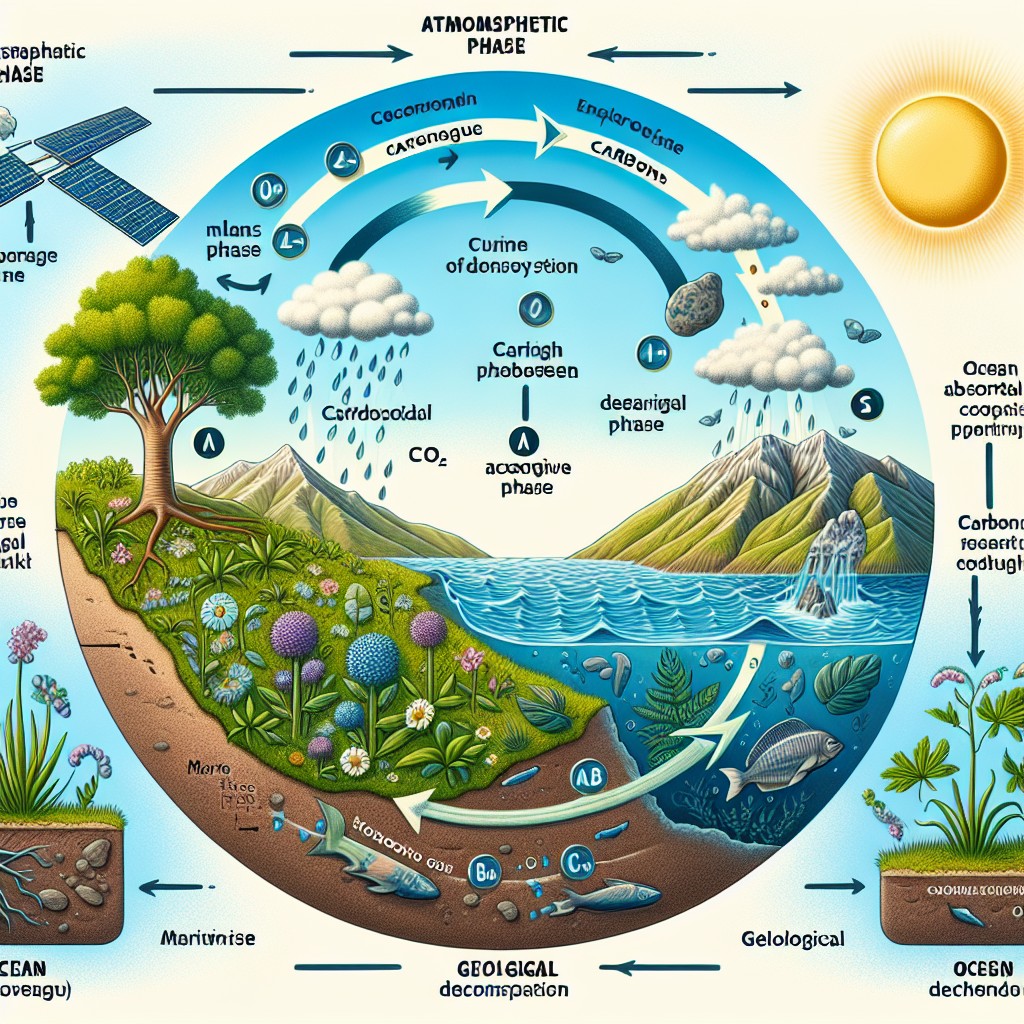
Right, let’s talk about carbon emissions. Simply put, carbon emissions are the release of carbon dioxide (CO2) and other carbon-containing gases into the atmosphere. They matter a great deal because these gases trap heat, leading to a warming planet and a whole host of serious environmental and societal problems. Understanding them is crucial, so let’s break it down.
When we talk about ‘carbon emissions,’ we’re primarily referring to carbon dioxide (CO2), but it’s important to remember it’s part of a broader family of greenhouse gases. These gases act like a blanket around the Earth, preventing some of the sun’s heat from escaping back into space. This is a natural process that keeps our planet habitable, but human activities have significantly amplified it.
The Main Players: Carbon Dioxide and Friends
While CO2 is the star of the show due to its sheer volume, it’s not alone. Other significant greenhouse gases include:
- Methane (CH4): Much more potent than CO2 in the short term, methane comes from sources like livestock farming, natural gas leaks, and decaying organic matter in landfills.
- Nitrous Oxide (N2O): This one is often associated with agricultural practices, particularly the use of fertilisers, and some industrial processes. It’s a long-lived and potent gas.
- Fluorinated Gases (F-gases): These are human-made gases, like hydrofluorocarbons (HFCs), perfluorocarbons (PFCs), sulphur hexafluoride (SF6), and nitrogen trifluoride (NF3). They’re used in refrigeration, air conditioning, and electronics, and are incredibly powerful greenhouse gases, though present in smaller quantities.
It’s the accumulation of all these gases that creates the enhanced greenhouse effect we’re experiencing.
Where Does All This Carbon Come From?
Our modern way of life is heavily reliant on processes that release carbon. Pinpointing the sources helps us understand where changes need to be made.
- Fossil Fuel Combustion: This is the big one. Burning coal, oil, and natural gas for electricity generation, heating homes, powering vehicles, and fueling industrial processes releases vast amounts of stored carbon into the atmosphere. These fuels formed over millions of years from ancient organic matter, and burning them releases that carbon very quickly.
- Deforestation and Land Use Change: Forests are massive carbon sinks; they absorb CO2 from the atmosphere as trees grow. When forests are cleared, especially through burning, not only is the stored carbon released, but the Earth also loses a vital mechanism for absorbing future emissions. Agricultural expansion is a primary driver of deforestation.
- Industrial Processes: Many industrial activities, beyond just burning fossil fuels for energy, directly emit greenhouse gases. For instance, processes like cement production (which involves heating limestone) and chemical manufacturing release CO2 as a by-product.
- Agriculture: As mentioned with methane and nitrous oxide, farming practices contribute significantly. Livestock produce methane through their digestive processes, and the use of nitrogen-based fertilisers releases nitrous oxide. Rice cultivation in flooded paddies also produces methane.
- Waste Management: Landfills, where organic waste decomposes without oxygen, are a major source of methane.
Why Do Carbon Emissions Matter So Much? The Climate Impact
Okay, so we’re releasing these gases. What’s the big deal? The big deal is that they’re fundamentally altering our planet’s climate system, with far-reaching consequences.
The Greenhouse Effect: Natural vs. Enhanced
Let’s clarify the difference. The natural greenhouse effect is essential. Without it, Earth would be a frozen, uninhabitable rock. Gases like CO2, methane, and water vapour naturally trap some heat, keeping our average global temperature at a comfortable level.
The problem arises with the enhanced greenhouse effect. Since the Industrial Revolution, human activities have drastically increased the concentration of these gases in the atmosphere, predominantly CO2. This extra blanket traps more heat than is natural, leading to a steady increase in the Earth’s average global temperature – what we commonly refer to as global warming.
Global Warming and Its Domino Effect
A warmer planet isn’t just about slightly hotter summers. It sets off a cascade of interconnected changes.
- Extreme Weather Events: We’re seeing more frequent and intense heatwaves, prolonged droughts, heavier rainfall leading to flooding, and more powerful storms (like hurricanes and typhoons). These events cause widespread damage, disrupt lives, and strain resources.
- Rising Sea Levels: This happens for two main reasons: thermal expansion (as water warms, it expands) and the melting of glaciers and ice sheets. Rising sea levels threaten coastal communities, leading to increased flooding, saltwater intrusion into freshwater sources, and displacement of populations.
- Ocean Acidification: The oceans absorb a significant amount of the CO2 we emit. While this helps reduce atmospheric CO2, it comes at a cost. The absorbed CO2 reacts with seawater to form carbonic acid, making the oceans more acidic. This impacts marine life, particularly organisms with shells or skeletons like corals and shellfish, which struggle to form and maintain them in acidic conditions.
- Disruption to Ecosystems and Biodiversity: Changes in temperature and rainfall patterns affect habitats, altering the distribution of species. Some species may struggle to adapt, leading to population declines or even extinction. This disruption can unravel entire ecosystems.
- Food and Water Security: Changes in rainfall, increased droughts, and altered growing seasons can severely impact agricultural yields, threatening food supplies. Freshwater availability can also be compromised by changing precipitation patterns and glacial melt.
- Human Health Impacts: Extreme heat can lead to heatstroke and other health issues. Changes in disease vectors (like mosquitoes) can lead to the spread of certain illnesses. Air pollution from fossil fuel combustion also has direct health impacts.
Measuring and Tracking Emissions
Understanding the sources and impacts is one thing, but knowing how much we’re actually emitting is crucial for effective action.
Carbon Footprint: What Is It?
Your carbon footprint is essentially the total amount of greenhouse gas emissions caused by an individual, event, organisation, or product, expressed as carbon dioxide equivalent (CO2e). It accounts for all greenhouse gases, converting their warming potential into the equivalent amount of CO2.
How We Track Progress (or Lack Thereof)
Measuring emissions is complex but vital.
- National Inventories: Governments compile national greenhouse gas inventories, tracking emissions from various sectors (energy, transport, agriculture, industry, waste). These are crucial for international agreements like the Paris Agreement.
- Corporate Reporting: Increasingly, companies are required or choosing to report their carbon emissions. This transparency helps stakeholders understand their environmental impact and pressures them to reduce it.
- Product Life Cycle Assessments: This involves assessing the emissions associated with a product from its raw material extraction, through manufacturing, use, and disposal. It helps identify emission hotspots in supply chains.
- Satellite Monitoring: Advanced satellite technology is now playing a role in independently verifying emissions, particularly for major sources like power plants or methane leaks.
What Can Be Done About Carbon Emissions?
This isn’t a hopeless situation, but it does require systemic and individual action. Reducing carbon emissions means transitioning away from fossil fuels and adopting more sustainable practices across the board.
Shifting to Renewable Energy
This is arguably the most critical step. Generating electricity from sources that don’t emit greenhouse gases is transformative.
- Solar Power: Harnessing energy from the sun.
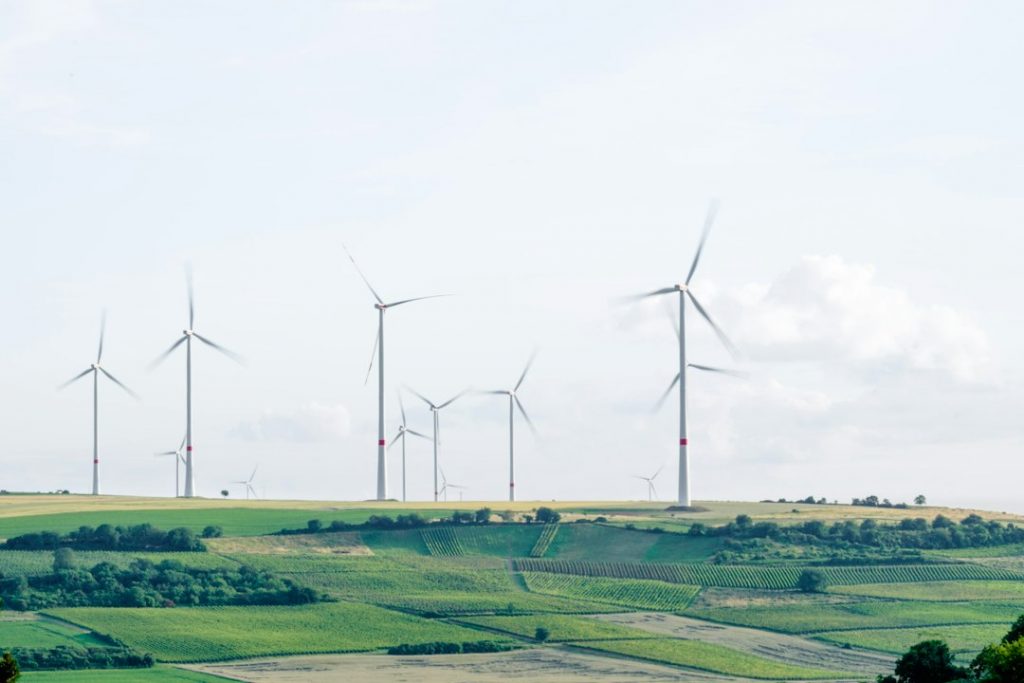
- Wind Power: Using wind turbines to generate electricity.
- Hydroelectric Power: Generating electricity from flowing water.
- Geothermal Energy: Tapping into the Earth’s internal heat.
- Nuclear Power: While having its own set of challenges, nuclear power does not produce direct carbon emissions during operation.
These technologies are becoming more efficient and cost-effective, making the transition increasingly viable.
Improving Energy Efficiency
Using less energy in the first place reduces the demand for generation, regardless of the source.
- Insulating Homes and Buildings: Reduces heating and cooling needs.
- Energy-Efficient Appliances: Fridges, washing machines, and lighting now consumer significantly less energy than older models.
- Smart Grids: Optimising energy distribution and consumption.
- Industrial Process Optimisation: Finding ways to manufacture goods with less energy input.
Sustainable Transport
Moving away from petrol and diesel cars is a big part of the solution.
- Electric Vehicles (EVs): As the electricity grid decarbonises, EVs become a genuinely low-carbon option.
- Public Transport: Shifting from individual car use to trains, buses, and trams reduces per-person emissions.
- Walking and Cycling: The most emission-free forms of transport for short distances, with added health benefits.
- Sustainable Aviation and Shipping: Developing alternative fuels and propulsion systems for these harder-to-decarbonise sectors.
Land Use and Agriculture Management
How we manage our land and grow our food also offers significant opportunities for emission reduction and carbon sequestration.
- Reforestation and Afforestation: Planting new trees and restoring degraded forests.
- Sustainable Agriculture Practices: Techniques like no-till farming, cover cropping, and improved nutrient management can reduce emissions and improve soil health, which can also store carbon.
- Dietary Shifts: Reducing consumption of carbon-intensive foods like red meat can significantly lower an individual’s carbon footprint.
- Biodiversity Protection: Protecting existing ecosystems helps maintain their carbon storage capacity.
Carbon Capture and Storage (CCS)
This technology aims to capture CO2 emissions directly from large industrial sources (like power plants or factories) before they enter the atmosphere, and then store them underground in geological formations. While it holds promise, it’s currently expensive, energy-intensive, and its long-term storage effectiveness is still a subject of research and development. It’s often seen as a potential piece of the puzzle, rather than the sole solution.
What’s Next? The Urgency of Action
| Carbon Emissions | Explanation |
|---|---|
| Definition | Carbon emissions refer to the release of carbon dioxide (CO2) and other greenhouse gases into the atmosphere, primarily through human activities such as burning fossil fuels, deforestation, and industrial processes. |
| Sources | Main sources of carbon emissions include transportation, electricity and heat production, industry, agriculture, and commercial and residential buildings. |
| Impact | Carbon emissions contribute to global warming and climate change by trapping heat in the Earth’s atmosphere, leading to rising temperatures, extreme weather events, and sea level rise. |
| Importance | Reducing carbon emissions is crucial for mitigating the impacts of climate change and preserving the environment for future generations. |
The science is clear: we need to drastically reduce our carbon emissions to avoid the most catastrophic impacts of climate change. The good news is that we have many of the technological solutions, and public awareness is growing.
International Cooperation
Addressing climate change is a global challenge that requires global solutions. Agreements like the Paris Agreement aim to unite nations in their efforts to reduce emissions and adapt to the impacts of warming. Regular conferences (COPs – Conference of the Parties) are held to review progress and strengthen commitments.
Policy and Regulation
Governments play a crucial role in setting policies that incentivise emission reductions. This can include carbon pricing (like carbon taxes or cap-and-trade schemes), regulations on vehicle emissions, standards for energy efficiency, and funding for renewable energy development.
Individual Choices
While systemic change is paramount, individual actions collectively contribute. This includes making conscious choices about energy consumption, transport, diet, and waste. Advocating for stronger climate policies and supporting businesses committed to sustainability also makes a difference.
Ultimately, understanding carbon emissions and their implications isn’t just an academic exercise; it’s fundamental to navigating the challenges of our changing world and building a more sustainable future. It’s about knowing what we’re up against so we can effectively work towards solutions.
FAQs
What are carbon emissions?
Carbon emissions refer to the release of carbon dioxide (CO2) and other greenhouse gases into the atmosphere, primarily through human activities such as burning fossil fuels, deforestation, and industrial processes.
Why do carbon emissions matter?
Carbon emissions are a major contributor to climate change and global warming. The accumulation of greenhouse gases in the atmosphere leads to the trapping of heat, resulting in rising global temperatures, extreme weather events, and other environmental impacts.
How do carbon emissions affect the environment?
Excessive carbon emissions contribute to the acidification of oceans, loss of biodiversity, and disruption of ecosystems. They also lead to air pollution, which can have detrimental effects on human health and the environment.
What are the main sources of carbon emissions?
The main sources of carbon emissions include the burning of fossil fuels for energy production, transportation, industrial processes, and deforestation. Agriculture and waste management also contribute to carbon emissions.
What can be done to reduce carbon emissions?
To reduce carbon emissions, efforts can be made to transition to renewable energy sources, improve energy efficiency, promote sustainable transportation, protect and restore forests, and implement policies to limit carbon emissions from industrial processes. Individuals can also make a difference by reducing their energy consumption and carbon footprint.