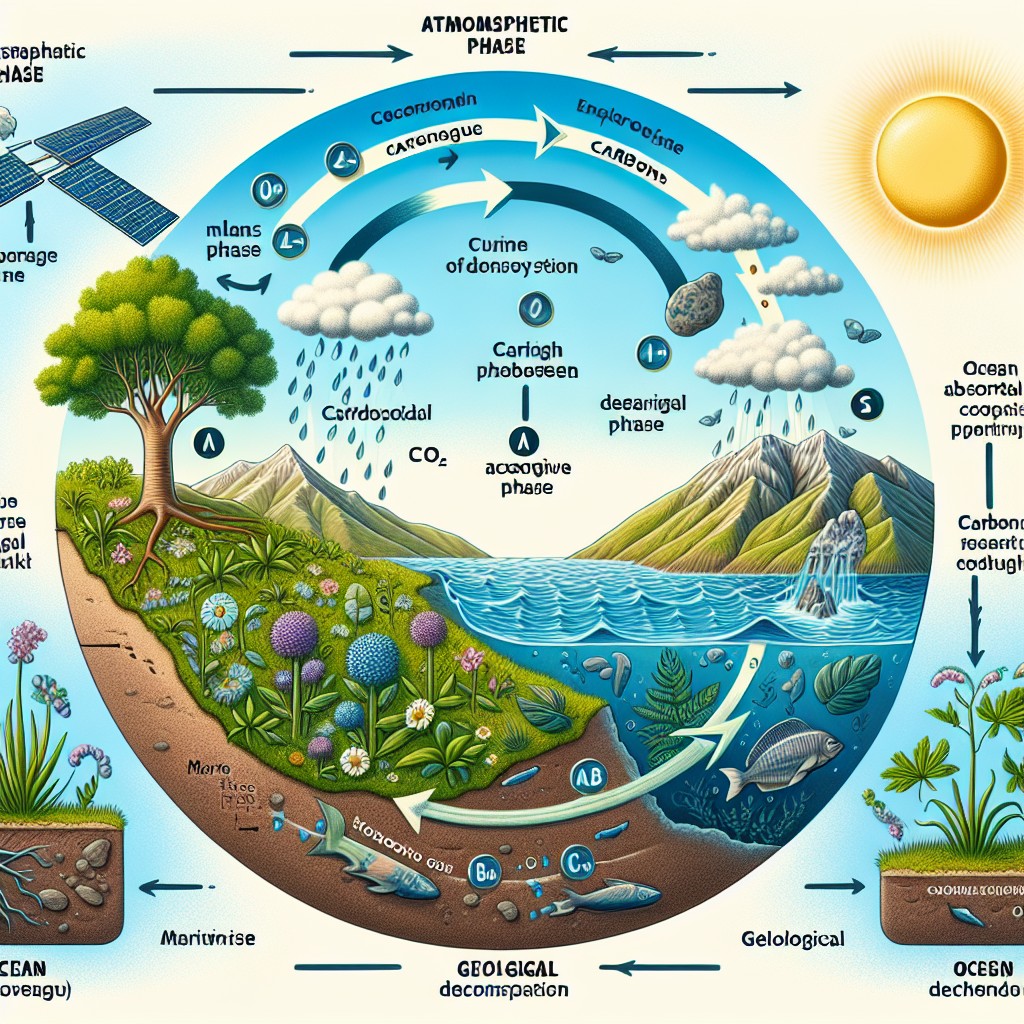
So, why are we seeing species vanish at a rate that’s frankly alarming? At its heart, it’s a two-pronged problem: climate change and habitat destruction are hitting nature hard, pushing countless species to the brink. They’re not just disappearing randomly, but as a direct consequence of how we’re changing the planet.
Think of the Earth’s climate as a finely tuned system. For millennia, species have evolved to thrive within specific temperature ranges, rainfall patterns, and seasonal cues. Climate change, primarily driven by human activity – think burning fossil fuels and deforestation – is like turning up the heat and messing with the plumbing, and it’s happening far too quickly for most life to adapt.
Shifting Habitats: Nowhere Left to Go
As temperatures rise, the places where certain species can live are literally shrinking or moving. Imagine a polar bear needing sea ice to hunt seals. As the Arctic warms, that ice disappears, and so does its hunting ground. It’s not just the poles; mountaintop species are finding their homes at higher and higher elevations, eventually running out of mountain to climb. Similarly, coral reefs, vital nurseries for marine life, are bleaching and dying as ocean temperatures increase and become more acidic.
Extreme Weather: The Unpredictable Killer
Climate change isn’t just about gradual warming; it’s also about making weather more extreme and unpredictable. Think more frequent and intense heatwaves, prolonged droughts, severe floods, and more powerful storms. These events can wipe out entire populations of species in a matter of days. A prolonged drought can desiccate a vital watering hole, a flash flood can drown a nest full of chicks, and a superstorm can decimate coastal bird colonies. For species already on the edge, these extreme events are often the final nail in the coffin.
Water Woes: Too Much or Too Little
Water availability is crucial for all life, and climate change is throwing that into disarray. Some regions are experiencing more intense rainfall and flooding, drowning habitats and washing away food sources. Others are facing severe droughts, leaving even established water bodies dried up. This erratic supply of water directly impacts plant life, which forms the base of most food webs, and, in turn, the animals that depend on those plants.
Habitat Loss and Fragmentation: The Shrinking World
Climate change is a huge factor, don’t get me wrong, but it’s often working hand-in-hand with another massive problem: habitat loss and fragmentation. We’re essentially bulldozing, paving over, and polluting the places that wildlife needs to survive, leaving them stranded and vulnerable.
Turning Wildlands into Whatever We Need
This is probably the most direct and visible cause of species decline. Forests are felled for timber, agriculture, and urban expansion. Wetlands are drained for development. Grasslands are ploughed up for crops. Even oceans are not immune, with destructive fishing practices and oil spills wreaking havoc on marine ecosystems. We’re converting vast areas of natural habitat into farmland, cities, roads, and industrial zones, leaving less and less space for wildlife.
The Domino Effect: Breaking the Chains
When habitats are destroyed, it doesn’t just mean fewer trees or less grass. It means the intricate web of life that existed there is torn apart. Think of it like removing bricks from a wall. You might remove a few and the wall still stands, but remove too many, or crucial ones, and the whole thing crumbles. A predator might lose its hunting ground, a pollinator might lose its food source, or a prey species might lose its protective cover. This fragmentation also isolates populations, making them more susceptible to disease and less able to find mates, which can lead to inbreeding and genetic weakness.
Agriculture’s Footprint: Feeding Ourselves, Starving Them
Our growing demand for food is a major driver of habitat loss. Vast swathes of land are cleared for soy plantations, palm oil farms, cattle ranches, and other monolithic agricultural operations. This intensifies the pressure on remaining natural areas. Monoculture farming, where only one crop is grown, is particularly bad for biodiversity. It lacks the variety of food and shelter that diverse ecosystems provide, creating ecological deserts. Pesticides and herbicides used in industrial agriculture also directly harm insects, birds, and other wildlife, even at low concentrations.
Urban Sprawl and Infrastructure: The Grey Invasion
As our towns and cities grow, they consume more land. Roads, housing developments, shopping centres, and industrial estates all carve up natural landscapes. This not only destroys existing habitats but also creates barriers that prevent wildlife from moving between remaining patches of green space. It’s like building fences around small island nature reserves, effectively trapping the inhabitants and preventing them from exploring or finding new resources.
Pollution: A Silent, Pervasive Killer
Beyond direct destruction, the widespread pollution we generate is a constant, insidious threat to biodiversity. It seeps into our soils, rivers, oceans, and air, poisoning life at every level.
Chemical Cocktails: Poisons in the Environment
From industrial waste and agricultural runoff to plastic debris and car emissions, our planet is awash in chemicals. Pesticides, herbicides, heavy metals, and pharmaceuticals can accumulate in the environment and in the bodies of animals. These chemicals can disrupt reproduction, weaken immune systems, cause developmental abnormalities, and directly poison wildlife. For instance, neonicotinoid pesticides have been linked to the massive decline in bee populations. Even non-lethal doses can affect an animal’s ability to navigate, forage, or reproduce.
Plastics: A Choking Hazard and More
Plastic pollution is a highly visible and devastating problem. Marine animals, from turtles to whales, ingest plastic bags, mistaking them for food, which can lead to starvation or internal injuries. Birds get entangled in plastic nets or feed plastic fragments to their chicks. And it’s not just marine life. Microplastics are now found everywhere, from the highest mountains to the deepest oceans, and their long-term effects on all forms of life are still being uncovered, but they are certainly not beneficial.
Lights and Noise: Disorienting Our Nights and Days
Artificial light at night can disrupt the sleep-wake cycles of animals, interfere with navigation for migratory birds and insects, and alter predator-prey dynamics. Increased noise pollution from traffic, industry, and human activity can mask important natural sounds, making it harder for animals to communicate, find mates, or detect danger. Think of how much harder it is for a nocturnal hunter to stalk its prey or for a bird to find its mate if the air is constantly buzzing with man-made noise.
Overexploitation: Taking Too Much, Too Fast
Humans have a long history of taking more from nature than it can replenish, and this continues to be a major driver of extinction. When we hunt, fish, or harvest species at unsustainable rates, their populations can collapse.
Unsustainable Hunting and Poaching: A Drive to Extinction
This is a classic cause of species loss. Animals are hunted for their meat, fur, horns, or for the pet trade. Poaching, which is illegal hunting, is particularly devastating, often targeting endangered species like rhinos, elephants, and tigers for their valuable parts. The demand for these products, often driven by traditional beliefs or luxury markets, fuels a lucrative illegal trade that pushes species towards annihilation.
Overfishing: Emptying Our Oceans
The world’s oceans are being fished at unsustainable levels. Powerful industrial fleets, often using destructive methods like bottom trawling, are depleting fish stocks faster than they can reproduce. This not only affects the target species but also has cascading impacts on the entire marine ecosystem, including bycatch – the unintentional capture and killing of non-target species like dolphins, turtles, and seabirds. The removal of top predators can lead to imbalances in food webs, causing further ecological disruption.
Unsustainable Harvesting of Plants and Resources
It’s not just animals. We also over-harvest plants for medicine, timber, or even just to clear land. Certain plants are highly sought after for their medicinal properties, and if not managed sustainably, their wild populations can be decimated. Similarly, excessive logging without reforestation efforts leads to habitat loss and can impact soil health and water cycles.
The Interconnectedness of It All: A Web Unravelling
| Metrics | Data |
|---|---|
| Global temperature rise | 1.0°C increase since the late 19th century |
| Carbon dioxide levels | 415 parts per million (ppm) in 2021 |
| Species extinction rate | Estimated 1,000 to 10,000 times higher than the natural extinction rate |
| Loss of natural habitats | Over 80% of Earth’s natural forests have been destroyed |
| Impact on biodiversity | Current rate of extinction is higher than the rate of speciation |
It’s crucial to understand that these pressures don’t act in isolation. Climate change, habitat loss, pollution, and overexploitation are all interconnected, often amplifying each other’s negative effects.
The Vicious Cycle: A Downward Spiral
Imagine a species already stressed by a warming climate and shrinking habitat. If it’s then exposed to pollution or faces overhunting, its ability to survive and reproduce is drastically reduced. A small population, already fragile due to habitat fragmentation, is even more vulnerable to the impacts of extreme weather events caused by climate change. It’s a vicious cycle where each pressure weakens nature, making it less resilient to the next blow.
Losing the Little Things Matters: The Importance of Insects
Often overlooked, insects are the unsung heroes of our ecosystems. They are vital pollinators for most of the world’s plants, including many of our food crops. They also play a crucial role in decomposition, nutrient cycling, and as a food source for countless other animals. The dramatic declines in insect populations, driven by pesticide use, habitat loss, and climate change, are a profound indicator of the unravelling of nature and have massive implications for all life on Earth, including our own food security.
How One Extinction Affects Many Others
The disappearance of one species can have ripple effects throughout an ecosystem. If a particular plant goes extinct, all the animals that relied on it for food or shelter are also in trouble. If a predator disappears, its prey populations can explode, leading to overgrazing and further ecological imbalance. These ‘keystone species’ can hold entire ecosystems together, and their loss can lead to the collapse of multiple other species. The current increase in extinction rates isn’t just about losing a few charismatic animals; it’s about the fundamental dismantling of the complex, interconnected systems that support all life.
FAQs
What is climate change and biodiversity loss?
Climate change refers to long-term changes in temperature, precipitation, and other atmospheric conditions on Earth. Biodiversity loss refers to the decline in the variety of plant and animal species in a particular habitat.
How does climate change contribute to biodiversity loss?
Climate change can lead to habitat destruction, altered ecosystems, and changes in the distribution and abundance of species. These changes can result in the loss of biodiversity as some species struggle to adapt or survive in the new conditions.
What are the main factors driving species disappearance?
The main factors driving species disappearance include habitat destruction, pollution, overexploitation, invasive species, and climate change. These factors can individually or collectively contribute to the decline of species.
Why are species disappearing faster than ever before?
Species are disappearing faster than ever before due to the combination of human activities, such as deforestation, pollution, and climate change, which are causing rapid and widespread changes to natural habitats and ecosystems.
What are the potential consequences of biodiversity loss?
Biodiversity loss can have far-reaching consequences, including reduced ecosystem resilience, loss of ecosystem services, and impacts on human health and well-being. It can also disrupt food chains and lead to the extinction of species, which can have cascading effects on the entire ecosystem.