So, what’s next for climate science? It might sound a bit daunting, but honestly, it’s a field buzzing with innovation. The breakthroughs aren’t just about more complex models; they’re about genuinely new ways of understanding, predicting, and even tackling the challenges of our changing planet. Think of it as moving from just diagnosing the illness to developing some really promising treatments. We’re talking about things that could fundamentally shift how we approach climate change, making our efforts more effective and, dare we hope, more successful.
Climate science has always been about piecing together a colossal, intricate puzzle. For decades, we’ve relied on sophisticated computer models to simulate the Earth’s systems, but these models are only as good as the data we feed them and the understanding we have. The real game-changer here is the explosive growth of artificial intelligence (AI) and machine learning (ML). These aren’t just buzzwords; they’re tools that are allowing us to see patterns and connections in climate data that were previously invisible or too complex for humans to discern.
Supercharging Climate Models
Traditional climate models are often computationally intensive, requiring massive supercomputers and taking weeks to run. AI and ML are starting to speed this up dramatically. By learning from vast datasets – think decades of satellite imagery, atmospheric readings, and oceanographic data – AI can help build more efficient and accurate models. It’s like having a super-analyst who can process information at a speed and scale far beyond human capability.
Predictive Power Boost
One of the key areas where AI is making a difference is in improving the accuracy and resolution of climate predictions. Instead of broad, long-term trends, we’re heading towards being able to predict things at a more regional and even local level, and with greater certainty over shorter timeframes. This is crucial for adaptation strategies and disaster preparedness. Imagine knowing with higher confidence where and when extreme weather events like floods or heatwaves are likely to occur.
Identifying Rare but Impactful Events
The Earth’s climate system is prone to tipping points and extreme, low-probability but high-impact events. AI is proving invaluable in identifying these potential ‘black swan’ events. By sifting through historical anomalies and complex feedback loops, it can flag early warning signs that might otherwise be missed. This proactive identification could be the difference between a manageable challenge and a devastating crisis.
Optimising Data Assimilation
The accuracy of any climate model hinges on the quality and quantity of data fed into it. AI and ML are revolutionising how we assimilate diverse datasets, from remote sensing observations to in-situ measurements. They can intelligently identify crucial data points, correct for errors, and blend information from different sources to create a more robust and comprehensive picture of the Earth’s state.
Beyond Mitigation: Direct Air Capture and Carbon Removal Technologies
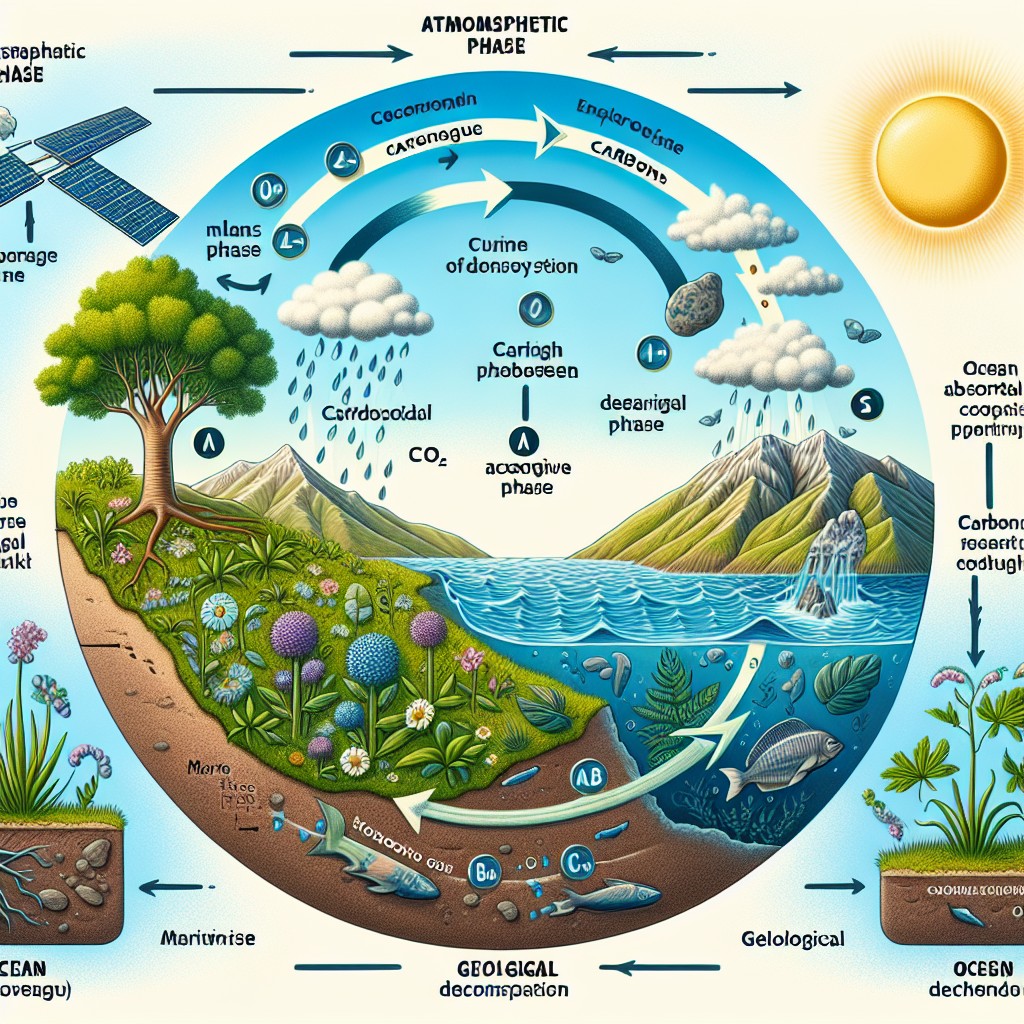
For a long time, the focus of climate action has been on reducing emissions – mitigation. And that’s still absolutely vital. But the conversation is shifting. We’re increasingly recognising that even if we slash emissions to zero tomorrow, the greenhouse gases already in the atmosphere will continue to influence our climate for centuries. This is where the exciting, and sometimes controversial, field of carbon dioxide removal (CDR) technologies comes in. These aren’t just about stopping emissions; they’re about actively pulling CO2 out of the air.
Direct Air Capture (DAC) – The Artificial Lungs of the Planet
Direct Air Capture (DAC) technologies are essentially artificial systems designed to scrub carbon dioxide directly from the ambient air. While still in their early stages of development and deployment, they hold immense potential. Think of them as mechanical trees, but with a far more targeted and efficient way of capturing CO2.
Chemical Processes for CO2 Sequestration
These systems typically use chemical processes to bind with CO2 molecules. Once captured, the CO2 can then be either stored underground (sequestered) or, in some cases, used in industrial processes. The challenge is making these processes energy-efficient and economically viable on a large scale.
The Energy Footprint Dilemma
A significant hurdle for DAC is its energy requirement. If the energy to run DAC plants comes from fossil fuels, it defeats the purpose. Therefore, a key breakthrough needed is the integration of DAC with renewable energy sources, making the entire process carbon-negative. Researchers are actively working on more energy-efficient sorbent materials and optimised system designs.
Bioenergy with Carbon Capture and Storage (BECCS)
Another approach involves using biomass – plants – to absorb CO2 as they grow. This is then burned for energy, with the CO2 released during combustion being captured and stored underground. It’s a way to create negative emissions by leveraging natural processes.
Land Use and Sustainability Concerns
The big questions around BECCS often revolve around land use. Growing crops for BECCS can compete with food production or natural ecosystems. So, the breakthrough here lies in finding sustainable ways to source biomass and ensuring that the net carbon benefit isn’t outweighed by the environmental impact of land-use change.
Enhanced Weathering and Ocean-Based Solutions
Beyond man-made machines, scientists are also exploring enhancements to natural processes. Enhanced weathering involves spreading crushed silicate rocks on land or in the oceans. These rocks naturally absorb CO2 from the atmosphere as they break down. Ocean-based solutions might include techniques to increase the ocean’s natural capacity to absorb CO2, though these are particularly complex and require careful study to avoid unintended consequences.
The Promise of Ocean Alkalinity Enhancement
One area of active research is ocean alkalinity enhancement, which aims to increase the ocean’s ability to absorb atmospheric CO2. This is a delicate dance, as the ocean’s chemistry is incredibly complex, and any intervention needs to be thoroughly understood for its wider ecological impacts.
Revolutionising Climate Data: The Rise of Satellites and Remote Sensing
Gathering accurate and comprehensive data about our planet has always been the bedrock of climate science. Traditionally, this meant relying on weather stations, buoys, and limited ground-based measurements. However, the advent and advancement of satellite technology and sophisticated remote sensing techniques have been nothing short of revolutionary. We’re now able to get a global, real-time view of Earth’s systems in unprecedented detail.
A Global Surveillance Network
Satellites orbiting Earth have become integral to climate monitoring. They can measure everything from atmospheric composition (like greenhouse gas concentrations) and sea surface temperature to ice sheet extent and vegetation health. This constant stream of data provides a vital baseline for understanding current conditions and tracking changes over time.
Precision in Measuring Greenhouse Gases
Recent advances in satellite instruments allow for more precise measurements of greenhouse gases like methane and carbon dioxide, even at very low concentrations. This is crucial for identifying emission hotspots, understanding their sources, and holding polluters accountable. It’s like having a global, high-resolution camera that can detect the faintest sources of pollution.
Unveiling Hidden Processes
Remote sensing techniques go beyond just measuring what’s visible. They can infer information about things like soil moisture content, cloud properties, and even the health of forests through changes in their spectral signatures. This allows scientists to study complex atmospheric and terrestrial processes that were previously difficult or impossible to monitor directly.
LiDAR and Radar for Earth Observation
Techniques like LiDAR (Light Detection and Ranging) and advanced radar systems are providing incredible three-dimensional data. LiDAR can map the topography of the Earth’s surface with remarkable accuracy, helping us understand land use change and its impact on carbon cycles. Radar can penetrate clouds, offering invaluable insights into weather patterns and ocean dynamics regardless of surface conditions.
Improving Climate Model Inputs
The vast amount of data generated by satellites is then fed into climate models. This constant influx of data allows for more frequent model updates and assimilations, making the models more responsive to current climate conditions and improving their predictive capabilities. It’s a feedback loop where better data leads to better models, which in turn can guide where to focus data collection efforts.
Breakthroughs in Geoengineering: A Controversial Horizon
Geoengineering refers to large-scale interventions in the Earth’s climate system to counteract climate change. This is a highly debated and ethically complex area, but one that is seeing significant scientific exploration. While not a replacement for emissions reductions, it represents a potential set of tools that could, under specific and carefully controlled circumstances, help to mitigate some of the worst impacts of climate change.
Solar Radiation Management (SRM)
One of the most talked-about areas of geoengineering is Solar Radiation Management (SRM). The idea here is to reflect a small fraction of incoming sunlight back into space, thereby cooling the planet.
Stratospheric Aerosol Injection
A prominent proposal is stratospheric aerosol injection, which involves releasing tiny reflective particles (like sulphur dioxide) into the upper atmosphere, mimicking the cooling effect of large volcanic eruptions.
The Risks and Uncertainties
The major concern with SRM is the potential for unintended consequences and a range of risks. These include altering precipitation patterns, damaging the ozone layer, and potentially masking the warming signal for some critical environmental indicators, leading to complacency about emissions. Furthermore, if deployment were to stop suddenly, there could be a rapid and dangerous spike in temperatures.
Marine Cloud Brightening
Another SRM approach is marine cloud brightening, where seawater mist is sprayed into low-lying marine clouds to make them more reflective.
Localised Effects and Ethical Gaps
While potentially more localised than stratospheric injection, marine cloud brightening still faces significant unknowns regarding its effectiveness and potential side effects on regional weather and ecosystems. The ethical considerations surrounding who decides to deploy such technologies and how global agreements are reached are substantial.
Carbon Cycle Modification
Beyond reflecting sunlight, some geoengineering concepts focus on directly intervening in the carbon cycle.
Ocean Fertilisation
This involves adding nutrients, like iron, to certain ocean areas to stimulate the growth of phytoplankton. Phytoplankton absorb CO2 from the atmosphere as they grow, and when they die, some of this carbon is thought to sink to the deep ocean.
Ecological Impacts and Efficiency Questions
However, ocean fertilisation is highly controversial due to the risk of disrupting marine ecosystems, creating dead zones, and its uncertain efficiency in permanently sequestering carbon. Marine environments are incredibly sensitive, and such large-scale interventions could have unforeseen and cascading negative effects.
Understanding and Adapting to Tipping Points
| Breakthrough | Impact |
|---|---|
| Advanced Climate Models | Improved accuracy in predicting climate patterns |
| Carbon Capture Technology | Reduced greenhouse gas emissions |
| Renewable Energy Innovations | Decreased reliance on fossil fuels |
| Climate Engineering | Potential to manipulate weather patterns |
Climate science is increasingly grappling with the concept of “tipping points” – thresholds in the Earth’s systems beyond which a small change can lead to large, often irreversible consequences. The melting of major ice sheets, the dieback of the Amazon rainforest, or the collapse of ocean currents are examples of potential tipping points that could drastically alter the planet’s climate and ecosystems. Understanding these points and developing strategies to avoid them, or adapt to their consequences, is a critical frontier.
Advanced Modelling of Irreversible Changes
Scientists are developing more sophisticated models that can better identify the conditions under which tipping points are likely to be crossed. This involves looking at complex feedback loops and non-linear responses within the climate system.
Early Warning Systems for Abrupt Changes
The goal is to create early warning systems that can alert us to the approaching danger of a tipping point. This would give policymakers and communities crucial lead time to take preventive measures or prepare for significant societal and environmental shifts.
Resilience and Adaptation Strategies
Even if some tipping points are unavoidable, understanding them allows for the development of more targeted and effective adaptation strategies. This might involve planning for significant sea-level rise, adapting agricultural practices to new climate zones, or managing water resources in regions facing increased drought.
Rethinking Infrastructure and Urban Planning
The understanding of tipping points is forcing us to rethink long-term infrastructure investments and urban planning. Building in areas susceptible to new forms of extreme weather or under projected sea-level rise might become untenable.
The Ethical Dimensions of ‘Irreversible’ Change
The prospect of crossing irreversible tipping points also raises profound ethical questions about intergenerational equity and our responsibility to future generations. It highlights the urgent need for global cooperation and ambitious climate action to prevent reaching these critical thresholds.
Ultimately, the future of climate science is about deepening our knowledge, developing innovative tools, and fostering a more proactive and informed approach to the challenges we face. It’s a dynamic field, and these breakthroughs, while often complex and sometimes controversial, offer a glimpse into a future where we might be better equipped to understand, manage, and perhaps even mitigate the impacts of a changing climate.
FAQs
What are some breakthroughs in climate science that could change everything?
Some breakthroughs in climate science that could change everything include advancements in renewable energy technology, carbon capture and storage, climate modelling, and geoengineering.
How could advancements in renewable energy technology impact climate science?
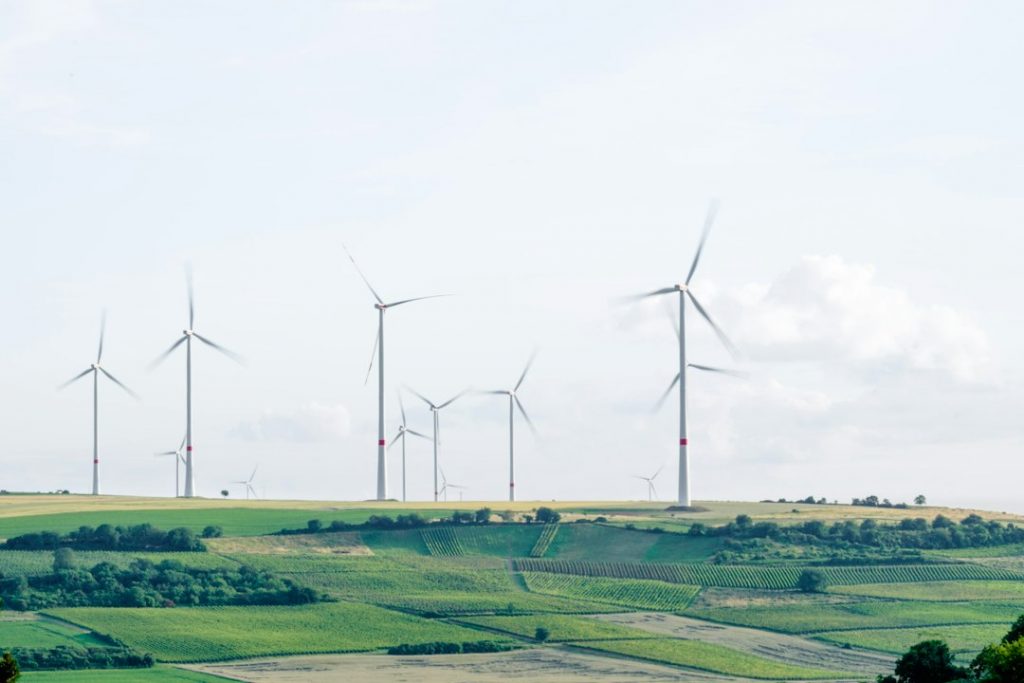
Advancements in renewable energy technology could significantly reduce greenhouse gas emissions and mitigate the effects of climate change. This includes developments in solar, wind, hydroelectric, and other forms of clean energy.
What is carbon capture and storage and how could it impact climate science?
Carbon capture and storage (CCS) is a technology that captures carbon dioxide emissions from sources like power plants and stores it underground. This could help reduce the amount of CO2 in the atmosphere and mitigate climate change.
How do advancements in climate modelling contribute to the future of climate science?
Advancements in climate modelling allow scientists to better understand and predict the impacts of climate change. This includes improved accuracy in forecasting extreme weather events, sea level rise, and other climate-related phenomena.
What is geoengineering and how could it change the future of climate science?
Geoengineering refers to deliberate large-scale interventions in the Earth’s climate system to counteract climate change. This includes techniques such as solar radiation management and carbon dioxide removal, which could potentially alter the course of climate change.