So, will climate change spell doom for our dinner plates with widespread food shortages? It’s a big question, and honestly, the answer isn’t a simple yes or no. Think of it more like a complex equation with a lot of moving parts. Yes, climate change is definitely making things harder for farmers and threatening our food supply. But it’s not a foregone conclusion that we’ll all be starving. We’re already seeing impacts, and it’s crucial to understand what’s happening and what we can do about it.
Climate change isn’t just about a bit of extra warmth. It’s about pushing weather patterns to extremes, and that’s a major headache for anyone trying to grow food. Even small shifts can have big ripple effects across vast agricultural systems.
Droughts: The Thirsty Fields
One of the most obvious ways climate change hits farming is through drought. As temperatures rise, more water evaporates from soil and plants. Plus, rainfall patterns are becoming less predictable. Areas that used to get reliable rain might now face prolonged dry spells, making it impossible for crops to grow or for livestock to find enough to drink.
- Impact on Staples: Crops like wheat, maize, and rice, which are the backbone of diets for billions, are particularly vulnerable to water stress. Reduced yields mean less food available and higher prices.
- Water Scarcity for Irrigation: Even in places where water is usually available, prolonged droughts can deplete rivers and reservoirs, meaning irrigation systems that farmers rely on can’t function. This forces difficult choices about which crops get water, or if any can be grown at all.
- Livestock Suffering: Beyond crops, droughts mean less pasture for grazing animals. This can lead to animals being sold off prematurely for less money, reduced milk production, and in severe cases, widespread starvation of livestock.
Floods and Extreme Rainfall: Drowning Our Hopes
On the flip side, we’re also seeing more intense rainfall events. While it might seem counterintuitive after talking about droughts, both extremes are products of a warming atmosphere holding more moisture. These floods can be just as destructive, if not more so, than droughts.
- Washing Away Crops: Heavy rains can literally wash away young seedlings, destroy mature crops, and inundate fields, suffocating plants and making them rot. The nutrient-rich topsoil can also be eroded and carried away, leaving land depleted.
- Damage to Infrastructure: Floods aren’t just about the fields. They can destroy farm buildings, storage facilities, roads, and bridges, making it difficult to transport food from farms to markets. This can lead to spoilage and waste.
- Disease Outbreaks: Waterlogged conditions can also create breeding grounds for plant diseases and pests, further damaging crops and requiring costly interventions.
Heatwaves and Rising Temperatures: Cooking the Crops
Higher temperatures themselves are a problem. Many crops have a “sweet spot” for temperature ranges. Go beyond that, and yields can plummet, or the crops can become completely unusable.
- Stunted Growth and Reduced Yields: Extreme heat can stress plants, preventing them from developing properly. This can lead to smaller fruits, shorter stems, and generally much lower crop yields.
- “Heat Shock” and Crop Failure: Some crops can experience “heat shock” in very high temperatures, leading to irreversible damage and complete crop failure. Pollination can also be negatively affected, reducing fruit set.
- Increased Water Demand: Even without drought scenarios, higher temperatures mean plants need more water to survive. This exacerbates water scarcity issues in many regions.
Shifting Growing Seasons: A Calendar Out of Sync
The timing of seasons is crucial for agriculture. When those timings start to shift due to climate change, it throws traditional farming calendars into disarray.
- Early or Late Frosts: Warmer winters can lead to plants budding earlier, only to be killed off by a late frost. Conversely, crops might not get the chilling periods they need to thrive.
- Disrupted Flowering and Fruiting: Changes in temperature and daylight hours can interfere with the flowering and fruiting cycles of many plants, impacting harvests.
- Mismatched Life Cycles: The life cycles of pests, diseases, and the crops themselves might become out of sync. For example, a pest that used to be controlled by a specific cold snap might now survive and thrive, wreaking havoc on crops.
Where is it Hitting Hardest? The Global Hotspots
While climate change is a global phenomenon, its impacts on food supply aren’t felt equally everywhere. Certain regions are already on the front lines, facing more severe challenges.
Vulnerable Regions: The Frontlines of Risk
Many developing countries, particularly those in tropical and subtropical regions, are significantly more vulnerable. This is due to a combination of factors, including their reliance on rain-fed agriculture, lower adaptive capacity, and existing challenges with food security.
- Sub-Saharan Africa: This continent is already grappling with a range of environmental challenges. Climate change is intensifying droughts and making rainfall more erratic, heavily impacting staple crops and livestock. This region has a high dependence on agriculture for livelihoods.
- South Asia: Countries like India, Pakistan, and Bangladesh face threats from heatwaves, variable monsoons, and increasingly volatile weather patterns, which can disrupt rice and wheat production, vital for feeding their large populations.
- Latin America: Parts of this region, especially Central America and northern South America, are experiencing more frequent and intense droughts, affecting crops like coffee, maize, and beans. Coastal areas are also vulnerable to sea-level rise and extreme weather.
Economic and Social Factors: The Added Challenges
It’s not just about the weather. The ability of a country or community to adapt to climate change impacts is heavily influenced by its economic and social circumstances.
- Limited Resources for Adaptation: Poorer nations often lack the financial resources, technology, and infrastructure to invest in climate-resilient farming practices, such as improved irrigation, drought-resistant seeds, or early warning systems.
- Dependence on Agriculture: In many of these vulnerable regions, agriculture is the primary source of income and food for a large portion of the population. When farming fails, the impact on livelihoods and food security is immediate and devastating.
- Political Instability and Conflict: Existing political instability, conflict, and poor governance can further hinder a region’s ability to respond to climate shocks and build resilience. This can exacerbate food crises.
The Impact on Our Plates: What We Might See
So, what does all this disruption mean for the actual food on our tables? It’s not just about less food, but also about changes in what we eat and how much it costs.
Price Volatility: The Cost of Uncertainty
When crop yields are unstable, the predictable result is price volatility. This can make food unaffordable for many, even if there’s technically enough supply globally.
- “Food Price Spikes”: Extreme weather events in major food-producing regions can cause sudden and significant increases in the prices of certain commodities. This can disproportionately affect low-income households who spend a larger percentage of their income on food.
- Impact on Global Markets: When a major breadbasket region suffers crop failure, it affects prices on international markets, meaning consumers worldwide can feel the pinch.
- Reduced Purchasing Power: Higher food prices mean people have less money to spend on other essential goods and services, potentially leading to a broader economic slowdown.
Dietary Shifts: More Than Just a Choice
As certain foods become less reliable or more expensive, people might be forced to shift their diets. This isn’t always a positive change for nutrition or cultural diversity.
- Reliance on Fewer, More Resilient Crops: Farmers might shift to growing crops that are hardier in changing conditions, even if they are less nutritious or less culturally significant for a region. This can lead to a narrowing of dietary diversity.
- Increased Demand for Processed Foods: In some cases, less resilient fresh produce might be replaced by more shelf-stable, processed foods, which can have higher levels of salt, sugar, and unhealthy fats.
- Impact on Traditional Diets: For communities with deeply ingrained traditional diets based on specific crops, climate-induced changes can threaten their cultural heritage and traditional food practices.
Nutrient Deficiencies: More Than Just Calories
Food security isn’t just about having enough calories; it’s also about having nutritious food. Climate change can impact the nutrient content of food itself.
- Reduced Vitamin and Mineral Content: Studies suggest that rising CO2 levels, while sometimes boosting plant growth, can also reduce the concentration of essential nutrients like zinc and iron in staple crops like wheat and rice.
- Impact on Protein and Micronutrients: Beyond staples, other crops might see reductions in protein, vitamins, and minerals due to heat stress and altered growing conditions.
- Consequences for Health: A diet lacking in essential micronutrients can lead to a range of health problems, including developmental issues in children, weakened immune systems, and increased susceptibility to diseases.
Adaptation and Mitigation: What We Can Do
It’s a grim picture, but it’s not hopeless. There are things we can do, both on a large scale and as individuals, to prepare for and lessen the impacts of climate change on our food supply.
Resilient Agriculture: Farming for the Future
Farmers are already innovating, and there’s a lot of work being done to make farming itself more robust against climate challenges.
- Climate-Smart Agriculture: This involves a range of practices, such as improving water management (e.g., drip irrigation, rainwater harvesting), investing in drought-tolerant crop varieties, and adopting soil conservation techniques that improve water retention and fertility.
- Diversifying Crops and Livestock: Moving away from monocultures towards a wider range of plant and animal species can make food systems more resilient. If one crop fails, others might still thrive.
- Agroforestry and Ecological Farming: Integrating trees into farming systems can provide shade, improve soil health, and create microclimates that are more stable. Practices that mimic natural ecosystems can also build resilience.
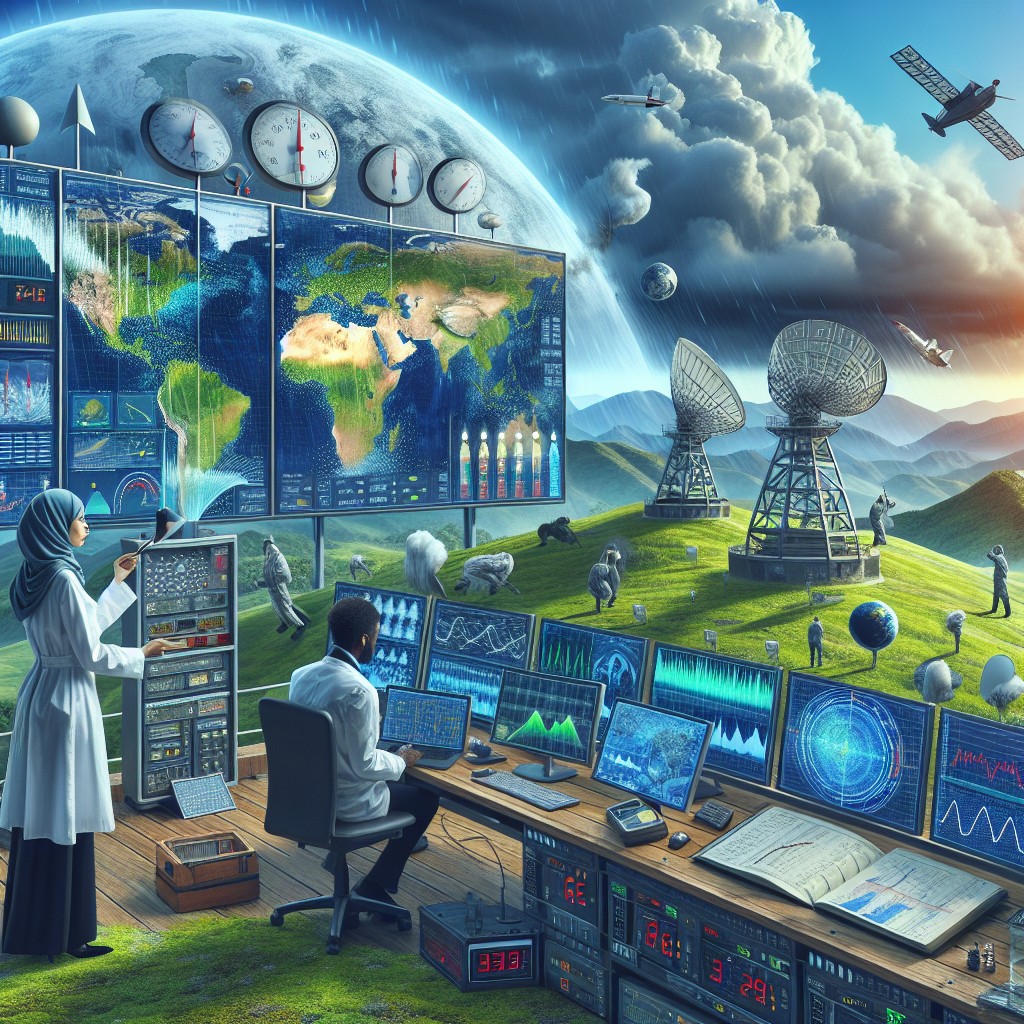
- Early Warning Systems and Climate Information: Providing farmers with better access to accurate weather forecasts and climate projections allows them to make informed decisions about planting, harvesting, and managing risks.
Reducing Food Waste: A Simple Yet Powerful Solution
A significant amount of the food we produce never actually gets eaten. Tackling food waste is a critical part of ensuring we have enough food, regardless of how production is affected.
- From Farm to Fork: Waste occurs at every stage: during harvest, transport, storage, processing, retail, and in our own homes. Identifying and addressing these leakage points is crucial.
- Improved Storage and Infrastructure: Investing in better cold chain storage, packaging, and transportation can significantly reduce spoilage between the farm and the consumer.
- Consumer Awareness and Behaviour Change: Small changes in how we buy, store, and prepare food at home can have a massive collective impact. Planning meals, using leftovers, and understanding “best before” dates are key.
- Smart Policies and Initiatives: Governments and organisations can implement policies that encourage waste reduction, such as food donation schemes and standardised date labelling.
Sustainable Diets: Eating for a Healthier Planet
The choices we make about what we eat also have a significant impact on the environment, including its ability to support food production in the long term.
- Plant-Rich Diets: Diets that are higher in fruits, vegetables, legumes, and whole grains, and lower in meat and dairy, generally have a smaller environmental footprint. This is due to the resources (land, water, energy) required for livestock production.
- Locally Sourced and Seasonal Foods: Where possible, choosing foods that are grown closer to home and are in season can reduce the carbon emissions associated with transportation and often supports local economies.
- Mindful Consumption: Thinking about the environmental impact of our food choices and actively seeking out more sustainable options can contribute to a healthier planet and a more secure food future.
Global Cooperation and Policy: The Big Picture
Addressing climate change and its impact on food supply requires coordinated action on a global scale, backed by supportive policies.
- International Agreements and Funding: Strong international agreements on climate action and financial mechanisms to support adaptation and mitigation efforts in vulnerable countries are essential.
- Investment in Research and Development: Continued investment in agricultural research, including breeding new resilient crop varieties and developing innovative farming techniques, is vital.
- Trade Policies: Fair and stable trade policies can help ensure that food can move efficiently from surplus to deficit regions, mitigating the impact of localised shortages.
- Support for Smallholder Farmers: Many of the world’s food producers are smallholder farmers. Policies that support their access to credit, technology, and markets are crucial for building resilience from the ground up.
The Verdict: Not an Inevitable Apocalypse, But a Serious Wake-Up Call
| Metrics | Data |
|---|---|
| Global temperature rise | 1.0°C increase since the pre-industrial era |
| Carbon dioxide levels | 415 parts per million (ppm) in the atmosphere |
| Impact on food supply | Decrease in crop yields and nutritional value of food |
| Projected population growth | 9.7 billion by 2050 |
| Challenges | Increased demand for food with limited resources |
So, back to our original question: will the world face food shortages due to climate change? It’s highly probable that we will see increased food insecurity, greater price volatility, and more frequent regional shortages, especially in vulnerable areas. The idea of a single, global, cataclysmic shortage might be an exaggeration, but the ongoing and escalating impacts are serious enough to warrant significant action.
Climate change is fundamentally altering the conditions under which we grow food. It’s a massive challenge, but humans are pretty adaptable. The question isn’t really if we’ll face food supply issues, but how severe they will be and how well we manage to adapt and mitigate the impacts. The choices we make now – in our farms, in our policies, and in our own lives – will determine the future of our food security. It’s a complex, ongoing process, and one we all have a stake in.
FAQs
What is climate change and how does it affect food supply?
Climate change refers to long-term changes in temperature, precipitation, and other atmospheric conditions on Earth. These changes can have a significant impact on food production, as they can alter growing seasons, water availability, and the prevalence of pests and diseases.
What are the potential consequences of climate change on food supply?
Climate change can lead to reduced crop yields, decreased livestock productivity, and increased food insecurity. Extreme weather events such as droughts, floods, and heatwaves can also disrupt food production and distribution, leading to shortages and price spikes.
How are different regions of the world affected by climate change in terms of food supply?
Different regions will experience varying impacts of climate change on food supply. For example, some areas may see increased agricultural productivity due to longer growing seasons, while others may face decreased yields and increased vulnerability to extreme weather events.
What measures can be taken to mitigate the impact of climate change on food supply?
Adopting sustainable agricultural practices, investing in climate-resilient crop varieties, improving water management, and reducing greenhouse gas emissions are all important measures to mitigate the impact of climate change on food supply. Additionally, improving access to technology and information for farmers can help them adapt to changing conditions.
What role can individuals and governments play in addressing the potential food shortages caused by climate change?
Individuals can contribute to addressing food shortages caused by climate change by reducing food waste, supporting sustainable agriculture, and advocating for policies that promote climate resilience. Governments can implement policies to support farmers, invest in agricultural research and infrastructure, and take action to reduce greenhouse gas emissions.