So, you’re wondering how wind power actually works? In a nutshell, it’s all about harnessing the natural movement of air – that’s wind – to generate electricity. It’s a pretty straightforward concept that’s been around for ages in simpler forms, but modern wind turbines are sophisticated pieces of engineering that do the heavy lifting.
How Does a Wind Turbine Generate Electricity?
Imagine a giant pinwheel spinning in the sky. That’s the basic idea behind a wind turbine. The wind is essentially moving air, and that movement carries kinetic energy. When this moving air hits the blades of a wind turbine, it causes them to rotate.
The Anatomy of a Turbine
To understand how this rotation turns into electricity, let’s break down the main components you’d find in a typical modern wind turbine.
The Blades
These are the most visible parts, and they’re crucial. Designed much like airplane wings, they’re aerodynamically shaped. This shape means that as wind flows over them, it creates a difference in air pressure on either side. This pressure difference generates lift, which is the force that pushes the blades and makes them spin. The larger and more perfectly shaped the blades, the more efficiently they can capture the wind’s energy. Most modern turbines have three blades, as this offers a good balance of efficiency, stability, and cost.
The Rotor
This is the assembly that includes the blades and the hub they’re attached to. The hub is essentially the central point where all the blades connect. As the blades spin, the rotor spins with them.
The Nacelle
This is the box-like structure situated at the top of the tower, behind the rotor. It’s where all the “magic” happens in terms of converting rotational energy into electrical energy. It’s a pretty busy place in there.
The Gearbox (Sometimes)
Many, but not all, wind turbines have a gearbox. The blades spin relatively slowly, but for efficient electricity generation, you need to spin an electrical generator much faster. The gearbox acts like the gears on a bicycle, taking the slow, powerful rotation of the rotor and stepping it up to a much higher speed. This increased speed then drives the generator more effectively. Some newer, advanced turbines use direct-drive generators which eliminate the need for a gearbox, potentially reducing maintenance and increasing reliability.
The Generator
This is the heart of the electricity production. Similar to the generators you might find in a power station, it converts mechanical energy (the spinning of the rotor shaft) into electrical energy. It works on the principle of electromagnetic induction: when a conductor (like a coil of wire) moves through a magnetic field, it generates an electric current.
The Drivetrain
This refers to the entire shaft system, including the low-speed shaft connected to the rotor and the high-speed shaft connected to the generator (likely via the gearbox). It’s the pathway for the rotational energy.
The Yaw System
This is a motor and brake system that allows the nacelle to be rotated to face directly into the wind. Wind direction changes, so the turbine needs to constantly adjust its orientation to capture as much wind energy as possible. This system ensures optimal performance.
The Pitch System
This system controls the angle of the blades. It can adjust the pitch of the blades to optimize energy capture in different wind speeds and to protect the turbine in very high winds. In strong winds, the blades can be angled to reduce the surface area catching the wind, preventing damage.
The Anemometer and Wind Vane
These are like the turbine’s eyes and ears. The anemometer measures wind speed, and the wind vane measures wind direction. This data is fed back to the control system, which then operates the yaw and pitch systems accordingly.
The Process: From Breeze to Kilowatts
So, how does all this come together? It’s a cascading process:
- Wind Strikes Blades: The kinetic energy of the wind hits the aerodynamically shaped blades.
- Blades Rotate: This wind pressure causes the blades to spin, and they’re connected to the rotor, which spins too.
- Rotor Turns Shaft: The spinning rotor turns a low-speed shaft inside the nacelle.
- Gearbox (If Present) Increases Speed: If there’s a gearbox, it takes this slow rotation and speeds it up significantly, transferring it to a high-speed shaft.
- Generator Produces Electricity: The high-speed shaft spins the generator, which, through electromagnetic induction, converts this mechanical energy into electrical energy.
- Electricity is Conditioned: The electricity produced by the generator isn’t always in the right format for the grid. It often needs to be converted to the correct voltage and frequency. This is done by a converter or inverter.
- Electricity is Transmitted: The conditioned electricity then travels down cables inside the tower and is then fed into the electricity grid via a transformer, which usually steps up the voltage for efficient long-distance transmission.
Different Types of Wind Turbines
While the fundamental principle is the same, wind turbines come in various shapes and sizes, but the most common type you’ll see is the horizontal-axis wind turbine (HAWT). This is the classic design with the three blades rotating on a horizontal axis.
They typically come in two main categories based on their size and application:
Onshore Wind Turbines
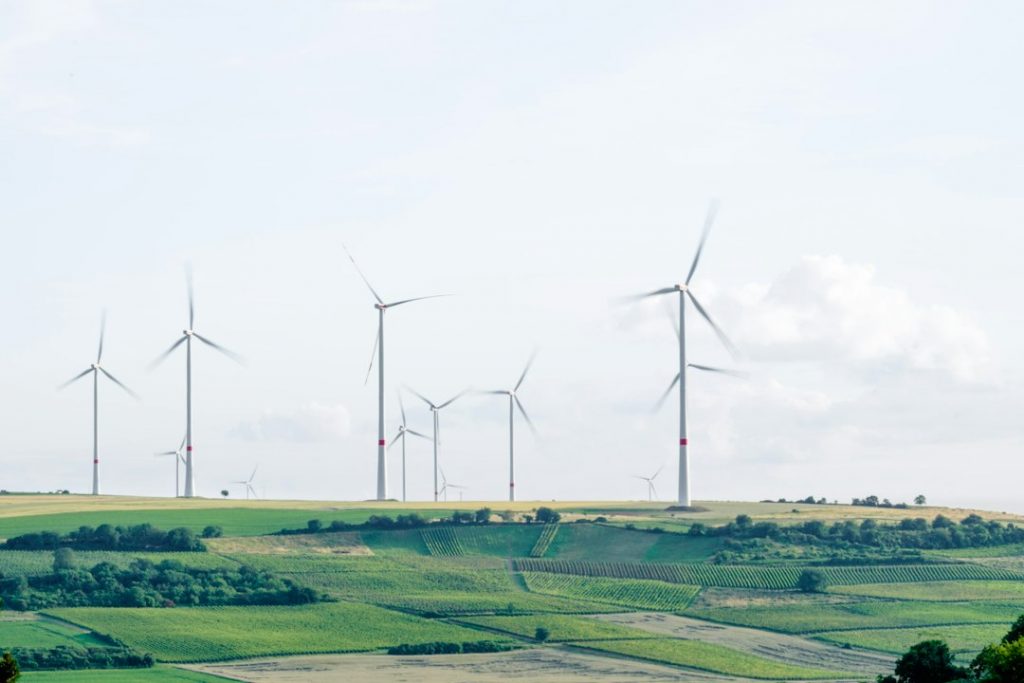
These are the ones you’ll see dotted across the countryside, generating power from wind blowing over land. They can vary in size, but modern onshore turbines are quite substantial, with rotor diameters often exceeding 100 metres and towers reaching over 100 metres high.
Advantages of Onshore Turbines
- Accessibility: They are easier to install, maintain, and transport components for compared to offshore turbines.
- Lower Cost: Generally, onshore wind farms are cheaper to build and operate.
- Established Technology: The technology is mature and well-understood.
Disadvantages of Onshore Turbines
- Visual Impact: Some people find them visually intrusive, and they can alter the landscape.
- Noise: While modern turbines are much quieter, some noise can still be a concern for nearby residents.
- Wind Variability: Wind speeds can be more variable over land than at sea.
- Land Use: They require a significant amount of land, although the actual footprint of each turbine is small, and the land between them can often still be used for agriculture.
Offshore Wind Turbines
These are built out at sea, where winds tend to be stronger and more consistent. They are significantly larger than onshore turbines and are mounted on foundations fixed to the seabed.
Advantages of Offshore Turbines
- Stronger, More Consistent Winds: This leads to higher energy output per turbine.
- Reduced Visual and Noise Impact: They are further from populated areas.
- Greater Potential for Large-Scale Development: Oceans offer vast areas for large wind farms.
Disadvantages of Offshore Turbines
- Higher Costs: Installation and maintenance are significantly more expensive and complex due to the marine environment.
- Logistical Challenges: Getting equipment and personnel to offshore sites is difficult and weather-dependent.
- Environmental Concerns: Whilst generally seen as beneficial to the environment, construction and operation can have impacts on marine ecosystems and shipping routes.
There are also vertical-axis wind turbines (VAWTs), where the blades spin around a vertical axis. These are less common for large-scale electricity generation, but you might see them in smaller, niche applications like powering remote buildings or for aesthetic purposes. They have some advantages, like not needing to be pointed into the wind and being able to tolerate turbulent wind better, but they are generally less efficient than HAWTs for utility-scale power generation.
What Makes the Wind Blow? (The Physics Behind It)
This might seem like a question for a meteorologist, but understanding the basics of what drives the wind is fundamental to understanding wind power.
Uneven Heating of the Earth
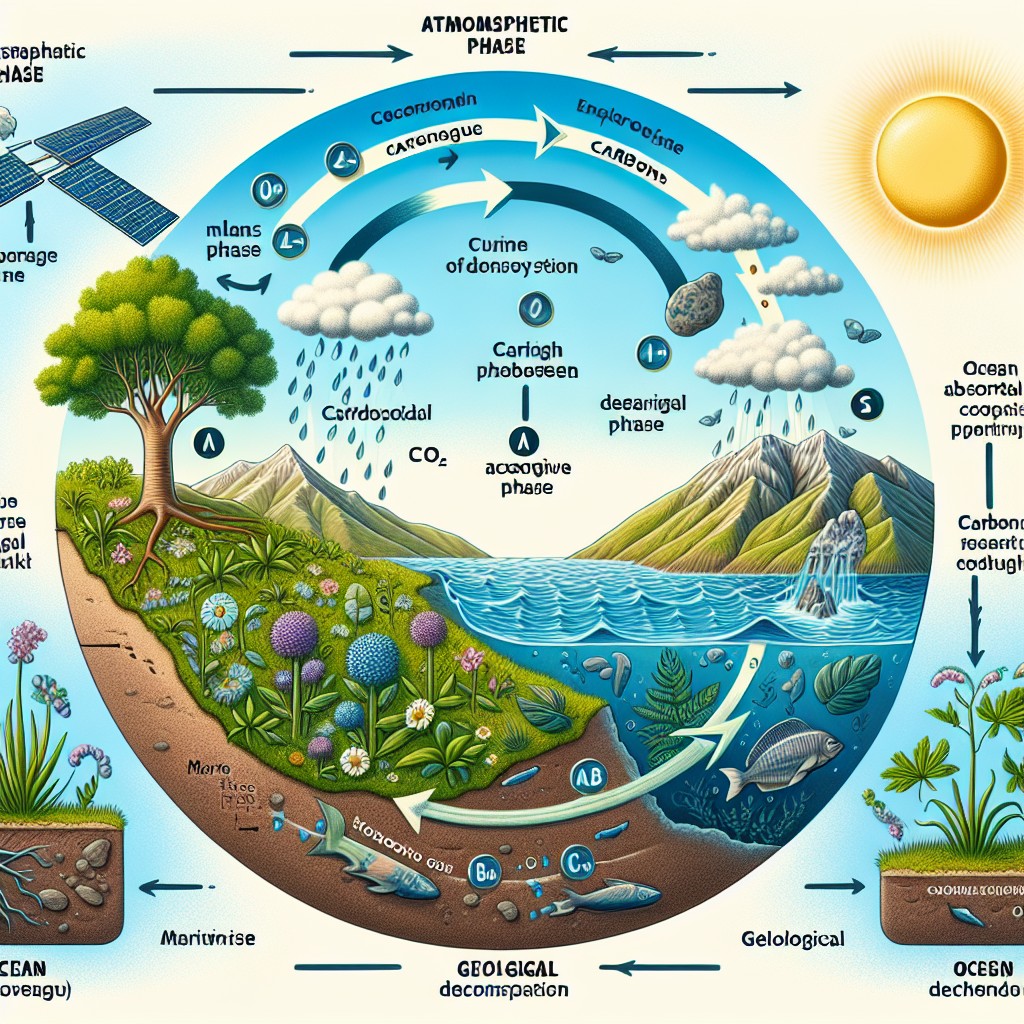
The primary driver of wind is the sun. The Earth’s surface is heated unevenly by the sun’s rays. This is because of several factors:
- Earth’s Tilt: The tilt of the Earth’s axis means that different parts of the planet receive more direct sunlight at different times of the year.
- Surface Type: Land heats up and cools down much faster than water. Deserts absorb and radiate heat quickly, while oceans act as a heat sink. Features like mountains also affect how sunlight is absorbed and reflected.
- Atmospheric Composition: Cloud cover and atmospheric gases can influence how much solar radiation reaches the surface.
Differences in Air Pressure
When areas of the Earth’s surface heat up, the air above them also heats up. As air heats, it expands and becomes less dense. This less dense, warmer air rises, creating an area of lower atmospheric pressure at the surface. Conversely, cooler air is denser and sinks, creating an area of higher atmospheric pressure. The atmosphere always tries to balance these pressure differences.
Air Moves from High to Low Pressure
Wind is essentially the movement of air from areas of high pressure to areas of low pressure. This is like a ball rolling downhill – it moves from a higher potential energy state to a lower one. The greater the difference in pressure between two areas, the stronger the wind will be.
The Coriolis Effect
On a larger scale, the Earth’s rotation also influences wind patterns. This is called the Coriolis effect. It causes winds to deflect to the right in the Northern Hemisphere and to the left in the Southern Hemisphere. This is why large-scale weather systems like hurricanes and jet streams curve rather than blowing in a straight line.
So, when you see a wind turbine, you’re witnessing a real-world application of these fundamental atmospheric processes. The sun’s energy, creating temperature and pressure differences, causes the air to move, and the turbine captures that movement.
Wind Farms and Grid Connection
A single wind turbine is impressive, but the real power of wind energy comes from wind farms. These are collections of many wind turbines grouped together, often in large open areas (onshore) or out at sea (offshore).
Why Group Them?
- Efficiency: Strategically placing turbines within a wind farm can optimise their collective energy capture. Experts study wind flow patterns to minimise the turbulence and “wake effect” where one turbine can reduce the wind resource for a turbine behind it.
- Infrastructure: It’s much more efficient to build shared infrastructure for a group of turbines. This includes access roads, cabling, and substations.
- Grid Connection: Connecting a single turbine to the national grid would be prohibitively expensive. A wind farm allows for a concentrated connection point, making it economically viable.
The Role of the Substation
Each wind farm typically has its own substation. This is where the electricity generated by all the turbines is collected. Inside the substation, the electricity is “conditioned” – its voltage is increased by a transformer. This is because electricity loses less energy when it’s transmitted at higher voltages over long distances.
Connecting to the National Grid
From the wind farm substation, high-voltage cables are laid (often underground or undersea) to connect to the wider national electricity grid. This grid is the vast network that distributes electricity from power sources to homes and businesses. Grid operators then manage the flow of this wind-generated electricity, balancing it with power from other sources to ensure a stable and reliable supply.
Challenges and the Future of Wind Power
Like any energy technology, wind power isn’t without its challenges, but ongoing innovation is addressing these.
Intermittency
The most significant challenge is that the wind doesn’t blow all the time. This means electricity generation isn’t constant, which can be an issue for grid stability if not managed carefully.
- Solutions: Energy storage technologies, such as batteries, are becoming increasingly important. These can store excess wind energy when it’s plentiful and release it when the wind is low. Improved grid management and forecasting also play a crucial role in balancing supply and demand.
Environmental Considerations
While wind power is a clean energy source, there are still environmental aspects to consider.
- Bird and Bat Fatalities: Turbines can pose a risk to birds and bats. However, careful site selection, operational adjustments (like temporarily shutting down turbines during peak migration periods), and technological advancements are helping to mitigate these impacts. Research often shows that other human-made structures cause far more fatalities.
- Visual Impact and Noise: As mentioned earlier, some people are concerned about the visual impact of turbines and any potential noise.
- Material Use and Recycling: The manufacturing of turbines requires resources, and end-of-life recycling of blades is an area of ongoing research and development.
Grid Integration
Integrating large amounts of variable renewable energy into an ageing grid infrastructure requires significant investment and modernization.
- Solutions: This involves upgrading transmission lines, developing smarter grid technologies (like demand-side management), and ensuring grid stability through a mix of energy sources and storage.
The Future
The future of wind power looks very promising. We’re seeing:
- Bigger and More Efficient Turbines: Turbines are getting larger, with longer blades, allowing them to capture more energy from the wind.
- Floating Offshore Wind: This technology opens up vast new areas for offshore wind development in deeper waters, where fixed foundations aren’t feasible.
- Improved Technology: Innovations in blade design, control systems, and materials are constantly improving efficiency and reducing costs.
- Hybrid Projects: Combining wind farms with solar power and energy storage is becoming increasingly common, providing a more consistent and reliable energy supply.
- Power-to-X: Exploring ways to use surplus wind energy to create green hydrogen or other sustainable fuels is another exciting frontier.
Essentially, wind power is a vital and growing part of our efforts to decarbonise our energy system. It’s a mature technology that’s continuously evolving, making it a cornerstone of renewable energy for years to come.
FAQs
What is wind power?
Wind power is the use of wind to generate electricity. Wind turbines are used to capture the kinetic energy of the wind and convert it into electrical energy.
How does wind power work?
Wind power works by using the force of the wind to turn the blades of a wind turbine. The spinning blades then drive a generator to produce electricity.
What are the benefits of wind power?
Wind power is a renewable and clean source of energy, which means it does not produce greenhouse gas emissions or air pollutants. It also helps to reduce our reliance on fossil fuels and can create jobs in the renewable energy sector.
What are the limitations of wind power?
One limitation of wind power is that it is intermittent, meaning it is not always windy. This can make it difficult to rely solely on wind power for electricity generation. Additionally, wind turbines can have visual and noise impacts on the surrounding area.
Where is wind power used?
Wind power is used in many countries around the world, with some of the largest wind farms located in the United States, China, and Germany. It is particularly popular in areas with strong and consistent wind patterns, such as coastal regions and open plains.