When we talk about which countries are leading the charge in solar energy, it’s not always about who has the most panels or the biggest solar farms. Often, the real story lies in how much solar power a country produces relative to its population – essentially, how much sun-powered electricity each person gets. On this front, Australia, with its vast, sunny landscapes and relatively smaller population, often comes out on top, consistently producing the most solar energy per person globally. Cyprus and the Netherlands are also strong contenders making significant strides.
Looking at total solar output can be a bit misleading. China, for instance, produces an enormous amount of solar energy in absolute terms, but its massive population means that per person, the contribution isn’t as high as smaller nations. Focusing on solar energy per capita gives us a clearer picture of a country’s commitment to renewable energy for its citizens and its actual progress in transitioning away from fossil fuels. It highlights the efficiency and widespread adoption within a society, rather than just the sheer scale of deployment.
Understanding the Metrics: What We’re Measuring
When we say “solar energy per person,” we’re generally referring to the amount of electricity generated by solar photovoltaic (PV) systems within a country over a specific period, usually a year, divided by that country’s population for the same period. This metric is typically expressed in kilowatt-hours (kWh) or megawatt-hours (MWh) per person. It’s a good indicator of how deeply solar power has penetrated a nation’s energy mix and how much each individual benefits from or contributes to its production.
The Role of Population Density
Countries with lower population densities and abundant sunshine often have an inherent advantage in per capita solar production. There’s simply more available land for solar installations without encroaching too much on urban areas or agricultural land. This isn’t to say densely populated countries can’t excel, but they often need more innovative solutions, like rooftop solar on a massive scale or offshore solar farms, which come with their own set of challenges and costs.
Top Performers: Who’s Leading the Charge?
While the exact rankings can fluctuate slightly year by year as new data comes in and renewable energy deployments evolve, a few countries consistently appear at the top of the “solar energy per person” leaderboard.
Australia: The Sunshine Champion
Australia stands out as a global leader in solar energy per capita. With its vast, sun-drenched continent and a strong culture of adopting rooftop solar, it’s no surprise. Australians have embraced solar power with enthusiasm, driven by high electricity prices and government incentives.
Rooftop Revolution: A Key Driver
The sheer number of homes with solar panels on their roofs in Australia is astonishing. Over a third of Australian homes now have solar PV systems, one of the highest penetration rates in the world. This widespread household adoption contributes significantly to the per capita figures, as it decentralises energy production and empowers individual consumers to generate their own power.
Government Support and Policy
Various state and federal government schemes, coupled with a general push for renewables, have played a crucial role. Feed-in tariffs, rebates, and favourable lending schemes have made solar more accessible and financially attractive for homeowners and businesses alike. While these policies have evolved, they laid a strong foundation for the current solar boom.
Abundant Natural Resources
Australia’s natural endowment of sunshine is undeniable. Large areas of the country receive high levels of solar irradiance throughout the year, making it an ideal location for both small-scale rooftop installations and large-scale solar farms. This natural advantage, combined with human ingenuity and policy, has propelled Australia to the forefront.
The Netherlands: A Surprising European Leader
Perhaps less intuitively, the Netherlands has also emerged as a significant player in solar energy per person. Despite its northern European location and often-cloudy weather, the Dutch have made remarkable progress in integrating solar into their energy mix.
Clever Land Use and Innovation
Given its high population density, the Netherlands has had to be inventive with its solar deployment. This includes extensive use of rooftop solar on residential, commercial, and industrial buildings, but also innovative approaches like floating solar farms on lakes and even solar panels integrated into noise barriers and infrastructure. Their focus on efficiency and advanced technology has been key.
Strong Political Will and Investment
The Dutch government has demonstrated a clear commitment to renewable energy targets and has backed this with substantial investment and supportive policies. This includes financial incentives for solar installation, grid improvements to handle increased renewable energy input, and a general drive towards sustainability in all sectors.
Citizen Engagement and Energy Communities
There’s a growing movement in the Netherlands for local energy communities and citizen participation in renewable energy projects. This bottom-up approach, combined with top-down policy, fosters a sense of ownership and encourages broader adoption of solar power across different societal levels.
Other Notable Contenders
While Australia and the Netherlands often lead, several other countries are performing exceptionally well in solar energy per person.
Germany: The Early Adopter’s Legacy
Germany, though perhaps no longer consistently at the absolute top of the per capita list, was an early pioneer in solar energy. Its Energiewende (energy transition) significantly boosted solar adoption through generous feed-in tariffs. The legacy of this early investment and a mature solar industry still means Germany has a very high level of solar deployment relative to its population, even as other countries catch up or surpass its per capita rate.
Japan: Resilience and Innovation
Japan, with its high population density and limited space, has also made impressive strides. Post-Fukushima, there was a strong push to reduce reliance on nuclear power, leading to significant investment in solar. Japan has excelled in integrating solar into its urban environment and continues to innovate in high-efficiency panels and energy storage solutions.
Cyprus: Small Island, Big Solar Ambitions
Cyprus, a small island nation in the Mediterranean, enjoys abundant sunshine and has ambitious targets for renewable energy. Its relatively small population means that even moderate solar development can result in very high per capita figures. They are actively pursuing solar as a way to reduce reliance on imported fossil fuels and enhance energy security.
Chile: Desert Sun and Mining Demands
While perhaps not immediately springing to mind, Chile, particularly its northern Atacama Desert, has some of the highest solar irradiance levels on the planet. Driven by the energy demands of its massive mining industry and a need to diversify its energy sources, Chile has invested heavily in large-scale solar farms. With a moderate population, this translates into significant per capita output, especially from these utility-scale projects.
Factors Influencing Per Capita Solar Output
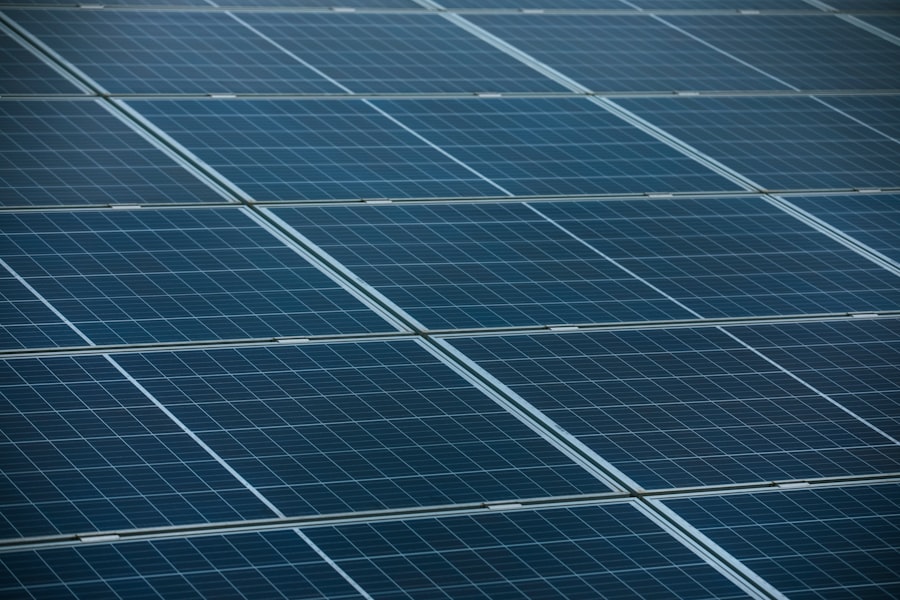
Several interconnected factors determine a country’s success in solar energy per person beyond just natural sunshine.
Government Policies and Incentives
This is arguably the most critical factor. Supportive government policies can make or break the widespread adoption of solar.
Feed-in Tariffs and Net Metering
Feed-in tariffs (FiTs) guarantee a fixed price for electricity fed back into the grid, offering a predictable return on investment for solar owners. Net metering allows consumers to offset their electricity consumption with the power they generate, effectively using the grid as a battery. Both have been instrumental in encouraging residential and commercial solar installations.
Subsidies and Rebates
Direct financial incentives, such as upfront rebates for installation costs or tax credits, significantly reduce the initial barrier to entry for consumers and businesses. These can make solar power economically viable even without particularly high electricity prices.
Renewable Energy Targets and Mandates
Setting ambitious national renewable energy targets (e.g., a certain percentage of electricity from renewables by a specific year) compels governments and utilities to invest in and promote solar. Mandates for new buildings to include solar panels are another effective way to boost deployment.
Economic Conditions and Electricity Prices
The economic landscape plays a huge part in solar adoption.
Cost of Solar Equipment
The falling cost of solar panels and associated equipment over the past decade has made solar power increasingly competitive with traditional energy sources. This global trend benefits all countries looking to expand their solar capacity.
High Electricity Prices
In countries with high retail electricity prices, the economic case for installing solar becomes much stronger. Consumers can save significant amounts on their bills by generating their own power, leading to faster payback periods for their investment. This has been a major driver in Australia, for example.
Access to Financing
Availability of affordable loans, green mortgages, and other financial products specifically designed for solar installations can significantly improve accessibility for homeowners and businesses.
Geographic and Environmental Factors
While not the only factor, natural conditions are certainly important.
Solar Irradiance Levels
Countries located in sunny belts or with extensive arid regions naturally have an advantage in terms of the amount of electricity a solar panel can generate. Think of the deserts of Australia, Chile, or the southern United States.
Available Land/Space
The amount of suitable land for large-scale solar farms, or roof space for residential and commercial installations, directly impacts potential deployment. Densely populated countries often face challenges here, requiring more innovative multi-use solutions.
Climate and Weather Patterns
While sunshine is key, local climate also plays a role. Factors like cloud cover, temperature extremes (which can affect panel efficiency), and even dust or snow accumulation need to be considered in design and maintenance.
Technological Advancement and Grid Infrastructure
Modern grids need to be smart and robust to handle intermittent renewable energy sources.
Smart Grid Integration
The ability of a country’s electricity grid to smoothly integrate fluctuating solar power is crucial. This involves advanced monitoring, control systems, and potentially energy storage solutions to balance supply and demand.
Energy Storage Solutions
As the proportion of solar power increases, energy storage (like large-scale batteries) becomes more important to ensure grid stability and provide power when the sun isn’t shining. Countries investing in storage are better positioned for high per capita solar generation.
Innovation in Panel Efficiency and Installation Techniques
Ongoing research and development in solar cell efficiency, material science, and installation methods continually improve the performance and cost-effectiveness of solar power, pushing per capita figures higher.
The Future of Solar Per Person
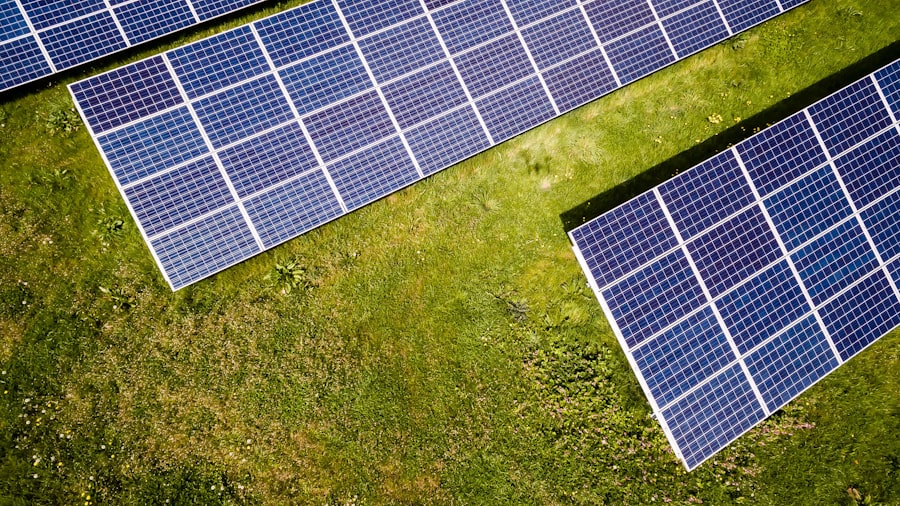
The trend of increasing solar energy production per person is set to continue globally. As technology improves, costs fall further, and the urgency of climate change grows, more countries will invest heavily in solar.
Decentralisation and Energy Independence
A key future trend is the continued decentralisation of energy production. More homes, businesses, and communities will have their own solar systems, leading to greater energy independence and resilience. This directly contributes to higher per capita figures as individual contributions grow.
Integration with Other Technologies
Solar will increasingly be integrated with other technologies, such as electric vehicles (EVs) and smart home systems. Your car might charge from your solar panels, or your home battery system might optimise your energy use based on solar availability and electricity prices. This holistic approach will maximise the value and impact of solar for each person.
Global Knowledge Sharing and Collaboration
As more countries gain experience with high levels of solar penetration, knowledge sharing and international collaboration will accelerate progress. Best practices in policy, grid management, and technological innovation will spread more rapidly, helping even developing nations to leapfrog traditional fossil fuel reliance.
Addressing the Challenges
While the outlook is overwhelmingly positive, challenges remain. Grid modernisation, effective energy storage, managing intermittency, and ensuring equitable access to solar technology for all segments of society will be critical areas of focus as countries strive to push their per capita solar production even higher.
In conclusion, measuring solar energy per person offers a more nuanced and insightful view of a nation’s renewable energy progress. While absolute numbers tell one story, the per capita metric highlights individual adoption, policy effectiveness, and the true footprint of solar within a society. Countries like Australia and the Netherlands lead the way, demonstrating that with the right mix of natural resources, political will, and innovation, significant strides can be made in powering our lives with the sun.
FAQs
1. Which countries produce the most solar energy per person?
According to the article, the countries that produce the most solar energy per person are Germany, Japan, and the United States.
2. How is solar energy production measured per person?
Solar energy production per person is measured by dividing the total solar energy production of a country by its population, resulting in the amount of solar energy produced per person.
3. What factors contribute to a country’s high solar energy production per person?
Factors that contribute to a country’s high solar energy production per person include government incentives, investment in solar infrastructure, favourable climate conditions, and a high level of public awareness and support for renewable energy.
4. Are there any emerging countries with high solar energy production per person?
Yes, emerging countries such as Australia, the Netherlands, and Belgium are also showing significant growth in solar energy production per person due to increased investment in renewable energy and favourable geographic conditions.
5. How does solar energy production per person impact a country’s energy sustainability?
High solar energy production per person indicates a country’s commitment to renewable energy and reduces its reliance on fossil fuels, contributing to a more sustainable and environmentally friendly energy mix.