Slovakia, a country nestled in the heart of Central Europe, boasts a rich tapestry of cultural and historical sites that reflect its diverse heritage and storied past. With a landscape that ranges from the majestic peaks of the High Tatras to the serene valleys of the Danube, Slovakia is home to numerous castles, villages, and monuments that tell the tale of its evolution through the ages. The country’s history is marked by various influences, including Celtic, Roman, and Slavic cultures, which have all left their indelible marks on the Slovak identity.
As a result, Slovakia offers a unique blend of architectural styles, traditions, and folklore that captivates visitors and locals alike. The significance of these sites extends beyond mere aesthetics; they serve as vital links to Slovakia’s past, providing insight into the lives of those who came before. From medieval fortresses that once protected against invaders to quaint villages that preserve traditional crafts and customs, each location has its own story to tell.
The preservation of these cultural landmarks is not only crucial for historical education but also for fostering national pride and identity among Slovaks. As we delve into some of the most notable sites across the country, we will uncover the layers of history and culture that make Slovakia a fascinating destination for those interested in exploring its heritage.
Summary
- Slovakia is home to a rich tapestry of cultural and historical sites, each with its own unique story to tell.
- Bratislava Castle stands as a powerful symbol of Slovak history and culture, overlooking the capital city with its imposing presence.
- Spiš Castle, a UNESCO World Heritage Site, is a stunning example of medieval architecture and a must-see for history enthusiasts.
- Čičmany offers visitors the chance to step back in time and explore a living museum of folk architecture, with its charming traditional houses and picturesque surroundings.
- Devin Castle, with its rich history and strategic location overlooking the Danube River, is a fascinating destination for those interested in Slovakia’s past.
Bratislava Castle: A Symbol of Slovak History and Culture
A Rich History
The castle has undergone numerous transformations throughout its history, reflecting the changing political landscape of the region. Initially built as a Roman fortification, it later became a royal residence and a significant administrative centre during the Austro-Hungarian Empire.
Architectural Splendour
The architectural style of Bratislava Castle is a striking blend of Renaissance and Baroque influences, characterised by its distinctive four towers and white façade. Visitors are often drawn to its panoramic views of the Danube River and the surrounding landscape, which provide a stunning backdrop for photographs.
A Cultural Hub
Inside, the castle houses a museum that showcases Slovak history through various exhibitions, including artefacts from prehistoric times to the present day. The castle’s gardens are equally enchanting, offering a peaceful retreat amidst the hustle and bustle of the city. As a focal point for national celebrations and events, Bratislava Castle continues to play an essential role in the cultural life of Slovakia.
Spiš Castle: A UNESCO World Heritage Site
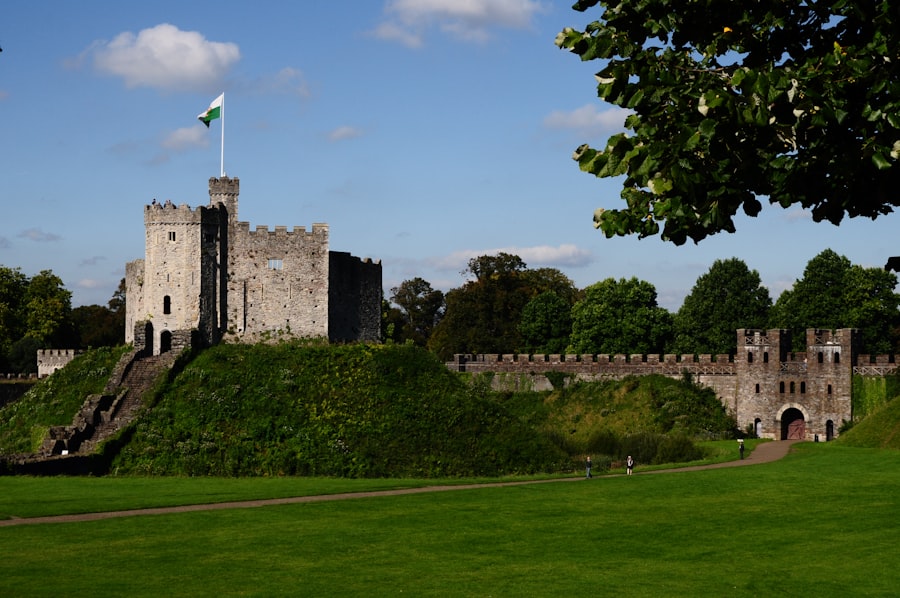
Spiš Castle, one of the largest castle complexes in Central Europe, is a UNESCO World Heritage Site that epitomises Slovakia’s medieval heritage. Perched atop a limestone hill in the Spiš region, this imposing fortress dates back to the 12th century and has witnessed centuries of tumultuous history. Originally built as a defensive structure, it later evolved into a royal residence and administrative centre for the surrounding territories.
The castle’s strategic location allowed it to control trade routes and protect against invasions, making it a vital stronghold during its heyday. The architectural grandeur of Spiš Castle is evident in its impressive fortifications, which include massive stone walls, towers, and gates. The site offers visitors an opportunity to explore its extensive ruins, including remnants of residential quarters, chapels, and storage facilities.
The panoramic views from the castle’s ramparts are breathtaking, providing a glimpse into the picturesque landscape of rolling hills and quaint villages below. The surrounding area is rich in history as well, with nearby towns like Levoča showcasing beautifully preserved Gothic architecture. Spiš Castle not only serves as a testament to Slovakia’s medieval past but also as a reminder of the resilience and ingenuity of its people.
Čičmany: A Living Museum of Folk Architecture
Nestled in the hills of northern Slovakia lies Čičmany, a village renowned for its unique folk architecture and vibrant cultural traditions. This picturesque settlement is often referred to as a “living museum” due to its well-preserved wooden houses adorned with intricate geometric patterns painted in white on dark wood. These designs are not merely decorative; they hold cultural significance and reflect the village’s rich heritage.
The origins of this distinctive style can be traced back to the 18th century when local craftsmen began to embellish their homes with these motifs. Visitors to Čičmany are transported back in time as they stroll through its charming streets lined with traditional wooden cottages. Many of these houses have been converted into museums or guesthouses, allowing tourists to experience authentic Slovak hospitality.
Local artisans showcase their skills in pottery, weaving, and woodwork, providing insight into the craftsmanship that has been passed down through generations. Čičmany stands as a testament to Slovakia’s commitment to preserving its cultural heritage while offering an immersive experience for those eager to learn about its folk traditions.
Devin Castle: A Fortress with a Rich History
Devin Castle, perched on a cliff at the confluence of the Danube and Morava rivers, is one of Slovakia’s most historically significant fortresses. Its strategic location has made it a vital defensive site since ancient times, with evidence of settlement dating back to the Celts in the 1st century BOver the centuries, Devin Castle has served various purposes: from a military stronghold to a royal residence and even a customs post during the Austro-Hungarian Empire. The ruins of Devin Castle evoke a sense of mystery and intrigue as visitors explore its remnants.
The castle’s walls tell stories of battles fought and sieges endured, while its towers offer breathtaking views of the surrounding landscape. The site is also steeped in legends; one such tale involves Princess Maria Theresa who reportedly visited the castle during her reign. Today, Devin Castle is not only an important historical site but also a popular destination for hiking enthusiasts who enjoy traversing the scenic trails that lead to its heights.
The nearby visitor centre provides educational resources about the castle’s history and significance within Slovak culture.
Bojnice Castle: A Fairytale-Like Structure in Central Slovakia
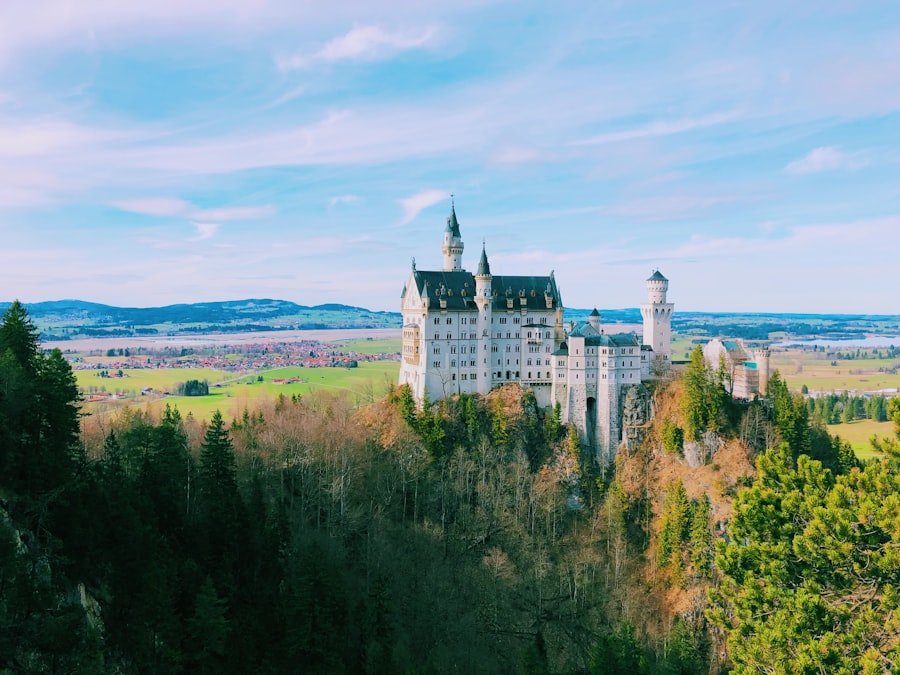
Bojnice Castle is often described as one of Slovakia’s most enchanting castles, resembling something straight out of a fairytale. Located in central Slovakia near the town of Bojnice, this romantic structure dates back to the 12th century but underwent significant renovations in the 19th century that transformed it into its current neo-Gothic form. The castle’s turrets, ornate decorations, and picturesque setting amidst lush gardens create an idyllic scene that captivates visitors.
Inside Bojnice Castle, guests can explore opulent rooms filled with period furnishings and art collections that reflect the lifestyle of nobility during its heyday. The castle also hosts various cultural events throughout the year, including theatrical performances and medieval fairs that bring history to life for visitors of all ages. One particularly popular event is the annual Bojnice Castle Festival, which features traditional crafts, music performances, and guided tours that delve into the castle’s rich history.
Bojnice Castle stands not only as an architectural marvel but also as a vibrant cultural hub that celebrates Slovakia’s heritage.
Vlkolínec: A Well-Preserved Traditional Slovak Village
Vlkolínec is an exceptional example of a traditional Slovak village that has remained remarkably well-preserved over time. Located in the Liptov region near the town of Ružomberok, this UNESCO World Heritage Site showcases wooden houses built in accordance with local architectural styles from the 19th century. The village’s unique layout and construction techniques reflect the harmonious relationship between its inhabitants and their natural surroundings.
Walking through Vlkolínec feels like stepping back into history; visitors can admire the charming wooden cottages adorned with colourful shutters and flower boxes while learning about traditional Slovak rural life. Many homes have been converted into museums where guests can gain insight into local customs, crafts, and agricultural practices that have sustained generations. The village also hosts various cultural events throughout the year, including folk festivals that celebrate traditional music and dance.
Vlkolínec serves as both an educational resource and a picturesque destination for those seeking an authentic glimpse into Slovakia’s rural heritage.
The Wooden Churches of the Slovak Carpathians: Unique Architectural Gems
The Wooden Churches of the Slovak Carpathians are remarkable examples of ecclesiastical architecture that reflect both religious devotion and local craftsmanship. These churches were built primarily between the 16th and 18th centuries by Slovak craftsmen who utilised traditional building techniques and materials sourced from their surroundings. Characterised by their wooden construction, steep roofs, and intricate carvings, these churches are not only places of worship but also cultural landmarks that embody Slovakia’s spiritual heritage.
Many of these wooden churches are located in remote mountainous areas, adding to their charm and allure. Each church possesses unique features; for instance, St.
These churches have been recognised by UNESCO for their outstanding universal value and are often included in cultural itineraries for visitors exploring Slovakia’s rich religious history. The preservation efforts surrounding these architectural gems highlight their importance not only as places of worship but also as symbols of Slovak identity and craftsmanship throughout history.
FAQs
What are some important cultural landmarks in Slovakia?
Some important cultural landmarks in Slovakia include the Spis Castle, the historic town of Banska Stiavnica, the wooden churches of the Slovak Carpathians, and the Vlkolinec village.
What are some historical sites in Slovakia?
Some historical sites in Slovakia include the Devin Castle, the Bratislava Castle, the Bojnice Castle, and the medieval town of Levoca.
Are there any UNESCO World Heritage Sites in Slovakia?
Yes, Slovakia is home to several UNESCO World Heritage Sites, including the Historic Town of Banska Stiavnica and the Technical Monuments, the Spis Castle and its associated cultural monuments, and the Vlkolinec village.
What is the significance of these cultural and historical sites in Slovakia?
These cultural and historical sites in Slovakia are significant as they represent the country’s rich history, architectural heritage, and cultural traditions. They also attract tourists and contribute to the country’s cultural and historical identity.
Can visitors access these cultural and historical sites in Slovakia?
Yes, many of these cultural and historical sites in Slovakia are open to visitors, with guided tours and informational exhibits available to provide insight into their historical and cultural significance.