Biological taxonomy is the science of naming, describing, and classifying living organisms. It serves as a framework for understanding the vast diversity of life on Earth, providing a systematic approach to categorising organisms based on shared characteristics and evolutionary relationships. The roots of taxonomy can be traced back to ancient civilisations, but it was Carl Linnaeus in the 18th century who formalised the system of binomial nomenclature, which assigns each species a two-part Latin name.
This foundational work laid the groundwork for modern taxonomy, which has evolved significantly with advances in genetics and molecular biology. The importance of biological taxonomy extends beyond mere classification; it is essential for communication among scientists, conservation efforts, and understanding ecological relationships. By establishing a common language for identifying organisms, taxonomy facilitates research across various biological disciplines.
Furthermore, as new species are discovered and our understanding of evolutionary relationships deepens, taxonomy must adapt to reflect these changes. This dynamic nature of biological classification underscores its significance in the ongoing exploration of life’s complexity.
Summary
- Biological taxonomy organises living organisms into hierarchical categories for better understanding.
- The domain is the highest taxonomic rank, crucial for classifying life into Bacteria, Archaea, and Eukarya.
- Each domain exhibits distinct characteristics and evolutionary histories, highlighting life’s diversity.
- Understanding domains aids in studying evolutionary relationships and advances biomedical research.
- Domain classification faces challenges but continues to evolve with new scientific discoveries.
Understanding the Hierarchy of Biological Classification
The hierarchy of biological classification is structured in a tiered system that ranges from broad categories to specific entities. At the highest level, life is divided into domains, which are further subdivided into kingdoms, phyla, classes, orders, families, genera, and species. This hierarchical framework allows scientists to organise and categorise organisms in a way that reflects their evolutionary relationships and shared characteristics.
For instance, the domain is the most inclusive category, encompassing all forms of life, while species represents the most specific classification, identifying individual organisms that can interbreed. Each level of this hierarchy provides critical information about the organism’s characteristics and evolutionary history. For example, organisms within the same genus share more similarities than those in different genera, while those in the same family exhibit even closer relationships.
This structured approach not only aids in identification but also enhances our understanding of biodiversity and the evolutionary processes that shape it. As researchers continue to explore the genetic and molecular underpinnings of life, the hierarchical classification system remains a vital tool for organising and interpreting biological data.
The Importance of Domain in Biological Taxonomy
The concept of domain is pivotal in biological taxonomy as it represents the highest taxonomic rank in the hierarchy. Introduced by Carl Woese in the late 20th century, the three-domain system—comprising Bacteria, Archaea, and Eukarya—revolutionised our understanding of life’s diversity. This classification reflects fundamental differences in cellular structure and genetic makeup among these groups.
The recognition of domains has profound implications for how we study and understand life on Earth, as it highlights the evolutionary relationships that exist among vastly different organisms. Domains serve as a framework for exploring the evolutionary history of life. By categorising organisms into these broad groups, scientists can trace lineage and understand how different forms of life have evolved over billions of years.
The domain classification also aids in identifying unique characteristics that define each group, such as differences in cell wall composition or metabolic pathways. This understanding is crucial not only for taxonomy but also for fields such as ecology and conservation biology, where recognising the relationships between organisms can inform strategies for preserving biodiversity.
Characteristics of Organisms in Each Domain
The three domains—Bacteria, Archaea, and Eukarya—exhibit distinct characteristics that set them apart from one another. Bacteria are unicellular prokaryotes characterised by their simple cell structure lacking a nucleus. They possess a peptidoglycan cell wall and reproduce asexually through binary fission.
Bacteria are incredibly diverse, occupying various ecological niches and playing essential roles in nutrient cycling, decomposition, and even human health as part of the microbiome. In contrast, Archaea are also unicellular prokaryotes but differ significantly from bacteria in their genetic makeup and biochemical pathways. They often inhabit extreme environments such as hot springs or salt lakes, showcasing their ability to thrive under conditions that would be inhospitable to most other life forms.
Archaea possess unique lipids in their cell membranes and have distinct ribosomal RNA sequences that set them apart from bacteria. Their study has expanded our understanding of life’s adaptability and resilience. Eukarya encompasses a vast array of organisms, including plants, animals, fungi, and protists.
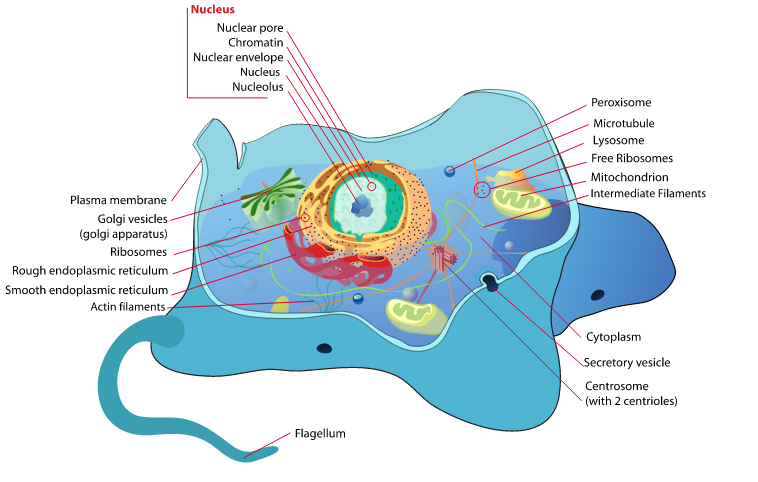
Eukaryotic cells are characterised by their complex structure, which includes a defined nucleus and membrane-bound organelles. This domain exhibits remarkable diversity in form and function, ranging from single-celled protists to multicellular organisms like trees and mammals. The complexity of eukaryotic life allows for advanced processes such as sexual reproduction and multicellularity, which have significant implications for evolution and ecological interactions.
Evolutionary History and Diversity within Each Domain
| Domain | Cell Type | Cell Structure | Genetic Material | Examples | Number of Known Species |
|---|---|---|---|---|---|
| Bacteria | Prokaryotic | Peptidoglycan cell wall | Circular DNA | Escherichia coli, Streptococcus | ~10,000 species |
| Archaea | Prokaryotic | Unique lipid membranes, no peptidoglycan | Circular DNA | Thermophiles, Methanogens | ~500 species |
| Eukarya | Eukaryotic | Membrane-bound organelles, nucleus | Linear DNA in nucleus | Animals, Plants, Fungi, Protists | ~1.5 million species |
The evolutionary history of each domain reveals a rich tapestry of life shaped by billions of years of adaptation and change. Bacteria are believed to be among the earliest forms of life on Earth, with fossil evidence suggesting their existence over 3.5 billion years ago. Their evolutionary success can be attributed to their rapid reproduction rates and genetic diversity facilitated by horizontal gene transfer.
This ability to exchange genetic material among different species has allowed bacteria to adapt quickly to changing environments and develop resistance to antibiotics. Archaea share a common ancestor with bacteria but diverged early in the history of life on Earth. Their evolutionary journey has led them to occupy some of the most extreme habitats on the planet, showcasing their remarkable adaptability.
The study of extremophiles—archaea that thrive in extreme conditions—has provided insights into the limits of life and has implications for astrobiology, as researchers explore the potential for life beyond Earth. Eukarya represents a more recent branch in the tree of life, with its origins dating back approximately 1.6 billion years ago. The evolution of eukaryotic cells marked a significant transition in complexity, allowing for greater diversity in form and function.
The endosymbiotic theory posits that eukaryotic cells originated through symbiotic relationships between different prokaryotic organisms, leading to the development of organelles such as mitochondria and chloroplasts. This evolutionary innovation paved the way for multicellularity and complex life forms that dominate terrestrial ecosystems today.
The Three Domains of Life: Bacteria, Archaea, and Eukarya
The three domains of life—Bacteria, Archaea, and Eukarya—represent distinct branches on the tree of life, each with unique characteristics that reflect their evolutionary paths. Bacteria are ubiquitous microorganisms found in virtually every environment on Earth. Their metabolic diversity allows them to thrive in extreme conditions as well as within human bodies, where they play crucial roles in digestion and immunity.
Archaea are often mistaken for bacteria due to their similar prokaryotic structure; however, they possess unique features that distinguish them from their bacterial counterparts. Their ability to survive in extreme environments has made them subjects of interest not only for understanding life’s resilience but also for biotechnological applications such as biofuel production and bioremediation. Eukarya encompasses a wide range of organisms with complex cellular structures.
This domain includes multicellular organisms like plants and animals as well as unicellular protists. The diversity within Eukarya is staggering; it includes everything from towering redwoods to microscopic algae. The evolutionary innovations that have occurred within this domain have led to intricate ecological interactions and complex behaviours that shape ecosystems around the globe.
Key Differences and Similarities between the Three Domains
While Bacteria, Archaea, and Eukarya share fundamental characteristics as living organisms—such as cellular organisation and genetic material—their differences are pronounced at both structural and functional levels. One key distinction lies in their cellular architecture: bacteria and archaea are prokaryotic cells without membrane-bound organelles or a defined nucleus, whereas eukaryotic cells possess these features along with complex organelles that facilitate specialised functions. Genetically, there are significant differences between these domains as well.
For instance, bacterial ribosomal RNA sequences differ markedly from those found in archaea and eukarya. This genetic divergence is crucial for understanding evolutionary relationships; it provides insights into how these domains have adapted over time to occupy various ecological niches. Despite these differences, there are also similarities among the three domains that highlight their shared ancestry.
All three domains utilise DNA as their genetic material and employ similar mechanisms for protein synthesis. Additionally, metabolic pathways such as glycolysis are conserved across these groups, indicating common evolutionary origins despite their divergence over billions of years.
The Role of Domain in Understanding Evolutionary Relationships
The classification into domains plays a critical role in elucidating evolutionary relationships among organisms. By grouping species based on shared characteristics at the domain level, scientists can construct phylogenetic trees that illustrate how different forms of life are related through common ancestry. These trees provide visual representations of evolutionary pathways and help researchers understand how traits have evolved over time.
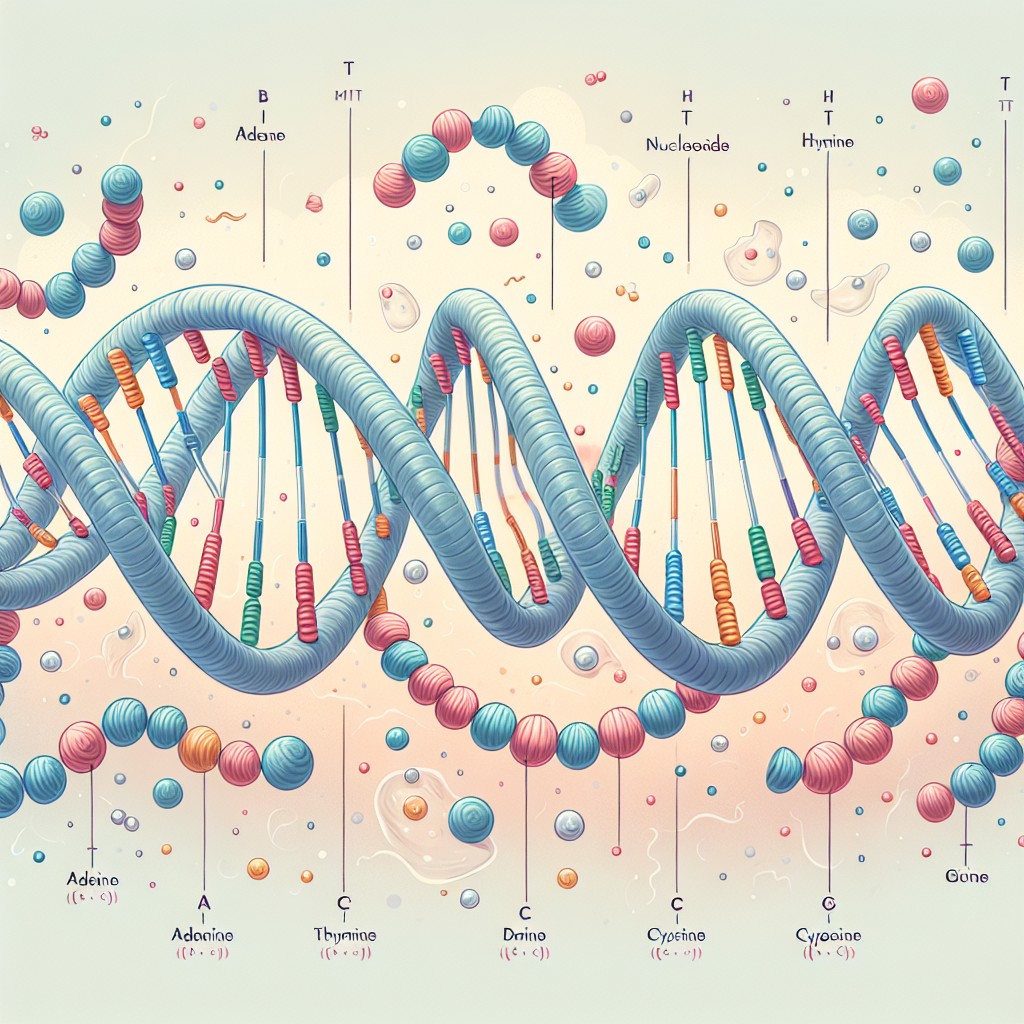
Molecular techniques such as DNA sequencing have revolutionised our ability to study evolutionary relationships at a granular level. By comparing genetic sequences across different domains, researchers can identify conserved genes that provide insights into fundamental biological processes shared by all life forms. This molecular approach has led to significant discoveries regarding horizontal gene transfer among bacteria and archaea, further complicating traditional notions of linear evolution.
Understanding evolutionary relationships through domain classification also has practical implications for fields such as medicine and agriculture. For instance, recognising the genetic similarities between pathogenic bacteria can inform treatment strategies while understanding plant evolution can guide breeding programmes aimed at improving crop resilience.
Implications of Domain in Biomedical Research and Biotechnology
The classification into domains has far-reaching implications for biomedical research and biotechnology. In medicine, understanding the differences between bacterial pathogens and human cells is crucial for developing targeted therapies that minimise harm to healthy tissues while effectively combating infections. The rise of antibiotic-resistant bacteria underscores the importance of ongoing research into bacterial genetics and metabolism within the context of domain classification.
In biotechnology, knowledge about archaea’s unique metabolic pathways has opened new avenues for industrial applications such as biofuel production and waste treatment processes. Archaea’s ability to thrive in extreme conditions makes them valuable for biotechnological innovations that require robust organisms capable of functioning under challenging circumstances. Furthermore, eukaryotic organisms play an essential role in biotechnology through genetic engineering techniques such as CRISPR-Cas9 technology derived from bacterial systems.
Understanding how these systems operate at a domain level allows researchers to harness their potential for applications ranging from agriculture to gene therapy.
Challenges and Controversies in Domain Classification
Despite its utility, domain classification is not without challenges and controversies. One significant issue arises from horizontal gene transfer among prokaryotes—particularly bacteria and archaea—which complicates traditional notions of lineage-based classification. This phenomenon blurs the lines between distinct species and raises questions about how accurately we can represent evolutionary relationships using a hierarchical system.
Additionally, ongoing discoveries continue to challenge established classifications within domains themselves. For instance, new microbial species are frequently identified that do not fit neatly into existing categories or exhibit hybrid characteristics that defy traditional definitions. Such findings necessitate continual reassessment of taxonomic frameworks to accommodate emerging data.
Moreover, debates persist regarding the number of domains necessary to accurately represent life’s diversity. While the three-domain system is widely accepted, some researchers advocate for additional divisions or alternative classifications based on newly discovered organisms or genetic data that suggest more complex relationships than previously understood.
Future Directions in Domain-Based Biological Taxonomy
As our understanding of biology continues to evolve alongside technological advancements in genomics and bioinformatics, future directions in domain-based biological taxonomy will likely focus on refining existing classifications while accommodating new discoveries. The integration of genomic data into taxonomic frameworks promises to enhance our ability to delineate species boundaries more accurately and understand evolutionary relationships at unprecedented levels. Moreover, interdisciplinary approaches combining insights from ecology, genetics, and evolutionary biology will be essential for addressing challenges related to horizontal gene transfer and hybridisation among organisms across domains.
Such collaborative efforts may lead to innovative taxonomic models that better reflect life’s complexity while providing practical applications across various fields. In addition to refining classifications based on genetic data, future research may explore how environmental factors influence evolutionary trajectories within each domain. Understanding these dynamics will be crucial for predicting how organisms adapt to changing conditions—an increasingly important consideration given current global challenges such as climate change.
In summary, biological taxonomy remains a dynamic field poised for continued exploration as researchers seek to unravel the complexities inherent in classifying life on Earth through an ever-evolving lens informed by scientific discovery.
FAQs
What is a domain in biological taxonomy?
A domain is the highest level of classification in biological taxonomy. It categorises all life forms into three broad groups based on fundamental differences in their cellular organisation and genetics: Archaea, Bacteria, and Eukarya.
How many domains are there in biological classification?
There are three recognised domains: Archaea, Bacteria, and Eukarya. This system was proposed to better reflect the evolutionary relationships among organisms.
What distinguishes the three domains from each other?
The domains differ primarily in their cellular structure and genetic makeup. Archaea and Bacteria are both prokaryotic but have distinct biochemical and genetic characteristics, while Eukarya consists of all eukaryotic organisms, which have cells with a nucleus.
Why was the domain level introduced in taxonomy?
The domain level was introduced to address limitations in the previous classification systems, which did not adequately represent the fundamental differences between major groups of organisms, especially at the microbial level.
Are domains further divided into other taxonomic ranks?
Yes, each domain is subdivided into kingdoms, which are then further divided into phyla, classes, orders, families, genera, and species.
Can organisms from different domains interbreed?
No, organisms from different domains are too genetically and biologically distinct to interbreed. The domain classification reflects deep evolutionary separations.
Is the domain classification universally accepted?
While widely accepted and used in modern biology, some taxonomists debate the exact number and definition of domains, but the three-domain system remains the most commonly used framework.
How does the domain classification impact scientific research?
Understanding domains helps scientists study evolutionary relationships, microbial diversity, and the origins of life, as well as improving fields like medicine, ecology, and biotechnology.