The Strait of Hormuz, a relatively modest stretch of water, regularly commands disproportionate attention on the global stage. Its strategic importance is not
a recent phenomenon, but rather a constant, underscored by a fresh escalation of tensions in late February 2026. This period saw acute military conflict erupt between Iran and a US-Israel-led coalition, culminating in an effective blockade of the Strait. The ramifications for global energy markets were immediate and severe.
A Critical Chokepoint: Geographic Realities
Understanding the Strait’s consistent relevance requires an appreciation of its physical characteristics. It’s not simply a shipping route; it is a geographic bottleneck that dictates a significant portion of global trade, particularly in energy resources.
Narrow Passageways and Shipping Lanes
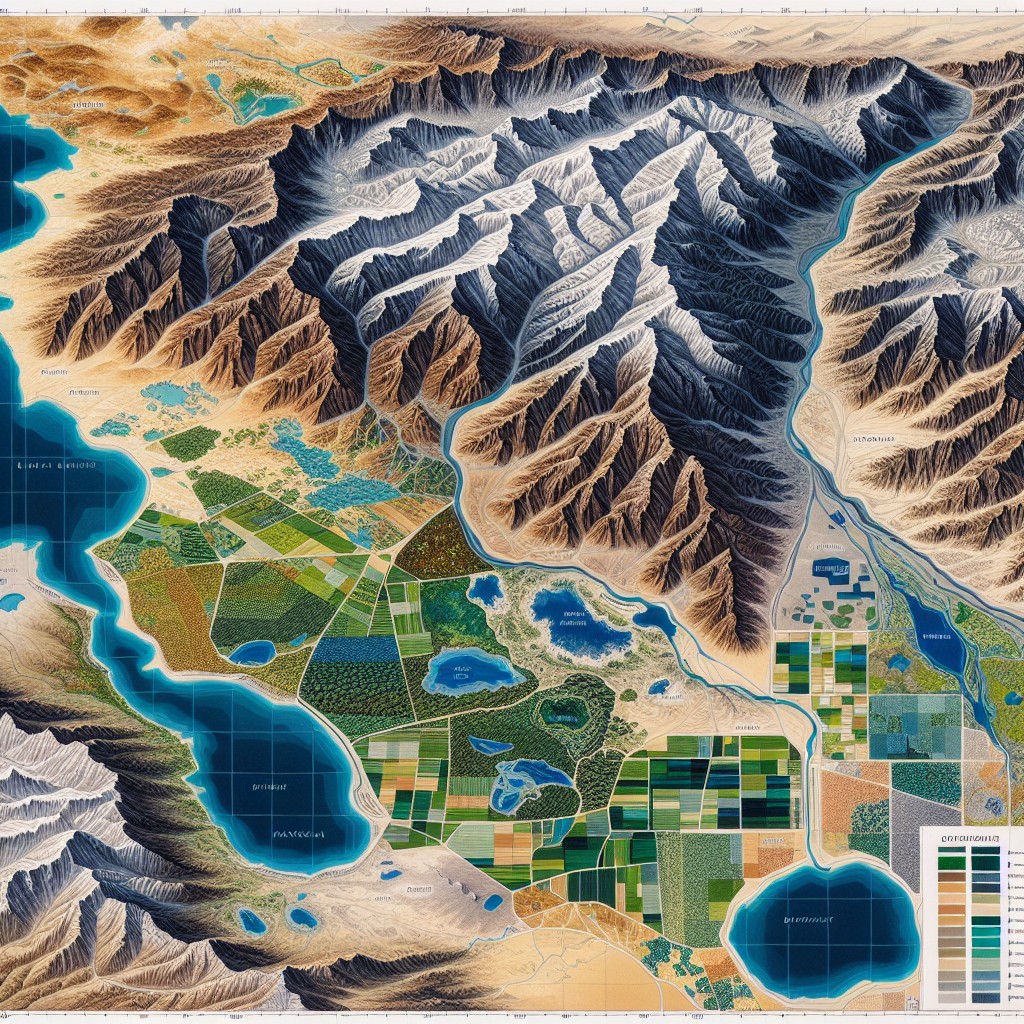
The Strait’s most striking feature is its narrowness. At its constricted point, the distance across is approximately 54 kilometres. Some sources suggest a slightly narrower span, closer to 33-34 kilometres. This limited width funnels maritime traffic into designated shipping lanes, each around 2.5 to 3 kilometres wide, for inbound and outbound vessels. This structured system, designed for safety and efficiency, simultaneously creates a vulnerability, as disruptions in these lanes can quickly lead to gridlock.
Connecting Vital Waterways
The Strait serves as the sole maritime conduit linking the Persian Gulf, a body of water bordered by major oil and gas producers, to the Gulf of Oman and beyond, into the vast expanse of the Indian Ocean. This connection is not merely geographical; it is economic. Without it, the vast quantities of hydrocarbons extracted from the Persian Gulf region would struggle to find viable routes to international markets.
Bordering Nations: A Complex Geopolitical Tapestry
The Strait is bordered by two principal sets of nations. To the north lies Iran, a country that has historically viewed the Strait as a natural extension of its sovereignty and a potential lever in international disputes. To the south, the coastline is shared by Oman and the United Arab Emirates. These nations, while economically tied to the open passage of the Strait, also maintain their own strategic interests and alliances, contributing to a complex and often volatile geopolitical landscape.
The Energy jugular: Global Dependence
The Strait of Hormuz is not merely a shipping route; it is a critical artery for the global energy supply chain. Its disruption sends immediate ripples through international markets, affecting everything from petrol prices to industrial production. The events of late February 2026 served as a stark reminder of this fundamental truth.
Oil Flows: A Significant Global Percentage
The sheer volume of oil transiting the Strait is substantial. Approximately 20%, and at times upwards of 33%, of the world’s seaborne crude oil passes through this waterway. This equates to an estimated 16.5 to 20 million barrels per day. Such figures underscore the global economy’s profound reliance on the uninterrupted flow of oil through this chokepoint. Any impediment to this flow directly impacts oil prices, supply, and consequently, global economic stability.
LNG Exports: Beyond Crude Oil
Whilst oil often dominates discussions about the Strait, its role in the global liquefied natural gas (LNG) market is equally critical. Major LNG exporters, notably Qatar, rely on the Strait to transport their super-chilled gas to markets around the world. Qatar, one of the largest LNG producers globally, would face considerable logistical challenges in exporting its product without access to the Strait of Hormuz. The blockade of late February 2026, therefore, not only threatened oil supplies but also posed a significant risk to the global natural gas market, particularly for nations heavily dependent on Qatari LNG.
Limited Bypass Options
Critically, the Strait of Hormuz possesses very limited viable alternatives for bypassing its chokepoint status. While some pipelines exist to transport oil and gas internally within the region, or to allow for some exports that circumvent the Strait, their capacity is finite and insufficient to compensate for a sustained closure. This lack of robust alternative routes amplifies the Strait’s strategic leverage and makes its potential closure an extremely destabilising event for the global energy economy. The cost and logistical hurdles associated with constructing new, large-scale bypass infrastructure are immense, rendering such solutions impractical in the short to medium term.
Geopolitical Weaponisation: A Recurring Pattern
The geographical reality of the Strait of Hormuz, coupled with its economic significance, has consistently made it a focal point of geopolitical leverage. Nations and coalitions have, at various junctures, used the threat of disruption or actual disruption as a tool in broader strategic competition. The military activity reported in Hormozgan, Iran, near the Strait, on February 19, 2026, served as a tangible manifestation of this inherent vulnerability and its potential for weaponisation.
Iranian Posture: Strategic Depth and Deterrence
For Iran, control or the potential to disrupt the Strait of Hormuz provides a degree of strategic depth. It offers a means of deterrence and a bargaining chip in negotiations, particularly with nations heavily reliant on the energy flowing from the Persian Gulf. Iran’s military deployments and exercises in the vicinity are frequently interpreted as signals of its intent and capacity to influence the Strait’s passage. The ability to pose a credible threat to shipping lanes allows Iran to amplify its geopolitical influence beyond its conventional military might.
International Response: Safeguarding Global Interests
The international community, particularly major energy-consuming nations and their allies, views the free and unhindered passage through the Strait as a paramount security interest. This objective translates into a robust military presence in the region, aimed at deterring hostile actions and ensuring safe passage. The US Fifth Fleet, for instance, maintains a consistent presence in the Gulf region, explicitly to protect maritime security and regional stability. This highlights the international community’s understanding that disruptions to the Strait are not merely regional issues but global economic and security concerns. The military conflict in late February 2026 and the subsequent blockade underscore the persistent and acute nature of these competing interests.
Economic Repercussions: Beyond Energy Markets
The immediate impact of a Strait of Hormuz disruption is felt in energy markets. However, the economic fallout extends far wider, affecting global trade, supply chains, and ultimately, consumer prices. The effective blockade in late February 2026 quickly highlighted this broader economic sensitivity.
Supply Chain Vulnerabilities
Modern global supply chains are intricately linked and often operate on a just-in-time basis. A disruption to a major energy conduit fundamentally affects transportation costs and schedules. Higher fuel prices for shipping vessels translate to increased costs for all goods transported by sea, creating inflationary pressures. Furthermore, the inability of energy resources to reach industrial centres could lead to production slowdowns or halts, creating bottlenecks further down the supply chain for various manufactured goods.
Insurance Premiums and Shipping Costs
In times of heightened tension or actual conflict in the Strait, insurance premiums for vessels traversing the region typically surge. This added cost is borne by shipping companies and, eventually, passed on to consumers. Furthermore, the perceived risk can lead to longer transit times as shipping companies opt for less direct, but safer, routes if available. This combination of increased insurance, re-routing, and potential delays contributes significantly to higher overall shipping costs for goods of all kinds, not just energy cargoes.
Investor Confidence and Market Volatility
Geopolitical instability, particularly concerning a critical chokepoint like the Strait of Hormuz, erodes investor confidence. Uncertainty regarding energy supplies and escalating regional conflicts can trigger sell-offs in financial markets, leading to increased volatility. Businesses, wary of future disruptions, may postpone investment decisions, further impacting economic growth. The widespread concerns regarding a potential disruption of oil and gas markets during the February-March 2026 crisis epitomise this link between geopolitical events and broader economic stability.
The Ongoing Crisis: A Test of Resolve
The events of late February and March 2026 provided another stark demonstration of the Strait of Hormuz’s persistent sensitivity. The conflict between Iran and the US-Israel-led coalition, leading to an effective blockade, was not an isolated incident but a continuation of long-standing geopolitical tensions.
Blockade Risks and Market Disruptions
The effective blockade imposed during the conflict period immediately triggered fears of widespread energy market disruptions. Global oil prices reacted sharply, reflecting the market’s anxiety over supply availability. Traders and analysts closely monitored tanker traffic and news from the region, acutely aware of the potential for a prolonged blockage to trigger a significant global energy crisis. The absence of a large-scale, viable bypass for a substantial portion of global energy flows means that even temporary disruptions create considerable market volatility.
US Fifth Fleet: A Deterrent Presence
The continuous deployment of the US Fifth Fleet in the region underscores the collective commitment of certain international powers to ensure the free flow of commerce through the Strait. Their presence serves as a deterrent against actions that could impede maritime traffic and as a rapid response force in the event of conflict or disruption. During the 2026 crisis, the Fifth Fleet’s activities were closely scrutinised, representing the coalition’s resolve to maintain pressure and counter Iranian actions. This ongoing military presence is a testament to the fact that the “safe passage” of critical energy resources is a strategic priority for multiple global actors, turning the Strait of Hormuz into a persistent flashpoint for international security.
FAQs
1. What is the significance of the Strait of Hormuz?
The Strait of Hormuz is a crucial waterway located between the Persian Gulf and the Gulf of Oman. It is one of the most important strategic chokepoints in the world, through which a significant portion of the world’s oil supply is transported.
2. How does the geography of the Strait of Hormuz impact global trade?
The narrowness of the strait, spanning only about 21 miles at its narrowest point, makes it a critical bottleneck for maritime trade. It is estimated that approximately 20% of the world’s oil supply passes through the strait, making it a vital artery for global energy security.
3. What are the geopolitical implications of the Strait of Hormuz?
The strategic location of the strait has significant geopolitical implications, as it is bordered by Iran to the north and the United Arab Emirates and Oman to the south. This has led to tensions and disputes over control and access to the waterway, with potential implications for regional and global security.
4. How does the geography of the strait impact military operations?
The narrow and confined nature of the strait makes it a challenging environment for military operations. Any disruption to the flow of maritime traffic through the strait could have significant implications for military and security operations in the region.
5. What are the environmental concerns related to the geography of the Strait of Hormuz?
The high volume of maritime traffic through the strait, combined with its narrow and shallow nature, raises concerns about the potential for environmental disasters such as oil spills. The unique geography of the strait presents challenges for mitigating and responding to such incidents.