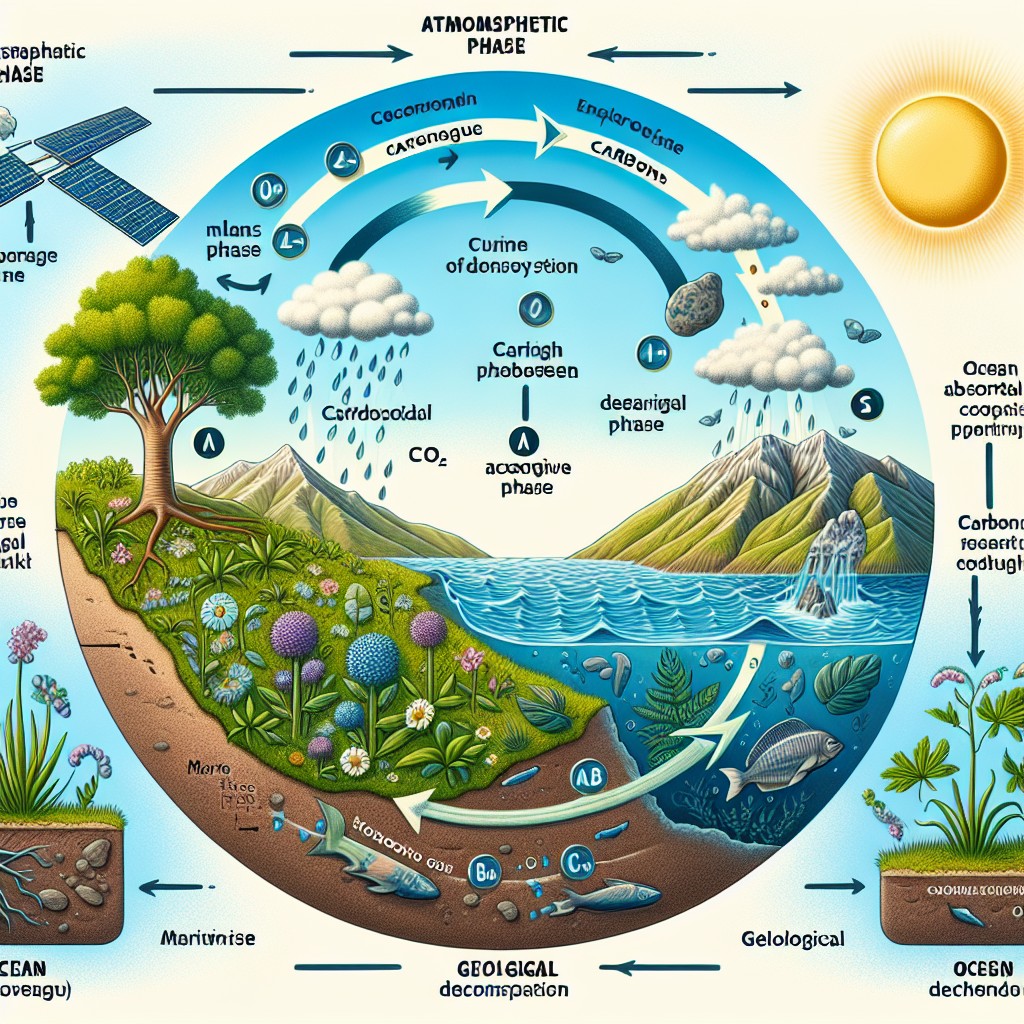
So, what exactly is climate change? In a nutshell, it’s the significant and long-term shift in global weather patterns, primarily caused by human activities that increase the concentration of greenhouse gases in our atmosphere. Think of it as a bit like our planet’s thermostat being turned up, leading to a whole cascade of consequences. It’s a complex topic, but understanding it is pretty important for all of us.
Our planet has a natural defence mechanism that keeps it warm enough for life to flourish. It’s called the greenhouse effect, and it’s actually a good thing – up to a point.
How it Works
Imagine the Earth is wrapped in a blanket. This blanket is made up of certain gases in our atmosphere, like carbon dioxide (CO2), methane (CH4), and nitrous oxide (N2O). Sunlight comes in and warms the Earth’s surface. Some of this heat is then radiated back upwards. Now, instead of all that heat escaping into space, these greenhouse gases trap some of it, re-radiating it back down towards the Earth. This trapped heat keeps our planet at a liveable temperature, preventing it from becoming a frozen wasteland. Without it, the average global temperature would be a rather chilly -18°C (0°F)!
The Problem: Too Much of a Good Thing
The issue arises when we add too many of these greenhouse gases to the atmosphere. This is like piling on extra blankets, making the planet overheat. Over the last century or so, particularly since the Industrial Revolution, human activities have been releasing unprecedented amounts of these gases, thickening that atmospheric blanket and causing the Earth’s average temperature to rise.
Human Activities: The Main Drivers of Change
While some natural factors can influence climate over very long timescales, the rapid warming we’re seeing now is overwhelmingly down to us. Our modern way of life has a significant impact.
Burning Fossil Fuels
This is by far the biggest culprit. When we burn coal, oil, and natural gas for electricity, transport, and industry, we release vast quantities of carbon dioxide into the atmosphere. These fuels are essentially ancient stored sunlight, and releasing that stored carbon is the primary way we’re altering the atmospheric balance.
Power Generation
A huge chunk of the electricity we consume comes from burning fossil fuels in power stations. This releases CO2 and other pollutants.
Transportation
Our cars, planes, ships, and trains all rely heavily on burning fossil fuels, contributing significantly to global emissions.
Industrial Processes
Many manufacturing processes, from making cement to producing plastics, require large amounts of energy, often derived from fossil fuels.
Deforestation
Trees are fantastic carbon sinks. They absorb CO2 from the atmosphere during photosynthesis and store it. When we cut down forests, we not only lose that carbon absorption capacity but often release the stored carbon back into the atmosphere, either through burning the trees or them decaying.
Agriculture and Livestock
Modern agricultural practices also contribute. The use of fertilisers can release nitrous oxide, a potent greenhouse gas. Furthermore, livestock, particularly cattle, produce methane as part of their digestive process.
Industrial Processes and Waste
Certain industrial processes release specific greenhouse gases, like HFCs (hydrofluorocarbons), which are used in refrigeration and air conditioning and are very powerful warming agents. Landfills also produce methane as organic waste decomposes.
Observable Effects: What We’re Already Seeing
Climate change isn’t some far-off theoretical problem; we’re experiencing its consequences right now. These effects are varied and often interconnected, impacting ecosystems and human societies alike.
Rising Global Temperatures
The most direct consequence is the increase in average global temperatures. This phenomenon is often referred to as global warming. This isn’t just about slightly warmer summers; it means an increase in the frequency and intensity of heatwaves.
Heatwaves and Health Risks
More frequent and intense heatwaves pose serious risks to human health, especially for vulnerable populations. They can lead to heatstroke, dehydration, and exacerbate pre-existing medical conditions.
Impact on Ecosystems
Many plant and animal species are struggling to adapt to the rising temperatures, leading to shifts in their habitats and potential extinctions.
Changes in Precipitation Patterns
Climate change is also messing with our rainfall. Some regions are experiencing more intense droughts, while others are seeing more extreme rainfall and flooding.
Droughts and Water Scarcity
Prolonged droughts can devastate agriculture, leading to crop failures, food shortages, and competition for scarce water resources.
Extreme Rainfall and Flooding
Conversely, when it does rain, it can be much heavier, overwhelming drainage systems and causing widespread flooding, damaging infrastructure and displacing communities.
Melting Ice and Rising Sea Levels
As the planet warms, ice at the poles and on mountains is melting at an accelerated rate, directly contributing to rising sea levels.
Glacial Retreat
Mountain glaciers, which act as vital freshwater sources for many regions, are shrinking rapidly.
Polar Ice Sheet Melt
The massive ice sheets in Greenland and Antarctica are losing mass, a major concern for sea-level rise.
Sea Level Rise Impacts
Rising sea levels threaten coastal communities, increasing the risk of storm surges, coastal erosion, and inundation of low-lying areas. Millions of people living in coastal regions are at risk.
Ocean Acidification
The oceans absorb a significant portion of the CO2 we release. When CO2 dissolves in seawater, it forms carbonic acid, making the water more acidic.
Impact on Marine Life
This increased acidity makes it harder for many marine organisms, especially those with shells and skeletons like corals and shellfish, to survive and grow. It disrupts entire marine food webs.
Coral Bleaching
Warmer ocean temperatures also contribute to coral bleaching, a process where corals expel the symbiotic algae living in their tissues, often leading to their death.
More Extreme Weather Events
Beyond just temperature and rainfall, climate change is linked to an increase in the frequency and intensity of various extreme weather events.
Hurricanes and Typhoons
Warmer ocean waters can fuel more powerful hurricanes and typhoons, leading to devastating storms.
Wildfires
Drier conditions and higher temperatures create ideal environments for wildfires to ignite and spread rapidly, posing a significant threat to ecosystems and human settlements.
Global Impact: A Worldwide Challenge
The effects of climate change aren’t confined to specific regions; they create a ripple effect that impacts the entire planet and all its inhabitants.
Economic Consequences
The costs associated with climate change are enormous. Damage from extreme weather, loss of productivity in agriculture, and the need for adaptation all strain economies.
Disaster Relief and Reconstruction
The aftermath of extreme weather events requires massive investment in disaster relief and rebuilding infrastructure.
Impacts on Agriculture and Food Security
Changes in weather patterns disrupt crop yields, leading to price volatility and potential food shortages. This has a global impact on food security.
Water Resource Management
Managing increasingly scarce water resources becomes more challenging and costly, affecting industry, agriculture, and daily life.
Social and Political Ramifications
Climate change can exacerbate existing social inequalities and create new tensions.
Displacement and Migration
As certain areas become uninhabitable due to rising sea levels or extreme weather, people are forced to migrate, which can lead to social and political challenges.
Resource Conflicts
Competition for dwindling resources like water and arable land can heighten the risk of conflict.
Health Crises
The spread of vector-borne diseases, heat-related illnesses, and malnutrition all contribute to global health challenges.
Threats to Biodiversity
The interconnectedness of ecosystems means that climate change poses a significant threat to the diverse life on our planet.
Habitat Loss and Fragmentation
As climates shift, habitats change or disappear, forcing species to adapt or face extinction.
Extinction Rates
Scientists warn of an accelerating extinction rate due to these pressures.
Addressing Climate Change: What Can Be Done?
| Aspect | Description |
|---|---|
| Definition | Climate change refers to significant and long-term changes in the Earth’s climate, including temperature, precipitation, and wind patterns. |
| Causes | Human activities such as burning fossil fuels, deforestation, and industrial processes contribute to the release of greenhouse gases, leading to global warming and climate change. |
| Effects | Climate change can result in rising sea levels, extreme weather events, loss of biodiversity, and disruptions to ecosystems and agriculture. |
| Global Impact | Climate change has far-reaching consequences, affecting economies, human health, food security, and the overall stability of the planet. |
The scale of the problem can feel overwhelming, but thankfully, there are ways to tackle it, both on a large scale and in our everyday lives.
Mitigation: Reducing Emissions
The primary goal is to reduce the amount of greenhouse gases we release into the atmosphere.
Transitioning to Renewable Energy
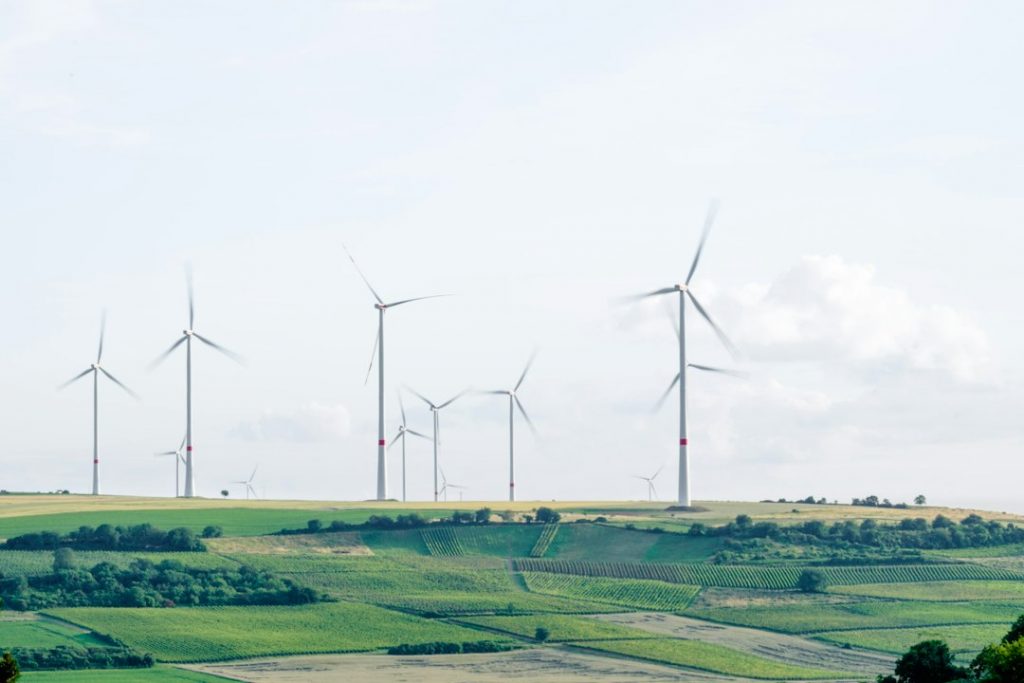
Shifting away from fossil fuels to sources like solar, wind, and hydro-power is crucial. These sources are cleaner and sustainable.
Solar Power
Harnessing the sun’s energy through solar panels has become increasingly efficient and affordable.
Wind Power
Wind turbines can generate significant amounts of electricity with minimal environmental impact.
Hydropower
Dams and other water-based systems can provide reliable energy, though with their own environmental considerations.
Improving Energy Efficiency
Using less energy in the first place is a powerful way to reduce emissions. This applies to homes, transport, and industry.
Sustainable Transportation
Investing in public transport, electric vehicles, cycling infrastructure, and reducing air travel can make a big difference.
Protecting and Restoring Forests
Reforestation and preventing deforestation are vital for absorbing CO2.
Sustainable Agriculture
Adopting practices that reduce methane and nitrous oxide emissions, such as improved manure management and less intensive farming.
Adaptation: Adjusting to the Impacts
Given that some level of climate change is already locked in, we also need to adapt to its unavoidable effects.
Building Resilient Infrastructure
Designing infrastructure, like sea walls and flood defences, that can withstand changing weather patterns.
Developing Drought-Resistant Crops
Researching and planting crops that can tolerate drier conditions helps ensure food security.
Improving Water Management Systems
Implementing strategies for better water conservation and allocation in regions facing scarcity.
Early Warning Systems
Developing and improving systems to predict and warn communities about extreme weather events, allowing for better preparation and response.
Individual Action: Your Role in the Solution
While systemic change is essential, our individual choices collectively add up.
Reducing Energy Consumption
Simple things like turning off lights, unplugging electronics, and insulating your home can reduce your carbon footprint.
Making Sustainable Transport Choices
Walking, cycling, using public transport, or choosing an electric vehicle when possible.
Consuming Less and More Mindfully
Reducing waste, buying durable goods, and supporting businesses with sustainable practices.
Eating a More Plant-Based Diet
Reducing meat and dairy consumption can significantly lower your environmental impact.
Supporting Climate-Friendly Policies
Engaging with your local and national representatives to advocate for stronger climate action.
The Future We Shape
Climate change is arguably the defining challenge of our time. It’s about protecting our planet for ourselves and for future generations. Understanding its causes and impacts is the first step. The good news is that a wide range of solutions exist, and taking action, no matter how small it may seem, contributes to a more sustainable and resilient future. It’s a collective effort, and everyone has a part to play.
FAQs
What is climate change?
Climate change refers to significant and long-term changes in the Earth’s climate, including temperature, precipitation, and wind patterns. It is primarily caused by human activities, such as burning fossil fuels and deforestation, which release greenhouse gases into the atmosphere.
What are the main causes of climate change?
The main causes of climate change are the release of greenhouse gases, such as carbon dioxide and methane, from human activities. These gases trap heat in the Earth’s atmosphere, leading to a warming effect known as the greenhouse effect. Other factors, such as deforestation and industrial processes, also contribute to climate change.
What are the effects of climate change?
The effects of climate change include rising global temperatures, melting ice caps and glaciers, more frequent and severe weather events, and changes in ecosystems and wildlife habitats. These effects can have far-reaching impacts on human health, agriculture, and the economy.
How does climate change impact the global environment?
Climate change has a significant impact on the global environment, leading to shifts in weather patterns, rising sea levels, and loss of biodiversity. It also contributes to ocean acidification and affects the availability of freshwater resources, posing challenges for communities around the world.
What can be done to address climate change?
Addressing climate change requires a combination of mitigation efforts to reduce greenhouse gas emissions and adaptation strategies to cope with the impacts of a changing climate. This includes transitioning to renewable energy sources, improving energy efficiency, protecting and restoring natural ecosystems, and implementing policies to limit carbon emissions.