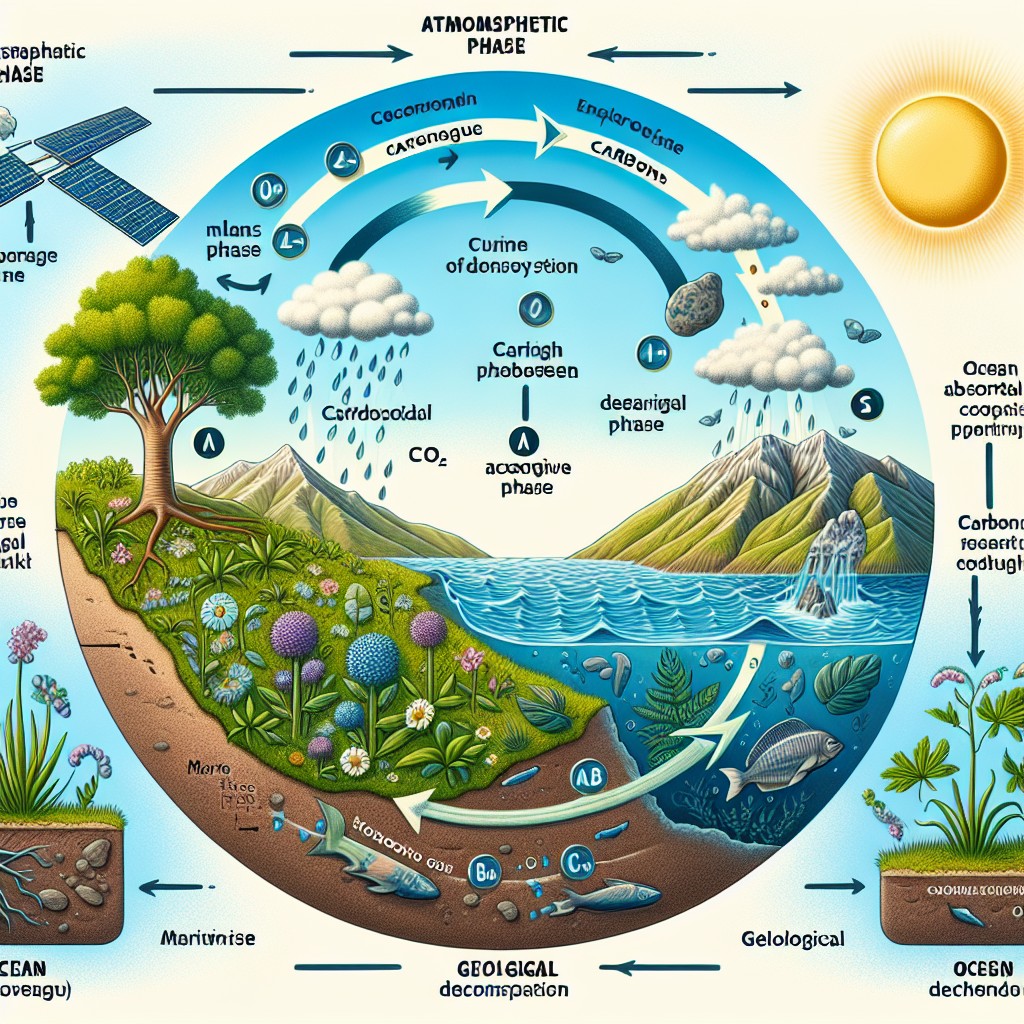
Let’s get straight to it: can climate change be reversed? The short answer, as of 2026, is that a complete reversal to pre-industrial conditions isn’t just around the corner, and probably won’t happen within our lifetimes. However, that doesn’t mean we’re powerless. Science overwhelmingly indicates we can – and absolutely must – slow it down significantly, adapt to its impacts, and even actively remove some of the excess greenhouse gases from the atmosphere. It’s less about a magic “undo” button and more about managing a complex, long-term situation. We’re talking about mitigating the worst effects and aiming for a more stable climate, rather than hitting the reset button.
Think of our atmosphere as a giant bathtub. For centuries, we’ve been pouring greenhouse gases – primarily carbon dioxide (CO2), methane (CH4), and nitrous oxide (N2O) – into it at an ever-increasing rate. These gases don’t just disappear overnight. They have varying lifespans, and CO2, a major culprit, can linger in the atmosphere for hundreds, even thousands, of years.
The Long Residence Time of CO2
Once CO2 is up there, it’s pretty stubbornly staying put for a long time. Even if we stopped all emissions tomorrow, the CO2 we’ve already released would continue to trap heat for generations. This lag effect is a critical reason why a quick “reversal” is off the table. We’re not just dealing with current emissions; we’re also grappling with the accumulated legacy of centuries of industrial activity.
Positive Feedback Loops
Adding another layer of complexity are positive feedback loops. As the planet warms, these loops amplify the initial warming. For example, melting Arctic ice reduces the Earth’s albedo (reflectivity), meaning more sunlight is absorbed by the darker ocean, leading to further warming and more ice melt. Another example is the thawing of permafrost, which releases vast amounts of trapped methane, a potent greenhouse gas. These natural processes, once triggered, can accelerate warming independent of human emissions.
Mitigation: The Urgent Need to Halt Emissions
The most immediate and impactful action we can take is to drastically reduce and eventually eliminate greenhouse gas emissions. This isn’t just about making small tweaks; it requires a systemic transformation of how we produce energy, manufacture goods, grow food, and transport ourselves.
Decarbonising Energy Production
This is perhaps the biggest piece of the puzzle. Our reliance on fossil fuels – coal, oil, and gas – for electricity, heating, and transport is the primary driver of climate change. Switching to renewable energy sources is non-negotiable.
Solar and Wind Power Expansion
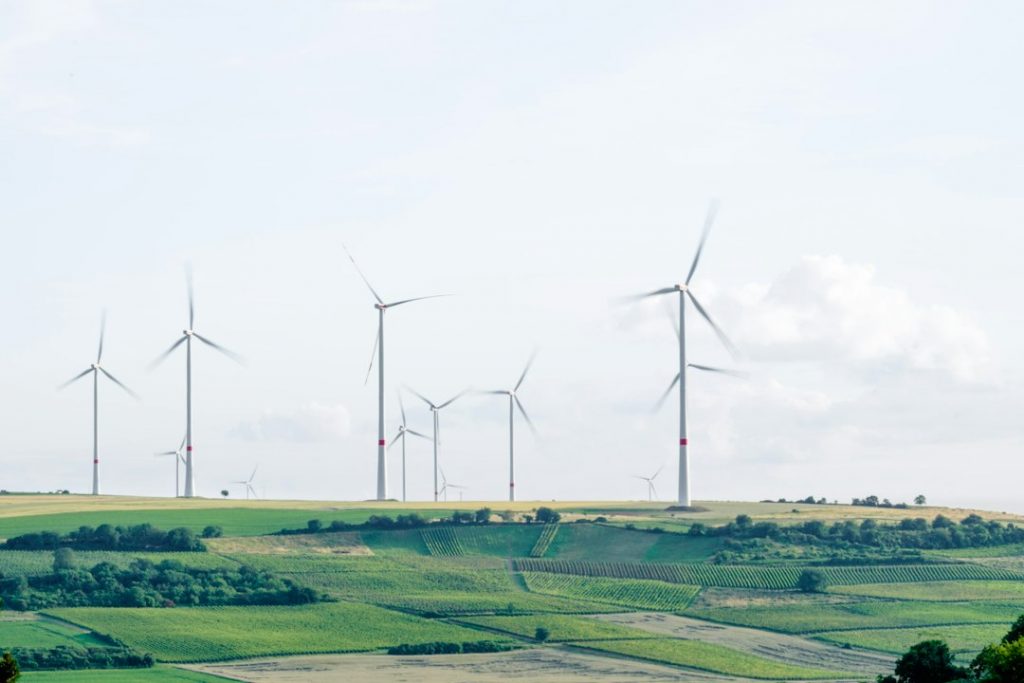
We’ve seen incredible advancements in solar panel efficiency and wind turbine technology. The cost of generating electricity from these sources has plummeted, making them competitive, and often cheaper, than fossil fuels in many regions. The challenge now is scaling them up dramatically, improving energy storage solutions (like batteries), and modernising grid infrastructure to handle intermittent renewable generation.
Nuclear Energy’s Role
For some, nuclear power is a vital component of a low-carbon energy mix, offering reliable, baseload electricity without greenhouse gas emissions. However, concerns around safety, waste disposal, and the high upfront cost of building new plants remain significant hurdles. Continued research into safer, more efficient reactor designs, such as small modular reactors (SMRs), is ongoing.
Geothermal and Hydroelectric
While less scalable globally than solar or wind, geothermal energy (tapping into the Earth’s internal heat) and hydroelectric power (using water flow) play important regional roles. Hydropower, in particular, is a significant electricity source in many countries, though its expansion can have environmental and social impacts.
Electrifying Transport and Industry
Beyond electricity generation, we need to electrify other sectors that traditionally rely on fossil fuels.
Electric Vehicles (EVs)
The transition to EVs for personal transport, and increasingly for commercial fleets, is accelerating. Improvements in battery technology, charging infrastructure, and vehicle range are making them a viable alternative for many. The challenge lies in ensuring this electricity comes from renewable sources.
Green Hydrogen
For heavy industry (like steel and cement production) and long-haul transport (shipping and aviation), battery electric solutions can be complex or impractical. Green hydrogen – produced by electrolysing water using renewable electricity – holds promise as a clean fuel alternative, though its production and storage are currently expensive and energy-intensive.
Adaptation: Learning to Live with Change
Even if we stopped all emissions today, some degree of warming and its associated impacts are already locked in due to past emissions. Therefore, alongside mitigation, adaptation strategies are crucial. This means adjusting our societies and infrastructure to cope with the changes we can no longer avoid.
Protecting Vulnerable Communities
Many communities, particularly in developing nations, are on the front lines of climate change impacts, facing increased risks from sea-level rise, extreme weather, and resource scarcity.
Early Warning Systems
Improved early warning systems for floods, droughts, heatwaves, and storms can save lives and reduce damage. These rely on better meteorological forecasting and robust communication channels to ensure information reaches those at risk efficiently.
Resilient Infrastructure
Building infrastructure that can withstand increasingly demanding weather conditions is essential. This includes sea walls and dykes to protect coastal areas, improved drainage systems in urban areas, and more robust power grids less susceptible to storm damage.
Sustainable Land Use and Agriculture
Food security is a major concern as climate change alters growing seasons, rainfall patterns, and increases the frequency of extreme weather events.
Climate-Resilient Crops
Developing and deploying crop varieties that can tolerate drought, heat, or increased salinity is vital. This often involves traditional breeding programmes alongside genetic modification for specific traits.
Water Management Strategies
Efficient water use through drip irrigation, rainwater harvesting, and desalination (where appropriate) will be critical, especially in regions facing increased water stress. Managing natural watersheds and protecting wetlands also play a key role in water regulation.
Carbon Dioxide Removal (CDR): Actively Cleaning Up
While stopping emissions is paramount, many scientists now agree that we’ll also need to actively remove some of the CO2 that’s already in the atmosphere. This is where Carbon Dioxide Removal (CDR) technologies and natural solutions come in. It’s not a silver bullet, and it shouldn’t distract from emissions reductions, but it’s becoming an increasingly accepted component of comprehensive climate strategies.
Natural Carbon Sinks
Nature offers powerful ways to absorb CO2. Enhancing these natural processes can deliver significant benefits.
Reforestation and Afforestation
Planting new trees (afforestation) and restoring degraded forests (reforestation) are classic examples of nature-based solutions. Trees absorb CO2 as they grow, storing it in their biomass and the soil. Key challenges include finding suitable land, ensuring long-term protection of these forests, and avoiding monoculture plantations.
Peatland Restoration
Peatlands are incredibly efficient carbon sinks, storing vast amounts of CO2 in their waterlogged soils. Draining peatlands releases this carbon, so restoring these ecosystems by rewetting them is a highly effective way to prevent emissions and enhance carbon sequestration.
Blue Carbon Initiatives
Coastal ecosystems like mangroves, salt marshes, and seagrass beds are often called ‘blue carbon’ ecosystems because of their exceptional ability to sequester carbon. Protecting and restoring these habitats not only removes CO2 but also provides vital co-benefits like coastal protection and increased biodiversity.
Technological Carbon Removal
Beyond nature, scientists are developing technologies specifically designed to suck CO2 directly out of the air or capture it from industrial emissions.
Direct Air Capture (DAC)
DAC plants use large fans to draw ambient air over chemical filters that selectively bind with CO2. Once the filters are saturated, the captured CO2 is then released (often by heating) and can be permanently stored underground in geological formations (carbon capture and storage, CCS) or potentially used in industrial processes. While promising, DAC is currently very energy-intensive and expensive.
Bioenergy with Carbon Capture and Storage (BECCS)
BECCS involves growing biomass (like trees or energy crops), burning it for energy, and then capturing the CO2 emitted during combustion. The captured CO2 is then stored permanently underground. The ‘net zero’ or ‘negative’ emissions come from the idea that the biomass absorbed CO2 as it grew. However, concerns exist regarding land use for biomass cultivation, water requirements, and the efficiency of the capture and storage process.
Enhanced Weathering
This technique accelerates natural rock weathering processes, where minerals react with CO2 in the atmosphere and rainwater to form bicarbonates, which eventually get washed into the oceans and stored as stable carbonates. Spreading finely ground silicate rocks on agricultural land or coastlines can enhance this process. It’s a slow process, and the scalability and environmental impacts are still under evaluation.
Geoengineering: The Risky Emergency Brake
| Metrics | Data |
|---|---|
| Global Temperature Increase | 1.5°C since pre-industrial levels |
| CO2 Levels | Above 400 parts per million |
| Sea Level Rise | 3.2 millimeters per year |
| Extreme Weather Events | Increasing in frequency and intensity |
| Carbon Emissions | Still high despite efforts to reduce |
Geoengineering refers to deliberate, large-scale interventions in the Earth’s climate system to counteract global warming. These are generally considered highly controversial, high-risk options that should only be contemplated as a last resort, if ever, and are certainly not a “reversal” strategy but an attempt to mitigate symptoms.
Solar Radiation Management (SRM)
SRM aims to reflect a small percentage of sunlight back into space, thereby cooling the Earth.
Stratospheric Aerosol Injection
This involves injecting reflective aerosols (like sulphur dioxide, similar to what volcanoes emit) into the stratosphere to mimic the cooling effect seen after large volcanic eruptions. It could rapidly reduce global temperatures, but potential side effects include changes in rainfall patterns, ozone depletion, and the risk of “termination shock” if injections stop abruptly, leading to rapid warming.
Marine Cloud Brightening
This technique aims to increase the reflectivity of low-lying clouds by spraying fine sea salt particles into them. These particles act as cloud condensation nuclei, making clouds brighter and longer-lasting. This is still highly experimental and raises questions about local weather impacts and unintended regional effects.
Limitations and Ethical Concerns
A key concern with geoengineering is that it doesn’t address the root cause of climate change – the build-up of greenhouse gases in the atmosphere. It’s like treating a fever without curing the infection. There are also significant ethical and governance challenges, as any large-scale intervention could have winners and losers, and decisions would need to be made on a global scale. Unilateral deployment by any nation could lead to international conflict.
The Role of Global Cooperation and Policy
Achieving any significant progress on climate change, let alone a partial reversal, hinges entirely on unprecedented global cooperation and robust policy frameworks. No single nation can solve this alone.
International Agreements
Agreements like the Paris Agreement, which aims to limit global warming to well below 2°C, preferably to 1.5°C, compared to pre-industrial levels, provide the framework for national action. However, national commitments (Nationally Determined Contributions or NDCs) need to be significantly strengthened and rigorously implemented.
Carbon Pricing and Regulations
Putting a price on carbon emissions (through carbon taxes or cap-and-trade systems) provides an economic incentive for businesses to reduce their footprint. Clear regulations on emissions standards for vehicles, industry, and building efficiency also play a crucial role.
Investment in Green Technologies
Governments and international bodies need to continue, and indeed accelerate, investment in research, development, and deployment of renewable energy, energy efficiency, and carbon removal technologies. This includes supporting developing nations in their transition to low-carbon economies.
Consumer Choices and Behavioural Change
While systemic change is primary, individual choices collectively matter. Adopting more sustainable diets, reducing waste, opting for public transport or active travel, and choosing energy-efficient appliances all contribute to the overall effort. Education and public awareness campaigns are vital to foster these behavioural shifts.
The Bottom Line in 2026
So, where does that leave us? In 2026, the scientific consensus is clear: a full “reversal” of climate change to a pristine, pre-industrial state is not a realistic prospect for the foreseeable future. The sheer scale of past emissions and the long lifespan of greenhouse gases in the atmosphere make that an unattainable goal in the short to medium term.
However, this is not a message of despair. What science does confirm is that we have the knowledge, and increasingly the technology, to significantly mitigate the worst impacts of climate change, to adapt to the changes already underway, and to actively remove some of the legacy carbon from the atmosphere.
It’s a monumental challenge that demands urgent and sustained action on all fronts: rapid decarbonisation, robust adaptation strategies, strategic carbon removal, and cautious exploration of geoengineering only if extreme circumstances demand it. The journey is long and complex, but the path towards a more stable and liveable climate is still within our grasp, provided we act decisively, collectively, and with a deep understanding of the scientific realities.
FAQs
1. What is the current scientific consensus on the possibility of reversing climate change?
The current scientific consensus is that while it may not be possible to completely reverse the effects of climate change, significant mitigation efforts can still be made to limit its impact.
2. What are some of the key strategies proposed by scientists to mitigate climate change?
Some key strategies proposed by scientists include reducing greenhouse gas emissions, transitioning to renewable energy sources, implementing carbon capture and storage technologies, and promoting sustainable land use and agriculture practices.
3. Can technological advancements play a role in reversing climate change?
Yes, technological advancements in areas such as renewable energy, carbon capture and storage, and sustainable agriculture can play a significant role in mitigating the effects of climate change.
4. What are the potential consequences if climate change is not effectively mitigated?
If climate change is not effectively mitigated, the potential consequences include more frequent and severe natural disasters, rising sea levels, loss of biodiversity, and negative impacts on global food and water security.
5. What can individuals and communities do to contribute to the mitigation of climate change?
Individuals and communities can contribute to the mitigation of climate change by reducing their carbon footprint, supporting renewable energy initiatives, advocating for sustainable policies, and promoting environmental conservation efforts.