Okay, let’s dive into something pretty important for our planet and our energy bills: renewable energy sources. Simply put, these are energy sources that replenish naturally over a relatively short timescale, unlike fossil fuels which are finite and take millions of years to form. Think sunshine, wind, water, and even the heat from within the Earth itself. The big draw here is that they generally produce far fewer greenhouse gas emissions compared to burning coal, oil, or gas, which is a major win for combating climate change.
Solar energy is probably the first thing that springs to mind for many when we talk about renewables, and for good reason. It’s abundant, widely available, and technologies have come a long way.
How Solar Works Its Magic
The most common way we harness solar is through photovoltaic (PV) panels. These are those dark, often blue or black, panels you see on rooftops. They work by converting sunlight directly into electricity using a semiconductor material – usually silicon. When photons (particles of light) hit the panel, they knock electrons loose from atoms, creating an electric current. This current is then fed into an inverter, which changes it from direct current (DC) to alternating current (AC) – the type of electricity used in our homes and businesses.
Another method is concentrated solar power (CSP). Instead of panels, CSP systems use mirrors to focus a large area of sunlight onto a small receiver. This concentrated sunlight heats a fluid, which then generates steam to drive a turbine and produce electricity, much like a traditional power station but without the burning fossil fuels. Think of it like using a magnifying glass to focus the sun’s rays to a single point.
The Good Bits About Solar
The advantages are pretty clear. Zero emissions during operation is a huge one, significantly reducing our carbon footprint. Once installed, the “fuel” – the sun – is free. This means lower running costs and helps to reduce reliance on imported fossil fuels, improving our energy security. Plus, it can be scaled from small residential rooftop systems to vast solar farms.
The Not-So-Sunny Side of Solar
It’s not all sunshine and rainbows, though. The most obvious limitation is its intermittency. No sun, no power. This means it doesn’t work at night or on very cloudy days, which requires robust energy storage solutions (like batteries) or a diverse energy mix. Land use can also be an issue for large-scale solar farms, as they require significant space. The initial installation cost can be high, although this is coming down. Finally, the manufacturing of solar panels involves energy-intensive processes and can produce some hazardous waste, though efforts are continually being made to make this more sustainable.
Riding the Wind: Wind Energy
Wind power has a long history, from powering sailing ships to grinding grain. Today, we’re talking about large turbines converting wind into electricity.
How Wind Turbines Capture the Breeze
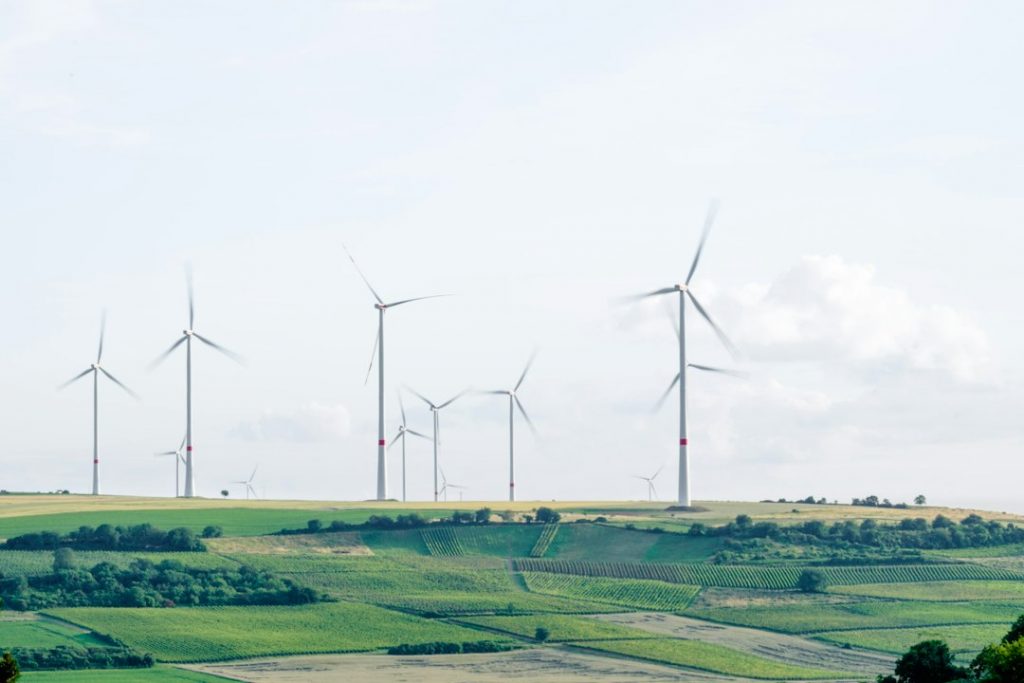
Wind turbines are basically giant propellers. When the wind blows, it exerts force on the blades, causing them to rotate around a rotor. This rotor is connected to a main shaft, which turns a generator. The generator, in turn, produces electricity. They come in various sizes, from small turbines for individual properties to massive ones grouped together in wind farms, both on land (onshore) and out at sea (offshore).
Onshore wind farms are typically found on open land, often in elevated or coastal areas where wind speeds are consistently high. Offshore wind farms are built in coastal waters or deeper seas. These often benefit from stronger, more consistent winds and can be larger in scale, though construction and maintenance are more complex and costly.
Why Wind is a Breath of Fresh Air
Again, emissions-free operation is a massive plus once the turbines are installed. Wind is a free and abundant resource in many parts of the world, especially here in the UK. Turbines have a relatively small physical footprint compared to the amount of electricity they can generate, particularly offshore ones. Furthermore, wind power contributes to energy independence and creates jobs in manufacturing, installation, and maintenance.
The Downwind of Wind Energy
Like solar, wind power is intermittent. If the wind isn’t blowing, there’s no electricity, and if it’s blowing too hard, turbines might have to shut down to prevent damage. This variability necessitates backup power or storage. Visual impact is a common concern for onshore wind farms, with some finding them aesthetically displeasing. There are also noise complaints from nearby residents, though modern turbines are much quieter than older models. Concerns about impact on local wildlife, particularly birds and bats, are also raised, leading to careful siting and mitigation strategies. Finally, initial investment costs for wind farms are substantial, especially for offshore projects.
Harnessing the Waters: Hydropower
Hydropower, or hydroelectric power, is one of the oldest and most established forms of renewable energy, using the kinetic energy of moving water.
Unlocking the Power of Water
The most common form is dam-based hydropower. A large dam is built across a river, creating a reservoir. Water from this reservoir is then released through large pipes (penstocks) which drive turbines. These turbines turn generators, producing electricity. The height difference between the reservoir and the turbine (the “head”) and the volume of water available determine the amount of electricity generated.
Beyond large dams, there’s also run-of-river hydropower, which diverts a portion of a river’s flow through a channel or pipe to a turbine, without needing a large reservoir. This has less environmental impact but is more dependent on continuous river flow. Small-scale hydropower can also be used for individual properties or small communities.
The Flowing Benefits of Hydropower
One of the biggest advantages of dam-based hydropower is its reliability and predictability. River flows are generally more consistent than wind or sun patterns, and reservoirs can store water, allowing for on-demand electricity generation. This makes it an excellent source of baseload power (consistent energy supply) and dispatchable power (power that can be turned on or off quickly to meet demand fluctuations). There are no fuel costs once built, and the lifespan of hydro plants is very long. It can also offer flood control and water supply benefits.
The Challenges of Water Power
The construction of large dams has significant environmental and social impacts. Submerging vast areas of land can lead to the loss of habitats and the displacement of communities. Dams can also alter river ecosystems, affecting fish migration and sediment flow, which impacts downstream deltas and coastal areas. Initial construction costs are enormous, and the process of building a large dam can take many years. Finally, hydropower is highly dependent on water availability, making it vulnerable to droughts, which are predicted to become more frequent in some regions due to climate change.
Earth’s Inner Heat: Geothermal Energy
Geothermal energy taps into the heat produced deep within the Earth’s core. It’s a constant, reliable source, relatively unaffected by weather conditions on the surface.
Tapping into Earth’s Natural Furnace
Geothermal power plants work by drilling wells deep into the Earth to access hot water and steam from underground reservoirs. This hot fluid is then used to drive turbines and generate electricity. There are different types:
- Dry steam plants use steam directly from the geothermal reservoir to turn turbines.
- Flash steam plants take high-pressure hot water from the reservoir and “flash” it into lower-pressure steam to spin turbines.
- Binary cycle plants use geothermal water to heat a secondary working fluid (with a lower boiling point than water), which then vaporises to drive a turbine. This is suitable for lower-temperature geothermal resources.
Beyond electricity generation, direct use geothermal involves using the Earth’s heat directly for heating buildings, greenhouses, or industrial processes. Geothermal heat pumps use the stable temperature of the shallow ground to provide heating and cooling for buildings, transferring heat rather than generating electricity.
The Rock-Solid Advantages of Geothermal
Geothermal is a fantastic source of baseload power because it runs 24/7, year-round, regardless of weather. It has a small land footprint per megawatt of electricity produced compared to many other generation types. Operating costs are low once the plant is built, and it boasts very high capacity factors (meaning it runs close to its maximum output most of the time). Moreover, geothermal power plants typically have very low emissions of greenhouse gases.
The Ground-Level Disadvantages of Geothermal
The main hurdle for geothermal is its geographical limitations. It’s only economically viable in areas with accessible geothermal reservoirs, often located near tectonic plate boundaries or volcanic regions. Exploration and drilling costs can be substantial, and there’s a risk that a promising site might not yield sufficient resources. There’s also the potential for induced seismicity (small earthquakes) from injecting or extracting fluids, though this is carefully monitored. Finally, trace amounts of gases (like hydrogen sulphide) can be released, which need to be managed, and the disposal of geothermal fluids (which can contain minerals) needs careful environmental management.
Tapping into Organic Matter: Bioenergy
| Renewable Energy Source | Advantages | Disadvantages |
|---|---|---|
| Solar Power | Renewable, reduces electricity bills, low maintenance | Intermittent, high initial cost |
| Wind Power | Renewable, reduces greenhouse gas emissions | Visual and noise impact, intermittent |
| Hydropower | Renewable, reliable, low operating costs | Environmental impact, limited locations |
| Biomass Energy | Renewable, reduces waste, carbon neutral | Air pollution, land use impact |
Bioenergy, or biomass energy, involves converting organic matter – like plants, agricultural waste, or even municipal waste – into energy.
How Biomass Becomes Energy
Bioenergy works in several ways:
- Direct combustion: Burning solid biomass (like wood pellets or agricultural residues) directly to produce heat or steam for electricity generation. This is similar to burning coal, but with organic fuel.
- Biogas digestion: Anaerobic digestion of organic waste (manure, food waste) produces biogas, a mixture of methane and carbon dioxide. This biogas can be used to generate electricity, heat, or even as vehicle fuel.
- Biofuels: Converting biomass into liquid or gaseous fuels (like ethanol or biodiesel) that can power vehicles or industrial processes.
- Gasification/Pyrolysis: Heating biomass in a low-oxygen environment to produce synthetic gas (syngas) or bio-oil, which can then be used as fuel.
The Benefits of Being Organic
One of the key advantages of biomass is that it can provide dispatchable power, meaning it can be turned on or off as needed, offering stability to the grid. It can also act as a way to manage waste, converting otherwise discarded organic material into useful energy. Unlike solar and wind, biomass is often considered carbon neutral in theory, as the carbon released during burning is typically absorbed by new growing plants, though this concept is debated and depends heavily on sustainable sourcing. It also offers energy security as it can often be produced domestically.
The Thorns in the Side of Bioenergy
The “carbon neutral” claim is contentious. If biomass is not sourced sustainably (e.g., clear-cutting forests faster than they can regrow), or if the energy input for growing, harvesting, processing, and transporting the biomass is high, it can actually have a larger carbon footprint than fossil fuels. Land use is a major concern, as growing energy crops can compete with food production or require significant agricultural land. There are also air quality concerns from burning biomass, including particulate matter and other pollutants. The efficiency of some biomass conversion processes can be lower than other energy sources, and the scale of sustainable biomass available can be limited.
The Future Landscape of Renewable Energy
Looking ahead, it’s clear that no single renewable energy source is a silver bullet. The future will almost certainly involve a diverse mix of these technologies, tailored to specific geographical regions and energy demands. We’ll see continued advancements in energy storage (especially battery technology, but also other forms like hydrogen), which is crucial for addressing the intermittency of solar and wind. Smart grids will become more sophisticated, integrating these varied sources seamlessly.
There’s also ongoing research into exciting new areas like tidal and wave energy, which harness the kinetic energy of ocean movements, and advancements in geothermal energy to unlock resources in less geologically active areas. The drive towards a more sustainable energy system is pushing innovation at an incredible pace.
The transition to a fully renewable energy system isn’t without its challenges, be it technical, economic, or logistical. However, the environmental imperatives are undeniable, and the long-term benefits in terms of climate stability, air quality, and energy independence provide a powerful motivation to keep pushing forward. It’s a complex puzzle, but one where every piece – be it a solar panel, a wind turbine, or a geothermal plant – plays a vital role.
FAQs
What are renewable energy sources?
Renewable energy sources are sources of energy that are replenished naturally and can be used indefinitely. These sources include solar, wind, hydro, geothermal, and biomass energy.
How do renewable energy sources differ from non-renewable sources?
Renewable energy sources are replenished naturally and can be used indefinitely, while non-renewable sources, such as fossil fuels, are finite and will eventually run out.
What are the benefits of using renewable energy sources?
Using renewable energy sources can help reduce greenhouse gas emissions, decrease reliance on fossil fuels, create jobs in the renewable energy sector, and contribute to energy security and independence.
What are the challenges of using renewable energy sources?
Challenges of using renewable energy sources include intermittency (e.g. solar and wind energy are not always available), high initial costs of infrastructure, and the need for energy storage solutions.
How can renewable energy sources be integrated into the existing energy infrastructure?
Renewable energy sources can be integrated into the existing energy infrastructure through the development of smart grids, energy storage technologies, and policies that support the transition to renewable energy.