Ever wondered why so many towns and cities are built right on the banks of rivers? It’s a question that pops up quite a bit, and the simple answer is that throughout history, rivers have been absolutely fundamental to human survival and progress. They’ve provided us with the essentials we need to live, grow, and build things.
Early Lifeblood: Water and Sustenance
From the very beginnings of human civilisation, rivers have been the ultimate life insurance policy. Think of it this way: you can’t survive long without water, and rivers are nature’s grand highways for it.
Drinking Water, Obviously!
This might seem a bit too obvious, but it’s worth stating clearly. Before fancy plumbing and water treatment plants, a reliable source of fresh water was paramount. Rivers provided this in abundance. Communities simply gravitated towards these natural taps, making sure they and their livestock had a constant supply.
Fertile Lands for Farming
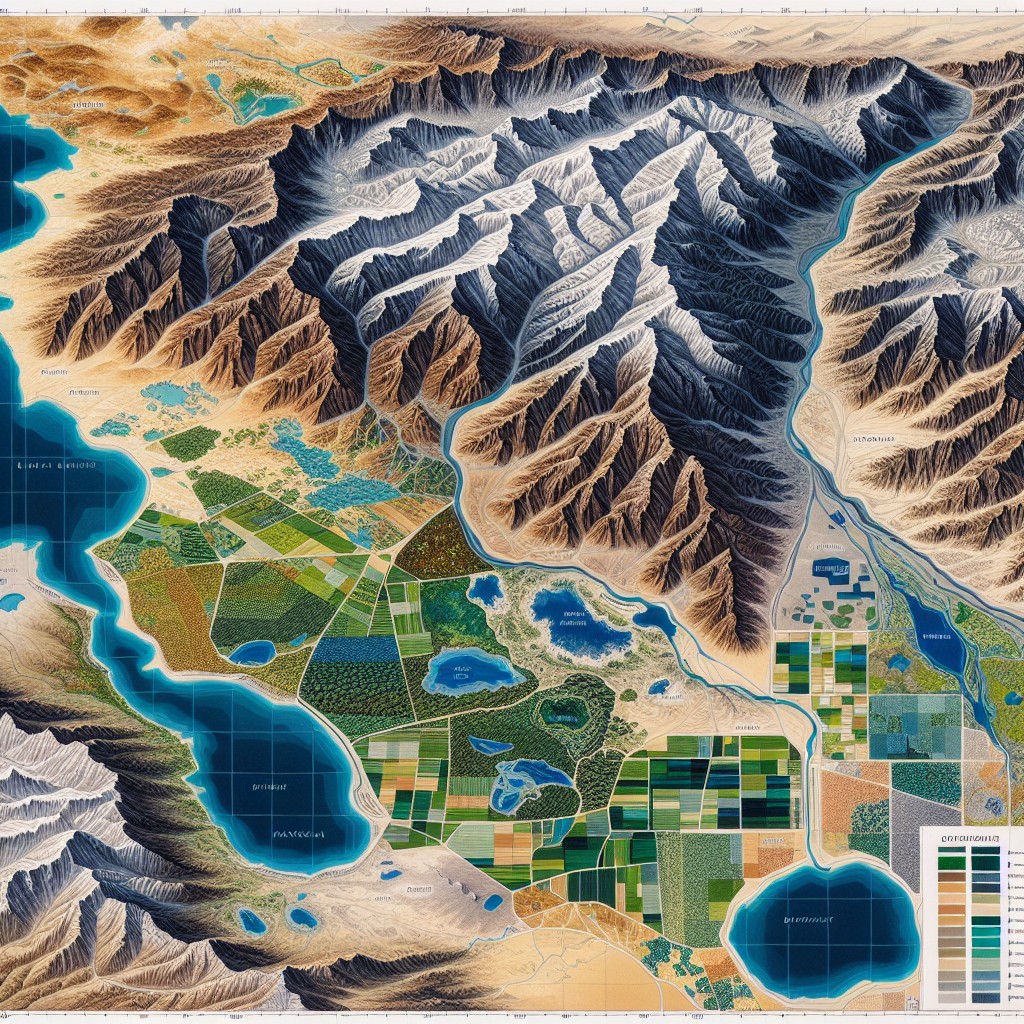
It wasn’t just about drinking. The land around rivers tends to be incredibly fertile. When rivers flood (and they do!), they deposit silt and rich organic matter onto the surrounding plains. This creates incredibly productive soil, perfect for growing crops, which is the backbone of any settled society. This is why you see ancient civilisations like those in Mesopotamia flourishing between the Tigris and Euphrates, or the Egyptians along the Nile. They weren’t just living near the rivers; they were living because of the rivers.
Fishing and Food Sources
Rivers are teeming with life. For our ancestors, fishing was a vital and readily available source of protein. It was a sustainable food source that didn’t require vast tracts of land or complex agricultural practices. Imagine trying to feed a growing population without this consistent larder.
The Great Connectors: Trade and Transport
Once humans started to gather in settlements and produce more than they consumed, the need to move goods and people became crucial. Rivers stepped up to the plate, offering a natural and efficient form of transport.
The Original Motorways
Before roads were even a concept, rivers were the highways. Boats and rafts allowed for the transport of goods in bulk, far more effectively than carrying them overland. This facilitated trade between different communities, allowing for the exchange of resources, ideas, and culture. Think of the ancient trade routes that followed rivers like the Rhine or the Danube – they were instrumental in shaping economies and political landscapes.
Easier Movement of People
Beyond just goods, rivers made it easier for people to travel. Whether it was for exploration, migration, or simply visiting relatives, a river could cut down journey times significantly. This connectivity fostered the growth of larger settlements and the development of more complex societies.
Strategic Importance
For both trade and defence, controlling a river was a strategic advantage. It allowed a group to control the flow of goods and people, and also meant they had a natural barrier to protect themselves. Many important historical towns and cities developed at points where rivers were navigable, or where they offered a crucial crossing point, like a ford or a bridge location.
Powering Progress: Industry and Energy
Rivers haven’t just been about sustenance and movement; they’ve also been a source of power, both literally and figuratively, driving industrial development.
Water Mills and Early Industry
Long before electricity, water was a primary source of mechanical power. Water wheels, driven by the flow of a river, powered early factories for grinding grain, working metal, and other essential industrial processes. This allowed for increased production and the growth of towns around these power sources.
The Industrial Revolution’s Engine
The Industrial Revolution in Britain, in particular, was heavily reliant on rivers. Not only did they provide water for industrial processes and cooling, but they were also crucial for transporting raw materials like coal and iron, and for carrying finished goods to market. Many industrial centres, from Manchester to Birmingham, grew up along rivers, harnessing their power and using them as transport arteries.
Modern Energy Generation
Even today, rivers play a significant role in energy generation through hydroelectric power. Dams built on rivers use the force of falling water to spin turbines and create electricity on a massive scale. This provides a clean and renewable energy source for millions.
A Quieter Life: Lifestyle and Recreation
Beyond the purely practical, people are drawn to rivers for reasons that might seem less critical but are nonetheless significant for human well-being.
The Appeal of the Scenic
There’s a certain undeniable beauty to a river. The ever-changing light on the water, the sound of its flow, the lush vegetation that often thrives on its banks – it all contributes to a calming and aesthetically pleasing environment. Living near a river can offer a connection to nature that’s increasingly sought after, especially in urbanised areas.
Opportunities for Leisure
Rivers offer a fantastic playground for all sorts of activities. Boating, fishing, swimming, kayaking, or just going for a peaceful walk along the towpath – these are all popular pastimes that are enhanced by proximity to a river. This can contribute to a higher quality of life and a stronger sense of community as people share these recreational spaces.
A Place to Relax and Unwind
The gentle sound of flowing water has a naturally soothing effect. For many, living near a river offers a chance to de-stress and reconnect with the natural world. It’s a break from the hustle and bustle of daily life, offering a tranquil spot to simply be.
Modern Challenges and Continuing Relevance
While the fundamental reasons for living near rivers haven’t changed, the dynamics have evolved. We have more sophisticated ways of managing water and transport, but the draw of the riverside persists.
Flood Management and Adaptation
One of the biggest challenges of living near rivers is the risk of flooding. Historically, communities have learned to live with, and adapt to, the ebb and flow of river levels. Today, sophisticated flood defence systems are in place, and urban planning often involves strategies to mitigate flood risk, such as building on higher ground or creating flood plains. However, climate change is presenting new challenges, making flood management an ongoing and critical concern for riverside communities.
Water Quality and Environmental Concerns
As populations grow and industries develop, maintaining water quality becomes a significant issue. Pollution from urban and industrial runoff can impact the health of the river and the surrounding ecosystem. Modern societies place a greater emphasis on environmental protection, with regulations and initiatives aimed at keeping rivers clean and healthy, not just for human use but for the biodiversity they support.
Continued Urban Development
Despite the risks, the appeal of riverside living continues. New developments are often planned with rivers as a central feature, offering residents attractive waterfront properties and access to recreational amenities. The historical advantage of connectivity is still relevant, as well-placed riverside locations can still offer excellent access to transport networks.
In essence, the reasons people live near rivers are deeply ingrained in our history and our fundamental needs. From providing the very water we drink and the food we eat, to acting as vital arteries for trade and transport, and even offering a place of beauty and recreation, rivers remain incredibly important to human life and society. They are not just geographical features; they are lifelines that have shaped our past and continue to influence our present and future.
FAQs
1. What are the benefits of living near rivers?
Living near rivers provides access to water for drinking, irrigation, and transportation. Rivers also support diverse ecosystems and provide opportunities for recreational activities such as fishing and boating.
2. What are the risks of living near rivers?
Living near rivers can pose risks such as flooding, erosion, and water pollution. These risks can impact property, infrastructure, and human health.
3. How do rivers influence settlement patterns?
Rivers have historically influenced settlement patterns by providing fertile land for agriculture, access to trade routes, and a source of water for human settlements. Many cities and towns have developed along rivers due to these advantages.
4. What are some examples of famous cities located near rivers?
Examples of famous cities located near rivers include London (Thames River), Paris (Seine River), Cairo (Nile River), and New York City (Hudson River).
5. How do rivers contribute to the economy of communities living nearby?
Rivers contribute to the economy of communities by supporting agriculture, providing water for industrial processes, and enabling transportation of goods. Additionally, rivers can attract tourism and recreational activities, which further contribute to the local economy.