Alright, let’s dive into something that quite literally affects us all, even if we don’t often see it: the warming of our oceans due to climate change. This isn’t some distant, abstract problem; it’s a profound shift happening right beneath the surface that has significant consequences for both marine life and human societies. Think of it as a hidden crisis, slowly but surely altering the very heart of our planet’s climate system.
More Than Just Hot Flushes: What Ocean Warming Really Means
When we talk about ocean warming, we’re not just discussing a few degrees here and there. We’re talking about the absorption of a staggering amount of heat – over 90% of the excess heat trapped by greenhouse gases produced by human activities. This isn’t just about tropical waters getting a bit toastier; it’s a global phenomenon affecting every ocean basin, from the surface down to the deepest trenches. This absorbed heat fundamentally changes ocean chemistry and physics, leading to a cascade of impacts that are only just beginning to be fully understood.
The Thermal Expansion Problem
One of the most direct and undeniable consequences of ocean warming is thermal expansion. As water heats up, it expands in volume, and because our oceans are immense, even tiny expansions per unit of water add up to a significant rise in sea levels.
Swollen Seas and Coastal Woes
This isn’t some hypothetical future; it’s happening now. Coastal communities around the world are already grappling with higher tides, more frequent flooding, and increased erosion. Imagine your local beachfront property gradually being encroached upon. It’s not just big storms that cause problems; persistently higher sea levels mean everyday high tides can now inundate areas that were once safe. This impacts infrastructure, freshwater supplies, and the very viability of living in low-lying areas.
Threat to Island Nations
For small island developing states, this is an existential threat. Many of these nations have much of their population and critical infrastructure just metres above current sea level. Retreat isn’t an easy option when your entire country is an island. This isn’t just about losing land; it’s about losing homes, cultures, and national sovereignty.
Marine Life Under Siege: A Shifting Ecosystem
The sheer scale of ocean warming means marine ecosystems are feeling the heat, often quite literally. Creatures adapted to specific temperature ranges are finding their habitats are changing, sometimes too quickly to adapt.
Coral Bleaching Catastrophes
Perhaps the most visually stunning and heartbreaking impact is coral bleaching. Corals, often called the rainforests of the sea, are incredibly sensitive to temperature fluctuations. When waters get too warm, they expel the symbiotic algae living within their tissues, losing their vibrant colours and, crucially, their primary food source.
The Slow Death of Reefs
Bleached corals aren’t necessarily dead immediately, but they are severely weakened and much more susceptible to disease. Prolonged bleaching events, especially those that recur frequently, lead to widespread coral mortality. This isn’t just an aesthetic loss; coral reefs support an incredible diversity of marine life, provide coastal protection, and are vital for fisheries and tourism. Their decline sends ripples throughout the entire marine food web.
Fish on the Move: Disrupted Fisheries
As waters warm, many fish species are migrating towards cooler poles, seeking out their preferred temperature zones. This might sound like a simple adaptation, but it causes significant disruption.
Knock-on Effects for Fishermen
Traditional fishing grounds, often the livelihood of coastal communities for generations, are becoming less productive. Species might disappear entirely from certain areas, or new, unfamiliar species might arrive. This necessitates changes in fishing practices, investments in new equipment, and profound impacts on the economics and culture of fishing communities who rely on predictable catches. It’s a complex puzzle of moving targets.
Ocean Acidification: The “Evil Twin” of Warming
Often overlooked amidst the heat discussion, ocean warming isn’t happening in isolation. The same carbon dioxide emissions trapping heat in our atmosphere are also being absorbed by the oceans, leading to a dangerous phenomenon known as ocean acidification.
Shell-Shocked Creatures
As seawater absorbs CO2, it becomes more acidic. This increased acidity makes it harder for many marine organisms, particularly those with shells or skeletons made of calcium carbonate – like corals, molluscs (oysters, mussels), and tiny plankton – to build and maintain their structures. Imagine trying to build a house when your building blocks are constantly dissolving. The problem isn’t just theoretical; experimental evidence shows reduced growth rates and increased shell dissolution in a growing number of species.
Food Web Fragility
The tiny plankton affected by acidification form the base of many marine food webs. If these foundational species struggle, the impacts ripple upwards, affecting everything from small fish to whales and ultimately, the ecosystems upon which our own food security depends. It’s a silent threat with potentially catastrophic consequences for the entire ocean ecosystem.
Extreme Weather Events: A Warming Ocean’s Fury
A warmer ocean doesn’t just sit there; it’s a dynamic system with increased energy, leading to more intense and unpredictable weather patterns.
Super-Charged Storms
Tropical cyclones (hurricanes, typhoons) draw their energy from warm ocean waters. As ocean temperatures rise, there’s more heat available, potentially leading to more intense storms that develop rapidly and carry more moisture, resulting in heavier rainfall and greater flood potential. Even if the number of storms doesn’t increase dramatically, their intensity is a significant concern.
Coastal Damage Amplified
When these super-charged storms hit, the damage is amplified. Higher sea levels mean storm surges can reach further inland and be more destructive. Increased rainfall leads to more flooding, impacting infrastructure, agriculture, and human lives. This isn’t just an issue for tropical regions; changes in ocean circulation patterns can influence weather far beyond the immediate hurricane zones.
Disrupting Ocean Currents: The Conveyor Belt Challenge
The vast ocean acts like a giant conveyor belt, transporting heat, nutrients, and gases around the globe through complex current systems. Changes in ocean temperature and salinity (freshwater influx from melting ice) can disrupt these delicate balances.
Altered Climates and Ecology
Take the Atlantic Meridional Overturning Circulation (AMOC), for example. This system plays a crucial role in regulating Europe’s climate, keeping it milder than other regions at similar latitudes. There’s concern that freshwater input from melting Greenland ice could slow down or even significantly alter AMOC, leading to potentially dramatic shifts in regional climates, including colder winters in parts of Europe and changes in rainfall patterns across the globe. These aren’t minor tweaks; they could represent significant reconfigurations of global climate.
Looking Ahead: What’s Being Done, and What More Can Be Done?
Addressing ocean warming isn’t a simple task; it requires a multifaceted approach on a global scale. The good news is that people are recognising the urgency.
Reducing Greenhouse Gas Emissions: The Core Solution
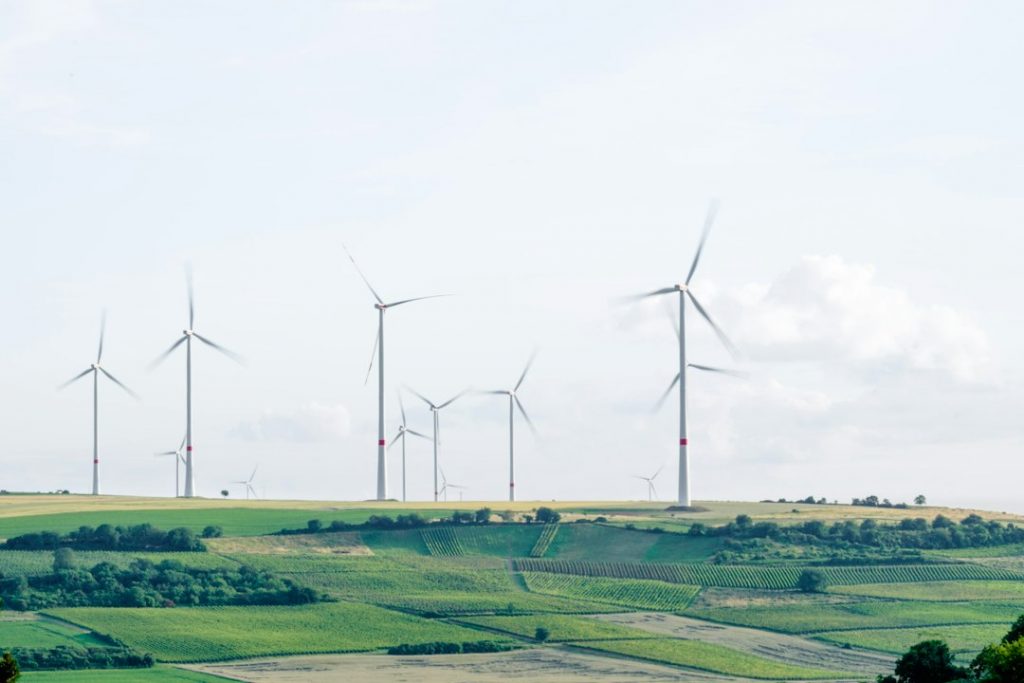
Ultimately, the most critical action is to drastically reduce our emissions of greenhouse gases. This means a rapid transition away from fossil fuels towards renewable energy sources, improving energy efficiency, sustainable land use practices, and exploring carbon capture technologies. Every tonne of CO2 we prevent from entering the atmosphere is a benefit to our oceans.
International Cooperation and National Policies
This requires international agreements (like the Paris Agreement), strong national policies (carbon pricing, incentives for renewables), and innovation in green technologies. It’s a societal shift, not just a technological one.
Protecting Marine Ecosystems: Building Resilience
While we work on the root cause, we also need to help marine ecosystems become more resilient to the changes already underway.
Marine Protected Areas
Establishing and effectively managing Marine Protected Areas (MPAs) can give ecosystems space to recover and adapt, reducing additional stressors like overfishing and pollution. These areas act as nurseries, allowing species to thrive and potentially spread to other regions.
Sustainable Fisheries Management
Implementing and enforcing sustainable fishing practices ensures that fish stocks aren’t depleted, helping maintain the balance of ocean ecosystems, even under changing conditions. This means respecting quotas, reducing bycatch, and protecting critical habitats.
Restoring Key Habitats
Efforts to restore damaged habitats, such as replanting mangroves or coral propagation, can also play a role. While these are not silver bullets, they can help local ecosystems bounce back and provide vital services like coastal protection.
Research and Monitoring: Understanding the Unseen
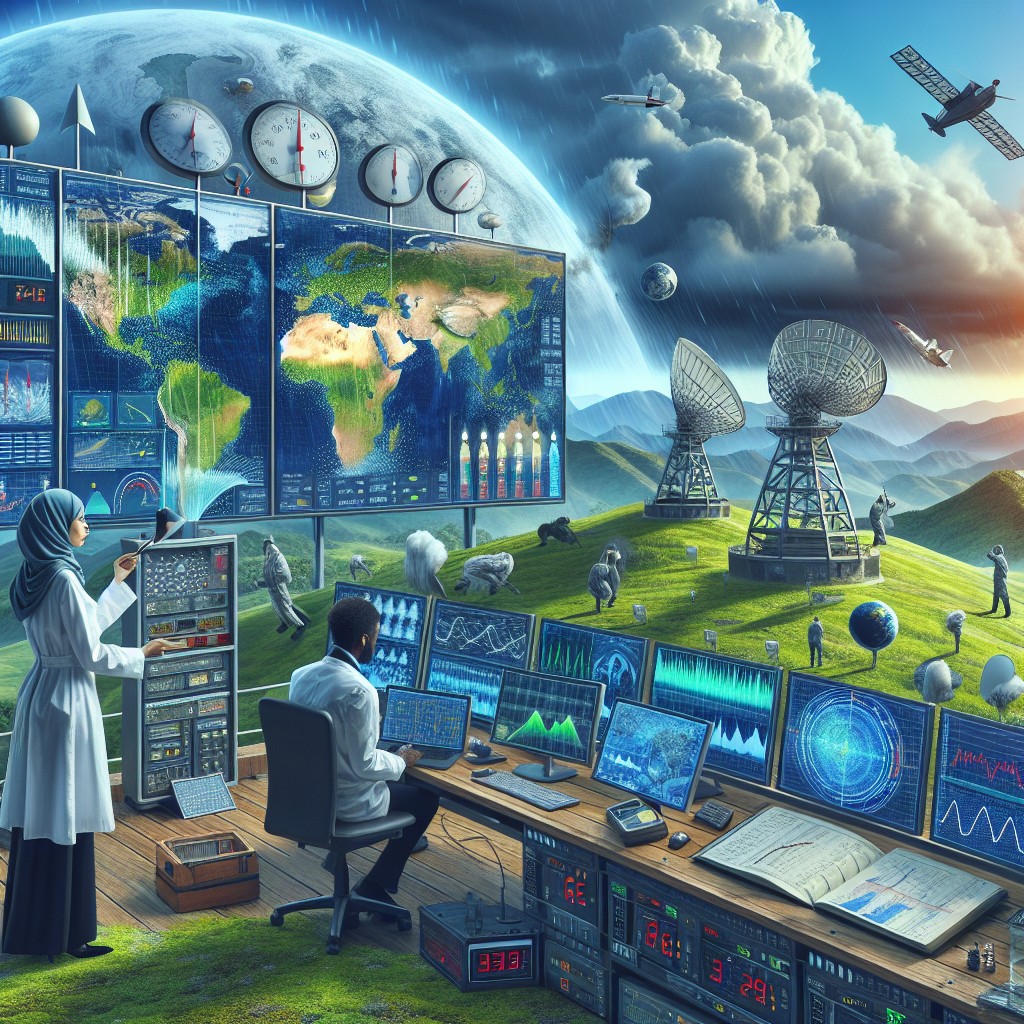
Much remains to be understood about the precise mechanisms and feedback loops involved in ocean warming. Continued investment in scientific research and monitoring is crucial.
Informing Policy Decisions
Better data allows scientists to create more accurate models, predict future impacts with greater precision, and inform policy decisions at all levels, from local planning to international climate negotiations. This includes monitoring ocean temperatures, acidity, currents, and the health of marine populations.
Innovative Solutions
Research also drives innovation, leading to new technologies and strategies for mitigation and adaptation. From developing heat-resistant corals to engineering solutions for coastal protection, knowledge is power.
A Hidden Crisis No Longer
The warming of our oceans is undoubtedly a hidden crisis, but one that is increasingly coming into the light. It’s a complex, interconnected problem that demands our urgent attention. We rely on the oceans for so much – food, oxygen, climate regulation, livelihoods, and inspiration. Addressing this isn’t just about saving marine life; it’s about safeguarding our own future and the health of the planet we call home. It’s a big challenge, but acknowledging it is the first step, and collective, decisive action is the path forward.
FAQs
What is ocean warming and how is it related to climate change?
Ocean warming refers to the increase in temperature of the Earth’s oceans. It is closely linked to climate change as the excess heat trapped in the atmosphere by greenhouse gases is absorbed by the oceans, leading to an increase in their temperature.
What are the impacts of ocean warming on marine life?
Ocean warming has significant impacts on marine life, including coral bleaching, changes in the distribution of species, and disruption of marine ecosystems. It can also lead to the loss of habitats and food sources for many marine species.
How does ocean warming affect global weather patterns?
Ocean warming can influence global weather patterns by altering ocean currents and atmospheric circulation. This can lead to changes in precipitation patterns, extreme weather events, and the intensity of tropical storms.
What are some measures being taken to address ocean warming and its impacts?
Efforts to address ocean warming and its impacts include reducing greenhouse gas emissions, establishing marine protected areas, and implementing sustainable fishing practices. Research and monitoring programmes are also being conducted to better understand and mitigate the effects of ocean warming.
What can individuals do to help combat ocean warming?
Individuals can help combat ocean warming by reducing their carbon footprint through actions such as using energy-efficient appliances, reducing plastic waste, and supporting sustainable seafood choices. They can also participate in beach clean-ups and support organisations working to protect marine ecosystems.