It’s a troubling question, and the short answer is that humans are the primary drivers behind deforestation. While natural events like wildfires and disease do play a role, the vast majority of forest loss can be traced back to our activities. We’re clearing land for agriculture, logging for timber, and making way for infrastructure, often with significant environmental consequences.
The Biggest Drivers of Forest Loss
When we talk about deforestation, it’s not just one single cause. It’s a complex mix of economic pressures, growing populations, and global demand for certain products. Understanding these drivers is key to tackling the problem.
Agriculture: The Dominant Force
This is, without a doubt, the biggest culprit. The demand for food has led to massive land clearing for farming. It’s a global issue, but some regions are hit harder than others.
Soybeans: Food for Livestock and More
You might be surprised to learn how much land is dedicated to growing soybeans. While some are for human consumption, a massive portion is used to produce animal feed. This means the burgers on our plates, or the chicken in our sandwiches, have an indirect link to forest clearance. Brazil, Argentina, and the United States are major players in soybean production, and their expansion has often encroached on vital forest ecosystems.
Cattle Ranching: The Unseen Link
Beef production, especially in countries like Brazil, is another enormous driver of deforestation. Vast swathes of rainforest are cleared to create pastures for cattle. This isn’t just about land for grazing; it also involves clearing land for the crops needed to feed those animals. The expansion of the global appetite for beef means more pressure on forest lands.
Palm Oil: A Ubiquitous Ingredient
Palm oil is found in an astonishing number of everyday products, from biscuits and shampoo to biofuels. Its high yield and versatility make it incredibly profitable, but this has led to the conversion of vast tropical forests, particularly in Southeast Asia (Indonesia and Malaysia), into palm oil plantations. The environmental impact of these plantations, including habitat loss for orangutans and other wildlife, is a serious concern.
Logging: Timber and Paper Needs
We all use wood and paper products, and the demand for them fuels industries that can lead to deforestation. While sustainable forestry practices exist, illegal logging and poorly managed concessions can have devastating effects.
Illegal Logging: A Hidden Threat
This is a significant problem that’s difficult to track and control. Often driven by demand for high-value timber, illegal logging can strip forests bare, leaving behind devastated landscapes. It’s often linked to corruption and organised crime, making it a challenging issue to address. The consequences aren’t just the loss of trees; they include soil erosion, habitat destruction, and the disruption of local communities.
Commercial Timber Plantations: A Double-Edged Sword
While some timber plantations are managed with a focus on sustainability, others can replace diverse, natural forests with monocultures. This significantly reduces biodiversity and can impact the ecological functions of the land. When these plantations are established on land previously occupied by natural forests, it’s still considered deforestation.
The Global Footprint: Where is Deforestation Happening Most?
Deforestation isn’t evenly spread across the globe. Certain regions are experiencing particularly rapid rates of forest loss due to specific pressures.
Tropical Rainforests: The Priceless Losses
Tropical rainforests, particularly in the Amazon, Southeast Asia, and the Congo Basin, are biodiversity hotspots and play a critical role in regulating the global climate. Their destruction has far-reaching consequences.
The Amazon: A Crisis of Epic Proportions
The Amazon rainforest, often referred to as the “lungs of the Earth,” is facing unprecedented pressure. Cattle ranching, soybean cultivation, mining, and infrastructure projects are all contributing to a relentless pace of deforestation. The loss of this vital ecosystem has global implications for climate change and biodiversity.
Southeast Asia: The Palm Oil Frontier
Indonesia and Malaysia, home to some of the world’s oldest rainforests, have seen extensive deforestation driven primarily by the expansion of palm oil plantations. This has led to the endangerment of iconic species like the orangutan and the release of vast amounts of carbon from peatlands.
The Congo Basin: Africa’s Green Heart Under Threat
Africa’s Congo Basin rainforest is the second-largest tropical rainforest in the world. While rates of deforestation have historically been lower than in the Amazon, it is increasingly facing threats from logging, agriculture, and charcoal production, particularly in regions with high population growth and poverty.
Boreal Forests: A Different Kind of Threat
While tropical forests often steal the headlines, boreal forests (found in northern latitudes) are also subject to deforestation, albeit for different reasons.
Russia and Canada: Vast Forests and Competing Interests
These enormous forests are crucial carbon sinks. Deforestation here is often driven by logging, mining, and oil and gas exploration. While wildfires are a natural part of these ecosystems, the scale of human-induced forest loss is a significant concern for global climate regulation.
The Consequences: What Happens When Forests Disappear?
The loss of forests isn’t just about losing trees. It triggers a cascade of negative impacts on the environment and, ultimately, on us.
Climate Change: A Vicious Cycle
Forests are powerful allies in the fight against climate change. Their destruction exacerbates the problem.
Carbon Emissions: Stored Carbon Released
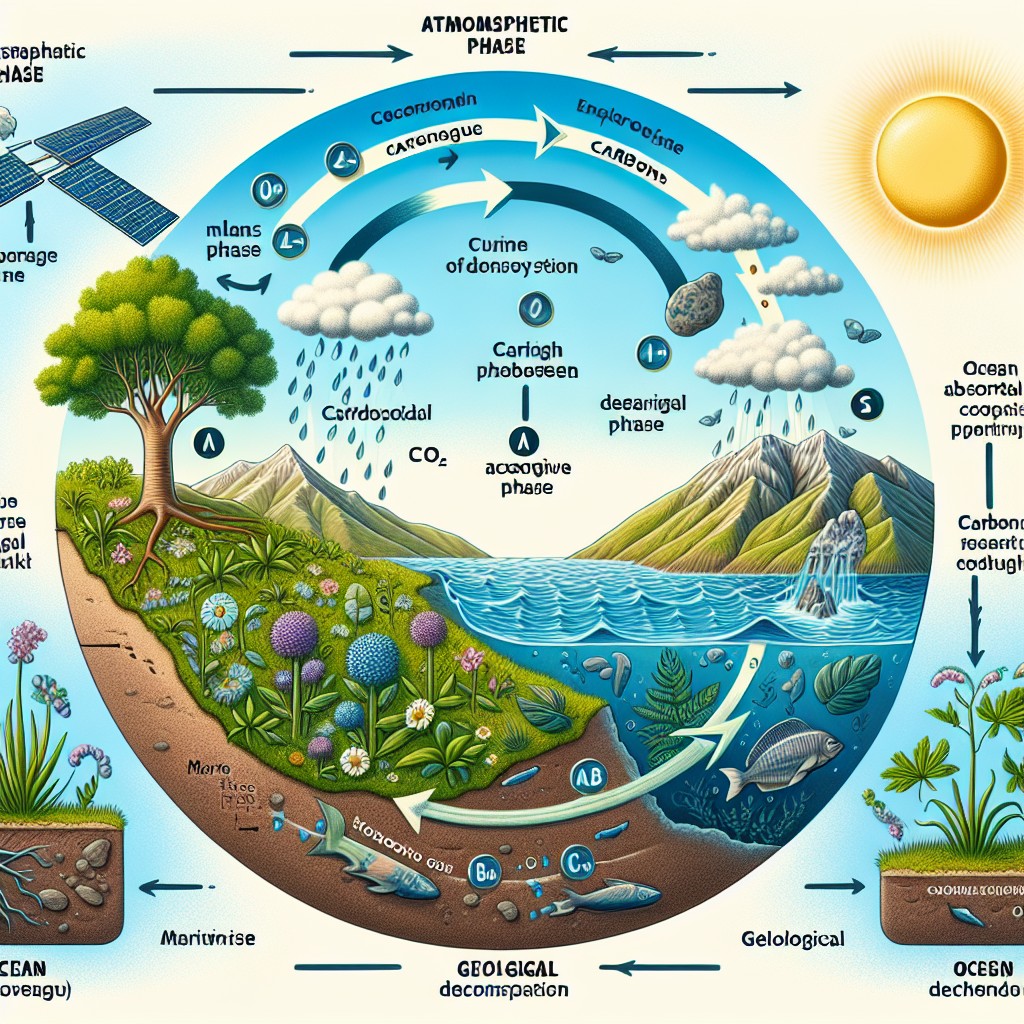
Trees absorb carbon dioxide from the atmosphere. When they are cut down and burned, or decompose, that stored carbon is released back into the atmosphere, contributing to greenhouse gas emissions and global warming. Deforestation is a significant source of these emissions.
Climate Regulation: A Loss of a Natural Regulator
Forests play a crucial role in regulating regional and global climate patterns. They influence rainfall, temperature, and air circulation. Their removal disrupts these delicate balances, potentially leading to more extreme weather events and altered precipitation patterns.
Biodiversity Loss: An Irreversible Decline
Forests are home to an astonishing array of life. Their destruction means the loss of countless species.
Habitat Destruction: Nowhere Left to Go
Deforestation directly destroys the habitats that countless plants and animals rely on for survival. This leads to population declines, endangerment, and, sadly, extinction. Many species found only in specific forest ecosystems are particularly vulnerable.
Extinction Events: The Silent Loss
When habitats disappear, species cannot adapt or relocate quickly enough. This can trigger extinction events, representing an irreversible loss of genetic diversity and ecological complexity. The scale of biodiversity loss due to deforestation is immense and largely unquantified.
Soil Erosion and Water Scarcity: The Ground Beneath Our Feet
Forests play a vital role in maintaining healthy soil and water cycles. Their removal can have devastating on-the-ground impacts.
Soil Degradation: Washing Away the Fertile Land
Tree roots hold soil in place, preventing erosion by wind and rain. When forests are cleared, the bare soil is exposed and easily washed away. This leads to loss of fertile land for agriculture and sedimentation in rivers and lakes, harming aquatic ecosystems.
Disrupted Water Cycles: From Floods to Droughts
Forests act like sponges, absorbing rainfall and releasing it slowly, maintaining stream flow and groundwater levels. Deforestation disrupts this natural regulation, leading to increased runoff, flooding during heavy rains, and reduced water availability during dry periods. This can have severe consequences for both human communities and natural ecosystems.
What Can Be Done? Solutions and Hope
It’s easy to feel overwhelmed by the scale of deforestation, but it’s important to remember that there are solutions and many dedicated people working to protect our forests.
Sustainable Land Use: Working with Nature, Not Against It
This is about finding ways to meet human needs without destroying forests. It requires a shift in how we manage land and what we prioritise.
Regenerative Agriculture: Healing the Land
Practices like agroforestry, which integrates trees into farming systems, can improve soil health, enhance biodiversity, and provide additional income streams for farmers. Shifting towards more sustainable farming methods that require less land expansion is crucial.
Forest Management: Balancing Needs and Conservation
This involves implementing responsible logging practices that minimise impact, promoting reforestation and afforestation efforts, and ensuring that forest resources are managed in a way that benefits both people and the environment for the long term. Certified sustainable forestry is a key component.
Policy and Governance: The Power of Rules and Enforcement
Strong policies and effective governance are essential to curb deforestation. This means tackling illegal activities and incentivising sustainable behaviour.
Land Tenure and Rights: Empowering Communities
Recognising and enforcing the land rights of indigenous communities and local populations can be incredibly effective in protecting forests. These communities often have a deep understanding of their environment and a vested interest in its preservation.
International Agreements and Aid: Global Cooperation
International collaboration is vital. Agreements to reduce emissions from deforestation, financial aid to developing countries for forest conservation, and efforts to combat illegal timber trade are all important pieces of the puzzle.
Consumer Choices: Our Individual Impact
As consumers, we have more power than we might think. The products we buy and the companies we support can influence deforestation.
Responsible Sourcing: Knowing Where Your Products Come From
Look for certifications like the Forest Stewardship Council (FSC) for timber and paper products, or the Roundtable on Sustainable Palm Oil (RSPO) for palm oil. This helps ensure that the products you buy are not contributing to deforestation.
Reducing Consumption: Less is More
Simply reducing our consumption of products linked to deforestation, such as beef and certain processed foods, can make a difference. Questioning our habits and buying less can collectively have a significant impact.
Reforestation and Restoration: Bringing Forests Back
While preventing deforestation is the priority, actively restoring degraded forest landscapes is also crucial.
Planting Trees: More Than Just Saplings
Reforestation involves planting trees on land that was previously forested. Restoration goes further, aiming to re-establish the ecological functions of degraded areas, often by planting a diversity of native species. This helps rebuild ecosystems and their capacity to store carbon and support biodiversity.
The Future of Forests: A Shared Responsibility
The challenge of deforestation is immense, but so is our capacity for change. By understanding the drivers, supporting sustainable practices, and making conscious choices, we can all play a role in protecting these vital ecosystems for future generations. It’s a long road, but one that’s essential for the health of our planet and our own well-being.
FAQs
What is deforestation?
Deforestation is the process of clearing or removing forests or trees from a land area, often for agricultural or commercial purposes.
How does deforestation affect the environment?
Deforestation has a significant impact on the environment, leading to loss of biodiversity, disruption of ecosystems, soil erosion, and increased greenhouse gas emissions.
Which countries are most affected by deforestation?
Countries in the Amazon rainforest, such as Brazil, and in Southeast Asia, such as Indonesia, are among the most affected by deforestation due to large-scale agricultural activities and logging.
What are the consequences of deforestation for indigenous communities?
Deforestation often leads to the displacement of indigenous communities who rely on forests for their livelihoods, cultural practices, and traditional knowledge.
What are some solutions to address deforestation?
Solutions to address deforestation include sustainable forest management, reforestation efforts, promoting agroforestry practices, and implementing policies to reduce illegal logging and land clearing.