World Geography
Geography is the study of the Earth’s landscapes, environments, and the relationships between people and their surroundings. It encompasses both the physical aspects of the Earth, such as its landforms, bodies of water, and climate, as well as the human aspects, including population distribution, cultures, and economies. World geography is a broad field that seeks to understand the complexities of our planet and how humans interact with it. By studying world geography, we can gain a deeper appreciation for the diversity of our planet and the interconnectedness of its various regions.
Geography is a multidisciplinary field that draws on elements of physical science, social science, and humanities. It involves the use of maps, spatial analysis, and geographic information systems (GIS) to understand the Earth’s surface and the processes that shape it. World geography also encompasses the study of human geography, which examines the ways in which people and their activities are distributed across the Earth. By understanding world geography, we can better appreciate the environmental, cultural, and economic challenges facing different regions of the world. This knowledge is crucial for addressing global issues such as climate change, resource management, and international development.
The Five Oceans and Seven Continents
The Earth’s surface is divided into five major oceans: the Pacific, Atlantic, Indian, Southern (or Antarctic), and Arctic Oceans. These vast bodies of water play a crucial role in regulating the Earth’s climate and supporting diverse marine ecosystems. The oceans also serve as important transportation routes and a source of food and other natural resources for human societies around the world.
In addition to the oceans, the Earth’s landmasses are divided into seven continents: Africa, Antarctica, Asia, Europe, North America, Australia (or Oceania), and South America. Each continent has its own unique physical and cultural characteristics, shaped by millions of years of geological processes and human history. From the deserts of Africa to the rainforests of South America, the continents offer a rich tapestry of landscapes and environments for exploration and study.
Major Mountain Ranges and Deserts
The Earth’s surface is also marked by major mountain ranges and deserts that have shaped the planet’s physical and cultural landscapes. The Himalayas, for example, are the highest mountain range in the world and are home to diverse ecosystems and cultures in countries such as India, Nepal, and Bhutan. The Andes in South America, the Rockies in North America, and the Alps in Europe are other prominent mountain ranges that have influenced human settlement patterns and economic activities.
Deserts cover about one-third of the Earth’s land surface and are characterized by low precipitation and extreme temperatures. The Sahara Desert in Africa is the largest hot desert in the world, while the Gobi Desert in Asia is one of the largest cold deserts. Deserts are not only home to unique flora and fauna but have also been important trade routes and cultural crossroads throughout history.
Climate Zones and Biomes
The Earth’s climate is influenced by a variety of factors, including latitude, altitude, ocean currents, and prevailing winds. As a result, the planet is divided into different climate zones, each with its own characteristic weather patterns and ecosystems. The equator, for example, experiences a tropical climate with high temperatures and heavy rainfall, while the polar regions have a cold and dry climate.
These climate zones give rise to different biomes, or large ecological areas characterized by distinct plant and animal communities. The tropical rainforest biome, found near the equator, is home to a diverse array of species and is vital for regulating the Earth’s climate. The grasslands biome, found in regions such as the African savannah and North American prairies, supports grazing animals and has been important for human agriculture throughout history.
Human Geography and Population Distribution
Human geography examines the ways in which people and their activities are distributed across the Earth’s surface. It encompasses topics such as population growth, migration patterns, urbanization, and cultural diversity. Understanding human geography is crucial for addressing global challenges such as poverty, inequality, and environmental degradation.
Population distribution is uneven across the world, with some regions experiencing rapid population growth while others are declining. The majority of the world’s population lives in Asia, particularly in countries such as China and India. Urban areas are also growing rapidly, with more than half of the world’s population now living in cities. This trend has significant implications for infrastructure development, resource management, and social inequality.
Historical and Cultural Geography
Historical geography examines how human activities have shaped the Earth’s landscapes over time. It explores topics such as colonialism, trade routes, and the rise and fall of empires. Cultural geography focuses on how human cultures have developed in different regions of the world and how they interact with their environments.
The Silk Road, for example, was an ancient trade route that connected China with Europe and facilitated the exchange of goods, ideas, and technologies across Eurasia. This historical trade route had a profound impact on the development of cultures and economies along its path. Similarly, cultural geographers study how different societies have adapted to their environments through practices such as agriculture, architecture, and religious beliefs.
The Importance of Geographic Knowledge
Geographic knowledge is crucial for addressing global challenges such as climate change, resource management, and international development. By understanding world geography, we can better appreciate the environmental, cultural, and economic challenges facing different regions of the world. This knowledge is crucial for addressing global issues such as climate change, resource management, and international development.
Geographic knowledge also helps us to understand our interconnectedness with other regions of the world. By studying world geography, we can gain a deeper appreciation for the diversity of our planet and the interconnectedness of its various regions. This understanding can foster a sense of global citizenship and empathy for people from different cultures and backgrounds.
In conclusion, world geography is a complex and multifaceted field that encompasses both physical and human aspects of the Earth’s landscapes. By studying world geography, we can gain a deeper appreciation for the diversity of our planet and the interconnectedness of its various regions. This knowledge is crucial for addressing global challenges such as climate change, resource management, and international development. It also helps us to understand our interconnectedness with other regions of the world and fosters a sense of global citizenship.
FAQs
What is world geography?
World geography is the study of the Earth’s landscapes, environments, and the relationships between people and their environments. It encompasses the physical features of the Earth, as well as the human activity that takes place on it.
Why is world geography important?
World geography is important because it helps us understand the world around us. It provides insights into the physical and human processes that shape our planet, and helps us make informed decisions about how to interact with our environment.
What are the main branches of world geography?
The main branches of world geography include physical geography, which focuses on the Earth’s natural features and processes, and human geography, which examines the relationships between people and their environments.
How does world geography impact our daily lives?
World geography impacts our daily lives in numerous ways, from influencing the weather and climate we experience, to shaping the availability of natural resources and influencing the distribution of populations and cultures around the world.
What are some key concepts in world geography?
Key concepts in world geography include location, place, human-environment interaction, movement, and region. These concepts help geographers understand and interpret the world around them.
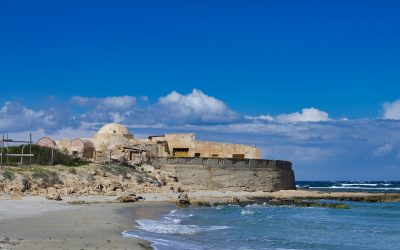
Exploring the Rich History and Culture of Libya: A Journey Through the Land of the Berbers
Located in North Africa, Libya is a country known for its diverse landscapes, rich history, and vibrant culture. It is bordered by the Mediterranean Sea to the north, Egypt to the east, Sudan to the southeast, Chad and Niger to the south, and Algeria and Tunisia to the west. With a population of over 6 million people, Libya is home to a mix of ethnic groups, including Arabs, Berbers, Tuaregs, and other minority groups. Libya’s history and culture are of great importance not only to its own people but also to the world. The country has been inhabited since prehistoric times and has been influenced by various civilizations throughout its history. From the indigenous Berber people to the ancient Phoenicians, Greeks, and Romans, as well as Islamic influences and more recent colonial rule, Libya’s heritage is a testament to its rich past. Summary Libya is a diverse country with a rich heritage. The Berbers are the indigenous people of Libya. Libya has a history of ancient civilizations, including the Phoenicians, Greeks, and Romans. Libya has a strong Islamic heritage, with many mosques, madrasas, and tombs. Libya has experienced colonial rule under Italy and Britain, as well as a revolution and civil war. The Berbers: The Indigenous People of Libya The Berbers are the indigenous people of Libya and have inhabited the region for thousands of years. They have their own distinct culture, language, and traditions that have greatly influenced Libyan society. The Berber language, known as Tamazight, is still spoken by a significant portion of the population. The Berbers have a rich oral tradition that includes storytelling, poetry, and...
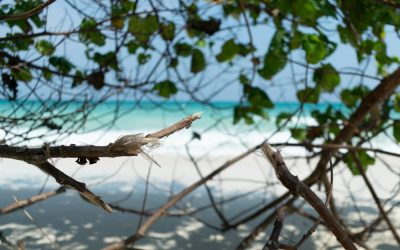
Discovering the Hidden Gems of the Solomon Islands: A Journey Through the Pacific’s Pristine Paradise
The Solomon Islands, located in the South Pacific, is a hidden gem that should be on every traveler’s bucket list. With its pristine beaches, lush rainforests, and vibrant culture, this archipelago offers a unique and enchanting experience for those seeking an off-the-beaten-path adventure. The Solomon Islands is made up of over 900 islands, each with its own distinct beauty and charm. From the main island of Guadalcanal, where you can explore historical sites from World War II, to the remote and untouched islands of the Western Province, there is something for everyone in this tropical paradise. Summary The Solomon Islands offer an enchanting destination with a rich history and culture. The islands are home to a diverse range of natural wonders, including unique biodiversity and world-class diving and snorkelling opportunities. Visitors can escape to idyllic beaches and islands for the perfect getaway, or embark on adventure activities such as hiking and kayaking. Savour the local cuisine and celebrate the islands’ rich heritage at festivals and events. Sustainable tourism practices support local communities and the environment, making for a memorable and responsible trip. History and Culture: A Glimpse into the Past The Solomon Islands has a rich cultural heritage that dates back thousands of years. The indigenous people of the islands have a deep connection to their land and traditions, which are still observed today. Visitors to the Solomon Islands can immerse themselves in the local culture by visiting traditional villages and witnessing traditional ceremonies and dances. One of the most significant historical sites in the Solomon Islands is Honiara, the capital city located on Guadalcanal. Here, you can visit...

Exploring the Rich Culture and History of Liberia: A Journey to West Africa
Liberia, located on the west coast of Africa, is a country with a rich history and vibrant culture. It is bordered by Sierra Leone to the northwest, Guinea to the north, and Ivory Coast to the east. With a population of over 4 million people, Liberia is known for its diverse ethnic groups, including the Kpelle, Bassa, and Gio. Liberia’s history is unique among African nations. It was founded in the early 19th century by freed American slaves who returned to Africa. These settlers established a colony and named it Liberia, which means “land of the free” in Latin. The country gained independence in 1847 and has since experienced periods of political instability and civil war. However, Liberia has made significant progress in recent years towards peace and development. Liberia is a unique destination for travelers due to its blend of African and American influences. The country’s history as a settlement for freed slaves has resulted in a culture that combines elements of both African and American traditions. This fusion can be seen in Liberia’s music, dance, cuisine, and art. Additionally, Liberia’s natural beauty, with its stunning landscapes and diverse wildlife, makes it an ideal destination for nature lovers. Summary Liberia is a unique West African nation with a rich history and culture. From colonization to independence, Liberia’s history is complex and fascinating. Liberia’s culture is a blend of African and American influences, creating a unique identity. Traditional music and dance in Liberia are a celebration of life and community. Liberia’s art and craft reflect the nation’s heritage and are a testament to its creativity. The History of Liberia:...
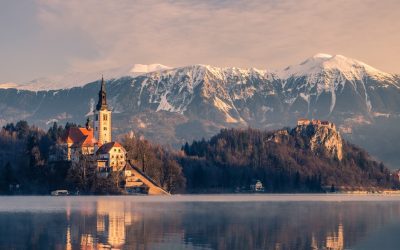
Discovering the Hidden Gems of Slovenia: A Journey Through the Picturesque Landscapes and Rich Culture
Slovenia may be a small country, but it is packed with hidden gems waiting to be discovered. Nestled between Italy, Austria, Hungary, and Croatia, Slovenia offers a diverse range of landscapes, from majestic mountains to crystal-clear lakes and lush forests. While popular destinations like Lake Bled and Ljubljana are well-known, there are many lesser-known attractions and experiences that showcase the true beauty and culture of this hidden gem. Summary Slovenia is a hidden gem with natural wonders, rich history and culture, charming towns and villages, delicious cuisine and wine, artistic and creative side, thriving outdoor activities, and friendly locals. Exploring Slovenia’s natural wonders includes visiting the stunning Lake Bled, the underground Postojna Cave, and the Triglav National Park. Delving into Slovenia’s rich history and culture involves exploring the medieval Ljubljana Castle, the Lipica Stud Farm, and the Skocjan Caves. Discovering Slovenia’s charming towns and villages includes visiting the coastal town of Piran, the picturesque village of Bled, and the historic town of Ptuj. Sampling Slovenia’s delicious cuisine and wine involves trying traditional dishes like potica and jota, and tasting local wines like Rebula and Teran. Exploring Slovenia’s Natural Wonders Slovenia is a nature lover’s paradise, with its stunning landscapes and outdoor activities. The country is home to the Julian Alps, which offer excellent hiking and skiing opportunities. Triglav National Park is a must-visit for outdoor enthusiasts, with its rugged peaks, glacial lakes, and picturesque valleys. The park is also home to Mount Triglav, the highest peak in Slovenia. For water sports enthusiasts, Lake Bled is a popular destination. With its emerald-green waters and a medieval castle perched on a...
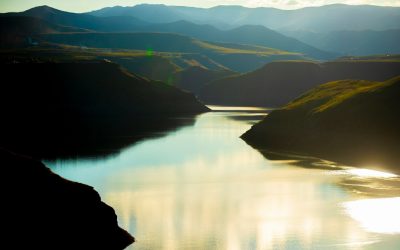
Exploring the Enchanting Land of Lesotho: A Journey Through the Mountain Kingdom
Lesotho, also known as the Kingdom in the Sky, is a small landlocked country located in southern Africa. It is completely surrounded by South Africa and is known for its stunning landscapes, rich culture, and warm hospitality. Lesotho has a fascinating history, having been established as a kingdom in the 19th century and maintaining its independence throughout colonial rule. The country is home to the Basotho people, who have a unique culture and traditions that are still celebrated today. Lesotho is a truly unique travel destination for several reasons. Firstly, its geographical location makes it a haven for outdoor enthusiasts. The country is dominated by mountains, with the Maloti-Drakensberg range running through its eastern border. This makes Lesotho a paradise for hikers, with numerous trails and breathtaking views to explore. Additionally, Lesotho’s rich cultural heritage sets it apart from other destinations in the region. The Basotho people have a strong sense of identity and pride in their traditions, which can be seen in their clothing, music, dance, and art. Summary Lesotho is a small, landlocked country in southern Africa known as the Kingdom in the Sky. The natural wonders of Lesotho include stunning mountains, rivers, and valleys that offer breathtaking views and outdoor activities. The unique culture of Lesotho is rich in traditions and customs, including the famous Basotho blanket and hat. The best places to visit in Lesotho range from historical sites like Thaba-Bosiu to natural reserves like the Sehlabathebe National Park. Trekking in Lesotho is a hiker’s paradise, with trails that lead through the mountains and valleys to remote villages and stunning vistas. The Natural Wonders of...
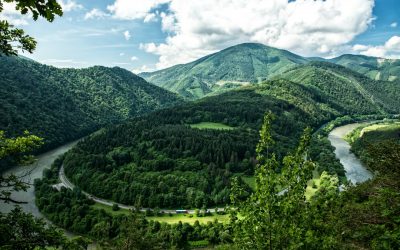
Discovering Slovakia: An Unforgettable Journey Through the Heart of Europe
Nestled in the heart of Europe, Slovakia is a land of hidden gems waiting to be discovered. With its rich history, diverse culture, and stunning natural landscapes, this small country offers a unique and off-the-beaten-path experience for travelers. Located in Central Europe, Slovakia shares borders with Poland, Ukraine, Hungary, Austria, and the Czech Republic. Its strategic location has influenced its history and culture, resulting in a fascinating blend of influences from neighboring countries. Slovakia has a long and complex history, with evidence of human habitation dating back to the Paleolithic era. Throughout the centuries, the region has been ruled by various empires, including the Celts, Romans, and Habsburgs. In the 20th century, Slovakia was part of Czechoslovakia until it gained independence in 1993. This rich history is reflected in the country’s architecture, traditions, and cultural heritage. For travelers looking for something off the beaten path, Slovakia is the perfect destination. While neighboring countries like Austria and the Czech Republic attract hordes of tourists, Slovakia remains relatively undiscovered. This means that visitors can experience authentic Slovak culture and explore untouched natural landscapes without the crowds. Whether you’re interested in history, outdoor adventures, or simply immersing yourself in a new culture, Slovakia has something to offer. Summary Slovakia is a land of hidden gems, with rich cultural heritage and natural wonders waiting to be discovered. Visitors can explore castles, learn about folk traditions, and enjoy outdoor adventures like hiking and skiing. The cities of Bratislava and Kosice offer vibrant urban experiences, while the countryside is perfect for relaxation and exploration. Foodies will love Slovakian cuisine, which features hearty stews, dumplings, and...
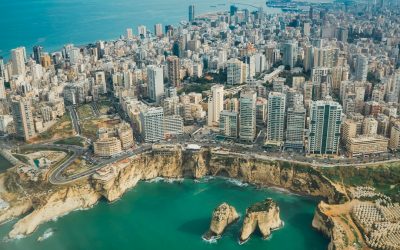
Discovering the Charms of Lebanon: A Journey Through its Rich Culture and Scenic Beauty
Lebanon, a small country located in the Middle East, is often referred to as the “Switzerland of the Middle East” due to its stunning natural beauty and diverse cultural heritage. Nestled between the Mediterranean Sea and the mountains, Lebanon offers a unique blend of history, culture, and breathtaking landscapes that make it a must-visit destination for travelers. With a history dating back thousands of years, Lebanon has been influenced by various civilizations and empires, including the Phoenicians, Romans, Byzantines, and Ottomans. This rich history is evident in the country’s architecture, archaeological sites, and cultural traditions. Lebanon is also known for its vibrant culture, with music, dance, and art playing a significant role in the daily lives of its people. The country hosts numerous festivals and events throughout the year, showcasing its diverse cultural scene and attracting artists and performers from around the world. Summary Lebanon is a charming destination with a rich history, vibrant culture, scenic beauty, culinary delights, religious diversity, unique architecture, warm hospitality, and thriving nightlife. A walk through Lebanon’s history reveals the influence of various civilizations, including the Phoenicians, Romans, Ottomans, and French. Lebanon’s culture is expressed through music, dance, and art, with traditional forms like dabke and modern genres like Arabic pop. Lebanon’s scenic beauty includes mountains, beaches, and valleys, with highlights like the Jeita Grotto and the Cedars of God. Lebanon’s cuisine is a food lover’s paradise, with dishes like tabbouleh, hummus, and shawarma, and drinks like arak and Lebanese wine. A Walk Through the Rich History of Lebanon Lebanon’s history is a tapestry woven with the threads of ancient civilizations and empires. From...
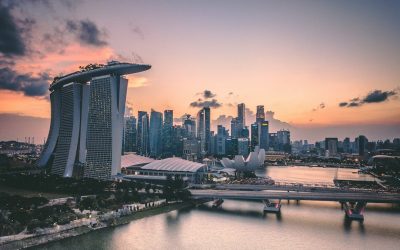
Discovering the Hidden Gems of Singapore: A British Perspective
Singapore, often referred to as the “Lion City,” is a vibrant and diverse travel destination that offers a unique blend of cultures, cuisines, and attractions. While it may not be the first place that comes to mind for British travellers, Singapore is a hidden gem that should not be overlooked. From its colonial heritage to its natural beauty and bustling cityscape, there are countless reasons why British travellers should consider visiting Singapore. Summary Singapore is a hidden gem for British travellers, offering a unique blend of colonial heritage, culture, cuisine, natural beauty, and modern attractions. Exploring Singapore’s colonial heritage from a British perspective is a must-do, with iconic landmarks like Raffles Hotel and the National Museum of Singapore. Singapore’s unique culture and cuisine are a feast for the senses, with hawker centres, street food, and Michelin-starred restaurants to discover. Uncovering Singapore’s natural beauty is easy with its many parks, gardens, and wildlife reserves, including the iconic Gardens by the Bay and Singapore Zoo. Singapore’s hidden bars and restaurants offer a taste of the city’s vibrant nightlife, with speakeasies, rooftop bars, and local haunts to explore. Exploring Singapore’s Colonial Heritage: A British Perspective Singapore has a rich colonial history that dates back to the 19th century when it was a British trading post. The influence of the British can still be seen today in the city’s architecture, landmarks, and cultural traditions. One must-visit colonial landmark is Raffles Hotel, which was named after Sir Stamford Raffles, the founder of modern Singapore. This iconic hotel has been a symbol of luxury and elegance since it first opened its doors in 1887. Another...
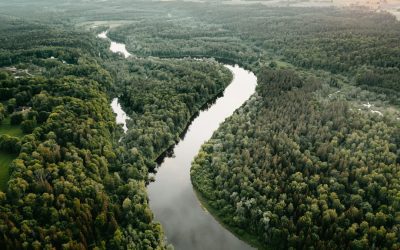
Exploring the Baltic Gem: A Trip to Latvia
Located in the Baltic region of Northern Europe, Latvia is a country that often goes unnoticed by travellers. However, this hidden gem has so much to offer to those who are willing to explore it. With a rich history, stunning natural landscapes, delicious cuisine, and a vibrant art scene, Latvia is a great travel destination for those seeking something off the beaten path. Latvia has a fascinating history that dates back thousands of years. It has been influenced by various cultures and empires throughout the centuries, including the Vikings, Germans, Swedes, and Russians. This diverse history is reflected in Latvia’s architecture, traditions, and cultural heritage. In recent years, Latvia has gained popularity among travellers for its affordability and authenticity. Unlike some of its neighbouring countries, Latvia has managed to preserve its traditional way of life and charm. From its picturesque countryside to its vibrant cities, Latvia offers a unique travel experience that is sure to leave a lasting impression. Summary Latvia is a hidden gem in the Baltic region, offering rich history, natural beauty, delicious cuisine, and unique festivals and traditions. Visitors can discover Latvia’s rich history and culture through its museums, castles, and UNESCO World Heritage sites. The best places to visit in Latvia include the capital city of Riga, the countryside, and the coastal town of Jurmala. Latvia’s natural beauty can be explored through its lakes, forests, and beaches, with opportunities for hiking, swimming, and boating. Latvia’s cuisine is a blend of Eastern and Western flavours, with traditional dishes like grey peas and bacon and modern fusion cuisine. Discovering Latvia’s Rich History and Culture Latvia’s cultural heritage...

Exploring the Untouched Beauty of Sierra Leone: A Journey Through the Hidden Gems of West Africa
Sierra Leone, located on the west coast of Africa, is often overlooked as a travel destination. However, this hidden gem has so much to offer to adventurous travelers seeking unspoiled beauty and rich cultural experiences. From pristine beaches to lush rainforests, from vibrant music and dance scenes to delicious cuisine, Sierra Leone has something for everyone. In this article, we will explore the various hidden gems of Sierra Leone and why it should be on your travel radar. Summary Sierra Leone is a hidden gem in West Africa with unspoiled beaches, rich culture, and unexplored rainforests. The beaches of Sierra Leone are pristine and offer a peaceful escape from the hustle and bustle of city life. Sierra Leone has a rich history and culture that is worth exploring, from its colonial past to its vibrant music and dance scene. Trekking through the rainforests of Sierra Leone is a unique experience that allows you to discover the country’s diverse wildlife and natural beauty. Sierra Leone’s national parks are home to a variety of wildlife, including chimpanzees, elephants, and rare birds, making it a great destination for wildlife watching. Discovering the Unspoiled Beaches of Sierra Leone One of the biggest draws of Sierra Leone is its stunning coastline and unspoiled beaches. With over 400 kilometers of coastline, there are plenty of options for beach lovers to choose from. The beaches in Sierra Leone are known for their white sand, crystal-clear waters, and lack of crowds. Whether you’re looking for a secluded spot to relax or want to try your hand at water sports like surfing or snorkeling, Sierra Leone’s beaches have...
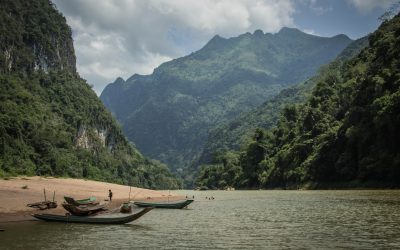
Discovering the Hidden Gems of Laos: A Journey Through Southeast Asia’s Enchanting Land
Laos, officially known as the Lao People’s Democratic Republic, is a landlocked country in Southeast Asia. It is bordered by Myanmar (Burma) and China to the northwest, Vietnam to the east, Cambodia to the southeast, and Thailand to the west. Despite being a relatively small country, Laos is rich in natural beauty, cultural heritage, and historical significance. From the ancient temples of Luang Prabang to the remote villages of northern Laos, this country offers a unique and unforgettable travel experience. Laos is often referred to as the “Land of a Million Elephants” due to its historical association with these majestic creatures. The country is known for its stunning landscapes, including lush mountains, cascading waterfalls, and the mighty Mekong River. It is also home to a diverse range of ethnic groups, each with their own distinct traditions and customs. This cultural diversity is reflected in the country’s cuisine, festivals, and handicrafts. Summary Laos is a beautiful and mysterious destination in Southeast Asia. Luang Prabang is a cultural hub with rich history and traditions. Vang Vieng offers natural wonders and adventure activities for thrill-seekers. Vientiane is the spiritual heart of Laos, with many temples and religious sites to explore. The Plain of Jars is a fascinating journey through ancient history and culture. Exploring the Cultural Riches of Luang Prabang One of the must-visit destinations in Laos is Luang Prabang, a UNESCO World Heritage Site. This ancient city is located in northern Laos and is known for its well-preserved architecture, Buddhist temples, and traditional way of life. Luang Prabang was once the capital of the Kingdom of Laos and served as an...
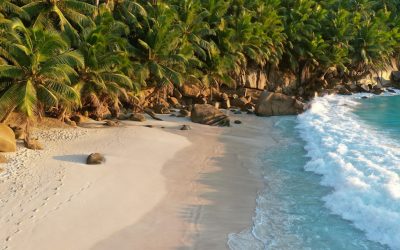
Discovering the Hidden Gems of Seychelles: A Journey Through Paradise
Seychelles is a tropical paradise located in the Indian Ocean, off the eastern coast of Africa. It is an archipelago consisting of 115 islands, each offering its own unique beauty and charm. With its pristine beaches, crystal-clear waters, and lush greenery, Seychelles is a dream destination for beach lovers and nature enthusiasts alike. The climate in Seychelles is warm and tropical year-round, with temperatures ranging from 24 to 32 degrees Celsius. The islands are blessed with abundant sunshine and gentle sea breezes, making it the perfect place to relax and unwind. The culture of Seychelles is a melting pot of influences from Africa, Europe, and Asia, creating a vibrant and diverse society. Summary Seychelles is a tropical paradise with pristine beaches, rich wildlife, cultural heritage, local cuisine, and exciting activities. The beaches of Seychelles are some of the most beautiful in the world, with crystal-clear waters and white sand. Seychelles is home to a diverse range of wildlife, including giant tortoises, rare birds, and marine life. The cultural heritage of Seychelles is a blend of African, European, and Asian influences, with unique traditions and festivals. Seychelles’ local cuisine is a fusion of Creole, French, and Indian flavors, with fresh seafood and tropical fruits. Exploring the Pristine Beaches of Seychelles Seychelles is renowned for its stunning beaches, each with its own unique features and attractions. Anse Source d’Argent on La Digue Island is often considered one of the most beautiful beaches in the world. It boasts powdery white sand, towering granite boulders, and crystal-clear turquoise waters. The beach is also known for its shallow lagoons, making it ideal for swimming...