World Geography
Geography is the study of the Earth’s landscapes, environments, and the relationships between people and their surroundings. It encompasses both the physical aspects of the Earth, such as its landforms, bodies of water, and climate, as well as the human aspects, including population distribution, cultures, and economies. World geography is a broad field that seeks to understand the complexities of our planet and how humans interact with it. By studying world geography, we can gain a deeper appreciation for the diversity of our planet and the interconnectedness of its various regions.
Geography is a multidisciplinary field that draws on elements of physical science, social science, and humanities. It involves the use of maps, spatial analysis, and geographic information systems (GIS) to understand the Earth’s surface and the processes that shape it. World geography also encompasses the study of human geography, which examines the ways in which people and their activities are distributed across the Earth. By understanding world geography, we can better appreciate the environmental, cultural, and economic challenges facing different regions of the world. This knowledge is crucial for addressing global issues such as climate change, resource management, and international development.
The Five Oceans and Seven Continents
The Earth’s surface is divided into five major oceans: the Pacific, Atlantic, Indian, Southern (or Antarctic), and Arctic Oceans. These vast bodies of water play a crucial role in regulating the Earth’s climate and supporting diverse marine ecosystems. The oceans also serve as important transportation routes and a source of food and other natural resources for human societies around the world.
In addition to the oceans, the Earth’s landmasses are divided into seven continents: Africa, Antarctica, Asia, Europe, North America, Australia (or Oceania), and South America. Each continent has its own unique physical and cultural characteristics, shaped by millions of years of geological processes and human history. From the deserts of Africa to the rainforests of South America, the continents offer a rich tapestry of landscapes and environments for exploration and study.
Major Mountain Ranges and Deserts
The Earth’s surface is also marked by major mountain ranges and deserts that have shaped the planet’s physical and cultural landscapes. The Himalayas, for example, are the highest mountain range in the world and are home to diverse ecosystems and cultures in countries such as India, Nepal, and Bhutan. The Andes in South America, the Rockies in North America, and the Alps in Europe are other prominent mountain ranges that have influenced human settlement patterns and economic activities.
Deserts cover about one-third of the Earth’s land surface and are characterized by low precipitation and extreme temperatures. The Sahara Desert in Africa is the largest hot desert in the world, while the Gobi Desert in Asia is one of the largest cold deserts. Deserts are not only home to unique flora and fauna but have also been important trade routes and cultural crossroads throughout history.
Climate Zones and Biomes
The Earth’s climate is influenced by a variety of factors, including latitude, altitude, ocean currents, and prevailing winds. As a result, the planet is divided into different climate zones, each with its own characteristic weather patterns and ecosystems. The equator, for example, experiences a tropical climate with high temperatures and heavy rainfall, while the polar regions have a cold and dry climate.
These climate zones give rise to different biomes, or large ecological areas characterized by distinct plant and animal communities. The tropical rainforest biome, found near the equator, is home to a diverse array of species and is vital for regulating the Earth’s climate. The grasslands biome, found in regions such as the African savannah and North American prairies, supports grazing animals and has been important for human agriculture throughout history.
Human Geography and Population Distribution
Human geography examines the ways in which people and their activities are distributed across the Earth’s surface. It encompasses topics such as population growth, migration patterns, urbanization, and cultural diversity. Understanding human geography is crucial for addressing global challenges such as poverty, inequality, and environmental degradation.
Population distribution is uneven across the world, with some regions experiencing rapid population growth while others are declining. The majority of the world’s population lives in Asia, particularly in countries such as China and India. Urban areas are also growing rapidly, with more than half of the world’s population now living in cities. This trend has significant implications for infrastructure development, resource management, and social inequality.
Historical and Cultural Geography
Historical geography examines how human activities have shaped the Earth’s landscapes over time. It explores topics such as colonialism, trade routes, and the rise and fall of empires. Cultural geography focuses on how human cultures have developed in different regions of the world and how they interact with their environments.
The Silk Road, for example, was an ancient trade route that connected China with Europe and facilitated the exchange of goods, ideas, and technologies across Eurasia. This historical trade route had a profound impact on the development of cultures and economies along its path. Similarly, cultural geographers study how different societies have adapted to their environments through practices such as agriculture, architecture, and religious beliefs.
The Importance of Geographic Knowledge
Geographic knowledge is crucial for addressing global challenges such as climate change, resource management, and international development. By understanding world geography, we can better appreciate the environmental, cultural, and economic challenges facing different regions of the world. This knowledge is crucial for addressing global issues such as climate change, resource management, and international development.
Geographic knowledge also helps us to understand our interconnectedness with other regions of the world. By studying world geography, we can gain a deeper appreciation for the diversity of our planet and the interconnectedness of its various regions. This understanding can foster a sense of global citizenship and empathy for people from different cultures and backgrounds.
In conclusion, world geography is a complex and multifaceted field that encompasses both physical and human aspects of the Earth’s landscapes. By studying world geography, we can gain a deeper appreciation for the diversity of our planet and the interconnectedness of its various regions. This knowledge is crucial for addressing global challenges such as climate change, resource management, and international development. It also helps us to understand our interconnectedness with other regions of the world and fosters a sense of global citizenship.
FAQs
What is world geography?
World geography is the study of the Earth’s landscapes, environments, and the relationships between people and their environments. It encompasses the physical features of the Earth, as well as the human activity that takes place on it.
Why is world geography important?
World geography is important because it helps us understand the world around us. It provides insights into the physical and human processes that shape our planet, and helps us make informed decisions about how to interact with our environment.
What are the main branches of world geography?
The main branches of world geography include physical geography, which focuses on the Earth’s natural features and processes, and human geography, which examines the relationships between people and their environments.
How does world geography impact our daily lives?
World geography impacts our daily lives in numerous ways, from influencing the weather and climate we experience, to shaping the availability of natural resources and influencing the distribution of populations and cultures around the world.
What are some key concepts in world geography?
Key concepts in world geography include location, place, human-environment interaction, movement, and region. These concepts help geographers understand and interpret the world around them.
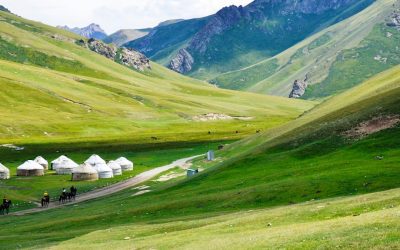
Discovering the Hidden Gems of Kyrgyzstan: A Journey Through Central Asia’s Best-Kept Secret
Nestled in the heart of Central Asia, Kyrgyzstan is a country that often goes unnoticed by travelers. However, those who do venture to this hidden gem are rewarded with a wealth of cultural richness, natural wonders, and unique experiences. From its diverse cultural influences to its stunning landscapes, Kyrgyzstan offers a truly unforgettable travel experience. Summary Kyrgyzstan offers hidden treasures waiting to be discovered by adventurous travellers. The country’s cultural richness is a unique blend of Eastern and Western influences. Exploring Kyrgyzstan’s natural wonders is a must for outdoor enthusiasts. The Silk Road legacy can be traced through the historical routes of Kyrgyzstan. Experiencing the nomadic traditions of the Kyrgyz people is a one-of-a-kind experience. The Cultural Richness of Kyrgyzstan: A Blend of East and West Kyrgyzstan is a melting pot of cultures, with influences from both the East and the West. The country’s history is marked by the Silk Road trade route, which brought merchants and travelers from all over the world. As a result, Kyrgyzstan has a rich tapestry of cultural influences, including Persian, Chinese, Russian, and Turkish. Visiting historical sites and museums is a great way to delve into Kyrgyzstan’s cultural heritage. The capital city of Bishkek is home to several museums that showcase the country’s history and art. The State Historical Museum provides an in-depth look at Kyrgyzstan’s past, while the Museum of Fine Arts displays a collection of traditional and contemporary artwork. For those interested in experiencing traditional music and dance performances, Kyrgyzstan offers a vibrant cultural scene. Traditional music is characterized by the use of traditional instruments such as the komuz (a three-stringed...
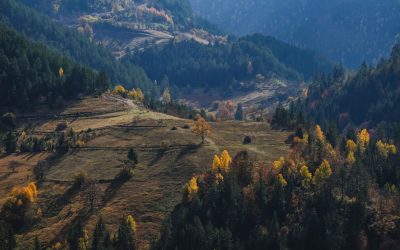
Exploring the Rich Culture and History of Serbia: A Journey Through the Heart of the Balkans
Serbia, located in the heart of the Balkans, is a country that often goes unnoticed by travelers. However, this hidden gem is a destination that should not be overlooked. With its rich history, diverse culture, and stunning natural landscapes, Serbia offers a unique and unforgettable travel experience. From the vibrant capital city of Belgrade to the picturesque countryside, Serbia has something to offer every type of traveler. In this article, we will explore the many facets of Serbia’s culture and history, and discover why it is a destination worth exploring. Summary Serbia is a land of contrasts and diversity, with a rich history and culture. Belgrade, Serbia’s vibrant capital city, is home to many cultural gems and attractions. Serbia’s natural landscapes, including mountains, rivers, and lakes, offer stunning beauty and outdoor activities. Serbian art and architecture showcase a rich legacy, from Byzantine to Baroque styles. Traditional Serbian cuisine is delicious and offers a unique culinary journey. Serbia: A Land of Contrasts and Diversity One of the most striking aspects of Serbia is its geographical and cultural diversity. From the fertile plains of Vojvodina in the north to the rugged mountains of the Dinaric Alps in the south, Serbia offers a wide range of landscapes to explore. Each region has its own distinct character and charm, from the cosmopolitan city of Belgrade to the medieval towns of Novi Sad and Nis. In addition to its geographical diversity, Serbia is also home to a rich tapestry of cultures and ethnicities. The country has been influenced by various civilizations throughout history, including the Romans, Byzantines, Ottomans, and Austro-Hungarians. This diverse heritage is...
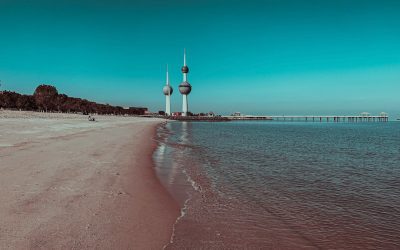
Discovering the Hidden Gems of Kuwait: A Journey Through the Land of Contrasts
Kuwait, a small country located in the Arabian Peninsula, is often overlooked as a tourist destination. However, this hidden gem is a land of contrasts, offering a unique blend of rich cultural heritage, natural wonders, modern architecture, and a thriving art and design scene. With its fascinating history, vibrant culture, and warm hospitality, Kuwait is a must-visit destination for travelers seeking an authentic Arabian experience. Situated at the northern edge of the Arabian Gulf, Kuwait has a strategic location that has shaped its history and culture. The country has a rich history that dates back thousands of years, with evidence of human settlements dating back to the Bronze Age. Over the centuries, Kuwait has been influenced by various civilizations, including the Greeks, Persians, and Ottomans. In 1961, Kuwait gained independence from British rule and has since transformed into a modern and prosperous nation. Kuwait’s culture is deeply rooted in its Bedouin heritage and Islamic traditions. The people of Kuwait are known for their warm hospitality and generosity towards visitors. Traditional values such as respect for elders and strong family ties are still highly valued in Kuwaiti society. The country’s official language is Arabic, but English is widely spoken in urban areas. Summary Kuwait is a land of contrasts, with hidden gems waiting to be discovered. The country has a rich cultural heritage, with museums and historical sites to explore. From deserts to beaches, Kuwait offers a range of natural wonders to discover. Kuwait’s foodie scene is a hidden gem, with a diverse range of culinary experiences to enjoy. The country’s art and design scene is thriving, with a range...
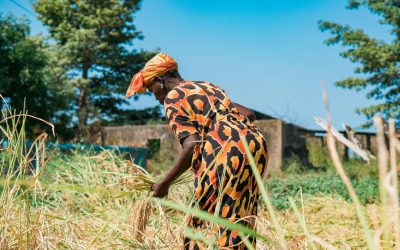
Discovering the Vibrant Culture and Rich Heritage of Senegal: A Journey Through West Africa
Located on the westernmost point of the African continent, Senegal is a country that is rich in history, culture, and natural beauty. Bordered by Mauritania to the north, Mali to the east, Guinea to the southeast, and Guinea-Bissau to the southwest, Senegal has a diverse landscape that includes sandy beaches, lush forests, and the vast Sahel region. The country has a population of over 16 million people and is known for its warm and welcoming people. Senegal has a long and complex history that dates back thousands of years. It was once part of several ancient African kingdoms, including the Kingdom of Ghana and the Kingdom of Jolof. In the 15th century, European explorers arrived in Senegal, marking the beginning of the country’s colonial period. Senegal gained independence from France in 1960 and has since become a stable democracy. The culture of Senegal is a vibrant mix of African, French, and Arabic influences. The country is known for its traditional music and dance, delicious cuisine, and thriving art scene. Senegal is also home to several national parks and natural reserves, which are home to a diverse range of wildlife. Summary Senegal is a diverse and beautiful country with a rich history and culture. Dakar is a city with significant historical and cultural importance. Traditional music and dance are an integral part of Senegalese culture. Senegal’s cuisine is delicious and reflects the flavors of West Africa. Senegal’s ancient kingdoms hold many mysteries waiting to be uncovered. Exploring the Historical and Cultural Significance of Dakar Dakar, the capital city of Senegal, is a bustling metropolis that is steeped in history and...
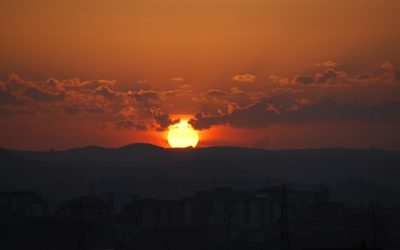
Exploring the Hidden Gems of Kosovo: A Journey Through the Heart of the Balkans
Nestled in the heart of the Balkans, Kosovo is a hidden gem waiting to be discovered. This small landlocked country is located in Southeastern Europe and shares borders with Serbia, Albania, North Macedonia, and Montenegro. Despite its tumultuous history, Kosovo has emerged as a vibrant and welcoming destination for travelers seeking a unique cultural experience. Kosovo’s history is deeply intertwined with the region’s complex past. From ancient civilizations to Ottoman rule and more recent conflicts, the country has faced numerous challenges. However, it is precisely this rich history that makes Kosovo such an intriguing destination. Visitors can explore ancient ruins, Ottoman architecture, and remnants of recent conflicts, all within a relatively small area. Summary Kosovo is a hidden gem in the Balkans, waiting to be discovered. The cultural heritage of Kosovo is rich and diverse, with influences from various civilizations. Kosovo boasts stunning natural wonders, from majestic mountains to crystal-clear lakes. The history of Kosovo is fascinating, with a mix of ancient and modern events shaping the country. Kosovo’s cuisine is delicious and unique, with influences from both the Balkans and the Mediterranean. Discovering the Rich Cultural Heritage of Kosovo Kosovo boasts a diverse cultural heritage that reflects its historical influences. The country is home to a mix of ethnicities, including Albanians, Serbs, Bosniaks, and Roma, each contributing to the vibrant tapestry of Kosovo’s culture. Visitors can immerse themselves in this cultural richness by exploring the numerous cultural sites and landmarks scattered throughout the country. One of the highlights of Kosovo’s cultural heritage is the UNESCO-listed Visoki Dečani Monastery. This medieval Serbian Orthodox monastery is renowned for its stunning...
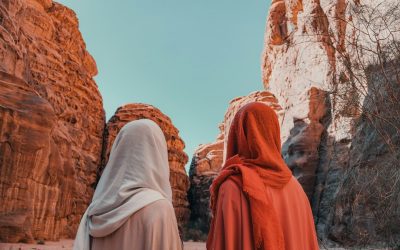
Exploring the Rich Culture and Traditions of Saudi Arabia: A Journey Through the Land of the Two Holy Mosques
Saudi Arabia, located in the Middle East, is a country known for its rich culture and traditions. With a land area of approximately 2.15 million square kilometers, it is the largest country in the Middle East and the 13th largest in the world. The country is bordered by Jordan and Iraq to the north, Kuwait to the northeast, Qatar, Bahrain, and the United Arab Emirates to the east, Oman to the southeast, and Yemen to the south. Saudi Arabia is also home to two of the holiest sites in Islam – Mecca and Medina. The history of Saudi Arabia dates back thousands of years, with evidence of human habitation in the region as early as 20,000 years ago. The country has been inhabited by various civilizations throughout history, including the Nabateans, Romans, and Ottomans. In 1932, Saudi Arabia was unified under the leadership of King Abdulaziz Al Saud, who established the modern Kingdom of Saudi Arabia. Despite its rapid modernization and development in recent decades, Saudi Arabia has managed to preserve its rich cultural heritage. The country’s culture is deeply rooted in Islamic traditions and values, which are reflected in various aspects of daily life, including clothing, cuisine, music, and art. However, with the increasing influence of Western culture and globalization, there is a growing need to preserve and protect Saudi Arabia’s cultural heritage. Summary Saudi Arabia is a land of rich culture and traditions. The Two Holy Mosques are a symbol of Islamic faith and devotion. The Bedouin way of life is characterized by nomadic traditions and customs. The art and architecture of Saudi Arabia is a blend...
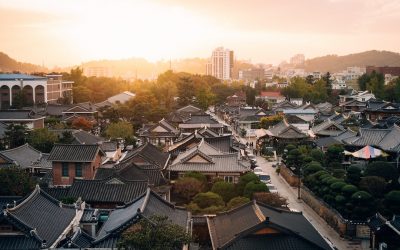
Discovering the Beauty and Culture of South Korea: A British Traveller’s Journey
South Korea, a country known for its rich cultural heritage, vibrant cities, and stunning natural landscapes, has always been on my travel bucket list. Last year, I finally had the opportunity to embark on a journey to this fascinating country. In this blog post, I will share my personal experience of traveling to South Korea and explore the various aspects that make it such a captivating destination. Summary South Korea has a rich cultural heritage that is reflected in its art, architecture, and traditions. The bustling cities of Seoul and Busan offer a vibrant and exciting atmosphere for visitors to explore. South Korea’s natural landscapes are breathtakingly beautiful, with mountains, beaches, and forests to discover. The cuisine of South Korea is delicious and varied, with a focus on fresh ingredients and bold flavors. Traditional Korean tea culture is an important part of the country’s history and is still celebrated today. The Rich Cultural Heritage of South Korea South Korea has a long and storied history that dates back thousands of years. From the ancient kingdoms of Goguryeo, Baekje, and Silla to the more recent Joseon Dynasty, the country’s history is deeply intertwined with its cultural heritage. Traditional customs and practices are still very much alive in South Korea today. One of the most iconic aspects of Korean culture is the hanbok, the traditional Korean clothing. The hanbok is characterized by its vibrant colors and elegant design, and it is often worn during special occasions such as weddings and festivals. Another important aspect of Korean culture is the emphasis on respect for elders and ancestors. This can be seen in...
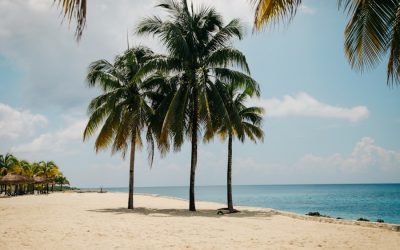
Discovering the Hidden Gems of Sao Tome and Principe: A Journey to the Enchanting Islands
Sao Tome and Principe is a small island nation located in the Gulf of Guinea, off the western coast of Central Africa. Comprising of two main islands, Sao Tome and Principe, as well as several smaller islets, this hidden gem is often overlooked by travellers in favour of more popular destinations. However, those who do venture to Sao Tome and Principe are rewarded with pristine beaches, lush rainforests, and a rich cultural heritage. The history of Sao Tome and Principe is deeply intertwined with its colonial past. The islands were discovered by Portuguese explorers in the late 15th century and soon became an important hub for the transatlantic slave trade. The legacy of this dark period can still be seen in the country’s culture and architecture. Today, Sao Tome and Principe is a melting pot of African and Portuguese influences, creating a unique blend of traditions, music, dance, and art. Summary Sao Tome and Principe is a lesser-known paradise with rich history and culture. The best time to visit is during the dry season from June to September, with festivals throughout the year. The beaches and coastal landscapes are stunning, with opportunities for diving and wildlife watching. The rainforests are home to unique flora and fauna, including the endemic bird species. Visiting the historic plantations and colonial architecture offers a glimpse into the country’s past. Getting to Know the Rich History and Culture of Sao Tome and Principe The colonial past of Sao Tome and Principe has had a profound impact on the culture of the islands. The Portuguese brought African slaves to work on the sugar...
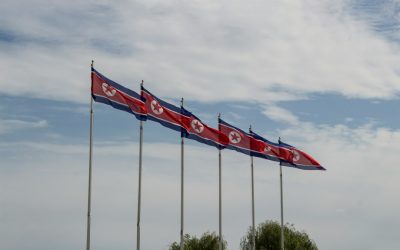
Exploring the Enigmatic: A Journey Through North Korea
North Korea, officially known as the Democratic People’s Republic of Korea (DPRK), is a country located on the Korean Peninsula in East Asia. It is bordered by China to the north, Russia to the northeast, and South Korea to the south. With a population of approximately 25 million people, North Korea is one of the most secretive and isolated countries in the world. The political system in North Korea is a highly centralized and authoritarian regime. The country is ruled by the Kim dynasty, which has been in power since its establishment in 1948. The current leader is Kim Jong-un, who took over after the death of his father, Kim Jong-il, in 2011. The ruling party in North Korea is the Workers’ Party of Korea, which has a monopoly on political power. North Korea’s isolation and secrecy can be attributed to a combination of factors. Firstly, the country has a strict policy of self-reliance and has limited its interactions with the outside world. This isolationist approach has allowed the regime to maintain control over its population and limit the influence of external forces. Additionally, North Korea’s government tightly controls information flow within the country, making it difficult for citizens to access information from outside sources. Summary North Korea is a mysterious and isolated nation with a fascinating history. Kim Jong-un and his regime are enigmatic and control the narrative through propaganda. Daily life in North Korea is tightly controlled and citizens have limited freedoms. North Korea’s nuclear ambitions and military might pose a threat to international relations. The economic challenges and opportunities of a socialist state are a key...

The Last Emperor of China: Aisin-Gioro Puyi
In the tumultuous history of China, there was one individual whose life encapsulated the rise and fall of an empire. Aisin-Gioro Puyi, the last emperor of China, navigated a treacherous political landscape and experienced firsthand the dramatic changes that swept his nation. This article will delve into the life of Aisin-Gioro Puyi, exploring his role as the final emperor, his journey of transformation, and the legacy he left behind. The Last Emperor of China – Who was Aisin-Gioro Puyi? Aisin-Gioro Puyi was born in 1906, and at the tender age of two, he ascended the Dragon Throne as the Qing Dynasty’s final emperor. As a young child, he held a symbolic position of power, while real decisions were made by a regency council. However, the winds of change were brewing, and the imperial rule faced increasing challenges from revolutionary forces. The Rise of Revolution A century of imperial rule was met with growing discontent as societal and political changes swept across China. The desire for modernization and democracy ignited a series of uprisings against the monarchy. In 1911, the Xinhai Revolution led to the overthrow of the Qing Dynasty, marking the end of more than two thousand years of imperial rule. A Transformed Emperor Overnight, Aisin-Gioro Puyi’s life was upended. He was forced to abdicate the throne, and the Imperial Palace in Beijing became a museum, no longer serving as the seat of power. Puyi was thrust into a world he was ill-prepared for, as he was taken captive by warlord Zhang Xun and later placed under the control of Japanese forces during the turbulent Warlord Era. The Puppet...
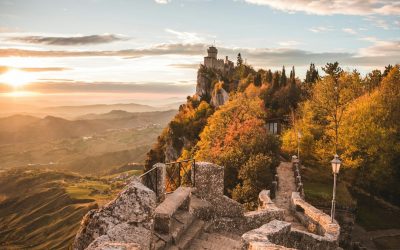
Discovering the Hidden Gem of Europe: Exploring the Wonders of San Marino
Nestled in the heart of Italy, San Marino is a small but enchanting country that often goes unnoticed by travelers. With a population of just over 33,000, it is one of the smallest countries in the world. Despite its size, San Marino boasts a rich history, stunning landscapes, and a vibrant culture that make it a hidden gem in Europe. San Marino is known for its picturesque landscapes, charming medieval towns, and breathtaking views. It is a land of contrasts, where ancient traditions blend seamlessly with modern amenities. Whether you’re a history buff, an outdoor enthusiast, or a food lover, San Marino has something to offer everyone. Summary San Marino is Europe’s best-kept secret, offering a unique blend of history, culture, and natural beauty. The country’s rich heritage is evident in its captivating landscapes and stunning architectural marvels. Visitors can indulge in delicious cuisine and experience vibrant festivals and events. Shopping for unique treasures and embarking on outdoor adventures are also popular activities. Planning ahead and taking advantage of local recommendations can ensure a memorable trip to San Marino. History and Culture: Uncovering the Rich Heritage of San Marino San Marino’s history dates back to the 4th century AD when a Christian stonemason named Marinus fled from the persecution of Emperor Diocletian and sought refuge on Mount Titano. Marinus established a small community that eventually grew into the Republic of San Marino, making it one of the oldest surviving sovereign states in the world. Today, visitors can explore the historical landmarks and museums that showcase San Marino’s rich heritage. The Three Towers of San Marino, including Guaita, Cesta, and...
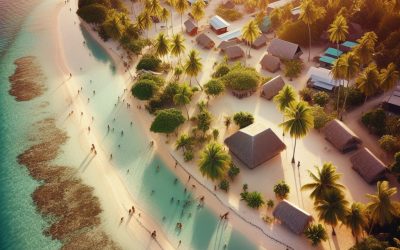
Discovering the Hidden Gem of Kiribati: A Journey Through the Pacific Islands
Nestled in the heart of the Pacific Ocean, Kiribati is a hidden gem waiting to be discovered. Comprising 33 coral atolls and islands, this remote nation is known for its pristine beaches, crystal-clear waters, and vibrant culture. Kiribati is located in the central Pacific, straddling the equator and the International Date Line. Its unique geography makes it one of the few places in the world where you can stand with one foot in today and the other in tomorrow. The culture and traditions of Kiribati are as captivating as its natural beauty. The people of Kiribati have a deep connection to their land and sea, and their way of life is deeply rooted in their ancestral heritage. From traditional dances and music to storytelling and oral traditions, Kiribati’s culture is rich and diverse. The people of Kiribati are warm and welcoming, always ready to share their traditions with visitors. Summary Kiribati is a stunningly beautiful destination in the Pacific Islands. The country is full of contrasts and diversity, from its history to its natural wonders. Visitors can explore the fascinating history and unique culture of Kiribati. The country is home to spectacular natural wonders and wildlife, perfect for adventure seekers. Visitors can enjoy warm hospitality and delicious cuisine while staying in Kiribati. Kiribati: A Land of Contrasts and Diversity Kiribati is made up of three main island groups: the Gilbert Islands, the Phoenix Islands, and the Line Islands. Each group has its own unique characteristics and attractions. The Gilbert Islands are the most populous and developed, with the capital city of Tarawa located here. The Phoenix Islands are a...