World Geography
Geography is the study of the Earth’s landscapes, environments, and the relationships between people and their surroundings. It encompasses both the physical aspects of the Earth, such as its landforms, bodies of water, and climate, as well as the human aspects, including population distribution, cultures, and economies. World geography is a broad field that seeks to understand the complexities of our planet and how humans interact with it. By studying world geography, we can gain a deeper appreciation for the diversity of our planet and the interconnectedness of its various regions.
Geography is a multidisciplinary field that draws on elements of physical science, social science, and humanities. It involves the use of maps, spatial analysis, and geographic information systems (GIS) to understand the Earth’s surface and the processes that shape it. World geography also encompasses the study of human geography, which examines the ways in which people and their activities are distributed across the Earth. By understanding world geography, we can better appreciate the environmental, cultural, and economic challenges facing different regions of the world. This knowledge is crucial for addressing global issues such as climate change, resource management, and international development.
The Five Oceans and Seven Continents
The Earth’s surface is divided into five major oceans: the Pacific, Atlantic, Indian, Southern (or Antarctic), and Arctic Oceans. These vast bodies of water play a crucial role in regulating the Earth’s climate and supporting diverse marine ecosystems. The oceans also serve as important transportation routes and a source of food and other natural resources for human societies around the world.
In addition to the oceans, the Earth’s landmasses are divided into seven continents: Africa, Antarctica, Asia, Europe, North America, Australia (or Oceania), and South America. Each continent has its own unique physical and cultural characteristics, shaped by millions of years of geological processes and human history. From the deserts of Africa to the rainforests of South America, the continents offer a rich tapestry of landscapes and environments for exploration and study.
Major Mountain Ranges and Deserts
The Earth’s surface is also marked by major mountain ranges and deserts that have shaped the planet’s physical and cultural landscapes. The Himalayas, for example, are the highest mountain range in the world and are home to diverse ecosystems and cultures in countries such as India, Nepal, and Bhutan. The Andes in South America, the Rockies in North America, and the Alps in Europe are other prominent mountain ranges that have influenced human settlement patterns and economic activities.
Deserts cover about one-third of the Earth’s land surface and are characterized by low precipitation and extreme temperatures. The Sahara Desert in Africa is the largest hot desert in the world, while the Gobi Desert in Asia is one of the largest cold deserts. Deserts are not only home to unique flora and fauna but have also been important trade routes and cultural crossroads throughout history.
Climate Zones and Biomes
The Earth’s climate is influenced by a variety of factors, including latitude, altitude, ocean currents, and prevailing winds. As a result, the planet is divided into different climate zones, each with its own characteristic weather patterns and ecosystems. The equator, for example, experiences a tropical climate with high temperatures and heavy rainfall, while the polar regions have a cold and dry climate.
These climate zones give rise to different biomes, or large ecological areas characterized by distinct plant and animal communities. The tropical rainforest biome, found near the equator, is home to a diverse array of species and is vital for regulating the Earth’s climate. The grasslands biome, found in regions such as the African savannah and North American prairies, supports grazing animals and has been important for human agriculture throughout history.
Human Geography and Population Distribution
Human geography examines the ways in which people and their activities are distributed across the Earth’s surface. It encompasses topics such as population growth, migration patterns, urbanization, and cultural diversity. Understanding human geography is crucial for addressing global challenges such as poverty, inequality, and environmental degradation.
Population distribution is uneven across the world, with some regions experiencing rapid population growth while others are declining. The majority of the world’s population lives in Asia, particularly in countries such as China and India. Urban areas are also growing rapidly, with more than half of the world’s population now living in cities. This trend has significant implications for infrastructure development, resource management, and social inequality.
Historical and Cultural Geography
Historical geography examines how human activities have shaped the Earth’s landscapes over time. It explores topics such as colonialism, trade routes, and the rise and fall of empires. Cultural geography focuses on how human cultures have developed in different regions of the world and how they interact with their environments.
The Silk Road, for example, was an ancient trade route that connected China with Europe and facilitated the exchange of goods, ideas, and technologies across Eurasia. This historical trade route had a profound impact on the development of cultures and economies along its path. Similarly, cultural geographers study how different societies have adapted to their environments through practices such as agriculture, architecture, and religious beliefs.
The Importance of Geographic Knowledge
Geographic knowledge is crucial for addressing global challenges such as climate change, resource management, and international development. By understanding world geography, we can better appreciate the environmental, cultural, and economic challenges facing different regions of the world. This knowledge is crucial for addressing global issues such as climate change, resource management, and international development.
Geographic knowledge also helps us to understand our interconnectedness with other regions of the world. By studying world geography, we can gain a deeper appreciation for the diversity of our planet and the interconnectedness of its various regions. This understanding can foster a sense of global citizenship and empathy for people from different cultures and backgrounds.
In conclusion, world geography is a complex and multifaceted field that encompasses both physical and human aspects of the Earth’s landscapes. By studying world geography, we can gain a deeper appreciation for the diversity of our planet and the interconnectedness of its various regions. This knowledge is crucial for addressing global challenges such as climate change, resource management, and international development. It also helps us to understand our interconnectedness with other regions of the world and fosters a sense of global citizenship.
FAQs
What is world geography?
World geography is the study of the Earth’s landscapes, environments, and the relationships between people and their environments. It encompasses the physical features of the Earth, as well as the human activity that takes place on it.
Why is world geography important?
World geography is important because it helps us understand the world around us. It provides insights into the physical and human processes that shape our planet, and helps us make informed decisions about how to interact with our environment.
What are the main branches of world geography?
The main branches of world geography include physical geography, which focuses on the Earth’s natural features and processes, and human geography, which examines the relationships between people and their environments.
How does world geography impact our daily lives?
World geography impacts our daily lives in numerous ways, from influencing the weather and climate we experience, to shaping the availability of natural resources and influencing the distribution of populations and cultures around the world.
What are some key concepts in world geography?
Key concepts in world geography include location, place, human-environment interaction, movement, and region. These concepts help geographers understand and interpret the world around them.
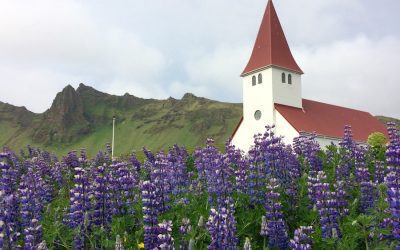
Exploring the Flora and Fauna of Iceland
Iceland, often referred to as the “Land of Fire and Ice,” boasts a remarkable and diverse ecosystem shaped by its unique geological features and climatic conditions. This Nordic island nation, located in the North Atlantic Ocean, is characterised by its volcanic landscapes, glacial formations, and geothermal activity. The interplay of these elements creates a habitat that supports a variety of life forms, both terrestrial and marine. The stark contrasts between the rugged mountains, expansive lava fields, and lush valleys contribute to an environment that is not only visually stunning but also ecologically significant. The isolation of Iceland has played a crucial role in the development of its ecosystem. With a relatively small human population and limited agricultural practices, many areas remain untouched by urbanisation. This pristine environment allows for the preservation of unique habitats that are home to a range of species, some of which are found nowhere else on Earth. The combination of harsh weather conditions, including long winters and short growing seasons, has led to the evolution of resilient flora and fauna that have adapted to survive in this challenging landscape. Summary Iceland’s unique ecosystem is home to a diverse range of flora and fauna, making it a fascinating destination for nature enthusiasts. The flora of Iceland includes a variety of mosses, lichens, and wildflowers, adapted to the harsh Arctic climate. Iceland’s fauna is characterized by its birdlife, with species such as puffins, Arctic terns, and eider ducks thriving in the country’s coastal areas. Endemic species in Iceland, such as the Icelandic sheepdog and the Icelandic horse, are a testament to the country’s isolated and distinct wildlife....
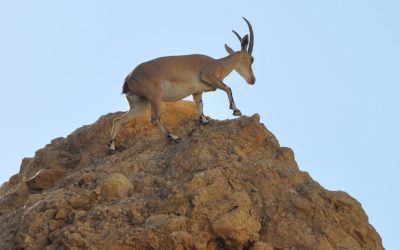
Exploring the Wildlife of Djibouti: The Flora and Fauna
Djibouti, a small yet strategically located nation in the Horn of Africa, is often overshadowed by its more prominent neighbours. However, this arid country boasts a remarkable array of wildlife and ecosystems that are both unique and diverse. The geographical positioning of Djibouti, bordered by the Red Sea and the Gulf of Aden, creates a rich tapestry of habitats ranging from coastal areas to volcanic landscapes and arid deserts. This variety supports a plethora of species, some of which are endemic to the region, making Djibouti a hidden gem for wildlife enthusiasts and researchers alike. The wildlife of Djibouti is not only significant for its biodiversity but also for its cultural and ecological importance. The interplay between the harsh climate and the unique geological features has led to the evolution of species that have adapted to survive in extreme conditions. From the rugged mountains of the Goda Mountains to the saline lakes of Lake Assal, Djibouti’s wildlife reflects the resilience of nature. This article delves into the unique flora and fauna of Djibouti, conservation efforts, and opportunities for ecotourism, highlighting the importance of preserving this natural heritage. Summary Djibouti is home to a diverse range of wildlife, making it a unique destination for nature enthusiasts. The flora of Djibouti includes rare and endemic species adapted to the country’s arid climate. Djibouti’s fauna is diverse, with species such as the endangered Grevy’s zebra and the charismatic Somali wild ass. Conservation efforts in Djibouti aim to protect and preserve the country’s rich biodiversity. Birdwatching in Djibouti offers the opportunity to spot a variety of migratory and resident bird species in diverse...
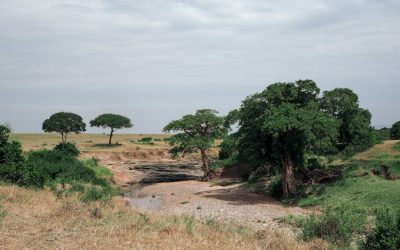
Exploring the Flora and Fauna of Burkina Faso
Burkina Faso, a landlocked country in West Africa, is often overlooked in discussions about biodiversity, yet it boasts a rich tapestry of ecosystems that are home to a remarkable variety of flora and fauna. The nation’s geographical position, straddling the Sahel and savannah regions, creates a unique environment that supports diverse habitats ranging from grasslands to woodlands. This ecological diversity is not only vital for the survival of numerous species but also plays a crucial role in the livelihoods of local communities who depend on these natural resources for their sustenance and cultural practices. The biodiversity of Burkina Faso is shaped by its climatic conditions, which include a distinct wet and dry season. The annual rainfall varies significantly across the country, influencing the types of vegetation and animal life that can thrive in different regions. The interplay between human activity and natural ecosystems further complicates this landscape, as agriculture, deforestation, and urbanisation exert pressure on wildlife and plant species. Understanding the intricate relationships within this biodiversity is essential for fostering sustainable practices that can protect these invaluable resources for future generations. Summary Burkina Faso is home to a rich and diverse range of flora and fauna, making it a hotspot for biodiversity in West Africa. The unique flora of Burkina Faso includes a variety of indigenous plants, such as the iconic baobab tree and the shea tree, which are of great cultural and economic importance. The diverse fauna of Burkina Faso includes a wide range of mammals, birds, reptiles, and insects, with species such as elephants, hippos, and crocodiles found in the country’s national parks and reserves. Conservation efforts...
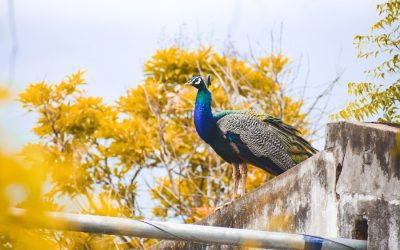
Exploring the Wildlife of Bonaire, Sint Eustatius and Saba
Bonaire, Sint Eustatius, and Saba, collectively known as the Caribbean Netherlands, are three small islands that boast a rich tapestry of natural beauty, cultural heritage, and ecological significance. Located in the Leeward Antilles, these islands are part of the Kingdom of the Netherlands and are renowned for their stunning landscapes, vibrant marine ecosystems, and unique wildlife. Each island possesses its own distinct character and charm, making them a treasure trove for nature enthusiasts, adventure seekers, and those looking to immerse themselves in the tranquillity of island life. Bonaire is celebrated for its exceptional diving opportunities and pristine coral reefs, while Sint Eustatius, often referred to as Statia, is known for its historical significance and lush landscapes. Saba, the smallest of the three, is characterised by its dramatic volcanic terrain and rich biodiversity. Together, these islands offer a unique blend of experiences that highlight the importance of conservation and sustainable tourism in preserving their natural wonders. As we delve deeper into the diverse ecosystems and wildlife that inhabit these islands, we will uncover the intricate relationships between their inhabitants and the ongoing efforts to protect these precious environments. Summary Bonaire, Sint Eustatius and Saba are three unique islands in the Caribbean Netherlands, each offering diverse wildlife and natural beauty. Bonaire’s waters are home to a rich and diverse marine life, making it a paradise for snorkelers and divers. Sint Eustatius is a haven for bird watchers, with over 200 species of birds to be spotted on the island. Saba is known for its unique wildlife, including the Saba Anole lizard and the Saba racer snake, found nowhere else in the...
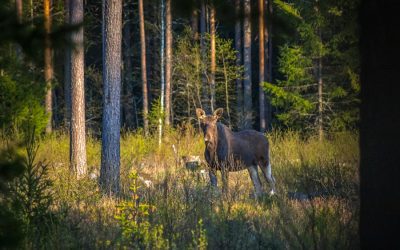
Exploring the Flora and Fauna of Sweden
Sweden is a country characterised by its remarkable diversity of ecosystems, which range from coastal areas and archipelagos to vast forests and mountainous regions. The geographical layout of Sweden, with its extensive coastline along the Baltic Sea and the Gulf of Bothnia, creates a unique interplay between land and water. This coastal environment supports a variety of habitats, including sandy beaches, rocky shores, and rich marine ecosystems. The archipelago of Stockholm, for instance, comprises over 30,000 islands, each hosting distinct flora and fauna adapted to the varying conditions of salinity and exposure to the elements. Moving inland, Sweden’s landscape transitions into expansive boreal forests, which cover approximately 60% of the country. These forests are predominantly composed of coniferous trees such as pine, spruce, and fir, interspersed with deciduous species like birch and aspen. The boreal forest is not only a vital carbon sink but also a habitat for numerous species. The undergrowth is rich with mosses, lichens, and a variety of shrubs that provide food and shelter for wildlife. In the northern regions, the landscape shifts to tundra, where harsh climatic conditions limit vegetation to hardy species like reindeer lichen and dwarf shrubs. This ecological diversity is crucial for maintaining the balance of Sweden’s natural environment and supports a wide array of wildlife. Summary Sweden’s diverse ecosystems include forests, mountains, wetlands, and coastal areas, providing a rich variety of habitats for flora and fauna. Unique species such as the European brown bear, moose, and Arctic fox can be found in Sweden, along with a wide range of plant species including the rare twinflower and the Lapland buttercup. Sweden’s national...
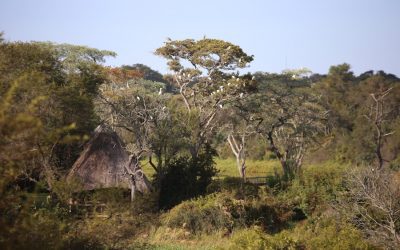
Exploring the Rich Flora and Fauna of Mozambique
Mozambique, a country located on the southeastern coast of Africa, is renowned for its rich and diverse biodiversity. Spanning over 800,000 square kilometres, the nation boasts a variety of ecosystems, including coastal mangroves, savannahs, wetlands, and mountainous regions. This ecological diversity is home to an array of flora and fauna, some of which are endemic to the region. The country’s unique geographical position, bordered by the Indian Ocean to the east and featuring a range of climatic zones, contributes significantly to its biological wealth. Mozambique’s biodiversity is not only vital for the environment but also plays a crucial role in the livelihoods of local communities who depend on natural resources for their sustenance. The intricate web of life in Mozambique is a testament to the evolutionary processes that have shaped the region over millennia. The country is part of the Eastern African biodiversity hotspot, which is characterised by high levels of endemism and species richness. This hotspot includes various ecosystems that support a multitude of species, many of which are yet to be studied thoroughly. The importance of Mozambique’s biodiversity extends beyond its borders; it contributes to global ecological health and offers potential benefits in terms of medicine, agriculture, and climate resilience. As such, understanding and preserving this biodiversity is essential for both local and global communities. Summary Mozambique is home to a rich and diverse range of plant and animal species, making it a hotspot for biodiversity. The country boasts a number of unique plant species, including the iconic baobab tree and the delicate orchid species found in the region. Mozambique’s wildlife is incredibly diverse, with a wide...
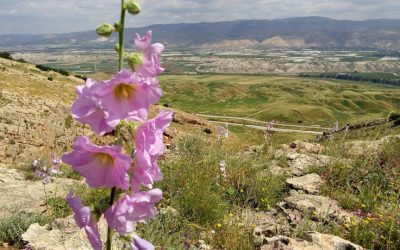
Exploring the Rich Flora and Fauna of Iran
Iran, a country steeped in history and culture, is also a treasure trove of biodiversity. Spanning approximately 1.65 million square kilometres, it is home to a remarkable array of ecosystems, flora, and fauna. The geographical diversity of Iran, which includes mountains, deserts, forests, and coastal areas, contributes significantly to its rich biological heritage. This unique combination of climatic conditions and topographical variations has resulted in a wide range of habitats that support numerous species, many of which are endemic to the region. The significance of Iran’s biodiversity extends beyond its borders; it plays a crucial role in global ecological health. The country is situated at the crossroads of several biogeographical regions, including the Mediterranean, Central Asian, and Arabian zones. This strategic location has facilitated the mixing of various species and ecosystems, making Iran a vital area for conservation efforts. Understanding and preserving this biodiversity is essential not only for the ecological balance within Iran but also for the broader environmental stability of the planet. Summary Iran is home to a rich and diverse range of ecosystems, flora, and fauna, making it a hotspot for biodiversity. The unique flora of Iran includes a wide variety of plant species, many of which are endemic to the region. Iran’s fascinating fauna includes iconic species such as the Persian leopard, Asiatic cheetah, and Iranian wild ass. Conservation efforts in Iran are focused on protecting and preserving the country’s rich biodiversity, with a particular emphasis on endangered species. Iran’s national parks and wildlife reserves offer opportunities for ecotourism, providing visitors with a chance to experience the country’s natural beauty and diverse wildlife. Diverse Ecosystems...
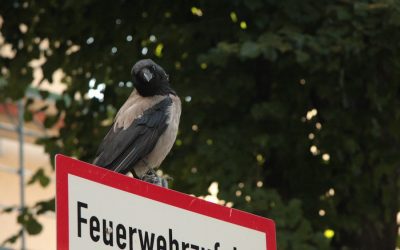
Discovering the Rich Flora and Fauna of Germany
Germany, a nation renowned for its rich cultural heritage and historical significance, is equally remarkable for its biodiversity. Spanning a variety of landscapes, from the rugged peaks of the Alps to the serene shores of the North Sea, Germany is home to an impressive array of flora and fauna. The country’s geographical diversity, coupled with its temperate climate, creates a mosaic of ecosystems that support a multitude of species. This intricate web of life is not only vital for ecological balance but also plays a crucial role in the cultural and economic fabric of the nation. The importance of biodiversity in Germany cannot be overstated. It contributes to ecosystem services such as pollination, water purification, and climate regulation, which are essential for human survival and well-being. Furthermore, Germany’s commitment to environmental sustainability and conservation has led to significant efforts aimed at preserving its natural heritage. As one of the leading nations in Europe regarding environmental policy, Germany has implemented various strategies to protect its biodiversity, ensuring that future generations can enjoy the splendour of its natural landscapes and wildlife. Summary Germany boasts a rich biodiversity with diverse ecosystems and iconic wildlife. The country is home to a variety of endangered species, prompting conservation efforts. Germany’s botanical wonders and national parks offer unique opportunities for nature exploration. Wildlife watching and nature tours are popular activities, with a focus on responsible exploration. Visitors can immerse themselves in Germany’s natural beauty while supporting conservation efforts. Exploring Germany’s Diverse Ecosystems Germany’s ecosystems are as varied as its landscapes, encompassing forests, wetlands, grasslands, and coastal regions. The country boasts approximately 11% forest cover, with...

Exploring the Rich Flora and Fauna of Benin
Benin, a small West African nation bordered by Togo, Nigeria, and Burkina Faso, is often overlooked in discussions about biodiversity. However, this country is a hidden gem, boasting a rich tapestry of ecosystems that support a remarkable variety of plant and animal life. The geographical diversity of Benin, which includes coastal areas, savannahs, and forests, creates a unique environment that fosters an array of species. The nation is home to over 6,000 plant species, 700 bird species, and numerous mammals, reptiles, and amphibians. This biodiversity is not only vital for the ecological balance but also plays a significant role in the cultural and economic fabric of the country. The significance of Benin’s biodiversity extends beyond its borders. As part of the West African ecological zone, the preservation of its unique species and habitats is crucial for regional environmental health. The intricate relationships between various organisms contribute to ecosystem services such as pollination, water purification, and soil fertility. Furthermore, the cultural heritage of Benin is deeply intertwined with its natural environment, as many communities rely on local flora and fauna for their livelihoods, traditional practices, and spiritual beliefs. Understanding and appreciating this biodiversity is essential for fostering sustainable development and ensuring the well-being of future generations. Summary Benin is home to a rich and diverse range of flora and fauna, making it a hotspot for biodiversity in West Africa. The diverse ecosystems of Benin include savannas, forests, wetlands, and coastal areas, each supporting a unique array of plant and animal species. Benin’s unique flora includes the iconic baobab tree, as well as a variety of medicinal plants and rare orchids...

Exploring Belgium’s Flora and Fauna
Belgium, a small yet remarkably diverse country located in Western Europe, boasts a rich tapestry of biodiversity that reflects its varied landscapes and climates. Despite its modest size, Belgium is home to an impressive array of flora and fauna, shaped by its unique geographical position at the crossroads of several major European biogeographical regions. The country’s biodiversity is not only a testament to its natural heritage but also plays a crucial role in maintaining ecological balance and supporting human livelihoods. The intricate web of life in Belgium encompasses a multitude of ecosystems, from coastal dunes and wetlands to dense forests and rolling hills. This diversity is further enhanced by the presence of various microclimates, which allow for the flourishing of numerous species. However, the richness of Belgium’s biodiversity is under constant threat from human activities, climate change, and habitat destruction. Understanding and appreciating this biodiversity is essential for fostering a sense of stewardship among the population and ensuring the preservation of these natural treasures for future generations. Summary Belgium is home to a rich and diverse biodiversity, with a wide variety of flora and fauna. The diverse flora of Belgium includes over 1,800 species of vascular plants, with a significant portion being native to the region. The rich fauna of Belgium includes a variety of mammals, birds, reptiles, amphibians, and insects, many of which are protected species. Threats to Belgium’s biodiversity include habitat loss, pollution, climate change, and invasive species. Conservation efforts in Belgium focus on habitat restoration, species protection, and sustainable management of natural resources. The Diverse Flora of Belgium Belgium’s flora is characterised by a remarkable variety...

Exploring Malaysia’s Rich Flora and Fauna
Malaysia is a country renowned for its extraordinary biodiversity, which is a testament to its unique geographical position and varied climatic conditions. Situated in Southeast Asia, Malaysia encompasses a range of ecosystems, from coastal mangroves and coral reefs to lush rainforests and mountainous terrains. This rich tapestry of habitats supports an astonishing array of plant and animal species, many of which are endemic to the region. The country is home to approximately 20% of the world’s total species, making it one of the most biologically diverse nations on the planet. The significance of Malaysia’s biodiversity extends beyond mere numbers; it plays a crucial role in maintaining ecological balance and supporting the livelihoods of millions. The forests, wetlands, and marine environments provide essential services such as carbon sequestration, water purification, and soil fertility. Furthermore, the cultural heritage of Malaysia is deeply intertwined with its natural environment, as indigenous communities have relied on these ecosystems for sustenance and traditional practices for centuries. Understanding and preserving this biodiversity is not only vital for environmental health but also for the socio-economic well-being of the nation. Summary Malaysia is home to a rich and diverse range of flora and fauna, making it a hotspot for biodiversity. The flora of Malaysia includes over 15,000 species of flowering plants, with a high level of endemism. Malaysia’s fauna is equally diverse, with iconic species such as the Malayan tiger, orangutans, and pygmy elephants. Threats to Malaysia’s biodiversity include deforestation, habitat loss, poaching, and climate change. Conservation efforts in Malaysia include the establishment of protected areas, wildlife corridors, and community-based conservation initiatives. The Diverse Flora of Malaysia Malaysia’s...

Exploring Iraq’s Rich Flora and Fauna
Iraq, a country often associated with its tumultuous history and geopolitical significance, is also home to a rich tapestry of biodiversity that is frequently overlooked. Nestled in the heart of the Middle East, Iraq’s varied landscapes range from the fertile plains of the Tigris and Euphrates rivers to the rugged mountains of the north and the arid deserts of the south. This geographical diversity creates a unique environment that supports a wide array of plant and animal species, many of which are endemic to the region. The intricate ecosystems found within Iraq are not only vital for the survival of numerous species but also play a crucial role in the cultural and economic fabric of the nation. The significance of Iraq’s biodiversity extends beyond its borders, contributing to global ecological health. The country is situated at a crossroads of several biogeographical regions, making it a critical area for migratory birds and other wildlife. However, the rich natural heritage of Iraq faces numerous challenges, including habitat destruction, climate change, and political instability. Understanding and appreciating this biodiversity is essential for fostering conservation efforts and ensuring that future generations can enjoy and benefit from Iraq’s natural wealth. Summary Iraq is home to a rich and diverse range of flora and fauna, making it a haven for wildlife and a landscape of natural beauty. The flora of Iraq includes a diverse range of plant species, from desert-adapted plants to lush marshland vegetation. Iraq’s fauna is equally diverse, with a variety of mammals, birds, reptiles, and amphibians inhabiting its diverse ecosystems. Despite its natural wealth, Iraq’s biodiversity faces threats from habitat destruction, climate...