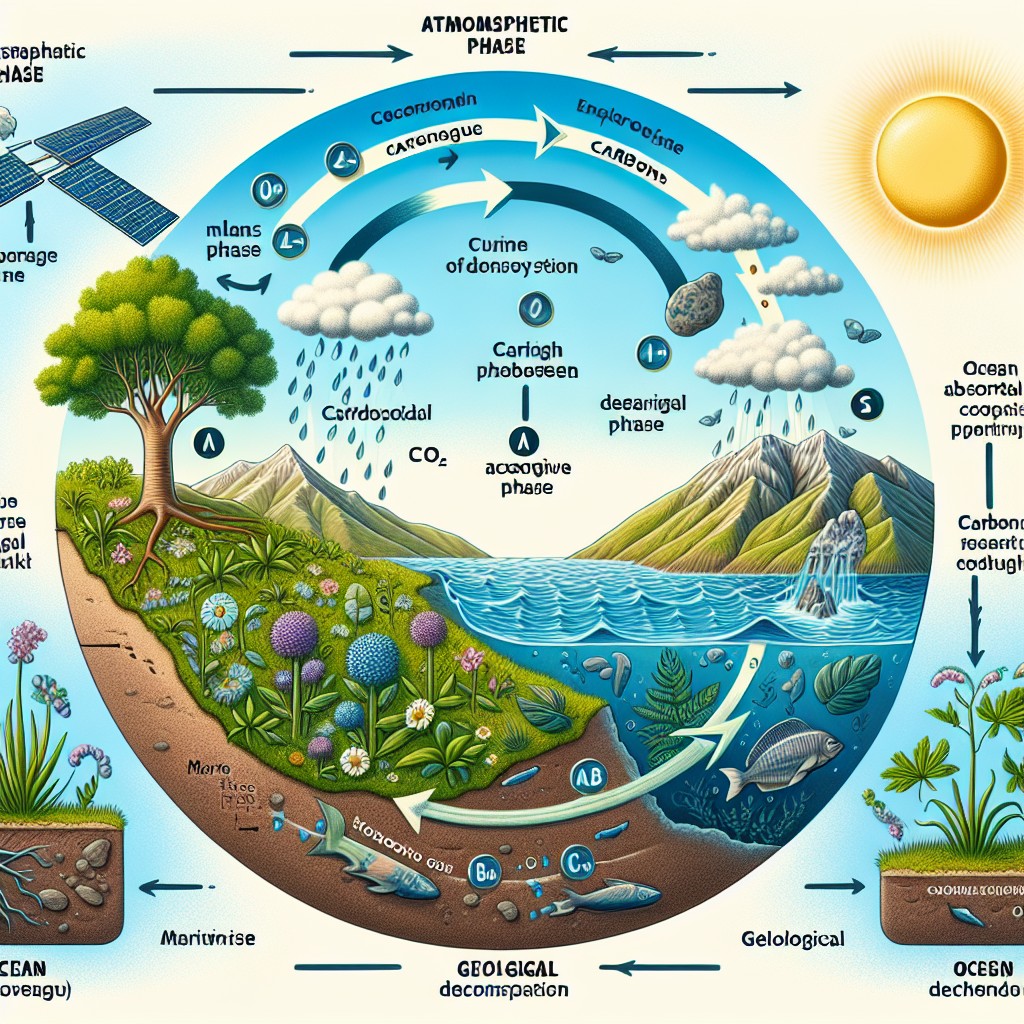
So, you’ve heard the term “Net Zero” floating around, right? It’s becoming a pretty common phrase in environmental discussions, climate change policy, and even in business news. But what does it actually mean? In simple terms, Net Zero means achieving a balance between the greenhouse gases we emit into the atmosphere and those we remove. Think of it like a bank account: for every unit of carbon we “deposit” (emit), we need to “withdraw” (remove) an equal amount. The goal isn’t to stop all emissions immediately – that’s pretty unrealistic – but to offset any unavoidable ones so that the overall net effect is zero. Why all the fuss? Because hitting Net Zero is crucial to slowing down and eventually stopping global warming, which, let’s be honest, is a pretty big deal for everyone on this planet.
Net Zero isn’t just a trendy buzzword; it’s the target most scientists and governments agree we need to hit to avoid the worst impacts of climate change. The Paris Agreement, a major international treaty signed by nearly every country, aims to limit global warming to well below 2°C, and ideally to 1.5°C, compared to pre-industrial levels. To stand any real chance of achieving that 1.5°C goal, leading climate organisations like the IPCC (Intergovernmental Panel on Climate Change) state that global CO2 emissions need to reach Net Zero by roughly mid-century.
The Problem with Greenhouse Gases
Our planet naturally has a greenhouse effect, which is actually a good thing – it keeps us warm enough to live. However, human activities, especially burning fossil fuels (coal, oil, and gas) for electricity, transport, and industry, have dramatically increased the concentration of greenhouse gases like carbon dioxide (CO2), methane (CH4), and nitrous oxide (N2O) in the atmosphere. These extra gases trap more heat, leading to global warming and climate change.
The Consequences of Rising Temperatures
We’re already seeing the effects: more frequent and intense heatwaves, extreme weather events like floods and droughts, melting glaciers and ice caps contributing to rising sea levels, and disruptions to ecosystems and agriculture. Without significant action, these problems will only get worse, leading to food shortages, displacement of communities, and widespread economic disruption. Net Zero offers a pathway to stabilise our climate and mitigate these critical risks.
How Do We Get to Net Zero?
Achieving Net Zero involves a two-pronged approach: drastically reducing emissions and actively removing existing greenhouse gases from the atmosphere. It’s not just about one or the other; both are equally vital.
Aggressive Emissions Reduction
This is the big one. The vast majority of our efforts need to be focused here. It means fundamentally changing how we power our lives, move around, and produce goods.
Decarbonising the Energy Sector
Our energy system is the largest single contributor to greenhouse gas emissions. Shifting away from fossil fuels is non-negotiable.
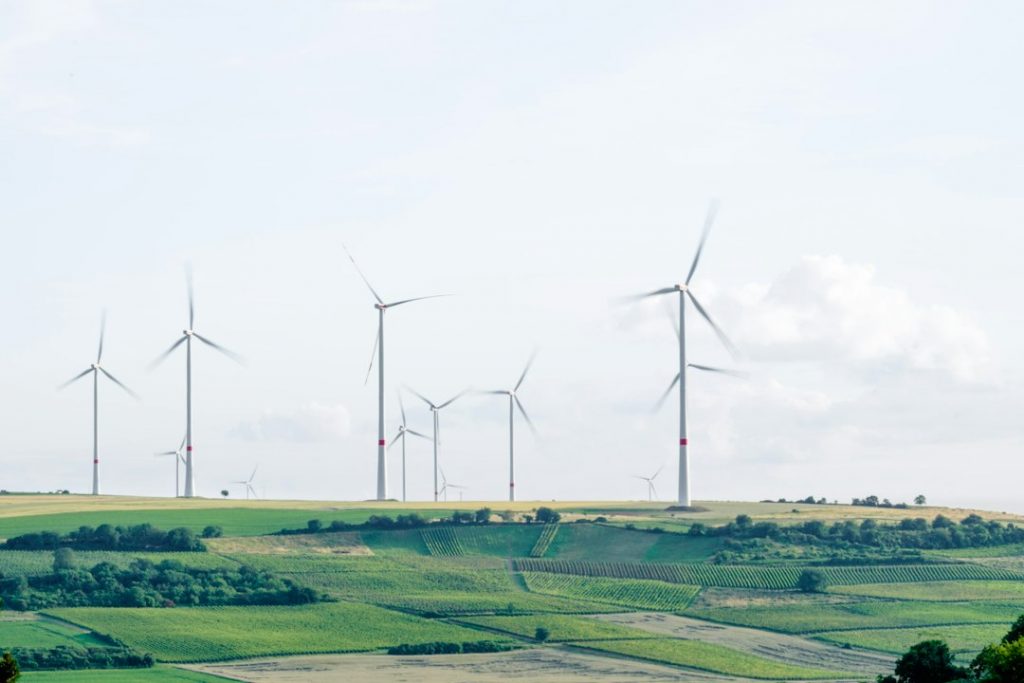
- Renewable Energy: This means rapidly scaling up sources like solar, wind, hydro, and geothermal power. These technologies are becoming increasingly affordable and efficient. We need to invest heavily in infrastructure to support them.
- Energy Efficiency: Using less energy in the first place is often the cheapest and quickest way to reduce emissions. This includes better insulation in homes and buildings, more efficient appliances, and smarter energy management systems in industry.
- Grid Modernisation: Our electricity grids need to be updated to handle intermittent renewable sources, using smart grids and battery storage for reliability.
Transforming Transport
Getting people and goods from A to B currently relies heavily on fossil fuels.
- Electric Vehicles (EVs): Encouraging the widespread adoption of electric cars, buses, and eventually lorries, powered by renewable electricity, is key. This requires a robust charging infrastructure.
- Public Transport and Active Travel: Investing in efficient and accessible public transport, as well as promoting cycling and walking, can significantly reduce individual car journeys.
- Sustainable Aviation and Shipping: These sectors are harder to decarbonise, but research into sustainable aviation fuels (SAFs), hydrogen, and electric ships is ongoing and crucial.
Greening Industry and Manufacturing
Industrial processes are often energy-intensive and can also release direct emissions.
- Process Optimisation: Finding ways to produce goods with less energy and fewer emissions.
- Carbon Capture and Storage (CCS): While not a silver bullet, CCS technology can capture CO2 emissions from heavy industries (like cement or steel production) before they enter the atmosphere and store them underground. This is a complex and expensive solution, but potentially necessary for hard-to-abate sectors.
- Circular Economy Principles: Designing products for longevity, reuse, repair, and recycling reduces the demand for new materials, which in turn reduces industrial emissions.
Sustainable Agriculture and Land Use
What we eat and how we manage our land also play a large role.
- Dietary Shifts: Reducing consumption of high-impact foods, particularly red meat, can significantly lower agricultural emissions (especially methane).
- Improved Farming Practices: Techniques like precision agriculture, reduced fertiliser use, and better manure management can cut emissions.
- Preventing Deforestation: Forests are vital carbon sinks, absorbing CO2 from the atmosphere. Protecting existing forests and restoring degraded ones is crucial.
Carbon Removal Technologies
Even with aggressive emission reductions, some emissions will be unavoidable in the short to medium term. This is where carbon removal comes in.
Nature-Based Solutions
These leverage the planet’s natural ability to absorb carbon.
- Afforestation and Reforestation: Planting new trees (afforestation) and restoring forests that have been cut down (reforestation) are powerful, natural ways to pull CO2 out of the air. It’s crucial that these efforts are done sustainably and involve local communities.
- Soil Carbon Sequestration: Healthy soils can store vast amounts of carbon. Practices like regenerative agriculture and avoiding excessive tilling can enhance this natural storage.
- Restoring Coastal Ecosystems: Mangroves, salt marshes, and seagrass beds are incredibly efficient carbon sinks, often referred to as “blue carbon.” Protecting and restoring them has multiple benefits beyond just carbon.
Technological Removal Solutions
These are newer, often more expensive technologies designed to actively remove CO2.
- Direct Air Capture (DAC): Machines that suck CO2 directly out of the ambient air. This technology is currently energy-intensive and expensive but holds promise for large-scale removal if costs come down and it’s powered by renewables. The captured CO2 can then be stored geologically or potentially used in industrial processes.
- Bioenergy with Carbon Capture and Storage (BECCS): This involves growing biomass (plants), burning it for energy, and then capturing the CO2 emitted from that process and storing it. The idea is that the biomass absorbed CO2 as it grew, creating a “negative emission” cycle. However, this technology has faced criticism regarding land use and sustainability.
- Enhanced Weathering: Spreading finely ground silicate rocks over land or oceans; these rocks naturally react with CO2 in the atmosphere and gradually remove it. This is a very early-stage technology with significant unknowns.
The Role of Individuals, Businesses, and Governments
Achieving Net Zero isn’t a task for any single entity; it requires a coordinated global effort from every level of society.
Governments: Setting the Framework
Governments play the most critical role in creating the policies and incentives needed for a Net Zero transition.
- Clear Targets and Roadmaps: Setting ambitious but achievable Net Zero targets, backed by detailed sector-specific roadmaps and interim milestones.
- Policy and Regulation: Implementing policies like carbon pricing, emissions standards, and mandates for renewable energy. These create the economic signals and regulatory certainty businesses need.
- Investment in Green Technologies: Funding research and development into new clean technologies, as well as investing in necessary infrastructure (e.g., EV charging networks, smart grids).
- International Cooperation: Working with other nations to share knowledge, coordinate efforts, and ensure a just transition globally.
Businesses: Driving Innovation and Implementation
The private sector is crucial for innovation and for deploying Net Zero solutions at scale.
- Setting Corporate Targets: Many companies are now setting their own Net Zero targets, not just for their direct operations but across their entire supply chain.
- Sustainable Practices: Integrating sustainability into business models, from product design and manufacturing to logistics and end-of-life management.
- Green Investment: Investing in renewable energy, energy efficiency, and low-carbon technologies.
- Transparency and Reporting: Being open about emissions and progress towards targets, allowing stakeholders to hold them accountable.
Individuals: Making Informed Choices
While systemic change is paramount, individual actions collectively contribute to the larger effort and signal demand for sustainable options.
- Conserving Energy: Switching off lights, insulating homes, using energy-efficient appliances.
- Sustainable Transport: Using public transport, cycling, walking, considering EVs.
- Dietary Choices: Reducing meat and dairy consumption, supporting local and seasonal produce.
- Reducing Waste: Adopting circular economy principles in daily life – reduce, reuse, recycle.
- Advocacy: Speaking up, engaging with political processes, and supporting organisations working on climate solutions.
- Informed Consumption: Choosing products and services from companies committed to sustainability.
Beyond the Carbon Count: The Co-Benefits of Net Zero
While the primary goal of Net Zero is climate stability, the path to achieving it brings a host of other significant advantages. These “co-benefits” make the transition even more compelling.
Cleaner Air and Water
Reducing fossil fuel burning doesn’t just cut carbon emissions; it also drastically reduces pollutants like particulate matter, sulphur dioxide, and nitrogen oxides, which cause respiratory illnesses and smog. This leads to healthier populations and lower healthcare costs. Less industrial pollution also means cleaner rivers and oceans.
New Economic Opportunities and Jobs
The transition to a green economy is a massive economic undertaking. It will create millions of new jobs in renewable energy installation and manufacturing, energy efficiency retrofitting, sustainable agriculture, and green tech innovation. Countries and businesses that embrace this transition early stand to gain a competitive advantage.
Enhanced Energy Security
Relying on homegrown renewable energy sources reduces dependence on volatile international fossil fuel markets and geopolitical risks associated with energy supply. This makes countries more energy secure and less susceptible to price shocks.
Improved Biodiversity
Many Net Zero strategies, particularly nature-based solutions like reforestation and ecosystem restoration, directly benefit biodiversity. Healthy forests, wetlands, and oceans provide habitats for countless species and enhance ecosystem resilience.
Innovation and Technological Advancement
Driving towards Net Zero spurs incredible innovation. We’re already seeing rapid advancements in battery technology, smart grid systems, carbon capture, and sustainable materials. This innovation has spillover benefits across various sectors, boosting economic growth and problem-solving capabilities.
The Journey Ahead: Challenges and Optimism
| Aspect | Explanation |
|---|---|
| Definition | Net zero refers to achieving a balance between the amount of greenhouse gases produced and the amount removed from the atmosphere. |
| Importance | It is crucial for addressing climate change and reducing global warming to sustainable levels. |
| Targets | Many countries and companies have set net zero targets to be achieved by a certain year, typically 2050. |
| Actions | To reach net zero, actions such as reducing emissions, increasing renewable energy use, and carbon capture and storage are necessary. |
| Challenges | Challenges include the need for technological advancements, policy changes, and global cooperation. |
The path to Net Zero is undeniably challenging. It requires unprecedented global cooperation, significant investment, and a willingness to rethink deeply ingrained systems. There will be economic shifts, and some industries will face disruption. Ensuring a “just transition” – one that supports workers and communities affected by these changes – is crucial.
However, there’s also genuine optimism. The technology we need for much of this transition already exists or is rapidly developing. Public awareness and political will are growing. More and more countries, cities, and businesses are committing to Net Zero targets. The understanding is growing that this isn’t just an environmental obligation, but an economic opportunity and a moral imperative for a liveable future. It’s a complex puzzle, but with sustained effort and collaboration, achieving Net Zero is an ambitious but entirely achievable goal that will ultimately benefit us all.
FAQs
What is net zero and how is it achieved?
Net zero refers to the balance between the amount of greenhouse gases produced and the amount removed from the atmosphere. This can be achieved through reducing emissions and offsetting any remaining emissions through methods such as carbon capture and storage, reforestation, and renewable energy projects.
Why is achieving net zero important for the planet?
Achieving net zero is crucial for addressing climate change and reducing the impact of global warming. By balancing greenhouse gas emissions with removals, we can limit the rise in global temperatures and mitigate the negative effects of climate change on the planet and its inhabitants.
What are the benefits of transitioning to a net zero economy?
Transitioning to a net zero economy can lead to numerous benefits, including improved air quality, reduced reliance on fossil fuels, job creation in the renewable energy sector, and enhanced energy security. It also presents opportunities for innovation and sustainable economic growth.
What are the challenges associated with achieving net zero?
Challenges in achieving net zero include the need for significant investment in renewable energy infrastructure, the transition away from fossil fuels, addressing energy poverty, and ensuring a just transition for workers and communities reliant on carbon-intensive industries.
How can individuals and businesses contribute to the goal of net zero?
Individuals and businesses can contribute to the goal of net zero by reducing energy consumption, transitioning to renewable energy sources, supporting sustainable practices, advocating for policy changes, and investing in carbon offset projects. Collaboration and collective action are essential in achieving net zero.