Explore the World Through Geography, Natural Resources & Daily History
Clear, reliable and engaging guides that help you understand our planet — from UK geography education to global natural resources and On This Day history events.
Explore, discover, and learn about the wonders of our world! At Earth Site, we’re passionate about bringing geography, history, and science to life for curious minds of all ages. Whether you’re delving into historical events, uncovering the mysteries of the natural world, or seeking interactive resources, you’re in the right place.
Here, you can uncover the stories behind historical events, explore the natural wonders of our planet, and gain valuable insights into how the Earth’s systems shape our daily lives. From the towering peaks of mountain ranges to the far-reaching impacts of human innovation, we aim to make every topic both engaging and informative.
Start your journey of discovery with us today, and let’s make learning an adventure!
What We Cover
Earth Site brings together engaging and accessible educational content designed to help you understand the world, its history, and its natural systems.
🌍 Geography Education (UK & Worldwide)
We publish clear, easy-to-understand geography resources for students, teachers and curious learners. Our guides support geography education in the UK and cover physical geography, climate, ecosystems, population, and global development.
⛏️ Natural Resources & Environmental Geography
Explore detailed country profiles covering natural resources, mining, energy, geology and global environmental challenges. We show how nations manage minerals, water, land and ecosystems, and why these resources matter.
📅 On This Day in History
Every day has a story. Our On This Day history series features major events, anniversaries, traditions, and cultural milestones from around the world — with timelines, context, and fun facts.
TIMELINE

Human Geography
Human geography is the study of the relationship betwixt people and their environments, and how these interactions shape societies and cultures. It is a diverse and dynamic field that encompasses a wide range of topics, including population, migration, urbanisation, and cultural landscapes. Human geographers seek to understand the spatial patterns and processes that underpin human activities, and how these in turn influence the physical and social environments in which we live. Human geography is a multidisciplinary field that draws on insights from sociology, anthropology, economics, and environmental science, amongst other disciplines. It is concerned with understanding the ways in which people interact with their surroundings, and how these interactions are shaped by social, economic, and political forces. By examining the spatial distribution of human activities and the processes that underpin them, human geographers are able to gain valuable insights into the complex and interconnected nature of human societies. Summary Human geography is the study of how people and their activities are distributed across the Earth and how they relate to the environment. Understanding human geography is crucial for comprehending the complexities of societies, including their cultural, economic, and political dynamics. Key concepts and theories in human geography include spatial analysis, population dynamics, urbanization, and globalization. Human geography plays a significant role in urban planning and development by providing insights into the spatial organization of cities and the impact of human activities on the environment. Human geography is essential for addressing social and environmental issues such as inequality, migration, climate change, and sustainable development. The Importance of Human Geography in Understanding Societies Human geography plays a crucial role in helping...

The Impact of Human Activity on Natural Landforms
Natural landforms are the physical features of the Earth’s surface that have been formed by various geological processes over millions of years. These landforms include mountains, valleys, plateaus, plains, rivers, lakes and oceans. They are the result of the Earth’s dynamic processes such as tectonic movements, erosion, weathering and deposition. Natural landforms are not only visually striking but also play a crucial role in shaping the Earth’s ecosystems and providing habitats for a diverse range of flora and fauna. The Earth’s natural landforms are a testament to the immense power and beauty of nature. From the towering peaks of the Himalayas to the deep canyons of the Grand Canyon, these landforms are a source of wonder and inspiration for people around the world. They also provide valuable resources such as water, minerals and fertile soil that sustain life on Earth. However, human activities such as deforestation, urbanisation, mining and climate change are increasingly threatening the integrity of these natural landforms. It is essential to understand the impact of these activities on the Earth’s natural landscapes and take proactive measures to preserve them for future generations. Summary Natural landforms are the physical features of the Earth’s surface, including mountains, valleys, rivers, and coastlines. Deforestation leads to soil erosion, landslides, and loss of biodiversity, impacting natural landforms. Urbanization alters landforms through construction, paving, and disruption of natural drainage patterns. Mining activities can result in the destruction of natural landforms, such as mountains and valleys, and lead to soil and water pollution. Climate change affects landforms through processes such as erosion, melting glaciers, and sea level rise, impacting coastlines and river systems....

Coastal Landforms: Beaches, Cliffs, and Dunes
Coastal landforms are the product of the dynamic interplay between marine forces and terrestrial landscapes. These formations undergo continuous modification through processes of erosion, deposition and weathering. The diverse array of coastal landforms encompasses features such as beaches, cliffs, dunes and estuaries, each possessing distinct characteristics and ecological importance. These landforms are significant not only for their aesthetic value but also for their crucial role in safeguarding coastal regions against erosion and providing habitats for a wide range of flora and fauna. A comprehensive understanding of the formation and attributes of these coastal landforms is essential for effective conservation and management of these valuable environments. Coastal landforms are shaped not only by natural processes but are also influenced by anthropogenic activities, including urban development, agriculture and tourism. Consequently, the preservation and management of coastal environments have become increasingly critical to ensure the protection of these valuable ecosystems for future generations. This article will examine the formation and characteristics of key coastal landforms, their role in coastal erosion and protection, the impact of human activities on these environments, and the conservation and management strategies that can help safeguard these valuable ecosystems for the future. Summary Coastal landforms are the result of natural processes such as erosion, deposition, and weathering, and are constantly changing due to the forces of nature. Beaches are formed through the accumulation of sand and other sediments, and their characteristics are influenced by factors such as wave energy, tides, and coastal currents. Cliffs play a crucial role in coastal erosion, as they are susceptible to weathering and mass movement, leading to the gradual retreat of the coastline....
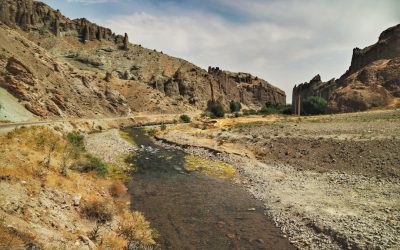
What Is a Watershed and Why Is It Important?
Watersheds are an essential part of the natural environment, playing a crucial role in the distribution and management of water resources. They are vital for the survival of all living organisms, including humans, as they provide a source of clean water for drinking, agriculture and industrial use. Watersheds also play a significant role in maintaining the ecological balance of the environment, supporting diverse ecosystems and wildlife. Understanding the importance of watersheds and their impact on the environment is essential for sustainable development and conservation efforts. Watersheds are complex systems that encompass a wide range of natural features, including rivers, streams, lakes and wetlands. They are defined by the topography of the land, with all the water within a specific area draining into a common outlet, such as a river or lake. This interconnected network of water bodies and landforms forms the basis of the watershed, shaping the flow and distribution of water across the landscape. The boundaries of a watershed are determined by the highest points of elevation, known as the watershed divide, which separates one watershed from another. Understanding the boundaries and characteristics of watersheds is essential for effective management and conservation efforts. Summary Watersheds are vital natural systems that play a crucial role in the environment and human life. A watershed is an area of land where all the water that falls within it drains to a common outlet, such as a river, lake, or ocean. Watersheds are important for providing clean drinking water, supporting biodiversity, and regulating the water cycle. They also play a key role in preventing erosion, reducing flooding, and maintaining water quality. Human...

Climate Zones of The Philippines: Different climate regions Of the Philippines
The Philippines is an archipelagic nation situated in Southeast Asia, comprising more than 7,000 islands. Owing to its geographical position, the country experiences a diverse range of climate zones, each possessing distinct characteristics. Comprehending these climate zones is essential for numerous reasons, including agricultural planning, tourism development and disaster preparedness. the Philippines is renowned for its tropical climate, characterised by elevated temperatures and high humidity throughout the year. The nation’s climate can be broadly classified into six primary climate zones: tropical rainforest, tropical savanna, tropical monsoon, tropical marine and high altitude. Each of these climate zones exhibits unique features and plays a crucial role in shaping the country’s topography and environment. Summary The Philippines has a diverse range of climate zones, each with its own unique characteristics and weather patterns. The Tropical Rainforest Climate Zone in the Philippines is characterized by high temperatures, heavy rainfall, and lush vegetation. The Tropical Savanna Climate Zone experiences distinct wet and dry seasons, with grasslands and scattered trees dominating the landscape. The Tropical Monsoon Climate Zone is known for its heavy rainfall during the wet season and relatively dry conditions during the dry season. The Tropical Marine Climate Zone in the Philippines is influenced by the ocean, resulting in relatively stable temperatures and moderate rainfall throughout the year. The High Altitude Climate Zone in the Philippines is characterized by cooler temperatures and unique flora and fauna, making it an important area for biodiversity conservation. Understanding the different climate zones in the Philippines is crucial for various sectors such as agriculture, tourism, and disaster preparedness. Tropical Rainforest Climate Zone The tropical rainforest climate zone...

Political Boundaries of the Philippines: Provinces, Districts, or Historical Boundaries.
The Philippines, an archipelago in Southeast Asia, possesses a complex system of political boundaries. These boundaries are essential for the governance and administration of the country, as they define the territorial limits of its various political subdivisions. the Philippines is divided into three main island groups: Luzon, Visayas, and Mindanao, each of which is further subdivided into regions, provinces, cities, municipalities, and barangays. These political boundaries play a crucial role in the distribution of resources, representation in government, and the delivery of public services. Understanding the intricacies of political boundaries in the Philippines is essential for comprehending the country’s governance and political landscape. Summary The Philippines is divided into provinces, which are the basic political subdivisions of the country. Provinces are further divided into districts, which are responsible for legislative representation in the government. Historical boundaries in the Philippines have been influenced by colonialism, shaping the country’s political landscape. Defining political boundaries in the Philippines poses challenges, including issues of territorial disputes and indigenous rights. Political boundaries play a crucial role in governance, shaping the distribution of resources and representation in the country. Provinces: The Basic Political Subdivision Provinces are the primary political subdivisions of the Philippines, each with its own local government unit. There are currently 81 provinces in the country, each with its own unique characteristics and governance structure. Provinces are further divided into cities and municipalities, which are then composed of barangays. The provincial government is responsible for implementing national laws and policies within its jurisdiction, as well as for providing basic services such as healthcare, education, and infrastructure development. Each province is headed by a...

Terrain and Topography of The Philippines: mountains, valleys, and plains.
The Philippines is an archipelago situated in Southeast Asia, comprising more than 7,000 islands. The nation is renowned for its diverse and striking terrain and topography, which encompasses majestic mountains, picturesque valleys and expansive plains. the Philippines also boasts active volcanoes, verdant rainforests and splendid beaches. The varied landscape of the Philippines renders it a popular destination for nature enthusiasts and adventure seekers alike. The terrain of the Philippines is characterised by its rugged and mountainous landscape, featuring over 20 active volcanoes and numerous mountain ranges. The topography of the country is also influenced by its position along the Pacific Ring of Fire, which makes it susceptible to earthquakes and volcanic eruptions. The Philippines is also endowed with fertile valleys and plains, which are ideal for agriculture and farming. The diverse terrain and topography of the Philippines have a considerable impact on the country’s climate, biodiversity and natural resources. Summary The Philippines is an archipelago consisting of over 7,000 islands, with a diverse terrain and topography that includes mountains, valleys, and plains. The majestic mountains of the Philippines, such as Mount Apo and Mount Pulag, offer breathtaking views and challenging hiking opportunities for outdoor enthusiasts. The scenic valleys of the Philippines, like the Banaue Rice Terraces and Sagada Valley, showcase the country’s natural beauty and rich cultural heritage. The vast plains of the Philippines, particularly in Luzon and Mindanao, are important agricultural areas that contribute to the country’s economy. The varied terrain and topography of the Philippines have a significant impact on the country’s climate, biodiversity, and natural resources. The Majestic Mountains of The Philippines The Philippines is home...

History of the Philippines
The pre-colonial era of the Philippines was characterised by a diverse range of cultures and societies that thrived across the archipelago. The early Filipinos were adept at utilising their natural resources for sustenance and trade, and they had developed sophisticated social structures and belief systems. The barangay system, led by datus, was the cornerstone of their society, providing a framework for governance and community living. The early Filipinos also had a deep spiritual connection to nature, believing in animism and conducting rituals to honour the spirits that inhabited their surroundings. Their advanced knowledge of agriculture, fishing, and trade allowed them to establish thriving communities that engaged in commerce with neighbouring societies in Southeast Asia. The pre-colonial Filipinos also had a rich cultural heritage, with a system of writing known as baybayin, an oral tradition of epic poems and folk tales, and a tradition of skilled craftsmanship in jewellery, pottery, and textiles. These cultural and societal foundations laid the groundwork for the development of Filipino culture and society in the centuries to come. Summary Pre-colonial era: Filipino culture and society were diverse and rich, with influences from Malay, Chinese, and Islamic cultures. Spanish colonial period: Spanish rule brought about significant changes in Filipino society, including the introduction of Christianity, the encomienda system, and the galleon trade. American occupation: American governance and culture left a lasting impact on the Philippines, including the introduction of public education, the English language, and democratic ideals. Japanese occupation: The Japanese occupation during World War II brought about widespread devastation and suffering in the Philippines, but also sparked the Filipino resistance movement. Independence: The struggle for...

Natural Resources of The Philippines: Where Natural Resources are located In the Philippines
The Philippines, a nation situated in Southeast Asia, is renowned for its abundant and varied natural resources. Comprising more than 7,000 islands, the Philippines boasts a diverse array of natural assets, including rich biodiversity, substantial mineral deposits, productive agricultural lands, extensive forest resources, and plentiful marine and aquatic reserves. These natural resources are integral to the country’s economy, providing employment for millions of citizens and contributing significantly to its overall development. Moreover, the Philippines possesses considerable renewable energy potential, positioning it as a promising centre for sustainable energy production. This article shall examine the various natural resources of the Philippines and their importance to the nation’s economy and environment. Summary The Philippines is rich in natural resources, making it a valuable asset in the global market. The country boasts a diverse range of flora and fauna, making it a hotspot for biodiversity. The Philippines is abundant in mineral resources such as gold, copper, and nickel, contributing to its economic growth. The fertile agricultural lands of the Philippines make it a key player in the production of rice, coconut, and other crops. The vast forest resources of the Philippines are crucial for biodiversity conservation and sustainable development. The marine and aquatic resources of the Philippines are abundant, providing livelihood and sustenance to millions of people. The Philippines has great potential for renewable energy sources such as solar, wind, and geothermal power. The Rich Biodiversity of The Philippines The Philippines is renowned for its rich biodiversity, being one of the world’s 17 mega-diverse countries. It is home to a vast array of flora and fauna, many of which are endemic to...

Cultural or Historical Sites of the Philippines: Important Cultural Landmarks or Historical Sites In The Philippines
The Philippines boasts a wealth of cultural and historical heritage, featuring a diverse array of sites that exemplify its distinctive history and traditions. From ancient rice terraces to colonial-era churches, the nation’s cultural and historical landmarks provide insight into its rich and complex past. These sites serve as both important historical monuments and popular tourist attractions, drawing visitors from across the globe. This article shall examine some of the most significant cultural and historical sites in the Philippines, ranging from the ancient Banaue Rice Terraces to the colonial-era San Agustin Church in Manila. Summary The Philippines is home to a rich tapestry of cultural and historical sites that showcase the country’s diverse heritage. The Intramuros in Manila is a well-preserved historical walled city that offers a glimpse into the country’s colonial past. The Banaue Rice Terraces, a UNESCO World Heritage Site, are a testament to the ingenuity of the Ifugao people and their sustainable agricultural practices. The Chocolate Hills of Bohol are not only a natural wonder but also hold historical significance as they are believed to be the result of ancient coral deposits. The Tubbataha Reefs Natural Park is a marine biodiversity hotspot, offering a stunning array of marine life and coral formations. The Intramuros in Manila: A Historical Walled City One of the most iconic historical sites in the Philippines is the Intramuros, a historical walled city located in the heart of Manila. Built during the Spanish colonial period, the Intramuros served as the seat of government and military power for over 300 years. Today, it stands as a living testament to the country’s colonial past, with...

Population Density of the Philippines
Population density refers to the number of people living per unit of area, typically measured per square kilometre or square mile. It is a crucial demographic indicator that offers insights into the distribution of individuals within a specific geographical region. In the context of the Philippines, population density plays a vital role in comprehending the spatial distribution of its populace and the associated social, economic and environmental ramifications. the Philippines is an archipelagic nation in Southeast Asia with a population exceeding 100 million inhabitants, rendering it one of the most densely populated countries globally. Comprehending the factors influencing population density, the consequences of high population density, and the governmental policies and initiatives to address this matter is essential for sustainable development and efficacious urban planning in the Philippines. Summary Population density refers to the number of people living in a specific area, usually measured in square kilometres or square miles. Factors influencing population density in the Philippines include geographical features, economic opportunities, and government policies. Urban areas in the Philippines have higher population density compared to rural areas due to better job opportunities and access to amenities. High population density in the Philippines leads to increased pressure on resources, infrastructure, and the environment. The government of the Philippines has implemented policies and initiatives to address population density, including family planning programs and urban development projects. Factors Influencing Population Density in the Philippines Several factors influence population density in the Philippines, including geographical features, economic opportunities, infrastructure development, and historical and cultural factors. The country’s geographical features, such as its mountainous terrain and scattered islands, have led to variations in...

Waste-to-energy initiatives
Waste-to-energy initiatives have garnered considerable attention in recent years as a sustainable solution for managing the ever-increasing amount of waste generated globally. This approach involves the conversion of non-recyclable waste materials into usable energy, such as electricity, heat or fuel. The concept of waste-to-energy is rooted in the principles of circular economy, where waste is viewed as a valuable resource that can be harnessed to meet energy demands whilst reducing the environmental impact of waste disposal. With growing concerns over climate change, resource depletion and pollution, waste-to-energy initiatives have emerged as a promising alternative to traditional waste management practices. The implementation of waste-to-energy technologies has the potential to address multiple environmental and social challenges, including reducing greenhouse gas emissions, diverting waste from landfills and providing a sustainable source of energy. As such, many countries and municipalities are exploring and investing in waste-to-energy projects as part of their broader sustainability and energy security strategies. However, the adoption of waste-to-energy initiatives is not without its challenges and controversies, which require careful consideration and evaluation. This article will explore the workings of waste-to-energy technology, its environmental and economic benefits, global examples of successful projects, government policies and incentives, as well as the future outlook for waste-to-energy technologies. Summary Waste-to-energy initiatives aim to convert waste into energy through various technologies, reducing the amount of waste sent to landfills and generating renewable energy. Waste-to-energy technology works by burning waste to produce heat, which is then used to generate electricity or heat buildings, contributing to a more sustainable energy mix. Environmental and economic benefits of waste-to-energy include reducing greenhouse gas emissions, decreasing reliance on fossil...