Explore the World Through Geography, Natural Resources & Daily History
Clear, reliable and engaging guides that help you understand our planet — from UK geography education to global natural resources and On This Day history events.
Explore, discover, and learn about the wonders of our world! At Earth Site, we’re passionate about bringing geography, history, and science to life for curious minds of all ages. Whether you’re delving into historical events, uncovering the mysteries of the natural world, or seeking interactive resources, you’re in the right place.
Here, you can uncover the stories behind historical events, explore the natural wonders of our planet, and gain valuable insights into how the Earth’s systems shape our daily lives. From the towering peaks of mountain ranges to the far-reaching impacts of human innovation, we aim to make every topic both engaging and informative.
Start your journey of discovery with us today, and let’s make learning an adventure!
What We Cover
Earth Site brings together engaging and accessible educational content designed to help you understand the world, its history, and its natural systems.
🌍 Geography Education (UK & Worldwide)
We publish clear, easy-to-understand geography resources for students, teachers and curious learners. Our guides support geography education in the UK and cover physical geography, climate, ecosystems, population, and global development.
⛏️ Natural Resources & Environmental Geography
Explore detailed country profiles covering natural resources, mining, energy, geology and global environmental challenges. We show how nations manage minerals, water, land and ecosystems, and why these resources matter.
📅 On This Day in History
Every day has a story. Our On This Day history series features major events, anniversaries, traditions, and cultural milestones from around the world — with timelines, context, and fun facts.
TIMELINE

Regenerative agriculture
Regenerative agriculture is a comprehensive approach to farming that concentrates on rejuvenating and revitalising the soil, rather than depleting it. This method is founded on a set of principles aimed at restoring the health and fertility of the land, whilst also promoting biodiversity and ecosystem resilience. One of the fundamental principles of regenerative agriculture is minimal soil disturbance, which entails reducing or eliminating tillage to prevent soil erosion and preserve soil structure. Another principle is the utilisation of cover crops and crop rotation to enhance soil health and fertility, as well as to control pests and weeds naturally. Moreover, regenerative agriculture emphasises the importance of integrating livestock into farming systems to emulate natural grazing patterns and improve soil fertility through nutrient cycling. Furthermore, regenerative agriculture advocates the use of diverse and polyculture cropping systems, which involve cultivating a variety of crops together to enhance soil health and reduce the risk of crop failure. This approach also helps to foster biodiversity and create a more resilient ecosystem. Lastly, regenerative agriculture encourages the use of organic and natural inputs, such as compost and organic fertilisers, to support soil health and reduce reliance on synthetic chemicals. By adhering to these principles, regenerative agriculture aims to establish a sustainable and regenerative farming system that benefits both the environment and the farmers. Summary Regenerative agriculture focuses on restoring and enhancing the health of the soil, which in turn improves the overall ecosystem and agricultural productivity. Environmental benefits of regenerative agriculture include improved soil health, water retention, and reduced use of synthetic fertilizers and pesticides. Economic advantages of regenerative agriculture include lower input costs, increased...

Organic farming
Organic farming has a rich history dating back to ancient civilisations. The concept can be traced to the practices of early agricultural societies, where farmers relied on natural methods to grow crops and raise livestock. In the 20th century, the organic farming movement gained momentum as a response to the negative environmental and health impacts of industrial agriculture. The term “organic farming” was first coined by Lord Northbourne in his book “Look to the Land” in 1940, where he advocated for a holistic approach to farming that respects the natural environment and promotes sustainability. The organic farming movement continued to grow in the 1960s and 1970s, with the establishment of organisations such as the Soil Association in the UK and the Rodale Institute in the US, which promoted organic farming practices and conducted research on sustainable agriculture. Today, organic farming has become a global movement, with farmers and consumers alike recognising the importance of sustainable and environmentally friendly agricultural practices. Organic farming has evolved over the years, with advancements in technology and scientific research contributing to the development of more efficient and sustainable farming practices. The principles of organic farming have been refined and expanded to encompass a holistic approach to agriculture that promotes biodiversity, soil health, and animal welfare. The history of organic farming is a testament to the resilience and adaptability of traditional farming practices, as well as the innovation and creativity of modern farmers who are committed to sustainable agriculture. As we look to the future, it is important to continue building on the legacy of organic farming and to promote the adoption of sustainable agricultural...

Sustainable Agriculture and Land Use
Sustainable agriculture is crucial for the long-term health and viability of our planet. It is a method of farming that focuses on producing food in a way that is environmentally friendly, socially responsible, and economically viable. This approach to agriculture aims to meet the needs of the present without compromising the ability of future generations to meet their own needs. Sustainable agriculture takes into account the impact of farming practices on the environment, the welfare of farm workers, and the economic stability of rural communities. One of the key reasons why sustainable agriculture is so important is its potential to mitigate climate change. Traditional farming methods often rely heavily on chemical fertilisers and pesticides, which contribute to greenhouse gas emissions and soil degradation. Sustainable agriculture, on the other hand, promotes organic farming practices, crop rotation, and the use of natural fertilisers, all of which help to reduce the carbon footprint of farming. Additionally, sustainable agriculture can help to preserve biodiversity by promoting the use of native plant species and reducing the use of harmful chemicals that can harm wildlife. By adopting sustainable agriculture practices, we can work towards a more resilient and sustainable food system that is better equipped to withstand the challenges of a changing climate. Furthermore, sustainable agriculture is essential for ensuring food security for future generations. As the global population continues to grow, there will be increasing pressure on our food systems to produce more food. Sustainable agriculture offers a way to increase food production without depleting natural resources or causing harm to the environment. By promoting soil health, water conservation, and biodiversity, sustainable agriculture can...
Deforestation and afforestation
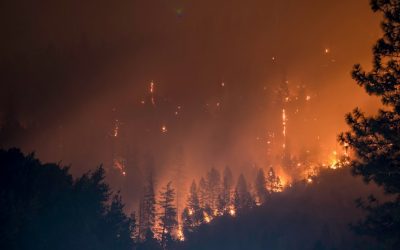
Forests play a crucial role in maintaining the ecological balance of the planet. They are home to a diverse range of flora and fauna, many of which are not found anywhere else on Earth. Forests also provide essential ecosystem services such as carbon sequestration, oxygen production, and water regulation. Additionally, they are a source of livelihood for millions of people around the world, providing timber, non-timber forest products, and employment opportunities. Furthermore, forests are vital for mitigating climate change as they act as carbon sinks, absorbing carbon dioxide from the atmosphere. Without forests, the Earth’s climate would be significantly altered, leading to more extreme weather patterns and a rise in global temperatures. Moreover, forests are essential for maintaining soil fertility and preventing erosion. The roots of trees help to bind the soil together, reducing the risk of landslides and desertification. Forests also play a crucial role in maintaining water cycles, as they help to regulate the flow of rivers and streams. In addition to their environmental importance, forests also have significant cultural and spiritual value for many communities around the world. They are often considered sacred and are integral to traditional practices and beliefs. Overall, forests are a fundamental part of the Earth’s ecosystem and are essential for the well-being of both the planet and its inhabitants. Summary Forests are crucial for maintaining biodiversity, regulating climate, and providing essential resources for human survival. Deforestation is primarily caused by agricultural expansion, logging, and urbanization, leading to soil erosion, loss of habitat, and climate change. Efforts to combat deforestation include sustainable forest management, reforestation, and implementing policies to protect and conserve...
Climate resilience in urban planning
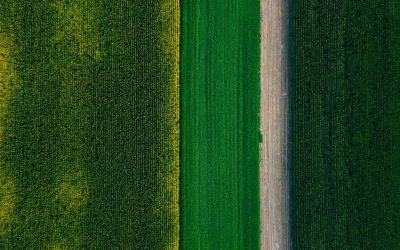
Climate resilience in urban planning refers to a city’s capacity to withstand and recover from the effects of climate change, including extreme weather events, rising sea levels and increased temperatures. It involves designing and developing cities to minimise vulnerability to these impacts and ensure long-term sustainability of urban areas. This concept encompasses a wide range of strategies, including infrastructure improvements, land use planning and community engagement, all aimed at creating cities better equipped to adapt to and mitigate the effects of climate change. Climate resilience in urban planning also involves considering the social, economic and environmental aspects of a city, as well as the interconnectedness of these factors. By understanding the concept of climate resilience in urban planning, city planners can work towards creating more sustainable and adaptable cities that can thrive in the face of a changing climate. Climate resilience in urban planning is a complex and multifaceted concept that requires a holistic approach to city development. It involves not only physical infrastructure improvements, but also social and economic considerations that can help communities adapt to and recover from the impacts of climate change. This concept also requires a long-term perspective, as cities must be designed and developed with future climate conditions in mind. By understanding the concept of climate resilience in urban planning, city planners can work towards creating cities that are better prepared for the challenges of a changing climate. This includes considering factors such as green infrastructure, sustainable building design and community-based adaptation strategies, all of which can contribute to the overall resilience of a city. Summary Climate resilience in urban planning involves designing cities...

Renewable energy sources (solar, wind, geothermal)
Solar energy is a renewable and sustainable power source that offers numerous benefits to both the environment and consumers. One of the key advantages of solar energy is its ability to reduce electricity bills. By harnessing the sun’s power, homeowners and businesses can generate their own electricity, thereby reducing their reliance on traditional utility companies. This not only leads to cost savings but also provides a sense of energy independence. Moreover, solar energy is a clean and green source of power that helps to reduce carbon emissions and combat climate change. Unlike fossil fuels, solar power does not produce harmful pollutants or greenhouse gases, making it an environmentally friendly choice. Additionally, solar panels require minimal maintenance and have a long lifespan, making them a reliable and cost-effective investment for the long term. Summary Solar energy is a sustainable and renewable source of power that can reduce electricity bills and carbon emissions. Wind power is a clean and abundant energy source that can be harnessed to generate electricity and create jobs. Geothermal energy is a reliable and constant source of power that can be used for heating, cooling, and electricity generation. Renewable energy sources have a lower environmental impact compared to traditional fossil fuels, reducing air and water pollution. The future of renewable energy looks promising with advancements in technology and increasing global adoption, leading to a more sustainable and greener world. Challenges in implementing renewable energy include high initial costs, intermittency, and the need for infrastructure upgrades. Government incentives such as tax credits and subsidies can encourage the adoption of renewable energy and help overcome financial barriers. Harnessing the...

Carbon emissions reduction
Carbon emissions reduction is of paramount importance in the fight against climate change and its devastating effects on the planet. Carbon emissions, primarily in the form of carbon dioxide (CO2), are released into the atmosphere through human activities such as burning fossil fuels for energy, transport, and industrial processes. These emissions contribute to the greenhouse effect, trapping heat in the Earth’s atmosphere and leading to global warming. The consequences of unchecked carbon emissions are far-reaching and include rising sea levels, extreme weather events, loss of biodiversity, and disruptions to ecosystems. Therefore, reducing carbon emissions is crucial in mitigating these impacts and preserving the planet for future generations. Furthermore, carbon emissions reduction is essential for achieving international climate targets and commitments. The Paris Agreement, signed by 195 countries in 2015, aims to limit global warming to well below 2 degrees Celsius above pre-industrial levels, with efforts to limit the temperature increase to 1.5 degrees Celsius. To achieve these goals, significant reductions in carbon emissions are necessary. Failing to do so would result in irreversible damage to the environment and exacerbate the already dire consequences of climate change. Therefore, it is imperative for governments, industries, and individuals to take concerted action to reduce carbon emissions and transition towards a low-carbon economy. Summary Carbon emissions reduction is crucial for mitigating climate change and protecting the environment for future generations. Strategies for decreasing carbon emissions include promoting energy efficiency, transitioning to renewable energy sources, and implementing carbon pricing mechanisms. Renewable energy plays a vital role in carbon emissions reduction by providing clean and sustainable alternatives to fossil fuels. Carbon emissions have a significant...

Political Boundaries of Pakistan: Provinces, Districts, or Historical Boundaries.
Pakistan, a South Asian nation, shares borders with India to the east, Afghanistan and Iran to the west, and China to the north. The Arabian Sea lies to the south of Pakistan. The political boundaries of Pakistan have evolved over time, influenced by historical events, colonial legacies and geopolitical factors. The country’s borders have been a source of dispute and conflict, with contentious territories such as Kashmir and the Durand Line. The demarcation of political boundaries has significant implications for governance, administration and national identity in Pakistan. The political boundaries of Pakistan are defined by the internationally recognised borders with its neighbouring countries. These boundaries are vital for maintaining territorial integrity and sovereignty. The delineation of these borders has been a source of both stability and conflict, as evidenced by the Line of Control in Kashmir. The political boundaries also encompass the internal administrative divisions within Pakistan, including provinces, territories and tribal areas. These internal boundaries play a crucial role in the distribution of resources, representation and governance within the country. Understanding the complexities and significance of Pakistan’s political boundaries is essential for comprehending the country’s historical, political and social dynamics. Summary Pakistan’s political boundaries are defined by its borders with India, Afghanistan, Iran, and China, as well as the Arabian Sea to the south. The country is divided into four provinces – Punjab, Sindh, Khyber Pakhtunkhwa, and Balochistan – and two autonomous territories, Azad Jammu and Kashmir and Gilgit-Baltistan. The historical boundaries of Pakistan have evolved over time, including the partition of British India in 1947 and the secession of East Pakistan (now Bangladesh) in 1971. Challenges and...

Climate Zones of Pakistan: Different Climate Regions Of Pakistan
Pakistan is a diverse country with a wide range of climate zones, each possessing distinct characteristics and environmental challenges. The nation’s climate can be broadly categorised into tropical, arid and semi-arid, temperate, alpine and sub-alpine, and coastal regions. These climate zones are influenced by various factors, including the country’s geographical location, topography, and proximity to the Arabian Sea and the Himalayas. Understanding the different climate zones of Pakistan is crucial for addressing environmental issues, managing natural resources, and developing sustainable policies for the future. The diverse climate zones of Pakistan have a significant impact on the country’s agriculture, water resources, and overall environmental sustainability. From the hot and humid coastal regions to the cold and snowy alpine areas, each climate zone presents its own set of challenges and opportunities. As the effects of climate change become more pronounced, it is essential to understand how these changes will impact Pakistan’s climate zones and what measures can be taken to mitigate their effects. By examining each climate zone in detail, one can gain a better understanding of the unique environmental conditions and challenges facing Pakistan. Summary Pakistan has a diverse range of climate zones, influenced by its geography and topography. The tropical climate regions in Pakistan are characterized by high temperatures and heavy rainfall, particularly in the monsoon season. The arid and semi-arid climate regions in Pakistan experience low rainfall and high temperatures, leading to desertification in some areas. The temperate climate regions in Pakistan have moderate temperatures and distinct seasons, making them suitable for agriculture. The alpine and sub-alpine climate regions in Pakistan are characterized by cold temperatures and snowfall,...

Terrain and Topography of Pakistan: mountains, valleys, and plains.
Pakistan, situated in South Asia, shares borders with India to the east, Afghanistan and Iran to the west, and China to the north. The nation’s varied terrain and topography render it a region of remarkable natural splendour and geological importance. Spanning from the lofty summits of the Himalayas in the north to the expansive plains of the Indus River Valley in the south, Pakistan‘s landscape serves as a testament to the natural forces that have moulded it over millions of years. The country’s terrain and topography have been instrumental in shaping its climate, economy, and culture, making it a compelling subject of study for geographers, geologists, and nature enthusiasts alike. Summary Pakistan’s terrain and topography are incredibly diverse, ranging from majestic mountains to vast plains. The mountains of Pakistan, including the famous Karakoram and Himalayas, offer breathtaking landscapes and challenging trekking opportunities. The valleys of Pakistan, such as Swat Valley and Hunza Valley, are known for their natural beauty and unique cultural heritage. The vast plains of Pakistan, including the fertile Punjab region, are crucial for agriculture and contribute significantly to the country’s economy. The diverse terrain and topography of Pakistan have a significant impact on the country’s climate, influencing temperature, precipitation, and weather patterns. The Majestic Mountains of Pakistan The Himalayas: A Sight to Behold These mountains are not only a breathtaking sight but also play a crucial role in shaping Pakistan’s climate and providing a habitat for a diverse range of flora and fauna. The Karakoram Range: A Treasure Trove of Peaks The Karakoram Range, which is home to some of the world’s highest peaks, including K2...

History of Pakistan
The region of Pakistan boasts a rich and diverse history, with evidence of human habitation dating back to the Palaeolithic era. The ancient civilisations that flourished in this region include the Indus Valley Civilisation, one of the world’s oldest urban societies. The Indus Valley Civilisation, also known as the Harappan Civilisation, existed from approximately 3300 BCE to 1300 BCE and was located in what is now modern-day Pakistan and northwest India. The civilisation was renowned for its advanced urban planning, sophisticated drainage systems, and intricate pottery and jewellery. The cities of Mohenjo-Daro and Harappa are two of the most well-known sites from this ancient civilisation, and they provide valuable insights into the social, economic, and cultural aspects of the time. Moreover, the region of Pakistan has also been influenced by other ancient civilisations, such as the Persian Empire, the Maurya Empire, and the Gupta Empire. These empires left their mark on the region through trade, cultural exchange, and the spread of religious beliefs. The region was also a significant part of the Silk Road, an ancient network of trade routes that connected the East and West, further contributing to its cultural and economic significance. The ancient history of Pakistan is a testament to the region’s importance in shaping the development of human civilisation and its enduring legacy in the modern world. Summary Ancient civilizations in the region of Pakistan include the Indus Valley Civilization, which was one of the world’s earliest urban societies. The Islamic conquest and the Mughal Empire played a significant role in shaping the culture and history of the region, leaving behind architectural marvels and a...

Population Density of Pakistan
Population density refers to the number of people living per unit of area, typically per square kilometre or square mile. It is a crucial demographic indicator that aids in understanding the distribution of people within a given area. In Pakistan, population density varies significantly across different regions, with some areas being densely populated whilst others are sparsely populated. Understanding population density is vital for policymakers, urban planners, and researchers as it provides insights into the social, economic, and environmental dynamics of a region. Pakistan is the sixth most populous country in the world, with a population exceeding 220 million people. The country’s population is growing at a rapid rate, and this growth has significant implications for its population density. As the population continues to increase, it places pressure on resources, infrastructure, and the environment. Therefore, understanding the factors affecting population density in Pakistan, as well as its impact on urban and rural areas, is essential for sustainable development and effective policymaking. Summary Population density refers to the number of people living per square kilometre and is a key indicator of the distribution of population in a specific area. Factors affecting population density in Pakistan include geographical features, economic opportunities, and government policies. Urban areas in Pakistan have higher population density compared to rural areas due to better job opportunities and access to amenities. High population density puts pressure on infrastructure and resources, leading to challenges such as inadequate housing and water scarcity, but also presents opportunities for economic growth and innovation. Government policies and initiatives to manage population density in Pakistan should focus on urban planning, improving access to...