Explore the World Through Geography, Natural Resources & Daily History
Clear, reliable and engaging guides that help you understand our planet — from UK geography education to global natural resources and On This Day history events.
Explore, discover, and learn about the wonders of our world! At Earth Site, we’re passionate about bringing geography, history, and science to life for curious minds of all ages. Whether you’re delving into historical events, uncovering the mysteries of the natural world, or seeking interactive resources, you’re in the right place.
Here, you can uncover the stories behind historical events, explore the natural wonders of our planet, and gain valuable insights into how the Earth’s systems shape our daily lives. From the towering peaks of mountain ranges to the far-reaching impacts of human innovation, we aim to make every topic both engaging and informative.
Start your journey of discovery with us today, and let’s make learning an adventure!
What We Cover
Earth Site brings together engaging and accessible educational content designed to help you understand the world, its history, and its natural systems.
🌍 Geography Education (UK & Worldwide)
We publish clear, easy-to-understand geography resources for students, teachers and curious learners. Our guides support geography education in the UK and cover physical geography, climate, ecosystems, population, and global development.
⛏️ Natural Resources & Environmental Geography
Explore detailed country profiles covering natural resources, mining, energy, geology and global environmental challenges. We show how nations manage minerals, water, land and ecosystems, and why these resources matter.
📅 On This Day in History
Every day has a story. Our On This Day history series features major events, anniversaries, traditions, and cultural milestones from around the world — with timelines, context, and fun facts.
TIMELINE

Humid Subtropical (Cfa, Cwa): Hot, humid summers with mild winters; rainfall throughout the year.
The humid subtropical climate is a type of climate characterised by hot, humid summers and mild winters. This climate is typically found in the southeastern parts of the United States, as well as in parts of East Asia, Australia, and South America. The humid subtropical climate is influenced by maritime tropical air masses from the Atlantic Ocean and Gulf of Mexico, which bring warm, moist air to the region. This climate is known for its distinct seasons, with hot and humid summers and mild winters. The average annual temperature in humid subtropical regions ranges from 20°C to 27°C, making it a warm and pleasant climate for most of the year. The humid subtropical climate is also known for its high levels of precipitation throughout the year, with rainfall occurring in all seasons. This climate is influenced by the movement of the subtropical high-pressure belt, which brings moist air from the oceans to the land. The combination of warm temperatures and high levels of precipitation creates a lush and diverse ecosystem, with a wide variety of plant and animal species. The humid subtropical climate is an important and unique climate type that supports a rich and diverse ecosystem, as well as human life in many parts of the world. Summary Humid subtropical climate is characterized by hot, humid summers and mild winters, with rainfall throughout the year. The climate supports a diverse range of vegetation and wildlife, including lush forests and a variety of animal species. Hot, humid summers in humid subtropical regions can have a significant impact on human health and well-being, leading to heat-related illnesses and discomfort. Mild...
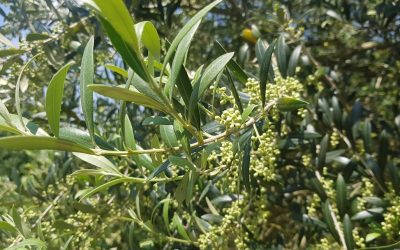
Mediterranean (Csa, Csb): Hot, dry summers and mild, wet winters.
The Mediterranean climate is a distinctive weather pattern found in regions bordering the Mediterranean Sea, as well as in other parts of the world such as California, Chile and South Africa. This climate is characterised by hot, dry summers and mild, wet winters. The Mediterranean climate is influenced by subtropical high-pressure systems and the westerlies, which bring moisture from the ocean during the winter months. The combination of these factors results in a distinct climate that has a significant impact on the environment, agriculture and human life in the affected regions. The Mediterranean climate is renowned for its pleasant, sunny weather during the summer months, making it a popular tourist destination. However, the climate also presents challenges for the people and ecosystems that inhabit these regions. Understanding the characteristics and impact of the Mediterranean climate is crucial for developing strategies to mitigate its effects and adapt to its unique challenges. Summary The Mediterranean climate is characterized by hot, dry summers and mild, wet winters, and is found in regions bordering the Mediterranean Sea, as well as in parts of California, South Africa, and Australia. The Mediterranean climate is known for its long growing season, which is ideal for the cultivation of crops such as olives, grapes, and citrus fruits. The impact of the Mediterranean climate on agriculture can be both positive and negative, with the potential for droughts and wildfires posing significant challenges for farmers. The challenges of the Mediterranean climate for wildlife and ecosystems include the risk of desertification, loss of biodiversity, and increased vulnerability to invasive species. Human adaptation to the Mediterranean climate has involved the development...
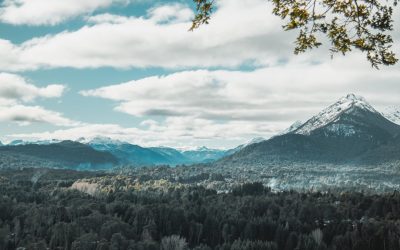
Temperate Climate Zones
Temperate climate zones are areas of the Earth that experience moderate temperatures and distinct seasons. These zones are situated between the tropics and the polar regions, typically between 30 and 60 degrees latitude in both the northern and southern hemispheres. The temperate climate is characterised by mild summers and winters, with moderate rainfall throughout the year. This type of climate is conducive to a wide variety of plant and animal life, rendering temperate zones some of the most diverse and productive ecosystems on the planet. Temperate climate zones can be found in various locations around the world, including parts of North America, Europe, Asia, and Australia. These regions are home to a wide range of habitats, including forests, grasslands, and coastal areas. The temperate climate is also favourable for agriculture, making these zones important for food production. However, human activity has had a significant impact on temperate climate zones, resulting in habitat destruction and loss of biodiversity. Conservation efforts are underway to protect these valuable ecosystems and ensure their preservation for future generations. Summary Temperate climate zones are known for their moderate temperatures and distinct seasons, making them ideal for a variety of plant and animal life. These climate zones are characterised by their four distinct seasons: spring, summer, autumn, and winter, each with its own unique weather patterns and environmental changes. The flora and fauna in temperate climate zones are diverse and include a wide range of species, from deciduous trees and shrubs to mammals, birds, and insects. Human activities such as deforestation, urbanisation, and pollution have had a significant impact on temperate climate zones, leading to habitat...

Steppe (BSh, BSk): Semi-arid regions with more rainfall than deserts, supporting grasslands.
The steppe ecosystem is a vast, grassy plain that stretches across Eurasia and North America. It is characterised by its dry climate, with low annual precipitation and extreme temperature fluctuations. The steppe is home to a diverse array of plant and animal species that have adapted to the harsh environmental conditions. The vegetation in the steppe consists mainly of grasses, herbs and shrubs, which provide food and shelter for the wildlife that inhabits the region. The steppe ecosystem plays a crucial role in maintaining the balance of the Earth’s ecosystems and is an important habitat for many endangered species. Understanding the unique characteristics of the steppe ecosystem is essential for conservation efforts and sustainable management of this valuable natural resource. The steppe ecosystem is a unique and important part of the Earth’s natural environment. It is a vast, open grassland that covers large areas of Eurasia and North America. The steppe is characterised by its dry climate, with low annual precipitation and extreme temperature fluctuations. This harsh environment has shaped the flora and fauna of the steppe, leading to the evolution of species that are well adapted to survive in these challenging conditions. The steppe is home to a diverse array of plant and animal species, including grasses, herbs, shrubs and large herbivores such as wild horses and antelope. The steppe ecosystem is an important habitat for many endangered species, making it a crucial area for conservation efforts. Understanding the unique characteristics of the steppe ecosystem is essential for protecting this valuable natural resource for future generations. Summary Steppe ecosystems are vast grasslands found in semi-arid regions, characterised by...

Desert (BWh, BWk): Hot deserts (BWh) and cold deserts (BWk), characterized by very low precipitation.
Deserts are intriguing and varied ecosystems that encompass approximately one-fifth of the Earth’s terrestrial surface. These regions are defined by their arid conditions, featuring minimal precipitation and elevated evaporation rates. Deserts are categorised into distinct climate types, with the BWh and BWk classifications being the most prevalent. The BWh climate, also referred to as hot desert climate, is characterised by exceedingly high temperatures and scarce rainfall. These areas are typically situated in subtropical latitudes, where the descending air of the Hadley cell generates dry and hot conditions. Conversely, the BWk climate, known as the cold desert climate, is distinguished by low temperatures and sparse vegetation. These regions are frequently found at higher latitudes and elevations, where cold air and moisture deficiency create harsh living conditions. The BWh and BWk climates possess unique attributes that differentiate them from one another. Whilst both experience minimal precipitation, the BWh climate is renowned for its sweltering temperatures, often surpassing 40°C during the day and dropping considerably at night. In contrast, the BWk climate undergoes extreme temperature fluctuations, with hot summers and frigid winters. Comprehending the characteristics of these desert climates is essential for appreciating the challenges and adaptations of the flora, fauna, and human populations that inhabit these regions. Summary BWh and BWk climates are characterized by extreme dryness and high temperatures, making them challenging environments for life to thrive. Hot deserts (BWh) such as the Sahara and the Arabian Desert are the hottest and driest regions on Earth, with unique adaptations of plants and animals to survive in these harsh conditions. Cold deserts (BWk) like the Gobi Desert and the Great Basin...

Dry (Arid and Semi-Arid) Climate Zones
Arid and semi-arid regions, commonly referred to as dry climate zones, are characterised by minimal precipitation and elevated evaporation rates. These areas are distributed globally, encompassing the deserts of the Middle East and North Africa, as well as the semi-arid grasslands of the American Midwest. The scarcity of water in these regions poses distinct challenges for both the natural environment and human inhabitants. It is essential to comprehend the characteristics, flora and fauna, challenges, and anthropogenic impact on these areas to develop sustainable practices and conservation efforts aimed at protecting these fragile ecosystems. Summary Dry climate zones are characterized by low precipitation and high evaporation rates, leading to arid and semi-arid conditions. Arid climate zones are extremely dry with little to no vegetation, while semi-arid climate zones have slightly more precipitation and can support some plant life. Flora and fauna in dry climate zones have adapted to survive in harsh conditions, with many species having specialized features such as water-storing capabilities and heat resistance. Challenges in dry climate zones include water scarcity, desertification, and extreme temperatures, leading to the need for adaptations such as water conservation and drought-resistant crops. Human impact on dry climate zones includes overgrazing, deforestation, and urbanization, leading to further degradation of the environment and loss of biodiversity. Conservation and sustainable practices are essential for preserving these fragile ecosystems. Characteristics of Arid Climate Zones Vegetation in Arid Zones Vegetation in these areas is often sparse and adapted to conserve water, with plants having small leaves or spines to reduce water loss through transpiration. Animal Life in Arid Zones Animal life in arid zones is also adapted...

Tropical Savanna (Aw): Warm temperatures with distinct wet and dry seasons.
Tropical savanna climate, also known as Aw climate, is a type of climate typically found in regions near the equator. This climate is characterised by distinct wet and dry seasons, with the wet season typically occurring in the summer months and the dry season in the winter months. The temperature in tropical savanna regions remains relatively high throughout the year, with little variation between seasons. The average temperature in these regions ranges from 20°C to 30°C. The annual rainfall in tropical savanna climates is moderate, typically ranging from 750 to 1250 mm per year. This type of climate is commonly found in regions such as parts of Africa, South America, and Australia. Tropical savanna climates are known for their unique weather patterns, which have a significant impact on the ecosystems and wildlife in these regions. The distinct wet and dry seasons create a dynamic environment that supports a diverse range of plant and animal species. The combination of high temperatures and moderate rainfall provides ideal conditions for the growth of grasses and shrubs, which are characteristic of savanna landscapes. The seasonal changes in weather also play a crucial role in shaping the behaviour and life cycles of the wildlife that inhabit these regions. Overall, tropical savanna climates are an important and fascinating part of the Earth’s diverse range of climates. Summary Tropical Savanna (Aw) Climate is characterized by distinct wet and dry seasons, with average monthly temperatures above 18°C throughout the year. The characteristics of Tropical Savanna Climate include a long dry season, short wet season, and a significant temperature variation between the two seasons. Weather patterns in Tropical...

Tropical Monsoon (Am): Similar to rainforest but with a short dry season.
The tropical monsoon climate is a distinct climatic pattern observed in tropical regions worldwide, characterised by pronounced wet and dry seasons. This climate is predominantly influenced by monsoon winds, which deliver substantial precipitation during the wet season and arid conditions during the dry season. Typically found in equatorial regions, such as Southeast Asia, portions of Africa and northern Australia, the tropical monsoon climate plays a pivotal role in shaping local ecosystems and agricultural practices. The monsoon season is a critical component of this climate, providing essential rainfall to these regions and supporting diverse flora and fauna. It also significantly impacts agricultural activities, which are often synchronised with the seasonal patterns. Understanding the unique characteristics, biodiversity, agricultural implications, challenges and conservation efforts in tropical monsoon regions is crucial for sustainable development and environmental preservation. Summary Tropical monsoon climate is characterized by distinct wet and dry seasons, with heavy rainfall during the wet season and relatively dry conditions during the dry season. The characteristics of tropical monsoon climate include high temperatures, high humidity, and a strong influence of the monsoon winds, which bring heavy rainfall. The flora and fauna in tropical monsoon regions are highly diverse and adapted to the seasonal changes in rainfall, with lush vegetation and a wide variety of animal species. The impact of tropical monsoon climate on agriculture can be both beneficial and challenging, as the heavy rainfall can provide water for crops but also lead to flooding and soil erosion. Challenges in tropical monsoon regions include water management, infrastructure development, and disease control, while adaptations involve the use of traditional farming techniques and modern technology to...

Tropical Rainforest (Af): Warm and wet year-round, with no dry season. High rainfall.
Tropical rainforests are amongst the most diverse and complex ecosystems on Earth. They are located near the equator, in regions with high rainfall and consistently warm temperatures. These forests harbour an extraordinary array of plant and animal species, many of which are endemic to these areas. The Amazon Rainforest in South America, the Congo Rainforest in Africa, and the Southeast Asian Rainforest are some of the most renowned tropical rainforests. These forests are crucial not only for their biodiversity but also for their role in regulating the Earth’s climate and providing essential resources for human populations. Tropical rainforests are characterised by their dense vegetation, with multiple layers of trees, shrubs, and other plants creating a lush and vibrant environment. The canopy layer, comprised of tall trees that form a continuous leafy roof, is one of the most distinctive features of these forests. Below the canopy, there are understorey plants and shrubs, as well as a rich diversity of animal life. The forest floor is home to a variety of decomposers and smaller plants that thrive in the shade. The combination of high temperatures, abundant rainfall, and rich soil creates the ideal conditions for this diverse and productive ecosystem. Summary Tropical rainforests are dense forests found near the equator, with high temperatures and heavy rainfall throughout the year. The climate in tropical rainforests is hot and humid, with an average temperature of 25°C and annual rainfall of 2000-10000mm. Tropical rainforests are home to over half of the world’s plant and animal species, making them the most biodiverse ecosystems on Earth. These rainforests play a crucial role in regulating the global...

Tropical Climate Zones
Tropical climate zones are regions of the Earth situated between the Tropic of Cancer and the Tropic of Capricorn. These areas are characterised by warm temperatures, high humidity, and distinct wet and dry seasons. The tropical climate is typically found in countries near the equator, such as Brazil, Indonesia, and Nigeria. The climate in these regions is influenced by the sun’s direct rays, which result in consistently warm temperatures throughout the year. The tropical climate is also characterised by heavy rainfall, which contributes to the lush vegetation and diverse ecosystems found in these areas. Tropical climate zones are popular tourist destinations due to their beautiful beaches, vibrant cultures, and unique wildlife. However, these regions also face significant challenges, including deforestation, loss of biodiversity, and the impact of climate change. Understanding the characteristics, biodiversity, challenges, and conservation efforts in tropical climate zones is crucial for preserving these valuable ecosystems for future generations. Summary Tropical climate zones are typically found near the equator and are characterised by high temperatures and humidity throughout the year. The characteristics of tropical climate zones include distinct wet and dry seasons, lush vegetation, and a wide variety of animal species. Biodiversity in tropical climate zones is incredibly rich, with a high number of endemic species and unique ecosystems such as rainforests and coral reefs. Challenges and threats in tropical climate zones include deforestation, habitat loss, poaching, and the impact of climate change on vulnerable species. Conservation efforts in tropical climate zones focus on protecting and restoring natural habitats, implementing sustainable practices, and raising awareness about the importance of preserving biodiversity. Characteristics of Tropical Climate Zones Tropical...

What Effect Climate Zones
Climate zones are geographical areas with distinct weather patterns and climatic conditions. These zones are determined by factors such as temperature, precipitation and humidity, and they play a crucial role in shaping the natural environment and human activities within a region. There are several different climate classification systems, but the most widely used is the Köppen climate classification, which divides the world into five primary climate zones: tropical, dry, temperate, continental and polar. Each of these zones has its own unique characteristics and influences on the environment, wildlife, agriculture and human settlements. The tropical climate zone is typically found near the equator and is characterised by high temperatures and heavy rainfall throughout the year. The dry climate zone, on the other hand, experiences minimal precipitation and is often associated with desert landscapes. The temperate climate zone has moderate temperatures and distinct seasons, whilst the continental climate zone is known for its extreme temperature variations between summer and winter. Finally, the polar climate zone is located near the North and South Poles and is characterised by freezing temperatures and little to no vegetation. Understanding these climate zones is essential for comprehending the diverse natural environments and human activities that exist within them. Summary Climate zones are geographical areas with distinct weather patterns and temperatures, determined by factors such as latitude, altitude, and proximity to water bodies. Climate zones have a significant impact on agriculture, influencing the types of crops that can be grown and the farming practices that can be employed in different regions. Wildlife is greatly influenced by climate zones, with different species adapted to thrive in specific climates,...

Political Boundaries of Nicaragua: Provinces, Districts, or Historical Boundaries.
Nicaragua, situated in Central America, boasts a rich history and diverse culture. The nation’s political boundaries are delineated by its borders with Honduras to the north and Costa Rica to the south, as well as its coastlines along the Caribbean Sea to the east and the Pacific Ocean to the west. The country is administratively divided into 15 departments, including two autonomous regions, which are further subdivided into municipalities and districts. Nicaragua‘s political boundaries have evolved throughout history, shaped by colonial influences, historical events, and conflicts with neighbouring countries. A comprehensive understanding of Nicaragua’s political boundaries is crucial for grasping its governance structure, societal dynamics, and economic landscape. Summary Nicaragua is a country located in Central America with political boundaries that have evolved over time. The country is divided into 15 provinces, each with its own unique characteristics and cultural identity. Within these provinces, there are 153 districts that play a crucial role in local governance and administration. Nicaragua’s historical boundaries have been shaped by colonialism, conflicts, and treaties with neighbouring countries. Changes and controversies in Nicaragua’s political boundaries have sparked debates and tensions among different groups within the country. The political boundaries of Nicaragua have a significant impact on the country’s society and economy, influencing issues such as resource distribution and infrastructure development. The future of Nicaragua’s political boundaries is uncertain, with ongoing discussions and negotiations that could potentially lead to changes in the country’s administrative divisions. Provinces of Nicaragua Provincial Governance and Administration The provinces of Nicaragua play a crucial role in the country’s governance and administration, as they are responsible for implementing national policies and programmes...