Explore the World Through Geography, Natural Resources & Daily History
Clear, reliable and engaging guides that help you understand our planet — from UK geography education to global natural resources and On This Day history events.
Explore, discover, and learn about the wonders of our world! At Earth Site, we’re passionate about bringing geography, history, and science to life for curious minds of all ages. Whether you’re delving into historical events, uncovering the mysteries of the natural world, or seeking interactive resources, you’re in the right place.
Here, you can uncover the stories behind historical events, explore the natural wonders of our planet, and gain valuable insights into how the Earth’s systems shape our daily lives. From the towering peaks of mountain ranges to the far-reaching impacts of human innovation, we aim to make every topic both engaging and informative.
Start your journey of discovery with us today, and let’s make learning an adventure!
What We Cover
Earth Site brings together engaging and accessible educational content designed to help you understand the world, its history, and its natural systems.
🌍 Geography Education (UK & Worldwide)
We publish clear, easy-to-understand geography resources for students, teachers and curious learners. Our guides support geography education in the UK and cover physical geography, climate, ecosystems, population, and global development.
⛏️ Natural Resources & Environmental Geography
Explore detailed country profiles covering natural resources, mining, energy, geology and global environmental challenges. We show how nations manage minerals, water, land and ecosystems, and why these resources matter.
📅 On This Day in History
Every day has a story. Our On This Day history series features major events, anniversaries, traditions, and cultural milestones from around the world — with timelines, context, and fun facts.
TIMELINE
Climate Zones of Andorra: Different climate regions Of Andorra
Andorra, a small landlocked country in the Pyrenees Mountains between France and Spain, is known for its stunning landscapes and diverse climate zones. Despite its small size, Andorra is home to four distinct climate zones: Alpine, Mediterranean, Continental, and Subarctic. Each zone has its own unique characteristics, flora and fauna, and popular activities for tourists. Understanding these climate zones is important for both tourists and locals alike, as it allows for better planning and appreciation of the country’s natural beauty. Summary Andorra has four distinct climate zones: Alpine, Mediterranean, Continental, and Subarctic. The Alpine climate zone is characterized by cold temperatures and heavy snowfall, while the Mediterranean climate zone is warm and dry. The Continental climate zone experiences hot summers and cold winters, while the Subarctic climate zone is the coldest and receives the most precipitation. Elevation plays a significant role in determining which climate zone a particular area falls into. Climate change is having an impact on Andorra’s climate zones, with rising temperatures and changing precipitation patterns. The Alpine Climate Zone of Andorra The Alpine climate zone in Andorra is characterized by high altitudes and cold temperatures. This zone is found in the highest parts of the country, including the peaks of the Pyrenees Mountains. The Alpine zone experiences long, snowy winters and short, cool summers. The average annual temperature in this zone is around 5 degrees Celsius. Flora in the Alpine zone of Andorra includes hardy plants such as alpine flowers, mosses, and lichens. Trees are scarce due to the harsh conditions, but some coniferous trees like spruce and fir can be found at lower elevations. Fauna...
Population Density of Andorra
Andorra, officially known as the Principality of Andorra, is a small landlocked country located in the eastern Pyrenees mountains between France and Spain. With an area of just 468 square kilometers, it is one of the smallest countries in Europe. Despite its small size, Andorra has a unique population density that sets it apart from other countries. Population density refers to the number of people living in a given area, usually measured in terms of persons per square kilometer. It is an important indicator of how crowded or sparsely populated an area is. In the case of Andorra, its population density is relatively low compared to other European countries due to its small size and mountainous terrain. Summary Andorra has a small population of around 77,000 people, making it one of the smallest countries in Europe. The population density of Andorra has fluctuated throughout history, with periods of growth and decline. Factors influencing population density in Andorra include geography, economic development, and immigration policies. Andorra has a relatively young population, with a high proportion of foreign-born residents. Urbanization has led to increased population density in Andorra’s urban areas, while rural areas have experienced depopulation. Historical Overview of Andorra’s Population Density Throughout history, Andorra’s population has experienced fluctuations due to various factors. In the early 20th century, the country had a relatively small population, with only a few thousand inhabitants. However, with the advent of tourism in the mid-20th century, Andorra experienced a significant increase in population. The growth in population was mainly driven by economic opportunities offered by the tourism industry. The country’s tax haven status and duty-free shopping...
Cultural or Historical Sites of Andorra: Important Cultural Landmarks or Historical Sites In Andorra
Andorra, a small landlocked country nestled in the Pyrenees Mountains between France and Spain, is known for its stunning natural beauty. However, what many people may not realize is that Andorra also has a rich cultural heritage that dates back centuries. From its unique location and history to its ancient churches and chapels, magnificent castles and fortresses, and fascinating museums, Andorra offers a wealth of cultural experiences for visitors to explore. In this article, we will take a journey through Andorra’s rich cultural heritage, uncovering the history behind its landmarks, exploring its iconic cultural sites, and delving into the significance of its art and architecture. Join us as we discover the hidden gems of Andorra’s cultural heritage. Summary Andorra has a rich cultural heritage that is worth exploring. The country’s landmarks have fascinating histories that are worth uncovering. Andorra’s iconic cultural sites are a must-visit for anyone interested in the country’s culture. The ancient churches and chapels of Andorra are a testament to the country’s religious history. Andorra’s castles and fortresses are magnificent structures that are worth exploring. Discovering the Rich Cultural Heritage of Andorra Andorra’s unique location and history have played a significant role in shaping its cultural heritage. Situated between France and Spain, Andorra has been influenced by both Catalan and French cultures. The Catalan influence is particularly strong, as Catalan is the official language of Andorra and Catalan traditions are deeply ingrained in the country’s customs and celebrations. This blend of cultures has created a unique identity for Andorra, one that is reflected in its art, architecture, cuisine, and festivals. Preserving Andorra’s cultural heritage is of...
Natural Resources of Algeria: Unlocking the Natural Wealth of Algeria: Oil, Gas, and Beyond
Natural Resources of Algeria: Unlocking the Natural Wealth of Algeria: Oil, Gas, and Beyond Algeria, a nation rich in energy reserves and minerals, stands as a powerhouse in North Africa thanks to its abundant natural resources. From its vast oil and gas fields to significant mineral deposits and renewable energy potential, Algeria is pivotal in the global resource economy. This article delves deep into the natural resources of Algeria, how they shape its economy, and what the future may hold as the country aims to diversify and strengthen its industries. Whether you’re an investor, policy maker, or just curious about resource-rich nations, this article provides critical insights into Algeria’s economic backbone. Outline What Makes Algeria Rich in Natural Resources? How Important Are Oil and Gas to the Algerian Economy? What Are Algeria’s Major Natural Gas Reserves? Where Are the Key Oil Fields Located in Algeria? What Other Mineral Resources Are Found in Algeria? Is Helium a Game-Changer for Algeria’s Resource Portfolio? How Is Algeria Approaching Renewable Energy Development? What Is the Role of the Mining Sector in Algeria? Can Algeria Diversify Its Economy Beyond Hydrocarbons? How Do Algeria’s Water and Fishing Resources Fit into the Picture? 1. What Makes Algeria Rich in Natural Resources? Algeria is one of the largest countries in Africa by land area, and much of this vast territory is rich in natural resources. From the heart of the Sahara to the coastline along the Mediterranean Sea, Algeria is home to substantial deposits of petroleum, natural gas, and valuable minerals like phosphate, zinc, and iron ore. These resources make Algeria a significant energy supplier...
Political Boundaries of Algeria: Provinces, Districts, or Historical Boundaries.
Political boundaries are the lines that separate one political entity from another, such as countries, provinces, or districts. These boundaries play a crucial role in a country’s governance and development, as they define the jurisdiction and authority of the government. In the case of Algeria, a country located in North Africa, its political boundaries have evolved over time due to various historical, colonial, and ethnic factors. Algeria is a country with a rich history and diverse population. It is bordered by several countries including Tunisia, Libya, Niger, Mali, Mauritania, Western Sahara, Morocco, and the Mediterranean Sea. These political boundaries have shaped Algeria’s governance and development, as they determine the country’s territorial integrity and influence its relationships with neighboring countries. Summary Algeria is a country in North Africa with distinct political boundaries. The country is divided into 48 provinces, each with its own unique boundaries. Within each province, there are multiple districts that also have their own boundaries. Algeria’s historical boundaries have been shaped by various factors, including colonialism and ethnic diversity. Maintaining political boundaries in Algeria remains a challenge, but they are crucial for the country’s development. Overview of Algeria’s Provincial Boundaries Provincial boundaries in Algeria refer to the divisions within the country that are responsible for local governance and administration. There are currently 48 provinces in Algeria, each with its own capital city. These provinces are further divided into municipalities and districts. The role of provinces in Algeria’s governance and administration is significant. They are responsible for implementing national policies at the local level, providing public services such as education and healthcare, and promoting economic development in their...
Climate Zones of Algeria: Different climate regions Of Algeria
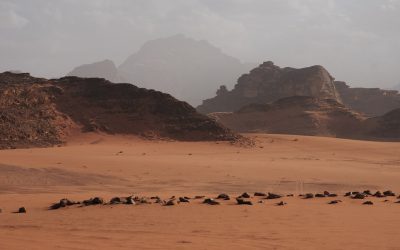
Algeria, located in North Africa, is the largest country on the continent and is known for its diverse geography and climate. The country stretches from the Mediterranean Sea in the north to the Sahara Desert in the south, and its climate zones vary greatly across its vast expanse. Understanding these climate zones is crucial for various sectors, including agriculture, tourism, and conservation. Summary Algeria has five main climate zones: Saharan, Mediterranean, Highland, Steppe, and Coastal. The Saharan climate zone covers about 80% of Algeria and is characterized by extreme heat and aridity. The Mediterranean climate zone is found along the northern coast and experiences mild, wet winters and hot, dry summers. The Highland climate zone is located in the Atlas Mountains and has cooler temperatures and more precipitation than other regions. The Steppe climate zone is semi-arid and covers the central plateau, while the Coastal climate zone is characterized by mild temperatures and high humidity. Climate variations in Algeria’s mountainous regions can lead to significant differences in temperature and precipitation. The impact of climate zones on Algeria’s agriculture is significant, with certain crops only able to grow in specific regions. Climate change is expected to have a significant impact on Algeria’s climate zones in the future. Despite the challenges posed by climate variability, Algeria’s diverse climate zones offer unique opportunities for tourism and economic development. Overall, Algeria’s climate zones demonstrate the country’s rich natural diversity and highlight the importance of sustainable management practices. The Saharan Climate Zone of Algeria The Saharan climate zone covers a significant portion of Algeria, particularly in the southern regions. This zone is characterized by...
Terrain and Topography of Algeria: mountains, valleys, and plains.
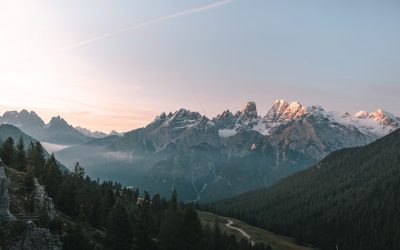
Algeria, the largest country in Africa, is a land of diverse and breathtaking landscapes. From the majestic Atlas Mountains to the vast expanse of the Sahara Desert, Algeria’s terrain is as varied as it is beautiful. Understanding the geography and topography of Algeria is crucial to understanding its culture, economy, and ecology. In this article, we will explore the different regions of Algeria’s terrain and delve into the unique features and significance of each. Summary Algeria’s terrain is diverse, ranging from mountains to deserts to coastal plains. The Atlas Mountains are a majestic range that runs through the country. The Saharan Plateau is a vast expanse of desert terrain that covers much of Algeria. The Tell Atlas is a chain of mountains that runs along the northern coast. The High Plateaus of Algeria offer a diverse landscape with unique flora and fauna. Overview of Algeria’s Terrain and Topography Algeria is located in North Africa, bordered by the Mediterranean Sea to the north, Tunisia and Libya to the east, Niger and Mali to the south, and Morocco and Western Sahara to the west. With an area of approximately 2.38 million square kilometers, it is the tenth-largest country in the world. The diverse terrain of Algeria can be divided into several distinct regions. The Majestic Atlas Mountains of Algeria The Atlas Mountains are a prominent feature of Algeria’s geography. Stretching across several countries in North Africa, including Morocco, Tunisia, and Algeria, they are one of the longest mountain ranges in the world. In Algeria, the Atlas Mountains cover a vast area, running from the northeastern corner of the country to its...
Cultural or Historical Sites of Algeria: Important Cultural Landmarks or Historical Sites In Algeria
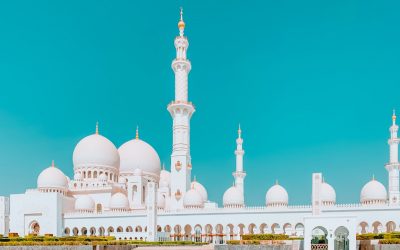
Introduction Algeria, located in North Africa, is a country with a rich cultural and historical heritage. From ancient Roman ruins to iconic mosques and historic cities, Algeria offers a wealth of attractions that showcase its diverse history and cultural influences. It is important to preserve and promote Algeria’s heritage to ensure that future generations can appreciate and learn from the country’s past. The Iconic Casbah of Algiers: A UNESCO World Heritage Site One of the most iconic sites in Algeria is the Casbah of Algiers, which is a UNESCO World Heritage Site. The Casbah has a long history dating back to the 17th century and is a symbol of the city’s rich cultural heritage. It is a maze-like complex of narrow streets, traditional houses, and historic buildings. The architecture of the Casbah is a blend of different styles, including Ottoman, Moorish, and French influences. The houses are built with traditional materials such as clay and wood, and many have beautiful courtyards and intricate tile work. The layout of the Casbah reflects its defensive nature, with narrow streets and high walls that were designed to protect the inhabitants from invaders. Within the Casbah, there are several must-see attractions. One of them is the Ketchaoua Mosque, which was originally built as a mosque in the 17th century but was later converted into a cathedral during the French colonial period. Another highlight is the Dar Hassan Pacha, a beautifully restored mansion that now serves as a museum showcasing Algerian art and culture. Visitors can also explore traditional craft shops, where they can buy handmade carpets, pottery, and other local products. Discovering the...
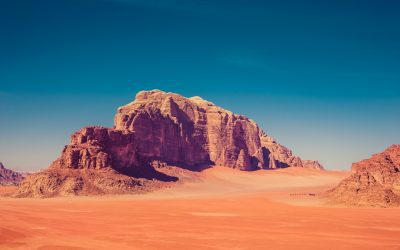
Population Density of Algeria
Algeria, the largest country in Africa, is home to a diverse population. Understanding the population density of Algeria is crucial for sustainable development. Population density refers to the number of people living in a specific area, usually measured in terms of persons per square kilometer. By analyzing population density, policymakers and researchers can gain insights into various aspects of development, such as resource allocation, infrastructure planning, and environmental management. Summary Algeria has a population density of 17 people per square kilometer. Population density in Algeria has fluctuated throughout history due to factors such as migration and political instability. Factors affecting population density in Algeria include climate, natural resources, and economic opportunities. Population density varies greatly across regions in Algeria, with the highest densities in the north and coastal areas. Urban areas in Algeria have much higher population densities than rural areas. High population density in Algeria has both positive and negative impacts on the economy. Managing high population density in Algeria is a challenge due to limited resources and infrastructure. Future projections suggest that population density in Algeria will continue to increase, particularly in urban areas. Algeria’s population density is lower than many other African countries, but still presents challenges for sustainable development. Sustainable development in Algeria will require careful management of population density and its impacts on the economy and environment. Historical Overview of Population Density in Algeria Algeria’s population has experienced significant changes over time. In the early 20th century, the country had a relatively low population density due to its vast size and harsh desert climate. However, with the advent of modern medicine and improvements in...

Discovering Albania’s Climate Zones: Regions of Varied Weather
Albania, located in Southeastern Europe, is a country known for its stunning landscapes, rich history, and vibrant culture. One aspect of Albania that often goes unnoticed is its diverse climate zones. Understanding these climate zones is crucial for travel planning, as it allows visitors to make the most of their trip and experience the country’s weather patterns. Albania’s geography plays a significant role in its climate. The country is bordered by the Adriatic and Ionian Seas to the west and has mountainous regions in the north and east. This combination of coastal and mountainous terrain creates a variety of microclimates throughout the country. Summary Albania has seven distinct climate zones, each with its own unique weather patterns and temperatures. The Mediterranean climate zone along the coast is characterized by hot, dry summers and mild winters with occasional rainfall. The continental climate zone in inland areas experiences hot summers and cold winters with snowfall and occasional thunderstorms. The alpine climate zone in high altitude areas has cool summers and cold winters with heavy snowfall and strong winds. The subtropical climate zone in southern Albania has hot, humid summers and mild winters with occasional rainfall. Climate change is affecting Albania’s weather patterns, with increased temperatures and more frequent extreme weather events. The best time to visit Albania depends on which climate zone you want to experience, but generally the summer months are the most popular for tourists. Albania’s diverse weather and climate zones offer a unique and varied experience for visitors to the country. The Mediterranean Climate Zone: Exploring Albania’s Coastal Regions The coastal regions of Albania fall under the Mediterranean...

Exploring Albania’s Political Boundaries: Provinces, Districts, or History?
Albania, located in Southeastern Europe, is a country with a rich history and diverse cultural heritage. Understanding the political boundaries of Albania is crucial for comprehending its political, social, and economic dynamics. This article aims to provide a comprehensive overview of Albania’s political divisions, exploring their historical evolution, the impact of Ottoman rule, the current provinces and districts, the role of politics in shaping these divisions, the cultural significance of regional identities, the challenges of governance, the economic landscape, and the future prospects for Albania’s political boundaries. Summary Albania’s political boundaries have evolved over time, with provinces and districts playing a significant role in shaping the country’s governance structure. Ottoman rule had a profound impact on Albania’s political boundaries, leading to the creation of new administrative units and the consolidation of power in the hands of local elites. Today, Albania is divided into 12 counties and 61 municipalities, each with its own unique political and cultural identity. Politics plays a crucial role in shaping Albania’s provincial and district divisions, with local and national interests often competing for influence and power. Albania’s regional identities are an important part of the country’s cultural heritage, with each province boasting its own distinct traditions, customs, and dialects. The Historical Evolution of Albania’s Provinces and Districts Albania’s historical provinces and districts have undergone significant changes over time. In ancient times, the region was divided into several tribes and city-states. During the medieval period, various kingdoms and principalities emerged, including the Kingdom of Illyria and the Principality of Arbanon. However, with the arrival of foreign powers such as the Byzantines, Venetians, and Ottomans, Albania’s political...

Albania: Economy & Natural Resources Discovering Natural Resources of Albania
Albania: Economy & Natural Resources Discovering Natural Resources of Albania Albania, located in Southeastern Europe, is a country known for its stunning natural beauty and rich biodiversity. With a diverse geography that includes mountains, coastline, lakes, and rivers, Albania is home to a wide range of natural resources. These resources play a crucial role in the country’s economy and provide numerous benefits to both the environment and its people. Preserving and utilizing these resources sustainably is of utmost importance to ensure their long-term viability. By doing so, Albania can continue to benefit from its natural wealth while also protecting the environment for future generations. Albania, a gem tucked away in the Balkans, is more than just beautiful coastlines and ancient ruins. It is a country endowed with natural resources that could transform the economy of Albania. From vast oil and gas deposits to fertile farmland and hydropower capacity, Albania holds the keys to a more prosperous future. In this article, we’ll explore the natural resources of Albania, how they are utilized, and what challenges and opportunities lie ahead. Outline What Are the Key Natural Resources of Albania? How Important Is the Petroleum Sector to Albania? What Role Does Hydropower Play in the Albanian Economy? What Minerals and Ores Are Found in Albania? How Significant Is the Agricultural Sector in Albania? Can Albania’s Natural Gas Reserves Boost Its Energy Security? What Is the Role of Exports in Albania’s Resource Economy? How Has the Albanian Government Managed Its Resource Sector? What Challenges Hamper Albania’s Resource Utilization? What Does the Future Hold for Natural Resources in Albania? What Are the Key...