Explore the World Through Geography, Natural Resources & Daily History
Clear, reliable and engaging guides that help you understand our planet — from UK geography education to global natural resources and On This Day history events.
Explore, discover, and learn about the wonders of our world! At Earth Site, we’re passionate about bringing geography, history, and science to life for curious minds of all ages. Whether you’re delving into historical events, uncovering the mysteries of the natural world, or seeking interactive resources, you’re in the right place.
Here, you can uncover the stories behind historical events, explore the natural wonders of our planet, and gain valuable insights into how the Earth’s systems shape our daily lives. From the towering peaks of mountain ranges to the far-reaching impacts of human innovation, we aim to make every topic both engaging and informative.
Start your journey of discovery with us today, and let’s make learning an adventure!
What We Cover
Earth Site brings together engaging and accessible educational content designed to help you understand the world, its history, and its natural systems.
🌍 Geography Education (UK & Worldwide)
We publish clear, easy-to-understand geography resources for students, teachers and curious learners. Our guides support geography education in the UK and cover physical geography, climate, ecosystems, population, and global development.
⛏️ Natural Resources & Environmental Geography
Explore detailed country profiles covering natural resources, mining, energy, geology and global environmental challenges. We show how nations manage minerals, water, land and ecosystems, and why these resources matter.
📅 On This Day in History
Every day has a story. Our On This Day history series features major events, anniversaries, traditions, and cultural milestones from around the world — with timelines, context, and fun facts.
TIMELINE

military personel in Nato states
The North Atlantic Treaty Organization (NATO) is an intergovernmental military alliance that was established in 1949. Its primary purpose is to promote the collective defense and security of its member states. NATO was formed in response to the growing threat of the Soviet Union during the Cold War. The organization has since evolved to address new security challenges and has expanded its membership to include 30 countries. Currently, NATO has 30 member states, including the United States, Canada, the United Kingdom, Germany, France, and Turkey, among others. These member states are located in North America and Europe. Each member state contributes to the alliance by providing military personnel, equipment, and financial resources. Summary NATO is a military alliance consisting of 30 member states. The total number of military personnel in NATO states is over 3 million. Recruitment and training of military personnel in NATO states vary, but all members have a commitment to maintaining high standards. Military personnel in NATO states have a range of roles and responsibilities, including defence, peacekeeping, and humanitarian missions. NATO states use advanced equipment and technology to support their military operations. Overview of Military Personnel in NATO States The total number of military personnel in NATO states is approximately 3.5 million. This includes active duty personnel, reserve forces, and civilian employees working in defense-related roles. The distribution of military personnel varies among member states, with larger countries like the United States and Russia having the highest numbers. The United States has the largest military force among NATO member states, with over 1.3 million active duty personnel. Other countries with significant military forces include Russia...

Naval power of nato
NATO, the North Atlantic Treaty Organization, is an intergovernmental military alliance that was established in 1949. It consists of 30 member countries from North America and Europe, and its primary purpose is to ensure the collective defense of its members. NATO‘s naval power plays a crucial role in maintaining global security by deterring potential threats and responding to crisis situations. Naval power is of utmost importance in ensuring the safety and security of maritime trade routes, as well as protecting member states from potential aggression. Summary NATO’s naval power plays a crucial role in global security. NATO’s maritime strategy and capabilities have evolved over time. Naval power is an important aspect of NATO’s defence policy. NATO’s maritime forces are involved in crisis management. NATO’s naval power contributes to counter-terrorism operations and the fight against piracy. The Role of NATO’s Naval Power in Global Security NATO’s naval power plays a significant role in maintaining global security. The alliance’s naval forces contribute to the deterrence of potential threats by conducting regular patrols and exercises in strategic areas. These activities send a clear message to potential adversaries that any aggression will be met with a swift and decisive response. Additionally, NATO’s naval forces are often deployed to crisis areas to provide humanitarian assistance, disaster relief, and support for peacekeeping operations. Naval power is particularly important in deterring potential threats because it allows for rapid response and flexibility. Naval forces can be deployed quickly to any part of the world, providing a visible presence that serves as a deterrent to potential aggressors. Furthermore, naval forces have the capability to project power over long...
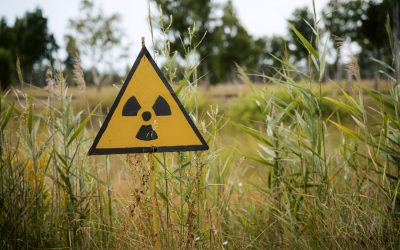
Nuclear power of nato
NATO, the North Atlantic Treaty Organization, is an intergovernmental military alliance that was established in 1949. One of the key aspects of NATO‘s defence strategy is its nuclear power program. Nuclear weapons have long been seen as a crucial element in international relations, providing a deterrent against potential adversaries and ensuring peace and stability. In this article, we will explore the history of NATO’s nuclear power program, its role in NATO’s defence strategy, the nuclear sharing agreement among member states, the ongoing debate on nuclear weapons, and the future of NATO’s nuclear power program. Summary NATO has a nuclear power program that includes the deployment of nuclear weapons in Europe. The program dates back to the Cold War era and was developed as a deterrent against Soviet aggression. Nuclear weapons are still seen as a key part of NATO’s defence strategy, despite efforts to reduce their role. The nuclear sharing agreement allows non-nuclear states to participate in NATO’s nuclear program. There is ongoing debate about the risks and benefits of NATO’s nuclear power program, and its impact on international relations. The History of NATO’s Nuclear Power Program The origins of NATO’s nuclear power program can be traced back to the early days of the Cold War. Following World War II, there was a growing concern among Western European countries about the Soviet Union’s expansionist ambitions. In response to this perceived threat, several NATO member states began developing their own nuclear weapons programs. The United States, as the leading member of NATO, played a crucial role in assisting these countries in their nuclear endeavors. Over time, NATO’s nuclear strategy evolved...

Military Power of nato
NATO, or the North Atlantic Treaty Organization, was established in 1949 as a collective defense alliance between North American and European countries. Its primary purpose was to counter the threat posed by the Soviet Union during the Cold War. Over the years, NATO has evolved into a powerful military alliance that plays a crucial role in global security. NATO’s military power is derived from its member countries, which include some of the world’s most advanced and capable militaries. These countries pool their resources and capabilities to enhance their collective defense and deter potential adversaries. NATO’s military power is also bolstered by its extensive network of partnerships and alliances with other countries and organizations. Summary NATO is a military alliance formed in 1949 to counter the Soviet Union’s influence in Europe. NATO’s role in global security has expanded to include counterterrorism, cyber defense, and crisis management. NATO’s military capabilities include air, land, and sea forces, as well as intelligence and surveillance capabilities. NATO conducts regular military exercises and training programs to maintain readiness and interoperability among member states. NATO has conducted military operations and missions in Europe, the Middle East, and Africa, including peacekeeping and combat operations. The Role of NATO in Global Security NATO’s mission is to safeguard the freedom and security of its member countries through political and military means. Its objectives include collective defense, crisis management, and cooperative security. NATO’s military power plays a vital role in achieving these objectives and maintaining global security. One of NATO’s key contributions to global security is its commitment to collective defense. Article 5 of the NATO treaty states that an...

Member States of NATO
The North Atlantic Treaty Organization (NATO) is an intergovernmental military alliance that was established in 1949. Its primary purpose is to promote the collective defense and security of its member states. NATO was formed in response to the growing threat of the Soviet Union during the Cold War, with the aim of deterring aggression and maintaining peace in Europe. NATO currently has 32 member states, including countries from North America and Europe. These member states are committed to the principles of democracy, individual liberty, and the rule of law. They work together to address common security challenges and promote stability in the Euro-Atlantic region. Summary NATO is an alliance of 32 member states committed to collective defence and security. The founding members of NATO were the United States, Canada, and ten European countries. NATO has expanded to include 22 additional member states since its founding in 1949. NATO plays a crucial role in maintaining peace and security in Europe through its collective defence and crisis management capabilities. Membership in NATO provides economic and political benefits, as well as access to military capabilities and cooperation with other member states. The Founding Members of NATO When NATO was founded in 1949, it consisted of 12 member states: Belgium, Canada, Denmark, France, Iceland, Italy, Luxembourg, the Netherlands, Norway, Portugal, the United Kingdom, and the United States. These founding members played a crucial role in establishing the alliance and shaping its policies. During the Cold War, the alliance between these 12 countries was instrumental in deterring Soviet aggression and maintaining peace in Europe. The United States provided military support and acted as...

Nottinghamshire, England
Located in the heart of England, Nottinghamshire is a county that offers a wealth of attractions and experiences for visitors. From its rich history and heritage to its stunning natural beauty and bustling cities, Nottinghamshire has something for everyone. Whether you are interested in exploring ancient castles, immersing yourself in the arts and culture scene, or simply enjoying the picturesque countryside, Nottinghamshire has it all. Summary Nottinghamshire boasts a rich history and heritage, with evidence of human activity dating back to the Ice Age. The charming towns and villages of Nottinghamshire offer a glimpse into the county’s past, with well-preserved architecture and quaint streets. Nottinghamshire’s stunning natural beauty and scenic countryside make it a popular destination for outdoor enthusiasts and nature lovers. The famous landmarks and attractions of Nottinghamshire, such as Sherwood Forest and Nottingham Castle, draw visitors from around the world. Nottinghamshire’s thriving arts and culture scene includes world-class museums, galleries, and theatres, as well as a vibrant music and festival scene. Nottinghamshire’s rich history and heritage Nottingham Castle and Robin Hood One of the most iconic landmarks in Nottinghamshire is Nottingham Castle. Built in the 17th century on the site of the original medieval castle, it offers panoramic views of the city and is steeped in history. The castle is famously associated with the legendary outlaw Robin Hood, who is said to have roamed Sherwood Forest and used the castle as a hideout. Visitors can explore the castle grounds, visit the museum, and learn about the fascinating history of this legendary figure. The Lace Market and textile industry Nottinghamshire has a long history of lace making...

NATO Airforce
The NATO Airforce, also known as the North Atlantic Treaty Organization Airforce, is a collective defense alliance formed by 30 member countries. It was established in 1949 with the signing of the North Atlantic Treaty, and its primary purpose is to ensure the security and defense of its member nations. The NATO Airforce plays a crucial role in maintaining peace and stability in the Euro-Atlantic region. The history of the NATO Airforce dates back to the Cold War era when the threat of Soviet aggression loomed over Europe. The alliance was formed as a response to this threat, with the aim of deterring any potential attack on its member countries. Over the years, the NATO Airforce has evolved and adapted to changing security challenges, including counter-terrorism operations and humanitarian missions. Summary NATO Airforce was established in 1949 to provide collective defence against potential threats to member countries. Member countries of NATO Airforce have different roles and responsibilities, including air policing, air defence, and air support. NATO Airforce operations include air surveillance, air-to-air refuelling, and air strikes in support of ground troops. Aircrafts used by NATO Airforce have advanced features and capabilities, including stealth technology and precision-guided weapons. NATO Airforce offers various training programs and techniques to its personnel, including simulation exercises and joint training with partner countries. Member Countries of NATO Airforce: Roles and Responsibilities The NATO Airforce consists of 30 member countries, including the United States, United Kingdom, Germany, France, and Turkey, among others. Each member country has its own roles and responsibilities within the alliance. The United States, being the largest contributor to NATO, plays a significant...

Sussex, England
See Also: East Sussex West Sussex Located in the southeastern part of England, Sussex is a county known for its rich history, stunning countryside, and charming towns. With its proximity to London and its diverse range of attractions, Sussex has become a popular destination for tourists from all over the world. Sussex has a long and fascinating history that dates back thousands of years. It was once home to the ancient Britons and later became part of the Roman Empire. The county is dotted with historic sites, including castles, stately homes, and prehistoric sites, which offer a glimpse into its past. In addition to its historical significance, Sussex is also known for its picturesque countryside. From rolling hills and meandering rivers to beautiful beaches and nature reserves, there is no shortage of natural beauty to explore in this part of England. Summary Sussex offers a charming blend of history and natural beauty. Visitors can explore rolling hills, beaches, nature reserves, castles, and prehistoric sites. The cultural scene in Sussex includes art galleries, theatres, and festivals. Foodies will love Sussex’s local produce, fine dining, and traditional pub grub. Sussex offers a range of accommodation options, from luxury hotels to quaint B&Bs and self-catering cottages. Discovering the Best of Sussex’s Countryside: Rolling Hills, Beaches, and Nature Reserves One of the highlights of Sussex’s countryside is the South Downs National Park. Covering an area of over 1,600 square kilometers, this national park offers breathtaking views of rolling hills, picturesque villages, and ancient woodlands. Visitors can explore the park on foot or by bike, following the many walking trails and cycling routes that...

NATO North Atlantic Treaty Organization
The North Atlantic Treaty Organization, commonly known as NATO, is an intergovernmental military alliance that was established in 1949. It was created with the aim of promoting collective defense and maintaining peace and stability in the North Atlantic region. NATO is based on the principle of collective security, where an attack on one member is considered an attack on all, and all members are obligated to respond. The purpose of NATO is to safeguard the freedom and security of its member countries through political and military means. It serves as a forum for consultation and cooperation among its members, and it provides a platform for collective decision-making on matters of common interest. NATO also plays a crucial role in promoting democratic values, human rights, and the rule of law. Summary NATO is a military alliance formed in 1949 to provide collective defense against potential threats. NATO has 30 member countries, including the United States, Canada, and most of Europe. NATO’s role is to maintain peace and stability through collective defense, crisis management, and cooperative security. NATO’s command structure is divided into two strategic commands, with the Supreme Allied Commander Europe and the Supreme Allied Commander Transformation in charge. NATO faces challenges in the future, including cyber threats, terrorism, and the rise of China. History of NATO: From its inception to the present day. NATO was founded in 1949 in response to the growing threat posed by the Soviet Union during the early years of the Cold War. The alliance was formed by 12 founding members: Belgium, Canada, Denmark, France, Iceland, Italy, Luxembourg, the Netherlands, Norway, Portugal, the United Kingdom,...

Exploring the Properties and Applications of Cesium (Cs) in Modern Science and Technology
Cesium (Cs) is a chemical element with the atomic number 55 and the symbol Cs. It is a soft, silvery-gold alkali metal that is highly reactive and has unique properties. Cesium is the most electropositive and alkaline element, and it is one of the least abundant elements in the Earth’s crust. Physically, cesium is a soft metal that can be easily cut with a knife. It has a low melting point of 28.5 degrees Celsius, which makes it one of the few metals that are liquid at or near room temperature. Cesium also has a high density, which gives it a unique weight and feel compared to other metals. Chemically, cesium is highly reactive and can react explosively with water. It is also highly corrosive and can react with many other elements and compounds. Cesium has a single valence electron, which makes it highly reactive and gives it unique chemical properties. Cesium has various applications in different industries due to its unique properties. It is used in atomic clocks for precise timekeeping, in medical imaging for diagnostic purposes, as a catalyst in chemical reactions, in nuclear energy and reactors, in spacecraft propulsion, in the production of glass and optics, in the development of quantum computers, and as a tracer in environmental studies. Summary Cesium (Cs) has unique properties that make it useful in a variety of applications. Cesium (Cs) is used in atomic clocks and timekeeping due to its high accuracy. Cesium (Cs) is used in medical imaging and cancer treatment to target and destroy cancer cells. Cesium (Cs) is a catalyst in chemical reactions, increasing reaction rates and...

Northumberland, England
Northumberland, located in the northeast of England, is a hidden gem that offers a unique experience for travelers. With its rich history, stunning coastline, and beautiful national park, Northumberland has something for everyone. Whether you’re interested in exploring historical sites, enjoying outdoor activities, or immersing yourself in the local culture, Northumberland has it all. Northumberland is known for its rugged landscapes and picturesque countryside. It is bordered by Scotland to the north and the counties of Cumbria and Durham to the west and south respectively. The region has a long and fascinating history, with evidence of human habitation dating back thousands of years. From Roman forts to medieval castles, Northumberland is steeped in history. Summary Northumberland is a hidden gem in Northern England with rich history, stunning coastline, and unique culture. The region boasts a rich heritage, including Hadrian’s Wall and Alnwick Castle, which are must-visit attractions. Northumberland’s coastline and beaches are breathtaking, with spots like Bamburgh Castle and Holy Island being popular tourist destinations. Nature lovers will find Northumberland National Park a haven, with its diverse wildlife and stunning landscapes. Northumberland’s culture and traditions are unique, with events like the Northumbrian Gathering celebrating the region’s heritage. Discovering Northumberland’s Rich History and Heritage Northumberland is home to a wealth of historical sites and landmarks that offer a glimpse into its past. One of the highlights is Hadrian’s Wall, a UNESCO World Heritage Site that was built by the Romans in the 2nd century AD. Stretching for 73 miles across the region, it is one of the most iconic landmarks in Britain. In addition to Hadrian’s Wall, Northumberland is...

Northamptonshire, England
Northamptonshire is a county located in the East Midlands region of England. It is bordered by eight other counties, including Warwickshire, Leicestershire, and Bedfordshire. With a population of over 700,000 people, it is one of the most populous counties in England. Summary Northamptonshire is a county located in central England with a rich history dating back to Roman times. The county boasts stunning natural beauty with its countryside and parks, perfect for exploring and outdoor activities. Northamptonshire is home to numerous museums, galleries, and historic sites that showcase its cultural heritage. The county is known for its delicious local cuisine and breweries, as well as its sporting legacy in football, rugby, and motorsports. Northamptonshire offers a diverse shopping experience with both high street brands and independent boutiques, and hosts a variety of festivals and events throughout the year. The History of Northamptonshire: From Roman Times to Present Day Northamptonshire has a rich history that dates back to Roman times. The Romans occupied the area and established a settlement known as Lactodorum, which later became the town of Towcester. The Romans also built several roads and forts throughout the county. During the Anglo-Saxon period, Northamptonshire was part of the Kingdom of Mercia. The county played a significant role in the Norman Conquest of England in 1066, with several battles taking place in the area. The Normans built castles and churches throughout Northamptonshire, many of which still stand today. In more recent history, Northamptonshire played a crucial role in the Industrial Revolution. The county was known for its iron and steel industries, as well as its shoemaking industry. Today, Northamptonshire...