Explore the World Through Geography, Natural Resources & Daily History
Clear, reliable and engaging guides that help you understand our planet — from UK geography education to global natural resources and On This Day history events.
Explore, discover, and learn about the wonders of our world! At Earth Site, we’re passionate about bringing geography, history, and science to life for curious minds of all ages. Whether you’re delving into historical events, uncovering the mysteries of the natural world, or seeking interactive resources, you’re in the right place.
Here, you can uncover the stories behind historical events, explore the natural wonders of our planet, and gain valuable insights into how the Earth’s systems shape our daily lives. From the towering peaks of mountain ranges to the far-reaching impacts of human innovation, we aim to make every topic both engaging and informative.
Start your journey of discovery with us today, and let’s make learning an adventure!
What We Cover
Earth Site brings together engaging and accessible educational content designed to help you understand the world, its history, and its natural systems.
🌍 Geography Education (UK & Worldwide)
We publish clear, easy-to-understand geography resources for students, teachers and curious learners. Our guides support geography education in the UK and cover physical geography, climate, ecosystems, population, and global development.
⛏️ Natural Resources & Environmental Geography
Explore detailed country profiles covering natural resources, mining, energy, geology and global environmental challenges. We show how nations manage minerals, water, land and ecosystems, and why these resources matter.
📅 On This Day in History
Every day has a story. Our On This Day history series features major events, anniversaries, traditions, and cultural milestones from around the world — with timelines, context, and fun facts.
TIMELINE

East Riding, England
East Riding, located in the northeastern part of England, is a region steeped in history and natural beauty. It is one of the three historic subdivisions of the county of Yorkshire, along with North Riding and West Riding. The region has a rich and diverse history, with evidence of human habitation dating back to the Mesolithic period. Throughout the centuries, East Riding has been influenced by various cultures and civilizations, including the Romans, Vikings, and Normans. The geography of East Riding is characterized by its diverse landscapes, ranging from the stunning coastline along the North Sea to the rolling countryside and picturesque villages. The region is home to several market towns, including Beverley, Driffield, and Bridlington, which offer a glimpse into the area’s past with their historic buildings and charming streets. The population of East Riding is approximately 600,000 people, making it a vibrant and thriving community. Summary East Riding has a rich historical background that dates back to the Roman era. The natural beauty of East Riding is breathtaking, with stunning coastlines and rolling hills. East Riding is home to numerous museums and galleries that showcase the region’s cultural heritage. The local cuisine in East Riding is diverse and delicious, with a focus on fresh seafood and locally sourced produce. East Riding boasts several castles and stately homes that offer a glimpse into the region’s past. Exploring the Natural Beauty of East Riding One of the main attractions of East Riding is its natural beauty. The region boasts a stunning coastline that stretches for miles, with sandy beaches, rugged cliffs, and charming seaside towns. Popular destinations...

Palladium: The British-Born Metal Shaping Our Future
Palladium is a precious metal that plays a crucial role in modern technology. From its discovery in the early 19th century to its current applications in various industries, palladium has proven to be an essential element with unique properties. In this blog post, we will explore the history of palladium, its properties, and its importance in industries such as automotive, electronics, renewable energy, and jewellery. Additionally, we will discuss the global palladium market, the environmental and social impacts of its production, and the opportunities and risks associated with investing in palladium. Summary Palladium was discovered in 1803 by William Hyde Wollaston. Palladium’s unique properties, such as its high melting point and ability to absorb hydrogen, make it essential in modern technology. Compared to other precious metals, palladium is more abundant and less expensive, making it a popular choice in industries such as automotive and electronics. Palladium is used in catalytic converters to reduce harmful emissions in cars, and is also found in smartphones, satellites, and fuel cells. The global palladium market is projected to continue growing, but the environmental and social impacts of mining and production must be considered. Investing in palladium can be lucrative, but comes with risks. A Brief History of Palladium: From Discovery to Modern Applications Palladium was discovered by British chemist William Hyde Wollaston in 1803. He named it after the asteroid Pallas, which had been discovered a few years earlier. Initially, palladium was used for decorative purposes due to its silver-white appearance. However, it wasn’t until the 20th century that its true potential was realized. In the early 1900s, palladium found its first major...

Durham, England
Durham is a historic city located in the North East of England. Situated on the banks of the River Wear, Durham is known for its rich history, stunning architecture, and vibrant cultural scene. The city is home to Durham Cathedral, a UNESCO World Heritage Site, and Durham Castle, which is now part of Durham University. With its picturesque riverbanks, charming streets, and friendly community, Durham has become a popular tourist destination. Durham’s location in the North East of England makes it easily accessible from major cities such as Newcastle and York. The city’s significance dates back to Anglo-Saxon times when it was a strategic location for defending against Viking invasions. Over the centuries, Durham grew in importance as a center of religious and political power. Today, visitors come to Durham to explore its fascinating history, admire its architectural wonders, and experience its unique charm. Summary Durham is a historic city located in North East England. The city has a rich history dating back to Anglo-Saxon times and is home to many iconic landmarks, including Durham Cathedral and Durham Castle. Durham Cathedral is a UNESCO World Heritage Site and is considered one of the finest examples of English architecture. Durham Castle was originally a Norman fortress but has since been converted into a prestigious university. Visitors can also enjoy exploring Durham’s picturesque riverbanks and bridges, as well as its hidden gems such as museums, galleries, and theatres. The History of Durham: From Anglo-Saxon Times to the Present Day Durham has a long and storied history that spans over a thousand years. The city was founded in the 10th century...

Dorset, England
Dorset, located in the southwest of England, is a county known for its natural beauty and rich history. With a population of around 770,000, Dorset is home to stunning landscapes, charming villages, and historic landmarks. The county has a long and fascinating history, with evidence of human habitation dating back thousands of years. Dorset is blessed with an abundance of natural beauty, from its rolling hills and picturesque countryside to its stunning coastline. The county is perhaps best known for its Jurassic Coastline, which stretches for 95 miles and is a designated UNESCO World Heritage Site. This stretch of coastline is renowned for its geological importance, as it showcases 185 million years of Earth’s history. Visitors can explore iconic landmarks such as Durdle Door and Lulworth Cove, which offer breathtaking views and opportunities for outdoor activities. Summary Dorset is a county of natural beauty and rich history, with plenty of attractions to explore. The Jurassic Coastline is a must-visit World Heritage Site, offering stunning views and fascinating geological features. Dorset’s rural villages and towns are full of charm and character, with plenty of hidden gems to discover. The county’s museums and galleries offer a rich cultural heritage, showcasing everything from local art to ancient artefacts. Dorset’s famous festivals and events celebrate the region’s unique culture and traditions, with something for everyone to enjoy. Exploring the Jurassic Coastline: Dorset’s World Heritage Site The Jurassic Coastline is a must-visit destination for nature lovers and history enthusiasts alike. This World Heritage Site is not only visually stunning but also holds significant scientific value. It is one of the most important places...

Uncovering the Beauty of Rhodium: The Rare and Radiant Metal
Rhodium is a precious metal that is often overlooked in comparison to gold and silver, but it holds its own unique value and importance in various industries. It is a member of the platinum group metals (PGMs) and is known for its rarity, high melting point, and resistance to corrosion. Rhodium is often used as a catalyst in chemical reactions, as well as in the production of jewellery, electronics, and automotive components. When compared to gold and silver, rhodium stands out for its rarity. It is estimated that the annual production of rhodium is only around 30 tons, making it one of the rarest elements on Earth. In contrast, gold has an annual production of around 3,000 tons, while silver has an annual production of around 27,000 tons. This scarcity contributes to the high value of rhodium in the market. Rhodium’s importance in various industries cannot be understated. In the automotive industry, it plays a crucial role in catalytic converters, helping to reduce harmful emissions from vehicles. In the jewellery industry, rhodium plating enhances the beauty and durability of precious gems. In electronics manufacturing, rhodium is used in electronic components for its excellent conductivity and resistance to corrosion. These applications highlight the versatility and value of rhodium beyond its counterparts. Summary Rhodium is a precious metal that is rarer and more valuable than gold and silver. Rhodium has a rich history, from its discovery in the early 19th century to its modern-day applications in various industries. Rhodium has unique properties, including high reflectivity and resistance to corrosion, that make it useful in jewellery, automotive catalytic converters, electronics, and medicine....

Devon, England
Located in the southwest of England, Devon is a county known for its stunning natural beauty and rich history. With its diverse landscape, from the rolling hills of Dartmoor to the dramatic cliffs of the Jurassic Coast, Devon offers visitors a wide range of outdoor activities and breathtaking scenery. In addition to its natural attractions, Devon is also home to a wealth of historical landmarks and architectural treasures. In this post, we will explore the geography, history, architecture, cuisine, festivals, beaches, outdoor activities, wildlife, and towns and cities of Devon. By the end of this article, readers will have a comprehensive understanding of what makes Devon such a special place to visit. Summary Devon is a land of natural beauty and rich history, making it a popular destination for tourists. From the Exmoor National Park to the Jurassic Coast, Devon’s geography offers a diverse range of landscapes to explore. Devon’s history spans from prehistoric times to the present day, with many historical sites and landmarks to discover. Devon’s architecture is a blend of medieval, Georgian, and Victorian styles, adding to the charm of the region. Devon’s cuisine is a highlight, with cream teas and seafood delights being popular dishes to try. Devon’s Geography: From the Exmoor National Park to the Jurassic Coast Devon’s geography is incredibly diverse, offering visitors a wide range of landscapes to explore. The county is home to two national parks: Dartmoor and Exmoor. Dartmoor National Park is known for its rugged granite tors, vast open moorland, and ancient woodlands. It is a paradise for hikers and nature lovers, with numerous walking trails and opportunities...

Derbyshire, England
Derbyshire is a county located in the East Midlands region of England. It is bordered by several other counties, including Nottinghamshire, South Yorkshire, and Staffordshire. The county has a rich history that dates back to Roman times, and it has played an important role in the development of the UK. Derbyshire is known for its diverse geography, which includes rolling hills, limestone valleys, and the famous Peak District National Park. The county is also home to several rivers, including the River Derwent and the River Trent. The landscape of Derbyshire has been shaped by centuries of human activity, from mining and agriculture to the Industrial Revolution. Summary Derbyshire is a county in the East Midlands region of England with a rich history and diverse geography. The Peak District National Park is a must-visit destination in Derbyshire, offering stunning natural beauty and outdoor activities. Derbyshire has a rich cultural heritage, with historic sites such as Chatsworth House and Haddon Hall. The county played a significant role in the Industrial Revolution, with innovations in textiles, mining, and engineering. Famous landmarks and attractions in Derbyshire include the historic spa town of Buxton and the impressive Derwent Dam. Derbyshire’s traditional cuisine is a gastronomic delight, with dishes such as Bakewell pudding and Derbyshire oatcakes. Sports and leisure activities in Derbyshire range from football and cricket to hiking and cycling. Festivals and events in Derbyshire celebrate local culture, such as the Bakewell Show and the Matlock Bath Illuminations. Accommodation options in Derbyshire range from cozy B&Bs to luxury hotels, with something to suit every budget and preference. When planning your visit to Derbyshire, be...

Exploring the Versatility of Ruthenium: A British Perspective
Ruthenium is a rare and precious metal that belongs to the platinum group of elements. It is known for its unique properties, including its high melting point, corrosion resistance, and ability to withstand extreme temperatures. Ruthenium was discovered in 1844 by the British chemist Karl Ernst Claus, who named it after Russia, as he found it in the Ural Mountains. Since then, ruthenium has played a significant role in various industries and has become an essential element in many applications. Summary Ruthenium is a precious metal with a British connection. Ruthenium has a rich history, from its discovery to its modern-day applications. Ruthenium is used in the chemical industry as a catalyst and beyond. Ruthenium has applications in medicine, particularly in cancer treatment and imaging. Ruthenium plays a role in renewable energy, electronics, art and jewelry, sports, and sustainability. The History of Ruthenium: From Its Discovery to Its Modern-Day Applications The story of ruthenium begins with its discovery by Karl Ernst Claus, who was studying platinum ores in the Ural Mountains. Claus isolated a dark powder that he initially believed to be a new element, but later realized it was a compound of platinum and another unknown metal. He named this new metal “ruthenium” after Russia, as the Ural Mountains were part of the Russian Empire at the time. In its early years, ruthenium had limited uses and applications. It was primarily used as an alloying agent to improve the hardness and corrosion resistance of platinum and palladium. However, as scientists began to explore its properties further, they discovered its potential in various industries. Today, ruthenium has found its...
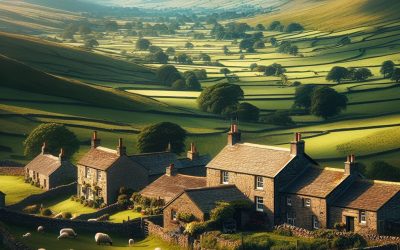
Cumbria, England
Cumbria, located in the northwest of England, is a county known for its stunning natural beauty and rich history. It is bordered by Scotland to the north, Northumberland to the east, County Durham and North Yorkshire to the southeast, Lancashire to the south, and the Irish Sea to the west. Cumbria has a long and fascinating history, with evidence of human habitation dating back to the Stone Age. The county is also home to the Lake District National Park, which is renowned for its breathtaking landscapes and outdoor activities. Cumbria’s natural beauty is one of its biggest draws for visitors. The county is home to the Lake District National Park, which covers an area of over 2,300 square kilometers and is considered one of the most beautiful places in the UK. The park is characterized by its stunning lakes, rugged mountains, and picturesque villages. It offers a wide range of outdoor activities, including hiking, cycling, boating, and wildlife watching. In addition to its natural beauty, Cumbria also has a rich history that can be explored through its many historic sites and landmarks. The county has a long and fascinating history that dates back thousands of years. It was once part of the ancient kingdom of Rheged and later became an important center for Roman occupation. Cumbria is also home to several historic castles and stately homes, including Carlisle Castle and Muncaster Castle. Summary Cumbria is a county with natural beauty and rich history. The Lake District National Park is the crown jewel of Cumbria and worth exploring. Cumbria’s coastal towns and villages are worth discovering. Cumbria has a rich...

Cornwall, England
Cornwall, located in the southwestern part of England, is a region known for its stunning coastline, rich history, and vibrant culture. This blog post will provide a comprehensive guide to Cornwall, covering its history from ancient times to the present day, the best beaches and walks along its coastline, its culinary heritage including the famous Cornish pasty, its mining industry and popular mining sites to visit, its artistic and cultural scene with museums, galleries, and festivals, its beautiful gardens, the legends of King Arthur associated with the region, its diverse wildlife, the best places to stay in Cornwall, and the top attractions that should not be missed. Whether you are a history buff, a nature lover, or simply seeking a relaxing beach holiday, Cornwall has something to offer for everyone. Summary Cornwall has a rich history dating back to ancient times, with evidence of human settlement from the Neolithic period. The coastline of Cornwall is home to some of the most stunning beaches and walks in the UK, including the famous South West Coast Path. The Cornish pasty is a delicious culinary heritage of Cornwall, with a history dating back to the 13th century. Cornwall’s mining heritage is a fascinating part of its history, with tin and copper mining playing a significant role in the region’s economy for centuries. Cornwall has a thriving artistic and cultural scene, with museums, galleries, and festivals showcasing the region’s unique heritage and contemporary creativity. The History of Cornwall: From Ancient Times to the Present Day Cornwall has a rich and fascinating history that dates back thousands of years. In prehistoric times, Cornwall...

Discovering the Hidden Gems of Zhytomyr: A British Traveller’s Guide
Zhytomyr, a lesser-known destination in Ukraine, is a hidden gem that British travellers should consider visiting. Located in the western part of the country, Zhytomyr offers a unique blend of rich history, stunning architecture, delicious cuisine, and warm hospitality. While it may not be as well-known as other Ukrainian cities like Kyiv or Lviv, Zhytomyr has plenty to offer for those seeking an off-the-beaten-path experience. Summary Zhytomyr is a hidden gem for British travellers looking for an off-the-beaten-path destination. The city has a rich history dating back to the 10th century, with many historical sites to explore. The picturesque old town is a must-see, with stunning architecture ranging from Baroque to Art Nouveau. Foodies will love sampling the local cuisine, including traditional dishes and hidden foodie spots. Visitors can experience Ukrainian hospitality and culture by meeting the friendly locals. Uncovering the Rich History of Zhytomyr: From the 10th Century to Today Zhytomyr has a fascinating history that dates back to the 10th century. It was founded by Prince Zhytomyr in the early medieval period and quickly became an important center of trade and culture. Throughout its history, Zhytomyr has witnessed numerous key events, including battles, invasions, and political changes. To delve into the city’s history, visitors can explore its historical landmarks and museums. One of the must-see attractions is the Old Water Tower, which dates back to the 19th century and offers panoramic views of the city. The Zhytomyr Historical Museum is another must-visit destination, showcasing artifacts and exhibits that tell the story of the city’s past. Exploring the Picturesque Old Town: Must-See Sights and Attractions The Old Town...

The Fascinating Properties of Technetium (Tc): Exploring the Versatile Element
Technetium (Tc) is a chemical element that is known for its unique properties and characteristics. It is the lightest element in the periodic table that does not have any stable isotopes. Technetium was first discovered in 1937 by Italian physicist Emilio Segrè and his team at the University of Palermo. It is a silvery-gray metal that is highly radioactive and has a relatively short half-life. One of the most fascinating aspects of Technetium is its lack of stable isotopes. Unlike other elements, which have at least one stable isotope, Technetium only exists in radioactive forms. This makes it a highly valuable element for various applications, particularly in nuclear medicine and industrial processes. Technetium’s unique properties and behavior have made it a subject of great interest for scientists and researchers around the world. Summary Technetium is the only element with no stable isotopes. Technetium was discovered in 1937 and has been used in nuclear medicine since the 1950s. Technetium’s unique electronic configuration makes it useful in medical radioisotope production and industrial applications. Technetium plays a crucial role in understanding the behaviour of other elements and in nuclear waste management. Technetium has potential as a catalyst for chemical reactions and is the subject of ongoing research and development. Technetium’s Discovery and Early Uses in Nuclear Medicine Technetium was first discovered by Emilio Segrè and his team in 1937. They were conducting experiments on molybdenum, another element, when they observed an unexpected radioactive decay product. This product turned out to be Technetium, which was named after the Greek word “technetos,” meaning “artificial.” The discovery of Technetium was significant because it was the...