So, why exactly is our planet heating up? It all boils down to something called the Greenhouse Effect. Think of it like a cosy blanket around the Earth, trapping some of the sun’s heat. The problem isn’t the blanket itself – we need it to keep us from freezing – but it’s that we’re making the blanket thicker, causing things to get too warm.
What is the Greenhouse Effect?
At its core, the Greenhouse Effect is a natural process that makes our planet habitable. Without it, Earth would be a frozen wasteland, far too cold for life as we know it to exist. It’s all about how certain gases in our atmosphere interact with the sun’s energy.
The Sun’s Energy Arrives
The journey begins with the sun. It bombards Earth with a constant stream of energy in the form of sunlight. This energy travels through space and reaches our atmosphere. A good portion of this sunlight is reflected back into space by clouds, ice, and the Earth’s surface.
Visible Light and Insolation
The incoming solar radiation, often called insolation, is primarily made up of visible light, but also includes ultraviolet (UV) and infrared (IR) radiation. When this solar energy hits the Earth’s surface – oceans, land, plants – it’s absorbed. This absorption warms the planet.
Earth Radiates Heat Back Out
Now, here’s where the “greenhouse” part comes into play. As the Earth’s surface warms up, it starts to release energy back into the atmosphere. But instead of sending out visible light, it radiates this energy as heat, specifically in the form of infrared radiation.
Infrared Radiation and Thermal Energy
This infrared radiation is like heat that you can feel, but can’t see. It’s the warmer Earth trying to shed some of its excess energy back into the cold vacuum of space.
The Role of Greenhouse Gases
This is where the crucial players, the greenhouse gases, come in. They are a specific set of gases in our atmosphere that have a rather peculiar property: they are transparent to incoming visible light from the sun, but they are excellent at absorbing and re-emitting the infrared radiation that Earth sends back out.
Key Greenhouse Gases
The most famous greenhouse gas is carbon dioxide (CO2), but it’s not the only one. Other significant players include:
- Methane (CH4): This gas is more potent than CO2 in trapping heat, although it stays in the atmosphere for a shorter time.
- Nitrous Oxide (N2O): This also has a stronger warming potential than CO2 and persists in the atmosphere for a long time.
- Water Vapour (H2O): This is actually the most abundant greenhouse gas and plays a huge role in the natural greenhouse effect. However, its concentration in the atmosphere is largely controlled by temperature, so it acts more as a feedback than a primary driver of warming.
- Ozone (O3): In the troposphere (the lower part of the atmosphere), ozone is a greenhouse gas. In the stratosphere, however, it forms the protective ozone layer.
- Halocarbons (like CFCs and HFCs): These are synthetic gases often used in refrigerants and aerosols. They are extremely potent greenhouse gases.
How They Trap Heat
When infrared radiation is emitted by the Earth’s surface, these greenhouse gases absorb it. Once absorbed, they don’t just keep it; they re-emit it in all directions, including back down towards the Earth’s surface. This process effectively traps heat within the atmosphere, preventing it from escaping directly into space. It’s like closing the lid on a pot of water – the heat builds up inside.
Natural vs. Enhanced Greenhouse Effect
It’s vital to understand that the Greenhouse Effect itself is a good thing. It’s the enhanced Greenhouse Effect, caused by human activities, that’s leading to the warming we’re experiencing.
The Natural Balance
For millions of years, the Earth’s climate has fluctuated, but there was a relatively stable balance between the incoming solar radiation and the outgoing infrared radiation, maintained by natural levels of greenhouse gases. This balance kept temperatures within a range that allowed life to thrive and evolve.
Earth’s Past Climate
Think about ice ages. These were periods when the Earth was significantly colder, and even then, the natural greenhouse effect was still operating, just at a lower intensity due to variations in greenhouse gas concentrations.
Human Impact: The Accelerator
The Industrial Revolution marked a turning point. Since then, human activities have dramatically increased the concentration of greenhouse gases in the atmosphere, particularly CO2. This extra blanket is trapping more heat than ever before, leading to the observed global warming.
Burning Fossil Fuels
This is the big one. The combustion of fossil fuels – coal, oil, and natural gas – for electricity generation, transportation, and industry releases vast amounts of CO2 into the atmosphere. It’s essentially releasing carbon that was locked away underground for millions of years.
Coal Power Plants
When coal is burned, its carbon content reacts with oxygen to produce CO2. These plants were once the backbone of industrialised nations and continue to be significant contributors to greenhouse gas emissions globally.
Internal Combustion Engines
Cars, trucks, planes, and ships all rely on burning fossil fuels. The exhaust pipes of these vehicles are releasing CO2 directly into the atmosphere on a massive scale.
Industrial Processes
Many industrial activities, from cement production to manufacturing, also release significant amounts of greenhouse gases, either directly or indirectly through energy consumption.
Deforestation
Trees are amazing. They absorb CO2 from the atmosphere during photosynthesis. When we clear forests for agriculture, logging, or urban development, we’re not only losing that carbon-absorbing capacity, but the trees that are cut down are often burned or decompose, releasing their stored carbon back into the atmosphere as CO2.
Land-Use Change
Converting forests to farmland or urban areas changes the way the land interacts with the atmosphere. This often leads to increased emissions.
Agriculture
Modern agricultural practices also contribute. Livestock, especially cattle, produce methane as part of their digestive process. The use of nitrogen-based fertilisers in crop farming releases nitrous oxide.Rice paddies, too, can be a significant source of methane.
Livestock and Methane
The digestive system of ruminant animals (like cows and sheep) contains microbes that break down plant matter through a process called enteric fermentation, which produces methane gas.
Fertiliser Use
Nitrogen fertilisers, when applied to soil, can undergo microbial processes that release nitrous oxide. This gas is a powerful greenhouse gas.
Consequences of an Enhanced Greenhouse Effect
The extra heat trapped by the thicker blanket isn’t just making things a bit warmer; it’s fundamentally altering our planet’s climate system, with wide-ranging consequences.
Rising Global Temperatures
This is the most direct and obvious consequence. Average global temperatures have been steadily increasing, leading to more frequent and intense heatwaves.
Heatwaves
What used to be considered unusually hot days or weeks are becoming more commonplace. These prolonged periods of extreme heat can have serious impacts on human health, agriculture, and ecosystems.
Melting Ice and Glaciers
As temperatures rise, ice at the poles and on mountaintops melts. This contributes to sea-level rise and disrupts fragile polar ecosystems.
Polar Ice Caps
The vast ice sheets in Greenland and Antarctica are losing mass at an accelerated rate. This is a major driver of global sea-level rise.
Glacial Retreat
Glaciers around the world, from the Himalayas to the Alps, are shrinking or disappearing. These glaciers are important sources of freshwater for many regions, and their loss has serious implications for water security.
Sea Level Rise
The melting of ice sheets and glaciers, combined with the thermal expansion of seawater as it warms, is causing sea levels to rise globally. This threatens coastal communities, agricultural land, and vital infrastructure.
Thermal Expansion
As water warms, it expands. The oceans have absorbed a significant amount of the excess heat, leading to an increase in their volume.
Coastal Flooding
Rising sea levels mean that high tides reach further inland, leading to more frequent and severe coastal flooding. This can inundate homes, businesses, and critical infrastructure.
Salinisation of Freshwater
In low-lying coastal areas, rising sea levels can lead to saltwater intruding into freshwater sources, making them unusable for drinking water and irrigation.
Changes in Weather Patterns
The extra energy in the atmosphere is also fuelling more extreme weather events. We’re seeing an increase in the intensity and frequency of:
Extreme Rainfall and Flooding
Warmer air can hold more moisture, leading to more intense rainfall events in some areas, increasing the risk of flash floods and riverine flooding.
Flash Floods
Sudden, intense downpours can overwhelm drainage systems, causing rapid flooding in urban and rural areas.
Droughts
Paradoxically, while some areas experience more rain, others are becoming drier. Changes in atmospheric circulation patterns can lead to prolonged periods of low rainfall, exacerbating drought conditions.
Water Scarcity
Droughts lead to reduced water availability for agriculture, drinking water, and industry, with significant economic and social consequences.
Stronger Storms
The warming oceans provide more energy for tropical storms, potentially leading to more powerful hurricanes and typhoons.
Hurricane Intensity
While the frequency of hurricanes might not change drastically, there’s evidence suggesting that the most intense storms are becoming stronger.
Impacts on Ecosystems and Biodiversity
Plants and animals are adapted to specific climate conditions. As these conditions change rapidly, many species struggle to adapt, leading to shifts in habitats, migrations, and even extinctions.
Coral Bleaching
Warmer ocean temperatures cause corals to expel the algae that live within their tissues and provide them with food and colour, leading to coral bleaching and, if sustained, death.
Ocean Acidification
The oceans absorb a significant amount of the CO2 we release. This absorption leads to a decrease in pH, known as ocean acidification, which harms marine organisms with shells and skeletons, such as corals and shellfish.
Shifting Habitats
As temperatures and rainfall patterns change, the natural habitats of many species are shifting. Some can migrate to more suitable areas, but others, particularly those with limited mobility or specialised needs, may not survive.
Species Migration
Animals are observed moving to higher latitudes or altitudes in search of cooler temperatures.
Impacts on Human Health and Societies
The consequences of the Greenhouse Effect extend to human well-being. Increased heat stress, changes in disease patterns, and disruptions to food and water security all pose significant challenges.
Food Security
Changes in temperature, rainfall, and the frequency of extreme weather events can negatively impact crop yields, leading to food shortages and price increases.
Agricultural Disruption
Droughts, floods, and heatwaves can devastate agricultural production, threatening livelihoods and global food supplies.
Water Scarcity
Droughts and increased evaporation in some regions lead to a decrease in freshwater availability, creating competition for this vital resource.
Public Health Crises
Heatwaves can lead to heatstroke and exacerbate existing cardiovascular and respiratory conditions. Changes in temperature and rainfall can also alter the distribution of vector-borne diseases like malaria and dengue fever.
What Can Be Done?
Understanding the Greenhouse Effect is the first step towards addressing the problem. The good news is that there are solutions, though they require collective action and significant changes.
Reducing Greenhouse Gas Emissions
The most crucial action is to drastically cut down the amount of greenhouse gases we release into the atmosphere.
Transitioning to Renewable Energy
Shifting away from fossil fuels towards renewable energy sources like solar, wind, and geothermal power is essential.
Solar Power
Harnessing the sun’s energy through solar panels is becoming increasingly affordable and efficient.
Wind Power
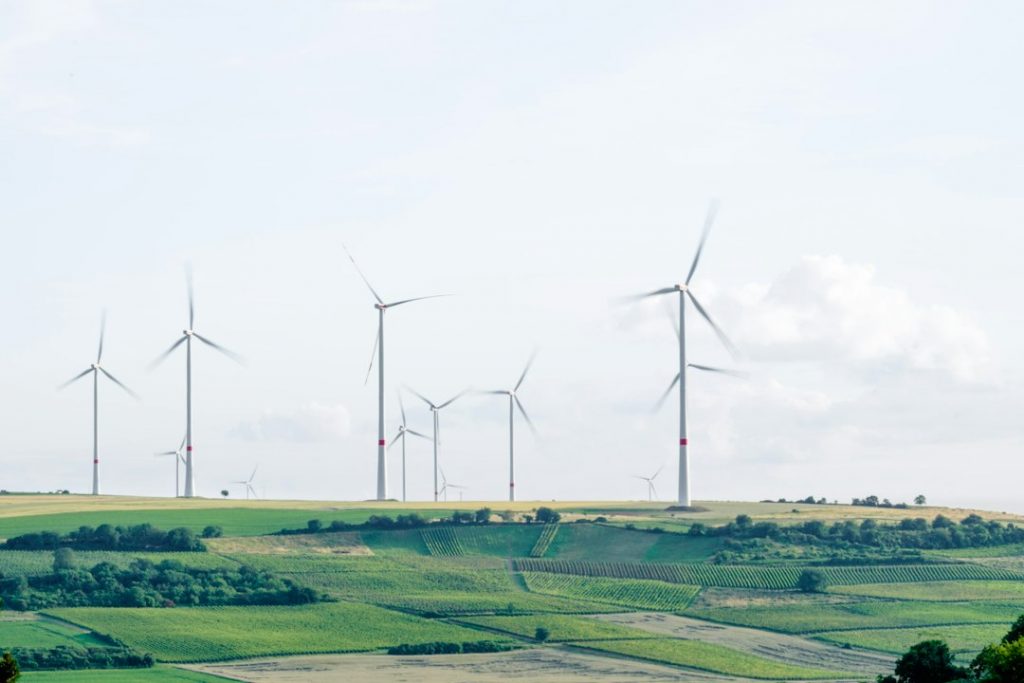
Wind turbines can generate electricity without producing greenhouse gas emissions.
Improving Energy Efficiency
Using less energy in our homes, buildings, and transportation systems can significantly reduce emissions.
Home Insulation
Proper insulation keeps homes warmer in winter and cooler in summer, reducing the need for heating and cooling.
Efficient Appliances
Choosing energy-efficient appliances for your home can lower electricity consumption.
Sustainable Transportation
Promoting public transport, cycling, walking, and electric vehicles can reduce emissions from the transport sector.
Electric Vehicles (EVs)
Replacing petrol and diesel cars with electric alternatives, powered by renewable electricity, can drastically cut transport emissions.
Carbon Capture and Storage (CCS)
While still developing, CCS technologies aim to capture CO2 emissions from industrial sources and store them underground.
Afforestation and Reforestation
Planting more trees and restoring degraded forests can help absorb CO2 from the atmosphere.
International Cooperation and Policy
Addressing climate change requires global collaboration and strong government policies to incentivise emission reductions and promote sustainable practices.
Climate Agreements
International agreements like the Paris Agreement aim to set targets and facilitate cooperation among nations to limit global warming.
Carbon Pricing
Putting a price on carbon emissions, through mechanisms like carbon taxes or cap-and-trade systems, can encourage businesses and individuals to reduce their carbon footprint.
Individual Actions
While large-scale changes are critical, individual choices also matter.
Reducing Consumption
Consuming less, particularly single-use items and products with high carbon footprints, can make a difference.
Diet Choices
Reducing meat consumption, particularly red meat, can have a significant impact due to the greenhouse gas emissions associated with livestock farming.
Recycling and Waste Reduction
Properly managing waste and reducing the amount we send to landfills can also contribute to emission reductions.
The Interconnectedness of Earth’s Systems
It’s important to remember that the Greenhouse Effect isn’t just an isolated phenomenon. It’s deeply intertwined with all of Earth’s systems – the oceans, the atmosphere, the land, and the living organisms that inhabit them.
Ocean Feedback Loops
The oceans are massive carbon sinks, absorbing a significant portion of our CO2 emissions. However, as oceans warm and become more acidic, their ability to absorb CO2 can be affected, potentially creating a feedback loop where more CO2 remains in the atmosphere.
Ocean Currents
Changes in temperature can also affect ocean currents, which play a vital role in distributing heat around the globe. Disruptions to these currents could have far-reaching consequences for regional climates.
Atmospheric Circulation
The Earth’s atmosphere is a dynamic system. Increased heat energy in the atmosphere can alter large-scale atmospheric circulation patterns, leading to the shifts in weather we observe.
Jet Streams
Changes in temperature gradients can influence the position and strength of jet streams, which in turn affect weather patterns in mid-latitude regions.
Permafrost Thaw
In Arctic regions, vast areas of permafrost – ground that has been frozen for thousands of years – are thawing. This permafrost contains enormous amounts of trapped organic material. As it thaws, this material decomposes, releasing significant amounts of methane, a potent greenhouse gas, into the atmosphere. This is another example of a warming feedback loop.
Methane Release
The decomposition of ancient organic matter in thawing permafrost releases methane, which can further accelerate warming.
The Science Behind the Warming
The understanding of the Greenhouse Effect and its role in global warming is built on decades of scientific research, observation, and modelling.
Basic Physics and Chemistry
The fundamental principles of how greenhouse gases absorb and re-emit infrared radiation are well-established physics. We’ve understood this for over a century.
Tyndall’s Experiments
In the mid-19th century, physicist John Tyndall conducted experiments showing that certain gases, like water vapour and carbon dioxide, could absorb heat radiation, making them crucial for regulating Earth’s temperature.
Arrhenius’s Calculations
Svante Arrhenius, a Swedish chemist, later calculated in the late 19th century that a doubling of CO2 in the atmosphere could lead to a significant warming of the planet.
Climate Modelling
Scientists use complex computer models to simulate the Earth’s climate system. These models incorporate various factors, including atmospheric composition, ocean currents, and solar radiation, to predict future climate scenarios.
Scenarios and Projections
Climate models produce a range of projections based on different assumptions about future greenhouse gas emissions. These models help us understand the potential range of future warming and its impacts.
Emission Scenarios
Models are run with various “Representative Concentration Pathways” (RCPs) or “Shared Socioeconomic Pathways” (SSPs) that describe different plausible futures for human society and emissions.
Observational Data
A wealth of observational data from weather stations, satellites, ocean buoys, and ice cores provides clear evidence of warming trends and changes in atmospheric composition.
Temperature Records
Global average temperatures, measured over land and ocean surfaces, show a clear upward trend over the past century and a half.
Instrumental Records
Direct temperature measurements from thermometers worldwide provide a detailed picture of warming.
Ice Core Data
Ice cores drilled from glaciers and ice sheets contain trapped air bubbles that provide a historical record of atmospheric composition, including CO2 concentrations, stretching back hundreds of thousands of years. This data shows a strong correlation between CO2 levels and global temperatures.
Atmospheric CO2 Analysis
Scientists analyse the air trapped in ice cores to determine past atmospheric concentrations of greenhouse gases.
In Conclusion
The Greenhouse Effect is a natural and essential process that keeps Earth warm enough for life. However, human activities, particularly the burning of fossil fuels and deforestation, have significantly increased the concentration of greenhouse gases in the atmosphere. This enhanced greenhouse effect is causing the planet to warm at an alarming rate, leading to profound changes in our climate and environment. Understanding this process is critical, not just for academic interest, but to inform the urgent actions needed to mitigate its worst impacts and build a more sustainable future for everyone.
FAQs
What is the greenhouse effect?
The greenhouse effect is a natural process that warms the Earth’s surface. It occurs when certain gases in the atmosphere trap heat from the sun, preventing it from escaping into space.
What are greenhouse gases?
Greenhouse gases are gases that contribute to the greenhouse effect by absorbing and emitting radiation. The main greenhouse gases in Earth’s atmosphere are carbon dioxide, methane, nitrous oxide, and water vapor.
How does the greenhouse effect lead to global warming?
Human activities, such as burning fossil fuels and deforestation, have increased the concentration of greenhouse gases in the atmosphere. This enhanced greenhouse effect traps more heat, leading to a rise in global temperatures, known as global warming.
What are the impacts of global warming?
The impacts of global warming include rising sea levels, more frequent and severe weather events, changes in precipitation patterns, and disruptions to ecosystems and wildlife.
What can be done to mitigate the greenhouse effect and global warming?
Mitigating the greenhouse effect and global warming requires reducing greenhouse gas emissions through measures such as transitioning to renewable energy sources, improving energy efficiency, and implementing policies to limit carbon emissions.