So, you’ve probably heard the news: the last few years have been, well, really, really hot. It’s not just a feeling; the data is clear. We’re talking about the hottest years ever recorded, and it’s a trend that’s raising some eyebrows and, frankly, some concerns about what it all means for Earth. Let’s break down what this actually means, why it’s happening, and what we might expect going forward.
It’s a bit of a stark reality, but the numbers don’t lie. When scientists talk about “hottest years ever recorded,” they’re relying on decades, even centuries, of data collected from weather stations, ocean buoys, satellites, and even ice cores. This isn’t a snapshot; it’s a long-term picture.
What Does “Hottest Ever” Actually Look Like?
Think about it practically. What’s considered a “hot” year? It’s not just about a few heatwaves here and there. We’re talking about a sustained, global average temperature that consistently breaks previous records.
- The Trend is Undeniable: We’ve seen a clear upward march in global average temperatures over the past century, with the most significant jumps happening in recent decades. Each new year seems to nudge the previous record a little higher.
- Where’s the Heat Showing Up? It’s not uniform, but most regions are experiencing hotter summers, milder winters, and a general increase in extreme heat events. Oceans are also absorbing a huge amount of this extra heat.
- Which Years Are We Talking About? Generally, the last decade has been packed with record-breaking years. We’re talking about 2016, 2020, and most recently, 2023 really taking the cake as one of the hottest, if not the hottest, on record for many datasets. It’s a pattern, not a fluke.
Why the Thermometer is Rising
Okay, so it’s getting hotter. But why, exactly? While natural fluctuations in Earth’s climate have always occurred, the speed and scale of recent warming point to a primary driver that’s hard to ignore.
The Human Fingerprint
There’s a consensus amongst climate scientists that the increased concentration of greenhouse gases in our atmosphere is the main culprit. These gases trap heat, much like a blanket around the planet.
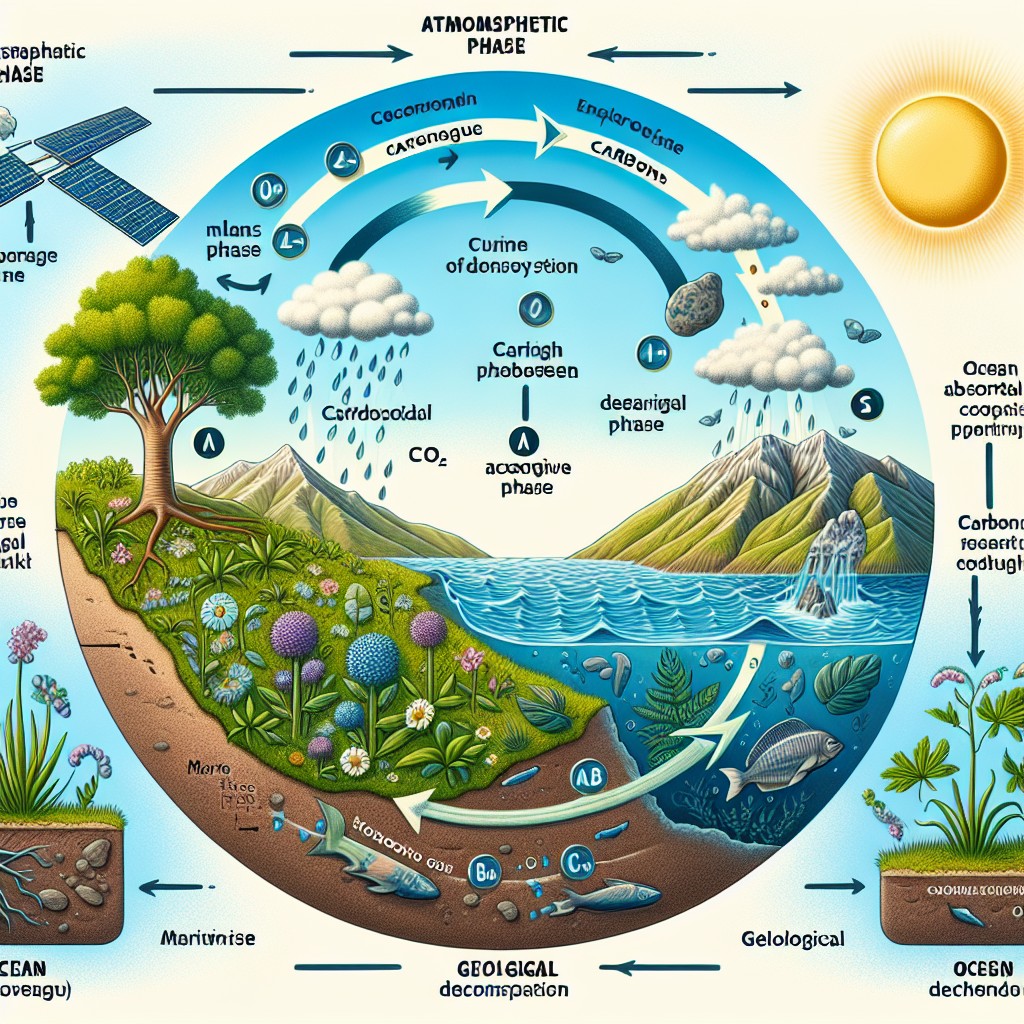
- Carbon Dioxide (CO2) is a Big One: Burning fossil fuels for energy (coal, oil, gas) and deforestation are the biggest contributors to rising CO2 levels. This has been continuing at a significant pace.
- Other Greenhouse Gases Matter Too: Methane, nitrous oxide, and certain fluorinated gases also play a role, often with a more potent warming effect per molecule than CO2, even if their concentrations are lower. Agriculture and industrial processes are key sources here.
- Natural Cycles Aren’t Enough: While natural drivers like solar activity and volcanic eruptions can influence climate over shorter periods, they don’t explain the sustained and rapid warming we’re witnessing now. The current warming trend far outpaces anything explainable by natural variations alone.
The ‘Greenhouse Effect’ Explained (Simply)
Imagine our atmosphere like a glass house. Sunlight comes in and warms the Earth’s surface. The Earth then radiates some of that heat back out. Greenhouse gases in the atmosphere act like the glass, allowing sunlight in but trapping some of the outgoing heat. More greenhouse gases mean a thicker “glass,” trapping more heat.
What Does All This Heat Actually Do?
The implications of these record-breaking warm years go far beyond just needing to buy more ice cream. The excess heat is fundamentally changing our planet’s systems in noticeable ways.
More Than Just Hot Days
It’s about the ripple effect. When the overall temperature of the planet increases, it affects everything from weather patterns to sea levels.
- Extreme Weather Gets Cranked Up: This is one of the most visible impacts. We’re seeing more frequent and intense heatwaves, which can lead to devastating wildfires. But it’s not just heat; a warmer atmosphere holds more moisture, meaning heavier rainfall and increased risk of flooding in some areas, and more severe droughts in others.
- Oceans Are Feeling the Burn: Oceans absorb a massive amount of the excess heat, leading to rising sea temperatures. This contributes to coral bleaching, impacts marine ecosystems, and fuels more powerful hurricanes and typhoons.
- Ice Is Melting: Glaciers and ice sheets are shrinking at an alarming rate. This not only contributes to sea-level rise but also affects freshwater supplies for millions of people who rely on glacial meltwater.
A Shifting Climate Palette
Think of Earth’s climate as a complex painting. Adding more heat is like smudging colours, blurring lines, and changing the overall picture. We’re seeing regions that were once predictable experience unusual weather patterns.
Looking Ahead: What the Hot Years Tell Us About Tomorrow
The current record-breaking temperatures aren’t just a historical footnote; they’re a pretty strong indicator of what we can anticipate for the future, especially if greenhouse gas emissions continue at current rates.
Future Projections: It’s Not Just About More Heat
The trend suggests that future years are likely to be even hotter, but the consequences extend beyond simple temperature increases.
- Continued Rise in Extreme Events: We can expect the frequency and intensity of heatwaves, droughts, floods, and storms to continue increasing. This will pose significant challenges to infrastructure, agriculture, and human health.
- Sea-Level Rise Accelerates: The melting of ice and the thermal expansion of water (warm water takes up more space) will lead to a steady increase in sea levels. This threatens coastal communities and ecosystems worldwide.
- Ecosystems Under Pressure: Many plant and animal species are struggling to adapt to the rapid changes. We’re likely to see shifts in migration patterns, biodiversity loss, and potential ecosystem collapse in vulnerable areas.
- Impact on Humans: This means more challenges for food security, water availability, public health (heat-related illnesses, spread of diseases), and potential for displacement due to environmental changes.
The ‘Feedback Loops’ to Watch
Scientists are particularly concerned about positive feedback loops intensifying the warming. For example, as Arctic sea ice melts, darker ocean water is exposed, which absorbs more sunlight than reflective ice, leading to further warming and more melting. This is a cycle that amplifies the initial warming.
So, What Can We Actually Do About It?
| Year | Global Average Temperature Anomaly (°C) | Significance |
|---|---|---|
| 2016 | 0.94 | Warmest year on record at the time |
| 2019 | 0.98 | Second warmest year on record |
| 2020 | 1.02 | Tied with 2016 as the warmest year on record |
| 2021 | 0.93 | One of the hottest years on record |
It’s easy to feel a bit overwhelmed by the scale of the issue, but understanding what’s happening is the first step. The good news is that there are actions that can be taken, both on a large scale and as individuals.
The Importance of Mitigation and Adaptation
Addressing climate change involves two main strategies: reducing the causes of warming and preparing for the changes that are already happening or are unavoidable.
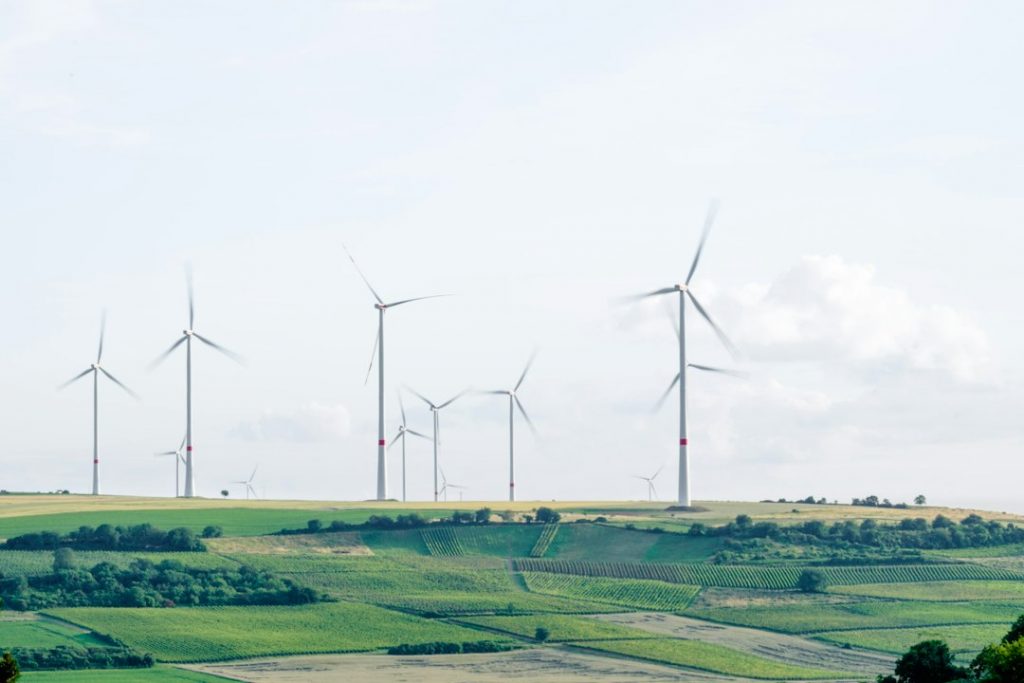
- Mitigation: Cutting Emissions: This is the big one. Shifting away from fossil fuels to renewable energy sources like solar and wind power is crucial. Improving energy efficiency in our homes, transport, and industries also plays a vital role. Policies that support these transitions, like carbon pricing or investment in green technologies, are key.
- Adaptation: Living with the Changes: Even with aggressive mitigation, some degree of future warming is locked in. Adaptation involves preparing communities and ecosystems for these impacts. This could mean building sea defences, developing drought-resistant crops, improving early warning systems for extreme weather events, and ensuring access to clean water.
- Individual Actions Matter: While large-scale policy changes are essential, individual choices can collectively make a difference. This includes reducing energy consumption at home, opting for sustainable transport, making informed dietary choices (e.g., reducing meat consumption), and supporting businesses and politicians committed to climate action.
The Race Against Time
The record-breaking hot years serve as a stark reminder that the window of opportunity to limit the most severe impacts of climate change is narrowing. The scientific evidence is compelling, and the observed changes are happening now. Understanding these trends allows us to make more informed decisions about our future and the health of the planet.
FAQs
What are the hottest years ever recorded on Earth?
The hottest years ever recorded on Earth are 2016, 2019, and 2020, according to data from NASA and the National Oceanic and Atmospheric Administration (NOAA).
What factors contribute to the increase in global temperatures?
The increase in global temperatures is primarily attributed to human activities, such as the burning of fossil fuels, deforestation, and industrial processes, which release greenhouse gases into the atmosphere.
How do the hottest years ever recorded impact the future of Earth?
The hottest years ever recorded are indicative of a long-term trend of global warming, which has significant implications for the future of Earth, including rising sea levels, more frequent and severe weather events, and disruptions to ecosystems and agriculture.
What measures can be taken to mitigate the impact of rising global temperatures?
Measures to mitigate the impact of rising global temperatures include reducing greenhouse gas emissions, transitioning to renewable energy sources, implementing energy-efficient technologies, and adopting sustainable land use practices.
What are the potential consequences if global temperatures continue to rise?
If global temperatures continue to rise, the potential consequences include more extreme heatwaves, droughts, and wildfires, as well as the loss of polar ice caps, leading to further sea level rise and the displacement of coastal communities.