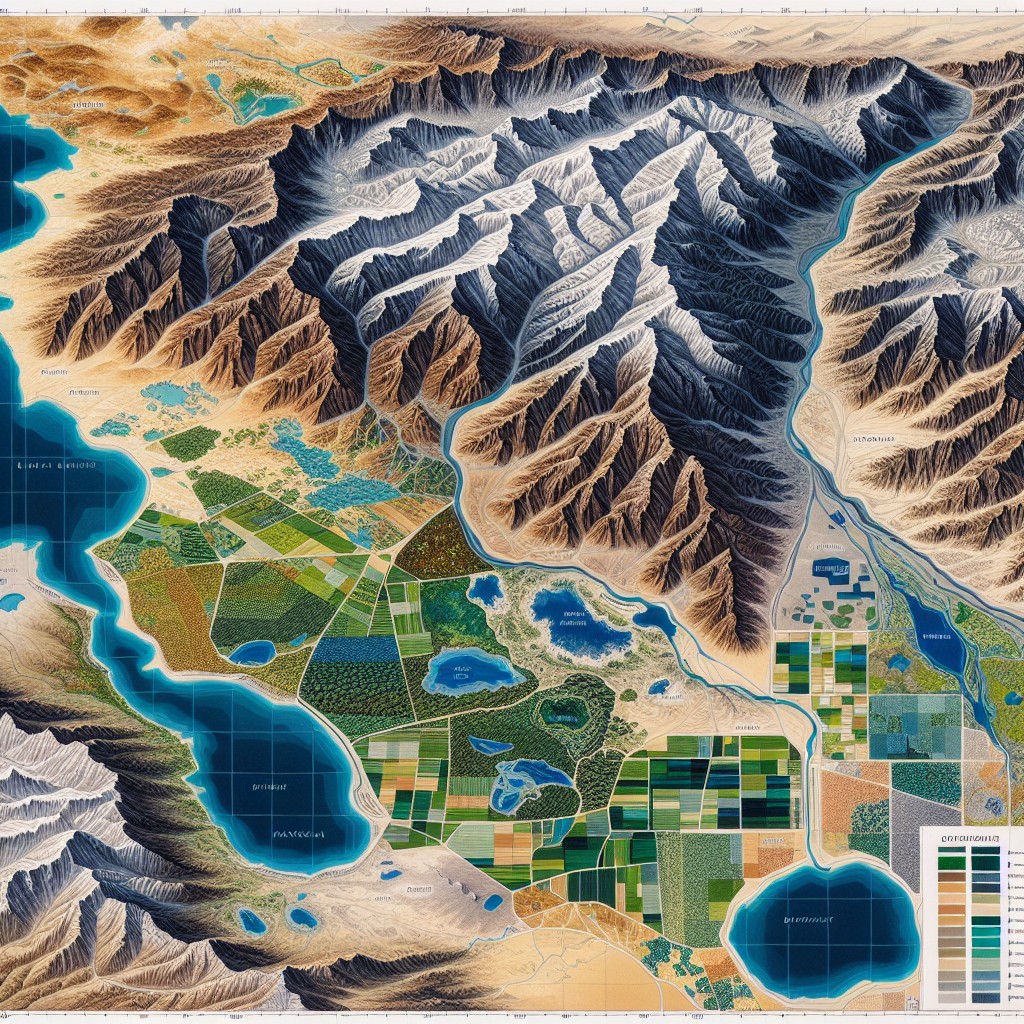
The Strait of Hormuz, a narrow waterway connecting the Persian Gulf to the open ocean, has long been recognised as a critical artery for global energy markets. Its importance is not an exaggeration, nor is its current vulnerability. Recent events have amplified its strategic significance, moving it from a theoretical concern to an active crisis point. The consequences of disruption in this maritime chokepoint are now evident, impacting daily life far beyond its immediate shores.
Geographical Constraints and Throughput
The Strait’s physical characteristics are central to its role. At its narrowest, it is just 21 nautical miles wide, with shipping lanes measuring only two miles in width in each direction, separated by a two-mile buffer zone. This confined geography amplifies any tension or conflict.
Limited Alternatives for Gulf Producers
For the major oil-producing nations bordering the Persian Gulf, direct access to the sea is predominantly through this passage. Saudi Arabia, Iran, Iraq, Kuwait, Qatar, and the United Arab Emirates rely heavily on the Strait for their hydrocarbon exports. While some alternative pipelines exist, their capacity is finite and insufficient to reroute the vast majority of oil currently transiting Hormuz. The current closure underscores the lack of viable alternatives for this scale of supply.
Dominance of Crude Oil and Gas
Prior to the current conflict, the Strait facilitated the passage of approximately one-fifth of the world’s daily oil consumption. This figure represents billions of dollars in daily trade and underpins global supply chains. Furthermore, a substantial volume of liquefied natural gas (LNG) from Qatar also moves through these waters, primarily destined for Asian markets. The interruption of these flows has tangible effects on energy prices and geopolitical stability.
Escalating Tensions and Collateral Damage
The Strait’s geopolitical landscape has always been complex, but recent developments have significantly heightened risks. A dynamic and dangerous situation has unfolded, directly impacting commercial shipping.
US-Israeli Strikes and Iranian Retaliation
On February 28, 2026, joint US-Israeli military strikes on Iran triggered a stark and immediate response. This escalation marked a turning point, transforming long-standing tensions into direct military engagement. The subsequent actions by the Islamic Revolutionary Guard Corps (IRGC) against vessels perceived as linked to the US or Israel effectively turned the Strait into a conflict zone.
Declining Commercial Traffic
The immediate impact on commercial shipping was dramatic. Data indicates a sharp decline in traffic, dropping from a historical average of 138 ships daily. This reduction is not a minor adjustment; it reflects a near-complete cessation of routine commercial transit due to active threats and prohibitive risks.
Attacks on Commercial Vessels
Amidst these rising tensions, there have been confirmed attacks on at least three commercial ships. These incidents serve as stark reminders of the perils faced by vessels attempting to navigate the Strait. Such attacks confirm that commercial shipping is no longer a neutral activity in these waters.
The Economic Fallout of Closure
The effective closure of the Strait has triggered a series of economic consequences felt worldwide. These are not speculative outcomes but observable realities impacting global markets and consumer prices.
Global Oil Supply Disruption
The primary effect has been the blocking of approximately one-fifth of global oil supply. This quantity is significant enough to cause immediate and widespread disruption. The world’s energy sector relies on a steady and predictable flow of resources. The interruption of such a substantial portion has destabilised an already sensitive market.
Rising Gasoline Prices
The link between disrupted supply and consumer prices is direct. Gasoline prices globally have risen, causing immediate pressure on household budgets and industrial costs. This is not a localised phenomenon; economies far removed from the Persian Gulf are feeling the impact at the pump.
Soaring Insurance Premiums
Prior to the full closure, the threat of conflict led to a dramatic increase in insurance premiums for transit through the Strait. These premiums, already substantial, rendered voyages uneconomic for many shipping companies. The additional cost of insuring a vessel and its cargo against war risk was simply too high, contributing to the reduction in traffic even before the Strait was deemed effectively closed.
Reliance on Chokepoints and Limited Alternatives
The current crisis in the Strait of Hormuz underlines a broader vulnerability in the global energy system: its reliance on a limited number of maritime chokepoints.
Global Oil Demand Reliance
Approximately 70% of global oil demand, projected to be around 104 million barrels per day (bpd) in the first half of 2025, relies on chokepoints such as Hormuz. This is a considerable portion, illustrating how concentrated the flow of global energy is through a few critical arteries.
Compounding Risks to Energy Markets
The limited number of viable alternatives for such volumes amplifies risks to energy markets. Should another major chokepoint be significantly disrupted, the cumulative effect could be catastrophic. The current situation in Hormuz serves as a severe warning about the fragility of global energy security. Diversification of supply routes remains a long-term strategic imperative, but one that is complex and expensive to implement at scale.
International Efforts and Future Prospects
| Metrics | Data |
|---|---|
| Location | Between the Persian Gulf and the Gulf of Oman |
| Oil Flow | Approximately 21 million barrels per day |
| Percentage of Global Oil Trade | Around 21% |
| Strategic Importance | Critical for global energy security |
| Geopolitical Tensions | Frequent disputes and potential for conflict |
The severity of the situation has prompted international recognition of the need for a solution. The focus is now on immediate and longer-term strategies to restore stability and secure critical energy flows.
Macron’s Leadership for Post-War Escorts
France’s President Macron has taken a leading role in an international effort to establish military escorts for tankers post-war. The aim is to safely reopen the Strait for commercial traffic. This initiative acknowledges that commercial vessels are currently too vulnerable to transit unescorted. The proposal is a pragmatic response to an immediate security requirement, aiming to reduce the risk profile for shipping.
The Challenge of Safe Reopening
The task of safely reopening the Strait is complex. It requires more than just military escorts. It demands a de-escalation of hostilities, credible security guarantees for all commercial vessels, and a long-term commitment to maritime security in the region. The operational challenges of coordinating such an escort mission, particularly in a volatile environment, are considerable. The ongoing threat from hostile actors will need to be mitigated effectively.
Long-Term Implications for Shipping and Trade
Even if the Strait reopens with escorts, the long-term implications for shipping and trade are significant. Shipping companies may continue to factor in higher risk premiums for the foreseeable future. Trade routes might be re-evaluated to reduce reliance on the Strait where possible, although this is limited by geography. The current crisis will likely lead to a re-assessment of global energy infrastructure and supply chain resilience. The Strait of Hormuz, once simply a vital passage, has become a symbol of geopolitical fragility and the direct economic consequences of conflict.
FAQs
1. What is the significance of the Strait of Hormuz?
The Strait of Hormuz is a narrow waterway located between the Persian Gulf and the Gulf of Oman. It is the most important oil chokepoint in the world, as it is a critical passage for the transportation of oil from the Middle East to the rest of the world.
2. How much oil passes through the Strait of Hormuz?
According to the U.S. Energy Information Administration, approximately 21 million barrels of oil pass through the Strait of Hormuz every day, accounting for about 21% of global petroleum liquids consumption.
3. What are the potential risks associated with the Strait of Hormuz?
The strategic location of the Strait of Hormuz makes it vulnerable to geopolitical tensions and conflicts. Any disruption in the flow of oil through the strait, whether due to political instability, military conflict, or acts of sabotage, could have significant impacts on global oil prices and supply.
4. How does the international community address the security of the Strait of Hormuz?
Several international efforts have been made to ensure the security of the Strait of Hormuz, including naval patrols and escort missions to protect oil tankers passing through the waterway. The United States, in particular, has been involved in maintaining the security of the strait.
5. Are there alternative routes for transporting oil if the Strait of Hormuz is blocked?
While there are alternative routes for transporting oil, such as the Suez Canal and the Sumed Pipeline, these options may not be able to fully compensate for the loss of oil transportation through the Strait of Hormuz. As a result, any disruption in the strait could have significant impacts on global oil markets.