🧪 Introduction to Chemistry
Unlocking the Secrets of Matter and Change
Chemistry is the science of matter—what it’s made of, how it behaves, and how it changes. It explores everything from the tiniest atoms and molecules to the vast chemical reactions that fuel stars, power engines, and sustain life itself. Often called the “central science,” chemistry connects physics with biology, medicine, geology, environmental science, and even engineering.
At its core, chemistry seeks to answer questions like:
-
What is this substance made of?
-
How does it interact with other substances?
-
Why do some materials burn, rust, or dissolve?
-
How can we create new materials, medicines, or fuels?
From the food we eat to the air we breathe, from cleaning products to smartphones, chemistry is everywhere. It helps explain natural phenomena like fire, digestion, and photosynthesis, while also driving innovations in technology, health, and sustainability.
By studying chemistry, we gain a deeper understanding of the world at a molecular level—and the tools to change it for the better.


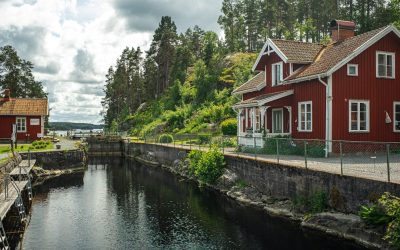
Why Sweden Is One of the World’s Cleanest Energy Economies
So, why is Sweden really making waves when it comes to clean energy? It boils down to a few core things: a genuinely long-term vision, smart investments, and a public that’s pretty much on board. They’ve been actively working towards reducing their reliance on fossil fuels for decades, not just as a trendy idea, but as a fundamental part of their national strategy. This isn’t just about ticking boxes; it’s about creating a sustainable future and a robust economy. It’s a multi-faceted approach, and the results speak for themselves. Sweden’s journey towards a clean energy economy isn’t an overnight success story. It’s built on a foundation of historical resourcefulness and a deep understanding of their environment. Think about it – for centuries, Sweden has relied heavily on its natural resources, from forests for timber and paper to its abundant water for hydroelectric power. This inherent connection to the land fostered an early appreciation for managing these resources wisely. Hydroelectric Power: The Backbone One of the earliest and most significant contributors to Sweden’s clean energy mix is hydroelectric power. The country’s numerous rivers and lakes have been harnessed for electricity generation for over a century. This provided a reliable and largely emission-free source of power, laying a crucial groundwork for later renewable energy expansion. While the most significant expansion of hydropower happened in the mid-20th century, Sweden has been careful to manage its existing facilities. The focus now often shifts to increasing efficiency and minimising environmental impact rather than building vast new dams. Nuclear Power: A Controversial but Clean Component Sweden’s approach to nuclear power is a bit more complex....
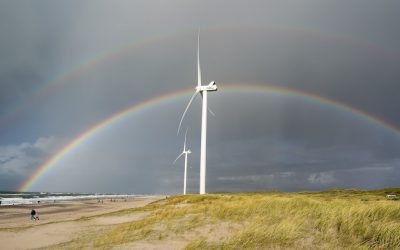
How Denmark Became a Global Wind Energy Superpower
Denmark’s dominance in wind energy didn’t happen overnight. It’s a story built on a blend of foresight, a commitment to renewable energy, and a pragmatic approach to overcoming challenges. So, how did this relatively small Nordic country become a global leader in harnessing the power of the wind? It boils down to a series of deliberate choices and a persistent effort to foster innovation and infrastructure. Denmark’s journey into wind power started not with grand government mandates, but with a grassroots movement and a healthy dose of necessity. In the 1970s, the oil crises hit hard, forcing many nations to rethink their energy sources. Denmark, with its limited domestic fossil fuel reserves, was particularly vulnerable. The Influence of the Oil Crises The oil shocks of 1973 and 1979 were a wake-up call. Suddenly, reliance on imported oil felt precarious. This period fostered a public consciousness about energy security and the need for alternatives. While other countries were focused on nuclear power, a segment of the Danish population began looking towards the wind. A Groundswell of Local Initiative It wasn’t just government policy driving the initial push. A significant portion of the early wind development was driven by ordinary citizens and local communities. Small groups of individuals, concerned about energy independence and environmental impact, started experimenting with building their own wind turbines. These were often small, relatively simple machines, but they were a vital proof of concept. The Rise of Cooperative Wind Farms These early community efforts evolved into what became known as “cooperative wind farms.” Think of it like a neighbourhood pooling resources to invest in a larger turbine....
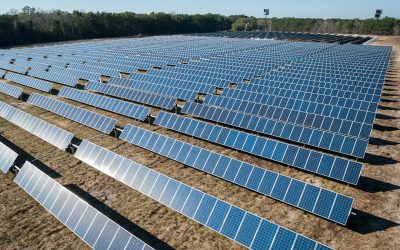
Which Countries Produce the Most Solar Energy Per Person?
When we talk about which countries are leading the charge in solar energy, it’s not always about who has the most panels or the biggest solar farms. Often, the real story lies in how much solar power a country produces relative to its population – essentially, how much sun-powered electricity each person gets. On this front, Australia, with its vast, sunny landscapes and relatively smaller population, often comes out on top, consistently producing the most solar energy per person globally. Cyprus and the Netherlands are also strong contenders making significant strides. Looking at total solar output can be a bit misleading. China, for instance, produces an enormous amount of solar energy in absolute terms, but its massive population means that per person, the contribution isn’t as high as smaller nations. Focusing on solar energy per capita gives us a clearer picture of a country’s commitment to renewable energy for its citizens and its actual progress in transitioning away from fossil fuels. It highlights the efficiency and widespread adoption within a society, rather than just the sheer scale of deployment. Understanding the Metrics: What We’re Measuring When we say “solar energy per person,” we’re generally referring to the amount of electricity generated by solar photovoltaic (PV) systems within a country over a specific period, usually a year, divided by that country’s population for the same period. This metric is typically expressed in kilowatt-hours (kWh) or megawatt-hours (MWh) per person. It’s a good indicator of how deeply solar power has penetrated a nation’s energy mix and how much each individual benefits from or contributes to its production. The Role of Population...
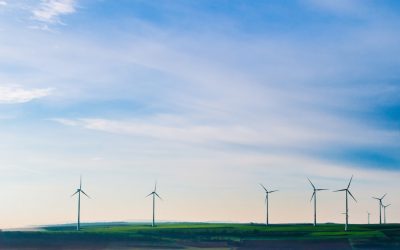
Nations Leading the World in Wind Power Per Capita
When we talk about countries really leaning into wind power, it’s not always about who has the biggest turbines or the most megawatts overall. Sometimes, it’s about how much wind energy they’re generating for each person living there. This per capita view gives us a clearer picture of how embedded wind power is in a nation’s energy strategy and daily life. You might be surprised to learn that some smaller nations are actually punching well above their weight in this arena. The Unsung Heroes of Renewable Energy It’s common to hear about China or the US in discussions about total wind power capacity, and rightly so, given their sheer scale. However, when you divide that capacity or generation by the number of people, a very different set of leaders emerges. These countries, often with smaller populations but a strong commitment to clean energy, are the real frontrunners in integrating wind into their national grids. Their per capita achievements highlight a genuine drive towards decarbonisation and energy independence, rather than just impressive headline figures. Why Per Capita Matters Looking at wind power per capita offers a nuanced perspective. It tells us not just about raw capacity, but about how much of a nation’s energy needs are being met by wind for each individual citizen. This metric is particularly useful for comparing countries of vastly different sizes, giving smaller nations the recognition they deserve for their renewable energy efforts. It’s also a good indicator of policy effectiveness and public acceptance of wind as a viable power source. Top Contenders and Their Strategies So, who are these nations showing the rest of...
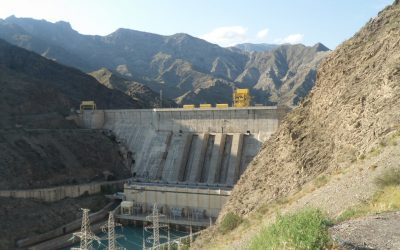
The Countries That Generate the Most Hydroelectric Power Per Person
When we talk about hydroelectric power, it’s often about the sheer volume a country generates. But what if we look at it differently – how much of that watery might is being harnessed for each individual citizen? It’s a question that shifts the focus from vast industrial output to domestic energy availability. Essentially, we’re asking which nations are making the most out of their rivers and rain, from a personal perspective. This isn’t about the biggest dams, but about the most pervasive and readily available clean energy for everyday life. Exploring the “Per Capita” Advantage The idea of “per capita” generation is like looking at a nation’s energy budget spread out amongst its people. A country might have massive total hydropower output, but if that output is spread thinly across a gigantic population, the individual benefit is less pronounced. Conversely, a smaller nation with significant river resources and a smaller population can achieve a much higher per capita figure. This metric gives us a more intimate understanding of how much hydropower is theoretically on tap for the average person living there. It’s a useful way to gauge a country’s reliance on and development of this renewable resource, not just in absolute terms, but in how it translates to the individual. The Giants of Hydropower: A Quick Look Before diving into the per capita figures, it’s worth acknowledging the countries that are simply the biggest players in overall hydropower generation. China, Canada, Brazil, the United States, and Russia all boast enormous installed capacities. These are nations with vast geographical areas, significant river systems, and often long histories of developing large-scale...
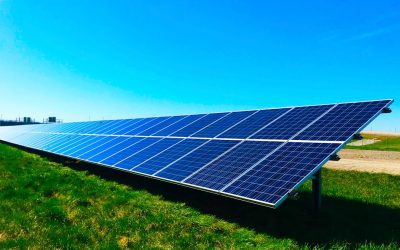
How Paraguay Became One of the World’s Biggest Renewable Energy Producers
Here’s the short answer: Paraguay became one of the world’s biggest renewable energy producers primarily due to its abundant hydro resources, particularly the construction and operation of massive binational hydroelectric dams like Itaipu and Yacyretá. These projects, often born out of necessity and regional cooperation rather than a purely environmental agenda, provided a colossal generating capacity far exceeding the nation’s domestic needs, leading to significant exports. Paraguay’s journey to becoming a renewable energy powerhouse isn’t a recent phenomenon but rather a story rooted in its unique geography and a series of ambitious engineering feats. Unlike countries that began pivoting towards renewables in recent decades, Paraguay’s renewable dominance – almost exclusively hydroelectric – was established much earlier. A Land Blessed with Water Paraguay, often referred to as the “Heart of South America,” is crisscrossed by major rivers. The Paraná and Paraguay rivers, in particular, offer immense potential for hydropower. These waterways, with their significant flow and drops in elevation, provided ideal conditions for large-scale hydroelectric projects. It’s this natural endowment that truly set the stage for what was to come. Early Vision and Regional Ambition The idea of harnessing these rivers wasn’t a sudden inspiration. Throughout the 20th century, as industrialisation took hold, the demand for reliable and affordable energy grew. Paraguay, a landlocked nation with limited fossil fuel reserves, naturally looked to its most abundant resource: water. The sheer scale of the projects eventually undertaken, however, required more than just national ambition; it needed international collaboration. Itaipu: The Game Changer If there’s one single factor that cemented Paraguay’s status as a renewable energy giant, it is the Itaipu Dam....
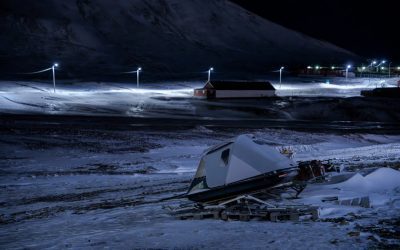
Why Norway Produces So Much Clean Electricity
Norway’s seemingly endless supply of clean electricity might seem like magic, but it’s actually a pretty straightforward story of geography and smart planning. Basically, Norway is blessed with a lot of water (in the form of rivers and snow) and a smart strategy to harness it. They didn’t just stumble upon this; it’s the result of decades of investment and a clear national vision focused on renewable energy. FAQs 1. What is Norway’s primary source of clean electricity production? Norway’s primary source of clean electricity production is hydropower, which accounts for the majority of the country’s electricity generation. 2. How does Norway’s geography contribute to its clean electricity production? Norway’s mountainous terrain and abundance of rivers and waterfalls provide ideal conditions for hydropower generation. The country’s geography allows for the construction of numerous hydroelectric power plants. 3. What role does government policy play in Norway’s clean electricity production? The Norwegian government has implemented policies and incentives to promote renewable energy production, including hydropower. These policies have encouraged investment in clean electricity infrastructure. 4. How does Norway’s clean electricity production contribute to its overall energy independence? Norway’s reliance on hydropower for electricity production has reduced its dependence on imported fossil fuels, making the country more energy independent and less vulnerable to fluctuations in global energy markets. 5. What are the environmental benefits of Norway’s clean electricity production? Norway’s clean electricity production from hydropower has significantly reduced its carbon emissions, contributing to the country’s efforts to combat climate change. Additionally, hydropower has minimal impact on air and water quality compared to traditional fossil fuel-based power...
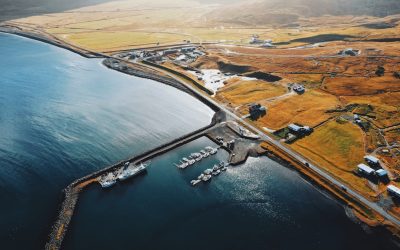
How Iceland Generates Nearly All of Its Electricity from Renewable Energy
So, how does Iceland manage to keep the lights on using almost entirely renewable energy? It’s a story rooted in Iceland’s unique geology – think volcanoes, glaciers, and plenty of hot springs. This land of fire and ice has an incredible natural advantage: geothermal energy and hydropower are readily available and, for the most part, incredibly reliable. They’ve basically built their entire energy system around what nature offers them directly. It’s not some fancy, impossible feat; it’s a practical application of the resources right under their feet. Iceland sits smack-bang on the Mid-Atlantic Ridge, where the North American and Eurasian tectonic plates are pulling apart. This means the Earth’s crust is thinner there, and magma – molten rock – is much closer to the surface. This geological activity is the driving force behind Iceland’s prolific geothermal energy. How Geothermal Works in Iceland At its core, geothermal energy is about tapping into the Earth’s internal heat. In Iceland, this heat manifests in several ways: Hot Springs and Geysers: These are the most visible signs of geothermal activity. Water percolates down into the Earth, gets superheated by the magma below, and then bursts back up to the surface. While visually stunning, these aren’t the primary source for electricity generation, though they are heavily utilized for direct heating. Deep Wells: To generate electricity, Icelanders drill deep wells into the ground, reaching areas where the rocks are very hot and often filled with steam or superheated water. The temperature at these depths can be hundreds of degrees Celsius. Steam Turbines: This superheated steam or water is then brought to the surface. The steam...
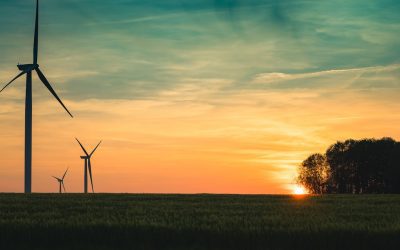
The World’s Green Energy Leaders Ranked by Renewable Power Production
So, who’s actually leading the charge when it comes to generating renewable energy globally? It’s not just about intentions or policies; it’s about the sheer volume of clean power being produced. When we look at the numbers, certain countries consistently emerge at the top, not by accident, but through a combination of strategic investment, natural resources, and a serious commitment to transitioning away from fossil fuels. Let’s dive into who those leaders are and what’s making them tick. When we talk about green energy production on a global scale, a few countries immediately jump to mind. These are the nations that are not only investing heavily but are also reaping the rewards in terms of actual electricity generated from sources like solar, wind, hydro, and geothermal. It’s a complex picture, influenced by geography, population, and economic development, but the top contenders are robustly shaping the future of energy. China’s Dominance: A Powerhouse of Renewables China is, without a doubt, the undisputed leader in renewable energy production. It’s not a close race; they are significantly ahead of the pack. This isn’t just a recent development; China has been on a determined path for years, driven by a need for energy security, a desire to combat severe air pollution, and a strategic push to dominate the global renewable technology market. Massive Scale in Solar and Wind The sheer scale of China’s renewable build-out is staggering. They have invested more in renewable energy than any other country, and it shows in their installed capacity and generation figures. When you look at sectors like solar and wind power, China’s numbers are simply on...
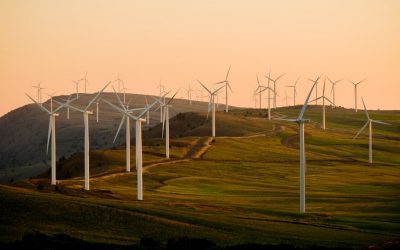
Which Countries Produce More Clean Energy Than Fossil Fuels Per Capita?
You’re probably wondering which countries are truly leading the charge in clean energy per person, outpacing their fossil fuel use. Good news – it’s not a pipe dream, and several nations are indeed doing just that! While globally we’re still heavily reliant on fossil fuels, some forward-thinking countries, particularly those with abundant renewable resources or strong policy commitments, are producing more clean energy per capita than they consume in fossil fuels. Think nations with vast hydropower, geothermal, or wind potential, coupled with smart investments and robust infrastructure. Before we dive into the details, let’s clear up what we mean by “clean energy” and “per capita” in this context. It’s not as simple as flipping a switch, and the definitions can sometimes get a little fuzzy. What is ‘Clean Energy’? When we say ‘clean energy,’ we’re primarily talking about renewable energy sources that don’t produce greenhouse gas emissions or significant air pollutants during their operation. This typically includes: Hydropower: Exploiting the movement of water to generate electricity. Wind Power: Harnessing the kinetic energy of wind with turbines. Solar Power: Converting sunlight into electricity using photovoltaic panels or concentrated solar thermal systems. Geothermal Power: Tapping into the Earth’s internal heat. Bioenergy (sustainable sources): Energy derived from organic matter, but it’s important to specify ‘sustainable’ as some bioenergy can have environmental drawbacks if not managed properly. We’re generally excluding nuclear power from this discussion, not because it’s not low-carbon, but because its waste disposal and safety concerns often place it in a separate category when discussing ‘clean’ or ‘renewable’ energy in a broader public context. Similarly, while natural gas is often touted...
Water Scarcity and Global Conflict
It’s a bit of a grim thought, but yes, water scarcity can absolutely fuel global conflict. It’s not usually the only reason wars break out, but it’s increasingly becoming a significant stressor, pushing already tense situations closer to the edge. Think of it like this: when resources – especially something as fundamental as water – become scarce, people and nations get stressed. And when they’re stressed, conflicts can become much more likely, whether it’s over who gets to use the dwindling supply, how it’s managed, or even who rightfully owns it. More Than Just a Thirsty Planet When we talk about water scarcity, it’s not just about a few dry spells. It’s a complex issue driven by a mix of factors that are quite literally changing the world’s water landscape. We’re looking at a situation where the demand for water is growing rapidly while the available supply is either shrinking or becoming harder to access. This isn’t some far-off problem; it’s happening now, affecting billions of people and creating a breeding ground for instability. Climate Change: The Global Water Disruptor Let’s be honest, climate change is a massive player here. It’s messing with rainfall patterns, leading to more intense droughts in some regions and unmanageable floods in others. Glaciers, which act as vital water reservoirs for many communities, are melting at an alarming rate. Rising sea levels also threaten freshwater sources through saltwater intrusion. So, what was once a predictable, reliable supply is becoming erratic and unpredictable, leaving communities vulnerable. It’s a cascade effect, where one environmental change triggers a series of water-related problems. Population Growth and Urbanisation: The...
Endangered Ecosystems
So, you’re wondering what’s up with ‘endangered ecosystems‘? Simply put, these are places – forests, oceans, deserts, rivers, you name it – where the plants, animals, and even the very land or water are facing a major threat of disappearing forever. It’s not just about a few rare animals; it’s about whole natural systems that are crucial for life on Earth, including our own. Think of it like a delicate machine; if too many parts start failing, the whole thing grinds to a halt. What Makes an Ecosystem Endangered? There isn’t a single switch that gets flipped to make an ecosystem endangered. Instead, it’s usually a combination of pressures that chip away at its health and resilience over time. These pressures can be natural, like a volcanic eruption, but more often than not, human activities are the primary culprits. Understanding these drivers is the first step towards doing something about it. Habitat Loss and Fragmentation This is arguably the biggest hitter. When we clear land for farms, build cities, tarmac roads, or mine for resources, we’re directly destroying the homes of countless species and disrupting natural processes. Think of it as demolishing entire apartment blocks for a new motorway – where do all the residents go? Even if some areas remain, they often become isolated pockets, making it harder for animals to find mates, food, or escape predators. Climate Change The changing climate is throwing a massive spanner in the works. Rising temperatures, altered rainfall patterns, more frequent extreme weather events like droughts and floods – these all put immense stress on ecosystems. Coral reefs, for example, are incredibly...