So, what’s the deal with the future of energy? Essentially, we’re heading towards a system that’s cleaner, more distributed, and a whole lot smarter. Think less reliance on burning fossil fuels and more on harnessing things like the sun and wind, with a healthy dose of clever technology to make it all work smoothly. It’s not about a single magic bullet, but rather a mix of solutions that are already starting to shape how we power our lives.
The writing’s been on the wall for a while regarding our dependence on coal, oil, and natural gas. They’ve powered our progress, no doubt, but the environmental and health costs are becoming impossible to ignore. Climate change is the headline issue, but we’re also talking about air quality, resource depletion, and geopolitical instability. So, this isn’t just an environmentalist’s dream; it’s a practical necessity for our long-term well-being and security.
Renewable Energy’s Rapid Rise
This is probably the part that gets the most attention, and for good reason. Solar and wind power have gone from niche curiosities to major players in the energy landscape.
Solar Power: From Rooftops to Utility-Scale
Whether it’s the solar panels popping up on people’s homes or vast solar farms stretching across deserts, solar energy is becoming incredibly affordable and accessible. The technology is constantly improving, making panels more efficient and cheaper to produce. This trend is set to continue, making solar a cornerstone of future energy systems.
Innovations in Solar Tech
We’re seeing advancements like perovskite solar cells, which promise even higher efficiencies and potentially lower manufacturing costs. Flexible solar panels are also opening up new possibilities for integration into buildings and even clothing.
Wind Power: Giants on Land and Sea
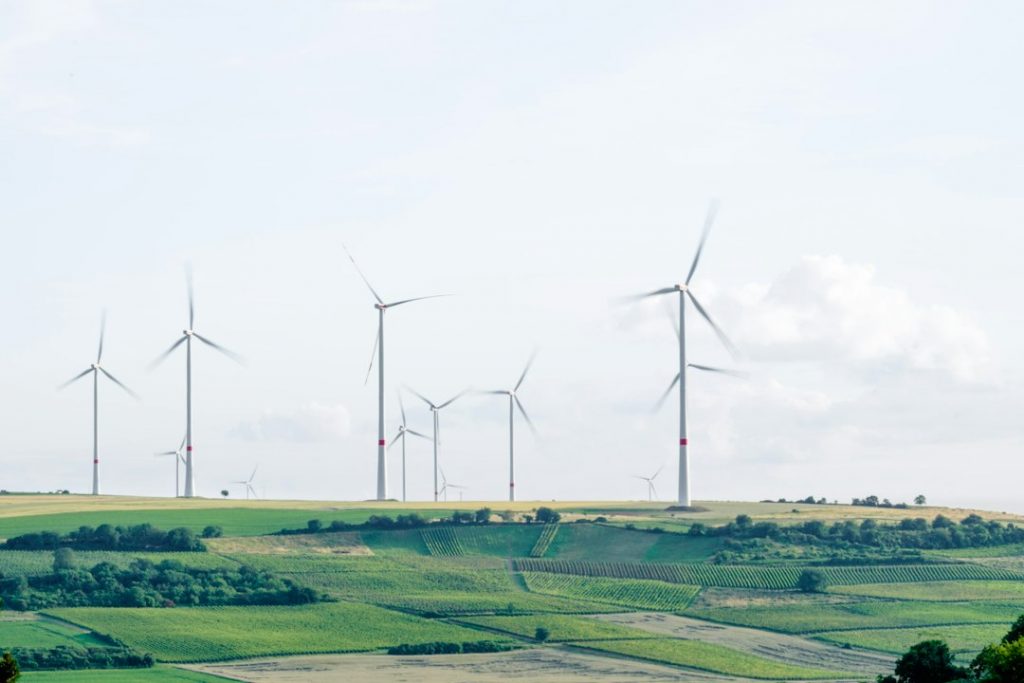
Wind turbines have become a familiar sight, and their capacity is only growing. Onshore wind farms are well established, and offshore wind, particularly floating platforms, is opening up access to stronger, more consistent winds in deeper waters.
The Offshore Wind Advantage
Offshore wind projects can generate massive amounts of electricity, often with less visual and noise impact than their onshore counterparts. The UK, in particular, has some of the most ambitious offshore wind plans in the world.
The Role of Other Renewables
While solar and wind grab the headlines, other renewable sources are also vital.
Hydropower: Still a Major Contributor
Dams have been a source of power for decades, and while new large-scale projects can be controversial, existing infrastructure continues to provide a significant amount of clean energy. Smaller, run-of-river hydro systems are also gaining traction.
Geothermal Energy: Tapping the Earth’s Heat
Beneath our feet lies a vast reservoir of heat. Geothermal power plants harness this heat to generate electricity, offering a reliable, baseload power source that isn’t dependent on weather conditions.
Bioenergy: A Complex Piece of the Puzzle
Burning biomass, like wood or agricultural waste, can produce energy. However, its sustainability depends heavily on how the biomass is sourced and managed. It’s a tricky area, and careful consideration of its lifecycle impact is crucial.
Smarter Grids and the Power of Storage
Generating clean energy is only half the battle. What do you do when the sun isn’t shining or the wind isn’t blowing? This is where energy storage and smart grids come in.
Energy Storage Solutions: The Missing Link
Without effective storage, renewable energy sources can be intermittent. However, battery technology is advancing at an astonishing pace, offering solutions for everything from individual homes to entire power grids.
Battery Technology: Beyond Lithium-Ion
While lithium-ion batteries currently dominate, research is ongoing into a whole host of alternatives, including solid-state batteries, flow batteries, and even cheaper, more abundant materials.
Grid-Scale Storage
Large-scale battery farms are being deployed to store excess renewable energy and release it when demand is high. This helps to stabilize the grid and reduce reliance on fossil fuel peaker plants.
Pumped Hydro Storage: A Proven Method
This classic technology, where water is pumped uphill to a reservoir and released through turbines when needed, remains a significant and effective way to store large amounts of energy.
The Smart Grid Revolution
Our current electricity grids were designed for a one-way flow of power from large fossil fuel plants. The future grid needs to be a two-way street, accommodating distributed renewable generation and managing fluctuating demand in real time.
Two-Way Power Flow
Homeowners with solar panels can not only use their own electricity but also feed surplus power back into the grid. This requires a more sophisticated infrastructure.
Demand-Side Management
Smart meters and connected devices will allow us to better manage our energy consumption, shifting usage to times when renewable energy is abundant and cheaper. Think of your smart thermostat adjusting your heating automatically.
Increased Resilience and Reliability
A smart grid can better anticipate and respond to disruptions, rerouting power and isolating faults to minimise blackouts.
The Rise of Electrification and New Fuels
As we shift towards cleaner electricity generation, it makes sense to power more of our lives with electricity. This means electrifying things that traditionally ran on fossil fuels.
Electrifying Transport: The Electric Vehicle Era
Electric cars and vans are becoming increasingly common. The technology is improving rapidly, with longer ranges, faster charging, and a growing variety of models.
Charging Infrastructure Expansion
A key challenge is ensuring widespread and convenient charging infrastructure, from home charging to public charging stations.
Beyond Cars: Electrifying Other Transport
We’re also seeing electrification in buses, trains, and even some heavy-duty trucks. For longer-haul or heavier transport, other solutions are needed.
Powering Industries: Electrification and Alternative Fuels
While many industrial processes can be electrified, some high-heat applications still pose a challenge. This is where new fuels come into play.
Green Hydrogen: A Versatile Solution
Hydrogen produced using renewable electricity (green hydrogen) has the potential to decarbonise sectors that are difficult to electrify, such as heavy industry and shipping.
Hydrogen Production Methods
The key is ensuring the hydrogen is produced sustainably. Electrolysis powered by renewables is the most promising route.
Sustainable Aviation Fuels (SAFs)
For aviation, a sector notoriously difficult to decarbonise, sustainable aviation fuels derived from sources like used cooking oil or agricultural waste are being developed and scaled up.
Energy Efficiency: The Unsung Hero
It might not be as glamorous as a giant wind turbine, but energy efficiency is arguably the most important and cost-effective way to reduce our energy demand and carbon footprint. Using less energy in the first place is always the cleanest option.
Homes and Buildings: A Major Focus
A significant chunk of our energy consumption happens in our homes and workplaces. Improving insulation, using efficient appliances, and smart design can make a huge difference.
Better Insulation and Building Design
From retrofitting older homes with better insulation to designing new buildings to be incredibly energy-efficient from the ground up, this is low-hanging fruit.
Smart Appliances and Lighting
LED lighting is now standard, and smart appliances that can be controlled remotely and optimise their energy use are becoming more common.
Industrial Efficiency: Optimising Processes
Businesses and industries are constantly looking for ways to reduce waste and improve efficiency. This can involve upgrading machinery, optimising production processes, and recovering waste heat.
Waste Heat Recovery
Capturing and reusing heat that would otherwise be lost in industrial processes can lead to significant energy savings.
The Way Forward: Collaboration and Innovation
| Metrics | Data |
|---|---|
| Renewable Energy Capacity | Increasing globally |
| Energy Storage Technology | Advancing rapidly |
| Electric Vehicle Adoption | On the rise |
| Energy Efficiency | Improving in many sectors |
| Investment in Clean Energy | Growing steadily |
This massive energy transition won’t happen by itself. It requires a concerted effort from governments, businesses, researchers, and individuals.
Policy and Regulation: Paving the Way
Governments play a crucial role in setting targets, providing incentives, and creating supportive regulatory frameworks for clean energy.
Carbon Pricing Mechanisms
Putting a price on carbon emissions encourages a shift towards cleaner alternatives.
Investing in Research and Development
Continued investment in new technologies is essential to drive down costs and unlock new solutions.
The Role of Innovation and Technology
The pace of innovation in the energy sector is breathtaking. From advanced materials to AI-powered grid management, technology is the engine of this transformation.
Digitalisation of Energy Systems
Connecting devices and using data to optimise energy generation, transmission, and consumption is key.
Developing New Energy Carriers
Beyond electricity and hydrogen, research into other energy carriers and storage methods continues.
Public Engagement and Behaviour Change
Ultimately, a successful energy future depends on public acceptance and participation. This involves understanding the benefits of the transition and making conscious choices in our own energy consumption.
Education and Awareness
Ensuring people understand the challenges and opportunities of the energy transition is vital.
Empowering Consumers
Providing consumers with the tools and information to make informed energy choices is crucial.
The future of energy is a dynamic and exciting space. It’s about moving away from the old, dirty ways and embracing a cleaner, more sustainable, and ultimately more resilient way of powering our world. It’s a journey, and while there are challenges, the direction of travel is clear and the potential benefits are immense.
FAQs
What is the future of energy?
The future of energy is moving towards renewable sources such as solar, wind, and hydro power. These sources are more sustainable and environmentally friendly compared to traditional fossil fuels.
Why is the shift towards renewable energy important?
The shift towards renewable energy is important because it helps reduce greenhouse gas emissions, mitigates climate change, and decreases our reliance on finite resources such as coal, oil, and natural gas.
What are some challenges in transitioning to renewable energy?
Challenges in transitioning to renewable energy include the intermittency of sources like solar and wind, the need for energy storage solutions, and the initial investment required for infrastructure and technology.
How is technology shaping the future of energy?
Technology is shaping the future of energy through advancements in energy storage, smart grid systems, and the development of more efficient renewable energy technologies such as solar panels and wind turbines.
What are the potential benefits of a renewable energy future?
A renewable energy future could lead to cleaner air and water, job creation in the green energy sector, energy independence, and a more sustainable and resilient energy system.