🧪 Introduction to Chemistry
Unlocking the Secrets of Matter and Change
Chemistry is the science of matter—what it’s made of, how it behaves, and how it changes. It explores everything from the tiniest atoms and molecules to the vast chemical reactions that fuel stars, power engines, and sustain life itself. Often called the “central science,” chemistry connects physics with biology, medicine, geology, environmental science, and even engineering.
At its core, chemistry seeks to answer questions like:
-
What is this substance made of?
-
How does it interact with other substances?
-
Why do some materials burn, rust, or dissolve?
-
How can we create new materials, medicines, or fuels?
From the food we eat to the air we breathe, from cleaning products to smartphones, chemistry is everywhere. It helps explain natural phenomena like fire, digestion, and photosynthesis, while also driving innovations in technology, health, and sustainability.
By studying chemistry, we gain a deeper understanding of the world at a molecular level—and the tools to change it for the better.


What Is Climate Change?
So, what exactly is climate change? In simple terms, it’s a long-term shift in global or regional climate patterns. Think of it as the Earth’s thermostat getting stuck on a higher setting. This isn’t just about things getting a bit warmer; it’s a complex web of changes affecting weather, sea levels, and ecosystems. A Warming Planet: The Core Issue The most prominent aspect of climate change we talk about is the planet getting warmer. This isn’t some abstract future worry; it’s something we’re observing now. Average global temperatures have been rising, and scientists are pretty sure about why. The Greenhouse Effect: Earth’s Natural Blanket Our planet has a natural blanket of gases in the atmosphere. We call these greenhouse gases. They’re really important because they trap some of the sun’s heat, keeping Earth warm enough to live on. Without them, it would be a frozen wasteland. The Role of Greenhouse Gases The problem arises when these greenhouse gases get too thick, trapping too much heat. It’s like adding extra blankets on a summer night – you get uncomfortably hot. Carbon Dioxide (CO2): The Main Offender Carbon dioxide is the big one. It’s released when we burn fossil fuels like coal, oil, and natural gas for energy, transportation, and industry. These activities have ramped up significantly since the Industrial Revolution. Burning Fossil Fuels: The Primary Driver Think about everything that runs on electricity or petrol. Power plants, cars, planes, factories – they all release CO2 when they operate. This has been the engine of modern society, but it’s also been releasing a lot of greenhouse gases. Deforestation: Releasing and Reducing...

The Most Important Climate Change Reports You Need to Know About
So, what are the most important climate change reports you actually need to know about? In a nutshell, it comes down to a few key players: the Intergovernmental Panel on Climate Change (IPCC) reports are the gold standard for scientific consensus, national assessments give you the local picture, and then there are in-depth reports from specific organisations focusing on particular impacts or solutions. Let’s break down which ones are likely to be most relevant to you. This is where you go for the most comprehensive and authoritative overview of climate change science. Produced by the Intergovernmental Panel on Climate Change, these reports are essentially encyclopaedias of what we know about climate change, its impacts, and potential solutions. They are the result of thousands of scientists from around the world reviewing vast amounts of peer-reviewed literature. Why the IPCC Matters Think of the IPCC reports as the definitive guide. Governments and policymakers worldwide rely on them to understand the scale of the problem and inform their decisions. They don’t conduct their own research; instead, they synthesise existing scientific knowledge. This means they represent the closest thing we have to a global scientific consensus on climate change. The Different IPCC Assessment Reports There have been several comprehensive assessment reports (ARs) published over the years, each building on the last. The most recent ones are particularly crucial: AR6: The Latest Word The Sixth Assessment Report (AR6) is the most up-to-date and comprehensive. It’s broken down into several working group contributions: Working Group I: The Physical Science Basis: This report deals with the fundamental science – how the climate system works, how human...

Climate Change and Food Supply: Will the World Face Shortages?
So, will climate change spell doom for our dinner plates with widespread food shortages? It’s a big question, and honestly, the answer isn’t a simple yes or no. Think of it more like a complex equation with a lot of moving parts. Yes, climate change is definitely making things harder for farmers and threatening our food supply. But it’s not a foregone conclusion that we’ll all be starving. We’re already seeing impacts, and it’s crucial to understand what’s happening and what we can do about it. Climate change isn’t just about a bit of extra warmth. It’s about pushing weather patterns to extremes, and that’s a major headache for anyone trying to grow food. Even small shifts can have big ripple effects across vast agricultural systems. Droughts: The Thirsty Fields One of the most obvious ways climate change hits farming is through drought. As temperatures rise, more water evaporates from soil and plants. Plus, rainfall patterns are becoming less predictable. Areas that used to get reliable rain might now face prolonged dry spells, making it impossible for crops to grow or for livestock to find enough to drink. Impact on Staples: Crops like wheat, maize, and rice, which are the backbone of diets for billions, are particularly vulnerable to water stress. Reduced yields mean less food available and higher prices. Water Scarcity for Irrigation: Even in places where water is usually available, prolonged droughts can deplete rivers and reservoirs, meaning irrigation systems that farmers rely on can’t function. This forces difficult choices about which crops get water, or if any can be grown at all. Livestock Suffering: Beyond crops,...
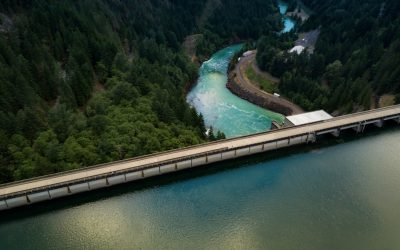
Net Zero Explained: What It Means and Why It Matters for the Planet
So, you’ve heard the term “Net Zero” floating around, right? It’s becoming a pretty common phrase in environmental discussions, climate change policy, and even in business news. But what does it actually mean? In simple terms, Net Zero means achieving a balance between the greenhouse gases we emit into the atmosphere and those we remove. Think of it like a bank account: for every unit of carbon we “deposit” (emit), we need to “withdraw” (remove) an equal amount. The goal isn’t to stop all emissions immediately – that’s pretty unrealistic – but to offset any unavoidable ones so that the overall net effect is zero. Why all the fuss? Because hitting Net Zero is crucial to slowing down and eventually stopping global warming, which, let’s be honest, is a pretty big deal for everyone on this planet. Net Zero isn’t just a trendy buzzword; it’s the target most scientists and governments agree we need to hit to avoid the worst impacts of climate change. The Paris Agreement, a major international treaty signed by nearly every country, aims to limit global warming to well below 2°C, and ideally to 1.5°C, compared to pre-industrial levels. To stand any real chance of achieving that 1.5°C goal, leading climate organisations like the IPCC (Intergovernmental Panel on Climate Change) state that global CO2 emissions need to reach Net Zero by roughly mid-century. The Problem with Greenhouse Gases Our planet naturally has a greenhouse effect, which is actually a good thing – it keeps us warm enough to live. However, human activities, especially burning fossil fuels (coal, oil, and gas) for electricity, transport, and industry,...

The Future of Climate Science: Breakthroughs That Could Change Everything
So, what’s next for climate science? It might sound a bit daunting, but honestly, it’s a field buzzing with innovation. The breakthroughs aren’t just about more complex models; they’re about genuinely new ways of understanding, predicting, and even tackling the challenges of our changing planet. Think of it as moving from just diagnosing the illness to developing some really promising treatments. We’re talking about things that could fundamentally shift how we approach climate change, making our efforts more effective and, dare we hope, more successful. Climate science has always been about piecing together a colossal, intricate puzzle. For decades, we’ve relied on sophisticated computer models to simulate the Earth’s systems, but these models are only as good as the data we feed them and the understanding we have. The real game-changer here is the explosive growth of artificial intelligence (AI) and machine learning (ML). These aren’t just buzzwords; they’re tools that are allowing us to see patterns and connections in climate data that were previously invisible or too complex for humans to discern. Supercharging Climate Models Traditional climate models are often computationally intensive, requiring massive supercomputers and taking weeks to run. AI and ML are starting to speed this up dramatically. By learning from vast datasets – think decades of satellite imagery, atmospheric readings, and oceanographic data – AI can help build more efficient and accurate models. It’s like having a super-analyst who can process information at a speed and scale far beyond human capability. Predictive Power Boost One of the key areas where AI is making a difference is in improving the accuracy and resolution of climate predictions....
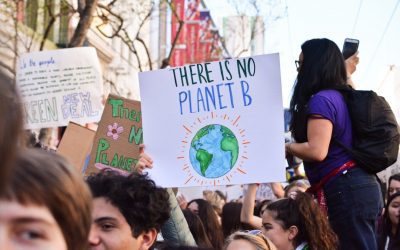
How Climate Change Is Affecting the UK: Rising Temperatures and Flood Risks
Let’s talk about something that’s affecting all of us here in the UK: climate change. You’ve probably heard the news or noticed it yourself – our weather seems a bit… different lately. The big question on a lot of people’s minds is: how exactly is climate change messing with things here at home, particularly when it comes to our temperatures and the risk of flooding? To put it simply, the UK is getting warmer, and we’re seeing more extreme weather, which definitely ups the ante on flood risks across the country. It’s not some distant future problem; it’s happening now, and it’s worth understanding what’s going on. When we talk about climate change and rising temperatures in the UK, it’s not just about the odd unusually hot summer day. It’s a consistent, long-term shift. Think of it like this: the baseline average temperature is creeping up, year after year. This isn’t something scientists are guessing at; it’s based on decades of solid data collected from weather stations all over the country. Official Figures Paint a Clear Picture Organisations like the Met Office, the UK’s national meteorological service, have been meticulously tracking our climate for ages. Their findings are pretty stark. They show a clear warming trend across all seasons, not just summer. We’re looking at average temperatures that are several degrees Celsius higher than they were before the industrial revolution. This might not sound like a massive leap, but even small changes in averages can have significant knock-on effects. What Does This Mean for Day-to-Day Life? So, what does a few degrees warmer actually feel like? Well, for starters,...
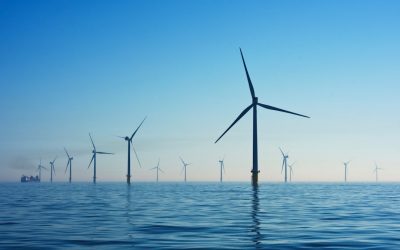
The Greenhouse Effect Explained: Why Earth Is Getting Warmer
So, why exactly is our planet heating up? It all boils down to something called the Greenhouse Effect. Think of it like a cosy blanket around the Earth, trapping some of the sun’s heat. The problem isn’t the blanket itself – we need it to keep us from freezing – but it’s that we’re making the blanket thicker, causing things to get too warm. What is the Greenhouse Effect? At its core, the Greenhouse Effect is a natural process that makes our planet habitable. Without it, Earth would be a frozen wasteland, far too cold for life as we know it to exist. It’s all about how certain gases in our atmosphere interact with the sun’s energy. The Sun’s Energy Arrives The journey begins with the sun. It bombards Earth with a constant stream of energy in the form of sunlight. This energy travels through space and reaches our atmosphere. A good portion of this sunlight is reflected back into space by clouds, ice, and the Earth’s surface. Visible Light and Insolation The incoming solar radiation, often called insolation, is primarily made up of visible light, but also includes ultraviolet (UV) and infrared (IR) radiation. When this solar energy hits the Earth’s surface – oceans, land, plants – it’s absorbed. This absorption warms the planet. Earth Radiates Heat Back Out Now, here’s where the “greenhouse” part comes into play. As the Earth’s surface warms up, it starts to release energy back into the atmosphere. But instead of sending out visible light, it radiates this energy as heat, specifically in the form of infrared radiation. Infrared Radiation and Thermal Energy...
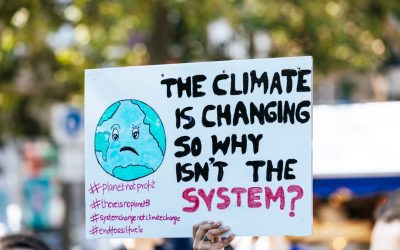
Can Climate Change Be Reversed? What Science Says in 2026
Let’s get straight to it: can climate change be reversed? The short answer, as of 2026, is that a complete reversal to pre-industrial conditions isn’t just around the corner, and probably won’t happen within our lifetimes. However, that doesn’t mean we’re powerless. Science overwhelmingly indicates we can – and absolutely must – slow it down significantly, adapt to its impacts, and even actively remove some of the excess greenhouse gases from the atmosphere. It’s less about a magic “undo” button and more about managing a complex, long-term situation. We’re talking about mitigating the worst effects and aiming for a more stable climate, rather than hitting the reset button. Think of our atmosphere as a giant bathtub. For centuries, we’ve been pouring greenhouse gases – primarily carbon dioxide (CO2), methane (CH4), and nitrous oxide (N2O) – into it at an ever-increasing rate. These gases don’t just disappear overnight. They have varying lifespans, and CO2, a major culprit, can linger in the atmosphere for hundreds, even thousands, of years. The Long Residence Time of CO2 Once CO2 is up there, it’s pretty stubbornly staying put for a long time. Even if we stopped all emissions tomorrow, the CO2 we’ve already released would continue to trap heat for generations. This lag effect is a critical reason why a quick “reversal” is off the table. We’re not just dealing with current emissions; we’re also grappling with the accumulated legacy of centuries of industrial activity. Positive Feedback Loops Adding another layer of complexity are positive feedback loops. As the planet warms, these loops amplify the initial warming. For example, melting Arctic ice reduces the...

Climate Change and Biodiversity Loss: Why Species Are Disappearing Faster Than Ever
So, why are we seeing species vanish at a rate that’s frankly alarming? At its heart, it’s a two-pronged problem: climate change and habitat destruction are hitting nature hard, pushing countless species to the brink. They’re not just disappearing randomly, but as a direct consequence of how we’re changing the planet. Think of the Earth’s climate as a finely tuned system. For millennia, species have evolved to thrive within specific temperature ranges, rainfall patterns, and seasonal cues. Climate change, primarily driven by human activity – think burning fossil fuels and deforestation – is like turning up the heat and messing with the plumbing, and it’s happening far too quickly for most life to adapt. Shifting Habitats: Nowhere Left to Go As temperatures rise, the places where certain species can live are literally shrinking or moving. Imagine a polar bear needing sea ice to hunt seals. As the Arctic warms, that ice disappears, and so does its hunting ground. It’s not just the poles; mountaintop species are finding their homes at higher and higher elevations, eventually running out of mountain to climb. Similarly, coral reefs, vital nurseries for marine life, are bleaching and dying as ocean temperatures increase and become more acidic. Extreme Weather: The Unpredictable Killer Climate change isn’t just about gradual warming; it’s also about making weather more extreme and unpredictable. Think more frequent and intense heatwaves, prolonged droughts, severe floods, and more powerful storms. These events can wipe out entire populations of species in a matter of days. A prolonged drought can desiccate a vital watering hole, a flash flood can drown a nest full of chicks,...

The Role of Deforestation in Climate Change: A Growing Global Concern
Right, so what’s the deal with deforestation and climate change? Simply put, when we cut down forests, we’re not just losing trees; we’re actively contributing to a warmer planet. Forests are fantastic at soaking up carbon dioxide, a major greenhouse gas, and keeping it out of the atmosphere. When they’re gone, that carbon gets released, and it also means there are fewer trees left to do the soaking up in the future. It’s a double whammy, really, and it’s a growing global concern for good reason. Imagine forests as Earth’s big, green lungs. They’re constantly taking in carbon dioxide from the air through photosynthesis. This process essentially turns CO2 into wood, leaves, and roots, storing the carbon safely away. This stored carbon is a massive carbon sink, helping to regulate the Earth’s temperature. When these trees are standing and growing, they’re actively reducing the amount of greenhouse gases in the atmosphere. Photosynthesis: The Magic Behind the Shield At its core, photosynthesis is the engine that drives forests’ climate-regulating power. Sunlight, water, and carbon dioxide are all the ingredients. Plants use these to create their own food (sugars) and, as a byproduct, they release oxygen. Crucially, during this process, a significant amount of carbon is incorporated into the plant’s biomass. The older and larger a tree gets, the more carbon it has stored over its lifetime. It’s a slow, natural process that’s been happening for millennia, keeping our climate relatively stable. Carbon Sequestration: More Than Just Storing It’s not just about the living trees. The soil beneath the forest also plays a vital role. Forest soils are rich in organic...
Renewable Energy vs Fossil Fuels: The Scientific Battle for Earth’s Future
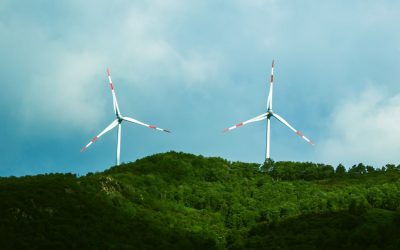
It’s a big question, isn’t it? When we talk about powering our lives, whether it’s our homes, our cars, or our industries, the debate often boils down to one of two sides: renewable energy versus fossil fuels. Which one is winning the scientific battle for our planet’s future? The short answer is that science is increasingly pointing towards renewables, but the transition is complex and still very much in progress. The Case for Fossil Fuels: A Long and Complicated History Let’s be honest, fossil fuels haven’t just powered our modern world; they’ve fundamentally shaped it. For over a century, coal, oil, and natural gas have been the bedrock of industrialisation and economic growth. How Did We Get Here? The Industrial Revolution: The discovery and exploitation of coal, in particular, enabled the steam engine and mass production, completely transforming societies. Oil’s Dominance: Later, oil became king, powering our cars, planes, and much of our manufacturing. Its energy density and relative ease of transport made it incredibly versatile. Natural Gas’s Rise: Natural gas, often considered the “cleanest” of the fossil fuels (though we’ll get to that), has seen a significant surge in use, particularly for electricity generation and heating. The Familiarity Factor There’s a certain comfort and familiarity with fossil fuels. We understand how they work, the infrastructure is already in place, and for many years, they’ve been the most cost-effective option. The economic systems we have are deeply intertwined with their extraction, processing, and distribution. The “Baseload” Argument Historically, fossil fuel power plants have been crucial for providing what’s known as “baseload” power – a constant, reliable supply of electricity...
Carbon Emissions Explained: What Are They and Why Do They Matter?
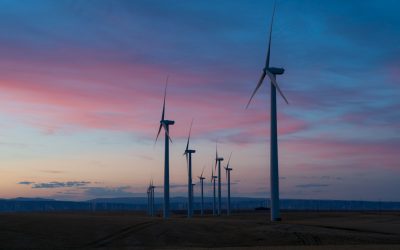
Right, let’s talk about carbon emissions. Simply put, carbon emissions are the release of carbon dioxide (CO2) and other carbon-containing gases into the atmosphere. They matter a great deal because these gases trap heat, leading to a warming planet and a whole host of serious environmental and societal problems. Understanding them is crucial, so let’s break it down. When we talk about ‘carbon emissions,’ we’re primarily referring to carbon dioxide (CO2), but it’s important to remember it’s part of a broader family of greenhouse gases. These gases act like a blanket around the Earth, preventing some of the sun’s heat from escaping back into space. This is a natural process that keeps our planet habitable, but human activities have significantly amplified it. The Main Players: Carbon Dioxide and Friends While CO2 is the star of the show due to its sheer volume, it’s not alone. Other significant greenhouse gases include: Methane (CH4): Much more potent than CO2 in the short term, methane comes from sources like livestock farming, natural gas leaks, and decaying organic matter in landfills. Nitrous Oxide (N2O): This one is often associated with agricultural practices, particularly the use of fertilisers, and some industrial processes. It’s a long-lived and potent gas. Fluorinated Gases (F-gases): These are human-made gases, like hydrofluorocarbons (HFCs), perfluorocarbons (PFCs), sulphur hexafluoride (SF6), and nitrogen trifluoride (NF3). They’re used in refrigeration, air conditioning, and electronics, and are incredibly powerful greenhouse gases, though present in smaller quantities. It’s the accumulation of all these gases that creates the enhanced greenhouse effect we’re experiencing. Where Does All This Carbon Come From? Our modern way of life is...