World Geography
Geography is the study of the Earth’s landscapes, environments, and the relationships between people and their surroundings. It encompasses both the physical aspects of the Earth, such as its landforms, bodies of water, and climate, as well as the human aspects, including population distribution, cultures, and economies. World geography is a broad field that seeks to understand the complexities of our planet and how humans interact with it. By studying world geography, we can gain a deeper appreciation for the diversity of our planet and the interconnectedness of its various regions.
Geography is a multidisciplinary field that draws on elements of physical science, social science, and humanities. It involves the use of maps, spatial analysis, and geographic information systems (GIS) to understand the Earth’s surface and the processes that shape it. World geography also encompasses the study of human geography, which examines the ways in which people and their activities are distributed across the Earth. By understanding world geography, we can better appreciate the environmental, cultural, and economic challenges facing different regions of the world. This knowledge is crucial for addressing global issues such as climate change, resource management, and international development.
The Five Oceans and Seven Continents
The Earth’s surface is divided into five major oceans: the Pacific, Atlantic, Indian, Southern (or Antarctic), and Arctic Oceans. These vast bodies of water play a crucial role in regulating the Earth’s climate and supporting diverse marine ecosystems. The oceans also serve as important transportation routes and a source of food and other natural resources for human societies around the world.
In addition to the oceans, the Earth’s landmasses are divided into seven continents: Africa, Antarctica, Asia, Europe, North America, Australia (or Oceania), and South America. Each continent has its own unique physical and cultural characteristics, shaped by millions of years of geological processes and human history. From the deserts of Africa to the rainforests of South America, the continents offer a rich tapestry of landscapes and environments for exploration and study.
Major Mountain Ranges and Deserts
The Earth’s surface is also marked by major mountain ranges and deserts that have shaped the planet’s physical and cultural landscapes. The Himalayas, for example, are the highest mountain range in the world and are home to diverse ecosystems and cultures in countries such as India, Nepal, and Bhutan. The Andes in South America, the Rockies in North America, and the Alps in Europe are other prominent mountain ranges that have influenced human settlement patterns and economic activities.
Deserts cover about one-third of the Earth’s land surface and are characterized by low precipitation and extreme temperatures. The Sahara Desert in Africa is the largest hot desert in the world, while the Gobi Desert in Asia is one of the largest cold deserts. Deserts are not only home to unique flora and fauna but have also been important trade routes and cultural crossroads throughout history.
Climate Zones and Biomes
The Earth’s climate is influenced by a variety of factors, including latitude, altitude, ocean currents, and prevailing winds. As a result, the planet is divided into different climate zones, each with its own characteristic weather patterns and ecosystems. The equator, for example, experiences a tropical climate with high temperatures and heavy rainfall, while the polar regions have a cold and dry climate.
These climate zones give rise to different biomes, or large ecological areas characterized by distinct plant and animal communities. The tropical rainforest biome, found near the equator, is home to a diverse array of species and is vital for regulating the Earth’s climate. The grasslands biome, found in regions such as the African savannah and North American prairies, supports grazing animals and has been important for human agriculture throughout history.
Human Geography and Population Distribution
Human geography examines the ways in which people and their activities are distributed across the Earth’s surface. It encompasses topics such as population growth, migration patterns, urbanization, and cultural diversity. Understanding human geography is crucial for addressing global challenges such as poverty, inequality, and environmental degradation.
Population distribution is uneven across the world, with some regions experiencing rapid population growth while others are declining. The majority of the world’s population lives in Asia, particularly in countries such as China and India. Urban areas are also growing rapidly, with more than half of the world’s population now living in cities. This trend has significant implications for infrastructure development, resource management, and social inequality.
Historical and Cultural Geography
Historical geography examines how human activities have shaped the Earth’s landscapes over time. It explores topics such as colonialism, trade routes, and the rise and fall of empires. Cultural geography focuses on how human cultures have developed in different regions of the world and how they interact with their environments.
The Silk Road, for example, was an ancient trade route that connected China with Europe and facilitated the exchange of goods, ideas, and technologies across Eurasia. This historical trade route had a profound impact on the development of cultures and economies along its path. Similarly, cultural geographers study how different societies have adapted to their environments through practices such as agriculture, architecture, and religious beliefs.
The Importance of Geographic Knowledge
Geographic knowledge is crucial for addressing global challenges such as climate change, resource management, and international development. By understanding world geography, we can better appreciate the environmental, cultural, and economic challenges facing different regions of the world. This knowledge is crucial for addressing global issues such as climate change, resource management, and international development.
Geographic knowledge also helps us to understand our interconnectedness with other regions of the world. By studying world geography, we can gain a deeper appreciation for the diversity of our planet and the interconnectedness of its various regions. This understanding can foster a sense of global citizenship and empathy for people from different cultures and backgrounds.
In conclusion, world geography is a complex and multifaceted field that encompasses both physical and human aspects of the Earth’s landscapes. By studying world geography, we can gain a deeper appreciation for the diversity of our planet and the interconnectedness of its various regions. This knowledge is crucial for addressing global challenges such as climate change, resource management, and international development. It also helps us to understand our interconnectedness with other regions of the world and fosters a sense of global citizenship.
FAQs
What is world geography?
World geography is the study of the Earth’s landscapes, environments, and the relationships between people and their environments. It encompasses the physical features of the Earth, as well as the human activity that takes place on it.
Why is world geography important?
World geography is important because it helps us understand the world around us. It provides insights into the physical and human processes that shape our planet, and helps us make informed decisions about how to interact with our environment.
What are the main branches of world geography?
The main branches of world geography include physical geography, which focuses on the Earth’s natural features and processes, and human geography, which examines the relationships between people and their environments.
How does world geography impact our daily lives?
World geography impacts our daily lives in numerous ways, from influencing the weather and climate we experience, to shaping the availability of natural resources and influencing the distribution of populations and cultures around the world.
What are some key concepts in world geography?
Key concepts in world geography include location, place, human-environment interaction, movement, and region. These concepts help geographers understand and interpret the world around them.

Cultural or Historical Sites of Denmark: Important Cultural Landmarks or Historical Sites in Denmark
Denmark, a small Scandinavian country, holds immense cultural and historical significance. From its Viking past to its modern-day contributions to design and architecture, Denmark has a rich heritage that is worth exploring. The country is known for its picturesque landscapes, charming cities, and friendly locals. In this article, we will delve into some of Denmark’s most iconic landmarks and attractions, highlighting their historical importance and cultural significance. Exploring Denmark’s landmarks and attractions is not only a way to appreciate the country’s history but also an opportunity to immerse oneself in Danish culture. These sites offer a glimpse into the past and provide a deeper understanding of the traditions and values that have shaped Denmark into what it is today. Whether you are interested in Viking history, royal palaces, or the works of famous Danish authors, there is something for everyone in this captivating country. Summary Denmark has a rich cultural and historical significance. Tivoli Gardens is a national treasure and a must-visit attraction. The Royal Palace of Amalienborg is a symbol of Danish monarchy and history. The Viking Ship Museum is a great place to explore Denmark’s seafaring past. The Little Mermaid Statue is a cultural icon of Copenhagen and a popular tourist spot. The Iconic Tivoli Gardens: A National Treasure Tivoli Gardens, located in the heart of Copenhagen, is one of Denmark’s most beloved attractions. Founded in 1843, it is one of the oldest amusement parks in the world and holds a special place in the hearts of Danes. Tivoli Gardens is not just an amusement park; it is a cultural institution that has played a significant role...

Natural Resources of Denmark: Where Natural Resources are located in Denmark
Denmark, a small country located in Northern Europe, may not be known for its abundance of natural resources. However, it does possess a variety of resources that play a crucial role in its economy. Natural resources in Denmark include agricultural land, forests, renewable energy sources, minerals, marine resources, and water resources. These resources contribute to various sectors of the economy, such as agriculture, forestry, energy production, fishing, and water management. Despite its limited resources, Denmark has managed to utilize them efficiently and sustainably, making it a model for other countries. Summary Denmark is a small country with limited natural resources, but it has a diverse range of resources including agriculture, forests, renewable energy, minerals, fishing, and water. Agriculture is a significant contributor to Denmark’s economy and natural resources, with a focus on dairy and pork production. Denmark’s forests cover over 14% of the country and are sustainably managed, providing timber for construction and paper production. Denmark is a leader in renewable energy, with wind power accounting for over 40% of its electricity production. Denmark’s fishing industry is an important source of income and food, but faces challenges from overfishing and climate change. Denmark’s Geographical Location and Natural Resources Denmark is situated in Northern Europe and is bordered by Germany to the south. Its location has a significant impact on the availability and distribution of natural resources. The country has a land area of approximately 42,924 square kilometers and a coastline that stretches over 7,300 kilometers. This extensive coastline provides Denmark with access to marine resources and opportunities for fishing and offshore wind energy production. The Role of Agriculture in...
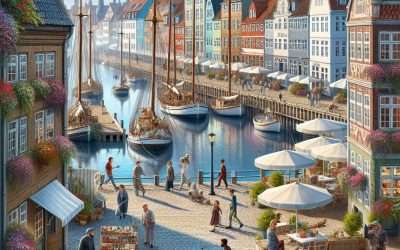
Denmark
Denmark (Kongeriget Danmark (Kingdom of Denmark)) Capital: Copenhagen Population (Estimated July 2012): 5,543,453 Area: 43,098 km2 or 16,640 mi2 Currency: Danish krone (DKK; plural kroner) Official Language: Danish Political Information: Constitutional Monarchy with a Democratic Parliamentary Representative. Official Religion: Evangelical Lutheran (approximately 95% of the population are Evangelical Lutheran, 3% are other Christian, 2% are Muslim) Highest Point: Yding Skovhøj at 172m or 564ft GDP Official Exchange Rate (OER is more precise at gauging a countries economic power) (Estimated 2011): $330.5 billion (US$) or (GBP) GDP (OER) Per Capita (per member of the population estimated 2011): (US$) or (GBP) GDP Purchasing Power Parity (PPP is good for gauging living conditions and use of resources but not as accurate as OER. This data has been calculated based on the sum value of all goods and services produced in the country valued at prices prevailing in the United States) (Estimated 2011): $206.8 billion (US$) or (GBP) GDP (PPP) Per Capita (per member of the population estimated 2011): $40,200 (US$) or (GBP) Time Zone (GMT/UTC): +1:00 Wildlife: Counties/Provinces/States: metropolitan Denmark – 5 regions (regioner, singular – region); Hovedstaden, Midtjylland, Nordjylland, Sjaelland, Syddanmark Leaders: Queen Margrethe II with Prime Minister Helle Thorning-Schmidt. Sources: CIA World Fact Book, Encyclopaedia Britannica. Denmark Denmark, located in Northern Europe, is a small but vibrant country known for its rich history, stunning landscapes, and high quality of life. It is often referred to as a Scandinavian jewel due to its picturesque cities, charming countryside, and friendly locals. Denmark is a popular destination for tourists from around the world, attracting visitors with its unique blend of history, culture, and natural beauty. Geography and Climate of Denmark: Land...
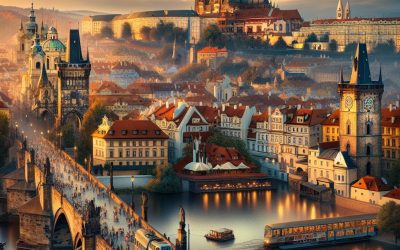
Czech Republic
Czech Republic (Česká republika) Capital: Prague Population (Estimated July 2012): 10,177,300 Area: 78,865 km2 or 30,450 mi2 Currency: Koruna (Kč) Official Language: Czech Political Information: Parliamentary Republic Official Religion: No Official Religion (approximately 26.8% of the population are Roman Catholic, 2.1% are Protestant, 3.3% have other religious beliefs, 8.8% have unspecified religious beliefs and 59% are unaffiliated) Highest Mountain: Sněžka at 1,602m or 5,256ft GDP Official Exchange Rate (OER is more precise at gauging a country’s economic power) (Estimated 2011): $220.3 billion (US$) or (GBP) GDP (OER) Per Capita (per member of the population estimated 2011): (US$) or (GBP) GDP Purchasing Power Parity (PPP is good for gauging living conditions and use of resources but is not as accurate as OER. This data has been calculated based on the sum value of all goods and services produced in the country valued at prices prevailing in the United States) (Estimated 2011): $272.2 billion (US$) or (GBP) GDP (PPP) Per Capita (per member of the population estimated 2011): $25,900 (US$) or (GBP) Time Zone (GMT/UTC): +1:00 Wildlife: Counties/Provinces/States: 13 regions (kraje, singular – kraj) and 1 capital city* (hlavni mesto); Jihocesky (South Bohemia), Jihomoravsky (South Moravia), Karlovarsky, Kralovehradecky, Liberecky, Moravskoslezsky (Moravia-Silesia), Olomoucky, Pardubicky, Plzensky (Pilsen), Praha (Prague)*, Stredocesky (Central Bohemia), Ustecky, Vysocina, Zlinsky Leaders: Vàclav Klaus as President with Petr Nečas as Prime Minister. Sources: CIA World Fact Book, Encyclopaedia Britannica. Czech Republic The Czech Republic, located in the heart of Europe, is a country that offers a rich history, stunning architecture, and a vibrant culture. Nestled between Germany, Austria, Slovakia, and Poland, the Czech Republic is known for its picturesque landscapes, charming towns, and bustling cities. The country’s capital, Prague,...
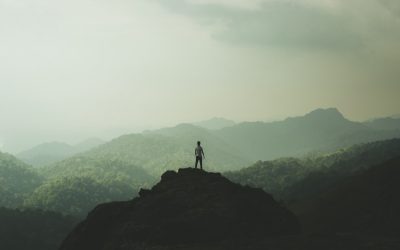
Terrain and Topography of Czech Republic: mountains, valleys, and plains.
The Czech Republic, located in Central Europe, is a country known for its rich history, stunning architecture, and vibrant culture. However, beyond the cities and towns lies a hidden treasure trove of natural wonders that are often overlooked by tourists. The country’s terrain and topography are diverse and offer a wide range of landscapes, from majestic mountains to picturesque valleys and vast plains. These natural wonders not only provide breathtaking views but also play a crucial role in the country’s tourism industry. Summary Czech Republic’s terrain and topography is diverse and awe-inspiring The majestic mountains, valleys, and plains offer a journey through nature’s beauty The Bohemian Massif is the backbone of Czech Republic’s terrain The Krkonoše Mountains are a paradise for hikers and skiers The Elbe Sandstone Mountains offer a spectacular landscape of rock formations and gorges The Majestic Mountains of Czech Republic: Awe-Inspiring Natural Wonders The Czech Republic is home to several mountain ranges that are truly awe-inspiring. The most famous of these is the Krkonoše Mountains, which are located along the border with Poland. These mountains are the highest in the country and offer stunning views of snow-capped peaks, deep valleys, and crystal-clear lakes. The Krkonoše Mountains are not only a popular destination for hikers and nature lovers but also for skiers during the winter months. Another notable mountain range in the Czech Republic is the Jeseníky Mountains, located in the northeastern part of the country. These mountains are known for their rugged beauty and offer a variety of outdoor activities such as hiking, mountain biking, and skiing. The Jeseníky Mountains are also home to several natural...
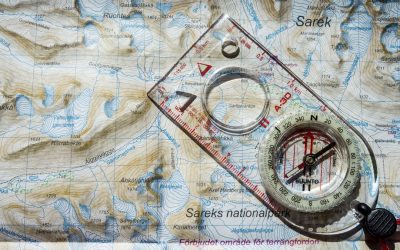
Climate Zones Of Czech Republic: Different climate regions Of Czech Republic
The Czech Republic is a landlocked country located in Central Europe. It is known for its diverse climate zones, which range from continental to oceanic, mountain, Mediterranean, subtropical, humid continental, and even polar. Understanding these climate zones is crucial for various reasons, including agriculture, tourism, and environmental conservation. In this article, we will explore each climate zone in detail, discussing their characteristics, distribution in the Czech Republic, and the flora and fauna that thrive in each zone. Summary Czech Republic has a diverse climate with eight different climate zones. The Continental Climate Zone is the most common and covers most of the country. The Oceanic Climate Zone is found in the western part of the country and is characterized by mild temperatures and high precipitation. The Mountain Climate Zone is found in the highest parts of the country and is characterized by low temperatures and high precipitation. The Mediterranean Climate Zone is the rarest and is found only in a small area in the southeast of the country. Continental Climate Zone The continental climate zone is characterized by hot summers and cold winters. It is typically found in the interior regions of the Czech Republic, away from the moderating influence of large bodies of water. The temperature range in this zone can be quite extreme, with temperatures reaching as high as 30°C (86°F) in summer and dropping to -20°C (-4°F) or lower in winter. Regions such as Moravia and parts of Bohemia fall within the continental climate zone. The flora in this zone includes deciduous trees such as oak, beech, and birch. Coniferous forests are also common, with pine...
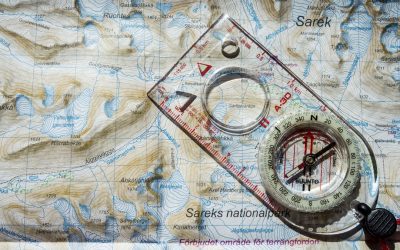
Political Boundaries of Czech Republic: Provinces, Districts, or Historical Boundaries.
Political boundaries refer to the lines that separate different political entities, such as countries, provinces, and districts. These boundaries play a crucial role in governance and development, as they define the jurisdiction and authority of governments, determine the allocation of resources, and shape the identity and culture of a nation. In the case of Czech Republic, understanding its political boundaries is essential for comprehending its governance system and historical context. Summary Czech Republic is a landlocked country in Central Europe with a population of over 10 million people. The country is divided into 14 provinces, each with its own unique culture, history, and geography. There are 76 districts in Czech Republic, which play a significant role in local governance and administration. The country’s political boundaries have evolved over time, shaped by historical events and political decisions. Political boundaries have a significant impact on Czech Republic’s economy, society, and governance, and managing them presents both challenges and opportunities for the country’s development. Understanding the Provinces of Czech Republic Czech Republic is divided into 14 provinces, also known as regions. Each province has its own unique historical and cultural significance. For example, Prague is not only the capital city but also a province in itself. It is known for its rich history, stunning architecture, and vibrant cultural scene. Other provinces like South Bohemia are famous for their picturesque landscapes and historical towns such as Český Krumlov. Each province has its own distinct identity and contributes to the overall diversity of Czech Republic. The provinces are not only administrative divisions but also serve as centers for economic activities, tourism, and cultural heritage....
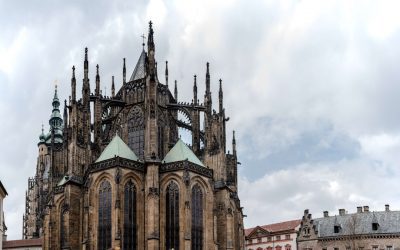
History of Czech Republic
The Czech Republic, located in the heart of Europe, has a rich and fascinating history that spans thousands of years. From its early settlements to its role in the European Union, the country has experienced significant political, cultural, and social changes throughout the centuries. In this article, we will explore the key moments in Czech history, from the early settlements to the present day, and delve into the country’s cultural heritage. Summary Early settlements in Czech Republic date back to the Paleolithic era. The Czech Kingdom rose to power in the 10th century under the rule of the Přemyslid dynasty. The Hussite Wars and the Reformation brought religious and political turmoil to the region in the 15th century. The Habsburgs ruled over Czech lands for centuries, including during the devastating Thirty Years’ War. The Czech National Revival in the 19th century sparked a renewed interest in Czech language, culture, and identity. The Early Settlements in Czech Republic The history of the Czech Republic dates back to prehistoric times when the region was inhabited by various tribes. The first known settlers were the Celts, who arrived in the area around 400 BC. They were followed by Germanic tribes and later by Slavic tribes, who settled in the region in the 6th century AD. The arrival of the Slavic tribes marked a significant turning point in Czech history. These tribes established several powerful states, including Great Moravia and Bohemia. Great Moravia was a Slavic state that existed from the 9th to the 10th century and played a crucial role in spreading Christianity in Central Europe. Bohemia, on the other hand, became...
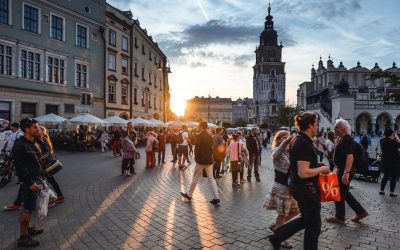
Population Density of Czech Republic
Population density refers to the number of people living in a specific area, usually measured per square kilometer. It is an important indicator of the distribution of population within a country and can provide insights into various social, economic, and environmental factors. Studying population density in the Czech Republic is crucial for understanding the country’s demographic patterns, urbanization trends, and infrastructure needs. The Czech Republic, located in Central Europe, has a rich history and a diverse population. With a land area of approximately 78,866 square kilometers, it is one of the smaller countries in Europe. However, despite its size, the Czech Republic has a relatively high population density compared to other European countries. Understanding the factors that have influenced population density in the past and present can help policymakers make informed decisions about managing population growth and ensuring sustainable development. Summary Czech Republic has a population density of 135 people per square kilometer. Population density has fluctuated throughout history due to wars, migration, and political changes. The highest population density is found in urban areas, particularly Prague. Factors affecting population density include economic opportunities, transportation, and natural resources. Regional variations in population density exist, with the highest density in the western part of the country. Historical Trends in Population Density The population density of the Czech Republic has fluctuated over time due to various historical events and factors. In the past, the country experienced periods of both high and low population density. During the medieval period, for example, the population was concentrated in urban areas such as Prague and other major cities. This led to relatively high population density...
Cultural or Historical Sites of Czech Republic: Important Cultural Landmarks or Historical Sites in Czech Republic
Introduction: Prague, the capital city of the Czech Republic, is a popular tourist destination known for its rich history and stunning architecture. With its cobblestone streets, medieval buildings, and charming atmosphere, Prague offers visitors a unique experience that transports them back in time. Exploring the city’s historical and cultural landmarks is not only a way to appreciate its beauty but also to gain a deeper understanding of Czech history and culture. From Prague Castle to the Jewish Quarter, each landmark tells a story that is worth discovering. Prague Castle: A Symbol of Czech History and Culture: Prague Castle is one of the most iconic landmarks in the city and holds great historical and cultural significance. It is the largest ancient castle complex in the world and has been the seat of power for Czech rulers for over a thousand years. The castle’s history dates back to the 9th century when it was founded by Prince Bořivoj. Over the centuries, it has been expanded and renovated by various rulers, resulting in a unique blend of architectural styles. One of the highlights of Prague Castle is St. Vitus Cathedral, a stunning Gothic masterpiece that dominates the skyline of Prague. The cathedral took nearly six centuries to complete and is known for its intricate stained glass windows, beautiful chapels, and the tomb of St. Wenceslas. Another must-visit attraction within the castle complex is Golden Lane, a picturesque street lined with colorful houses that once housed castle guards and artisans. Today, it is home to small shops selling traditional crafts and souvenirs. Charles Bridge: A Stunning Piece of Gothic Architecture: Charles Bridge is...
Natural Resources of Czech Republic: Where Natural Resources are located In Czech Republic
The Czech Republic is a landlocked country located in Central Europe. It is known for its rich natural resources, which play a significant role in the country’s economy. The natural resources in the Czech Republic include forests, minerals, water, agricultural land, energy resources, wildlife, and natural parks and reserves. These resources are vital for the country’s economic development and provide numerous benefits to its citizens. Summary Czech Republic has a diverse range of natural resources including forests, minerals, water, agriculture, energy, wildlife, and natural parks. Forests cover over one-third of the country’s land area and are a significant source of timber and wood products. Mineral resources in Czech Republic include coal, uranium, and various metals such as lead, zinc, and copper. Water resources are abundant in Czech Republic, with numerous rivers and lakes providing water for drinking, irrigation, and hydroelectric power generation. Agriculture is an important sector in Czech Republic, with crops such as wheat, barley, and potatoes being major exports. Forest Resources in Czech Republic Forests cover approximately one-third of the total land area in the Czech Republic. The country is home to various types of forests, including deciduous forests, coniferous forests, and mixed forests. These forests not only provide timber for the wood industry but also play a crucial role in maintaining the ecological balance and biodiversity of the region. Forests in the Czech Republic are managed sustainably to ensure their long-term viability. Forest management practices include selective logging, reforestation, and protection of endangered species. The government has implemented strict regulations to prevent overexploitation of forests and promote sustainable forestry practices. Mineral Resources in Czech Republic The...
Cyprus
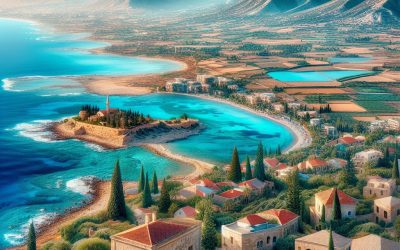
Cyprus (Kipriakí Dhimokratía (Greek); Kıbrıs Cumhuriyeti (Turkish) (Republic of Cyprus); Kuzey Kıbrıs Türk Cumhuriyeti (Turkish) (Turkish Republic of Northern Cyprus)) Capital: Nicosia (Lefkosia) Population (Estimated July 2012): 1,138,071 Area: 5,896 km2 or 2,276 mi2 Currency: Euro Official Language: Greek and Turkish Political Information: Presidential Republic Official Religion: No Official Religion (approximately 78% of the population are Greek Orthodox, 18% are Muslim, 4% have other religious beliefs) Highest Mountain: Mount Olympus at 1,951m or 6,401ft GDP Official Exchange Rate (OER is more precise at gauging a country’s economic power) (Estimated 2011): $25.7 billion (US$) or (GBP) GDP (OER) Per Capita (per member of the population estimated 2011): (US$) or (GBP) GDP Purchasing Power Parity (PPP is good for gauging living conditions and the use of resources but is not as accurate as OER. This data has been calculated based on the sum value of all goods and services produced in the country valued at prices prevailing in the United States) (Estimated 2011): $23.77 billion (US$) or (GBP) GDP (PPP) Per Capita (per member of the population estimated 2011): $29,100 (US$) or (GBP) Time Zone (GMT/UTC): +2:00 Wildlife: Counties/Provinces/States: 6 districts; Famagusta, Kyrenia, Larnaca, Limassol, Nicosia, Paphos. Leaders: President Dimitris Christofias Additional: Gained independence from the United Kingdom on the 16th of August 1960. Sources: CIA World Fact Book, Encyclopaedia Britannica. Cyprus Cyprus, located in the eastern Mediterranean Sea, is a small island nation with a rich history and vibrant culture. Known as the birthplace of Aphrodite, the ancient Greek goddess of love and beauty, Cyprus has long been a popular destination for tourists seeking sun, sea, and sand. With its stunning beaches, picturesque villages, and archaeological sites, Cyprus...