World Geography
Geography is the study of the Earth’s landscapes, environments, and the relationships between people and their surroundings. It encompasses both the physical aspects of the Earth, such as its landforms, bodies of water, and climate, as well as the human aspects, including population distribution, cultures, and economies. World geography is a broad field that seeks to understand the complexities of our planet and how humans interact with it. By studying world geography, we can gain a deeper appreciation for the diversity of our planet and the interconnectedness of its various regions.
Geography is a multidisciplinary field that draws on elements of physical science, social science, and humanities. It involves the use of maps, spatial analysis, and geographic information systems (GIS) to understand the Earth’s surface and the processes that shape it. World geography also encompasses the study of human geography, which examines the ways in which people and their activities are distributed across the Earth. By understanding world geography, we can better appreciate the environmental, cultural, and economic challenges facing different regions of the world. This knowledge is crucial for addressing global issues such as climate change, resource management, and international development.
The Five Oceans and Seven Continents
The Earth’s surface is divided into five major oceans: the Pacific, Atlantic, Indian, Southern (or Antarctic), and Arctic Oceans. These vast bodies of water play a crucial role in regulating the Earth’s climate and supporting diverse marine ecosystems. The oceans also serve as important transportation routes and a source of food and other natural resources for human societies around the world.
In addition to the oceans, the Earth’s landmasses are divided into seven continents: Africa, Antarctica, Asia, Europe, North America, Australia (or Oceania), and South America. Each continent has its own unique physical and cultural characteristics, shaped by millions of years of geological processes and human history. From the deserts of Africa to the rainforests of South America, the continents offer a rich tapestry of landscapes and environments for exploration and study.
Major Mountain Ranges and Deserts
The Earth’s surface is also marked by major mountain ranges and deserts that have shaped the planet’s physical and cultural landscapes. The Himalayas, for example, are the highest mountain range in the world and are home to diverse ecosystems and cultures in countries such as India, Nepal, and Bhutan. The Andes in South America, the Rockies in North America, and the Alps in Europe are other prominent mountain ranges that have influenced human settlement patterns and economic activities.
Deserts cover about one-third of the Earth’s land surface and are characterized by low precipitation and extreme temperatures. The Sahara Desert in Africa is the largest hot desert in the world, while the Gobi Desert in Asia is one of the largest cold deserts. Deserts are not only home to unique flora and fauna but have also been important trade routes and cultural crossroads throughout history.
Climate Zones and Biomes
The Earth’s climate is influenced by a variety of factors, including latitude, altitude, ocean currents, and prevailing winds. As a result, the planet is divided into different climate zones, each with its own characteristic weather patterns and ecosystems. The equator, for example, experiences a tropical climate with high temperatures and heavy rainfall, while the polar regions have a cold and dry climate.
These climate zones give rise to different biomes, or large ecological areas characterized by distinct plant and animal communities. The tropical rainforest biome, found near the equator, is home to a diverse array of species and is vital for regulating the Earth’s climate. The grasslands biome, found in regions such as the African savannah and North American prairies, supports grazing animals and has been important for human agriculture throughout history.
Human Geography and Population Distribution
Human geography examines the ways in which people and their activities are distributed across the Earth’s surface. It encompasses topics such as population growth, migration patterns, urbanization, and cultural diversity. Understanding human geography is crucial for addressing global challenges such as poverty, inequality, and environmental degradation.
Population distribution is uneven across the world, with some regions experiencing rapid population growth while others are declining. The majority of the world’s population lives in Asia, particularly in countries such as China and India. Urban areas are also growing rapidly, with more than half of the world’s population now living in cities. This trend has significant implications for infrastructure development, resource management, and social inequality.
Historical and Cultural Geography
Historical geography examines how human activities have shaped the Earth’s landscapes over time. It explores topics such as colonialism, trade routes, and the rise and fall of empires. Cultural geography focuses on how human cultures have developed in different regions of the world and how they interact with their environments.
The Silk Road, for example, was an ancient trade route that connected China with Europe and facilitated the exchange of goods, ideas, and technologies across Eurasia. This historical trade route had a profound impact on the development of cultures and economies along its path. Similarly, cultural geographers study how different societies have adapted to their environments through practices such as agriculture, architecture, and religious beliefs.
The Importance of Geographic Knowledge
Geographic knowledge is crucial for addressing global challenges such as climate change, resource management, and international development. By understanding world geography, we can better appreciate the environmental, cultural, and economic challenges facing different regions of the world. This knowledge is crucial for addressing global issues such as climate change, resource management, and international development.
Geographic knowledge also helps us to understand our interconnectedness with other regions of the world. By studying world geography, we can gain a deeper appreciation for the diversity of our planet and the interconnectedness of its various regions. This understanding can foster a sense of global citizenship and empathy for people from different cultures and backgrounds.
In conclusion, world geography is a complex and multifaceted field that encompasses both physical and human aspects of the Earth’s landscapes. By studying world geography, we can gain a deeper appreciation for the diversity of our planet and the interconnectedness of its various regions. This knowledge is crucial for addressing global challenges such as climate change, resource management, and international development. It also helps us to understand our interconnectedness with other regions of the world and fosters a sense of global citizenship.
FAQs
What is world geography?
World geography is the study of the Earth’s landscapes, environments, and the relationships between people and their environments. It encompasses the physical features of the Earth, as well as the human activity that takes place on it.
Why is world geography important?
World geography is important because it helps us understand the world around us. It provides insights into the physical and human processes that shape our planet, and helps us make informed decisions about how to interact with our environment.
What are the main branches of world geography?
The main branches of world geography include physical geography, which focuses on the Earth’s natural features and processes, and human geography, which examines the relationships between people and their environments.
How does world geography impact our daily lives?
World geography impacts our daily lives in numerous ways, from influencing the weather and climate we experience, to shaping the availability of natural resources and influencing the distribution of populations and cultures around the world.
What are some key concepts in world geography?
Key concepts in world geography include location, place, human-environment interaction, movement, and region. These concepts help geographers understand and interpret the world around them.
Natural Resources Of Afghanistan: Afghanistan’s Untapped Mineral Wealth: Could the Taliban Unlock the $1 Trillion Worth of Natural Resources?
Afghanistan, located in South Asia, is a landlocked country with a diverse range of natural resources. Its geography is characterized by rugged mountains, vast deserts, and fertile valleys. These natural features have endowed Afghanistan with a wealth of mineral deposits, oil and gas reserves, water resources, agricultural land, forests, wildlife, renewable energy potential, and valuable soil resources. The natural resources of Afghanistan play a crucial role in the country’s economy and development. They have the potential to generate significant revenue, create employment opportunities, and contribute to the overall growth of the nation. However, the exploitation and management of these resources come with their own set of challenges. It is essential for Afghanistan to adopt sustainable practices to ensure the long-term viability and equitable distribution of its natural wealth. Summary Afghanistan is rich in natural resources, including minerals, oil and gas, water, agriculture, forests, wildlife, renewable energy, land, and soil. The country has vast mineral deposits, including copper, iron, gold, and rare earth elements, which could be a major source of revenue and employment. Afghanistan also has significant oil and gas reserves, particularly in the north and west, but their development has been hindered by security and political instability. Water resources are critical for agriculture and human consumption, but the country faces challenges such as drought, pollution, and mismanagement. Agriculture is the backbone of the Afghan economy, providing livelihoods for the majority of the population, but it is vulnerable to climate change, pests, and conflicts. Afghanistan’s Untapped Mineral Wealth: Could the Taliban Unlock the $1 Trillion Worth of Natural Resources? Afghanistan is sitting on a hidden treasure trove—untapped mineral...

Cultural or Historical Sites Of Afghanistan: Important Cultural Landmarks or Historical Sites In Afghanistan
Afghanistan is a country with a rich cultural heritage that spans thousands of years. From ancient archaeological sites to stunning architectural wonders, Afghanistan’s cultural sites are a testament to its diverse history and vibrant traditions. However, these sites face numerous challenges, including conflict, neglect, and natural disasters. It is crucial to preserve and promote these cultural treasures to ensure that future generations can appreciate and learn from Afghanistan’s remarkable past. Summary The Magnificent Minaret of Jam is a UNESCO World Heritage Site in Afghanistan. The Bamiyan Buddhas were destroyed but their preservation efforts continue. The Kabul Museum is a treasure trove of Afghan art and history. The Blue Mosque of Mazar-i-Sharif is a symbol of Afghan architecture and spirituality. The Citadel of Herat is a fortress of Afghan resilience and heritage. The Magnificent Minaret of Jam: A UNESCO World Heritage Site in Afghanistan The Minaret of Jam is a UNESCO World Heritage Site located in the remote Ghor Province of Afghanistan. This towering structure stands at a height of 65 meters and dates back to the 12th century. It was built during the reign of the Ghurid dynasty and served as a symbol of their power and influence. The Minaret of Jam is renowned for its intricate architectural features and unique design. It is adorned with intricate brickwork, geometric patterns, and calligraphy, showcasing the exquisite craftsmanship of the time. The minaret also features a spiral staircase that leads to the top, offering breathtaking views of the surrounding landscape. Preserving the Minaret of Jam has been a challenge due to its remote location and the ongoing conflict in Afghanistan. The...
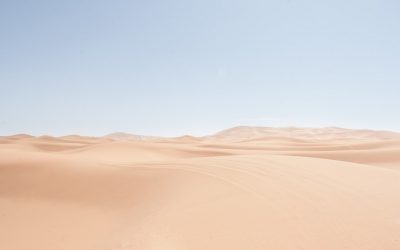
Climate Zones Of Afghanistan: Different climate regions Of Afghanistan
Afghanistan, located in Central Asia, is a landlocked country with a diverse geography and climate. It is surrounded by mountains, including the Hindu Kush and the Pamir, which greatly influence its climate. The country experiences a wide range of temperatures and precipitation patterns, making it important to understand its climate zones. By understanding these climate zones, we can better understand the challenges and opportunities that exist in different regions of Afghanistan. Summary Afghanistan has a diverse range of climate zones, including cold, arid, semi-arid, highland, humid subtropical, desert, Mediterranean, and continental. The cold climate zone is characterized by long, harsh winters and short, cool summers. The arid climate zone is hot and dry, with little rainfall and high temperatures. The semi-arid climate zone has a mix of dry and wet seasons, with hot summers and mild winters. The highland climate zone is cooler and wetter than other zones, with snowfall in the winter and rain in the summer. Climate change is having a significant impact on Afghanistan’s climate zones, including increased temperatures, changes in precipitation patterns, and more frequent extreme weather events. The Cold Climate Zone of Afghanistan The cold climate zone in Afghanistan is characterized by long, harsh winters and short, cool summers. This climate zone is found in the northern part of the country, where the Hindu Kush mountain range creates a barrier that prevents warm air from reaching the region. The average annual temperature in this zone is below freezing, and snowfall is common during the winter months. Cities or regions in the cold climate zone include Mazar-i-Sharif and Kunduz. These areas experience extremely cold temperatures...
Population Density Of Afghanistan
Afghanistan, a landlocked country in South Asia, is known for its rugged terrain and diverse cultural heritage. With a population of over 38 million people, Afghanistan is the 40th most populous country in the world. Understanding the population density of Afghanistan is crucial for policymakers and researchers as it provides insights into the distribution of resources, infrastructure development, and social services. This article aims to provide a comprehensive overview of Afghanistan’s population density, including its historical trends, factors influencing it, regional variations, urban-rural divide, demographic profile, impacts on the economy, challenges faced, and future prospects. Summary Afghanistan has a high population density, with an estimated 38 million people living in an area of 652,230 square kilometers. The country’s population density has been influenced by historical events such as wars, migrations, and political changes. Factors such as climate, topography, and access to resources also play a role in shaping population density in Afghanistan. There are significant regional variations in population density, with the highest densities found in urban areas and along major transportation routes. The country’s population growth rate has slowed in recent years, but remains high compared to other countries in the region. Historical Overview of Afghanistan’s Population Density Afghanistan has experienced significant changes in its population density over the years. In the early 20th century, the country had a relatively low population density due to its harsh climate and rugged terrain. However, with improvements in healthcare and infrastructure, as well as increased agricultural productivity, the population began to grow rapidly. The Soviet-Afghan War in the 1980s and subsequent conflicts further influenced population density as people were displaced from...

Countries of Asia
Asia is the largest continent in the world, covering about 30% of the Earth’s land area. It is home to 48 countries, each with its own unique geography, culture, and economy. From the snow-capped mountains of Nepal to the bustling cities of Japan, Asia offers a diverse range of experiences for travelers and explorers. Summary Asia is home to a diverse range of countries with varying sizes, populations, and cultures. The largest countries in Asia by land area are Russia, China, and India. The most populous countries in Asia are China, India, and Indonesia. The economic powerhouses of Asia include Japan, China, and South Korea. The most culturally diverse countries in Asia are Malaysia, Indonesia, and Singapore. The Largest Countries in Asia by Land Area 1. Russia: With a land area of over 17 million square kilometers, Russia is by far the largest country in Asia. It spans across two continents, Europe and Asia, and is known for its vast landscapes, including the Siberian tundra and the Ural Mountains. 2. China: China is the second-largest country in Asia, covering an area of approximately 9.6 million square kilometers. It is home to diverse geographical features such as the Himalayas, the Gobi Desert, and the Yangtze River. 3. India: India is the seventh-largest country in the world and the third-largest in Asia, with a land area of about 3.3 million square kilometers. It is known for its diverse landscapes, from the Himalayan mountain range in the north to the coastal plains in the south. 4. Kazakhstan: Kazakhstan is the ninth-largest country in the world and the fourth-largest in Asia, with a...

Countries of Oceania
Oceania, also known as the Pacific Islands, is a region located in the Pacific Ocean. It is made up of thousands of islands, including Australia, New Zealand, Papua New Guinea, Fiji, Samoa, Vanuatu, Tonga, Micronesia, and Kiribati. The region is known for its stunning natural beauty, diverse cultures, and rich history. The Pacific Island region has a fascinating history and geography. The islands were first inhabited by indigenous peoples thousands of years ago. European explorers began to arrive in the 16th century, and the islands were colonized by various European powers. Today, many of the islands are independent nations or territories. Geographically, the Pacific Islands are spread out over a vast area of the Pacific Ocean. The islands are known for their pristine beaches, lush rainforests, volcanic landscapes, and vibrant coral reefs. The region is also home to unique flora and fauna, including many species found nowhere else in the world. Summary Oceania is a region made up of many diverse countries and cultures in the Pacific Islands. Australia is the largest country in Oceania, with a unique landscape and wildlife. New Zealand is known for its stunning scenery and adventurous activities like bungee jumping and hiking. Papua New Guinea is a country with a rich cultural heritage and natural wonders like active volcanoes and rainforests. Fiji is a tropical paradise with a vibrant cultural heritage and beautiful beaches. Australia: The Largest Country in Oceania Australia is the largest country in Oceania and is known for its diverse landscapes and unique wildlife. The country is home to iconic landmarks such as the Great Barrier Reef, Uluru (Ayers Rock), and...

Countries of Antarctica
Antarctica, the southernmost continent on Earth, is a vast and remote landmass that is covered in ice and surrounded by the Southern Ocean. It is home to a unique ecosystem and is often referred to as the “last wilderness” due to its pristine and untouched nature. Despite its harsh conditions, Antarctica has been a subject of fascination for explorers and scientists for centuries. There are five countries that have territorial claims in Antarctica: Argentina, Australia, Chile, France, and New Zealand. These countries have established research stations on the continent and conduct scientific research in various fields such as climate change, geology, and biology. While Antarctica is not permanently inhabited by humans, these countries maintain a presence on the continent to support their scientific activities. Summary Antarctica is a continent located at the southernmost point of the Earth. The history of Antarctic exploration dates back to the 19th century, with many expeditions and discoveries made over the years. The Antarctic Treaty System is a set of agreements that govern the continent and promote peaceful cooperation among countries. Five countries have territorial claims in Antarctica: Argentina, Australia, Chile, France, and New Zealand. Antarctica is a unique environment with extreme weather conditions, diverse wildlife, and important scientific research opportunities. The history of Antarctic exploration and discovery The history of Antarctic exploration dates back to the early 19th century when explorers began venturing into the icy waters of the Southern Ocean in search of new lands. One of the first explorers to reach Antarctica was James Cook, who sailed around the continent in 1773. However, it wasn’t until the early 20th century that...

Countries of Africa
Africa is a vast and diverse continent, home to 54 countries with a population of over 1.3 billion people. It is the second-largest continent in the world, both in terms of land area and population. Africa is known for its rich history, diverse cultures, and stunning natural landscapes. From the deserts of North Africa to the rainforests of Central Africa, and from the savannahs of East Africa to the coastal regions of West Africa, each country in Africa has its own unique identity and charm. Summary Africa is a continent made up of 54 countries with diverse cultures, languages, and ethnic groups. African nations have a rich history and culture, with many ancient civilizations and traditions still present today. The geography of Africa includes deserts, rainforests, savannas, and mountains, with many unique animal species. African politics and governance vary widely, with some countries experiencing instability and conflict while others have stable democracies. Economic development and trade in Africa are growing, with many countries experiencing significant growth in recent years. The History and Culture of African Nations The history of African nations is incredibly rich and varied. From ancient civilizations such as Egypt and Ethiopia to the colonial era and the struggle for independence, African countries have experienced a wide range of historical events that have shaped their present-day identities. The cultural traditions of African nations are equally diverse, with each country having its own unique customs, languages, music, dance, and art forms. One notable historical event in Africa’s history is the transatlantic slave trade, which had a profound impact on the continent. Millions of Africans were forcibly taken from...

Countries of South America
South America is a continent located in the Western Hemisphere, mostly in the Southern Hemisphere, with a relatively small portion in the Northern Hemisphere. It is bordered by the Pacific Ocean to the west, the Atlantic Ocean to the east, and the Caribbean Sea to the north. South America is known for its incredible diversity, both in terms of its geography and its people. From the lush Amazon rainforest to the towering Andes mountains, South America offers a wide range of landscapes and climates. South America is also an important continent in the world, both economically and culturally. It is home to some of the world’s largest economies, such as Brazil and Argentina, as well as important natural resources like oil, gas, and minerals. South America has also made significant contributions to art, literature, music, and dance, with cultural icons like tango and samba originating from this vibrant continent. With its rich history and diverse cultures, South America is a fascinating destination for travelers looking to explore new horizons. Summary South America is a diverse and vibrant continent with a rich history and culture. The geography and climate of South America range from the Amazon Rainforest to the Andes Mountains. South America has a complex history, from ancient civilizations to colonialism and independence. The politics and government of South America include democracies, dictatorships, and revolutions. The economy of South America is driven by agriculture, mining, and tourism. The Geography and Climate of South America: From the Amazon Rainforest to the Andes Mountains South America is characterized by its diverse geography, which includes vast rainforests, towering mountains, expansive deserts, and...

Countries of Europe
Europe is a continent known for its rich history, diverse cultures, and stunning landscapes. From the bustling cities of London and Paris to the picturesque countryside of Tuscany and the fjords of Norway, Europe offers a wide range of experiences for travelers. Exploring the different countries and regions within Europe allows visitors to immerse themselves in unique cultures, try delicious cuisines, and witness breathtaking sights. Whether you’re interested in history, art, nature, or simply experiencing new cultures, Europe has something to offer everyone. Summary Europe is a continent with diverse countries and cultures. The United Kingdom is made up of four countries with distinct identities. France is known for its beauty and diversity, from the Eiffel Tower to the French Riviera. Germany has a rich history and culture, from the Berlin Wall to Oktoberfest. Italy is famous for its art, fashion, and delicious cuisine, from the Colosseum to pizza and pasta. Spain is a country with vibrant culture and stunning scenery, from flamenco dancing to the beaches of Barcelona. The Nordic countries are known for their natural wonders and progressive societies, from the Northern Lights to gender equality. Eastern Europe has a complex history and fascinating traditions, from the Soviet Union to traditional folk music. The Balkans are a region of contrasts and diverse cultures, from the Adriatic Sea to the Ottoman Empire. The microstates of Europe may be small, but they have unique identities and cultures, from Monaco to Liechtenstein. The United Kingdom: A Nation of Four Countries The United Kingdom is made up of four countries: England, Scotland, Wales, and Northern Ireland. Each country has its own...

Countries of North America
North America is a vast and diverse continent, spanning from the Arctic Circle in the north to the tropical waters of the Caribbean Sea in the south. It is home to a wide range of landscapes, cultures, and traditions, making it a truly unique and fascinating destination. With its economic powerhouses, natural wonders, and rich history, North America holds great importance in the world. Summary North America is a vast continent with diverse cultures and natural wonders. The United States offers opportunities for people from all walks of life. Canada boasts stunning natural beauty and a rich cultural heritage. Mexico is a vibrant nation with a colourful and traditional way of life. Greenland is a land of ice and adventure, perfect for thrill-seekers. The United States The United States is known for its diversity of landscapes and cultures. From the towering skyscrapers of New York City to the stunning beaches of California, there is something for everyone in this vast country. The United States also offers numerous economic opportunities, attracting people from all over the world in search of the American Dream. Its political system and government, based on democracy and individual freedoms, have made it a beacon of hope for many. Canada Canada is renowned for its natural beauty and wildlife. From the majestic Rocky Mountains to the pristine lakes of Ontario, Canada offers breathtaking landscapes that are sure to leave visitors in awe. Canada is also known for its multiculturalism and diversity, with people from all over the world calling it home. This diversity is celebrated through various cultural festivals and events throughout the year. Additionally, Canada...

Countries of the World Alphabetically
Countries of the world Countries are the basic units of the world’s political geography. They are defined by their borders, government, and sovereignty. There are 195 countries in the world today, each with its own unique culture, history, and geography. These countries vary greatly in terms of population, size, diversity, wealth, and tourism. Understanding the different characteristics of countries can provide valuable insights into the global landscape and the diversity of human civilization. A: Afghanistan Albania Algeria Andorra Angola Antigua and Barbuda Argentina Armenia Australia Austria Azerbaijan B: Bahamas Bahrain Bangladesh Barbados Belarus Belgium Belize Benin Bhutan Bolivia Bosnia and Herzegovina Botswana Brazil Brunei Bulgaria Burkina Faso Burundi C: Cabo Verde Cambodia Cameroon Canada Central African Republic Chad Chile China Colombia Comoros Congo, Democratic Republic of the Congo, Republic of the Costa Rica Cote d’Ivoire Croatia Cuba Cyprus Czech Republic D: Denmark Djibouti Dominica Dominican Republic E: East Timor (Timor-Leste) Ecuador Egypt El Salvador England Equatorial Guinea Eritrea Estonia Eswatini (formerly Swaziland) Ethiopia F: Fiji Finland France G: Gabon Gambia Georgia Germany Ghana Greece Grenada Guadeloupe Guatemala Guinea Guinea-Bissau Guyana H: Haiti Honduras Hungary I: Iceland India Indonesia Iran Iraq Ireland Israel Italy J: Jamaica Japan Jordan K: Kazakhstan Kenya Kiribati Korea, North Korea, South Kosovo Kuwait Kyrgyzstan L: Laos Latvia Lebanon Lesotho Liberia Libya Liechtenstein Lithuania Luxembourg M: Madagascar Malawi Malaysia Maldives Mali Malta Marshall Islands Mauritania Mauritius Mexico Micronesia Moldova Monaco Mongolia Montenegro Morocco Mozambique Myanmar (Burma) N: Namibia Nauru Nepal Netherlands New Zealand Nicaragua Niger Nigeria North Macedonia (formerly Macedonia) Norway O: Oman P: Pakistan Palau Panama Papua New Guinea Paraguay Peru Philippines Poland Portugal Q:...