World Geography
Geography is the study of the Earth’s landscapes, environments, and the relationships between people and their surroundings. It encompasses both the physical aspects of the Earth, such as its landforms, bodies of water, and climate, as well as the human aspects, including population distribution, cultures, and economies. World geography is a broad field that seeks to understand the complexities of our planet and how humans interact with it. By studying world geography, we can gain a deeper appreciation for the diversity of our planet and the interconnectedness of its various regions.
Geography is a multidisciplinary field that draws on elements of physical science, social science, and humanities. It involves the use of maps, spatial analysis, and geographic information systems (GIS) to understand the Earth’s surface and the processes that shape it. World geography also encompasses the study of human geography, which examines the ways in which people and their activities are distributed across the Earth. By understanding world geography, we can better appreciate the environmental, cultural, and economic challenges facing different regions of the world. This knowledge is crucial for addressing global issues such as climate change, resource management, and international development.
The Five Oceans and Seven Continents
The Earth’s surface is divided into five major oceans: the Pacific, Atlantic, Indian, Southern (or Antarctic), and Arctic Oceans. These vast bodies of water play a crucial role in regulating the Earth’s climate and supporting diverse marine ecosystems. The oceans also serve as important transportation routes and a source of food and other natural resources for human societies around the world.
In addition to the oceans, the Earth’s landmasses are divided into seven continents: Africa, Antarctica, Asia, Europe, North America, Australia (or Oceania), and South America. Each continent has its own unique physical and cultural characteristics, shaped by millions of years of geological processes and human history. From the deserts of Africa to the rainforests of South America, the continents offer a rich tapestry of landscapes and environments for exploration and study.
Major Mountain Ranges and Deserts
The Earth’s surface is also marked by major mountain ranges and deserts that have shaped the planet’s physical and cultural landscapes. The Himalayas, for example, are the highest mountain range in the world and are home to diverse ecosystems and cultures in countries such as India, Nepal, and Bhutan. The Andes in South America, the Rockies in North America, and the Alps in Europe are other prominent mountain ranges that have influenced human settlement patterns and economic activities.
Deserts cover about one-third of the Earth’s land surface and are characterized by low precipitation and extreme temperatures. The Sahara Desert in Africa is the largest hot desert in the world, while the Gobi Desert in Asia is one of the largest cold deserts. Deserts are not only home to unique flora and fauna but have also been important trade routes and cultural crossroads throughout history.
Climate Zones and Biomes
The Earth’s climate is influenced by a variety of factors, including latitude, altitude, ocean currents, and prevailing winds. As a result, the planet is divided into different climate zones, each with its own characteristic weather patterns and ecosystems. The equator, for example, experiences a tropical climate with high temperatures and heavy rainfall, while the polar regions have a cold and dry climate.
These climate zones give rise to different biomes, or large ecological areas characterized by distinct plant and animal communities. The tropical rainforest biome, found near the equator, is home to a diverse array of species and is vital for regulating the Earth’s climate. The grasslands biome, found in regions such as the African savannah and North American prairies, supports grazing animals and has been important for human agriculture throughout history.
Human Geography and Population Distribution
Human geography examines the ways in which people and their activities are distributed across the Earth’s surface. It encompasses topics such as population growth, migration patterns, urbanization, and cultural diversity. Understanding human geography is crucial for addressing global challenges such as poverty, inequality, and environmental degradation.
Population distribution is uneven across the world, with some regions experiencing rapid population growth while others are declining. The majority of the world’s population lives in Asia, particularly in countries such as China and India. Urban areas are also growing rapidly, with more than half of the world’s population now living in cities. This trend has significant implications for infrastructure development, resource management, and social inequality.
Historical and Cultural Geography
Historical geography examines how human activities have shaped the Earth’s landscapes over time. It explores topics such as colonialism, trade routes, and the rise and fall of empires. Cultural geography focuses on how human cultures have developed in different regions of the world and how they interact with their environments.
The Silk Road, for example, was an ancient trade route that connected China with Europe and facilitated the exchange of goods, ideas, and technologies across Eurasia. This historical trade route had a profound impact on the development of cultures and economies along its path. Similarly, cultural geographers study how different societies have adapted to their environments through practices such as agriculture, architecture, and religious beliefs.
The Importance of Geographic Knowledge
Geographic knowledge is crucial for addressing global challenges such as climate change, resource management, and international development. By understanding world geography, we can better appreciate the environmental, cultural, and economic challenges facing different regions of the world. This knowledge is crucial for addressing global issues such as climate change, resource management, and international development.
Geographic knowledge also helps us to understand our interconnectedness with other regions of the world. By studying world geography, we can gain a deeper appreciation for the diversity of our planet and the interconnectedness of its various regions. This understanding can foster a sense of global citizenship and empathy for people from different cultures and backgrounds.
In conclusion, world geography is a complex and multifaceted field that encompasses both physical and human aspects of the Earth’s landscapes. By studying world geography, we can gain a deeper appreciation for the diversity of our planet and the interconnectedness of its various regions. This knowledge is crucial for addressing global challenges such as climate change, resource management, and international development. It also helps us to understand our interconnectedness with other regions of the world and fosters a sense of global citizenship.
FAQs
What is world geography?
World geography is the study of the Earth’s landscapes, environments, and the relationships between people and their environments. It encompasses the physical features of the Earth, as well as the human activity that takes place on it.
Why is world geography important?
World geography is important because it helps us understand the world around us. It provides insights into the physical and human processes that shape our planet, and helps us make informed decisions about how to interact with our environment.
What are the main branches of world geography?
The main branches of world geography include physical geography, which focuses on the Earth’s natural features and processes, and human geography, which examines the relationships between people and their environments.
How does world geography impact our daily lives?
World geography impacts our daily lives in numerous ways, from influencing the weather and climate we experience, to shaping the availability of natural resources and influencing the distribution of populations and cultures around the world.
What are some key concepts in world geography?
Key concepts in world geography include location, place, human-environment interaction, movement, and region. These concepts help geographers understand and interpret the world around them.

Discover the Untouched Beauty of Samoa: A Journey Through the Pacific’s Hidden Gem
Located in the heart of the South Pacific, Samoa is a hidden gem that often gets overlooked by travelers. This small island nation is made up of two main islands, Upolu and Savai’i, and is known for its stunning natural beauty, rich cultural heritage, and warm hospitality. With its pristine beaches, lush rainforests, traditional villages, and unique cuisine, Samoa offers a truly unforgettable travel experience. Samoa has a fascinating history that dates back thousands of years. The islands were first settled by Polynesians around 3,000 years ago and have since been influenced by various cultures, including European explorers and missionaries. Today, Samoa is an independent country with a proud cultural heritage that is deeply rooted in its traditional way of life. Summary Samoa is a hidden gem in the Pacific, offering natural wonders, cultural riches, unique cuisine, adventure activities, and off-the-beaten-path destinations. Pristine beaches and lush rainforests are among the natural wonders of Samoa, providing opportunities for relaxation and exploration. Traditional villages and ancient traditions showcase the cultural riches of Samoa, offering a glimpse into the country’s unique heritage. Samoa’s cuisine is a blend of local flavours and international influences, with fresh seafood and tropical fruits being among the highlights. Surfing, hiking, and other adventure activities are popular in Samoa, providing opportunities for adrenaline seekers and nature lovers alike. The Natural Wonders of Samoa: Pristine Beaches and Lush Rainforests One of the main attractions of Samoa is its breathtaking beaches. With crystal-clear turquoise waters and powdery white sand, these beaches are like something out of a postcard. Whether you’re looking to relax on the beach or go snorkeling in...
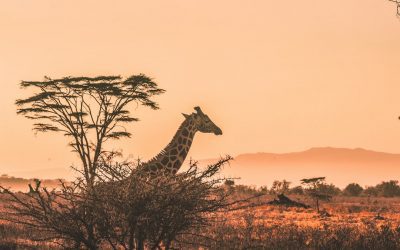
Exploring the Wonders of Kenya: A Journey Through the Heart of East Africa
Kenya is a country that offers a unique and unforgettable travel experience. Located in East Africa, it is known for its diverse landscapes, rich cultural heritage, and abundant wildlife. From the iconic Mount Kenya to the stunning beaches of the coast, Kenya has something to offer every type of traveler. In this article, we will explore the various attractions and experiences that make Kenya a must-visit destination. One of the main reasons to visit Kenya is to experience its rich cultural heritage and natural wonders. The country is home to over 40 different ethnic groups, each with their own unique traditions and customs. From the Maasai people with their vibrant red clothing and intricate beadwork to the Swahili people with their rich history and architecture, Kenya’s cultural diversity is truly fascinating. In addition, Kenya is blessed with breathtaking natural beauty, including national parks, mountains, and beaches. Whether you are interested in wildlife viewing or simply relaxing on the beach, Kenya has it all. Summary Kenya has a rich cultural heritage waiting to be discovered. The diverse landscapes of Kenya offer a unique and unforgettable experience. Witnessing the Great Migration at Masai Mara is a once-in-a-lifetime opportunity. Embarking on a safari adventure in Kenya’s national parks is a must-do activity. Relaxing on Kenya’s stunning beaches is the perfect way to unwind and soak up the sun. Discovering Kenya’s Rich Cultural Heritage Kenya is a melting pot of cultures, with over 40 different ethnic groups living within its borders. Each group has its own distinct traditions and customs, making Kenya a fascinating destination for cultural exploration. Visitors can immerse themselves in...
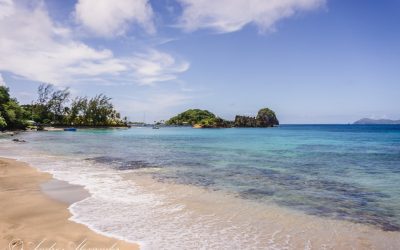
Discovering the Hidden Gems of Saint Vincent and the Grenadines: A Journey through the Caribbean’s Best-Kept Secret
Saint Vincent and the Grenadines is a stunning Caribbean country located in the southern part of the Caribbean Sea. It is made up of 32 islands and cays, with Saint Vincent being the largest and most populous island. The country has a rich history and culture, with influences from African, European, and indigenous Carib peoples. Saint Vincent and the Grenadines is known for its pristine beaches, crystal-clear waters, and lush tropical landscapes. It offers a wide range of activities for visitors to enjoy, from snorkeling and diving to hiking and exploring historical sites. With its warm climate, friendly locals, and breathtaking scenery, it is no wonder that Saint Vincent and the Grenadines is considered a must-visit destination. Summary Saint Vincent and the Grenadines is a beautiful Caribbean paradise with stunning beaches, rich culture and history, and plenty of outdoor activities. The best beaches in Saint Vincent and the Grenadines include Princess Margaret Beach, Canouan Island, and Tobago Cays. Exploring the culture and history of Saint Vincent and the Grenadines can be done through visiting places like Fort Charlotte, the Botanical Gardens, and the St. Vincent and the Grenadines National Museum. The top tourist attractions in Saint Vincent and the Grenadines include the La Soufriere volcano, the Falls of Baleine, and the Old Hegg Turtle Sanctuary. The best hiking and nature trails in Saint Vincent and the Grenadines can be found in places like Vermont Nature Trail, Montreal Gardens, and Dark View Falls. The best snorkeling and diving spots in Saint Vincent and the Grenadines include Tobago Cays, Mayreau Gardens, and the Wall at Petit Byahaut. The best places to...

Discovering the Hidden Gems of Kazakhstan: A Journey Through Central Asia’s Best-Kept Secret
Kazakhstan, the ninth largest country in the world, is a hidden gem waiting to be explored. Located in Central Asia, this vast and diverse country offers a wealth of natural wonders, cultural treasures, and thrilling outdoor activities. From the majestic Altai Mountains to the stunning Kolsai Lakes and the breathtaking Charyn Canyon, Kazakhstan is a paradise for nature lovers. But it’s not just the landscapes that make Kazakhstan worth exploring; its rich heritage, delicious cuisine, modern cities, and warm hospitality also make it a fascinating travel destination. Summary Kazakhstan boasts natural wonders from mountains to deserts Cultural treasures await those who explore Kazakhstan’s rich heritage A gastronomic journey through Central Asia reveals the flavours of Kazakhstan Thrilling outdoor activities can be found in Kazakhstan’s wild landscapes Comfort and luxury can be found in the best places to stay in Kazakhstan The Natural Wonders of Kazakhstan: From Mountains to Deserts Kazakhstan is blessed with diverse landscapes that will leave any nature enthusiast in awe. The Altai Mountains, located in the northeastern part of the country, are a paradise for hikers and mountaineers. With their snow-capped peaks, alpine meadows, and crystal-clear lakes, the Altai Mountains offer breathtaking views and endless opportunities for adventure. Another natural wonder in Kazakhstan is the Kolsai Lakes. Located in the Tien Shan Mountains, these three stunning lakes are known for their turquoise waters and picturesque surroundings. Visitors can hike through lush forests, camp by the lakeside, or simply relax and enjoy the tranquility of nature. One of Kazakhstan’s most famous natural attractions is the Charyn Canyon. Often referred to as the “Grand Canyon’s little brother,” this...
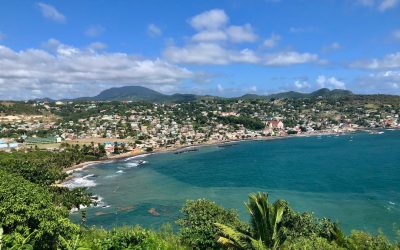
Discovering the Hidden Gems of Saint Lucia: A British Traveller’s Guide
Saint Lucia, located in the eastern Caribbean Sea, is often considered the Caribbean’s best-kept secret. This stunning island offers a unique blend of natural beauty, rich cultural heritage, and off-the-beaten-path adventures. With its lush rainforests, pristine beaches, and vibrant local culture, Saint Lucia is a destination that truly has something for everyone. One of the reasons why Saint Lucia is considered a hidden gem is because it is often overshadowed by its more popular Caribbean neighbors. While destinations like Jamaica and the Bahamas attract hordes of tourists, Saint Lucia remains relatively untouched and unspoiled. This means that visitors to the island can experience a more authentic and intimate Caribbean experience. Summary Saint Lucia is the Caribbean’s best-kept secret, offering hidden gems and natural wonders. Explore off the beaten path to discover the island’s rich cultural heritage and top hiking trails. Saint Lucia boasts some of the best beaches you’ve never heard of, perfect for a secluded getaway. Foodies will love the local cuisine, with plenty of options to try traditional dishes. Don’t miss out on the island’s scenic drives and road trips, and be sure to pick up some local crafts as souvenirs. Off the Beaten Path While Saint Lucia is known for its stunning beaches and luxurious resorts, there are also plenty of off-the-beaten-path attractions and activities to explore. One hidden gem is the Tet Paul Nature Trail, located in the southwestern part of the island. This trail offers breathtaking views of the famous Pitons, as well as a glimpse into local farming practices and traditional village life. Another lesser-known attraction is the Enbas Saut Waterfall, located in...
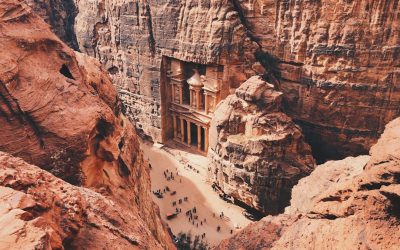
Exploring the Wonders of Jordan: A Journey Through the Land of Ancient Civilizations
Jordan, located in the heart of the Middle East, is a country that is rich in history and culture. It is bordered by Saudi Arabia to the south, Iraq to the east, Syria to the north, and Israel and Palestine to the west. With its strategic location, Jordan has been a crossroads of civilizations for thousands of years, resulting in a diverse and fascinating cultural heritage. The history of Jordan dates back to ancient times, with evidence of human habitation dating back to the Paleolithic period. Throughout its history, Jordan has been home to numerous civilizations, including the Nabataeans, Romans, Byzantines, and Ottomans. This rich history is evident in the country’s archaeological sites, such as Petra and Jerash, which attract visitors from around the world. In addition to its historical significance, Jordan is also known for its vibrant culture. The country is home to a diverse population, with Arab Bedouin tribes making up a significant portion of the population. The traditional Bedouin way of life can still be seen in many parts of Jordan, particularly in the desert regions. Jordan is also known for its warm hospitality and friendly people. Visitors to the country are often struck by the genuine kindness and generosity of the Jordanian people. This hospitality is deeply rooted in Jordanian culture and is a reflection of the country’s values and traditions. Summary Jordan is a country with a rich history and culture. Petra is a UNESCO World Heritage Site and a must-visit destination in Jordan. Wadi Rum is a natural wonder with stunning desert landscapes. The Dead Sea is a unique natural phenomenon and a...
Discover the Hidden Gems of Saint Kitts and Nevis: A British Caribbean Paradise
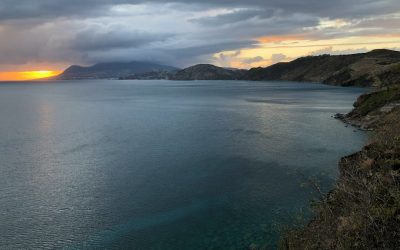
Saint Kitts and Nevis, located in the Caribbean Sea, is a small island nation that offers a perfect blend of natural beauty, rich history, and vibrant culture. Comprising two islands, Saint Kitts and Nevis, this British Overseas Territory is known for its stunning beaches, lush rainforests, and warm hospitality. It has become a popular tourist destination for those seeking a tropical paradise with a touch of British charm. With its pristine beaches, crystal-clear waters, and year-round sunshine, Saint Kitts and Nevis attracts visitors from all over the world. The islands offer a wide range of activities for tourists to enjoy, from relaxing on the beach to exploring the vibrant underwater world through scuba diving and snorkeling. The country’s rich history and cultural heritage also make it an intriguing destination for history buffs and culture enthusiasts. Summary Saint Kitts and Nevis is a beautiful British Caribbean paradise with a rich history and culture. The natural wonders of Saint Kitts and Nevis are diverse, ranging from beaches to rainforests. There are a variety of accommodation options in Saint Kitts and Nevis, from luxury resorts to local guesthouses. The local food scene is a fusion of British, African, and Caribbean flavors, offering a unique culinary experience. Saint Kitts and Nevis has a vibrant art and music scene, and there are plenty of activities to enjoy, from scuba diving to hiking. The Rich History of Saint Kitts and Nevis and Its Influence on the Culture Saint Kitts and Nevis has a fascinating colonial past that has greatly influenced its culture. The islands were first inhabited by the indigenous Kalinago people before being colonized...
Discovering the Wonders of Japan
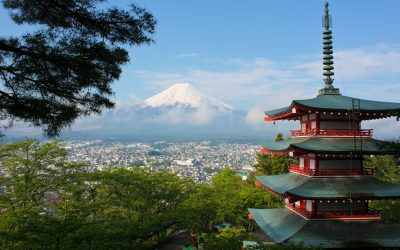
Japan is a country that is rich in culture, history, and natural beauty. From the bustling metropolis of Tokyo to the serene countryside, there is something for everyone to enjoy in this fascinating country. In this blog post, we will explore the unique culture and attractions of Japan, from its traditional arts and crafts to its modern anime and technology. Whether you are a food lover, nature enthusiast, or history buff, Japan has something to offer you. Summary Researching Japan’s unique culture and attractions is essential for planning a successful trip. Tokyo’s bustling metropolis can be overwhelming, but it’s worth exploring. Japanese cuisine offers a wide variety of dishes beyond sushi and ramen. Traditional Japanese arts and crafts, such as calligraphy and pottery, are worth discovering. Visiting ancient temples and shrines is a must for experiencing Japan’s spiritual side. Planning the Trip: Researching Japan’s Unique Culture and Attractions Before embarking on your journey to Japan, it is important to do some research to fully appreciate the country’s unique culture and attractions. Start by reading books or watching documentaries about Japan’s history, traditions, and customs. This will give you a deeper understanding of the country and its people. When researching attractions, consider visiting popular destinations such as Kyoto, Osaka, Hiroshima, and Nara. These cities are known for their historical sites, beautiful temples and shrines, and vibrant local culture. Additionally, make sure to research seasonal events and festivals that may be happening during your visit. Japan is famous for its cherry blossom season in spring and its stunning autumn foliage. Arrival in Tokyo: First Impressions of the Bustling Metropolis Upon arriving...
Exploring the Beauty and Resilience of Rwanda: A Journey Through the Heart of Africa
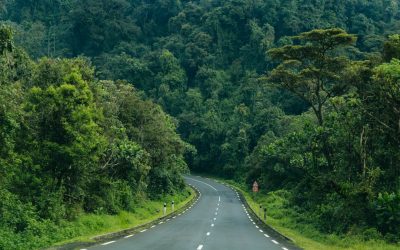
Rwanda, known as the “Land of a Thousand Hills,” is a small but captivating country located in East Africa. Despite its tragic history, Rwanda has emerged as a resilient and beautiful travel destination. With its stunning landscapes, diverse wildlife, rich cultural heritage, and warm hospitality, Rwanda offers a unique and unforgettable experience for travelers. However, it is crucial to practice sustainable tourism in order to preserve Rwanda’s beauty and resilience for future generations. Sustainable tourism plays a vital role in preserving Rwanda’s natural and cultural heritage. By promoting responsible travel practices, we can ensure that the country’s ecosystems are protected, wildlife is conserved, and local communities benefit from tourism. Sustainable tourism also helps to minimize the negative impacts of tourism, such as overdevelopment and environmental degradation. By supporting sustainable tourism initiatives in Rwanda, we can contribute to the country’s long-term sustainability and help preserve its beauty and resilience. Summary Rwanda is a land of endless beauty and resilience, with enchanting landscapes, remarkable wildlife recovery, rich cultural heritage, and inspiring rise from the ashes. Exploring Rwanda’s vibrant cities and towns offers a unique experience of the country’s history and modernity. Rwanda’s cuisine is a fusion of flavours and cultures, reflecting the country’s diversity and hospitality. Rwanda’s thriving arts and crafts scene showcases the creativity and talent of its people, and offers unique souvenirs for visitors. Rwanda’s sustainable tourism approach preserves the beauty and resilience of the land, while providing opportunities for economic growth and community development. Rwanda: A Land of Endless Beauty and Resilience Rwanda is blessed with breathtaking natural beauty and diverse landscapes. From the rolling hills covered in...
Discovering the Hidden Gems of Jamaica: A Journey Through the Island’s Unexplored Treasures
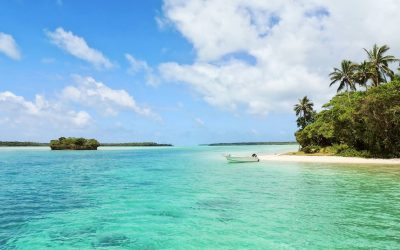
Jamaica is a popular tourist destination known for its stunning beaches, vibrant culture, and delicious cuisine. From the bustling streets of Kingston to the laid-back vibes of Negril, there is no shortage of things to see and do in this Caribbean paradise. However, beyond the well-known attractions lies a world of hidden gems waiting to be discovered. In this blog post, we will explore some of Jamaica’s lesser-known destinations and uncover the secrets that make them so special. The concept of hidden gems refers to those off-the-beaten-path locations that are often overlooked by tourists in favor of more popular attractions. These hidden gems offer a unique and authentic experience, allowing visitors to truly immerse themselves in the local culture and natural beauty of a destination. The purpose of this blog post is to shed light on these hidden treasures and encourage travellers to venture beyond the typical tourist hotspots. Summary Jamaica has many hidden gems waiting to be discovered beyond the typical tourist destinations. Exploring the road less travelled in Jamaica can lead to discovering unexplored treasures. Jamaica’s hidden beaches and coves offer a unique and secluded experience for travellers. The island’s hidden waterfalls are some of the most scenic spots to visit in Jamaica. Jamaica’s lush and colourful flora can be explored in the island’s secret gardens. The Unexplored Treasures of Jamaica While Jamaica is famous for its stunning beaches and vibrant cities, there are many lesser-known destinations that are equally deserving of attention. These hidden gems offer a chance to escape the crowds and discover a side of Jamaica that few tourists get to see. Whether it’s...
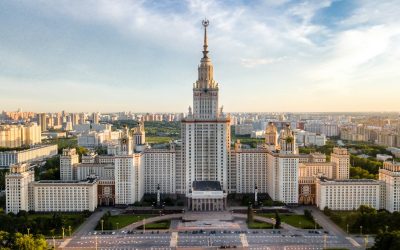
Exploring the Enigmatic Charm of Russia: A Journey Through its Rich Culture and History
Russia has long held a reputation as a mysterious and enigmatic country, captivating the imagination of people around the world. Its vast landscapes, rich cultural heritage, and complex history have all contributed to its allure. From the grandeur of the Tsars to the rise and fall of the Soviet Union, Russia’s story is one of triumphs and tragedies, making it a fascinating destination for travelers and adventurers alike. Summary Russia’s cultural heritage is rich and diverse, encompassing art, music, and literature. The rise and fall of the Tsars offers a glimpse into Russia’s imperial past. The Soviet era was marked by the Communist Revolution and its aftermath. The Russian Orthodox Church is the spiritual heart of Russia. Moscow and St. Petersburg are two of Russia’s most iconic cities. Russia’s Cultural Heritage: A Tapestry of Art, Music and Literature Russian literature has had a profound impact on the world stage, with authors such as Leo Tolstoy and Fyodor Dostoevsky producing timeless works that continue to be studied and admired today. These literary giants delve into the depths of the human condition, exploring themes of love, loss, and redemption. Their works have not only shaped Russian culture but have also influenced writers around the globe. In addition to literature, Russian art and architecture are renowned for their beauty and grandeur. From the iconic onion domes of St. Basil’s Cathedral in Moscow to the opulent palaces of St. Petersburg, Russian architecture is a testament to the country’s rich history and cultural heritage. Russian art, with its vibrant colors and intricate details, reflects the soul of the Russian people. Russian music is another...
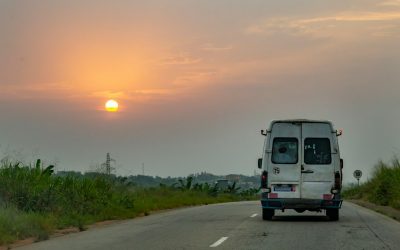
Discovering the Rich Culture and Natural Beauty of Ivory Coast: A Journey Through West Africa
Located on the western coast of Africa, Ivory Coast, also known as Côte d’Ivoire, is a hidden gem waiting to be discovered by adventurous travelers. With a rich history, vibrant culture, and stunning natural landscapes, Ivory Coast offers a unique and off-the-beaten-path experience for those seeking something different from the typical tourist destinations. Ivory Coast has a fascinating history that dates back centuries. It was once part of the powerful Ashanti Empire and later became a French colony. The country gained independence in 1960 and has since developed into a diverse and culturally rich nation. The people of Ivory Coast are known for their warmth and hospitality, making it an ideal destination for those looking to immerse themselves in the local culture. Summary Ivory Coast is a hidden gem in West Africa, with vibrant culture, natural wonders, and warm people. Exploring the culture and traditions of Ivory Coast reveals a rich history and diverse ethnic groups. From beaches to forests, Ivory Coast offers a range of natural wonders to discover and explore. The history and architecture of Ivory Coast showcase a journey through time and colonial influences. Sampling the flavours of Ivory Coast is a culinary adventure, with unique dishes and ingredients to try. Exploring the Vibrant Culture and Traditions of Ivory Coast One of the highlights of visiting Ivory Coast is experiencing its vibrant culture and traditions. The country is home to over 60 ethnic groups, each with its own unique customs and traditions. From the Baoulé people in the central region to the Senufo people in the north, there is a wealth of cultural diversity to explore....