World Geography
Geography is the study of the Earth’s landscapes, environments, and the relationships between people and their surroundings. It encompasses both the physical aspects of the Earth, such as its landforms, bodies of water, and climate, as well as the human aspects, including population distribution, cultures, and economies. World geography is a broad field that seeks to understand the complexities of our planet and how humans interact with it. By studying world geography, we can gain a deeper appreciation for the diversity of our planet and the interconnectedness of its various regions.
Geography is a multidisciplinary field that draws on elements of physical science, social science, and humanities. It involves the use of maps, spatial analysis, and geographic information systems (GIS) to understand the Earth’s surface and the processes that shape it. World geography also encompasses the study of human geography, which examines the ways in which people and their activities are distributed across the Earth. By understanding world geography, we can better appreciate the environmental, cultural, and economic challenges facing different regions of the world. This knowledge is crucial for addressing global issues such as climate change, resource management, and international development.
The Five Oceans and Seven Continents
The Earth’s surface is divided into five major oceans: the Pacific, Atlantic, Indian, Southern (or Antarctic), and Arctic Oceans. These vast bodies of water play a crucial role in regulating the Earth’s climate and supporting diverse marine ecosystems. The oceans also serve as important transportation routes and a source of food and other natural resources for human societies around the world.
In addition to the oceans, the Earth’s landmasses are divided into seven continents: Africa, Antarctica, Asia, Europe, North America, Australia (or Oceania), and South America. Each continent has its own unique physical and cultural characteristics, shaped by millions of years of geological processes and human history. From the deserts of Africa to the rainforests of South America, the continents offer a rich tapestry of landscapes and environments for exploration and study.
Major Mountain Ranges and Deserts
The Earth’s surface is also marked by major mountain ranges and deserts that have shaped the planet’s physical and cultural landscapes. The Himalayas, for example, are the highest mountain range in the world and are home to diverse ecosystems and cultures in countries such as India, Nepal, and Bhutan. The Andes in South America, the Rockies in North America, and the Alps in Europe are other prominent mountain ranges that have influenced human settlement patterns and economic activities.
Deserts cover about one-third of the Earth’s land surface and are characterized by low precipitation and extreme temperatures. The Sahara Desert in Africa is the largest hot desert in the world, while the Gobi Desert in Asia is one of the largest cold deserts. Deserts are not only home to unique flora and fauna but have also been important trade routes and cultural crossroads throughout history.
Climate Zones and Biomes
The Earth’s climate is influenced by a variety of factors, including latitude, altitude, ocean currents, and prevailing winds. As a result, the planet is divided into different climate zones, each with its own characteristic weather patterns and ecosystems. The equator, for example, experiences a tropical climate with high temperatures and heavy rainfall, while the polar regions have a cold and dry climate.
These climate zones give rise to different biomes, or large ecological areas characterized by distinct plant and animal communities. The tropical rainforest biome, found near the equator, is home to a diverse array of species and is vital for regulating the Earth’s climate. The grasslands biome, found in regions such as the African savannah and North American prairies, supports grazing animals and has been important for human agriculture throughout history.
Human Geography and Population Distribution
Human geography examines the ways in which people and their activities are distributed across the Earth’s surface. It encompasses topics such as population growth, migration patterns, urbanization, and cultural diversity. Understanding human geography is crucial for addressing global challenges such as poverty, inequality, and environmental degradation.
Population distribution is uneven across the world, with some regions experiencing rapid population growth while others are declining. The majority of the world’s population lives in Asia, particularly in countries such as China and India. Urban areas are also growing rapidly, with more than half of the world’s population now living in cities. This trend has significant implications for infrastructure development, resource management, and social inequality.
Historical and Cultural Geography
Historical geography examines how human activities have shaped the Earth’s landscapes over time. It explores topics such as colonialism, trade routes, and the rise and fall of empires. Cultural geography focuses on how human cultures have developed in different regions of the world and how they interact with their environments.
The Silk Road, for example, was an ancient trade route that connected China with Europe and facilitated the exchange of goods, ideas, and technologies across Eurasia. This historical trade route had a profound impact on the development of cultures and economies along its path. Similarly, cultural geographers study how different societies have adapted to their environments through practices such as agriculture, architecture, and religious beliefs.
The Importance of Geographic Knowledge
Geographic knowledge is crucial for addressing global challenges such as climate change, resource management, and international development. By understanding world geography, we can better appreciate the environmental, cultural, and economic challenges facing different regions of the world. This knowledge is crucial for addressing global issues such as climate change, resource management, and international development.
Geographic knowledge also helps us to understand our interconnectedness with other regions of the world. By studying world geography, we can gain a deeper appreciation for the diversity of our planet and the interconnectedness of its various regions. This understanding can foster a sense of global citizenship and empathy for people from different cultures and backgrounds.
In conclusion, world geography is a complex and multifaceted field that encompasses both physical and human aspects of the Earth’s landscapes. By studying world geography, we can gain a deeper appreciation for the diversity of our planet and the interconnectedness of its various regions. This knowledge is crucial for addressing global challenges such as climate change, resource management, and international development. It also helps us to understand our interconnectedness with other regions of the world and fosters a sense of global citizenship.
FAQs
What is world geography?
World geography is the study of the Earth’s landscapes, environments, and the relationships between people and their environments. It encompasses the physical features of the Earth, as well as the human activity that takes place on it.
Why is world geography important?
World geography is important because it helps us understand the world around us. It provides insights into the physical and human processes that shape our planet, and helps us make informed decisions about how to interact with our environment.
What are the main branches of world geography?
The main branches of world geography include physical geography, which focuses on the Earth’s natural features and processes, and human geography, which examines the relationships between people and their environments.
How does world geography impact our daily lives?
World geography impacts our daily lives in numerous ways, from influencing the weather and climate we experience, to shaping the availability of natural resources and influencing the distribution of populations and cultures around the world.
What are some key concepts in world geography?
Key concepts in world geography include location, place, human-environment interaction, movement, and region. These concepts help geographers understand and interpret the world around them.
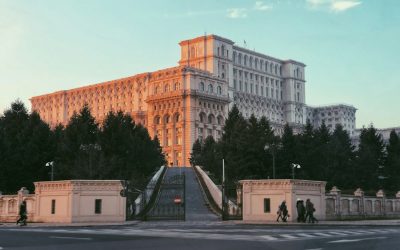
Discovering the Hidden Gems of Romania: A Journey Through its Rich History and Culture
Romania, located in Eastern Europe, is a country that often goes unnoticed by travelers. However, this hidden gem is a treasure trove of natural beauty, rich history, and vibrant culture. From picturesque landscapes to ancient castles, Romania offers a unique and authentic travel experience that is sure to leave a lasting impression. While many tourists flock to popular destinations like Bucharest and Transylvania, there are countless lesser-known attractions and experiences waiting to be discovered. Whether it’s exploring the charming villages of Maramures or hiking through the breathtaking Carpathian Mountains, Romania has something for every type of traveler. Summary Romania is a land of hidden gems waiting to be discovered. The rich history of Romania is worth exploring, from ancient times to modern day. Romania’s cultural diversity is fascinating, with influences from various ethnic groups. The natural wonders of Romania, from the Carpathian Mountains to the Danube Delta, are breathtaking. Romania’s traditional cuisine is a delight for foodies, with unique flavours and dishes to try. Uncovering the Rich History of Romania Romania has a fascinating history that dates back thousands of years. From the Dacians and Romans to the Ottoman Empire and communist era, the country has seen its fair share of conquests and influences. Today, visitors can explore historical landmarks and sites that offer a glimpse into Romania’s past. One such landmark is the Bran Castle, often associated with the legend of Dracula. This medieval fortress is perched on a hilltop in Transylvania and is said to have inspired Bram Stoker’s famous novel. Another must-visit site is the Palace of Parliament in Bucharest, which is the second-largest administrative building...
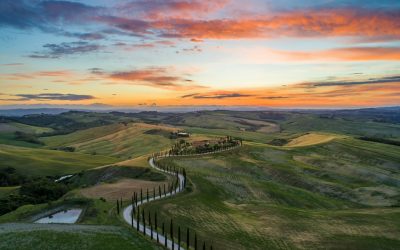
Uncovering the Charm of Italy: A British Traveller’s Guide
Italy has long been a favourite destination for British travellers, and it’s not hard to see why. The country’s rich history, vibrant culture, and delicious cuisine make it an irresistible place to explore. From the stunning architecture of Rome to the art-filled streets of Florence and the romantic canals of Venice, Italy offers something for everyone. Whether you’re a history buff, a food lover, or simply looking for a beautiful place to relax, Italy has it all. One of the main reasons why Italy is such a popular destination for British travellers is its rich history. The country is home to some of the most famous ancient ruins in the world, including the Colosseum in Rome and the ruins of Pompeii. Walking through these ancient sites is like stepping back in time and offers a fascinating glimpse into Italy’s past. In addition to its history, Italy is also known for its vibrant culture. From the bustling piazzas of Florence to the charming canals of Venice, there is always something happening in Italy. Whether it’s a local festival, a street performance, or simply enjoying a leisurely meal at a sidewalk cafe, there is no shortage of things to see and do in this beautiful country. Summary Italy is a must-visit destination for British travellers. Rome, Florence, and Venice are historic cities worth exploring. Italian cuisine offers a range of delicious options, from pizza to gelato. The Amalfi Coast, Cinque Terre, and other coastal destinations are beautiful to discover. Italy is home to artistic treasures by Michelangelo, Da Vinci, and Botticelli. Exploring the Historic Cities of Italy: Rome, Florence, and Venice...
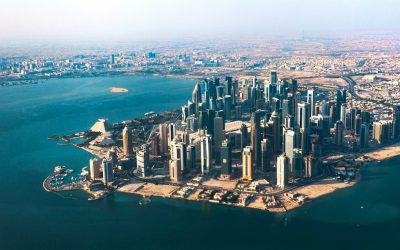
Discovering the Hidden Gems of Qatar: A British Expat’s Journey
Nestled on the northeastern coast of the Arabian Peninsula, Qatar is a small but vibrant country that often gets overshadowed by its larger and more well-known neighbours. However, this hidden gem is a destination that should not be overlooked. With its rich history, diverse culture, and stunning landscapes, Qatar offers a unique and unforgettable experience for travellers. Qatar’s history dates back thousands of years, with evidence of human habitation dating back to the Stone Age. Over the centuries, the region has been influenced by various civilizations, including the Persians, Ottomans, and British. Today, Qatar is a modern and cosmopolitan country that seamlessly blends its traditional heritage with contemporary developments. One of the lesser-known attractions of Qatar is its thriving arts and entertainment scene. The country is home to world-class museums, theatres, and music festivals that showcase both local and international talent. From the iconic Museum of Islamic Art to the vibrant Katara Cultural Village, there are plenty of opportunities to immerse yourself in Qatar’s rich cultural heritage. Summary Qatar is a land of hidden gems waiting to be discovered. As a British expat in Qatar, I have had the opportunity to explore the country’s rich history and culture. From historical sites to natural wonders, Qatar has something for everyone. The country boasts a thriving arts and entertainment scene, as well as numerous sporting and outdoor activities. Qatar’s local festivals and celebrations offer a unique glimpse into the country’s traditions and customs. My Journey as a British Expat in Qatar As a British expat who made the move to Qatar several years ago, I can attest to the unique experiences...
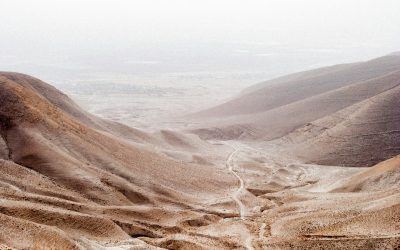
Exploring the Rich Cultural Heritage of Israel: A Journey Through Time
Israel is a country with a rich history and culture that spans thousands of years. From its ancient biblical roots to its modern-day innovations, Israel has made significant contributions to the world in various fields. This article will provide an in-depth exploration of Israel’s history, culture, and contributions, highlighting its ancient history, religious traditions, art and architecture, culinary delights, natural wonders, modern history, music scene, literary heritage, cultural diversity, and scientific and technological advancements. Summary Israel has a rich ancient history dating back to biblical times and the Roman Empire. The country is home to diverse religious traditions including Judaism, Christianity, and Islam. Israel’s art and architecture is a fusion of East and West, creating a unique cultural landscape. The culinary scene in Israel offers a taste of the Mediterranean with a variety of delicious dishes. Israel boasts natural wonders such as the Dead Sea and the Golan Heights, making it a popular tourist destination. The Ancient History of Israel: From Biblical Times to the Roman Empire Israel’s ancient history is deeply rooted in biblical times. It was during this period that the great kings of Israel, such as King David and King Solomon, ruled over the land. These kings were known for their wisdom and prosperity, and their reigns marked a golden age for Israel. However, this period was also marked by conflict and exile. The Babylonian empire conquered Jerusalem in 586 BCE and destroyed the First Temple, leading to the exile of the Jewish people. After several decades, the Persians allowed the Jews to return to Jerusalem and rebuild the Second Temple. However, this period was short-lived...

Discovering the Charm of Portugal: A Journey through its Colourful Cities and Breathtaking Landscapes
Nestled on the western edge of the Iberian Peninsula, Portugal is a country that is often overlooked by travellers in favour of its more popular neighbours, Spain and France. However, those who do venture to this enchanting land are rewarded with a rich history, vibrant culture, and stunning landscapes. From the bustling streets of Lisbon to the picturesque vineyards of the Douro Valley, Portugal offers a diverse range of experiences that are sure to captivate any visitor. Portugal has a long and storied history, with influences from various civilizations including the Romans, Moors, and Celts. This rich tapestry of cultures is evident in the country’s architecture, cuisine, and traditions. The Portuguese people are known for their warm hospitality and love for life, which is reflected in their colourful festivals and lively music. Whether you’re exploring the narrow streets of Porto or relaxing on the sun-kissed beaches of the Algarve, you’ll find that Portugal is a land of colour and charm. Summary Portugal is a land of colour and charm, with a rich cultural and historical heritage. Lisbon is a vibrant city that offers a wealth of cultural and historical attractions. Porto is a coastal haven that is famous for its wine and stunning natural beauty. Coimbra is a cultural and academic gem that is home to some of Portugal’s most beautiful architecture. Sintra is a fairy tale destination that is famous for its magnificent castles and palaces. Exploring the Vibrant City of Lisbon: A Cultural and Historical Hub Lisbon, the capital city of Portugal, is a vibrant hub of culture and history. With its winding streets, colourful buildings, and...
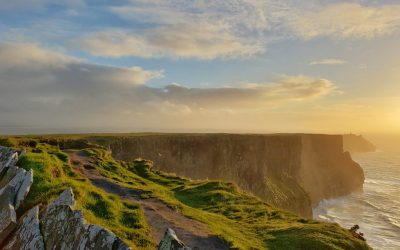
Discovering the Charm of Ireland: A Journey through Emerald Land
Ireland, also known as the Emerald Isle, is a country located in the North Atlantic. It is known for its stunning landscapes, rich history, vibrant culture, and warm hospitality. The country is divided into two parts: the Republic of Ireland, which covers most of the island, and Northern Ireland, which is part of the United Kingdom. Ireland is a popular tourist destination for many reasons. Firstly, its natural beauty is unparalleled. From rolling green hills to rugged coastlines, Ireland’s countryside is a sight to behold. Additionally, the country’s rich history and cultural heritage make it a fascinating place to explore. Visitors can immerse themselves in ancient ruins, medieval castles, and traditional music sessions. Lastly, the warmth and friendliness of the Irish people make visitors feel welcome and at home. Summary Ireland’s countryside is breathtakingly beautiful, with rolling hills, lush greenery, and stunning coastlines. Ireland’s rich history spans from ancient times to modern day, with fascinating stories and landmarks to discover. Irish culture is vibrant and diverse, with music, art, and literature playing a significant role in the country’s identity. Irish folklore is full of magic and mystery, with legends and myths that have been passed down for generations. Irish hospitality is warm and welcoming, with locals eager to share their culture and traditions with visitors. Exploring the Countryside: The Beauty of Ireland’s Rural Landscape One of the highlights of visiting Ireland is exploring its breathtaking countryside. The landscape is characterized by lush green fields, rugged mountains, and dramatic coastlines. The countryside offers a peaceful retreat from the hustle and bustle of city life. Popular destinations for countryside exploration include...

Exploring the Rich Culture and History of Poland: A Journey Through the Heart of Eastern Europe
Poland, located in Central Europe, is a country with a rich and fascinating history. It is bordered by Germany to the west, the Czech Republic and Slovakia to the south, Ukraine and Belarus to the east, and Lithuania and Russia to the northeast. With a population of over 38 million people, Poland is the ninth-largest country in Europe. The official language is Polish, which is spoken by the majority of the population. Poland’s history and culture have played a significant role in shaping Europe as we know it today. From its medieval beginnings to its modern-day struggles and triumphs, Poland has been at the center of major historical events. The country has faced numerous invasions, partitions, and occupations throughout its history, but it has always managed to maintain its unique identity and spirit. Summary Poland is a country with a rich history and culture. Warsaw, Krakow, and Gdansk are vibrant cities worth exploring. Poland’s history spans from medieval times to modern day. Gothic, Renaissance, and Baroque architecture can be found throughout Poland. Pierogi, Kielbasa, and Bigos are just a few of the delicious dishes to try in Poland. Discovering the Vibrant Cities of Poland: Warsaw, Krakow, and Gdansk Poland is home to several vibrant cities that offer a unique blend of history, culture, and modernity. Warsaw, the capital city, is a bustling metropolis with a rich architectural heritage. The Old Town of Warsaw, a UNESCO World Heritage site, is a must-visit for its beautifully restored buildings and charming cobblestone streets. The Royal Castle and Wilanów Palace are also worth exploring for their historical significance. Krakow, located in southern...
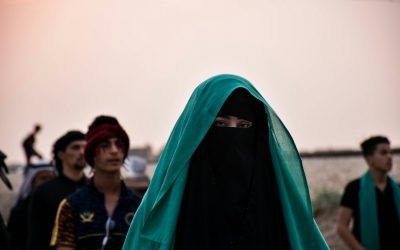
Exploring the Rich Culture and History of Iraq: A Journey Through Mesopotamia
Mesopotamia, which means “land between rivers” in Greek, refers to the region located between the Tigris and Euphrates rivers in modern-day Iraq. It is often referred to as the cradle of civilization because it is believed to be one of the earliest sites of human civilization. Mesopotamia played a crucial role in world history, as it was the birthplace of many important developments and innovations that shaped the course of human civilization. The civilization of Mesopotamia emerged around 3500 BCE and lasted for several millennia until it was eventually conquered by other empires. During this time, the Mesopotamians made significant advancements in various fields such as agriculture, architecture, art, literature, science, mathematics, and trade. They developed complex systems of writing, created impressive architectural structures such as ziggurats, and established a legal system that influenced later civilizations. Summary Mesopotamia is considered the cradle of civilization. The ancient city of Babylon provides a glimpse into the past. The ziggurats of Ur showcase the impressive architecture of Mesopotamia. Mesopotamia has a rich legacy of art, literature, and creativity. The Mesopotamian pantheon features a diverse array of gods and goddesses. The Ancient City of Babylon: A Window into the Past One of the most famous cities in Mesopotamia is Babylon. Located on the banks of the Euphrates River, Babylon was a major political and cultural center in ancient times. The city has a long and rich history that dates back to around 2300 BCE when it was first mentioned in historical records. Babylon is known for its impressive landmarks and structures. One of the most famous is the Hanging Gardens of Babylon, which...
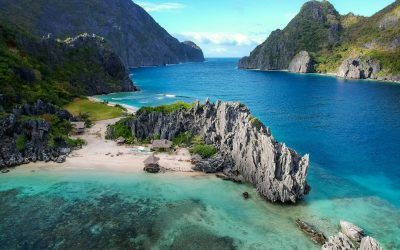
Discovering the Hidden Gems of the Philippines: A British Traveller’s Guide
The Philippines is a country that offers a diverse range of experiences for travellers, making it an ideal destination for British travellers seeking adventure, relaxation, and cultural immersion. With its stunning beaches, vibrant cities, rich history and culture, and warm hospitality, the Philippines has something to offer every type of traveller. From the untouched beauty of Palawan to the bustling streets of Manila, the Cordillera Mountains’ off-the-beaten-path adventures to the pristine beaches of the Visayas, there is no shortage of incredible experiences to be had in this Southeast Asian gem. British travellers should consider visiting the Philippines for several reasons. Firstly, the country boasts some of the most beautiful beaches in the world. With over 7,000 islands, there are endless opportunities for island-hopping, snorkelling, diving, and simply relaxing on white sandy shores. Secondly, the Philippines is known for its warm and welcoming people. Filipinos are known for their hospitality and friendliness towards visitors, making it a pleasant and enjoyable experience for British travellers. Lastly, the Philippines offers a unique blend of cultures and traditions. With influences from Spanish, American, and indigenous cultures, there is a rich tapestry of history and heritage to explore throughout the country. Summary The Philippines is a must-visit destination for British travellers, offering untouched beauty, vibrant culture, and off-the-beaten-path adventures. Palawan is the Philippines’ best island, with stunning natural beauty and opportunities for island-hopping and diving. Manila is a vibrant city with a rich cultural heritage, perfect for first-time visitors looking to explore the Philippines’ history and cuisine. The Cordillera Mountains offer trekking and cultural experiences in the northern Philippines, away from the tourist crowds....
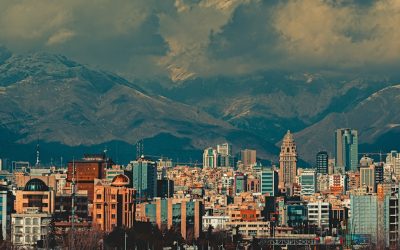
Exploring the Rich Culture and History of Iran: A Journey Through Persia
Iran, formerly known as Persia, is a country with a rich cultural heritage and a history that spans thousands of years. Situated in the Middle East, Iran has been a crossroads of civilizations, with influences from ancient Mesopotamia, Greece, and Central Asia. This diverse cultural background has shaped Iran into a unique and fascinating destination for those interested in exploring its history, art, architecture, cuisine, and more. Exploring Iran’s diverse cultural offerings is not only an opportunity to learn about its rich history but also a chance to appreciate the beauty and intricacy of its art and architecture. From awe-inspiring monuments and mosques to vibrant festivals and delicious cuisine, Iran offers a wealth of experiences that will leave visitors in awe. Summary Iran has a rich culture and history that spans thousands of years. The architecture of Persia is awe-inspiring, with magnificent monuments and mosques. Persian art includes miniatures and calligraphy, showcasing the country’s artistic talent. Iranian cuisine is a delicious blend of flavours and spices, reflecting the country’s diverse cultural influences. The Persian carpet industry is a timeless tradition of beauty and skill, with intricate designs and patterns. The Magnificent Architecture of Persia: Awe-Inspiring Monuments and Mosques Persian architecture is renowned for its grandeur and beauty. It has had a significant influence on modern-day design, with its intricate patterns and use of geometric shapes. The architecture of Persia is characterized by its use of domes, arches, and minarets, which can be seen in famous structures such as the Persepolis and the Sheikh Lotfollah Mosque. Persepolis, located in the city of Shiraz, is an ancient city that was once...

Exploring the Wonders of Peru: A Journey Through the Land of the Incas
Peru, located in South America, is a country known for its diverse geography, rich history, and vibrant culture. From the towering peaks of the Andes Mountains to the lush Amazon rainforest, Peru offers a wide range of natural wonders to explore. The country is also home to ancient civilizations, most notably the Inca Empire, whose legacy can still be seen in the magnificent ruins scattered throughout the country. Tourism plays a significant role in Peru’s economy, attracting millions of visitors each year. The revenue generated from tourism helps support local communities and preserve Peru’s natural and cultural heritage. With its stunning landscapes, archaeological sites, and unique traditions, Peru offers a truly immersive experience for travelers seeking adventure and cultural enrichment. Summary Peru is a diverse country with a rich culture that is worth exploring. The ancient Inca civilization is shrouded in mystery and offers a fascinating glimpse into the past. Peru’s natural wonders, from the Andes to the Amazon, are breathtaking and offer a unique experience. Lima is a vibrant capital city that serves as a gateway to Peru and offers a taste of modern Peruvian culture. Cusco is the heart of Inca civilization and the gateway to Machu Picchu, a majestic and enigmatic Inca citadel. Discovering the Mysteries of the Ancient Inca Civilization The Inca Empire was one of the most advanced civilizations in the Americas before the arrival of the Spanish conquistadors. The empire spanned from Ecuador to Chile and reached its peak in the 15th century. The Incas were known for their impressive architectural skills, agricultural techniques, and intricate social structure. One of the most famous...
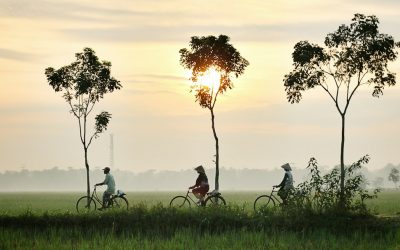
Exploring the Wonders of Indonesia: A Journey Through the World’s Largest Archipelago
Indonesia, located in Southeast Asia, is the largest archipelago in the world, consisting of over 17,000 islands. This vast country is known for its stunning natural landscapes, rich cultural heritage, and diverse wildlife. Each island in Indonesia offers a unique experience, from the active volcanoes of Java to the pristine beaches of Bali. With its vibrant cities, lush rainforests, and vibrant festivals, Indonesia is a destination that has something to offer every traveller. Summary Indonesia is a diverse archipelago with over 17,000 islands to explore. From volcanoes to coral reefs, Indonesia boasts a wealth of natural wonders. Indonesia’s rich cultural heritage is evident in its art, architecture, and traditions. Indonesian cuisine is a delicious blend of spices, herbs, and fresh ingredients. Indonesia’s cities and towns offer a vibrant mix of modernity and tradition. Indonesia’s Natural Wonders: From Volcanoes to Coral Reefs One of the most striking features of Indonesia’s geography is its active volcanoes. The country is part of the Pacific Ring of Fire, a region known for its seismic activity. Mount Bromo in East Java and Mount Rinjani in Lombok are two popular destinations for trekking enthusiasts. These volcanoes offer breathtaking views and unique landscapes that are unlike anything else in the world. Indonesia is also home to some of the most diverse and vibrant coral reefs in the world. The Coral Triangle, which includes parts of Indonesia, the Philippines, and Papua New Guinea, is considered the global epicentre of marine biodiversity. The reefs surrounding islands such as Bali and Komodo are teeming with colourful fish, turtles, and other marine life. Snorkelling and diving in these areas...