World Geography
Geography is the study of the Earth’s landscapes, environments, and the relationships between people and their surroundings. It encompasses both the physical aspects of the Earth, such as its landforms, bodies of water, and climate, as well as the human aspects, including population distribution, cultures, and economies. World geography is a broad field that seeks to understand the complexities of our planet and how humans interact with it. By studying world geography, we can gain a deeper appreciation for the diversity of our planet and the interconnectedness of its various regions.
Geography is a multidisciplinary field that draws on elements of physical science, social science, and humanities. It involves the use of maps, spatial analysis, and geographic information systems (GIS) to understand the Earth’s surface and the processes that shape it. World geography also encompasses the study of human geography, which examines the ways in which people and their activities are distributed across the Earth. By understanding world geography, we can better appreciate the environmental, cultural, and economic challenges facing different regions of the world. This knowledge is crucial for addressing global issues such as climate change, resource management, and international development.
The Five Oceans and Seven Continents
The Earth’s surface is divided into five major oceans: the Pacific, Atlantic, Indian, Southern (or Antarctic), and Arctic Oceans. These vast bodies of water play a crucial role in regulating the Earth’s climate and supporting diverse marine ecosystems. The oceans also serve as important transportation routes and a source of food and other natural resources for human societies around the world.
In addition to the oceans, the Earth’s landmasses are divided into seven continents: Africa, Antarctica, Asia, Europe, North America, Australia (or Oceania), and South America. Each continent has its own unique physical and cultural characteristics, shaped by millions of years of geological processes and human history. From the deserts of Africa to the rainforests of South America, the continents offer a rich tapestry of landscapes and environments for exploration and study.
Major Mountain Ranges and Deserts
The Earth’s surface is also marked by major mountain ranges and deserts that have shaped the planet’s physical and cultural landscapes. The Himalayas, for example, are the highest mountain range in the world and are home to diverse ecosystems and cultures in countries such as India, Nepal, and Bhutan. The Andes in South America, the Rockies in North America, and the Alps in Europe are other prominent mountain ranges that have influenced human settlement patterns and economic activities.
Deserts cover about one-third of the Earth’s land surface and are characterized by low precipitation and extreme temperatures. The Sahara Desert in Africa is the largest hot desert in the world, while the Gobi Desert in Asia is one of the largest cold deserts. Deserts are not only home to unique flora and fauna but have also been important trade routes and cultural crossroads throughout history.
Climate Zones and Biomes
The Earth’s climate is influenced by a variety of factors, including latitude, altitude, ocean currents, and prevailing winds. As a result, the planet is divided into different climate zones, each with its own characteristic weather patterns and ecosystems. The equator, for example, experiences a tropical climate with high temperatures and heavy rainfall, while the polar regions have a cold and dry climate.
These climate zones give rise to different biomes, or large ecological areas characterized by distinct plant and animal communities. The tropical rainforest biome, found near the equator, is home to a diverse array of species and is vital for regulating the Earth’s climate. The grasslands biome, found in regions such as the African savannah and North American prairies, supports grazing animals and has been important for human agriculture throughout history.
Human Geography and Population Distribution
Human geography examines the ways in which people and their activities are distributed across the Earth’s surface. It encompasses topics such as population growth, migration patterns, urbanization, and cultural diversity. Understanding human geography is crucial for addressing global challenges such as poverty, inequality, and environmental degradation.
Population distribution is uneven across the world, with some regions experiencing rapid population growth while others are declining. The majority of the world’s population lives in Asia, particularly in countries such as China and India. Urban areas are also growing rapidly, with more than half of the world’s population now living in cities. This trend has significant implications for infrastructure development, resource management, and social inequality.
Historical and Cultural Geography
Historical geography examines how human activities have shaped the Earth’s landscapes over time. It explores topics such as colonialism, trade routes, and the rise and fall of empires. Cultural geography focuses on how human cultures have developed in different regions of the world and how they interact with their environments.
The Silk Road, for example, was an ancient trade route that connected China with Europe and facilitated the exchange of goods, ideas, and technologies across Eurasia. This historical trade route had a profound impact on the development of cultures and economies along its path. Similarly, cultural geographers study how different societies have adapted to their environments through practices such as agriculture, architecture, and religious beliefs.
The Importance of Geographic Knowledge
Geographic knowledge is crucial for addressing global challenges such as climate change, resource management, and international development. By understanding world geography, we can better appreciate the environmental, cultural, and economic challenges facing different regions of the world. This knowledge is crucial for addressing global issues such as climate change, resource management, and international development.
Geographic knowledge also helps us to understand our interconnectedness with other regions of the world. By studying world geography, we can gain a deeper appreciation for the diversity of our planet and the interconnectedness of its various regions. This understanding can foster a sense of global citizenship and empathy for people from different cultures and backgrounds.
In conclusion, world geography is a complex and multifaceted field that encompasses both physical and human aspects of the Earth’s landscapes. By studying world geography, we can gain a deeper appreciation for the diversity of our planet and the interconnectedness of its various regions. This knowledge is crucial for addressing global challenges such as climate change, resource management, and international development. It also helps us to understand our interconnectedness with other regions of the world and fosters a sense of global citizenship.
FAQs
What is world geography?
World geography is the study of the Earth’s landscapes, environments, and the relationships between people and their environments. It encompasses the physical features of the Earth, as well as the human activity that takes place on it.
Why is world geography important?
World geography is important because it helps us understand the world around us. It provides insights into the physical and human processes that shape our planet, and helps us make informed decisions about how to interact with our environment.
What are the main branches of world geography?
The main branches of world geography include physical geography, which focuses on the Earth’s natural features and processes, and human geography, which examines the relationships between people and their environments.
How does world geography impact our daily lives?
World geography impacts our daily lives in numerous ways, from influencing the weather and climate we experience, to shaping the availability of natural resources and influencing the distribution of populations and cultures around the world.
What are some key concepts in world geography?
Key concepts in world geography include location, place, human-environment interaction, movement, and region. These concepts help geographers understand and interpret the world around them.
Discovering the Hidden Gems of Cyprus: A Traveller’s Guide
Title: The Impact of Artificial Intelligence on the Healthcare Industry Introduction: Artificial Intelligence (AI) has revolutionized various industries, and the healthcare sector is no exception. With its ability to analyze vast amounts of data, identify patterns, and make predictions, AI has the potential to transform healthcare delivery, improve patient outcomes, and enhance overall efficiency. This article explores the impact of AI on the healthcare industry, focusing on three key areas: diagnosis and treatment, patient care, and administrative tasks. Summary Cyprus is the perfect destination for travellers seeking sun, culture, and adventure. Top historical and cultural sites to visit in Cyprus include the Tombs of the Kings and the ancient city of Kourion. Cyprus boasts some of the best beaches in the Mediterranean, including Nissi Beach and Fig Tree Bay. Hiking and nature trails in Cyprus offer stunning views of the island’s mountains, forests, and waterfalls. Foodies will love trying traditional Cypriot dishes like halloumi cheese, souvlaki, and loukoumades. AI has the potential to significantly improve the accuracy and speed of medical diagnosis. By analyzing patient data, including medical records, lab results, and imaging scans, AI algorithms can identify patterns and detect abnormalities that may be missed by human doctors. This can lead to earlier detection of diseases such as cancer, enabling timely intervention and improved patient outcomes. Furthermore, AI-powered systems can assist doctors in developing personalized treatment plans. By analyzing large datasets of patient information and clinical trials, AI algorithms can provide evidence-based recommendations for treatment options. This can help doctors make more informed decisions and tailor treatments to individual patients’ needs. Additionally, AI can enhance surgical procedures by...
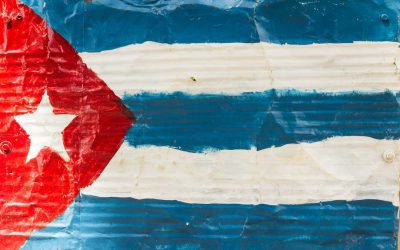
Discovering the Vibrant Culture and Colourful History of Cuba: A Journey Through the Pearl of the Caribbean
Cuba, a vibrant and captivating country located in the Caribbean, is known for its rich culture and history. From its colonial past to the Cuban Revolution, the country has a fascinating story to tell. Cuba is also famous for its music, art, cuisine, and natural wonders. With its pristine beaches, lush rainforests, and stunning architecture, it is no wonder that Cuba has become a popular travel destination. In this article, we will explore the various aspects of Cuba’s culture and history that make it such a unique and enticing place to visit. Summary Cuba boasts a vibrant culture and colourful history, making it a must-visit destination. From colonial times to the revolution, Cuba’s rich history is fascinating and worth exploring. The people of Cuba are diverse and resilient, adding to the country’s unique character. Art, music, and cuisine in Cuba are a celebration of creativity, passion, and fusion of influences. Cuba’s natural wonders, stunning architecture, and love for life make it a truly unforgettable experience. Exploring Cuba’s Rich History Cuba’s history is deeply intertwined with its colonial past. The island was first colonized by the Spanish in the 15th century and remained under Spanish rule until the late 19th century. This colonial period left a lasting impact on Cuba’s architecture, language, and culture. Visitors to Cuba can explore the historic city of Havana, with its well-preserved colonial buildings and cobblestone streets. Other notable historical landmarks include the Castillo de la Real Fuerza, a fortress built in the 16th century to protect Havana from pirate attacks, and the Plaza de la Catedral, home to the stunning Havana Cathedral. The Cuban...
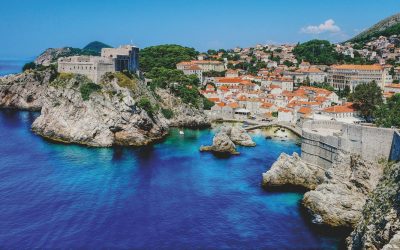
Discovering the Charm of Croatia: A Journey through its Stunning Landscapes and Rich Culture
Croatia, located in Southeast Europe, is a country known for its stunning natural beauty, rich history, and vibrant culture. With a diverse landscape that includes a breathtaking coastline along the Adriatic Sea, picturesque islands, lush national parks, and charming towns and cities, Croatia offers something for every type of traveler. The history of Croatia dates back thousands of years, with influences from various civilizations including the Romans, Byzantines, Venetians, and Austro-Hungarians. This rich history is evident in the country’s architecture, traditions, and cultural heritage. Summary Croatia is a land of beauty and culture, with a rich history and warm hospitality. The Adriatic coastline is a must-see, with dazzling beaches and islands to explore. Plitvice Lakes National Park is a natural wonder, with enchanting waterfalls and lakes. Dubrovnik is a magnificent city, a UNESCO World Heritage Site with stunning architecture. Split is a blend of ancient and modern culture, with a historic city center and vibrant nightlife. The Dazzling Adriatic Coastline: Exploring Croatia’s Beaches and Islands One of the main attractions of Croatia is its stunning coastline along the Adriatic Sea. Stretching over 1,100 miles, the coastline is dotted with beautiful beaches, crystal-clear waters, and charming coastal towns. Some of the most popular beaches in Croatia include Zlatni Rat in Bol, which is known for its unique shape and turquoise waters; Stiniva Beach on the island of Vis, which is hidden between towering cliffs; and Punta Rata Beach in Brela, which has been voted one of the most beautiful beaches in Europe. In addition to the beaches, Croatia is also home to over a thousand islands. The most famous among...

Discovering the Natural Wonders of Costa Rica: A Journey Through the Rainforests and Beaches
Costa Rica, located in Central America, is often referred to as a natural paradise due to its stunning landscapes and rich biodiversity. This small country is home to a wide variety of ecosystems, including rainforests, cloud forests, beaches, and volcanoes. Costa Rica has become a popular destination for eco-tourism, attracting visitors from around the world who are eager to explore its natural wonders. Summary Costa Rica is a natural paradise with lush rainforests, national parks, cloud forests, pristine beaches, and natural hot springs. Exploring the rainforests and national parks allows visitors to discover the incredible biodiversity of Costa Rica. Trekking through the cloud forests of Monteverde offers a unique and unforgettable experience. Wildlife watching in Costa Rica’s natural habitats is a must-do activity for nature lovers. Costa Rica’s sustainable tourism practices ensure that the natural wonders are preserved for future generations. Exploring the Lush Rainforests of Costa Rica Costa Rica’s rainforests are some of the most biodiverse ecosystems on the planet. These lush forests are teeming with life, from vibrant tropical plants to exotic animals. The rainforests play a crucial role in maintaining the balance of the Earth’s climate and are often referred to as the “lungs of the planet.” There are several popular rainforest destinations in Costa Rica that offer visitors the opportunity to immerse themselves in this natural wonderland. One such destination is Tortuguero National Park, located on the Caribbean coast. This park is known for its extensive network of canals, which can be explored by boat or kayak. Visitors can spot a wide variety of wildlife here, including monkeys, sloths, and colorful birds. Another popular rainforest...

Exploring the Vibrant Culture and Natural Wonders of Congo-Brazzaville
Congo-Brazzaville, officially known as the Republic of the Congo, is a country located in Central Africa. It is often overshadowed by its larger neighbor, the Democratic Republic of the Congo, but it has its own unique charm and beauty. With a rich culture and stunning natural landscapes, Congo-Brazzaville is a hidden gem waiting to be discovered. The country is known for its vibrant music and dance, as well as its diverse wildlife and lush rainforests. From the bustling streets of the capital city, Brazzaville, to the tranquil beaches along the Atlantic coast, Congo-Brazzaville offers a wide range of experiences for visitors. Summary Congo-Brazzaville is a country with a rich culture and natural beauty. The history of Congo-Brazzaville is fascinating and worth exploring. The local culture of Congo-Brazzaville is vibrant and diverse. Congo-Brazzaville is home to many natural wonders, including stunning landscapes and wildlife. Wildlife safari adventures are a must-do when visiting Congo-Brazzaville. Discovering the Fascinating History of Congo-Brazzaville Congo-Brazzaville has a long and complex history that dates back thousands of years. The region was inhabited by various Bantu-speaking tribes before the arrival of European explorers in the 15th century. The Portuguese were the first Europeans to establish contact with the local population, followed by French and Belgian explorers. During the colonial era, Congo-Brazzaville was ruled by France and became part of French Equatorial Africa. The country played a significant role in World War II as a base for Free French forces led by General Charles de Gaulle. After years of struggle, Congo-Brazzaville gained independence from France in 1960. Exploring the Vibrant Local Culture of Congo-Brazzaville Congo-Brazzaville is known for...

Discovering the Hidden Gems of Comoros: A Journey Through the Enchanting Islands
The Comoros Islands, located in the Indian Ocean off the eastern coast of Africa, are a hidden gem waiting to be discovered. This archipelago consists of four main islands – Grande Comore, Mohéli, Anjouan, and Mayotte – each offering its own unique charm and natural beauty. Despite its small size and relatively unknown status as a tourist destination, the Comoros Islands boast stunning landscapes, rich cultural heritage, and warm hospitality that make it a perfect getaway for those seeking an off-the-beaten-path adventure. Summary Comoros Islands are a hidden gem in the Indian Ocean. The natural beauty of Comoros Islands is enchanting and worth exploring. Comoros Islands have a rich cultural heritage that is worth discovering. Comoros Islands have hidden gems off the beaten path that are worth uncovering. A gastronomic tour of Comoros Islands is a must to discover the flavours of the archipelago. Exploring the Natural Beauty of the Comoros Islands The Comoros Islands are known for their enchanting landscapes, characterized by lush green mountains, pristine beaches, and crystal-clear waters. The islands are home to several natural attractions that are worth exploring. One such attraction is Mount Karthala, an active volcano located on Grande Comore. Hiking to the summit of this volcano offers breathtaking views of the surrounding islands and a chance to witness the power of nature up close. Another popular natural attraction in the Comoros Islands is the Mohéli Marine Park. This protected area is home to a diverse range of marine life, including sea turtles, dolphins, and colorful coral reefs. Snorkeling or diving in the park’s waters is a must-do activity for nature enthusiasts. Discovering...

Discovering the Hidden Gems of Colombia: A Journey Through South America’s Best Kept Secret
Colombia, a country located in the northwestern region of South America, is a destination that has long been overlooked by travelers. However, in recent years, it has emerged as one of the most exciting and vibrant countries to visit. This blog post aims to uncover the treasures of Colombia and showcase why it should be your next travel destination. From its rich history and culture to its natural wonders and vibrant cities, Colombia offers a diverse range of experiences for every type of traveler. Whether you’re interested in exploring ancient ruins, hiking through lush rainforests, relaxing on pristine beaches, or immersing yourself in the vibrant local culture, Colombia has it all. Summary Colombia is a treasure trove of history, culture, natural wonders, vibrant cities, beaches, coffee regions, cuisine, festivals, art and music. The country’s rich history and culture are reflected in its architecture, museums, and traditions. From the Andes to the Amazon, Colombia’s natural wonders offer breathtaking landscapes and diverse wildlife. Bogotá, Medellín and Cartagena are vibrant cities with unique attractions, from street art to colonial architecture. Colombia’s Caribbean and Pacific coasts boast some of the best beaches in the world, with crystal-clear waters and white sand. The Rich History and Culture of Colombia Colombia’s history dates back thousands of years, with evidence of human habitation dating back to at least 12,000 BCE. The country was home to several indigenous cultures, including the Muisca, Tayrona, and Quimbaya civilizations. These ancient civilizations left behind a rich cultural heritage, which can still be seen today in the form of archaeological sites, traditional crafts, and indigenous communities. In the 16th century, Colombia...
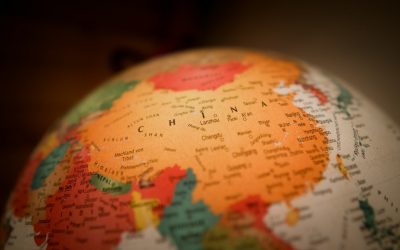
Exploring China’s Rich Cultural Heritage: A Journey Through Time
China has a rich and diverse cultural history that spans thousands of years. From ancient dynasties to modern times, China has been home to a wide range of artistic, intellectual, and culinary traditions. Preserving this cultural heritage is of utmost importance, as it not only provides a window into the past, but also shapes the identity and values of the Chinese people today. Summary China’s cultural heritage is rich and diverse, spanning thousands of years. The ancient dynasties of China left behind impressive architectural and artistic achievements. Chinese literature and philosophy have had a profound impact on the world. Chinese cuisine and traditions are beloved around the globe. Chinese music, dance, festivals, and martial arts are all unique and fascinating aspects of the country’s culture. The Ancient Dynasties of China China’s history is marked by a series of dynasties, each with its own unique contributions and achievements. The Xia Dynasty, believed to be the first dynasty in Chinese history, laid the foundation for subsequent dynasties with its establishment of a centralized government and irrigation systems. The Shang Dynasty is known for its advancements in bronze casting and the development of a system of writing. The Zhou Dynasty introduced the concept of the Mandate of Heaven, which legitimized the rule of emperors based on their moral character. The Qin Dynasty is perhaps most famous for the construction of the Great Wall of China and the unification of various warring states into one empire. The Han Dynasty is considered a golden age in Chinese history, with advancements in science, technology, and arts. The Tang Dynasty is known for its flourishing poetry...

Exploring the Hidden Gems of Burundi: A Journey Through the Heart of Africa
Nestled in the heart of East Africa, Burundi is a small landlocked country that often goes unnoticed by travelers. However, this hidden gem is a treasure trove of natural wonders, rich culture, and warm hospitality. Located between Rwanda, Tanzania, and the Democratic Republic of Congo, Burundi has a tumultuous history but is now emerging as an up-and-coming travel destination. Burundi’s history dates back centuries, with influences from various African kingdoms and colonial powers. The country gained independence from Belgium in 1962 and has since faced political instability and conflict. Despite these challenges, Burundi has managed to preserve its unique cultural heritage and natural beauty. Key Takeaways Burundi is a hidden gem in Africa with rich culture, natural wonders, historical sites, and vibrant markets. The country boasts of mountains, lakes, and wildlife, making it a perfect destination for nature lovers. Burundi’s friendly and hospitable people make it a great place to experience local cuisine and participate in traditional festivals. Despite facing development challenges, Burundi has triumphed in preserving its heritage and promoting adventure activities like trekking and rafting. Planning a trip to Burundi requires careful consideration, but the journey promises to be a memorable one with tips and recommendations. Discovering the Rich Culture and Heritage of Burundi Burundi is a country with a vibrant cultural scene. Traditional dance and music play a significant role in the daily lives of its people. The Intore dance, performed by men and women dressed in colorful costumes, is a captivating display of agility and rhythm. Traditional drumming is also an integral part of Burundian culture, with the Gishora Drum Sanctuary being a must-visit for...
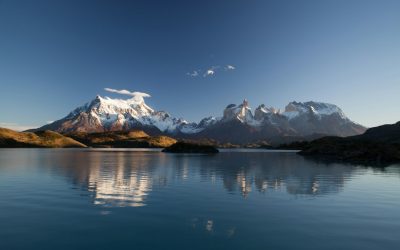
Discovering Chile: A Journey Through the Land of Contrasts
Chile, located on the western edge of South America, is a country known for its stunning natural landscapes, rich cultural heritage, and diverse range of activities for travelers. With its long coastline, towering mountains, and unique geography, Chile offers a wide variety of experiences for visitors. From the driest desert in the world to the icy fjords of Patagonia, Chile is a land of contrasts that never fails to captivate those who visit. Chile’s geography is incredibly diverse, with the Andes Mountains running along its eastern border and the Pacific Ocean stretching along its western coast. This unique geography has given rise to a wide range of climates and ecosystems within the country. In the north, you’ll find the Atacama Desert, which is considered the driest place on earth. In contrast, the southern region of Patagonia is characterized by its glaciers, fjords, and abundant wildlife. Chilean culture is a blend of indigenous traditions and Spanish colonial influences. The country has a rich history that dates back thousands of years, with indigenous groups such as the Mapuche playing a significant role in shaping Chilean identity. The influence of Spanish colonialism can be seen in the architecture, language, and customs of the country. Chilean culture is also known for its vibrant music and dance traditions, with styles such as cueca and cumbia being popular throughout the country. Summary Chile is a land of contrasts, with natural wonders, rich cultural heritage, modern cities, and thrilling adventure sports. Exploring Chile’s natural wonders, from the Atacama Desert to Patagonia, is a must-do for nature lovers. Discovering Chile’s rich cultural heritage, including its indigenous cultures...
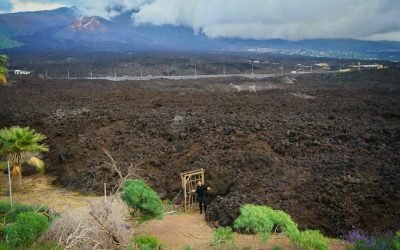
Chad: A Journey Through the Heart of Africa’s Hidden Gem
Chad, located in Central Africa, is a landlocked country with a rich cultural heritage and a fascinating history. It is bordered by Libya to the north, Sudan to the east, the Central African Republic to the south, Cameroon and Nigeria to the southwest, and Niger to the west. Chad has been inhabited for thousands of years and has been influenced by various empires and civilizations throughout its history. Chad’s cultural diversity is one of its greatest assets. The country is home to over 200 different ethnic groups, each with its own unique traditions, customs, and languages. The largest ethnic groups include the Sara, Arab, Kanembu, and Ouaddai. These diverse ethnic groups contribute to the vibrant cultural tapestry of Chad. Chad has also played a significant role in the African continent. It has been a crossroads for trade routes and has been influenced by various empires, including the Kanem-Bornu Empire and the Ouaddai Empire. Chad gained independence from France in 1960 and has since become an important player in regional politics and security. Summary Chad is a country with a rich culture and history. Natural wonders in Chad include Lake Chad and the Ennedi Plateau. Chad is home to diverse ethnic groups and traditions. N’Djamena is a vibrant capital city worth exploring. Colonialism has had a lasting impact on modern society in Chad. Discovering the Natural Wonders of Chad: From Lake Chad to the Ennedi Plateau One of Chad’s most significant natural wonders is Lake Chad, which is located in the western part of the country. Lake Chad is one of Africa’s largest lakes and is an important water source...

Exploring the Rich Culture and History of Central African Republic
The Central African Republic, often referred to as CAR, is a landlocked country located in Central Africa. It is bordered by Chad to the north, Sudan to the northeast, South Sudan to the east, the Democratic Republic of the Congo and the Republic of the Congo to the south, and Cameroon to the west. With a population of approximately 4.7 million people, CAR is known for its diverse ethnic groups and languages spoken. The country is home to over 80 different ethnic groups, each with its own unique culture and traditions. The main languages spoken in CAR are French and Sango, which is a local language derived from Ngbandi. The diversity of cultures and traditions found in CAR is a testament to the rich history and heritage of the country. Summary Central African Republic is a diverse country with a rich culture that is expressed through traditional arts and crafts, music and dance, cuisine, festivals, and religion. The country has a complex history that spans pre-colonial times to the present, and its architecture and monuments are a testament to its rich heritage. The local cuisine is a delicious blend of African and French influences, and the festivals and celebrations are a colourful display of local traditions. The country is home to a treasure trove of biodiversity, including wildlife and natural wonders, and its contemporary culture and society face both challenges and opportunities as a developing nation. Overall, Central African Republic is a fascinating and vibrant country that offers a unique window into African culture and history. The History of Central African Republic: From Pre-colonial Times to the Present The...