World Geography
Geography is the study of the Earth’s landscapes, environments, and the relationships between people and their surroundings. It encompasses both the physical aspects of the Earth, such as its landforms, bodies of water, and climate, as well as the human aspects, including population distribution, cultures, and economies. World geography is a broad field that seeks to understand the complexities of our planet and how humans interact with it. By studying world geography, we can gain a deeper appreciation for the diversity of our planet and the interconnectedness of its various regions.
Geography is a multidisciplinary field that draws on elements of physical science, social science, and humanities. It involves the use of maps, spatial analysis, and geographic information systems (GIS) to understand the Earth’s surface and the processes that shape it. World geography also encompasses the study of human geography, which examines the ways in which people and their activities are distributed across the Earth. By understanding world geography, we can better appreciate the environmental, cultural, and economic challenges facing different regions of the world. This knowledge is crucial for addressing global issues such as climate change, resource management, and international development.
The Five Oceans and Seven Continents
The Earth’s surface is divided into five major oceans: the Pacific, Atlantic, Indian, Southern (or Antarctic), and Arctic Oceans. These vast bodies of water play a crucial role in regulating the Earth’s climate and supporting diverse marine ecosystems. The oceans also serve as important transportation routes and a source of food and other natural resources for human societies around the world.
In addition to the oceans, the Earth’s landmasses are divided into seven continents: Africa, Antarctica, Asia, Europe, North America, Australia (or Oceania), and South America. Each continent has its own unique physical and cultural characteristics, shaped by millions of years of geological processes and human history. From the deserts of Africa to the rainforests of South America, the continents offer a rich tapestry of landscapes and environments for exploration and study.
Major Mountain Ranges and Deserts
The Earth’s surface is also marked by major mountain ranges and deserts that have shaped the planet’s physical and cultural landscapes. The Himalayas, for example, are the highest mountain range in the world and are home to diverse ecosystems and cultures in countries such as India, Nepal, and Bhutan. The Andes in South America, the Rockies in North America, and the Alps in Europe are other prominent mountain ranges that have influenced human settlement patterns and economic activities.
Deserts cover about one-third of the Earth’s land surface and are characterized by low precipitation and extreme temperatures. The Sahara Desert in Africa is the largest hot desert in the world, while the Gobi Desert in Asia is one of the largest cold deserts. Deserts are not only home to unique flora and fauna but have also been important trade routes and cultural crossroads throughout history.
Climate Zones and Biomes
The Earth’s climate is influenced by a variety of factors, including latitude, altitude, ocean currents, and prevailing winds. As a result, the planet is divided into different climate zones, each with its own characteristic weather patterns and ecosystems. The equator, for example, experiences a tropical climate with high temperatures and heavy rainfall, while the polar regions have a cold and dry climate.
These climate zones give rise to different biomes, or large ecological areas characterized by distinct plant and animal communities. The tropical rainforest biome, found near the equator, is home to a diverse array of species and is vital for regulating the Earth’s climate. The grasslands biome, found in regions such as the African savannah and North American prairies, supports grazing animals and has been important for human agriculture throughout history.
Human Geography and Population Distribution
Human geography examines the ways in which people and their activities are distributed across the Earth’s surface. It encompasses topics such as population growth, migration patterns, urbanization, and cultural diversity. Understanding human geography is crucial for addressing global challenges such as poverty, inequality, and environmental degradation.
Population distribution is uneven across the world, with some regions experiencing rapid population growth while others are declining. The majority of the world’s population lives in Asia, particularly in countries such as China and India. Urban areas are also growing rapidly, with more than half of the world’s population now living in cities. This trend has significant implications for infrastructure development, resource management, and social inequality.
Historical and Cultural Geography
Historical geography examines how human activities have shaped the Earth’s landscapes over time. It explores topics such as colonialism, trade routes, and the rise and fall of empires. Cultural geography focuses on how human cultures have developed in different regions of the world and how they interact with their environments.
The Silk Road, for example, was an ancient trade route that connected China with Europe and facilitated the exchange of goods, ideas, and technologies across Eurasia. This historical trade route had a profound impact on the development of cultures and economies along its path. Similarly, cultural geographers study how different societies have adapted to their environments through practices such as agriculture, architecture, and religious beliefs.
The Importance of Geographic Knowledge
Geographic knowledge is crucial for addressing global challenges such as climate change, resource management, and international development. By understanding world geography, we can better appreciate the environmental, cultural, and economic challenges facing different regions of the world. This knowledge is crucial for addressing global issues such as climate change, resource management, and international development.
Geographic knowledge also helps us to understand our interconnectedness with other regions of the world. By studying world geography, we can gain a deeper appreciation for the diversity of our planet and the interconnectedness of its various regions. This understanding can foster a sense of global citizenship and empathy for people from different cultures and backgrounds.
In conclusion, world geography is a complex and multifaceted field that encompasses both physical and human aspects of the Earth’s landscapes. By studying world geography, we can gain a deeper appreciation for the diversity of our planet and the interconnectedness of its various regions. This knowledge is crucial for addressing global challenges such as climate change, resource management, and international development. It also helps us to understand our interconnectedness with other regions of the world and fosters a sense of global citizenship.
FAQs
What is world geography?
World geography is the study of the Earth’s landscapes, environments, and the relationships between people and their environments. It encompasses the physical features of the Earth, as well as the human activity that takes place on it.
Why is world geography important?
World geography is important because it helps us understand the world around us. It provides insights into the physical and human processes that shape our planet, and helps us make informed decisions about how to interact with our environment.
What are the main branches of world geography?
The main branches of world geography include physical geography, which focuses on the Earth’s natural features and processes, and human geography, which examines the relationships between people and their environments.
How does world geography impact our daily lives?
World geography impacts our daily lives in numerous ways, from influencing the weather and climate we experience, to shaping the availability of natural resources and influencing the distribution of populations and cultures around the world.
What are some key concepts in world geography?
Key concepts in world geography include location, place, human-environment interaction, movement, and region. These concepts help geographers understand and interpret the world around them.

Discovering the Hidden Gems of Benin: A Journey Through West Africa’s Best-Kept Secret
Benin, located in West Africa, is a country that often goes unnoticed by travelers. However, those who do venture to this hidden gem are rewarded with a rich cultural heritage, stunning natural wonders, beautiful beaches, a thriving art scene, delicious cuisine, and vibrant markets. From the historical sites of the Kingdom of Dahomey to the spiritual shrines and festivals of the Vodun religion, Benin offers a unique and authentic travel experience. Whether you are an adventure seeker, a history buff, or a lover of art and culture, Benin has something for everyone. Key Takeaways Benin is a land of hidden gems waiting to be discovered by travelers. The country boasts a rich cultural heritage, with traditional practices and festivals still celebrated today. From the Pendjari National Park to the Tanougou Falls, Benin offers a range of natural wonders to explore. Benin’s beaches are a must-visit, with crystal-clear waters and white sand. The thriving art scene in Benin showcases the country’s creativity and talent. Uncovering the Rich Cultural Heritage of Benin One of the main reasons why Benin is worth visiting is its fascinating history and cultural heritage. The Kingdom of Dahomey, which existed from the 17th to the 19th century, was known for its powerful rulers and fierce warriors. The Royal Palaces of Abomey, a UNESCO World Heritage site, offer a glimpse into this rich history. These palaces were once the residence of the kings and queens of Dahomey and are adorned with intricate carvings and murals. Another important aspect of Beninese culture is the Vodun religion. Vodun, also known as Voodoo, is practiced by a significant portion of...
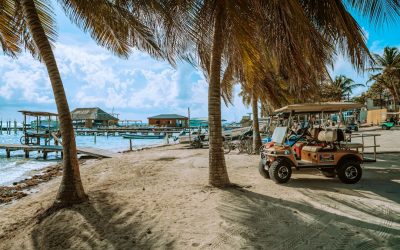
Exploring the Hidden Gems of Belize: A Journey to the Heart of Central America
Nestled on the eastern coast of Central America, Belize is a small country with a rich history and vibrant culture. Bordered by Mexico to the north and Guatemala to the west and south, Belize is known for its stunning natural landscapes, diverse wildlife, and ancient Mayan ruins. With its unique blend of indigenous and colonial influences, Belize offers travelers a truly one-of-a-kind experience. Belize has a fascinating history that dates back thousands of years. The country was once home to the ancient Mayan civilization, and remnants of their impressive architectural achievements can still be seen today. In more recent history, Belize was colonized by the British and was known as British Honduras until it gained independence in 1981. This blend of indigenous and colonial influences is evident in Belize’s culture, language, and cuisine. What sets Belize apart as a travel destination is its untouched beauty and off-the-beaten-path experiences. While neighboring countries like Mexico and Costa Rica have become popular tourist destinations, Belize remains relatively undiscovered. This means that visitors to Belize can explore pristine natural landscapes, ancient ruins, and vibrant local communities without the crowds often found in other tourist hotspots. Key Takeaways Belize is a hidden gem in Central America with a rich blend of indigenous and colonial traditions. Off the beaten path, Belize offers hidden treasures waiting to be discovered. From caves to coral reefs, Belize boasts natural wonders that are a must-see. Exploring Mayan ruins provides a window into Belize’s ancient past. Belizean cuisine is a fusion of flavors that will delight any foodie. Off the Beaten Path: Discovering Hidden Treasures in Belize One of the...

Arachnophobia Alert: The Deadly Bite of the Brazilian Wandering Spider (Phoneutria spp.)
The Brazilian Wandering Spider, also known as the banana spider or armed spider, is a highly venomous spider that is native to South and Central America. It belongs to the genus Phoneutria, which means “murderess” in Greek, and is considered one of the most dangerous spiders in the world. The spider gets its name from its wandering behavior, as it does not build a web to catch its prey like other spiders. The Brazilian Wandering Spider is known for its large size, with a leg span that can reach up to 6 inches. It has a brown or tan body with distinctive markings on its abdomen. The spider is also known for its aggressive behavior and quick movements, making it a formidable predator. Key Takeaways The Brazilian Wandering Spider is one of the most venomous spiders in the world. They can be identified by their brown or black color, hairy legs, and distinctive red or pink marking on their abdomen. The venom of the Brazilian Wandering Spider can cause muscle spasms, paralysis, and even death in severe cases. Symptoms of a bite include pain, swelling, sweating, and difficulty breathing. Treatment for a bite includes seeking immediate medical attention, administering antivenom, and managing symptoms. How to identify a Brazilian Wandering Spider The Brazilian Wandering Spider can be identified by its physical characteristics. It has a large, robust body with long legs and a distinctive pattern on its abdomen. The spider’s body is usually brown or tan in color, with darker markings that resemble a violin shape on its abdomen. One way to differentiate between male and female Brazilian Wandering Spiders...
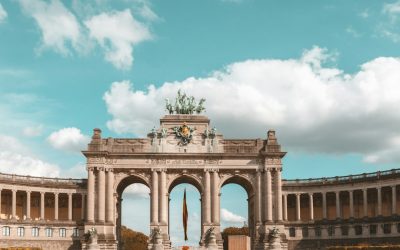
Discovering the Best of Belgium: A Journey Through its Charming Cities and Delectable Cuisine
Belgium is a small country located in Western Europe, known for its unique culture and rich history. Despite its size, Belgium has made significant contributions to art, architecture, cuisine, and more. The country is famous for its medieval cities, charming canals, world-renowned chocolate and beer, and delicious cuisine. From the picturesque city of Bruges to the bustling capital of Brussels, Belgium offers a diverse range of attractions and experiences for visitors to enjoy. Key Takeaways Belgium has a unique culture and history that is worth exploring. Bruges is a charming UNESCO World Heritage Site that is a must-visit destination. Brussels is a vibrant capital city that blends old and new architecture. Belgian chocolate is a sweet treat that should not be missed. Belgian beer is a world-renowned tradition that is worth savoring. Bruges Bruges is a city in northwest Belgium that is often referred to as the “Venice of the North” due to its network of canals. The city’s historic center is a UNESCO World Heritage Site and is known for its well-preserved medieval architecture. Visitors to Bruges can explore the charming cobblestone streets, take a boat tour along the canals, and admire the stunning buildings that line the waterways. Some must-see attractions in Bruges include the Belfry of Bruges, which offers panoramic views of the city; the Basilica of the Holy Blood, which houses a relic believed to be the blood of Jesus Christ; and the Groeningemuseum, which showcases an impressive collection of Flemish art. Additionally, visitors can indulge in delicious Belgian chocolate at one of the many chocolate shops in the city or sample local beers at...
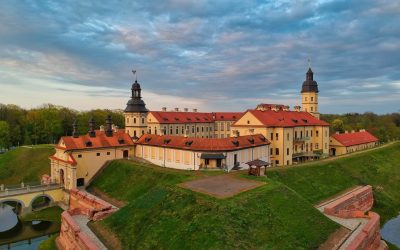
Discovering the Hidden Gems of Belarus: A Journey Through Eastern Europe’s Best-Kept Secret
Belarus, a landlocked country in Eastern Europe, often remains a mystery to many travelers. Tucked away between Russia, Ukraine, Poland, Lithuania, and Latvia, Belarus offers a unique blend of cultures, history, and natural beauty that is waiting to be discovered. From its vibrant music and dance scene to its stunning landscapes and delicious cuisine, Belarus has something to offer every type of traveler. Despite its relatively small size, Belarus boasts a rich and diverse culture that is influenced by its neighboring countries. The country’s unique blend of Eastern and Western influences can be seen in its architecture, customs, and traditions. Whether you’re exploring the bustling streets of Minsk or venturing into the countryside, you’ll be captivated by the warmth and hospitality of the Belarusian people. Key Takeaways Belarusian culture is a fascinating blend of Eastern and Western influences. Belarus boasts stunning natural landscapes, including national parks and pristine lakes. Belarusian cuisine offers a delicious journey through local flavors, including traditional dishes like draniki and machanka. Belarus has a rich and complex history, with influences from neighboring countries and empires. Minsk, the capital of Belarus, is a vibrant city with a unique blend of Soviet-era architecture and modern culture. Belarusian Culture: A Fascinating Blend of East and West Belarusian culture is a fascinating blend of Eastern and Western influences. Throughout its history, the country has been influenced by neighboring countries such as Russia, Poland, Lithuania, and Ukraine. This cultural fusion can be seen in everything from the architecture to the cuisine. One of the most distinctive aspects of Belarusian culture is its traditional customs and celebrations. From Kupalle, a midsummer...

Discovering the Hidden Gems of Barbados: Exploring the Island’s Best-Kept Secrets
Barbados is a tropical paradise known for its stunning beaches, vibrant culture, and warm hospitality. As a popular tourist destination, it offers a wide range of activities and attractions for visitors to enjoy. However, beyond the well-known tourist spots, there are hidden gems waiting to be discovered. These hidden treasures offer a unique and authentic experience of the island, away from the crowds and tourist traps. In this article, we will uncover some of the best-kept secrets of Barbados, from secluded beaches to hidden historical sites, off-the-beaten-path adventures to local culinary gems. Key Takeaways Barbados has many hidden treasures waiting to be discovered beyond the typical tourist attractions. The island boasts secluded beaches, secret gardens, and hidden historical sites that offer unique experiences. Adventurous travelers can explore off-the-beaten-path activities such as hiking, surfing, and swimming in natural wonders like waterfalls and caves. Foodies can indulge in Barbados’ best-kept culinary secrets, while those seeking unique accommodations can find hidden gems on the island. Nightlife enthusiasts can uncover secret bars and clubs for a fun night out in Barbados. The Best-Kept Beaches of Barbados: A Guide to the Island’s Secluded Shores Barbados is famous for its pristine beaches, attracting sun-seekers from around the world. While popular beaches like Crane Beach and Mullins Beach offer beautiful scenery and amenities, there are lesser-known, secluded beaches that offer a more tranquil and intimate experience. One such hidden gem is Bottom Bay Beach, located on the southeastern coast of the island. With its dramatic cliffs, powdery white sand, and crystal-clear turquoise waters, it is a true paradise for beach lovers. Another hidden beach worth exploring...
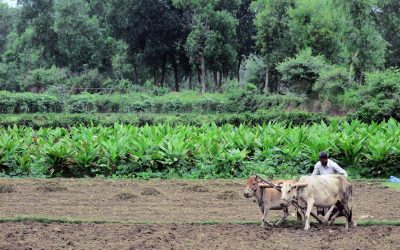
Unveiling the Hidden Beauty of Bangladesh: A Journey Through its Culture, Cuisine, and Scenic Landscapes
Nestled in South Asia, Bangladesh is a country that often goes unnoticed by travelers. However, those who venture to this enchanting land are rewarded with a wealth of cultural gems, natural wonders, and a rich history that dates back centuries. From its vibrant culture and delicious cuisine to its scenic landscapes and hidden treasures, Bangladesh is a destination that is worth exploring. Despite its small size, Bangladesh is a country that offers a diverse range of experiences for travelers. Whether you’re interested in exploring ancient archaeological sites, immersing yourself in the local way of life, or simply indulging in the flavors of traditional Bangladeshi cuisine, there is something for everyone in this captivating country. Key Takeaways Bangladesh is an enchanting land with cultural gems, natural wonders, rich history, art and architecture, festivals, and friendly people. The country’s gastronomic adventure offers a diverse range of flavors and dishes to explore. Bangladesh’s scenic landscapes are a must-visit for nature lovers and adventure seekers. The country’s hidden treasures and glorious past can be uncovered through its rich history and art and architecture. Celebrating life and culture through festivals is an integral part of Bangladesh’s vibrant culture. Discovering the Cultural Gems of Bangladesh One of the highlights of visiting Bangladesh is experiencing its vibrant culture. The country is home to a melting pot of ethnicities and religions, resulting in a rich tapestry of traditions and customs. From the colorful festivals and celebrations to the intricate handicrafts and traditional music and dance performances, there is no shortage of cultural experiences to be had in Bangladesh. In addition to its vibrant culture, Bangladesh is also...
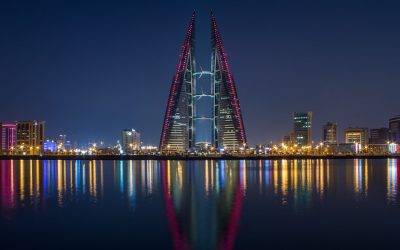
Discovering the Hidden Gems of Bahrain: A Guide to the Kingdom’s Best-Kept Secrets
Bahrain, a small island nation in the Arabian Gulf, may not be the first destination that comes to mind when planning a trip. However, this hidden gem is filled with rich history, stunning natural landscapes, vibrant neighborhoods, delicious cuisine, a thriving art scene, and much more. In this article, we will delve into the lesser-known attractions and experiences that make Bahrain a truly unique and captivating travel destination. Key Takeaways Bahrain has many hidden gems waiting to be discovered by tourists. Exploring ancient sites and museums is a great way to learn about Bahrain’s rich history. Bahrain’s unique landscapes, including its desert and coral reefs, are worth exploring. Venturing off the beaten path to explore lesser-known neighborhoods can lead to unexpected discoveries. Bahrain’s culinary scene offers many hidden treasures, including traditional dishes and street food. The Rich History of Bahrain: Exploring Ancient Sites and Museums Bahrain has a fascinating history that dates back thousands of years. It was once an important trading hub in the ancient world and has been inhabited since prehistoric times. Today, visitors can explore the remnants of this rich history through the various ancient sites and museums scattered across the island. One of the must-visit historical sites in Bahrain is the Bahrain Fort, also known as Qal’at al-Bahrain. This UNESCO World Heritage Site is an archaeological site that showcases the ancient Dilmun civilization. Visitors can explore the ruins of the fort and learn about its significance through the onsite museum. Another historical site worth visiting is the Barbar Temple. This ancient temple dates back to the Dilmun era and is one of the largest and...
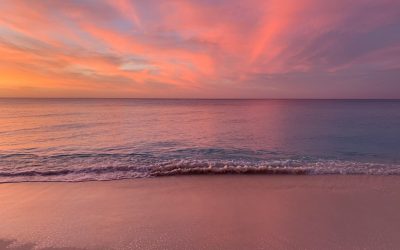
Discover the Hidden Gems of the Bahamas: A Guide to the Best-Kept Secrets of this Caribbean Paradise
The Bahamas is a popular tourist destination known for its stunning beaches, crystal-clear waters, and vibrant culture. However, beyond the well-known tourist spots, there are hidden gems waiting to be discovered. Exploring the lesser-known areas of the Bahamas allows travelers to experience a different side of this beautiful country and uncover its hidden treasures. Key Takeaways The Bahamas has many hidden treasures waiting to be discovered beyond the popular tourist spots. Exploring the lesser-known islands and cays of the Bahamas offers a unique and off-the-beaten-path experience. Immerse yourself in the local culture and traditions of the Bahamas for a truly authentic experience. The Bahamas’ national parks and reserves offer breathtaking natural wonders to explore. Diving and snorkeling in the Bahamas’ secret spots reveal a whole new world of underwater adventures. Off-the-Beaten-Path: Exploring the Hidden Islands and Cays of the Bahamas While Nassau and Paradise Island are the most well-known destinations in the Bahamas, there are many other islands and cays that offer a more secluded and authentic experience. For example, the Exumas is a chain of islands known for its pristine beaches, turquoise waters, and abundant marine life. The Exumas also offer unique attractions such as swimming with pigs on Big Major Cay or exploring Thunderball Grotto, a cave system made famous by the James Bond film. Another hidden gem is Andros Island, the largest island in the Bahamas. Andros is known for its untouched natural beauty, including vast wetlands, mangrove forests, and blue holes. It is also home to the third-largest barrier reef in the world, making it a paradise for snorkelers and divers. Cultural Delights: Discovering the...
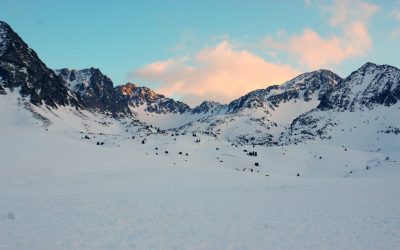
Discovering the Hidden Gem of Europe: Exploring the Beauty of Andorra
Nestled in the eastern Pyrenees mountains between France and Spain, Andorra is a small principality that often goes unnoticed by travelers. With a population of just over 77,000 people, Andorra is one of the smallest countries in Europe. Despite its size, Andorra offers a unique and unforgettable experience for those who venture to this hidden gem. Andorra’s history dates back to the 9th century when it was established as a co-principality by the Bishop of Urgell and the Count of Foix. Over the centuries, Andorra has maintained its independence and unique political system, making it one of the oldest democracies in the world. Today, Andorra is known for its stunning natural landscapes, rich cultural heritage, and world-class ski resorts. Key Takeaways Andorra is a hidden gem in Europe, offering a unique blend of culture, natural beauty, and outdoor activities. The country has a rich history and culture, with unique architecture and landmarks to explore. Andorra’s mountains, lakes, and scenic landscapes make it a perfect destination for hiking and outdoor activities. The country is also known for its ski resorts and winter sports, making it a popular destination for winter vacations. Andorra offers a blend of tradition and modernity, with shopping, dining, and festivals that celebrate its unique culture and heritage. Andorra’s Rich Culture and History One of the most fascinating aspects of Andorra is its rich cultural heritage, heavily influenced by Catalan culture. Catalan is the official language of Andorra, and many of its traditions and customs are deeply rooted in Catalan traditions. From its cuisine to its festivals, visitors to Andorra will experience a unique blend of Catalan...
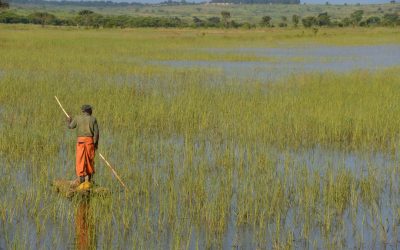
Exploring the Rich Culture and Natural Wonders of Angola: A Journey Through the Heart of Africa
Located on the west coast of Southern Africa, Angola is a country known for its rich cultural heritage, diverse landscapes, and warm and welcoming people. With a history that dates back thousands of years, Angola has a unique blend of African, Portuguese, and indigenous influences that can be seen in its art, music, cuisine, and architecture. From the bustling capital city of Luanda to the remote villages and stunning natural wonders, Angola offers a wealth of experiences for travelers seeking adventure, culture, and relaxation. Angola’s history is a complex tapestry of colonization, independence struggles, and post-war reconstruction. The country gained independence from Portugal in 1975 after a long and bloody war. Since then, Angola has made great strides in rebuilding its infrastructure and developing its economy. Today, it is one of the fastest-growing economies in Africa and has become an increasingly popular destination for tourists looking to explore its unique attractions. Key Takeaways Angola is a diverse and beautiful country with rich cultural heritage and natural wonders. The country’s national parks and wildlife reserves offer a unique opportunity to explore its wildlife and landscapes. Angola’s music and dance scene is vibrant and worth experiencing. The country’s cuisine and local delicacies are delicious and worth sampling. Angola’s friendly people offer a warm welcome to visitors. Discovering the Rich Cultural Heritage of Angola Angola is home to a diverse range of ethnic groups, each with their own unique traditions and customs. From the Ovimbundu in the central highlands to the Bakongo in the north and the Ovambo in the south, Angola’s cultural heritage is as diverse as its landscapes. Visitors to...

Discovering the Hidden Gems of Antigua and Barbuda: A Caribbean Paradise Awaits
Antigua and Barbuda is a small island nation located in the Caribbean Sea. It consists of two main islands, Antigua and Barbuda, along with several smaller islands. The country has a rich history and vibrant culture, with influences from its indigenous people, European colonizers, and African slaves. Today, Antigua and Barbuda is known for its stunning beaches, crystal-clear waters, and warm hospitality, making it a popular destination for tourists from around the world. Antigua and Barbuda’s location in the Caribbean makes it an ideal vacation spot for those seeking sun, sand, and relaxation. The islands are situated in the northeastern part of the Caribbean Sea, just east of Puerto Rico. With its tropical climate and average temperatures ranging from 75 to 85 degrees Fahrenheit year-round, Antigua and Barbuda offer perfect beach weather no matter when you visit. The country’s history dates back thousands of years, with evidence of indigenous settlements on the islands as early as 2400 BC. European colonization began in the 16th century when Christopher Columbus arrived in 1493. The islands were later colonized by the British in the 17th century and remained under British rule until gaining independence in 1981. This colonial history is still evident today in the architecture, language, and cultural traditions of Antigua and Barbuda. Key Takeaways Antigua and Barbuda is a stunning Caribbean paradise with beautiful beaches, rich culture, and diverse wildlife. The best beaches in Antigua and Barbuda are hidden gems waiting to be explored, offering crystal-clear waters and white sand. The local traditions and festivals of Antigua and Barbuda are a must-see, showcasing the island’s vibrant culture and history. The...