World Geography
Geography is the study of the Earth’s landscapes, environments, and the relationships between people and their surroundings. It encompasses both the physical aspects of the Earth, such as its landforms, bodies of water, and climate, as well as the human aspects, including population distribution, cultures, and economies. World geography is a broad field that seeks to understand the complexities of our planet and how humans interact with it. By studying world geography, we can gain a deeper appreciation for the diversity of our planet and the interconnectedness of its various regions.
Geography is a multidisciplinary field that draws on elements of physical science, social science, and humanities. It involves the use of maps, spatial analysis, and geographic information systems (GIS) to understand the Earth’s surface and the processes that shape it. World geography also encompasses the study of human geography, which examines the ways in which people and their activities are distributed across the Earth. By understanding world geography, we can better appreciate the environmental, cultural, and economic challenges facing different regions of the world. This knowledge is crucial for addressing global issues such as climate change, resource management, and international development.
The Five Oceans and Seven Continents
The Earth’s surface is divided into five major oceans: the Pacific, Atlantic, Indian, Southern (or Antarctic), and Arctic Oceans. These vast bodies of water play a crucial role in regulating the Earth’s climate and supporting diverse marine ecosystems. The oceans also serve as important transportation routes and a source of food and other natural resources for human societies around the world.
In addition to the oceans, the Earth’s landmasses are divided into seven continents: Africa, Antarctica, Asia, Europe, North America, Australia (or Oceania), and South America. Each continent has its own unique physical and cultural characteristics, shaped by millions of years of geological processes and human history. From the deserts of Africa to the rainforests of South America, the continents offer a rich tapestry of landscapes and environments for exploration and study.
Major Mountain Ranges and Deserts
The Earth’s surface is also marked by major mountain ranges and deserts that have shaped the planet’s physical and cultural landscapes. The Himalayas, for example, are the highest mountain range in the world and are home to diverse ecosystems and cultures in countries such as India, Nepal, and Bhutan. The Andes in South America, the Rockies in North America, and the Alps in Europe are other prominent mountain ranges that have influenced human settlement patterns and economic activities.
Deserts cover about one-third of the Earth’s land surface and are characterized by low precipitation and extreme temperatures. The Sahara Desert in Africa is the largest hot desert in the world, while the Gobi Desert in Asia is one of the largest cold deserts. Deserts are not only home to unique flora and fauna but have also been important trade routes and cultural crossroads throughout history.
Climate Zones and Biomes
The Earth’s climate is influenced by a variety of factors, including latitude, altitude, ocean currents, and prevailing winds. As a result, the planet is divided into different climate zones, each with its own characteristic weather patterns and ecosystems. The equator, for example, experiences a tropical climate with high temperatures and heavy rainfall, while the polar regions have a cold and dry climate.
These climate zones give rise to different biomes, or large ecological areas characterized by distinct plant and animal communities. The tropical rainforest biome, found near the equator, is home to a diverse array of species and is vital for regulating the Earth’s climate. The grasslands biome, found in regions such as the African savannah and North American prairies, supports grazing animals and has been important for human agriculture throughout history.
Human Geography and Population Distribution
Human geography examines the ways in which people and their activities are distributed across the Earth’s surface. It encompasses topics such as population growth, migration patterns, urbanization, and cultural diversity. Understanding human geography is crucial for addressing global challenges such as poverty, inequality, and environmental degradation.
Population distribution is uneven across the world, with some regions experiencing rapid population growth while others are declining. The majority of the world’s population lives in Asia, particularly in countries such as China and India. Urban areas are also growing rapidly, with more than half of the world’s population now living in cities. This trend has significant implications for infrastructure development, resource management, and social inequality.
Historical and Cultural Geography
Historical geography examines how human activities have shaped the Earth’s landscapes over time. It explores topics such as colonialism, trade routes, and the rise and fall of empires. Cultural geography focuses on how human cultures have developed in different regions of the world and how they interact with their environments.
The Silk Road, for example, was an ancient trade route that connected China with Europe and facilitated the exchange of goods, ideas, and technologies across Eurasia. This historical trade route had a profound impact on the development of cultures and economies along its path. Similarly, cultural geographers study how different societies have adapted to their environments through practices such as agriculture, architecture, and religious beliefs.
The Importance of Geographic Knowledge
Geographic knowledge is crucial for addressing global challenges such as climate change, resource management, and international development. By understanding world geography, we can better appreciate the environmental, cultural, and economic challenges facing different regions of the world. This knowledge is crucial for addressing global issues such as climate change, resource management, and international development.
Geographic knowledge also helps us to understand our interconnectedness with other regions of the world. By studying world geography, we can gain a deeper appreciation for the diversity of our planet and the interconnectedness of its various regions. This understanding can foster a sense of global citizenship and empathy for people from different cultures and backgrounds.
In conclusion, world geography is a complex and multifaceted field that encompasses both physical and human aspects of the Earth’s landscapes. By studying world geography, we can gain a deeper appreciation for the diversity of our planet and the interconnectedness of its various regions. This knowledge is crucial for addressing global challenges such as climate change, resource management, and international development. It also helps us to understand our interconnectedness with other regions of the world and fosters a sense of global citizenship.
FAQs
What is world geography?
World geography is the study of the Earth’s landscapes, environments, and the relationships between people and their environments. It encompasses the physical features of the Earth, as well as the human activity that takes place on it.
Why is world geography important?
World geography is important because it helps us understand the world around us. It provides insights into the physical and human processes that shape our planet, and helps us make informed decisions about how to interact with our environment.
What are the main branches of world geography?
The main branches of world geography include physical geography, which focuses on the Earth’s natural features and processes, and human geography, which examines the relationships between people and their environments.
How does world geography impact our daily lives?
World geography impacts our daily lives in numerous ways, from influencing the weather and climate we experience, to shaping the availability of natural resources and influencing the distribution of populations and cultures around the world.
What are some key concepts in world geography?
Key concepts in world geography include location, place, human-environment interaction, movement, and region. These concepts help geographers understand and interpret the world around them.

Exploring the Flora and Fauna of Czechia
Czechia, a landlocked country in Central Europe, is often celebrated for its rich cultural heritage and historical significance. However, it is equally important to recognise its remarkable biodiversity, which encompasses a wide array of ecosystems, flora, and fauna. The geographical position of Czechia, bordered by Germany, Poland, Austria, and Slovakia, contributes to its unique biological diversity. The country is characterised by a variety of landscapes, including mountains, forests, rivers, and wetlands, each hosting distinct species and ecological communities. The biodiversity of Czechia is not merely a backdrop to its picturesque scenery; it plays a crucial role in the ecological balance and health of the region. With over 40,000 species of plants and animals documented, Czechia is home to a wealth of life forms that are integral to the functioning of its ecosystems. This diversity is not only vital for environmental stability but also offers significant opportunities for research, education, and ecotourism. Understanding and appreciating this biodiversity is essential for fostering a sense of stewardship among both locals and visitors alike. Summary Czechia boasts a rich and diverse biodiversity, with a wide range of ecosystems, flora, and fauna. The diverse ecosystems of Czechia include forests, wetlands, grasslands, and mountains, each supporting a unique array of plant and animal species. Czechia is home to a variety of unique flora, including rare orchids, alpine plants, and medicinal herbs, making it a paradise for botany enthusiasts. The fascinating fauna of Czechia includes a diverse range of mammals, birds, reptiles, and amphibians, with highlights such as the European brown bear and the white-tailed eagle. Conservation efforts in Czechia are focused on protecting and restoring...

Exploring the Rich Flora and Fauna of Burundi
Burundi, a small landlocked nation in East Africa, is often overshadowed by its larger neighbours, yet it boasts a remarkable array of biodiversity that is both unique and vital to the ecological balance of the region. Nestled between Rwanda and Tanzania, Burundi’s varied landscapes range from mountainous terrains to lush valleys and expansive lakes, creating a mosaic of habitats that support a rich tapestry of life. The country is home to numerous endemic species, making it a significant area for biological research and conservation efforts. The intricate interplay of its ecosystems not only sustains wildlife but also supports the livelihoods of local communities who depend on these natural resources. The biodiversity of Burundi is not merely a collection of species; it represents a complex web of interactions among flora, fauna, and their environments. This intricate system is crucial for maintaining ecological stability and resilience against environmental changes. However, the pressures of human activity, climate change, and habitat destruction pose significant threats to this delicate balance. Understanding the unique aspects of Burundi’s biodiversity is essential for fostering appreciation and promoting conservation initiatives that can safeguard these natural treasures for future generations. Summary Burundi is home to a rich and diverse range of flora and fauna, making it a hotspot for biodiversity in East Africa. The unique flora of Burundi includes over 2,500 species of plants, many of which are endemic to the region and have medicinal properties. The diverse fauna of Burundi includes a variety of mammals, birds, reptiles, and amphibians, with the iconic hippopotamus and the rare mountain gorilla being notable species. Threats to biodiversity in Burundi include deforestation,...

Exploring the Flora and Fauna of Azerbaijan
Azerbaijan, a country nestled at the crossroads of Eastern Europe and Western Asia, boasts a remarkable array of biodiversity that reflects its unique geographical position and varied climatic conditions. The nation is characterised by its diverse landscapes, ranging from the Caspian Sea coastline to the towering peaks of the Greater Caucasus Mountains. This geographical diversity contributes to a rich tapestry of ecosystems, each hosting a myriad of plant and animal species. The country is home to over 4,000 species of vascular plants, 500 species of vertebrates, and countless invertebrates, making it a significant hotspot for biodiversity in the region. The ecological significance of Azerbaijan is further underscored by its inclusion in the Caucasus biodiversity hotspot, which is recognised for its high levels of endemism and species richness. The interplay of various climatic zones—from subtropical to alpine—creates microhabitats that support unique life forms. This intricate web of life not only sustains local communities but also plays a crucial role in global ecological health. Understanding and preserving this biodiversity is essential, not only for the ecological balance but also for the cultural heritage and economic sustainability of Azerbaijan. Summary Azerbaijan is home to a rich and diverse range of flora and fauna, making it a hotspot for biodiversity in the region. The unique flora of Azerbaijan includes over 4,500 species of plants, many of which are endemic to the region and can be found in various ecosystems such as forests, wetlands, and mountains. The diverse fauna of Azerbaijan boasts over 100 species of mammals, 340 species of birds, and numerous reptiles, amphibians, and fish, including the iconic Caspian seal and the...

Exploring the Flora and Fauna of Slovenia
Slovenia, a small yet remarkably diverse country nestled in the heart of Europe, boasts an impressive array of biodiversity that is both a national treasure and a vital component of the planet’s ecological health. Covering an area of just over 20,000 square kilometres, Slovenia is home to a variety of ecosystems, ranging from alpine mountains to lush valleys, dense forests, and pristine rivers. This geographical diversity contributes to the rich tapestry of life found within its borders, making Slovenia a hotspot for biodiversity in Europe. The country’s commitment to preserving its natural heritage is evident in its numerous protected areas, including national parks and nature reserves, which serve as sanctuaries for countless species. The significance of Slovenia’s biodiversity extends beyond its borders; it plays a crucial role in global ecological processes. The intricate relationships between species and their environments contribute to ecosystem stability, resilience, and productivity. Slovenia’s unique position at the crossroads of various climatic and geographical influences has resulted in a rich mosaic of habitats that support a wide range of flora and fauna. This article delves into the diverse plant life, rich animal populations, unique habitats, conservation efforts, and tips for exploring Slovenia’s natural wonders. Summary Slovenia boasts a rich biodiversity, with diverse flora and fauna and unique habitats and ecosystems. The diverse flora of Slovenia includes over 3,000 species of vascular plants, with a high percentage of endemic species. The rich fauna of Slovenia includes a variety of mammals, birds, reptiles, and amphibians, many of which are protected species. Unique habitats and ecosystems in Slovenia include alpine meadows, karst landscapes, and wetlands, providing a home for...

Exploring Mexico’s Rich Flora and Fauna
Mexico is a country renowned for its rich and varied biodiversity, which is among the most significant in the world. This remarkable wealth of life is attributed to its unique geographical position, diverse climates, and a multitude of ecosystems that range from arid deserts to lush tropical rainforests. The nation is home to an estimated 200,000 species of plants and animals, with a significant proportion of these being endemic, meaning they are found nowhere else on Earth. This extraordinary variety not only contributes to the ecological balance but also plays a crucial role in the cultural and economic fabric of the country. The significance of Mexico’s biodiversity extends beyond its borders, as it is a vital component of global ecological health. The ecosystems within Mexico provide essential services such as carbon sequestration, water purification, and soil fertility, which are critical for sustaining life. Furthermore, the genetic diversity found in Mexican flora and fauna is invaluable for scientific research and agricultural development. As the world grapples with climate change and environmental degradation, understanding and preserving Mexico’s biodiversity has never been more urgent. Summary Mexico is home to a rich and diverse array of flora and fauna, making it one of the world’s most biodiverse countries. From deserts to rainforests, Mexico’s ecosystems are incredibly varied, providing habitats for a wide range of plant and animal species. Mexico’s unique flora includes iconic species such as the giant saguaro cactus and the vibrant Mexican sunflower, adding to the country’s natural beauty. The fascinating fauna of Mexico includes the iconic monarch butterfly, the elusive jaguar, and the vibrant quetzal bird, among many other species....

Exploring the Wildlife of British Indian Ocean Territory
The British Indian Ocean Territory (BIOT) is a unique and strategically significant archipelago located in the central Indian Ocean. Comprising over 55 islands, the territory is best known for its largest island, Diego Garcia, which hosts a major military base. Established as a British Overseas Territory in 1965, BIOT has a rich history intertwined with colonialism and geopolitical interests. The islands are uninhabited, with the exception of military personnel and support staff on Diego Garcia, which has led to a pristine environment largely untouched by human activity. This isolation has fostered a unique ecosystem that is home to a diverse array of flora and fauna, making it a focal point for conservation efforts and scientific research. The territory’s geographical location places it at the crossroads of major ocean currents, contributing to its rich biodiversity. The surrounding waters are part of the Indian Ocean, which is known for its vibrant marine life and extensive coral reefs. The British Indian Ocean Territory is not only significant for its ecological value but also for its strategic military importance, serving as a base for operations in the region. The combination of these factors makes BIOT a fascinating subject of study for ecologists, conservationists, and historians alike. Summary The British Indian Ocean Territory is a remote and biodiverse group of islands in the Indian Ocean, home to a wide variety of marine and bird species. The marine life in the British Indian Ocean Territory is diverse and includes a wide range of fish, corals, and other marine organisms, making it a popular destination for diving and snorkelling. Bird watching in the British Indian Ocean...

Exploring the Flora and Fauna of Cyprus
Cyprus, the third largest island in the Mediterranean, is renowned not only for its rich history and cultural heritage but also for its remarkable biodiversity. The island’s unique geographical position at the crossroads of Europe, Asia, and Africa has resulted in a diverse array of ecosystems that support a wide variety of plant and animal life. The combination of its varied topography, ranging from mountainous regions to coastal plains, along with its Mediterranean climate, creates an environment where numerous species can thrive. This biodiversity is not merely a backdrop to the island’s human activities; it plays a crucial role in maintaining ecological balance and supporting local economies through agriculture, tourism, and recreation. The significance of Cyprus’s biodiversity extends beyond its natural beauty. It is a living testament to the evolutionary processes that have shaped life on Earth. The island is home to a plethora of habitats, including forests, wetlands, and coastal areas, each hosting distinct communities of organisms. The interplay between these habitats fosters a complex web of life that is both fascinating and essential for the health of the planet. Understanding and appreciating this biodiversity is vital for the sustainable management of natural resources and the preservation of Cyprus’s unique ecological heritage. Summary Cyprus is home to a rich and diverse range of flora and fauna, making it a hotspot for biodiversity in the Mediterranean region. The unique flora of Cyprus includes over 1,800 plant species, with a significant number of them being endemic to the island. The diverse fauna of Cyprus includes a variety of reptiles, amphibians, birds, and mammals, many of which are also endemic to...

Exploring Austria’s Flora and Fauna
Austria, a landlocked country in Central Europe, is renowned for its stunning landscapes, which range from the majestic peaks of the Alps to the serene banks of the Danube River. This geographical diversity contributes significantly to the rich tapestry of biodiversity found within its borders. The country is home to a wide array of ecosystems, each supporting unique flora and fauna. Austria’s biodiversity is not merely a backdrop to its picturesque scenery; it plays a crucial role in maintaining ecological balance and providing essential services to both the environment and human populations. The varied climatic conditions across Austria, influenced by its topography and geographical location, create a mosaic of habitats. From the alpine regions characterised by rugged mountains and glacial lakes to the lowland forests and wetlands, each area harbours distinct species adapted to their specific environments. This diversity is further enriched by Austria’s commitment to conservation and sustainable practices, which aim to protect its natural heritage for future generations. Understanding the intricate relationships between species and their habitats is vital for appreciating the ecological significance of Austria’s biodiversity. Summary Austria is home to a diverse range of flora and fauna, thanks to its unique habitats and varied landscapes. The alpine flora of Austria is particularly fascinating, with a wide variety of mountain plants adapted to the harsh conditions of the high altitudes. From the majestic Alps to the tranquil Danube River, Austria’s wildlife is rich and varied, offering a unique experience for nature enthusiasts. Conservation efforts in Austria are focused on protecting endangered species and their habitats, with national parks and reserves playing a crucial role in these...

Exploring the Rich Flora and Fauna of Australia
Australia is renowned for its extraordinary biodiversity, a treasure trove of life that has evolved in isolation for millions of years. This vast continent, with its diverse ecosystems ranging from arid deserts to lush rainforests, is home to an astonishing array of species, many of which are found nowhere else on Earth. The unique evolutionary history of Australia has resulted in a rich tapestry of flora and fauna, characterised by both endemic species and remarkable adaptations to the environment. The continent’s geographical isolation has fostered a distinct biological heritage, making it a focal point for conservationists and ecologists alike. The significance of Australia’s biodiversity extends beyond mere numbers; it plays a crucial role in the health of the planet. Ecosystems such as the Great Barrier Reef, the world’s largest coral reef system, and the ancient rainforests of Tasmania are vital not only for their intrinsic beauty but also for their contributions to global ecological balance. These ecosystems provide essential services, including carbon sequestration, water filtration, and habitat for countless species. However, the intricate web of life that characterises Australia is under threat from various human activities and environmental changes, necessitating urgent attention and action. Summary Australia is home to a unique and diverse range of flora and fauna, making it one of the most biodiverse countries in the world. The flora of Australia includes iconic species such as eucalyptus trees, kangaroo paws, and the famous kangaroo grass. Australia’s fauna is equally diverse, with iconic species such as kangaroos, koalas, platypuses, and a wide variety of bird species. Threats to Australia’s biodiversity include habitat loss, invasive species, climate change, and...

Exploring the Wildlife of Malawi
Malawi, often referred to as the “Warm Heart of Africa,” is a country that boasts a rich tapestry of wildlife and natural beauty. Nestled in the southeastern part of the continent, it is home to diverse ecosystems ranging from lush forests and savannahs to the expansive shores of Lake Malawi. This unique geographical setting provides a habitat for a wide array of flora and fauna, making it a hidden gem for wildlife enthusiasts and nature lovers alike. The country’s commitment to preserving its natural heritage is evident in its numerous national parks and reserves, which serve as sanctuaries for both endemic and migratory species. The wildlife of Malawi is not only significant for its ecological value but also for its cultural importance. Many local communities have coexisted with these animals for generations, developing a deep respect and understanding of their behaviours and habitats. This relationship has fostered a sense of stewardship among the people, who recognise the importance of conserving their natural resources. As such, Malawi’s wildlife is not merely a backdrop for tourism; it is an integral part of the nation’s identity and heritage. Summary Malawi is home to a diverse range of wildlife, including elephants, hippos, and leopards. The country boasts several national parks and reserves, such as Liwonde National Park and Nyika National Park. Unique species found in Malawi include the African fish eagle, the Thornicroft’s giraffe, and the Puku antelope. Birdwatching is a popular activity in Malawi, with over 650 bird species to spot, including the Lilian’s lovebird and the African skimmer. Conservation efforts in Malawi focus on protecting endangered species and habitats, with initiatives...
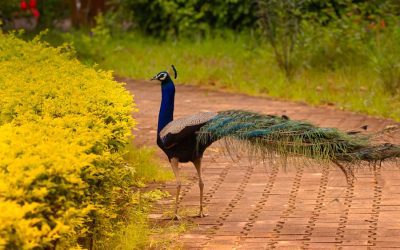
Exploring the Rich Flora and Fauna of India
India is a land of remarkable biodiversity, boasting a rich tapestry of flora and fauna that is both unique and diverse. Spanning across various climatic zones, from the snow-capped Himalayas in the north to the tropical rainforests in the south, India is home to an astonishing array of ecosystems. This vast country, which covers approximately 3.287 million square kilometres, harbours around 7-8% of the world’s recorded species, making it one of the 17 megadiverse countries globally. The intricate interplay of geography, climate, and human activity has shaped India’s biodiversity, resulting in a complex web of life that is both beautiful and fragile. The significance of India’s biodiversity extends beyond mere numbers; it plays a crucial role in sustaining the livelihoods of millions of people. The diverse ecosystems provide essential services such as clean air and water, pollination of crops, and regulation of climate. Furthermore, India’s rich biological heritage is intertwined with its cultural identity, as many communities have coexisted with nature for centuries, relying on its resources for food, medicine, and spiritual practices. However, this intricate balance is increasingly threatened by various factors, necessitating a deeper understanding of the country’s biodiversity and the urgent need for conservation efforts. Summary India is home to a rich and diverse range of flora and fauna, making it one of the world’s biodiversity hotspots. From the Himalayas to the Western Ghats, India’s diverse ecosystems include forests, grasslands, wetlands, and coastal areas, each supporting a unique array of wildlife. Iconic wildlife species in India include the Bengal tiger, Indian elephant, Indian rhinoceros, and the Asiatic lion, all of which are important symbols of the...
Exploring the Flora and Fauna of Cayman Islands
The Cayman Islands, a British Overseas Territory located in the western Caribbean Sea, is renowned for its stunning natural beauty, vibrant marine life, and rich cultural heritage. Comprising three islands—Grand Cayman, Cayman Brac, and Little Cayman—this tropical paradise is a haven for nature enthusiasts and adventure seekers alike. The islands are situated approximately 150 miles south of Cuba and 180 miles west of Jamaica, making them an accessible destination for tourists from North America and beyond. The allure of the Cayman Islands lies not only in its pristine beaches and crystal-clear waters but also in its unique ecosystems that support a diverse array of flora and fauna. The islands boast a warm tropical climate, characterised by gentle breezes and abundant sunshine, which creates an ideal environment for a variety of plant and animal species. The geography of the Cayman Islands is predominantly flat, with limestone formations and coral reefs that contribute to the rich biodiversity found in the region. The surrounding waters are teeming with marine life, while the islands themselves are home to lush vegetation, including mangroves, tropical hardwood forests, and coastal shrublands. This unique combination of terrestrial and marine ecosystems makes the Cayman Islands a focal point for ecological study and conservation efforts. Summary The Cayman Islands are a British Overseas Territory located in the Caribbean, known for their stunning natural beauty and diverse wildlife. The unique flora of the Cayman Islands includes rare orchids, colourful bromeliads, and the iconic silver thatch palm, which is the national tree of the islands. The diverse fauna of the Cayman Islands includes the critically endangered blue iguana, the Cayman parrot,...