World Geography
Geography is the study of the Earth’s landscapes, environments, and the relationships between people and their surroundings. It encompasses both the physical aspects of the Earth, such as its landforms, bodies of water, and climate, as well as the human aspects, including population distribution, cultures, and economies. World geography is a broad field that seeks to understand the complexities of our planet and how humans interact with it. By studying world geography, we can gain a deeper appreciation for the diversity of our planet and the interconnectedness of its various regions.
Geography is a multidisciplinary field that draws on elements of physical science, social science, and humanities. It involves the use of maps, spatial analysis, and geographic information systems (GIS) to understand the Earth’s surface and the processes that shape it. World geography also encompasses the study of human geography, which examines the ways in which people and their activities are distributed across the Earth. By understanding world geography, we can better appreciate the environmental, cultural, and economic challenges facing different regions of the world. This knowledge is crucial for addressing global issues such as climate change, resource management, and international development.
The Five Oceans and Seven Continents
The Earth’s surface is divided into five major oceans: the Pacific, Atlantic, Indian, Southern (or Antarctic), and Arctic Oceans. These vast bodies of water play a crucial role in regulating the Earth’s climate and supporting diverse marine ecosystems. The oceans also serve as important transportation routes and a source of food and other natural resources for human societies around the world.
In addition to the oceans, the Earth’s landmasses are divided into seven continents: Africa, Antarctica, Asia, Europe, North America, Australia (or Oceania), and South America. Each continent has its own unique physical and cultural characteristics, shaped by millions of years of geological processes and human history. From the deserts of Africa to the rainforests of South America, the continents offer a rich tapestry of landscapes and environments for exploration and study.
Major Mountain Ranges and Deserts
The Earth’s surface is also marked by major mountain ranges and deserts that have shaped the planet’s physical and cultural landscapes. The Himalayas, for example, are the highest mountain range in the world and are home to diverse ecosystems and cultures in countries such as India, Nepal, and Bhutan. The Andes in South America, the Rockies in North America, and the Alps in Europe are other prominent mountain ranges that have influenced human settlement patterns and economic activities.
Deserts cover about one-third of the Earth’s land surface and are characterized by low precipitation and extreme temperatures. The Sahara Desert in Africa is the largest hot desert in the world, while the Gobi Desert in Asia is one of the largest cold deserts. Deserts are not only home to unique flora and fauna but have also been important trade routes and cultural crossroads throughout history.
Climate Zones and Biomes
The Earth’s climate is influenced by a variety of factors, including latitude, altitude, ocean currents, and prevailing winds. As a result, the planet is divided into different climate zones, each with its own characteristic weather patterns and ecosystems. The equator, for example, experiences a tropical climate with high temperatures and heavy rainfall, while the polar regions have a cold and dry climate.
These climate zones give rise to different biomes, or large ecological areas characterized by distinct plant and animal communities. The tropical rainforest biome, found near the equator, is home to a diverse array of species and is vital for regulating the Earth’s climate. The grasslands biome, found in regions such as the African savannah and North American prairies, supports grazing animals and has been important for human agriculture throughout history.
Human Geography and Population Distribution
Human geography examines the ways in which people and their activities are distributed across the Earth’s surface. It encompasses topics such as population growth, migration patterns, urbanization, and cultural diversity. Understanding human geography is crucial for addressing global challenges such as poverty, inequality, and environmental degradation.
Population distribution is uneven across the world, with some regions experiencing rapid population growth while others are declining. The majority of the world’s population lives in Asia, particularly in countries such as China and India. Urban areas are also growing rapidly, with more than half of the world’s population now living in cities. This trend has significant implications for infrastructure development, resource management, and social inequality.
Historical and Cultural Geography
Historical geography examines how human activities have shaped the Earth’s landscapes over time. It explores topics such as colonialism, trade routes, and the rise and fall of empires. Cultural geography focuses on how human cultures have developed in different regions of the world and how they interact with their environments.
The Silk Road, for example, was an ancient trade route that connected China with Europe and facilitated the exchange of goods, ideas, and technologies across Eurasia. This historical trade route had a profound impact on the development of cultures and economies along its path. Similarly, cultural geographers study how different societies have adapted to their environments through practices such as agriculture, architecture, and religious beliefs.
The Importance of Geographic Knowledge
Geographic knowledge is crucial for addressing global challenges such as climate change, resource management, and international development. By understanding world geography, we can better appreciate the environmental, cultural, and economic challenges facing different regions of the world. This knowledge is crucial for addressing global issues such as climate change, resource management, and international development.
Geographic knowledge also helps us to understand our interconnectedness with other regions of the world. By studying world geography, we can gain a deeper appreciation for the diversity of our planet and the interconnectedness of its various regions. This understanding can foster a sense of global citizenship and empathy for people from different cultures and backgrounds.
In conclusion, world geography is a complex and multifaceted field that encompasses both physical and human aspects of the Earth’s landscapes. By studying world geography, we can gain a deeper appreciation for the diversity of our planet and the interconnectedness of its various regions. This knowledge is crucial for addressing global challenges such as climate change, resource management, and international development. It also helps us to understand our interconnectedness with other regions of the world and fosters a sense of global citizenship.
FAQs
What is world geography?
World geography is the study of the Earth’s landscapes, environments, and the relationships between people and their environments. It encompasses the physical features of the Earth, as well as the human activity that takes place on it.
Why is world geography important?
World geography is important because it helps us understand the world around us. It provides insights into the physical and human processes that shape our planet, and helps us make informed decisions about how to interact with our environment.
What are the main branches of world geography?
The main branches of world geography include physical geography, which focuses on the Earth’s natural features and processes, and human geography, which examines the relationships between people and their environments.
How does world geography impact our daily lives?
World geography impacts our daily lives in numerous ways, from influencing the weather and climate we experience, to shaping the availability of natural resources and influencing the distribution of populations and cultures around the world.
What are some key concepts in world geography?
Key concepts in world geography include location, place, human-environment interaction, movement, and region. These concepts help geographers understand and interpret the world around them.
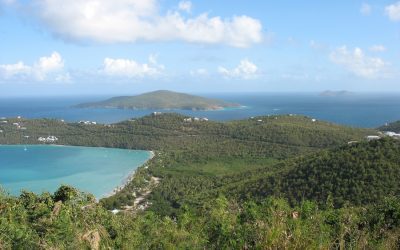
Exploring the Rich Flora and Fauna of Antigua and Barbuda
Antigua and Barbuda, a twin-island nation nestled in the heart of the Caribbean, boasts a rich tapestry of biodiversity that is both unique and vital to the ecological balance of the region. The islands are characterised by their diverse ecosystems, which range from lush rainforests and mangroves to coral reefs and coastal wetlands. This variety of habitats supports an array of flora and fauna, some of which are endemic to the islands, making them a significant area for biological research and conservation efforts. The geographical positioning of Antigua and Barbuda, along with its climatic conditions, has fostered an environment where numerous species thrive, contributing to the islands’ ecological richness. The biodiversity of Antigua and Barbuda is not merely a backdrop for its stunning landscapes; it plays a crucial role in the livelihoods of local communities. The natural resources provided by these ecosystems support agriculture, fishing, and tourism, which are essential to the economy. However, this delicate balance is increasingly threatened by human activities, climate change, and invasive species. Understanding and appreciating the biodiversity of Antigua and Barbuda is paramount for fostering sustainable practices that protect these invaluable resources for future generations. Summary Antigua and Barbuda boast a rich biodiversity, with unique plant and animal species that are worth preserving. The islands are home to several endemic plant species, including the Antiguan Dagger, which is found only in Antigua and Barbuda. Antigua and Barbuda’s diverse animal life includes the Antiguan Racer, a critically endangered snake species found only on Great Bird Island. Conservation efforts in Antigua and Barbuda focus on protecting the natural habitats of endemic species and promoting sustainable...
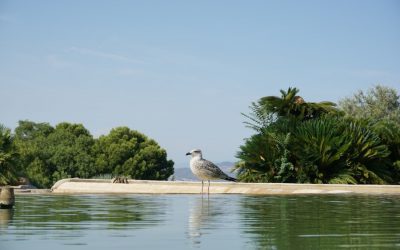
Exploring the Wildlife of French Southern Territories
The French Southern Territories, a remote and largely uninhabited region of France, encompass a collection of islands and archipelagos located in the southern Indian Ocean. This territory includes the Crozet Islands, Kerguelen Islands, Amsterdam Island, and Saint Paul Island, among others. These islands are situated far from the mainland, with the nearest continental landmass being over 2,000 kilometres away. The French Southern Territories are not only significant for their geographical isolation but also for their unique ecological characteristics and rich biodiversity. Governed as a part of the French overseas territories, they are primarily administered from Réunion Island, which is located to the northwest. The French Southern Territories are often overlooked in discussions about biodiversity hotspots, yet they play a crucial role in the global ecosystem. The region is characterised by its harsh climatic conditions, which include strong winds, low temperatures, and frequent storms. Despite these challenges, the islands boast a variety of ecosystems that have evolved in isolation over millions of years. The remoteness of these territories has allowed for the development of unique flora and fauna, making them a subject of interest for scientists and conservationists alike. The French government has designated these areas as nature reserves, reflecting their commitment to preserving the ecological integrity of this remarkable region. Summary French Southern Territories are remote and pristine islands in the southern Indian Ocean, known for their unique ecosystems and diverse wildlife species. The islands are home to a variety of unique ecosystems and habitats, including tundra, peat bogs, and coastal areas, making them a haven for biodiversity. The diverse wildlife species found in the French Southern Territories include...
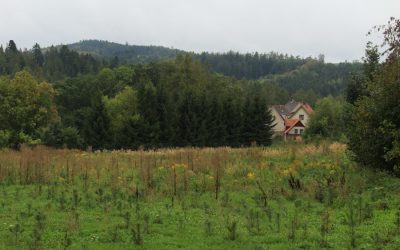
Exploring the Rich Flora and Fauna of Slovakia
Slovakia, a landlocked country in Central Europe, boasts a remarkable array of ecosystems that reflect its varied topography and climatic conditions. The country is characterised by the Carpathian Mountains, which stretch across its northern border, and the lowland plains that dominate the south. This geographical diversity creates a mosaic of habitats, ranging from alpine meadows and dense forests to wetlands and river valleys. Each of these ecosystems supports a unique assemblage of plant and animal life, making Slovakia a treasure trove for biodiversity. The mountainous regions, particularly the High Tatras, are home to subalpine and alpine ecosystems. These areas are characterised by rugged terrain, glacial lakes, and a climate that can be harsh, with cold winters and short growing seasons. In contrast, the lowland areas, such as the Danube River basin, feature fertile soils and a milder climate, supporting rich agricultural landscapes and diverse wetland habitats. The interplay between these ecosystems not only contributes to the overall biodiversity of Slovakia but also plays a crucial role in maintaining ecological balance and providing essential services such as water purification and carbon sequestration. Summary Slovakia boasts a diverse range of ecosystems, including mountains, forests, wetlands, and caves, providing habitats for a wide variety of flora and fauna. The unique flora of Slovakia includes over 2,600 species of vascular plants, with the Tatra Mountains being a hotspot for alpine and subalpine species. Slovakia is home to a fascinating array of fauna, including brown bears, lynx, wolves, and the critically endangered European ground squirrel. The country’s national parks and protected areas, such as the Tatra National Park and Slovak Paradise National Park, play...
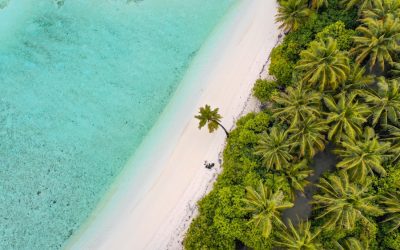
Discovering the Rich Biodiversity of the Maldives
The Maldives, an archipelago of 26 atolls in the Indian Ocean, is renowned for its stunning natural beauty, characterised by white sandy beaches, crystal-clear turquoise waters, and vibrant coral reefs. This tropical paradise, located southwest of Sri Lanka and India, comprises over 1,000 coral islands, many of which are uninhabited. The nation’s unique geographical formation and its isolation have fostered a rich tapestry of biodiversity, making it a focal point for marine and terrestrial life. The Maldives is not only a popular tourist destination but also a critical ecological zone that supports a myriad of species, some of which are endemic to the region. The cultural heritage of the Maldives is as rich as its natural environment. The Maldivian people, predominantly Sunni Muslims, have a history that intertwines with trade routes across the Indian Ocean, leading to a blend of influences from Africa, the Middle East, and South Asia. This cultural diversity is reflected in the local cuisine, traditional music, and vibrant festivals. However, the allure of the Maldives extends beyond its cultural richness; it is the ecological significance of this island nation that draws attention from conservationists and ecologists alike. The delicate balance between human activity and environmental preservation is a pressing concern as tourism continues to thrive in this idyllic setting. Summary The Maldives is an archipelago nation in the Indian Ocean known for its stunning coral reefs and crystal-clear waters, making it a popular tourist destination. The marine biodiversity of the Maldives is incredibly diverse, with over 2000 species of fish, 187 species of coral, and a wide variety of marine life including sharks, rays, and...
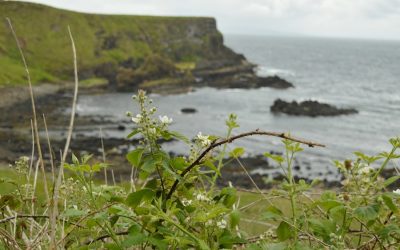
Exploring the Rich Flora and Fauna of Isle of Man
The Isle of Man, a small yet ecologically rich island situated in the Irish Sea, boasts a remarkable array of biodiversity that is both unique and significant. Covering approximately 572 square kilometres, the island is home to a variety of habitats, ranging from rugged coastlines and sandy beaches to lush woodlands and heathlands. This diverse landscape supports an impressive range of flora and fauna, some of which are endemic to the island. The Isle of Man’s biodiversity is not merely a collection of species; it represents a complex web of interactions between organisms and their environments, shaped by both natural processes and human influences over centuries. The island’s geographical position, coupled with its varied topography and microclimates, has fostered the development of distinct ecosystems. The influence of the North Atlantic Ocean moderates the climate, creating conditions that support a rich tapestry of life. The Isle of Man is also notable for its commitment to conservation and sustainable practices, which have helped preserve its natural heritage. As we delve deeper into the unique flora and fauna of the Isle of Man, we will uncover the intricate relationships that define its ecosystems and the ongoing efforts to protect this biodiversity for future generations. Summary The Isle of Man is home to a rich and diverse range of flora and fauna, making it a hotspot for biodiversity in the British Isles. The unique flora of the Isle of Man includes rare orchids, wildflowers, and ancient oak woodlands, providing a stunning natural landscape. The diverse fauna of the Isle of Man includes a variety of bird species, seals, basking sharks, and dolphins, offering...
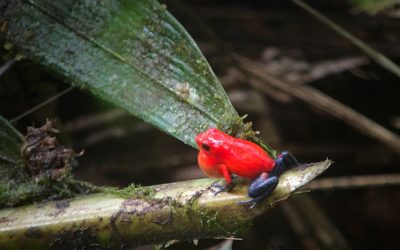
Exploring the Flora and Fauna of Christmas Island
Christmas Island, an Australian territory located in the Indian Ocean, is a remote paradise that boasts a unique blend of natural beauty and ecological significance. Spanning approximately 135 square kilometres, this island is situated about 2,600 kilometres northwest of Perth and 500 kilometres south of Java, Indonesia. Its isolation has fostered a rich tapestry of biodiversity, making it a focal point for scientists and nature enthusiasts alike. The island was discovered on Christmas Day in 1643 by Captain William Mynors, and it has since become known for its stunning landscapes, including rugged cliffs, dense rainforests, and pristine beaches. The island’s geographical isolation has resulted in a distinctive ecosystem that is home to numerous species found nowhere else on Earth. The combination of its tropical climate and varied topography creates a unique habitat that supports a wide range of flora and fauna. Christmas Island is particularly famous for its annual red crab migration, where millions of crabs traverse the island to breed, creating a spectacular natural phenomenon. This event not only highlights the island’s ecological importance but also draws visitors from around the globe who wish to witness this extraordinary migration. Summary Christmas Island is a remote Australian territory known for its unique flora and fauna, making it a haven for nature enthusiasts. The island is home to over 600 species of native plants, including rare orchids and unique rainforest species. Christmas Island boasts a diverse range of fauna, including the iconic red crab migration, seabird colonies, and numerous species of land crabs. The island is a hotspot for endemic species, with many plants and animals found nowhere else in...
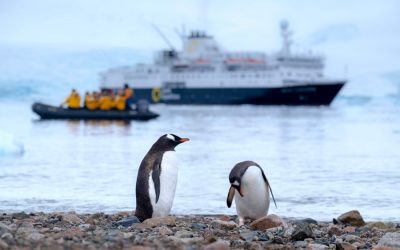
Exploring the Flora and Fauna of Antarctica
Antarctica, often referred to as the last great wilderness on Earth, is a continent that presents an extraordinary and unique ecosystem. Encompassing an area of approximately 14 million square kilometres, it is the fifth-largest continent and is predominantly covered by ice, which holds about 60% of the world’s fresh water. The extreme climatic conditions, characterised by frigid temperatures, strong winds, and prolonged periods of darkness during winter, create a challenging environment for life. Despite these harsh conditions, Antarctica is home to a remarkable array of flora and fauna that have adapted in fascinating ways to survive. The ecosystem of Antarctica is not merely defined by its ice and snow; it is a complex web of interdependent species that thrive in this seemingly inhospitable environment. The continent’s isolation has led to the evolution of unique species that are found nowhere else on the planet. The Antarctic ecosystem plays a crucial role in global climate regulation and oceanic systems, making it a vital area for scientific research and conservation efforts. Understanding the intricacies of this ecosystem is essential for appreciating its significance and the challenges it faces in the modern world. Summary Antarctica’s unique ecosystem is home to a wide variety of flora and fauna that have adapted to extreme conditions. The flora of Antarctica has evolved to survive in harsh conditions, including extreme cold, high winds, and limited sunlight. The fauna of Antarctica, including penguins, seals, and whales, have developed special adaptations to thrive in the challenging environment. Research and conservation efforts in Antarctica are crucial for understanding and protecting the delicate ecosystem of the region. Threats to the flora...
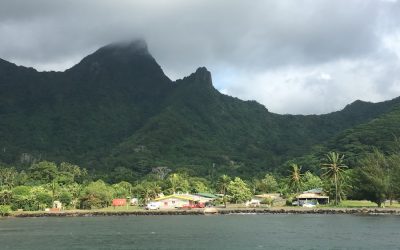
Exploring the Flora and Fauna of American Samoa
American Samoa, a territory of the United States located in the South Pacific Ocean, is renowned for its rich and diverse biodiversity. This archipelago comprises five main islands—Tutuila, Aunu’u, Ofu, Olosega, and Ta‘ū—along with several smaller islets. The unique geographical positioning of American Samoa, combined with its tropical climate, has fostered an environment where a plethora of species thrive. The islands are characterised by lush rainforests, coral reefs, and volcanic landscapes, all of which contribute to the ecological richness of the region. The biodiversity here is not only significant in terms of species variety but also in the ecological roles these species play within their respective habitats. The intricate web of life in American Samoa is a testament to millions of years of evolution, resulting in a complex interplay between flora and fauna. The islands are home to numerous endemic species, which are organisms that are found nowhere else on Earth. This uniqueness is a result of the islands’ isolation and varied ecosystems, which have allowed species to adapt specifically to their environments. However, this biodiversity is under threat from various human activities and environmental changes, making conservation efforts crucial for preserving the natural heritage of American Samoa. Summary American Samoa is home to a rich and diverse range of flora and fauna, making it a hotspot for biodiversity in the Pacific region. The unique flora of American Samoa includes a variety of indigenous plants, such as the national flower, the Paogo (Plumeria samoensis), and the rare Samoan chestnut (Inocarpus fagifer). The diverse fauna of American Samoa includes a wide array of bird species, marine life, and land animals,...
Exploring the Rich Flora and Fauna of Mauritius
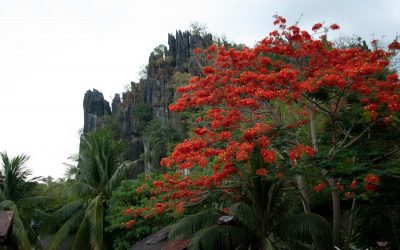
Mauritius, an island nation located in the Indian Ocean, is renowned for its extraordinary biodiversity, which has evolved in isolation over millions of years. This unique geographical setting has fostered a rich tapestry of ecosystems, ranging from lush forests and wetlands to coral reefs and coastal mangroves. The island’s biodiversity is not only significant for its ecological value but also for its cultural and economic importance. The interplay between the island’s flora and fauna has created a delicate balance that supports various forms of life, many of which are found nowhere else on Earth. The biodiversity of Mauritius is particularly noteworthy due to its high level of endemism. Many species have adapted to the island’s specific environmental conditions, resulting in a unique evolutionary path. However, this rich biodiversity faces numerous threats, including habitat destruction, invasive species, and climate change. Understanding the intricate web of life in Mauritius is crucial for both conservation efforts and the sustainable development of the island, as it plays a vital role in maintaining ecological balance and supporting local communities. Summary Mauritius is home to a rich and diverse range of flora and fauna, making it a hotspot for biodiversity. The unique flora of Mauritius includes rare and endangered species such as the iconic dodo tree and the delicate orchids. The diverse fauna of Mauritius includes the famous pink pigeon, giant tortoises, and a variety of marine life in its surrounding waters. Mauritius is known for its high number of endemic species, with many found nowhere else in the world. Conservation efforts in Mauritius are focused on protecting and restoring the island’s unique ecosystems, with...

Exploring the Flora and Fauna of Israel
Israel, a small yet remarkably diverse country, is often referred to as a biodiversity hotspot due to its unique geographical position and varied climatic conditions. Situated at the crossroads of Europe, Asia, and Africa, Israel boasts a wide range of ecosystems, from Mediterranean forests and coastal plains to arid deserts and mountainous regions. This geographical diversity contributes to an impressive array of flora and fauna, making Israel a fascinating case study for ecologists and nature enthusiasts alike. The country is home to over 2,500 species of plants, 500 species of birds, and numerous mammals, reptiles, and amphibians, many of which are endemic or have significant populations within its borders. The significance of Israel’s biodiversity extends beyond its natural beauty; it plays a crucial role in the ecological balance of the region. The various habitats support complex interactions among species, contributing to the resilience of ecosystems in the face of environmental changes. Furthermore, Israel’s biodiversity is not only vital for ecological health but also holds cultural and historical importance. Many species are intertwined with the heritage and traditions of the local communities, reflecting a deep connection between the land and its people. As such, understanding and preserving this biodiversity is essential for both ecological sustainability and cultural identity. Summary Israel is home to a rich and diverse range of flora and fauna, making it a hotspot for biodiversity. The unique flora of Israel includes species such as the Judean date palm and the Sabra cactus, which are found only in this region. Israel’s diverse fauna includes species such as the Arabian leopard, the Nubian ibex, and the Syrian brown bear,...

Discovering the Biodiversity of Curaçao: The Flora and Fauna
Curaçao, a small island located in the southern Caribbean Sea, is renowned for its vibrant culture, stunning landscapes, and rich biodiversity. As part of the ABC islands—Aruba, Bonaire, and Curaçao—this territory of the Netherlands boasts a unique blend of ecosystems that have evolved over millennia. The island’s geographical position, coupled with its varied topography, creates a mosaic of habitats ranging from arid scrublands to lush coastal mangroves. This diversity is not merely a backdrop for the island’s human activities; it plays a crucial role in maintaining ecological balance and supporting the livelihoods of local communities. The biodiversity of Curaçao is characterised by a remarkable array of species, many of which are adapted to the island’s specific environmental conditions. The interplay between the island’s climate, geology, and human influence has shaped its ecosystems, resulting in a unique assemblage of flora and fauna. Understanding this biodiversity is essential not only for conservation efforts but also for appreciating the cultural and economic significance it holds for the island’s inhabitants. As we delve deeper into the unique flora and fauna of Curaçao, we will uncover the intricate relationships that define this Caribbean paradise. Summary Curaçao is home to a rich and diverse range of flora and fauna, making it a hotspot for biodiversity in the Caribbean. The unique flora of Curaçao includes cacti, succulents, and other drought-resistant plants that have adapted to the island’s arid climate. The diverse fauna of Curaçao includes a variety of bird species, reptiles, and marine life, with many species found nowhere else in the world. Conservation efforts in Curaçao face challenges such as habitat loss, invasive species, and...

Discovering the Biodiversity of Armenia: The Flora and Fauna
Armenia, a landlocked country nestled in the South Caucasus region, boasts a remarkable array of biodiversity that reflects its unique geographical position and varied climatic conditions. The country is characterised by its mountainous terrain, which ranges from the lush valleys of the Ararat Plain to the rugged peaks of the Lesser Caucasus. This diverse topography, combined with a range of microclimates, has fostered a rich tapestry of ecosystems that support a wide variety of plant and animal species. The biodiversity of Armenia is not only significant for its ecological value but also for its cultural heritage, as many species are intertwined with the traditions and livelihoods of local communities. The significance of Armenia’s biodiversity extends beyond its borders, contributing to global ecological health. The country is part of the Caucasus biodiversity hotspot, an area recognised for its high levels of endemism and species richness. This hotspot is home to numerous species that are found nowhere else on Earth, making Armenia a critical area for conservation efforts. Understanding and preserving this biodiversity is essential not only for maintaining ecological balance but also for ensuring the sustainability of natural resources that local populations depend upon. Summary Armenia is home to a rich and diverse range of flora and fauna, making it a hotspot for biodiversity. The flora of Armenia includes over 3,500 species of plants, many of which are endemic to the region. The diverse fauna of Armenia includes over 17,000 species, including mammals, birds, reptiles, and amphibians. Armenia is home to several endangered species, including the Armenian mouflon and the Armenian viper, which are the focus of conservation efforts. Conservation...