World Geography
Geography is the study of the Earth’s landscapes, environments, and the relationships between people and their surroundings. It encompasses both the physical aspects of the Earth, such as its landforms, bodies of water, and climate, as well as the human aspects, including population distribution, cultures, and economies. World geography is a broad field that seeks to understand the complexities of our planet and how humans interact with it. By studying world geography, we can gain a deeper appreciation for the diversity of our planet and the interconnectedness of its various regions.
Geography is a multidisciplinary field that draws on elements of physical science, social science, and humanities. It involves the use of maps, spatial analysis, and geographic information systems (GIS) to understand the Earth’s surface and the processes that shape it. World geography also encompasses the study of human geography, which examines the ways in which people and their activities are distributed across the Earth. By understanding world geography, we can better appreciate the environmental, cultural, and economic challenges facing different regions of the world. This knowledge is crucial for addressing global issues such as climate change, resource management, and international development.
The Five Oceans and Seven Continents
The Earth’s surface is divided into five major oceans: the Pacific, Atlantic, Indian, Southern (or Antarctic), and Arctic Oceans. These vast bodies of water play a crucial role in regulating the Earth’s climate and supporting diverse marine ecosystems. The oceans also serve as important transportation routes and a source of food and other natural resources for human societies around the world.
In addition to the oceans, the Earth’s landmasses are divided into seven continents: Africa, Antarctica, Asia, Europe, North America, Australia (or Oceania), and South America. Each continent has its own unique physical and cultural characteristics, shaped by millions of years of geological processes and human history. From the deserts of Africa to the rainforests of South America, the continents offer a rich tapestry of landscapes and environments for exploration and study.
Major Mountain Ranges and Deserts
The Earth’s surface is also marked by major mountain ranges and deserts that have shaped the planet’s physical and cultural landscapes. The Himalayas, for example, are the highest mountain range in the world and are home to diverse ecosystems and cultures in countries such as India, Nepal, and Bhutan. The Andes in South America, the Rockies in North America, and the Alps in Europe are other prominent mountain ranges that have influenced human settlement patterns and economic activities.
Deserts cover about one-third of the Earth’s land surface and are characterized by low precipitation and extreme temperatures. The Sahara Desert in Africa is the largest hot desert in the world, while the Gobi Desert in Asia is one of the largest cold deserts. Deserts are not only home to unique flora and fauna but have also been important trade routes and cultural crossroads throughout history.
Climate Zones and Biomes
The Earth’s climate is influenced by a variety of factors, including latitude, altitude, ocean currents, and prevailing winds. As a result, the planet is divided into different climate zones, each with its own characteristic weather patterns and ecosystems. The equator, for example, experiences a tropical climate with high temperatures and heavy rainfall, while the polar regions have a cold and dry climate.
These climate zones give rise to different biomes, or large ecological areas characterized by distinct plant and animal communities. The tropical rainforest biome, found near the equator, is home to a diverse array of species and is vital for regulating the Earth’s climate. The grasslands biome, found in regions such as the African savannah and North American prairies, supports grazing animals and has been important for human agriculture throughout history.
Human Geography and Population Distribution
Human geography examines the ways in which people and their activities are distributed across the Earth’s surface. It encompasses topics such as population growth, migration patterns, urbanization, and cultural diversity. Understanding human geography is crucial for addressing global challenges such as poverty, inequality, and environmental degradation.
Population distribution is uneven across the world, with some regions experiencing rapid population growth while others are declining. The majority of the world’s population lives in Asia, particularly in countries such as China and India. Urban areas are also growing rapidly, with more than half of the world’s population now living in cities. This trend has significant implications for infrastructure development, resource management, and social inequality.
Historical and Cultural Geography
Historical geography examines how human activities have shaped the Earth’s landscapes over time. It explores topics such as colonialism, trade routes, and the rise and fall of empires. Cultural geography focuses on how human cultures have developed in different regions of the world and how they interact with their environments.
The Silk Road, for example, was an ancient trade route that connected China with Europe and facilitated the exchange of goods, ideas, and technologies across Eurasia. This historical trade route had a profound impact on the development of cultures and economies along its path. Similarly, cultural geographers study how different societies have adapted to their environments through practices such as agriculture, architecture, and religious beliefs.
The Importance of Geographic Knowledge
Geographic knowledge is crucial for addressing global challenges such as climate change, resource management, and international development. By understanding world geography, we can better appreciate the environmental, cultural, and economic challenges facing different regions of the world. This knowledge is crucial for addressing global issues such as climate change, resource management, and international development.
Geographic knowledge also helps us to understand our interconnectedness with other regions of the world. By studying world geography, we can gain a deeper appreciation for the diversity of our planet and the interconnectedness of its various regions. This understanding can foster a sense of global citizenship and empathy for people from different cultures and backgrounds.
In conclusion, world geography is a complex and multifaceted field that encompasses both physical and human aspects of the Earth’s landscapes. By studying world geography, we can gain a deeper appreciation for the diversity of our planet and the interconnectedness of its various regions. This knowledge is crucial for addressing global challenges such as climate change, resource management, and international development. It also helps us to understand our interconnectedness with other regions of the world and fosters a sense of global citizenship.
FAQs
What is world geography?
World geography is the study of the Earth’s landscapes, environments, and the relationships between people and their environments. It encompasses the physical features of the Earth, as well as the human activity that takes place on it.
Why is world geography important?
World geography is important because it helps us understand the world around us. It provides insights into the physical and human processes that shape our planet, and helps us make informed decisions about how to interact with our environment.
What are the main branches of world geography?
The main branches of world geography include physical geography, which focuses on the Earth’s natural features and processes, and human geography, which examines the relationships between people and their environments.
How does world geography impact our daily lives?
World geography impacts our daily lives in numerous ways, from influencing the weather and climate we experience, to shaping the availability of natural resources and influencing the distribution of populations and cultures around the world.
What are some key concepts in world geography?
Key concepts in world geography include location, place, human-environment interaction, movement, and region. These concepts help geographers understand and interpret the world around them.
Collective Security: The Future of EU’s Defense Collaborations
Collective security is a foundational principle in international relations, predicated on the idea that an attack against one member of a collective is an attack against all. This concept emerged in the aftermath of the First World War, as nations sought to prevent future conflicts through mutual agreements and alliances. The League of Nations was one of the first attempts to institutionalise this principle, although it ultimately failed to prevent the outbreak of the Second World War. In contemporary times, collective security has evolved, particularly within the framework of organisations such as the United Nations and regional alliances like the European Union (EU) and the North Atlantic Treaty Organization (NATO). The EU’s approach to collective security is particularly significant given its unique political and economic landscape. The integration of member states into a cohesive political entity has necessitated a rethinking of traditional security paradigms. The EU’s collective security strategy is not merely about military alliances; it encompasses a broader understanding of security that includes economic stability, political cooperation, and social cohesion. This multifaceted approach aims to address both conventional military threats and non-traditional security challenges, such as cyber threats, terrorism, and climate change. As the global security environment becomes increasingly complex, the importance of collective security within the EU framework cannot be overstated. Summary Collective security is a concept where countries work together to ensure the security of all members, with the belief that an attack on one is an attack on all. The EU’s current defense collaborations include initiatives such as the European Defence Agency and the Permanent Structured Cooperation, aimed at enhancing military capabilities and cooperation among...

Navigating NATO and EU Defense Dynamics in a Changing World
The North Atlantic Treaty Organization (NATO) and the European Union (EU) have undergone significant transformations since their inception, reflecting the changing geopolitical landscape of Europe and beyond. NATO was established in 1949 as a collective defence alliance primarily aimed at countering the Soviet threat during the Cold War. Its foundational principle, enshrined in Article 5 of the North Atlantic Treaty, asserts that an armed attack against one member is considered an attack against all. This principle has been pivotal in shaping NATO’s strategic posture and operational framework, leading to a series of military interventions and peacekeeping missions in various global hotspots. In contrast, the EU’s defence policy has evolved more gradually, initially focusing on economic integration and political cooperation. The Maastricht Treaty of 1992 marked a significant turning point, establishing the Common Foreign and Security Policy (CFSP) and later the European Security and Defence Policy (ESDP). The EU’s approach to defence has been characterised by a desire to enhance its capacity for crisis management and conflict prevention, often through civilian missions and humanitarian efforts. Over the years, the EU has sought to develop its own military capabilities, culminating in initiatives such as the Permanent Structured Cooperation (PESCO) and the European Defence Fund (EDF), which aim to bolster member states’ defence capabilities and foster greater collaboration. Summary NATO and EU defense policies have evolved significantly over the years, adapting to changing global security challenges and geopolitical shifts. Both NATO and EU play crucial roles in global security, with NATO focusing on collective defense and crisis management, and the EU on civilian and military missions. NATO and EU face various challenges...

Brexit Aftermath: How Brexit continues to impact both the UK and EU economies, travel, and diplomacy.
The economic ramifications of the UK’s decision to leave the European Union have been profound and multifaceted, affecting both the UK and EU economies in significant ways. Initially, the uncertainty surrounding Brexit led to a sharp decline in the value of the British pound, which fell to its lowest level against the dollar in over three decades. This depreciation made imports more expensive, contributing to inflationary pressures within the UK. As a result, consumers faced higher prices for goods and services, which in turn affected spending patterns and overall economic growth. The Bank of England responded by adjusting interest rates to mitigate these inflationary effects, but the long-term consequences of these economic shifts remain a topic of intense debate. On the other side of the Channel, the EU also experienced economic turbulence as a result of Brexit. The departure of one of its largest economies raised concerns about the stability of the single market. Countries that had strong trade ties with the UK, such as Ireland and the Netherlands, faced immediate challenges as they navigated new trade barriers and regulatory hurdles. The EU’s budget was also impacted, as the UK had been a significant net contributor. This necessitated adjustments in funding allocations for various programmes, leading to potential shortfalls in areas such as agriculture and regional development. The economic landscape in both regions has been irrevocably altered, with businesses and governments alike grappling with the new realities of a post-Brexit world. Summary Economic impact on the UK and EU: Uncertainty and potential trade disruptions are causing concern for businesses and investors in both the UK and EU. Travel restrictions...
EU Enlargement: The path to membership — countries waiting in line (like Ukraine, Moldova, and the Western Balkans) and the political hurdles they face.
The process of European Union (EU) enlargement has been a defining feature of the organisation since its inception. It represents not only a geographical expansion but also a deepening of political, economic, and social ties among member states. The EU has grown from six founding members in 1957 to twenty-seven today, with each enlargement wave reflecting a complex interplay of historical, cultural, and economic factors. The motivations behind enlargement are multifaceted, encompassing the desire for stability, security, and prosperity in Europe, particularly following the end of the Cold War. The integration of new member states is seen as a means to promote peace and democracy, as well as to enhance the EU’s global standing. As the EU continues to consider new candidates for membership, the process remains fraught with challenges and opportunities. The criteria for accession are stringent, requiring candidate countries to align their political and economic systems with those of the EU. This alignment is not merely a bureaucratic exercise; it involves significant reforms in governance, the rule of law, human rights, and economic policies. The ongoing discussions surrounding potential new members, particularly Ukraine, Moldova, and the Western Balkans, highlight the dynamic nature of EU enlargement and its implications for both the EU and the candidate countries. Summary EU enlargement has been a key aspect of the European Union’s development, aiming to bring stability and prosperity to new member states. Ukraine faces both opportunities and challenges in its path towards EU membership, including the need for significant reforms and addressing the conflict in the eastern regions. Moldova has made progress towards EU membership, but obstacles such as corruption...
Digital Europe: The EU’s strategy for digital transformation, including AI regulation, data privacy (GDPR), and tech innovation.
Digital Europe represents a comprehensive initiative by the European Union aimed at harnessing the potential of digital technologies to enhance economic growth, social inclusion, and overall quality of life across member states. This strategy is not merely a response to the rapid technological advancements of the 21st century; it is a proactive framework designed to ensure that Europe remains competitive in a global digital economy. The Digital Europe programme, launched in 2021, allocates significant funding to support projects that promote digital transformation in various sectors, including healthcare, education, and public services. By investing in digital infrastructure, the EU aims to create a robust ecosystem that fosters innovation and collaboration among businesses, governments, and citizens. At the heart of this strategy lies the ambition to create a digitally empowered society where technology serves as a catalyst for positive change. The EU’s vision encompasses not only the development of cutting-edge technologies but also the establishment of ethical guidelines and regulatory frameworks that govern their use. This dual focus on innovation and regulation is crucial in addressing the challenges posed by rapid technological advancements, such as data privacy concerns and the ethical implications of artificial intelligence. As Europe embarks on this digital journey, it seeks to position itself as a leader in responsible digital transformation, ensuring that the benefits of technology are accessible to all while safeguarding fundamental rights. Summary The EU’s strategy for digital transformation aims to drive economic growth, improve citizens’ quality of life, and ensure Europe’s global competitiveness. The EU’s approach to managing artificial intelligence involves creating a regulatory framework that promotes innovation while addressing ethical and legal concerns....
Common Security and Defense Policy (CSDP): The EU’s role in global security, military cooperation, and responses to conflicts like Ukraine.
The Common Security and Defence Policy (CSDP) is a pivotal component of the European Union’s broader foreign policy framework, designed to enhance the EU’s ability to respond to security challenges and crises. Established under the Maastricht Treaty in 1993, the CSDP has evolved significantly over the years, reflecting the changing landscape of global security. It aims to provide the EU with a coherent and unified approach to defence and security, enabling member states to collaborate on military and civilian missions. The CSDP is not merely a military initiative; it encompasses a wide range of activities, including crisis management, conflict prevention, and peacekeeping operations. The CSDP operates within the framework of the EU’s overarching goal of promoting peace, stability, and security in Europe and beyond. It is underpinned by the principle of solidarity among member states, which obliges them to support one another in times of crisis. This collective approach is particularly significant in an era marked by complex security threats, such as terrorism, cyber-attacks, and hybrid warfare. The CSDP seeks to enhance the EU’s strategic autonomy while fostering cooperation with international partners, including NATO and the United Nations. As such, it plays a crucial role in shaping the EU’s identity as a global actor in security and defence matters. Summary The Common Security and Defense Policy (CSDP) is a key component of the European Union’s (EU) efforts to address security challenges. The EU plays a significant role in global security and its actions have a direct impact on international relations. Military cooperation within the CSDP is essential in addressing security threats, but its effectiveness can be limited by various...
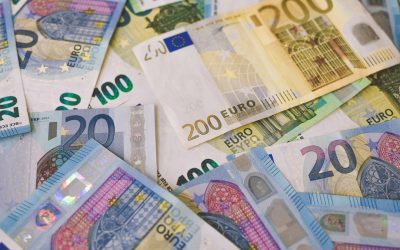
The Euro and Economic Policy: The challenges of a shared currency, inflation control, and the role of the European Central Bank.
The Euro, introduced in 1999, represents a significant milestone in European integration, serving as the official currency for 19 of the 27 member states of the European Union (EU). This shared currency was designed to facilitate trade, enhance economic stability, and promote closer ties among member nations. The Eurozone, as this group of countries is known, encompasses a diverse array of economies, from the robust industrial base of Germany to the more fragile economies of southern Europe. The establishment of the Euro was not merely a financial decision; it was a political one, aimed at fostering unity and cooperation in a region historically marked by conflict. Economic policy within the Eurozone is shaped by a complex interplay of national interests and collective goals. The European Central Bank (ECB) plays a pivotal role in this framework, tasked with maintaining price stability and overseeing monetary policy across member states. However, the introduction of a single currency has necessitated a rethinking of traditional economic policies, as individual nations can no longer independently adjust their monetary levers to respond to local economic conditions. This shift has led to both opportunities and challenges, as member states navigate the intricacies of shared economic governance while striving to maintain their unique national identities. Summary The Euro is the official currency of the Eurozone, which consists of 19 of the 27 European Union (EU) member states. The shared currency presents challenges in terms of coordinating economic policies and responding to diverse economic conditions across member states. Inflation control in the Eurozone is managed by the European Central Bank (ECB) through its monetary policy decisions. The ECB plays...

The Green Deal: How the EU plans to become climate-neutral by 2050 — goals, challenges, and progress so far.
The European Green Deal, unveiled by the European Commission in December 2019, represents a comprehensive roadmap aimed at transforming the European Union into a climate-neutral economy by 2050. This ambitious initiative seeks to address the pressing challenges posed by climate change and environmental degradation, while simultaneously fostering economic growth and social equity. The overarching goal of the Green Deal is to reduce greenhouse gas emissions to net zero by mid-century, thereby limiting global warming to well below 2 degrees Celsius, in line with the Paris Agreement. The strategy encompasses a wide array of sectors, including energy, transport, agriculture, and biodiversity, reflecting the interconnected nature of environmental issues. At its core, the Green Deal is not merely an environmental policy; it is a holistic approach that integrates economic, social, and environmental dimensions. It aims to ensure that the transition to a sustainable economy is just and inclusive, leaving no one behind. This involves significant investments in green technologies, the promotion of sustainable practices, and the creation of job opportunities in emerging sectors. The European Commission has outlined specific targets, such as increasing the share of renewable energy in the EU’s energy mix and enhancing energy efficiency across various industries. By setting these ambitious goals, the Green Deal aspires to position Europe as a global leader in climate action and sustainable development. Summary The Green Deal aims to make the EU climate-neutral by 2050, with goals to reduce greenhouse gas emissions and promote sustainable growth. Challenges facing the EU in achieving climate-neutrality include the need for significant investment, transitioning to renewable energy, and ensuring a just transition for all sectors of...
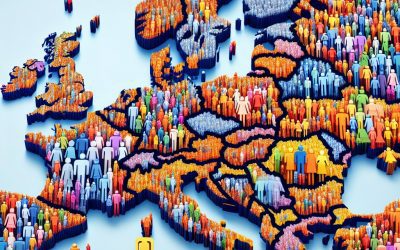
Population of The EU
The population of the European Union (EU) is a complex tapestry woven from diverse cultures, languages, and histories. As of 2023, the EU comprises 27 member states, with a total population exceeding 447 million people. This demographic landscape is not only significant in terms of sheer numbers but also in its implications for social policy, economic development, and cultural exchange. The EU’s population is characterised by a rich variety of ethnicities and traditions, reflecting centuries of migration, trade, and conquest. Each member state contributes its unique identity to the collective European experience, making the EU a fascinating case study in population dynamics. Understanding the population of the EU requires an examination of various factors, including birth rates, mortality rates, and migration patterns. These elements interact in complex ways to shape the demographic profile of the region. The EU’s population is not static; it is influenced by both internal and external forces that drive change. As we delve deeper into the intricacies of population growth and decline, demographic trends, and the impact of immigration and emigration, it becomes evident that the EU’s demographic landscape is both dynamic and multifaceted. Summary The population of the EU is diverse, with 27 member countries and over 445 million people. Population growth in the EU is slowing down, with some countries experiencing decline due to low birth rates and an ageing population. Demographic trends in the EU show an increase in life expectancy and a decrease in fertility rates. Immigration plays a significant role in the population growth of the EU, while emigration affects population decline in some countries. The EU is facing...

Migration and Asylum Policy: The EU’s stance on immigration, border security (Frontex), and refugee resettlement programs.
The European Union’s migration policy has evolved significantly over the past few decades, shaped by a complex interplay of humanitarian concerns, economic needs, and political pressures. At its core, the EU’s approach to migration is guided by the principles of solidarity and shared responsibility among member states. This policy framework aims to manage migration flows effectively while ensuring the protection of human rights for migrants and asylum seekers. The EU has established a range of legal instruments and frameworks, such as the Common European Asylum System (CEAS), which seeks to harmonise asylum procedures across member states, thereby providing a more consistent and fair approach to those seeking refuge. In recent years, the EU has faced unprecedented challenges related to migration, particularly during the 2015 refugee crisis when over a million people arrived in Europe, fleeing conflict and persecution in countries such as Syria, Afghanistan, and Iraq. This surge in arrivals prompted a reevaluation of existing policies and led to the introduction of new measures aimed at enhancing border security and improving the efficiency of asylum processes. The EU’s migration policy is not solely reactive; it also encompasses proactive measures aimed at addressing the root causes of migration, such as poverty, violence, and instability in countries of origin. Through partnerships with third countries and development aid, the EU seeks to create conditions that discourage irregular migration while promoting safe and legal pathways for those in need. Summary The EU’s migration policy aims to create a common approach to managing migration and asylum, while also respecting the sovereignty of member states. Frontex plays a crucial role in border security and management,...

Cultural Heritage and Identity: How the EU promotes cultural diversity while fostering a shared European identity — Erasmus+ programs, cultural funding, etc.
Cultural heritage and identity are fundamental components of the European Union’s ethos, reflecting the rich tapestry of histories, languages, and traditions that characterise its member states. The EU is home to a diverse array of cultures, each contributing unique narratives and practices that shape the collective identity of Europe. This cultural mosaic is not merely a backdrop; it plays a pivotal role in fostering social cohesion, promoting mutual understanding, and enhancing the sense of belonging among European citizens. The interplay between cultural heritage and identity is particularly significant in a region marked by historical complexities, including wars, migrations, and the ongoing quest for unity amidst diversity. The preservation and promotion of cultural heritage are essential for maintaining the distinct identities of various communities while simultaneously nurturing a shared European identity. This duality is crucial in an era where globalization threatens to homogenise cultural expressions. The EU’s commitment to cultural heritage is evident in its policies and initiatives aimed at safeguarding this invaluable asset. By recognising the importance of cultural heritage in shaping individual and collective identities, the EU seeks to create an environment where cultural diversity is celebrated and protected, ensuring that future generations can appreciate and engage with their rich historical legacies. Summary Cultural heritage plays a crucial role in shaping the identity of European nations, reflecting their history, traditions, and values. Erasmus+ programs are instrumental in promoting cultural diversity and European identity by facilitating student exchanges, language learning, and intercultural experiences. Cultural funding and support are essential for preserving European heritage, including historical sites, traditions, and artistic expressions. EU policies have a significant impact on cultural heritage...

EU-US Relations: How the EU collaborates (or clashes) with the US on trade, defence, and climate policy.
The relationship between the European Union (EU) and the United States (US) is one of the most significant bilateral partnerships in the world, characterised by deep economic ties, shared democratic values, and a commitment to international security. This transatlantic alliance has evolved over decades, shaped by historical events, economic interdependence, and geopolitical challenges. The post-World War II era marked the beginning of a close collaboration, with both entities working together to promote peace and stability in Europe and beyond. The establishment of NATO in 1949 further solidified this partnership, as it provided a collective security framework that underscored the importance of mutual defence. However, the relationship has not been without its complexities. Over the years, various factors have led to both collaboration and contention between the EU and the US. Issues such as trade disputes, differing defence strategies, and contrasting approaches to climate change have tested the resilience of this partnership. As global dynamics shift, particularly with the rise of emerging economies and the challenges posed by climate change, the EU-US relationship remains crucial not only for the two entities but also for global stability. Understanding the nuances of this relationship is essential for grasping the broader implications for international relations in the 21st century. Summary EU-US relations are complex and involve collaborations as well as clashes in trade, defence, and climate policy. The EU and US have disagreements in trade, particularly in areas such as tariffs and market access, but also collaborate on issues like intellectual property rights. In defence, the EU and US have a history of cooperation, but also face disagreements over issues such as burden-sharing...