World Geography
Geography is the study of the Earth’s landscapes, environments, and the relationships between people and their surroundings. It encompasses both the physical aspects of the Earth, such as its landforms, bodies of water, and climate, as well as the human aspects, including population distribution, cultures, and economies. World geography is a broad field that seeks to understand the complexities of our planet and how humans interact with it. By studying world geography, we can gain a deeper appreciation for the diversity of our planet and the interconnectedness of its various regions.
Geography is a multidisciplinary field that draws on elements of physical science, social science, and humanities. It involves the use of maps, spatial analysis, and geographic information systems (GIS) to understand the Earth’s surface and the processes that shape it. World geography also encompasses the study of human geography, which examines the ways in which people and their activities are distributed across the Earth. By understanding world geography, we can better appreciate the environmental, cultural, and economic challenges facing different regions of the world. This knowledge is crucial for addressing global issues such as climate change, resource management, and international development.
The Five Oceans and Seven Continents
The Earth’s surface is divided into five major oceans: the Pacific, Atlantic, Indian, Southern (or Antarctic), and Arctic Oceans. These vast bodies of water play a crucial role in regulating the Earth’s climate and supporting diverse marine ecosystems. The oceans also serve as important transportation routes and a source of food and other natural resources for human societies around the world.
In addition to the oceans, the Earth’s landmasses are divided into seven continents: Africa, Antarctica, Asia, Europe, North America, Australia (or Oceania), and South America. Each continent has its own unique physical and cultural characteristics, shaped by millions of years of geological processes and human history. From the deserts of Africa to the rainforests of South America, the continents offer a rich tapestry of landscapes and environments for exploration and study.
Major Mountain Ranges and Deserts
The Earth’s surface is also marked by major mountain ranges and deserts that have shaped the planet’s physical and cultural landscapes. The Himalayas, for example, are the highest mountain range in the world and are home to diverse ecosystems and cultures in countries such as India, Nepal, and Bhutan. The Andes in South America, the Rockies in North America, and the Alps in Europe are other prominent mountain ranges that have influenced human settlement patterns and economic activities.
Deserts cover about one-third of the Earth’s land surface and are characterized by low precipitation and extreme temperatures. The Sahara Desert in Africa is the largest hot desert in the world, while the Gobi Desert in Asia is one of the largest cold deserts. Deserts are not only home to unique flora and fauna but have also been important trade routes and cultural crossroads throughout history.
Climate Zones and Biomes
The Earth’s climate is influenced by a variety of factors, including latitude, altitude, ocean currents, and prevailing winds. As a result, the planet is divided into different climate zones, each with its own characteristic weather patterns and ecosystems. The equator, for example, experiences a tropical climate with high temperatures and heavy rainfall, while the polar regions have a cold and dry climate.
These climate zones give rise to different biomes, or large ecological areas characterized by distinct plant and animal communities. The tropical rainforest biome, found near the equator, is home to a diverse array of species and is vital for regulating the Earth’s climate. The grasslands biome, found in regions such as the African savannah and North American prairies, supports grazing animals and has been important for human agriculture throughout history.
Human Geography and Population Distribution
Human geography examines the ways in which people and their activities are distributed across the Earth’s surface. It encompasses topics such as population growth, migration patterns, urbanization, and cultural diversity. Understanding human geography is crucial for addressing global challenges such as poverty, inequality, and environmental degradation.
Population distribution is uneven across the world, with some regions experiencing rapid population growth while others are declining. The majority of the world’s population lives in Asia, particularly in countries such as China and India. Urban areas are also growing rapidly, with more than half of the world’s population now living in cities. This trend has significant implications for infrastructure development, resource management, and social inequality.
Historical and Cultural Geography
Historical geography examines how human activities have shaped the Earth’s landscapes over time. It explores topics such as colonialism, trade routes, and the rise and fall of empires. Cultural geography focuses on how human cultures have developed in different regions of the world and how they interact with their environments.
The Silk Road, for example, was an ancient trade route that connected China with Europe and facilitated the exchange of goods, ideas, and technologies across Eurasia. This historical trade route had a profound impact on the development of cultures and economies along its path. Similarly, cultural geographers study how different societies have adapted to their environments through practices such as agriculture, architecture, and religious beliefs.
The Importance of Geographic Knowledge
Geographic knowledge is crucial for addressing global challenges such as climate change, resource management, and international development. By understanding world geography, we can better appreciate the environmental, cultural, and economic challenges facing different regions of the world. This knowledge is crucial for addressing global issues such as climate change, resource management, and international development.
Geographic knowledge also helps us to understand our interconnectedness with other regions of the world. By studying world geography, we can gain a deeper appreciation for the diversity of our planet and the interconnectedness of its various regions. This understanding can foster a sense of global citizenship and empathy for people from different cultures and backgrounds.
In conclusion, world geography is a complex and multifaceted field that encompasses both physical and human aspects of the Earth’s landscapes. By studying world geography, we can gain a deeper appreciation for the diversity of our planet and the interconnectedness of its various regions. This knowledge is crucial for addressing global challenges such as climate change, resource management, and international development. It also helps us to understand our interconnectedness with other regions of the world and fosters a sense of global citizenship.
FAQs
What is world geography?
World geography is the study of the Earth’s landscapes, environments, and the relationships between people and their environments. It encompasses the physical features of the Earth, as well as the human activity that takes place on it.
Why is world geography important?
World geography is important because it helps us understand the world around us. It provides insights into the physical and human processes that shape our planet, and helps us make informed decisions about how to interact with our environment.
What are the main branches of world geography?
The main branches of world geography include physical geography, which focuses on the Earth’s natural features and processes, and human geography, which examines the relationships between people and their environments.
How does world geography impact our daily lives?
World geography impacts our daily lives in numerous ways, from influencing the weather and climate we experience, to shaping the availability of natural resources and influencing the distribution of populations and cultures around the world.
What are some key concepts in world geography?
Key concepts in world geography include location, place, human-environment interaction, movement, and region. These concepts help geographers understand and interpret the world around them.

Natural Resources of Papua New Guinea: Where Natural Resources are Located in Papua New Guinea
Papua New Guinea, situated in the south-western Pacific Ocean, is renowned for its abundant and diverse natural resources, which are integral to the nation’s economy and the livelihoods of its inhabitants. The country boasts a wealth of mineral, forest, agricultural, water and energy resources, ranking it amongst the world’s most resource-rich nations. These natural assets have sustained and fostered economic development for Papua New Guineans for centuries. However, the exploitation and management of these resources have presented considerable challenges, including environmental degradation, social discord and economic inequalities. In recent years, there has been an increasing emphasis on the sustainable management and conservation of Papua New Guinea’s natural resources to ensure their long-term viability and benefit for future generations. The natural resources of Papua New Guinea have been instrumental in shaping the country’s economy and society. The diverse array of resources has generated employment opportunities, contributed to economic growth and supported the livelihoods of millions. Nevertheless, the exploitation of these resources has also resulted in environmental degradation, deforestation and pollution, posing significant challenges for sustainable development. The government and various stakeholders have been endeavouring to improve the management and conservation of these resources to ensure their sustainable use and benefit for future generations. This article will examine the various natural resources in Papua New Guinea, their importance, challenges and efforts towards their conservation and sustainable management. Summary Papua New Guinea is rich in natural resources, including minerals, forests, agriculture, water, and energy. The mineral resources in Papua New Guinea include gold, copper, and nickel, making it a significant player in the global mining industry. The country’s forest resources are vast...

Cultural or Historical Sites of Papua New Guinea: Important Cultural Landmarks or Historical Sites In Papua New Guinea
Papua New Guinea boasts a rich cultural and historical heritage, encompassing a diverse array of traditional villages, sacred sites, ancient rock art, and colonial-era landmarks. These cultural and historical sites provide a unique glimpse into the complex history of Papua New Guinea‘s indigenous peoples, as well as the influence of colonialism and the Second World War on the region. From the ancient rock art found in the highlands to the colonial-era structures in Port Moresby, Papua New Guinea’s cultural and historical sites stand as a testament to the country’s vibrant and diverse heritage. The cultural and historical sites of Papua New Guinea hold great significance not only for the nation’s inhabitants but also for the global community at large. These sites offer a distinctive opportunity to gain insight into the traditions, customs, and beliefs of Papua New Guinea’s indigenous peoples, as well as the impact of colonialism and the Second World War on the region. Consequently, it is crucial to preserve and safeguard these sites for future generations, both within Papua New Guinea and worldwide. This article will examine the importance of preserving Papua New Guinea’s cultural landmarks, the significance of traditional villages and sacred sites, the exploration of ancient rock art and cave paintings, the role of historical sites in Papua New Guinea’s colonial history, the impact of the Second World War on the country’s historical sites, and the future of Papua New Guinea’s cultural and historical heritage. Summary Papua New Guinea is home to a rich tapestry of cultural and historical sites, reflecting the diverse heritage of its people. Preserving Papua New Guinea’s cultural landmarks is crucial...

Terrain and Topography of Papua New Guinea: mountains, valleys, and plains.
Papua New Guinea is a nation situated in the southwestern Pacific Ocean. It is renowned for its diverse and rugged terrain, encompassing mountains, valleys and plains. The country occupies the eastern half of New Guinea, the world’s second-largest island, along with numerous smaller islands. Papua New Guinea‘s terrain and topography result from its location on the Pacific Ring of Fire, an area known for volcanic activity and tectonic plate movements. This has led to the formation of dramatic landscapes, including towering mountains, deep valleys and expansive plains. The varied terrain and topography of Papua New Guinea have significantly influenced the country’s climate, culture and traditions. The terrain of Papua New Guinea is characterised by its rugged and mountainous landscape, with peaks exceeding 4,000 metres in height. The country is home to some of Oceania’s highest mountains, including Mount Wilhelm, which stands at 4,509 metres above sea level. These majestic mountains are a defining feature of Papua New Guinea’s topography and substantially impact the country’s climate and biodiversity. In addition to its mountains, Papua New Guinea also boasts lush valleys and vast plains, each with unique characteristics and ecological significance. The diverse terrain and topography of Papua New Guinea render it a truly remarkable and varied country, with a rich natural heritage worthy of preservation for future generations. Summary Papua New Guinea’s terrain and topography are diverse, ranging from majestic mountains to lush valleys and vast plains. The mountains of Papua New Guinea are not only majestic but also home to unique flora and fauna, some of which are found nowhere else on earth. The lush valleys of Papua New...

History of Papua New Guinea
Papua New Guinea, situated in the south-western Pacific Ocean, is a nation with a rich history and diverse culture. Archaeological evidence suggests human settlement in the region dates back approximately 50,000 years, with the arrival of Austronesian-speaking peoples. These early inhabitants were hunter-gatherers who lived in small, semi-nomadic groups and relied on the region’s abundant natural resources for sustenance. The indigenous people of Papua New Guinea developed a profound connection to the land and environment, which is reflected in their traditional customs, beliefs and practices. The indigenous culture of Papua New Guinea is remarkably diverse, with over 800 distinct languages spoken throughout the country. Each ethnic group possesses its own unique traditions, art forms and social structures, which have been transmitted through generations. Traditional practices such as oral storytelling, dance and music play a crucial role in preserving the cultural heritage of the indigenous people. The complex and vibrant cultural landscape of Papua New Guinea demonstrates the resilience and ingenuity of its indigenous population, who have maintained their traditions despite external influences and modernisation. Summary Indigenous culture in Papua New Guinea dates back over 60,000 years, with diverse tribal groups and unique traditions. European exploration and colonization in the 19th century led to significant changes in the social and political landscape of Papua New Guinea. The Battle of Kokoda during World War II was a pivotal moment in the country’s history, with Australian and Papua New Guinean forces fighting against Japanese invaders. Papua New Guinea gained independence from Australia in 1975, marking the beginning of a new era for the country. The country has faced political and social challenges,...

Population Density of Papua New Guinea
Papua New Guinea is a nation situated in the southwestern Pacific Ocean. It is renowned for its diverse cultures, striking natural landscapes and abundant biodiversity. The country comprises the eastern half of New Guinea island, along with numerous smaller islands. With a population exceeding 8 million, Papua New Guinea is amongst the most culturally diverse nations globally, boasting over 850 indigenous languages spoken throughout its territories. Port Moresby, the capital city, is the country’s largest urban centre and serves as its economic and cultural focal point. Papua New Guinea possesses a rich history and a distinctive blend of traditional and contemporary influences. The nation’s economy is predominantly agricultural, with the majority of its populace engaged in subsistence farming. In recent years, there has been an increased emphasis on developing the country’s natural resources, including mining and petroleum extraction. Despite its natural beauty and cultural wealth, Papua New Guinea faces numerous challenges, including widespread poverty, limited access to healthcare and education, and environmental degradation. These factors significantly influence the population density and distribution within the country. Summary Papua New Guinea is a diverse country with over 800 languages and a rich cultural heritage. Factors influencing population density in Papua New Guinea include geographical features, climate, and access to resources. The population in Papua New Guinea is unevenly distributed, with the majority living in the highlands and coastal areas. High population density in urban areas leads to challenges such as inadequate infrastructure and limited access to services. Low population density in rural areas can lead to limited economic development and access to healthcare and education. Factors influencing population density Several factors...
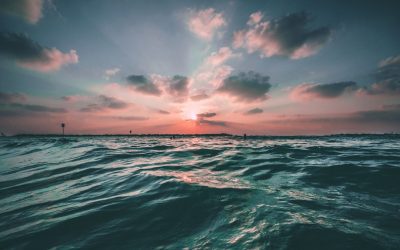
Ocean Currents and Their Impact on Climate
Ocean currents are continuous, directed movements of seawater generated by a combination of wind, temperature, salinity and the Earth’s rotation. These currents play a crucial role in regulating the Earth’s climate, influencing weather patterns and shaping marine ecosystems. Ocean currents can be found in all major bodies of water, from the vast and powerful Antarctic Circumpolar Current to the smaller, more localised coastal currents. They are essential for the distribution of heat, nutrients and marine life throughout the world’s oceans. Ocean currents can be classified into two main types: surface currents and deep ocean currents. Surface currents are driven by the wind and are found in the top 400 metres of the ocean. They are responsible for transporting warm or cold water across the globe, affecting the climate of coastal regions and influencing weather patterns. Deep ocean currents, on the other hand, are driven by differences in water density caused by variations in temperature and salinity. These currents can extend thousands of metres below the surface and play a crucial role in the global circulation of seawater. Summary Ocean currents are continuous, directed movements of ocean water that play a crucial role in regulating the Earth’s climate. Ocean currents help distribute heat around the globe, influencing weather patterns and climate regulation. There are two main types of ocean currents: surface currents, driven by wind, and deep ocean currents, driven by differences in water density. Ocean currents can influence weather patterns by transporting warm or cold water to different regions, affecting temperature and precipitation. Ocean currents have a significant impact on marine ecosystems, influencing nutrient distribution, migration patterns, and the...
The Water Cycle: How Water Moves on Earth
The water cycle, also known as the hydrological cycle, is the continuous movement of water on, above and below the surface of the Earth. It is a complex process that involves the evaporation of water from the Earth’s surface, the formation of clouds through condensation, precipitation in the form of rain, snow, sleet or hail, and the movement of water through infiltration and runoff. The water cycle is essential for sustaining life on Earth as it regulates the distribution of water across the planet, replenishes freshwater sources and supports ecosystems. Understanding the water cycle is crucial for managing water resources, predicting weather patterns and mitigating the impacts of climate change. The water cycle begins with the heat from the sun causing water to evaporate from oceans, rivers, lakes and other bodies of water. This water vapour rises into the atmosphere where it cools and condenses to form clouds. When the clouds become saturated with water vapour, precipitation occurs in the form of rain, snow, sleet or hail. The precipitation then infiltrates into the ground or runs off into rivers and streams, eventually making its way back to the oceans. This continuous movement of water is vital for sustaining life on Earth and maintaining the balance of ecosystems. In this article, we will explore each stage of the water cycle in detail and discuss its significance for life on our planet. Summary The water cycle is the continuous movement of water on, above, and below the surface of the Earth. Evaporation is the process by which water changes from a liquid to a gas, primarily from the sun’s heat. Condensation...
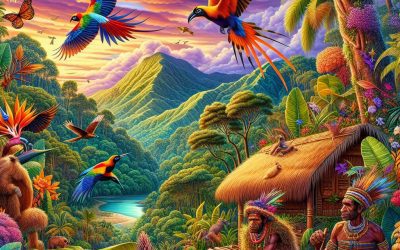
Papua New Guinea
Papua New Guinea (Independent State of Papua New Guinea) Capital: Port Moresby Population (Estimated July 2012): 6,310,129 Area: 462,840km2 or 178,704mi2 Currency: Kina (K) Official Language: English, Hiri Motu and Tok Pisin Political Information: Constitutional Monarchy with Democratic Parliament Official Religion: No Official Religion(approximately 69.4% of the population are Protestant, 27% are Roman Catholic and 3.6% have other religious beliefs) Highest Mountain: Mount Wilhelm at 4,509m or 14,793ft GDP Official Exchange Rate (OER is more precise at gauging a country’s economic power) (Estimated 2011): $11.4 billion (US$) or (GBP) GDP (OER) Per Capita (per member of the population estimated 2011): (US$) or (GBP) GDP Purchasing Power Parity (PPP is good for gauging living conditions and the use of resources but is not as accurate as OER. This data has been calculated based on the sum value of all goods and services produced in the country valued at prices prevailing in the United States) (Estimated 2011): $16.7 billion (US$) or (GBP) GDP (PPP) Per Capita (per member of the population estimated 2011): $2,500 (US$) or (GBP) Time Zone (GMT/UTC): +10:00 Wildlife: Counties/Provinces/States: 18 provinces, 1 autonomous region*, and 1 district**; Bougainville*, Central, Chimbu, Eastern Highlands, East New Britain, East Sepik, Enga, Gulf, Madang, Manus, Milne Bay, Morobe, National Capital**, New Ireland, Northern, Sandaun, Southern Highlands, Western, Western Highlands, West New Britain Leaders: (Head of State) H.M. Queen Eliuzabeth II represented by Governor Michael OGIO; Prime Ministers Peter O’Neill Additional: Gained independence from an Australian-administered UN trusteeship on the 16th of September 1975. Sources: CIA World Fact Book, Encyclopaedia Britannica. Papua New Guinea Papua New Guinea is a nation situated in the southwestern Pacific Ocean,...
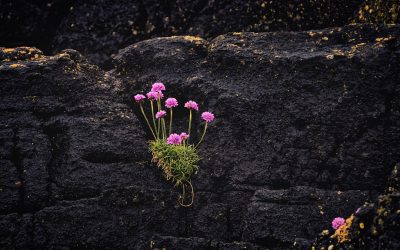
Different Types of Rocks and the Rock Cycle
Rocks are naturally occurring solid aggregates of minerals or mineraloids. They constitute the fundamental components of the Earth’s crust and are continuously formed, broken down, and reformed through various geological processes. Rocks can be categorised into three main types: igneous, sedimentary, and metamorphic. Each rock type possesses unique characteristics and formation processes, which are influenced by factors such as temperature, pressure, and the presence of water and other fluids. Understanding the different types of rocks and their formation is essential for geologists and other earth scientists to interpret the Earth’s history and predict future geological events. Rocks are an integral part of the Earth’s geology and play a crucial role in shaping the planet’s surface and supporting life. They are also valuable resources that have been utilised by humans for thousands of years for construction, tools, and artistic expression. The study of rocks and their properties is known as petrology, and it provides important insights into the Earth’s history, natural hazards, and the formation of natural resources such as oil, gas, and minerals. This article will explore the different types of rocks, their formation processes, and their significance in the Earth’s geology and human society. Summary Rocks are naturally occurring solid materials made up of minerals and can be classified into three main types: igneous, sedimentary, and metamorphic. Igneous rocks are formed from the cooling and solidification of molten rock, and can be further classified into intrusive and extrusive types. Sedimentary rocks are formed from the accumulation and compression of sediments, and can be further classified into clastic, chemical, and organic types. Metamorphic rocks are formed from the alteration...
How Geography Affects Travel: Weather, Terrain, and Culture
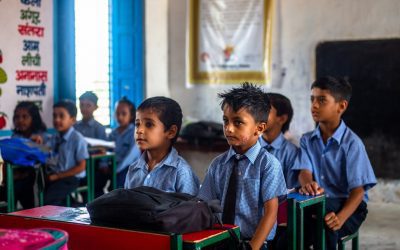
The weather and climate of a destination can significantly influence travel plans and experiences. For instance, tropical destinations with hot and humid weather may necessitate that travellers pack lightweight, breathable clothing and remain well-hydrated. Conversely, destinations with cold and snowy weather may require travellers to pack warm clothing and be prepared for potential travel delays due to weather-related issues. Moreover, extreme weather conditions such as hurricanes, typhoons, or monsoons can disrupt travel plans and pose safety risks for travellers. It is crucial for travellers to research and understand the typical weather patterns of their destination to pack appropriately and plan for any potential weather-related challenges. Furthermore, the climate of a destination can also impact the types of activities and experiences available to travellers. For example, destinations with a tropical climate may offer opportunities for beach activities, water sports, and wildlife viewing, whilst destinations with a temperate climate may offer opportunities for hiking, skiing, and exploring natural landscapes. Understanding the climate of a destination can help travellers to plan and prepare for the activities and experiences that are best suited to the local weather conditions. Overall, the weather and climate of a destination play a crucial role in shaping the travel experience, and it is important for travellers to consider these factors when planning their trips. Summary Weather can significantly impact travel plans, so it’s important to research and prepare for the climate of your destination. Navigating different terrains requires careful planning and consideration of the local geography and topography. Embracing local traditions and customs is essential for a meaningful and respectful travel experience. Geography can affect transportation options, so...
What Are Volcanoes and How Do They Form?
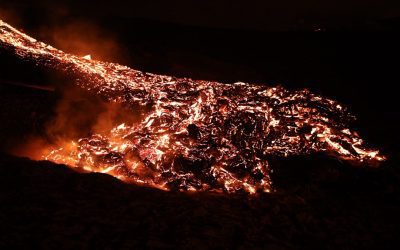
Volcanoes are natural phenomena that have captivated and alarmed humans for centuries. These magnificent geological formations are created by the movement of tectonic plates and the release of pressure from the Earth’s mantle. They are renowned for their explosive eruptions, which can cause widespread destruction and have a significant impact on the environment. Volcanoes can be found on every continent and even on the ocean floor, and they play a crucial role in shaping the Earth’s landscape. From the iconic Mount Vesuvius in Italy to the towering Mauna Loa in Hawaii, volcanoes come in various shapes and sizes, each with its own unique characteristics and history. Volcanoes have captured the imagination of people throughout history, with many cultures incorporating them into their myths and legends. They have been both feared and revered, seen as both destructive and creative forces of nature. The study of volcanoes, known as volcanology, has become an important field of scientific research, as understanding these powerful natural phenomena is crucial for predicting and mitigating their potential hazards. In this article, we shall explore the formation of volcanoes, the different types of volcanoes, volcanic eruptions, the hazards they pose, and the methods used to monitor volcanic activity. Understanding these aspects of volcanoes is essential for safeguarding communities living near these geological wonders and for advancing our knowledge of the Earth’s dynamic processes. Summary Volcanoes are natural formations that result from the eruption of magma from the Earth’s mantle. Volcanoes can form through various processes, including subduction, hotspots, and rift zones. There are different types of volcanoes, including shield volcanoes, stratovolcanoes, and cinder cone volcanoes. Volcanic eruptions...

Understanding Plate Tectonics and Earthquakes
Plate tectonics is the scientific theory that explains the movement of the Earth’s lithosphere, which comprises several large and small tectonic plates. These plates float on the semi-fluid asthenosphere beneath them and are in constant motion, interacting with one another at their boundaries. The theory of plate tectonics has revolutionised our understanding of the Earth’s geology and has provided a framework for explaining a wide range of geological phenomena, including earthquakes, volcanic activity, and the formation of mountain ranges. The concept of plate tectonics was first proposed in the early 20th century, but it was not until the 1960s that it gained widespread acceptance among geologists. The theory was developed through a combination of geological, geophysical, and palaeontological evidence, including the discovery of mid-ocean ridges, deep-sea trenches, and the distribution of fossils and rock formations across different continents. Today, plate tectonics is a fundamental principle of geology and is used to explain the dynamic processes that have shaped the Earth’s surface over millions of years. Summary Plate tectonics is the scientific theory that explains the movement of the Earth’s lithosphere and the formation of continents and oceans. The Earth’s structure consists of the crust, mantle, and core, and plate boundaries are the areas where tectonic plates interact, leading to earthquakes and volcanic activity. Earthquakes are caused by the sudden release of energy along faults in the Earth’s crust, and they can have devastating effects such as tsunamis, landslides, and structural damage. Monitoring and predicting earthquakes involve the use of seismometers, GPS, and other technologies to track seismic activity and assess the likelihood of future earthquakes. Mitigating the impact of...