World Geography
Geography is the study of the Earth’s landscapes, environments, and the relationships between people and their surroundings. It encompasses both the physical aspects of the Earth, such as its landforms, bodies of water, and climate, as well as the human aspects, including population distribution, cultures, and economies. World geography is a broad field that seeks to understand the complexities of our planet and how humans interact with it. By studying world geography, we can gain a deeper appreciation for the diversity of our planet and the interconnectedness of its various regions.
Geography is a multidisciplinary field that draws on elements of physical science, social science, and humanities. It involves the use of maps, spatial analysis, and geographic information systems (GIS) to understand the Earth’s surface and the processes that shape it. World geography also encompasses the study of human geography, which examines the ways in which people and their activities are distributed across the Earth. By understanding world geography, we can better appreciate the environmental, cultural, and economic challenges facing different regions of the world. This knowledge is crucial for addressing global issues such as climate change, resource management, and international development.
The Five Oceans and Seven Continents
The Earth’s surface is divided into five major oceans: the Pacific, Atlantic, Indian, Southern (or Antarctic), and Arctic Oceans. These vast bodies of water play a crucial role in regulating the Earth’s climate and supporting diverse marine ecosystems. The oceans also serve as important transportation routes and a source of food and other natural resources for human societies around the world.
In addition to the oceans, the Earth’s landmasses are divided into seven continents: Africa, Antarctica, Asia, Europe, North America, Australia (or Oceania), and South America. Each continent has its own unique physical and cultural characteristics, shaped by millions of years of geological processes and human history. From the deserts of Africa to the rainforests of South America, the continents offer a rich tapestry of landscapes and environments for exploration and study.
Major Mountain Ranges and Deserts
The Earth’s surface is also marked by major mountain ranges and deserts that have shaped the planet’s physical and cultural landscapes. The Himalayas, for example, are the highest mountain range in the world and are home to diverse ecosystems and cultures in countries such as India, Nepal, and Bhutan. The Andes in South America, the Rockies in North America, and the Alps in Europe are other prominent mountain ranges that have influenced human settlement patterns and economic activities.
Deserts cover about one-third of the Earth’s land surface and are characterized by low precipitation and extreme temperatures. The Sahara Desert in Africa is the largest hot desert in the world, while the Gobi Desert in Asia is one of the largest cold deserts. Deserts are not only home to unique flora and fauna but have also been important trade routes and cultural crossroads throughout history.
Climate Zones and Biomes
The Earth’s climate is influenced by a variety of factors, including latitude, altitude, ocean currents, and prevailing winds. As a result, the planet is divided into different climate zones, each with its own characteristic weather patterns and ecosystems. The equator, for example, experiences a tropical climate with high temperatures and heavy rainfall, while the polar regions have a cold and dry climate.
These climate zones give rise to different biomes, or large ecological areas characterized by distinct plant and animal communities. The tropical rainforest biome, found near the equator, is home to a diverse array of species and is vital for regulating the Earth’s climate. The grasslands biome, found in regions such as the African savannah and North American prairies, supports grazing animals and has been important for human agriculture throughout history.
Human Geography and Population Distribution
Human geography examines the ways in which people and their activities are distributed across the Earth’s surface. It encompasses topics such as population growth, migration patterns, urbanization, and cultural diversity. Understanding human geography is crucial for addressing global challenges such as poverty, inequality, and environmental degradation.
Population distribution is uneven across the world, with some regions experiencing rapid population growth while others are declining. The majority of the world’s population lives in Asia, particularly in countries such as China and India. Urban areas are also growing rapidly, with more than half of the world’s population now living in cities. This trend has significant implications for infrastructure development, resource management, and social inequality.
Historical and Cultural Geography
Historical geography examines how human activities have shaped the Earth’s landscapes over time. It explores topics such as colonialism, trade routes, and the rise and fall of empires. Cultural geography focuses on how human cultures have developed in different regions of the world and how they interact with their environments.
The Silk Road, for example, was an ancient trade route that connected China with Europe and facilitated the exchange of goods, ideas, and technologies across Eurasia. This historical trade route had a profound impact on the development of cultures and economies along its path. Similarly, cultural geographers study how different societies have adapted to their environments through practices such as agriculture, architecture, and religious beliefs.
The Importance of Geographic Knowledge
Geographic knowledge is crucial for addressing global challenges such as climate change, resource management, and international development. By understanding world geography, we can better appreciate the environmental, cultural, and economic challenges facing different regions of the world. This knowledge is crucial for addressing global issues such as climate change, resource management, and international development.
Geographic knowledge also helps us to understand our interconnectedness with other regions of the world. By studying world geography, we can gain a deeper appreciation for the diversity of our planet and the interconnectedness of its various regions. This understanding can foster a sense of global citizenship and empathy for people from different cultures and backgrounds.
In conclusion, world geography is a complex and multifaceted field that encompasses both physical and human aspects of the Earth’s landscapes. By studying world geography, we can gain a deeper appreciation for the diversity of our planet and the interconnectedness of its various regions. This knowledge is crucial for addressing global challenges such as climate change, resource management, and international development. It also helps us to understand our interconnectedness with other regions of the world and fosters a sense of global citizenship.
FAQs
What is world geography?
World geography is the study of the Earth’s landscapes, environments, and the relationships between people and their environments. It encompasses the physical features of the Earth, as well as the human activity that takes place on it.
Why is world geography important?
World geography is important because it helps us understand the world around us. It provides insights into the physical and human processes that shape our planet, and helps us make informed decisions about how to interact with our environment.
What are the main branches of world geography?
The main branches of world geography include physical geography, which focuses on the Earth’s natural features and processes, and human geography, which examines the relationships between people and their environments.
How does world geography impact our daily lives?
World geography impacts our daily lives in numerous ways, from influencing the weather and climate we experience, to shaping the availability of natural resources and influencing the distribution of populations and cultures around the world.
What are some key concepts in world geography?
Key concepts in world geography include location, place, human-environment interaction, movement, and region. These concepts help geographers understand and interpret the world around them.
The Layers of the Earth: Crust, Mantle, Core
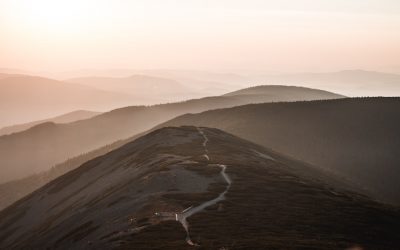
The Earth comprises several distinct layers, each possessing unique characteristics and properties. These layers consist of the crust, mantle, outer core and inner core. A comprehensive understanding of the composition and attributes of these layers is essential for comprehending the Earth’s structure and its functions. The study of Earth’s layers provides crucial insights into geological processes, including plate tectonics, volcanic activity and seismic waves. This article shall examine each layer of the Earth in detail, exploring their composition, characteristics and significance within the broader context of Earth science. Summary The Earth is made up of several layers, each with its own unique composition and characteristics. The Earth’s crust is the outermost layer and is the thinnest layer of the Earth. The mantle is the thickest layer of the Earth and is composed of solid rock that can flow over long periods of time. The outer core is a liquid layer made up of iron and nickel, and it is responsible for generating the Earth’s magnetic field. The inner core is the Earth’s solid centre, composed mainly of iron and nickel, and it is extremely hot and under immense pressure. Understanding the layers of the Earth is important for understanding geological processes, natural disasters, and the Earth’s magnetic field. The Earth’s Crust: The Outermost Layer Composition and Characteristics On the other hand, the oceanic crust is thinner and denser, mainly composed of basalt rocks. The crust is also where all life on Earth exists, as it provides a solid surface for living organisms to thrive. It is also where most geological activities, such as earthquakes and volcanic eruptions, occur. Importance...
Physical Geography
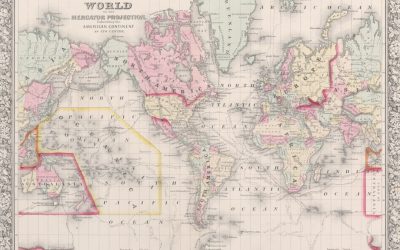
Physical geography is the study of the Earth’s natural features and processes, including landforms, weather, climate and natural resources. It is a branch of geography that focuses on the physical aspects of the Earth and how they interact with one another. Physical geography is concerned with understanding the processes that shape the Earth’s surface, such as erosion, weathering and plate tectonics. It also examines the distribution of natural resources and how they are utilised by human societies. This field of study is essential for understanding the natural environment and how it influences human activities. Physical geography encompasses a wide range of topics, including geomorphology, hydrology, climatology and biogeography. Geomorphology is the study of landforms and the processes that create and change them, such as erosion, deposition and tectonic activity. Hydrology focuses on the distribution and movement of water on the Earth’s surface, including rivers, lakes and groundwater. Climatology examines the long-term patterns of weather and climate, including factors such as temperature, precipitation and atmospheric circulation. Biogeography studies the distribution of plants and animals on the Earth’s surface and how they are influenced by physical factors such as climate and topography. Overall, physical geography provides a comprehensive understanding of the Earth’s natural systems and processes. Summary Physical geography is the study of the Earth’s natural features and processes. The Earth’s surface is shaped by landforms such as mountains, valleys, and plains. Weather and climate play a crucial role in shaping the Earth’s surface and landforms. Natural resources such as water, minerals, and forests are studied in physical geography. Human interaction with the environment has a significant impact on the Earth’s...

Political Boundaries of Panama: Provinces, Districts, or Historical Boundaries.
Panama, a nation situated in Central America, is characterised by its diverse and intricate political boundaries. The country shares borders with Costa Rica to the west and Colombia to the southeast, whilst being bounded by the Caribbean Sea to the north and the Pacific Ocean to the south. Panama‘s political boundaries are not solely defined by its geographical borders but also by its administrative divisions, comprising provinces and districts. These boundaries are integral to the nation’s governance, administration and socio-economic development. A comprehensive understanding of Panama’s political boundaries is crucial for appreciating the country’s history, culture and contemporary issues. The political boundaries of Panama have undergone significant changes over time, shaped by historical events, colonial influences and geopolitical factors. The country’s varied topography, which includes mountains, rainforests and coastal plains, has also played a role in the formation of its political boundaries. This article will examine the provinces and districts of Panama, explore the historical and evolutionary aspects of its political boundaries, and address the challenges and controversies surrounding them. Through a thorough analysis of these topics, one can gain a more profound understanding of the importance of political boundaries in Panama and their impact on the nation’s governance and society. Summary Panama’s political boundaries are defined by its borders with Costa Rica to the west, Colombia to the southeast, the Caribbean Sea to the north, and the Pacific Ocean to the south. The provinces of Panama are divided into 10 administrative regions, each with its own unique characteristics and cultural identity. The districts of Panama are further subdivisions within the provinces, each with its own local government and...

Natural Resources of Panama: Where Natural Resources are Located in Panama
Panama is a country situated in Central America, bordered by Costa Rica to the west and Colombia to the southeast. It is renowned for its abundant natural resources, which play a crucial role in the nation’s economy and biodiversity. The varied landscape of Panama encompasses verdant rainforests, productive agricultural land, and plentiful water resources, rendering it a centre of biodiversity and natural wealth. The country’s natural resources have been utilised for centuries by indigenous communities and continue to be an essential component of Panama’s economy and environment. From the rich biodiversity of its flora and fauna to the abundance of water resources and mineral deposits, Panama’s natural resources are a source of national pride and significance. Panama’s natural resources have been a driving force behind the country’s economic development, providing opportunities for agriculture, mining, and tourism. The sustainable management of these resources is crucial for the preservation of the environment and the well-being of the population. As Panama continues to grow and develop, it is essential to balance economic progress with the conservation of its natural resources. This article will explore the diverse natural resources of Panama, their significance, and the importance of sustainable management for the future of the country. Summary Panama is rich in natural resources, including biodiversity, water, minerals, energy, forests, and agriculture. The country’s biodiversity is one of the richest in the world, with a wide variety of flora and fauna. Panama has an abundance of water resources, including rivers, lakes, and a vast coastline, making it a key player in the global water supply. The country also has significant mineral and energy resources, including...

Cultural or Historical Sites of Panama: Important Cultural Landmarks or Historical Sites In Panama
Panama, a nation in Central America, boasts a wealth of cultural and historical sites that provide insight into its diverse and dynamic history. From ancient archaeological locations to colonial-era districts, Panama‘s cultural heritage demonstrates its rich past and the convergence of various cultures. The country’s strategic position as a link between the Americas has rendered it a melting pot of indigenous, European, African and Asian influences, all of which have left an indelible mark on its cultural landscape. Visitors to Panama can explore a wide array of historical sites, each offering a unique perspective on the country’s history and its people. Panama’s cultural and historical sites are not only significant for understanding the nation’s past, but also for appreciating its present-day diversity and vibrancy. From the remnants of ancient civilisations to the colonial architecture of its cities, Panama’s cultural heritage is a source of national pride and a draw for visitors from across the globe. By exploring these sites, visitors can gain a deeper understanding of Panama’s history and the forces that have shaped its identity. Whether it be the ancient ruins of Panama Viejo, the historic district of Casco Viejo, or the engineering marvel of the Panama Canal, each site offers a unique window into Panama’s cultural and historical legacy. Summary Panama is home to a rich cultural and historical heritage, with a variety of sites to explore. Panama Viejo, the old Panama City, offers a glimpse into the country’s colonial past and the ruins of the first European settlement on the Pacific coast of the Americas. Casco Viejo, the historic district of Panama City, is a UNESCO...

Climate Zones of Panama: Different Climate Regions Of Panama
Panama, situated in Central America, is renowned for its diverse climate zones. The nation’s distinctive geographical position, with coastlines on both the Caribbean Sea and the Pacific Ocean, contributes to the variety of climates found within its borders. Panama‘s climate can be broadly categorised into five main zones: tropical rainforest, tropical monsoon, tropical savanna, subtropical highland, and variations within these zones. Each of these climate zones possesses its own distinct characteristics, including temperature, precipitation, and vegetation. Comprehending these climate zones is crucial for anyone planning to visit or reside in Panama, as it can significantly impact activities, agriculture, and overall lifestyle. Summary Panama has diverse climate zones, including tropical rainforest, tropical monsoon, tropical savanna, and subtropical highland climates. The tropical rainforest climate in Panama is characterised by high temperatures, heavy rainfall, and high humidity, making it ideal for lush vegetation and diverse wildlife. The tropical monsoon climate in Panama experiences a distinct wet and dry season, with heavy rainfall during the wet season and drier conditions during the dry season. The tropical savanna climate in Panama is characterised by a long dry season and a shorter wet season, with grasslands and scattered trees dominating the landscape. The subtropical highland climate in Panama is characterised by cooler temperatures and lower humidity, making it suitable for agriculture and outdoor activities. Tropical Rainforest Climate Characteristics of the Climate The tropical rainforest climate zone in Panama is marked by high temperatures and heavy rainfall throughout the year. This climate zone is found in the eastern part of the country, including the Darien region and parts of the Caribbean coast. The average temperature in...

Terrain and Topography of Panama: mountains, valleys, and plains.
Panama, situated in Central America, is renowned for its diverse and striking terrain and topography. The nation is bordered by the Caribbean Sea to the north and the Pacific Ocean to the south, which significantly influences its landscape. Panama‘s terrain is characterised by mountain ranges, verdant valleys, plateaux, plains, and lowlands, resulting in considerable geographical diversity. The topography of Panama is also shaped by its position on the isthmus connecting North and South America, rendering it a crucial land bridge between the two continents. This unique geographical location has moulded Panama’s terrain and topography, creating a country of exceptional natural beauty and ecological importance. Panama’s terrain and topography have been instrumental in shaping the nation’s history, culture, and economy. The diverse landscape has provided a rich natural environment for human settlement and has influenced the development of infrastructure and transport networks. The varied terrain has also impacted Panama’s climate, creating distinct microclimates that support a wide range of flora and fauna. An examination of the different aspects of Panama’s terrain and topography reveals how these natural features have shaped the country’s physical and cultural landscape. Summary Panama’s terrain and topography are incredibly diverse, ranging from majestic mountain ranges to lush valleys and plateaus, as well as diverse plains and lowlands. The mountain ranges of Panama, such as the Cordillera Central and the Talamanca Range, offer breathtaking views and opportunities for outdoor activities like hiking and birdwatching. The lush valleys and plateaus of Panama, including the Chiriquí Highlands and the Azuero Peninsula, are home to rich biodiversity and fertile agricultural land. The diverse plains and lowlands of Panama, such as...

History of Panama
Panama possesses a rich history extending back to pre-Columbian times, with archaeological evidence indicating human habitation for over 11,000 years. The indigenous peoples of Panama were diverse, comprising several distinct cultures and languages. The most prominent indigenous groups in Panama were the Kuna, Emberá, Ngäbe, and Wounaan. These groups inhabited different regions of the country and maintained their own unique customs, traditions, and ways of life. The Kuna are renowned for their vibrant textiles and intricate molas, whilst the Emberá are celebrated for their exquisite handcrafted baskets and wood carvings. The indigenous peoples of Panama were adept farmers, hunters, and fishermen, possessing a profound connection to the land and the natural world. They coexisted harmoniously with nature and held a deep reverence for the environment. Their societies were frequently organised into chiefdoms or small villages, with complex social structures and religious beliefs. The arrival of the Spanish in the 16th century had a significant impact on these indigenous cultures, resulting in substantial changes to their way of life. Summary Pre-Colombian Panama was inhabited by indigenous peoples such as the Kuna, Emberá, and Ngäbe-Buglé, who had diverse cultures and societies. The Spanish conquest and colonization of Panama led to the decline of the indigenous population and the establishment of Spanish control over the region. Panama played a crucial role in the Spanish Empire as a key transit point for transporting gold and silver from South America to Spain. The construction of the Panama Canal had a significant impact on global trade and transportation, reducing travel time and costs for ships. 20th century politics in Panama were heavily influenced by the...

Population Density of Panama
Panama, a country situated in Central America, is renowned for its diverse culture, rich history and striking natural landscapes. With a population exceeding 4 million people, Panama has a population density of approximately 58 people per square kilometre. The majority of the populace is concentrated in urban areas such as Panama City, the capital and largest city in the country. The population density in Panama has been steadily increasing over the years, driven by factors such as urbanisation, migration and economic opportunities. This has resulted in both challenges and opportunities for the country, as it contends with the impact of high population density on its infrastructure, services and natural resources. Panama’s population density is influenced by a variety of factors, including its geographical features, economic opportunities and social dynamics. The country’s strategic location as a bridge between North and South America has made it a hub for international trade and commerce, attracting people from across the globe. This has led to rapid urbanisation, particularly in Panama City and its surrounding areas, where job opportunities and modern amenities are plentiful. Additionally, Panama’s diverse natural landscapes, including lush rainforests, unspoilt beaches and picturesque mountains, have also contributed to its population density, as people are drawn to the country’s natural beauty and potential for eco-tourism. However, these factors have also resulted in challenges such as overcrowding, strain on infrastructure and unequal distribution of resources. Summary Panama has a population density of 55 people per square kilometre, making it one of the most densely populated countries in Central America. Factors influencing population density in Panama include urbanisation, economic opportunities, and access to services...
Panama
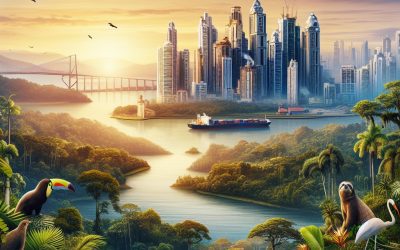
Panama (República de Panamá (Republic of Panama)) Capital: Panama City Population (Estimated July 2012): 3,510,045 Area: 74,177km2 or 28,640mi2 Currency: Balboa (B) Official Language: Spanish Political Information: Presidential Republic Official Religion: No Official Religion(approximately 85% of the population are Roman Catholic and 15% are Protestant) Highest Mountain: Volcan Baru at 3,475m or 11,401ft GDP Official Exchange Rate (OER is more precise at gauging a country’s economic power) (Estimated 2011): $30.2 billion (US$) or (GBP) GDP (OER) Per Capita (per member of the population estimated 2011): (US$) or (GBP) GDP Purchasing Power Parity (PPP is good for gauging living conditions and the use of resources but is not as accurate as OER. This data has been calculated based on the sum value of all goods and services produced in the country valued at prices prevailing in the United States) (Estimated 2011): $48.76 billion (US$) or (GBP) GDP (PPP) Per Capita (per member of the population estimated 2011): $13,600 (US$) or (GBP) Time Zone (GMT/UTC): -5:00 Wildlife: Counties/Provinces/States: 9 provinces (provincias, singular – provincia) and 3 indigenous territories* (comarcas); Bocas del Toro, Chiriqui, Cocle, Colon, Darien, Embera-Wounaan*, Herrera, Kuna Yala*, Los Santos, Ngobe-Bugle*, Panama, Veraguas Leaders: President Ricardo Martinelli and Vice President Juan Carlos Varela. Additional: Gained independence from Spain on the 28th of November 1821 and Gained independence from Colombia on the 3rd of November 1903. Sources: CIA World Fact Book, Encyclopaedia Britannica. Panama Panama, officially known as the Republic of Panama, is a country situated in Central America. It shares borders with Costa Rica to the west, Colombia to the southeast, the Caribbean Sea to the north, and the Pacific Ocean to the...

Political Boundaries of Palau: Provinces, Districts, or Historical Boundaries.
Palau, an island nation situated in the western Pacific Ocean, comprises a distinctive political landscape characterised by its states, municipalities, and historical demarcations. The political boundaries of Palau play a vital role in the governance and administration of the country, influencing the distribution of power and resources amongst its various regions. Comprehending the complexities of Palau’s political boundaries is crucial for understanding the country’s political structure and the dynamics that drive its governance. This article aims to provide a comprehensive examination of Palau’s political boundaries, elucidating the structure, administration, historical significance, and future prospects of these demarcations. Summary Palau’s political boundaries are defined by its system of provinces and districts, which play a crucial role in the administration and governance of the country. The provinces in Palau are structured with their own local governments, while the districts within each province serve specific functions in terms of representation and resource management. The historical boundaries of Palau have evolved over time, reflecting the country’s changing political landscape and the influence of external powers. A comparison of provinces, districts, and historical boundaries provides insight into the complexities of Palau’s political structure and the challenges it faces in maintaining cohesion and governance. Challenges and controversies surrounding Palau’s political boundaries include issues of resource allocation, representation, and the balance of power between local and national authorities, which will need to be addressed for the country’s future prospects in political governance. Provinces in Palau: Structure and Administration Palau is divided into 16 states, each of which is further subdivided into municipalities. The states, also known as provinces, are the primary administrative divisions of the country...

Climate Zones of Palau: Different climate regions Of Palau
Palau, an archipelago comprising over 500 islands in the western Pacific Ocean, is renowned for its exceptional natural beauty and diverse marine ecosystems. The climate of Palau is characterised as tropical, with consistently high temperatures and humidity throughout the year. The islands exhibit a range of climate zones, each possessing unique characteristics and exerting distinct influences on the environment. A comprehensive understanding of these climate zones is essential for the effective management of Palau’s natural resources and biodiversity. The various climate zones in Palau are influenced by factors such as ocean currents, trade winds and topography. These zones encompass tropical rainforest, tropical monsoon, tropical savanna, semi-desert and marine tropical climates. Each zone exhibits distinct patterns of temperature, precipitation and vegetation, which play a crucial role in shaping Palau’s environment and ecosystems. A detailed examination of these climate zones provides valuable insights into the environmental challenges and opportunities faced by this island nation. Summary Palau has a diverse range of climate zones, including tropical rainforest, monsoon, savanna, semi-desert, and marine tropical. The tropical rainforest climate zone in Palau is characterized by high temperatures, heavy rainfall, and lush vegetation. The tropical monsoon climate zone experiences a distinct wet and dry season, with heavy rainfall during the wet season and drier conditions during the dry season. The tropical savanna climate zone in Palau has a longer dry season and is characterized by grasslands and scattered trees. The semi-desert climate zone in Palau experiences very low rainfall and high temperatures, leading to sparse vegetation and dry landscapes. The marine tropical climate zone in Palau is influenced by the surrounding ocean, with warm temperatures...