Let’s talk about something that’s affecting all of us here in the UK: climate change. You’ve probably heard the news or noticed it yourself – our weather seems a bit… different lately. The big question on a lot of people’s minds is: how exactly is climate change messing with things here at home, particularly when it comes to our temperatures and the risk of flooding? To put it simply, the UK is getting warmer, and we’re seeing more extreme weather, which definitely ups the ante on flood risks across the country. It’s not some distant future problem; it’s happening now, and it’s worth understanding what’s going on.
When we talk about climate change and rising temperatures in the UK, it’s not just about the odd unusually hot summer day. It’s a consistent, long-term shift. Think of it like this: the baseline average temperature is creeping up, year after year. This isn’t something scientists are guessing at; it’s based on decades of solid data collected from weather stations all over the country.
Official Figures Paint a Clear Picture
Organisations like the Met Office, the UK’s national meteorological service, have been meticulously tracking our climate for ages. Their findings are pretty stark. They show a clear warming trend across all seasons, not just summer. We’re looking at average temperatures that are several degrees Celsius higher than they were before the industrial revolution. This might not sound like a massive leap, but even small changes in averages can have significant knock-on effects.
What Does This Mean for Day-to-Day Life?
So, what does a few degrees warmer actually feel like? Well, for starters, those heatwaves we’ve been experiencing are becoming more frequent and more intense. You know, the kind where you’re desperately seeking shade and your garden plants are wilting rapidly. But it’s more than just personal comfort. These warmer temperatures have a ripple effect on everything from agriculture, where crops can be stressed, to public health, with increased risks of heatstroke, especially for vulnerable individuals. Even our infrastructure, designed for a cooler climate, can struggle under prolonged high temperatures.
Beyond the Thermometer: Wider Impacts of Warming
The warming trend isn’t just about the numbers on the thermometer. It’s about the energy it puts into our weather systems. This extra energy can lead to more volatile weather patterns, with implications that go far beyond just feeling a bit toasty.
Shifting Seasons and Weather Patterns
You might have noticed that our seasons feel a bit out of sync sometimes. Spring might arrive earlier, or autumn might linger longer. This can affect natural cycles, like when plants flower or when birds migrate. It also means our traditional farming calendars, which have been honed over generations, are becoming less reliable. We might see changes in which crops can be grown, or when they can be planted and harvested.
Impact on Wildlife and Ecosystems
Our native wildlife is adapted to specific temperature ranges and seasonal cues. As temperatures rise, some species might struggle to cope. This could lead to declines in certain populations or shifts in where they can live. Invasive species, which often thrive in warmer conditions, could also become more prevalent, outcompeting native plants and animals.
The North-South Divide: Uneven Warming in the UK
It’s interesting to note that the warming isn’t happening uniformly across the UK. While the whole country is experiencing a rise in average temperatures, some regions are warming more than others.
Southern England Leading the Charge
Generally speaking, the southern parts of England tend to be warming at a slightly faster rate than the north. This is partly due to geographic factors and prevailing weather patterns. This means that areas already prone to warmer weather are likely to experience even hotter summers.
Northern Ireland and Scotland: A Different Story?
While the overall trend is upward everywhere, the specific impacts might differ. For instance, some research suggests that while many areas are warming, the exact magnitude and speed can vary. It’s not a simple case of everywhere getting equally hotter. This regional variation is important to consider when thinking about adaptation strategies.
Increased Rainfall Intensity: Not Necessarily More Rain, But More Intense Rain
Here’s a crucial point often misunderstood about climate change and rainfall: it’s not always about the total amount of rain falling over a year. Instead, it’s increasingly about how that rain falls. We’re seeing a trend towards fewer, but more intense, rainfall events.
The Science Behind Intense Rainfall
Warmer air can hold more moisture. So, when it does rain, there’s more water available to fall out of the sky. This means that instead of a steady, consistent drizzle over several days, we’re more likely to experience heavy downpours over shorter periods. Think of it like a sponge that’s been saturated and then squeezed really hard – all the water comes out at once.
Consequences of Intense Downpours
These heavy downpours have a direct and significant impact on flood risk. When rain falls too quickly for the ground to absorb it or for drainage systems to cope, water starts to accumulate. This can quickly overwhelm rivers, streams, and urban drainage, leading to flash floods.
Rivers Under Pressure: Amplified Flood Risks
Our rivers are the natural drainage veins of the country, but they are increasingly struggling to cope with the changing rainfall patterns. When intense downpours hit, rivers can rise dramatically and rapidly.
Headline Figures: Record Rainfall Events
We’ve seen news reports about record-breaking rainfall events becoming more common. These aren’t just isolated incidents; they are indicators of a changing climate. For example, a significant number of the wettest days on record have occurred relatively recently. This is a strong signal that the intensity of rainfall is increasing.
Urban Flooding: A Growing Concern
In our towns and cities, the problem of intense rainfall is compounded. Paved surfaces, roads, and buildings mean there’s less natural ground to absorb water. Our underground drainage systems, often designed decades ago, can be easily overwhelmed by sudden, heavy downpours, leading to surface water flooding. This can cause significant disruption, damaging homes and businesses.
Coastal Flooding: A Double Whammy
For coastal communities, the threat is twofold. Not only are they facing the risk of increased rainfall and river flooding, but they also have to contend with rising sea levels. This makes storm surges, where high tides are pushed further inland by strong winds, even more damaging.
The Amplification Effect: How Warming and Intense Rain Intersect
| Climate Change Impact | Effects |
|---|---|
| Rising Temperatures | Increased frequency of heatwaves, changes in ecosystems and agriculture, impact on human health |
| Flood Risks | More frequent and severe flooding events, damage to infrastructure and property, displacement of communities |
It’s important to understand that rising temperatures and increased rainfall intensity aren’t completely separate issues. They interact and amplify each other, creating a more challenging environment.
Warmer Winters, Wetter Ground
Warmer winters can mean more rain and less snow. While snow can act as a natural buffer, holding water until it melts gradually, rain runs off much faster. This can lead to saturated ground that has less capacity to absorb further rainfall, increasing the likelihood and severity of flooding in autumn and winter.
More Evaporation, Faster Drying… and Then More Rain
While warmer temperatures can lead to increased evaporation from land and water bodies, which might suggest drier surface conditions. However, when those warmer conditions are coupled with more intense rainfall events, the ground can become saturated very quickly, negating any drying effect and leading to rapid run-off.
Glacial Melt and Sea Level Rise: A Global Context, Local Impact
While the UK doesn’t have vast glaciers melting, the global phenomenon of glacial and ice sheet melt contributes significantly to rising sea levels. This is a direct consequence of rising global temperatures. For the UK, this means that even without changes in rainfall, coastal areas are becoming more vulnerable to inundation.
Specific UK Vulnerabilities and Case Studies
The UK, with its varied geography and coastline, has specific areas and types of communities that are more vulnerable to these climate change impacts.
Flood Plains and River Valleys
Areas that lie on natural flood plains or in river valleys are inherently at higher risk. Towns and villages situated along major rivers like the Thames, Severn, or Ouse have experienced significant flooding throughout history, and climate change is exacerbating these risks.
The Somerset Levels: A Recent Example
The floods in the Somerset Levels in 2013-2014 are a stark reminder of the impacts of prolonged heavy rainfall. Low-lying land, saturated ground, and a combination of heavy rain and high tides meant large areas were inundated for weeks, displacing residents and causing significant economic damage. This event highlighted the challenges of managing water in such vulnerable landscapes.
The River Tyne and its Tributaries
Regions like the North East, with tributaries feeding into the River Tyne, are also susceptible. During intense rainfall, these rivers can swell rapidly, impacting communities along their banks in towns and cities like Hexham or parts of Newcastle and Gateshead.
Coastal Towns and Estuaries
As mentioned, coastal towns are at the sharp end of sea-level rise and storm surges. Places like Hull, Great Yarmouth, and parts of Essex are particularly vulnerable. The Environment Agency has extensive plans for coastal defence, but the increasing frequency and intensity of these events put constant pressure on these systems.
Hull and the North Sea Coast
Hull, for instance, is protected by extensive flood defences, but the ongoing rise in sea levels means these defences need constant reinforcement. Storms from the North Sea can push water levels higher, and with a higher baseline sea level, the risk of overtopping or breaching these defences increases.
Urban Centres and their Infrastructure
Even seemingly less obvious areas are at risk due to urbanisation. Larger cities have vast areas of impermeable surfaces.
Manchester and its Densely Populated Areas
Cities like Manchester, with a history of industrialisation and now significant urban sprawl, face challenges with surface water management. Intense rainfall can quickly overload the drainage systems in densely populated areas, leading to flash flooding that can disrupt transport networks and affect businesses.
Adapting and Mitigating: What Can Be Done?
Understanding the problem is the first step, but what actually happens next? It’s a two-pronged approach: mitigation (reducing the causes of climate change) and adaptation (preparing for the impacts that are already happening or unavoidable).
Mitigation: The Global Effort With Local Actions
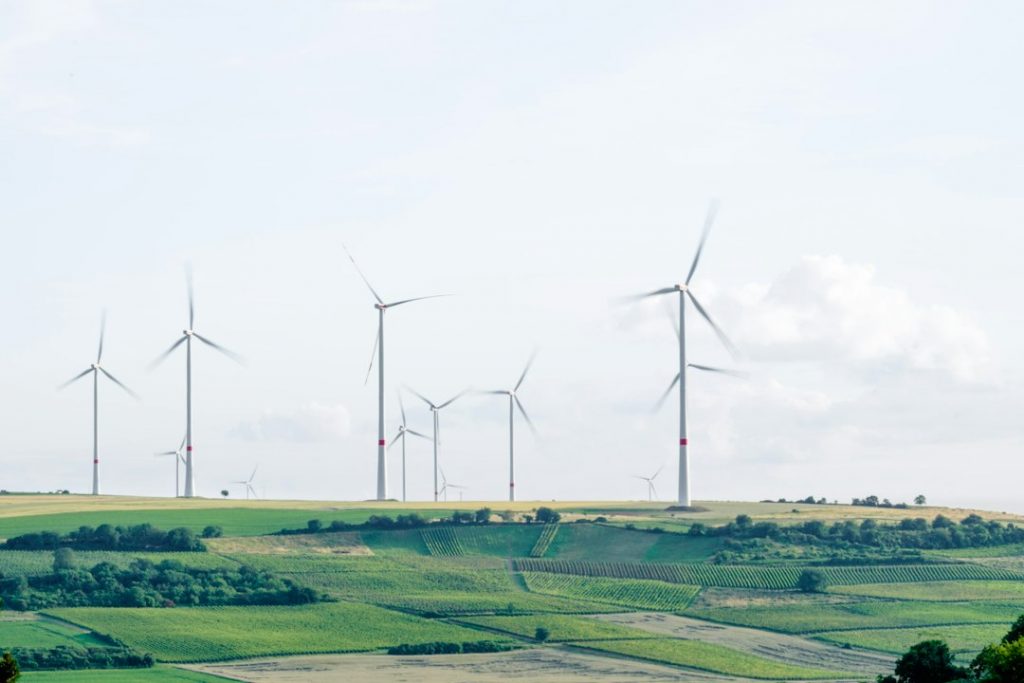
While the UK’s contribution to global emissions might be a fraction of the world’s total, our role in mitigation is crucial. This involves transitioning away from fossil fuels towards renewable energy sources like wind and solar, improving energy efficiency in homes and businesses, and promoting sustainable transport.
Renewable Energy Investment
The UK has made significant strides in offshore wind power, becoming a world leader. Continued investment in this and other renewables is key to decarbonising our energy sector.
Decarbonising Transport
Encouraging electric vehicle uptake, improving public transport, and promoting cycling and walking are vital steps in reducing emissions from the transport sector, which is a significant contributor.
Adaptation: Building Resilience
Since some level of climate change is inevitable, we need to adapt. This means making our communities more resilient to the impacts we’re already seeing and those anticipated for the future.
Improved Flood Defences
This is perhaps the most visible form of adaptation. Building and upgrading sea walls, river barriers, and improving natural flood management techniques like creating flood plains are essential for protecting populated areas.
Better Planning and Building Regulations
Ensuring that new developments are built in flood-risk areas are avoided where possible and, where unavoidable, incorporating flood-resilient building design is crucial. This includes elevating properties, using flood-resistant materials, and improving drainage within developments.
Early Warning Systems and Community Preparedness
Having robust early warning systems for floods allows communities to prepare and evacuate if necessary. Public awareness campaigns and local flood plans are also vital for ensuring people know what to do in an emergency.
Water Management Strategies
This involves a more holistic approach to managing water resources. This includes restoring natural floodplains, implementing sustainable drainage systems (SuDS) in urban areas, and managing reservoirs more effectively to cope with both drought and flood conditions.
Conclusion: A Call to Understand and Act
The UK is not immune to the effects of climate change. Rising temperatures are a reality, making our summers hotter and our winters potentially wetter, but crucially, more intensely wetter. This is directly contributing to an increased risk of flooding across the country, from our coasts to our river valleys and urban centres. It’s not about doom and gloom, but about recognising the facts and understanding what we’re up against. By taking both mitigation and adaptation seriously, we can work towards a more resilient future for the UK, protecting our homes, our environment, and our communities.
FAQs
1. What are the current trends in rising temperatures in the UK due to climate change?
The UK has experienced a significant increase in average temperatures over the past century, with the 10 warmest years on record all occurring since 2002. This trend is attributed to the impact of climate change, leading to more frequent heatwaves and rising temperatures across the country.
2. How is climate change contributing to flood risks in the UK?
Climate change is causing more intense and frequent rainfall events in the UK, leading to an increased risk of flooding. Warmer air holds more moisture, resulting in heavier rainfall and higher flood risks. This has significant implications for both urban and rural areas, impacting infrastructure, agriculture, and communities.
3. What are the potential consequences of rising temperatures and flood risks in the UK?
Rising temperatures and flood risks pose various consequences for the UK, including damage to infrastructure, disruption to transportation and utilities, threats to public health, and impacts on agriculture and biodiversity. These challenges require proactive measures to mitigate the effects of climate change.
4. How is the UK government addressing the impact of climate change on rising temperatures and flood risks?
The UK government has implemented various policies and initiatives to address the impact of climate change, including setting targets to reduce greenhouse gas emissions, investing in flood defences and resilience measures, and promoting sustainable practices to mitigate the effects of rising temperatures and flood risks.
5. What can individuals do to contribute to addressing the impact of climate change in the UK?
Individuals can contribute to addressing the impact of climate change by adopting sustainable practices, such as reducing energy consumption, using public transportation, supporting renewable energy sources, and participating in community initiatives to promote environmental conservation and resilience to rising temperatures and flood risks.