Biological taxonomy is the science of naming, describing, and classifying living organisms. It serves as a framework for understanding the vast diversity of life on Earth, providing a systematic approach to categorising organisms based on shared characteristics and evolutionary relationships. The importance of taxonomy extends beyond mere classification; it plays a crucial role in various fields such as ecology, conservation, and medicine.
By establishing a common language for scientists across the globe, taxonomy facilitates communication and collaboration in research and education. The study of biological taxonomy encompasses a wide range of organisms, from the simplest bacteria to complex multicellular organisms like plants and animals. Taxonomists employ various criteria, including morphological, genetic, and ecological traits, to classify organisms into hierarchical categories.
This structured approach not only aids in identifying species but also helps in understanding their evolutionary history and ecological roles. As our knowledge of biology expands, so too does the complexity of taxonomy, reflecting the intricate web of life that characterises our planet.
Summary
- Biological taxonomy organises living organisms into hierarchical categories for better understanding.
- The Linnaean system laid the foundation for modern classification with its binomial nomenclature.
- Life is broadly divided into three domains and five kingdoms based on cellular and genetic traits.
- DNA analysis has revolutionised taxonomy, enabling more precise identification and relationships.
- Ongoing challenges include classifying newly discovered species and integrating genetic data effectively.
History of Biological Classification
The history of biological classification can be traced back to ancient civilisations, where early scholars attempted to categorise plants and animals based on observable traits. The Greek philosopher Aristotle is often credited with one of the earliest systematic approaches to classification, as he grouped organisms into two main categories: plants and animals. His work laid the groundwork for future taxonomists, although it lacked the precision and structure that would later be developed.
The modern era of biological classification began in the 18th century with the work of Carl Linnaeus, a Swedish botanist who introduced a hierarchical system that is still in use today. Linnaeus’s system was revolutionary; he established a binomial nomenclature for naming species, which consists of a genus name followed by a specific epithet. This method not only simplified the naming process but also provided a universal standard that transcended language barriers.
Linnaeus’s contributions marked a significant turning point in taxonomy, leading to more organised and scientifically rigorous methods of classification.
The Three Domains of Life
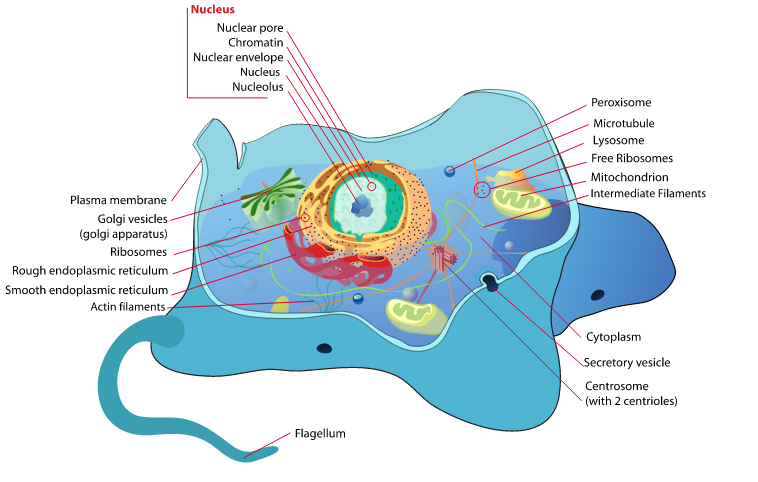
In contemporary biological taxonomy, life is categorised into three primary domains: Archaea, Bacteria, and Eukarya. This classification reflects fundamental differences in cellular structure and genetic makeup among these groups. Archaea and Bacteria are both prokaryotic domains, meaning their cells lack a nucleus and other membrane-bound organelles.
Despite their similarities, these two domains are genetically distinct and exhibit a remarkable diversity of metabolic pathways and ecological niches. Eukarya, on the other hand, encompasses all organisms with eukaryotic cells, which are characterised by the presence of a nucleus and organelles such as mitochondria and chloroplasts. This domain includes a vast array of life forms, from single-celled protists to complex multicellular organisms like plants, fungi, and animals.
The distinction between these three domains is crucial for understanding evolutionary relationships and the origins of life on Earth. It highlights the deep evolutionary divides that exist among different forms of life and underscores the complexity of biological diversity.
The Five Kingdoms of Life
While the three-domain system provides a broad overview of life’s diversity, many biologists also refer to the five-kingdom classification system proposed by Robert Whittaker in 1969. This system divides life into five kingdoms: Monera, Protista, Fungi, Plantae, and Animalia. Monera includes all prokaryotic organisms, encompassing both Archaea and Bacteria.
Protista consists of diverse eukaryotic microorganisms that do not fit neatly into other kingdoms, such as algae and protozoa. Fungi are characterised by their unique mode of nutrition through absorption, playing essential roles in decomposition and nutrient cycling within ecosystems. Plantae includes all photosynthetic organisms, primarily land plants that convert sunlight into energy through photosynthesis.
Finally, Animalia comprises multicellular organisms that are typically heterotrophic, relying on other organisms for sustenance. This five-kingdom system provides a more detailed framework for understanding the relationships among different groups of organisms and their ecological roles.
The Importance of Biological Taxonomy
| Taxonomic Rank | Description | Example | Number of Known Groups |
|---|---|---|---|
| Domain | Highest taxonomic rank, classifies life into three broad groups based on cell type and genetics | Eukarya | 3 (Bacteria, Archaea, Eukarya) |
| Kingdom | Groups organisms based on fundamental traits such as cell structure and nutrition | Animalia | 6 (Animalia, Plantae, Fungi, Protista, Archaea, Bacteria) |
| Phylum | Groups organisms based on major body plans or organisation | Chordata | ~35 in Animalia |
| Class | Divides phyla into groups sharing more specific features | Mammalia | Varies by phylum (e.g., 12 in Chordata) |
| Order | Further divides classes into groups with shared characteristics | Primates | Varies (e.g., 20+ in Mammalia) |
| Family | Groups genera that share close similarities | Hominidae | Varies (e.g., 16 in Primates) |
| Genus | Groups species that are closely related and very similar | Homo | Thousands globally |
| Species | Basic unit of classification, organisms capable of interbreeding | Homo sapiens | Estimated 8.7 million on Earth |
Biological taxonomy is fundamental to numerous scientific disciplines and practical applications. In ecology, for instance, understanding the relationships between different species is essential for studying ecosystems and biodiversity. Taxonomy aids in identifying keystone species—organisms that have a disproportionately large impact on their environment—thereby informing conservation efforts aimed at preserving ecological balance.
In medicine, taxonomy plays a critical role in identifying pathogens responsible for diseases. Accurate classification of microorganisms allows healthcare professionals to diagnose infections correctly and select appropriate treatments. Furthermore, taxonomy is vital in agriculture; understanding plant and animal classifications helps in breeding programmes aimed at improving crop yields or livestock health.
The implications of biological taxonomy extend far beyond academic interest; they have real-world consequences that affect health, food security, and environmental sustainability.
The Linnaean System of Classification
The Linnaean system remains one of the most influential frameworks in biological taxonomy. It is structured hierarchically into several ranks: domain, kingdom, phylum, class, order, family, genus, and species. Each rank represents a level of organisation that reflects evolutionary relationships among organisms.
For example, all members of a genus share certain characteristics that distinguish them from other genera within the same family. One notable aspect of the Linnaean system is its use of binomial nomenclature for species naming. This two-part naming convention consists of the genus name capitalised followed by the species epithet in lowercase (e.g., Homo sapiens).
This method not only provides clarity but also ensures that each species has a unique identifier that can be universally recognised by scientists worldwide. Despite its age, the Linnaean system has proven remarkably adaptable; it continues to be refined as new discoveries are made in genetics and evolutionary biology.
How Organisms are Named
The process of naming organisms follows specific rules established by international codes of nomenclature. For animals, this is governed by the International Code of Zoological Nomenclature (ICZN), while plants are regulated by the International Code of Botanical Nomenclature (ICBN). These codes provide guidelines on how names should be formed, ensuring consistency and stability in nomenclature.
When naming a new species, taxonomists must consider several factors: the name should be unique, descriptive of some characteristic or origin of the organism, and ideally reflect its phylogenetic relationships. Additionally, names must adhere to certain linguistic conventions; for instance, they often derive from Latin or Greek roots. Once a name is proposed, it must be published in a scientific journal where it can be reviewed by peers before it becomes officially recognised within the scientific community.
Modern Advances in Biological Taxonomy
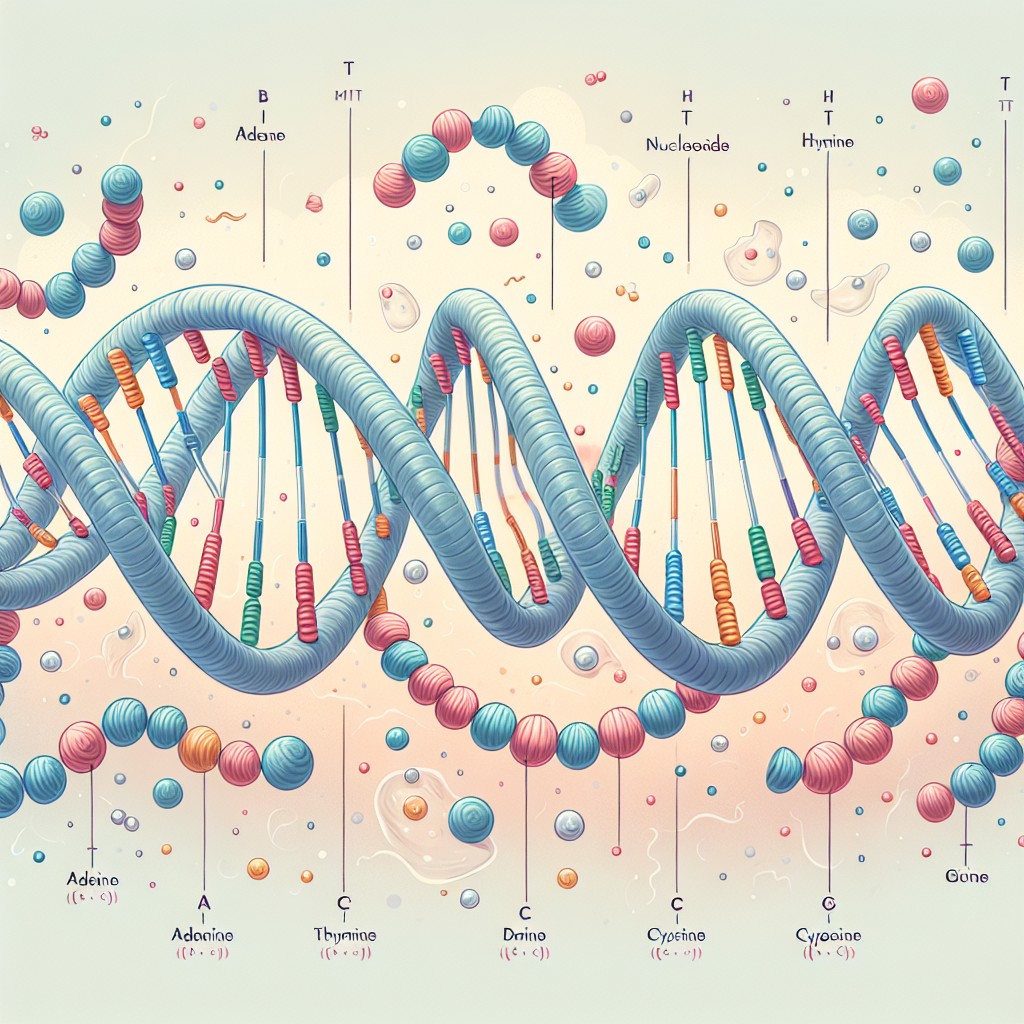
Recent advances in technology have significantly transformed biological taxonomy. The advent of molecular techniques such as DNA sequencing has revolutionised our understanding of evolutionary relationships among organisms. Genetic data allows taxonomists to construct phylogenetic trees that depict how different species are related based on their genetic similarities and differences.
Moreover, bioinformatics has emerged as an essential tool in taxonomy. With vast amounts of genetic data being generated from various organisms, computational methods are employed to analyse this information efficiently. These modern techniques enable taxonomists to re-evaluate traditional classifications based on morphological traits alone and provide insights into cryptic species—organisms that are morphologically similar but genetically distinct.
The Role of DNA in Taxonomy
DNA analysis has become an indispensable component of modern taxonomy. By examining genetic material from different organisms, scientists can uncover hidden relationships that may not be apparent through morphological studies alone. For instance, molecular phylogenetics has revealed that certain groups previously thought to be closely related based on physical characteristics are actually more distantly related when viewed through a genetic lens.
The use of DNA barcoding—a method that involves sequencing a short genetic marker from a standard part of the genome—has also gained popularity in recent years. This technique allows for rapid identification of species based on genetic data rather than relying solely on morphological traits. DNA barcoding has proven particularly useful in biodiversity assessments and conservation efforts by enabling researchers to identify species quickly in complex ecosystems.
Challenges in Biological Classification
Despite advancements in taxonomy, challenges persist in accurately classifying organisms. One significant issue is the phenomenon known as “taxonomic inflation,” where an increasing number of species are described without sufficient evidence to support their distinctiveness. This can lead to confusion within scientific literature and complicate conservation efforts.
Another challenge arises from hybridisation events between species or genera that blur the lines between distinct taxa. Such occurrences can result in hybrid species that possess characteristics from both parent species, complicating classification efforts further. Additionally, cryptic species pose another hurdle; these are species that are morphologically indistinguishable but genetically distinct.
As our understanding deepens through molecular techniques, taxonomists must continually reassess classifications to reflect new findings accurately.
The Future of Biological Taxonomy
Looking ahead, the future of biological taxonomy is likely to be shaped by ongoing technological advancements and an increasing emphasis on integrative approaches that combine morphological data with genetic information. As more genomes are sequenced and analysed across diverse taxa, our understanding of evolutionary relationships will continue to evolve. Furthermore, there is a growing recognition of the need for collaborative efforts among taxonomists globally to standardise practices and improve data sharing.
Initiatives such as online databases and repositories aim to facilitate access to taxonomic information while promoting transparency in naming conventions and classifications. As we move forward into an era characterised by rapid scientific progress and global collaboration, biological taxonomy will remain an essential discipline for understanding the complexity of life on Earth and addressing pressing challenges related to biodiversity conservation and ecosystem management.
FAQs
What is biological taxonomy?
Biological taxonomy is the scientific discipline concerned with classifying and naming living organisms. It organises species into hierarchical categories based on shared characteristics and evolutionary relationships.
Why is biological taxonomy important?
Taxonomy provides a universal framework for identifying, naming, and grouping organisms, which facilitates communication, research, and understanding of biodiversity and evolutionary history.
What are the main taxonomic ranks used in classification?
The primary taxonomic ranks, from broadest to most specific, are Domain, Kingdom, Phylum, Class, Order, Family, Genus, and Species.
How are living organisms categorised in taxonomy?
Organisms are categorised based on shared physical traits, genetic information, evolutionary ancestry, and other biological characteristics, which help determine their placement within the taxonomic hierarchy.
What is the difference between taxonomy and systematics?
Taxonomy focuses on naming and classifying organisms, while systematics studies the evolutionary relationships among organisms, often using taxonomy as a tool to reflect these relationships.
Who developed the modern system of biological classification?
The modern system of classification was developed by Carl Linnaeus in the 18th century, who introduced binomial nomenclature and hierarchical categorisation.
What is binomial nomenclature?
Binomial nomenclature is the system of naming species using two Latinised names: the genus name followed by the species name, for example, Homo sapiens.
How has molecular biology influenced taxonomy?
Molecular biology, particularly DNA sequencing, has revolutionised taxonomy by providing genetic data that clarifies evolutionary relationships and sometimes leads to reclassification of organisms.
Are taxonomic classifications fixed or subject to change?
Taxonomic classifications are not fixed; they evolve as new scientific information becomes available, especially with advances in genetics and phylogenetics.
What role do taxonomists play in biology?
Taxonomists identify, describe, classify, and name organisms, contributing to our understanding of biodiversity and aiding conservation efforts.