Explore the World Through Geography, Natural Resources & Daily History
Clear, reliable and engaging guides that help you understand our planet — from UK geography education to global natural resources and On This Day history events.
Explore, discover, and learn about the wonders of our world! At Earth Site, we’re passionate about bringing geography, history, and science to life for curious minds of all ages. Whether you’re delving into historical events, uncovering the mysteries of the natural world, or seeking interactive resources, you’re in the right place.
Here, you can uncover the stories behind historical events, explore the natural wonders of our planet, and gain valuable insights into how the Earth’s systems shape our daily lives. From the towering peaks of mountain ranges to the far-reaching impacts of human innovation, we aim to make every topic both engaging and informative.
Start your journey of discovery with us today, and let’s make learning an adventure!
What We Cover
Earth Site brings together engaging and accessible educational content designed to help you understand the world, its history, and its natural systems.
🌍 Geography Education (UK & Worldwide)
We publish clear, easy-to-understand geography resources for students, teachers and curious learners. Our guides support geography education in the UK and cover physical geography, climate, ecosystems, population, and global development.
⛏️ Natural Resources & Environmental Geography
Explore detailed country profiles covering natural resources, mining, energy, geology and global environmental challenges. We show how nations manage minerals, water, land and ecosystems, and why these resources matter.
📅 On This Day in History
Every day has a story. Our On This Day history series features major events, anniversaries, traditions, and cultural milestones from around the world — with timelines, context, and fun facts.
TIMELINE

Cultural or Historical Sites of Russia: Important Cultural Landmarks or Historical Sites In Russia
The Kremlin, an imposing fortress that dominates the skyline of Moscow, serves as the political heart of Russia and a symbol of its rich historical tapestry. This architectural marvel, with its distinctive red walls and golden domes, has been the seat of power for centuries, witnessing the rise and fall of empires, revolutions, and the evolution of a nation. Originally constructed in the 12th century, the Kremlin has undergone numerous transformations, reflecting the changing tides of Russian history. It is not merely a political centre; it is a repository of national identity, housing the offices of the President of Russia, as well as various government institutions. The Kremlin’s walls have echoed with the voices of tsars, revolutionaries, and leaders, each leaving an indelible mark on the fabric of Russian society. Beyond its political significance, the Kremlin is steeped in cultural heritage. The complex is home to several cathedrals, palaces, and museums that narrate the story of Russia’s past. The Assumption Cathedral, for instance, is a stunning example of Russian architecture and has served as the site for the coronation of many tsars. The Armoury Chamber showcases a remarkable collection of royal treasures, including Fabergé eggs and ceremonial regalia that speak to the opulence of the Russian monarchy. As visitors wander through its hallowed halls, they are transported back in time, gaining insight into the intricate interplay between power and culture that has shaped Russia over the centuries. The Kremlin stands not only as a fortress but as a living testament to the resilience and complexity of the Russian spirit. Summary The Kremlin is the political and historical centre of...

Natural Resources of Russia: Where Natural Resources are Located in Russia
Russia, the largest country in the world, possesses an extraordinary wealth of natural resources that play a crucial role in its economy and global standing. Spanning over 17 million square kilometres, this vast expanse of land encompasses a diverse range of ecosystems, climates, and geological formations, all of which contribute to its rich tapestry of natural wealth. From the icy tundras of Siberia to the fertile plains of the south, Russia‘s natural resources are not only abundant but also varied, encompassing fossil fuels, minerals, forests, water bodies, and agricultural land. The significance of these resources extends beyond mere economic value; they are integral to the livelihoods of millions of Russians and serve as a cornerstone for the nation’s geopolitical strategies. The management and exploitation of these resources have been a double-edged sword for Russia. On one hand, they have propelled the country into the ranks of major global players, particularly in energy markets. On the other hand, the reliance on these resources has led to economic vulnerabilities and environmental challenges. As the world grapples with climate change and the transition to renewable energy sources, Russia’s vast reserves present both opportunities and dilemmas. Understanding the scope and significance of Russia’s natural resources is essential for comprehending its current economic landscape and future prospects. This article delves into the various facets of Russia’s natural wealth, exploring its oil and gas reserves, mineral resources, forests, water bodies, agricultural potential, and the challenges that accompany their management. Summary Russia is blessed with an abundance of natural resources, making it one of the richest countries in the world in terms of natural wealth. The...

Population Density of Russia
Russia, the largest country in the world, spans over 17 million square kilometres, yet it is home to a population of approximately 146 million people. This vast expanse of land presents a unique demographic landscape characterised by significant variations in population density. Whilst some regions are densely populated, particularly in the west, others are sparsely inhabited, especially in the expansive Siberian territories. The average population density in Russia is around 8.4 people per square kilometre, a figure that starkly contrasts with global averages. This disparity raises intriguing questions about the factors that contribute to such uneven distribution and the implications it has for the country’s socio-economic fabric. Understanding Russia’s population density is crucial for grasping the complexities of its demographic dynamics. The interplay between geography, climate, and historical development has shaped where people choose to live and work. Urban centres like Moscow and St Petersburg are bustling metropolises that attract millions due to their economic opportunities and cultural offerings. In contrast, the vast stretches of Siberia, with its harsh climate and limited infrastructure, remain largely uninhabited. This article delves into the factors influencing population distribution, the contrast between urban and rural densities, regional variations, and the broader implications of these patterns on infrastructure and services. Summary Russia is the largest country in the world by land area, but it has a relatively low population density. Factors affecting population distribution in Russia include climate, natural resources, and historical settlement patterns. Urban population density in Russia is much higher than rural population density, with Moscow and St. Petersburg being the most densely populated cities. Regional variations in population density are significant,...

Political Boundaries of Romania: Provinces, Districts, or Historical Boundaries.
Romania, a nation steeped in history and cultural diversity, is situated in Southeast Europe, bordered by the Black Sea to the east and sharing land borders with Ukraine to the north, Moldova to the east, Hungary to the west, and Serbia to the southwest. The political boundaries of Romania have been shaped by a multitude of historical events, territorial disputes, and socio-political changes over the centuries. These boundaries not only delineate the geographical extent of the country but also reflect the complex interplay of ethnicities, languages, and cultures that characterise this vibrant nation. Understanding Romania’s political boundaries is essential for grasping the broader context of its governance, regional relationships, and national identity. The delineation of Romania’s political boundaries has evolved significantly since its formation as a modern state in the 19th century. The unification of the principalities of Wallachia and Moldavia in 1859 marked a pivotal moment in Romanian history, laying the groundwork for the establishment of a cohesive national identity. Subsequent territorial adjustments, particularly following the World Wars and the shifting political landscape of Eastern Europe during the Cold War, have further influenced Romania’s borders. Today, Romania is divided into several administrative units that reflect both historical legacies and contemporary governance structures, making it a fascinating case study in the dynamics of political geography. Summary Romania’s political boundaries have evolved over time, influenced by historical, geographical, and cultural factors. The country is divided into 41 provinces, each with its own unique characteristics and significance. Romania is further divided into 320 districts, each playing a crucial role in the governance and administration of the country. The historical boundaries of...

History of Romania
The history of Romania is inextricably linked with the ancient Dacians, a group of Thracian tribes that inhabited the region now known as Romania. The Dacians were renowned for their formidable warrior culture and rich traditions, which encompassed advanced agricultural practices and a complex social structure. They established numerous fortified settlements, with Sarmizegetusa Regia being the most notable, serving as their capital and religious centre. The Dacians exhibited exceptional skill in metalwork, particularly with gold and silver, and their craftsmanship was highly esteemed throughout the ancient world. Their society was characterised by a strong sense of identity and resistance to external influences, especially from the expanding Roman Empire. The Roman conquest of Dacia, which reached its culmination in 106 AD under Emperor Trajan, marked a significant turning point in the region’s history. The Romans sought to exploit Dacia’s abundant mineral resources, particularly gold, and to expand their empire’s borders. The conquest presented considerable challenges; the Dacians, led by their king Decebalus, mounted fierce resistance against the Roman legions. However, after a series of intense battles, the Romans emerged victorious, leading to the establishment of Dacia as a Roman province. This conquest facilitated a profound transformation of the region, as Roman culture, language, and governance began to permeate Dacian society. The integration of Dacia into the Roman Empire laid the foundation for the development of Romanian identity, as the Latin language and Roman customs merged with local traditions. Summary The Dacians were an ancient people who inhabited the territory of modern-day Romania and were conquered by the Romans in 106 AD. Wallachia and Moldavia emerged as powerful medieval Romanian principalities...

Climate Zones of Romania: Different Climate Regions Of Romania
Romania, a country steeped in history and natural beauty, boasts a remarkable diversity of climate zones that reflect its varied topography and geographical position in southeastern Europe. This rich tapestry of climates is shaped by the interplay of the Carpathian Mountains, the Danube River, and the Black Sea, each contributing to the unique weather patterns experienced across the nation. From the temperate continental climate that dominates much of the country to the subtropical influences found in certain regions, Romania‘s climate is as multifaceted as its cultural heritage. Understanding these climate zones is essential not only for appreciating the natural environment but also for grasping how they influence agriculture, tourism, and daily life in Romania. The climate of Romania is characterised by significant regional variations, which can be attributed to its geographical features and location. The country is bordered by Ukraine to the north, Moldova to the east, and Bulgaria to the south, whilst the west is flanked by Hungary. This positioning creates a complex climatic landscape that ranges from cold winters to hot summers, with distinct seasonal changes. The interplay between continental and maritime influences results in a variety of microclimates, each with its own unique characteristics. As we delve deeper into the specific climate zones of Romania, we will uncover how these diverse environments shape not only the physical landscape but also the cultural and economic activities of its inhabitants. Summary Romania has a diverse range of climate zones, from continental to subtropical, due to its varied topography and geographical location. The continental climate in Romania is characterized by hot summers and cold winters, with significant temperature variations...

Natural Resources of Romania: Where Natural Resources are Located in Romania
Romania, a nation rich in history and natural splendour, possesses a diverse array of natural resources that are crucial to its economy and cultural identity. Situated in Eastern Europe, Romania‘s geographical location has bestowed upon it a varied landscape, ranging from the Carpathian Mountains to the fertile Danube River plains. This topographical diversity not only contributes to the country’s picturesque scenery but also supports a wealth of natural resources essential for its development. The country is endowed with abundant minerals, forests, agricultural land, and water bodies, all of which are vital for sustaining its population and promoting economic growth. The importance of these resources extends beyond their economic value; they are deeply interwoven with Romania’s cultural heritage and environmental sustainability. The forests, for example, serve not only as a source of timber and biodiversity but also hold cultural significance for many communities. Similarly, the agricultural lands are not merely crop fields but are imbued with traditions and practices that have been handed down through generations. As Romania grapples with the complexities of modernisation and globalisation, the challenge lies in striking a balance between resource exploitation and the imperative of conservation and sustainable management. This delicate equilibrium is crucial to ensure that future generations can continue to benefit from Romania’s natural wealth. Summary Romania is rich in natural resources, including minerals, forests, agriculture, water, and energy sources. The country has significant mineral resources, including coal, oil, natural gas, and various metals. Romania’s forest resources are extensive, covering over a quarter of the country’s land area and providing valuable timber and biodiversity. The agricultural sector in Romania is diverse, with fertile...

Terrain and Topography of Romania: mountains, valleys, and plains.
Romania, a country rich in history and culture, boasts a remarkably diverse terrain that captivates both locals and visitors alike. Situated in Eastern Europe, it is bordered by the Carpathian Mountains to the west and the Black Sea to the east, creating a striking contrast between rugged highlands and serene coastal landscapes. The country’s topography comprises various geographical features, including mountains, plateaus, rivers and plains, each contributing to Romania‘s unique ecological and cultural identity. This rich variety not only shapes the natural environment but also influences the lifestyle, traditions and economic activities of its inhabitants. The interplay of these geographical elements has resulted in a landscape that is both varied and beautiful. From the snow-capped peaks of the Carpathians to the verdant valleys of Transylvania, Romania’s terrain offers numerous opportunities for exploration and adventure. The Danube River, one of Europe’s most significant waterways, meanders through the country, providing vital resources and serving as a natural boundary with neighbouring nations. As one delves deeper into the distinct regions of Romania, one uncovers the intricate relationship between its topography and the cultural heritage that has flourished in this captivating land. Summary Romania’s terrain and topography are diverse, ranging from mountains to plains and plateaus. The Carpathian Mountains are the backbone of Romania, running from the north to the southwest. The Transylvanian Plateau is characterized by rolling hills and valleys, making it a picturesque region. The Danube River Basin is known for its fertile plains and wetlands, making it an important agricultural area. The Moldavian and Wallachian Plains are the agricultural heartlands of Romania, known for their rich soil and productive farms....

Cultural or Historical Sites of Romania: Important Cultural Landmarks or Historical Sites In Romania
Romania, a country steeped in rich history and vibrant culture, offers numerous cultural and historical sites that reflect its diverse heritage. Situated in Eastern Europe, Romania is a land where ancient traditions intertwine with modern influences, creating a unique tapestry that attracts visitors from around the world. From the Carpathian Mountains to the Danube Delta, the landscape is dotted with architectural marvels, ancient ruins and picturesque villages that illustrate the story of a nation shaped by centuries of tumultuous events and cultural exchanges. The country’s historical sites are not merely relics of the past; they are living testaments to the resilience and creativity of the Romanian people. As one traverses this captivating land, one cannot help but be drawn to its myriad cultural treasures. Each site offers insight into Romania’s complex history, showcasing influences from the Roman Empire, the Ottoman Empire and various European powers that have left their mark on the nation. The rich folklore and traditions that permeate Romanian culture further enhance the appeal of its historical sites, inviting exploration and discovery. Whether one is wandering through medieval towns, admiring intricate frescoes in monasteries or observing grand palaces, Romania’s cultural and historical sites provide a remarkable journey through time, revealing the essence of a nation that has endured and thrived through adversity. Summary Romania is home to a wealth of cultural and historical sites, each with its own unique story and significance. Bran Castle, often associated with the legend of Dracula, is a must-visit for those interested in the mysterious and mythical side of Romania’s history. The Painted Monasteries of Bucovina showcase stunning frescoes that depict religious...

Population Density of Romania
Romania, a country steeped in history and cultural diversity, presents a fascinating case study when it comes to population density. As of the latest estimates, Romania‘s population stands at approximately 19 million, spread across a land area of about 238,397 square kilometres. This results in a population density of around 80 people per square kilometre, which is relatively moderate compared to other European nations. However, this figure belies the complexities of demographic distribution within the country. The population density is not uniform; it varies significantly from one region to another, influenced by a myriad of factors including geography, economic opportunities, and historical migration patterns. Understanding these nuances is essential for grasping the broader socio-economic landscape of Romania. The implications of population density extend beyond mere numbers; they shape the very fabric of Romanian society. High-density areas often experience a concentration of resources, services, and infrastructure, whilst sparsely populated regions may struggle with access to basic amenities. This uneven distribution can lead to significant disparities in quality of life, economic development, and social cohesion. As Romania continues to evolve in the wake of globalisation and European integration, examining its population density becomes crucial for policymakers and citizens alike. It serves as a lens through which one can assess the challenges and opportunities that lie ahead for this vibrant nation. Summary Romania has a population density of 84 people per square kilometre, making it one of the least densely populated countries in Europe. Factors affecting population density in Romania include historical migration patterns, economic opportunities, and natural geographical barriers. The urban population in Romania is increasing, leading to a higher population...
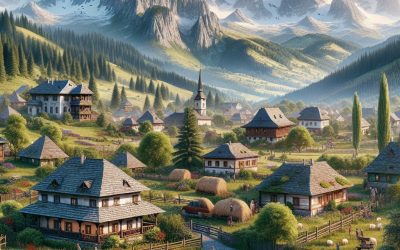
Romania
Romania (România) Capital: Bucharest Population (Estimated July 2012): 21,848,504 Area: 238,391km2 or 92,043mi2 Currency: Leu (Plural Lei) Official Language: Romanian Political Information: Presidential Republic Official Religion: No Official Religion(approximately 86.8% of the population are Eastern Orthodox, 7.5% are Protestant, 4.7% are Roman Catholic, 0.9% have other or unspecified beliefs and 0.1% have no religious beliefs). Highest Mountain: Moldoveanu at 2,544 m or 8,346ft GDP Official Exchange Rate (OER is more precise at gauging a country’s economic power) (Estimated 2011): $185.3 billion (US$) or (GBP) GDP (OER) Per Capita (per member of the population estimated 2011): (US$) or (GBP) GDP Purchasing Power Parity (PPP is good for gauging living conditions and the use of resources but is not as accurate as OER. This data has been calculated based on the sum value of all goods and services produced in the country valued at prices prevailing in the United States) (Estimated 2011): $263.9 billion (US$) or (GBP) GDP (PPP) Per Capita (per member of the population estimated 2011): $12,300 (US$) or (GBP) Time Zone (GMT/UTC): +2:00 Wildlife: Counties/Provinces/States: 41 counties (judete, singular – judet) and 1 municipality* (municipiu); Alba, Arad, Arges, Bacau, Bihor, Bistrita-Nasaud, Botosani, Braila, Brasov, Bucuresti (Bucharest)*, Buzau, Calarasi, Caras-Severin, Cluj, Constanta, Covasna, Dimbovita, Dolj, Galati, Gorj, Giurgiu, Harghita, Hunedoara, Ialomita, Iasi, Ilfov, Maramures, Mehedinti, Mures, Neamt, Olt, Prahova, Salaj, Satu Mare, Sibiu, Suceava, Teleorman, Timis, Tulcea, Vaslui, Vilcea, Vrancea Leaders: President Traian Băsescu with Prime Minister: Mihai Răzvan Ungureanu. Additional: Proclaimed independence from the Ottoman Empire on the 9th of May 1877 which was recognised by the Treaty of Berlin on the 13th of July 1878. Sources: CIA World Fact Book, Encyclopaedia Britannica. Romania...
Political Boundaries of Qatar: Provinces, Districts, or Historical Boundaries.
Qatar, a small peninsula in the Arabian Gulf, is a sovereign state situated in the Middle East. The political boundaries of Qatar delineate its territorial limits and jurisdiction, both domestically and internationally. The nation shares a land border with Saudi Arabia to the south, whilst the remainder of its territory is encompassed by the Gulf waters. Qatar’s political boundaries are crucial for the governance and administration of the country, as they determine the extent of its sovereignty and influence. Understanding these boundaries is essential for comprehending Qatar’s geopolitical position and the dynamics of its relationships with neighbouring states and the international community. The political boundaries of Qatar are defined not only by its physical geography but also by its legal and administrative divisions. These boundaries are delineated by laws, treaties and agreements that Qatar has entered into with other states and international organisations. Qatar’s political boundaries play a significant role in shaping its domestic policies, economic activities and foreign relations. As such, they are a fundamental aspect of Qatar’s identity and influence in the region and beyond. Summary Qatar’s political boundaries have evolved over time, shaping the country’s governance and administration. The provinces and districts of Qatar play a significant role in the country’s political structure and local governance. Historical boundaries of Qatar have been influenced by various factors, including colonialism and regional geopolitics. Changes in Qatar’s political boundaries over time have been driven by internal and external factors, such as territorial disputes and diplomatic negotiations. The impact of political boundaries on Qatar’s governance is evident in the distribution of resources, representation, and decision-making processes. Provinces and Districts of...