Explore the World Through Geography, Natural Resources & Daily History
Clear, reliable and engaging guides that help you understand our planet — from UK geography education to global natural resources and On This Day history events.
Explore, discover, and learn about the wonders of our world! At Earth Site, we’re passionate about bringing geography, history, and science to life for curious minds of all ages. Whether you’re delving into historical events, uncovering the mysteries of the natural world, or seeking interactive resources, you’re in the right place.
Here, you can uncover the stories behind historical events, explore the natural wonders of our planet, and gain valuable insights into how the Earth’s systems shape our daily lives. From the towering peaks of mountain ranges to the far-reaching impacts of human innovation, we aim to make every topic both engaging and informative.
Start your journey of discovery with us today, and let’s make learning an adventure!
What We Cover
Earth Site brings together engaging and accessible educational content designed to help you understand the world, its history, and its natural systems.
🌍 Geography Education (UK & Worldwide)
We publish clear, easy-to-understand geography resources for students, teachers and curious learners. Our guides support geography education in the UK and cover physical geography, climate, ecosystems, population, and global development.
⛏️ Natural Resources & Environmental Geography
Explore detailed country profiles covering natural resources, mining, energy, geology and global environmental challenges. We show how nations manage minerals, water, land and ecosystems, and why these resources matter.
📅 On This Day in History
Every day has a story. Our On This Day history series features major events, anniversaries, traditions, and cultural milestones from around the world — with timelines, context, and fun facts.
TIMELINE

Natural Resources of Myanmar: Where Natural Resources are located In Myanmar
Myanmar possesses a wealth of natural resources, including a diverse array of minerals, timber, water, agricultural products and energy sources. The nation’s geographical position and topographical features contribute to its abundance of natural resources, rendering it a significant player in the regional economy. Myanmar‘s natural resources have been both a catalyst for economic growth and a source of environmental challenges, as the country endeavours to strike a balance between resource exploitation and sustainable management practices. The natural resources of Myanmar play a vital role in the nation’s economy, providing employment opportunities and contributing substantially to the gross domestic product. However, the exploitation of these resources has also resulted in environmental degradation and social conflicts. The Myanmar government has been striving to improve the management and conservation of its natural resources to ensure sustainable development for future generations. With its rich and diverse natural resources, Myanmar has the potential to become a key player in the global market, provided it can effectively manage and conserve its resources for long-term sustainability. Summary Myanmar is rich in natural resources including minerals, timber, water, agriculture, and energy. The country has significant mineral resources such as jade, ruby, and gold, making it a key player in the global mining industry. Myanmar’s timber and forest resources are under threat due to deforestation and illegal logging, leading to environmental degradation and loss of biodiversity. The country’s water resources, including rivers and lakes, are crucial for agriculture, hydropower, and domestic use, but are facing challenges such as pollution and over-extraction. Agriculture is a major sector in Myanmar, with rice, pulses, and oilseeds being the main crops, but...

Myanmar
Myanmar (Republic of the Union of Myanmar or Burma) Capital: Rangoon (Yangon)Note: Nay Pyi Taw is the administrative capital Population (Estimated July 2012): 54,584,650 Area: 676,577km2 or 261,228mi2 Currency: Myanmar Kyat (K) Official Language: Myanmar (Burmese) Political Information: Presidential Republic Official Religion: No Official Religion(approximately 89% of the population is Buddhist, 4% is Christian, 4% is Muslim, 1% is Animist and 2% follow other faiths). Highest Mountain: Hkakabo Razi at 5,881m or 19,295ft GDP Official Exchange Rate (OER is more precise at gauging a country’s economic power) (Estimated 2011): $50.2 billion (US$) or £30,120 million (GBP) GDP (OER) Per Capita (per member of the population estimated 2011): (US$) or (GBP) GDP Purchasing Power Parity (PPP is good for gauging living conditions and the use of resources but not as accurate as OER. This data has been calculated based on the sum value of all goods and services produced in the country valued at prices prevailing in the United States) (Estimated 2011): $82.72 billion (US$) or £49,632 million (GBP) GDP (PPP) Per Capita (per member of the population estimated 2011): $1,300 (US$) or £780 (GBP) Time Zone (GMT/UTC): +6:30 Wildlife: Counties/Provinces/States: 7 regions (taing-myar, singular – taing) and 7 states (pyi ne-myar, singular – pyi ne) regions: Ayeyarwady, Bago, Magway, Mandalay, Sagaing, Tanintharyi, Yangon states: Chin, Kachin, Kayah, Kayin, Mon, Rakhine (Arakan), Shan Leaders: President Thein Sein with Vice Presidents Sai Mouk Kham. Additional: Gained independence from the U.K. on the 4th of January 1948. Sources: CIA World Fact Book, Encyclopaedia Britannica. Myanmar Myanmar, formerly known as Burma, is a Southeast Asian nation bordered by India and Bangladesh to the west, China to the north and northeast, Laos and Thailand to the east, and the Andaman Sea and...

Climate Zones of Mozambique: Different climate regions Of Mozambique
Mozambique, situated in south-eastern Africa, is a nation characterised by diverse climatic zones. The country’s climate is influenced by its proximity to the Indian Ocean, the Zambezi River, and the varied topography across the region. Mozambique can be divided into six primary climatic zones, each with its own distinct characteristics and impact on the environment, biodiversity and agriculture. These climatic zones encompass tropical, subtropical, semi-arid, coastal and mountainous climates. A thorough understanding of these climatic zones is essential for comprehending the country’s natural environment and its effect on the lives of its inhabitants. Summary Mozambique has diverse climate zones, including tropical, subtropical, semi-arid, coastal, and mountainous climates. Northern Mozambique experiences a tropical climate with high temperatures and heavy rainfall, making it suitable for tropical agriculture. Central Mozambique has a subtropical climate with distinct wet and dry seasons, ideal for growing crops like maize and cotton. Southern Mozambique has a semi-arid climate with low rainfall, posing challenges for agriculture and water availability. Eastern Mozambique has a coastal climate with high humidity and moderate temperatures, influencing the region’s biodiversity and fishing industry. Western Mozambique has a mountainous climate with cooler temperatures and unique biodiversity, impacting agriculture and wildlife conservation efforts. Tropical Climate in Northern Mozambique Climate and Vegetation The high temperatures and abundant rainfall create ideal conditions for lush vegetation and diverse wildlife. The tropical climate in northern Mozambique supports a variety of ecosystems, including rainforests, mangroves, and wetlands. These ecosystems are home to a wide range of plant and animal species, making the region a hotspot for biodiversity. Agriculture and Challenges The tropical climate in northern Mozambique also has a...

Political Boundaries of Mozambique: Provinces, Districts, or Historical Boundaries.
Mozambique, situated in south-eastern Africa, is a nation with a rich history and diverse cultural heritage. The political boundaries of Mozambique have evolved over time, shaping the country’s governance and administration. Understanding these boundaries is crucial to comprehending the nation’s political landscape and the challenges it faces. Mozambique shares its borders with several countries, including Tanzania, Malawi, Zambia, Zimbabwe, South Africa, and Eswatini. The Indian Ocean lies to the east of the country, providing Mozambique with access to maritime trade routes. The political boundaries of Mozambique have been influenced by historical, geographical, and colonial factors, which have had a lasting impact on the nation’s development and governance. Summary Mozambique’s political boundaries have evolved over time, shaping the country’s governance and administration. The country is divided into 10 provinces and 129 districts, each with its own unique characteristics and challenges. Historical boundaries have been influenced by colonialism, independence movements, and post-independence restructuring. Political boundaries have a significant impact on governance and administration, affecting resource allocation and service delivery. Challenges and controversies surrounding Mozambique’s political boundaries include ethnic tensions, resource distribution, and decentralization efforts. Overview of Mozambique’s Provinces and Districts Provincial Structure The provinces are further subdivided into districts, which are the primary administrative units responsible for local governance. Provinces of Mozambique The provinces of Mozambique are Cabo Delgado, Gaza, Inhambane, Manica, Maputo (city), Maputo (province), Nampula, Niassa, Sofala, Tete, and Zambezia. Provincial Governance Each province has its own capital city and is governed by a provincial governor appointed by the President of Mozambique. The districts within each province are responsible for implementing government policies and providing essential services to the...

Terrain and Topography of Mozambique: mountains, valleys, and plains.
Mozambique, situated in south-eastern Africa, is a nation renowned for its diverse and varied terrain and topography. The country’s landscape is characterised by mountain ranges, valleys, lowlands and coastal plains, rendering it a geographically rich and fascinating region. The terrain and topography of Mozambique have played a significant role in shaping the country’s climate, agriculture and wildlife. Understanding the different geographical features of Mozambique is crucial in appreciating the country’s natural beauty and the challenges it faces in terms of conservation and sustainable development. Mozambique’s terrain and topography are a result of its location on the eastern coast of Africa, bordered by the Indian Ocean to the east. The country’s landscape is dominated by the Great Rift Valley, which runs through the western part of the country, and the Zambezi River, which flows through the central region. These geographical features have contributed to the formation of mountain ranges, such as the Chimanimani Mountains and the Namuli Range, as well as vast lowlands and coastal plains. The diverse terrain and topography of Mozambique have made it a haven for a wide range of flora and fauna, making it a region of great ecological significance. Summary Mozambique’s terrain and topography are diverse, consisting of mountain ranges, valleys, lowlands, and coastal plains. The mountain ranges in Mozambique include the Chimanimani Mountains and the Namuli Range, offering stunning landscapes and biodiversity. The valleys and lowlands of Mozambique, such as the Zambezi Valley and the Limpopo Valley, are important for agriculture and wildlife habitats. The coastal plains of Mozambique, including the Mozambique Channel and the Rovuma Delta, are vital for fishing and marine biodiversity....

History of Mozambique
Mozambique possesses a rich and diverse history dating back to the early days of human civilisation. The region now known as Mozambique was inhabited by various Bantu-speaking tribes, such as the Makua and the Tsonga, as well as the Swahili people who were involved in trade along the East African coast. These early inhabitants engaged in agriculture, fishing and trade, and their societies were organised into chiefdoms and small kingdoms. The arrival of Arab traders and the establishment of trading posts along the coast in the 9th century brought Islam to the region and further influenced the local culture and economy. The Portuguese explorer Vasco da Gama reached the Mozambican coast in 1498, marking the beginning of European involvement in the region. The Portuguese established a series of trading posts and forts along the coast, and by the 16th century, they had gained control over the entire region. This marked the beginning of a long period of Portuguese colonial rule in Mozambique. Summary Mozambique has a rich early history, with evidence of human habitation dating back to the Stone Age. Portuguese colonization of Mozambique began in the 16th century, leading to the establishment of a colonial administration and the exploitation of natural resources. Mozambique gained independence from Portugal in 1975, but soon after, a civil war broke out, lasting for over 15 years and causing significant damage to the country. Post-independence reconstruction efforts focused on rebuilding infrastructure, promoting education, and establishing a new government system. Mozambique faces economic challenges, including high levels of poverty and unemployment, but has shown potential for development in sectors such as agriculture and natural...

Population Density of Mozambique
Mozambique, situated in south-eastern Africa, is a nation with a diverse and swiftly expanding population. With an estimated population exceeding 30 million inhabitants, Mozambique ranks among the most densely populated countries in Africa. The population density of Mozambique is approximately 37 people per square kilometre, with the majority of the populace residing in the southern and central regions of the country. The population density in Mozambique has been steadily increasing over the years, largely due to high birth rates and improved healthcare leading to longer life expectancy. This has resulted in a number of challenges and opportunities for the country, which will be explored in this article. Mozambique’s population density is influenced by a variety of factors, including geographical features, economic opportunities, and government policies. The distribution of the population is not uniform across the country, with higher population densities in urban areas and along the coast, whilst rural areas tend to have lower population densities. The impact of this population distribution is felt in various aspects of the country’s infrastructure and resources, as well as in the social and economic development of the nation. This article will delve into the factors influencing population density in Mozambique and the implications for the country’s future development. Summary Mozambique has a population density of 37 people per square kilometre, with the majority of the population living in rural areas. Factors influencing population density in Mozambique include natural resources, climate, and historical settlement patterns. Urban population distribution is increasing due to rural-urban migration, leading to challenges in providing infrastructure and resources in urban areas. High population density in Mozambique puts pressure on...

Natural Resources of Mozambique: Where Natural Resources are located In Mozambique
Mozambique, a country situated in south-eastern Africa, is renowned for its abundant and varied natural resources. The nation possesses a broad spectrum of resources, encompassing minerals, agriculture, energy, water and forests. These resources are integral to the country’s economy and provide sustenance for a substantial portion of the populace. Whilst Mozambique‘s natural resources have the capacity to propel economic growth and development, they also face challenges such as unsustainable exploitation and environmental degradation. The Mozambican government has been endeavouring to implement sustainable management and conservation practices to ensure the long-term viability of these resources and to benefit the nation’s inhabitants. The natural resources of Mozambique are a fundamental driver of the country’s economy, with the potential to contribute significantly to its development. The nation’s mineral resources, including coal, natural gas and precious metals, have attracted considerable investment from both domestic and international enterprises. Moreover, Mozambique’s agricultural sector is a major contributor to the country’s economy, with a diverse range of crops including cashew nuts, sugarcane and cotton. The country also possesses plentiful energy resources, including hydropower and natural gas, which have the potential to meet both domestic and regional energy demands. Furthermore, Mozambique’s water resources, including its extensive coastline and numerous rivers, provide opportunities for fisheries and aquaculture. The country’s forest resources are also substantial, with vast areas of woodland and tropical forests that support biodiversity and provide valuable timber and non-timber forest products. However, the sustainable management and conservation of these resources are essential to ensure their long-term viability and to prevent environmental degradation. Summary Mozambique is rich in natural resources, including minerals, agriculture, energy, water, and forests....

Cultural or Historical Sites of Mozambique: Important Cultural Landmarks or Historical Sites In Mozambique
Mozambique, situated on the south-eastern coast of Africa, is a nation abundant in cultural and historical heritage. From ancient ruins to colonial fortresses, and from UNESCO World Heritage Sites to modern engineering feats, Mozambique presents a diverse array of attractions for history enthusiasts and cultural explorers. The country’s history is a tapestry interwoven with threads of ancient civilisations, colonial influences and modern developments, rendering it a captivating destination for those keen to delve into the past and experience the present. This article shall explore some of Mozambique’s most significant cultural and historical sites, elucidating their importance and the narratives they convey about the country’s rich heritage. Summary Mozambique is home to a rich cultural and historical heritage, with a variety of sites that showcase its diverse past. The Island of Mozambique is a UNESCO World Heritage Site, known for its well-preserved colonial architecture and historical significance. The Great Zimbabwe Ruins stand as a testament to Mozambique’s ancient history, with impressive stone structures that date back to the 11th century. The National Museum of Mozambique plays a crucial role in preserving the country’s cultural heritage, housing a collection of artefacts and exhibits that tell the story of its people. The Fort of São Sebastião is a symbol of Mozambique’s colonial history, offering a glimpse into the country’s past under Portuguese rule. The Island of Mozambique: A UNESCO World Heritage Site A Rich Cultural Heritage This small island was once the capital of Portuguese East Africa and served as an important trading post in the Indian Ocean trade network. The island’s architecture reflects its diverse cultural influences, with Arab, Indian, and...
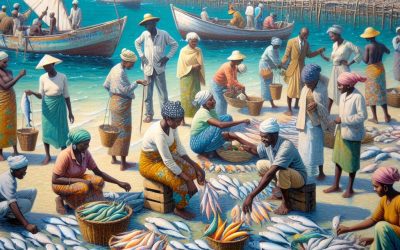
Mozambique
Mozambique (República de Moçambique (Republic of Mozambique)) Capital: Maputo Population (Estimated July 2012): 23,515,934 Area: 799,380km2 or 308,642mi2 Currency: Metical (Mtn; Plural Meticais) Official Language: Portuguese Political Information: Presidential Republic Official Religion: No Official Religion(approximately 28.4% of the population are Catholic, 27.7% are Protestant, 18.7% have no religious beliefs, 17.9% are Muslim and 7.2% follow other faiths) Highest Mountain: Monte Binga at 2,436m or 7,992ft GDP Official Exchange Rate (OER is more precise at gauging a countries economic power) (Estimated 2011): $12.1 billion (US$) or (GBP) GDP (OER) Per Capita (per member of the population estimated 2011): (US$) or (GBP) GDP Purchasing Power Parity (PPP is good for gauging living conditions and use of resources but not as accurate as OER. This data has been calculated based on the sum value of all goods and services produced in the country valued at prices prevailing in the United States) (Estimated 2011): $23.87 billion (US$) or (GBP) GDP (PPP) Per Capita (per member of the population estimated 2011): $1,100 (US$) or (GBP) Time Zone (GMT/UTC): +2:00 Wildlife: Counties/Provinces/States: 10 provinces (provincias, singular – provincia), 1 city (cidade)*; Cabo Delgado, Gaza, Inhambane, Manica, Maputo, Cidade de Maputo*, Nampula, Niassa, Sofala, Tete, Zambezia Leaders: President Armando Guebuza with Prime Minister Aires Bonifacio Ali. Additional: Gained independence from Portugal on the 25th of June 1990. Sources: CIA World Fact Book, Encyclopaedia Britannica. Mozambique Mozambique, situated in south-eastern Africa, is a nation renowned for its picturesque coastline along the Indian Ocean, diverse fauna, and rich cultural heritage. The capital city, Maputo, is a thriving metropolis featuring a blend of colonial and contemporary architecture, bustling markets, and a dynamic arts scene. The country achieved independence from Portugal in 1975...

Austria-Hungary: The Austro-Hungarian Empire and Austrian Empire
Austria-Hungary: The Austro-Hungarian Empire and Austrian Empire The Austro-Hungarian Empire, also known as the Dual Monarchy, was a significant state in Central Europe from 1867 to 1918. It was established through an agreement between the Austrian Empire and the Kingdom of Hungary, resulting in a dual monarchy with a shared monarch and common institutions. The empire was a multi-ethnic and multi-cultural entity, comprising a diverse array of peoples and territories, including Austrians, Hungarians, Czechs, Slovaks, Poles, Ukrainians, Romanians, Croats, Serbs, and others. The empire was a key player in European politics and had a considerable influence on the region’s history, culture, and economy. Its dissolution following the First World War marked the end of an era and had extensive consequences for the future of Europe. The Austro-Hungarian Empire was a complex political entity that played a crucial role in shaping the history of Central Europe. Its unique dual monarchy system, which united two distinct kingdoms under a single ruler, was an innovative attempt to manage the diverse ethnic and cultural groups within its borders. The empire’s capital, Vienna, was a thriving cultural and intellectual centre, attracting artists, writers, musicians, and thinkers from across Europe. The empire’s demise after the First World War had a profound impact on the region, leading to the redrawing of national borders and the emergence of new nation-states. The legacy of the Austro-Hungarian Empire continues to influence the modern-day countries that emerged from its dissolution, shaping their politics, culture, and identity. Summary The Austro-Hungarian Empire was a multi-ethnic dual monarchy in Central Europe, consisting of Austria and Hungary. The empire was formed in 1867...

Political Boundaries of Morocco: Provinces, Districts, or Historical Boundaries.
Morocco, situated in North Africa, boasts a rich history and diverse cultural heritage. The political boundaries of Morocco have evolved throughout the centuries, influenced by historical events, colonial rule, and internal administrative reforms. The nation is bounded by the Atlantic Ocean to the west and the Mediterranean Sea to the north, whilst sharing land borders with Algeria to the east and southeast, and Western Sahara to the south. Morocco’s political boundaries are not solely defined by its international borders but also by its internal administrative divisions, comprising regions, provinces, and prefectures. A thorough understanding of Morocco’s political boundaries is crucial for comprehending the country’s governance structure, historical legacy, and present-day challenges. The Kingdom’s territorial claims, particularly regarding Western Sahara, remain a subject of international debate and have significant implications for regional geopolitics. Summary Morocco’s political boundaries have evolved over time, influenced by historical, administrative, and local governance factors. The administrative divisions of Morocco are organized into provinces, each with its own local governance structure. The historical boundaries of Morocco have left a lasting influence and legacy on the country’s political landscape. The evolution of Morocco’s political boundaries reflects the country’s changing geopolitical and administrative needs. Challenges and controversies surrounding Morocco’s political boundaries highlight the significance and complexity of the country’s territorial integrity. Provinces of Morocco: Administrative Divisions Decentralising Governance The administrative divisions of Morocco play a crucial role in decentralising governance and ensuring effective public administration across the country. The provinces vary in size, population, and economic activity, reflecting the diverse geographical and social landscape of Morocco. From the bustling urban centres of Casablanca and Rabat to the rural...