Explore the World Through Geography, Natural Resources & Daily History
Clear, reliable and engaging guides that help you understand our planet — from UK geography education to global natural resources and On This Day history events.
Explore, discover, and learn about the wonders of our world! At Earth Site, we’re passionate about bringing geography, history, and science to life for curious minds of all ages. Whether you’re delving into historical events, uncovering the mysteries of the natural world, or seeking interactive resources, you’re in the right place.
Here, you can uncover the stories behind historical events, explore the natural wonders of our planet, and gain valuable insights into how the Earth’s systems shape our daily lives. From the towering peaks of mountain ranges to the far-reaching impacts of human innovation, we aim to make every topic both engaging and informative.
Start your journey of discovery with us today, and let’s make learning an adventure!
What We Cover
Earth Site brings together engaging and accessible educational content designed to help you understand the world, its history, and its natural systems.
🌍 Geography Education (UK & Worldwide)
We publish clear, easy-to-understand geography resources for students, teachers and curious learners. Our guides support geography education in the UK and cover physical geography, climate, ecosystems, population, and global development.
⛏️ Natural Resources & Environmental Geography
Explore detailed country profiles covering natural resources, mining, energy, geology and global environmental challenges. We show how nations manage minerals, water, land and ecosystems, and why these resources matter.
📅 On This Day in History
Every day has a story. Our On This Day history series features major events, anniversaries, traditions, and cultural milestones from around the world — with timelines, context, and fun facts.
TIMELINE
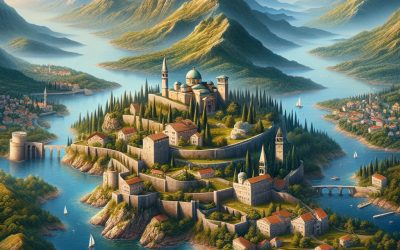
Montenegro
Montenegro (Crna Gora (Montenegro)) Capital: Podgorica Population (Estimated July 2011): 657,394 Area: 13,812km2 or 5,333mi2 Currency: euro (€) Official Language: Montenegrin Political Information: Multiparty Republic Official Religion: No Official Religion (approximately 74.2% of the population are Orthodox, 17.7% are Muslim, 3.5% are Catholic, 1% have no religious beliefs and 3.6% have other religious beliefs) Highest Mountain: Bobotov Kuk at 2,522m or 8,274ft GDP Official Exchange Rate (OER is more precise at gauging a country’s economic power) (Estimated 2011): $4.2 billion (US$) or (GBP) GDP (OER) Per Capita (per member of the population estimated 2011): (US$) or (GBP) GDP Purchasing Power Parity (PPP is good for gauging living conditions and the use of resources but is not as accurate as OER. This data has been calculated based on the sum value of all goods and services produced in the country valued at prices prevailing in the United States) (Estimated 2011): $6.957 billion (US$) or (GBP) GDP (PPP) Per Capita (per member of the population estimated 2011): $11,200 (US$) or (GBP) Time Zone (GMT/UTC): +1:00 Wildlife: Counties/Provinces/States: 21 municipalities (opstine, singular – opstina); Andrijevica, Bar, Berane, Bijelo Polje, Budva, Cetinje, Danilovgrad, Herceg Novi, Kolasin, Kotor, Mojkovac, Niksic, Plav, Pljevlja, Pluzine, Podgorica, Rozaje, Savnik, Tivat, Ulcinj, Zabljak Leaders: President Filip Vujanovic with Prime Minister Igor Luksic. Additional: Originally part of the Socialist Federal Republic of Yugoslavia (SFRY) until its dissolution in 1992 when Serbia and Montenegro united as the Federal Republic of Yugoslavia (FRY). In 2003 they became officially known as the State Union of Serbia and Montenegro until the 5th of June 2006 when they split to become two separate republics as they are...

Political Boundaries of Monaco: Provinces, Districts, or Historical Boundaries.
Monaco, a sovereign city-state situated on the French Riviera in Western Europe, is renowned for its opulent casinos, luxurious yachts and esteemed Grand Prix motor race. Despite its diminutive size, Monaco boasts a rich political history and a distinctive set of political boundaries. The city-state is bordered by France on three sides, with the Mediterranean Sea to the south. Monaco’s political boundaries are delineated by its territorial limits, which encompass an area of just 2.02 square kilometres. The principality is divided into several administrative wards, including quartiers and districts, each with its own distinct political boundaries. Monaco’s political boundaries play a crucial role in shaping the governance and administration of the city-state, as well as its relationship with neighbouring countries. Summary Monaco is a sovereign city-state located on the French Riviera, with a unique political boundary as a microstate. The country is divided into four traditional quarters, which are further divided into ten wards, each with its own administrative council. Monaco’s historical boundaries have evolved over time, with significant changes in the 19th and 20th centuries. The political boundaries of Monaco have been influenced by treaties and agreements with neighbouring countries, particularly France. The impact of political boundaries on Monaco’s governance is significant, as it affects the country’s autonomy and relationship with neighbouring nations. Monaco has a close relationship with France, with which it shares an open border and customs union, and the country’s future developments in political boundaries will likely continue to be influenced by this relationship. Provinces and Districts of Monaco The Quarters of Monaco Monaco-Ville, also known as “The Rock,” is the oldest part of the...

Climate Zones Of Monaco: Different Climate Regions Of Monaco
Monaco, a diminutive sovereign city-state situated on the French Riviera in Western Europe, is renowned for its opulent lifestyle, picturesque coastline and temperate climate. The weather patterns in Monaco are influenced by its geographical position, which encompasses a combination of coastal, Mediterranean and alpine climates. These varied climate zones contribute to the distinctive meteorological conditions experienced in Monaco, rendering it a compelling area for climate and weather studies. Comprehending the diverse climate zones in Monaco is crucial for residents, visitors and researchers alike, as it offers valuable insights into the myriad environmental factors that shape the region’s weather and overall climate. Summary Monaco has a diverse range of climate zones, influenced by its unique geography and location on the Mediterranean coast. The Mediterranean climate of Monaco is characterized by hot, dry summers and mild, wet winters, making it a popular tourist destination. The Alpine climate in the higher elevations of Monaco brings cooler temperatures and more precipitation, creating a contrast to the coastal areas. The coastal climate of Monaco experiences milder temperatures and less extreme weather due to its proximity to the Mediterranean Sea. The urban heat island effect in Monaco is a result of the city’s dense urban development, leading to higher temperatures compared to surrounding rural areas. The Influence of Geography on Monaco’s Climate Climate Zones in Monaco The combination of these geographical factors results in a diverse range of climate zones within Monaco, each with its own unique characteristics and weather patterns. The influence of geography on Monaco’s climate is evident in the variation of temperatures, precipitation levels, and wind patterns across different parts of the...

Terrain and Topography of Monaco: mountains, valleys, and plains.
Monaco, a diminutive sovereign city-state situated on the French Riviera in Western Europe, is renowned for its striking natural beauty and varied terrain. The topography of Monaco is characterised by its mountainous landscape, profound valleys and gorges, as well as its coastal plains. The terrain of Monaco has played a crucial role in shaping the development and infrastructure of the city-state, whilst also providing a unique environment for outdoor pursuits and conservation endeavours. This article shall examine the various aspects of Monaco’s terrain and topography, and the influence it has exerted on the region’s development and natural landscape. Summary Monaco’s terrain is characterized by a diverse landscape of mountains, valleys, gorges, plains, and coastal areas. The mountainous landscape of Monaco offers stunning panoramic views and is home to unique flora and fauna. The valleys and gorges of Monaco provide opportunities for exploration and are important for the natural water flow of the region. The plains and coastal areas of Monaco are vital for agriculture, urban development, and tourism. The terrain of Monaco has influenced the development of infrastructure and the conservation efforts to preserve its natural landscape. The Mountainous Landscape of Monaco The Natural Setting The mountainous landscape of Monaco not only provides a stunning natural setting, but also offers opportunities for outdoor activities such as hiking, rock climbing, and mountain biking. The rugged terrain has also presented challenges for urban development, as the city-state has had to carefully plan and construct its infrastructure to accommodate the steep slopes and rocky terrain. A Shaping Force in History and Culture The mountainous landscape of Monaco has also played a significant...

History of Monaco
Monaco’s history extends to ancient times, with archaeological evidence indicating human settlement dating to the Palaeolithic era. The region’s strategic Mediterranean coastal location made it attractive to early settlers, and various tribes and civilisations inhabited the area over centuries. The arrival of the Romans, however, had a lasting impact on Monaco‘s history. The Romans established a presence in the region in the 6th century BC, and Monaco became a significant outpost for the Roman Empire. They constructed a fortress on the Rock of Monaco, providing a strategic vantage point for coastal monitoring and defence. Roman influence remains visible in Monaco today, with remnants of Roman architecture and infrastructure scattered throughout the principality. The Roman influence on Monaco extended beyond military and strategic considerations. They introduced new agricultural techniques and crops to the region, stimulating economic growth and development. The Roman presence also brought about cultural and social changes, as Monaco became a melting pot of diverse influences and traditions. The legacy of the Roman era persists in Monaco’s language, customs, and traditions, forming an integral part of the principality’s identity. The Roman influence on Monaco was profound and far-reaching, shaping the region’s development and laying the groundwork for its future as a significant player in European history. Summary Early settlement in Monaco dates back to the ancient Romans, who left a lasting influence on the region’s culture and architecture. The House of Grimaldi played a pivotal role in the founding and establishment of Monaco as an independent principality. Monaco’s strategic location made it a key player in European politics and warfare throughout history. The Treaty of Perpetual Peace solidified...

Natural Resources of Monaco: Where Natural Resources are Located in Monaco
Monaco, a diminutive sovereign city-state situated on the French Riviera in Western Europe, is renowned for its opulent lifestyle, upmarket casinos and prestigious yacht-filled harbour. Despite its modest size, Monaco possesses a variety of natural resources that contribute to its distinctive environment and economy. From its water resources to its terrestrial and marine assets, Monaco’s natural endowments play a crucial role in shaping the principality’s identity and sustainability. This article shall examine the diverse natural resources of Monaco and the endeavours undertaken towards their sustainable management. Summary Monaco is a small country with limited natural resources, making sustainable management crucial. The country relies heavily on imported water due to its lack of freshwater sources. Land resources in Monaco are scarce, leading to careful urban planning and land use management. Monaco is committed to renewable energy sources and has invested in solar and wind power. The country’s marine resources are important for its economy, with a focus on sustainable fishing practices. Monaco’s Water Resources Advanced Desalination Technology The Principality has invested in advanced desalination technology to ensure a reliable source of clean drinking water for its residents and visitors. Furthermore, Monaco has implemented strict regulations to protect its water quality and marine ecosystems, including the establishment of marine protected areas and the monitoring of pollution levels. These measures are essential for preserving the integrity of Monaco’s water resources and ensuring their sustainable use for future generations. Water Conservation and Efficiency Monaco’s commitment to sustainable water management is evident in its efforts to promote water conservation and efficiency. The country has implemented water-saving initiatives such as the use of recycled water...

Cultural or Historical Sites of Monaco: Important Cultural Landmarks or Historical Sites in Monaco
The Prince’s Palace of Monaco, also known as the Palais Princier, is a historic residence situated in the centre of Monaco. This grand palace has served as the official residence of the Prince of Monaco since the 13th century and boasts a rich history dating back to mediaeval times. The palace exemplifies Renaissance architecture and stands as a symbol of the principality’s heritage and royal lineage. The Prince’s Palace serves not only as a residence but also as an emblem of the principality’s sovereignty and independence. The palace is accessible to the public, allowing visitors to explore its luxurious state rooms, expansive courtyards, and well-maintained gardens. The changing of the guard ceremony, which occurs daily at 11:55, is a popular attraction for tourists and provides insight into the principality’s royal traditions. The palace also houses a significant collection of historical artefacts, including paintings, tapestries, and period furniture, offering visitors a glimpse into Monaco’s royal history and cultural heritage. Summary The Prince’s Palace of Monaco is a historic residence with stunning architecture and a rich royal history. The Oceanographic Museum is a hub of marine science and history, showcasing a diverse collection of marine life and artifacts. The Monte Carlo Casino is a symbol of luxury and glamour, attracting visitors from around the world with its opulent decor and high-stakes gambling. The Monaco Cathedral is a religious and architectural marvel, featuring beautiful Roman-Byzantine design and the final resting place of Princess Grace. The Jardin Exotique de Monaco is a botanical gem, home to a diverse collection of exotic plants and stunning panoramic views of the Mediterranean. The Monaco Top Cars...

Population Density of Monaco
Monaco, a diminutive sovereign city-state situated on the French Riviera in Western Europe, is renowned for its exceptionally high population density. Encompassing a mere 2.02 square kilometres, Monaco ranks as the world’s second smallest country, surpassed only by Vatican City. Despite its limited geographical expanse, Monaco boasts a population exceeding 38,000 inhabitants, rendering it one of the most densely populated nations globally. The population density of Monaco is estimated at approximately 18,713 persons per square kilometre, a figure markedly higher than that of most other countries. This pronounced population density presents both opportunities and challenges for Monaco’s residents and government. The elevated population density in Monaco stems from various factors, including its prime location, economic prospects, and distinctive tax regime. The principality’s strategic position on the Mediterranean coast, coupled with its agreeable climate and reputation as a haven for the affluent, has rendered it an attractive destination for tourists and expatriates alike. Furthermore, Monaco’s status as a tax haven, notably its absence of income tax, has drawn wealthy individuals and businesses from across the globe. These elements have contributed significantly to the rapid expansion of Monaco’s population and the resultant high population density. Summary Monaco has the highest population density in the world, with over 25,000 people per square kilometre. Factors contributing to Monaco’s high population density include limited land area, high standard of living, and attractive tax policies. Challenges of high population density in Monaco include traffic congestion, limited housing space, and pressure on public services. Urban planning and infrastructure in Monaco focus on vertical expansion, efficient public transport, and sustainable development. Compared to other countries, Monaco’s population...
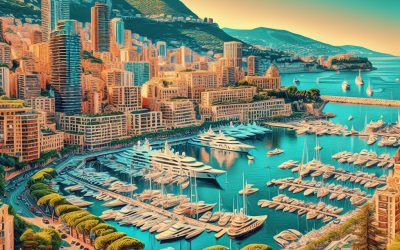
Monaco
Monaco (Principauté de Monaco (Principality of Monaco)) Capital: Monaco Population (Estimated July 2012): 30,510 Area: 2.02km2 or 0.78mi2 Currency: Euro (€) Official Language: French Political Information: Principality with Constitutional Monarchy Official Religion: Roman Catholicism (with approximately 90% of the population Roman Catholic and 10% following other faiths) Highest Mountain: No mountain peak but part of Monaco is situated on the side of Mont Angel. GDP Official Exchange Rate (OER is more precise at gauging a country’s economic power) (Estimated 2010): $5.47 billion (US$) or (GBP) GDP (OER) Per Capita (per member of the population estimated 2009): $63,400 (US$) or (GBP) GDP Purchasing Power Parity (PPP is good for gauging living conditions and the use of resources but is not as accurate as OER. This data has been calculated based on the sum value of all goods and services produced in the country valued at prices prevailing in the United States) (Estimated 2010): $5.47 billion (US$) or (GBP) Time Zone (GMT/UTC): +1:00 Wildlife: Counties/Provinces/States: 4 quarters (quartiers, singular – quartier); Fontvieille, La Condamine, Monaco-Ville, Monte-Carlo Leaders: Prince Albert II with Minister of State Michel Roger (assisted by the Council of Government) Sources: CIA World Fact Book, Encyclopaedia Britannica. Monaco Monaco, officially known as the Principality of Monaco, is a sovereign city-state and microstate situated on the French Riviera in Western Europe. It is bordered by France on three sides, with the Mediterranean Sea forming its fourth boundary. With an area of just over 2 square kilometres, Monaco is the second smallest country in the world, after Vatican City. Despite its diminutive size, Monaco is renowned for its opulence, luxury, and glamour, rendering it a popular destination for the wealthy and famous. The official...

Political Boundaries of Moldova: Provinces, Districts, or Historical Boundaries.
Moldova, a small landlocked country in Eastern Europe, shares borders with Romania to the west and Ukraine to the north, east and south. The political boundaries of Moldova are delineated by its administrative divisions, which comprise regions and districts. These boundaries are fundamental to the country’s governance and administration, determining resource allocation, representation and decision-making processes. A thorough understanding of Moldova’s political boundaries is crucial for comprehending the nation’s historical, cultural and political dynamics. The political boundaries of Moldova have undergone changes over time, influenced by historical, geographical and geopolitical factors. The regions and districts of Moldova are essential components of the country’s governance structure, providing a framework for local administration and representation. As Moldova continues to develop as an independent nation, its political boundaries play a significant role in shaping the country’s future direction. Summary Moldova’s political boundaries are defined by its borders with Ukraine and Romania, as well as the breakaway region of Transnistria. Moldova is divided into 32 districts, each with its own administrative centre and local government. The historical boundaries of Moldova have fluctuated over time, with periods of expansion and contraction. A comparison of provinces, districts, and historical boundaries reveals the complex and dynamic nature of Moldova’s political landscape. The impact of political boundaries on Moldova’s governance is significant, influencing issues such as regional development and decentralisation. The future of Moldova’s political boundaries is uncertain, with ongoing debates about potential changes to the country’s administrative divisions. Provinces of Moldova Administrative Structure The remainder of Moldova is divided into nine counties, each with its own administrative centre and local government. Role of Provinces in Governance...

Climate Zones Of Moldova: Different climate regions Of Moldova
Moldova, a small landlocked country in Eastern Europe, is characterised by diverse climate zones. Situated between the 45th and 48th parallels north, the country lies within the temperate climate zone. Moldova‘s climate is influenced by its proximity to the Black Sea, the Carpathian Mountains, and the continental landmass of Eastern Europe. Consequently, the country experiences a range of climatic conditions, from continental to subtropical. These varied climate zones significantly impact the nation’s agriculture, natural resources, and overall way of life. Moldova can be divided into five primary climate zones: the continental climate of central Moldova, the moderately continental climate of southern Moldova, the subtropical climate of the Black Sea coast, the alpine climate of the Carpathian Mountains, and the transitional climate zone between the Carpathian Mountains and the rest of the country. Each of these climate zones possesses distinct characteristics and influences on the local environment. A thorough understanding of these climate zones is essential for comprehending the country’s agricultural practices, natural resources, and environmental challenges. Summary Moldova has a diverse range of climate zones, including continental, moderately continental, subtropical, and alpine. Central Moldova experiences a continental climate with hot summers and cold winters, making it suitable for growing wheat and sunflower crops. Southern Moldova has a moderately continental climate with milder winters and warmer summers, ideal for vineyards and fruit orchards. The Black Sea coast of Moldova has a subtropical climate, with mild winters and hot summers, creating a favourable environment for tourism and agriculture. The Carpathian Mountains in Moldova have an alpine climate, with cold temperatures and heavy snowfall, impacting the region’s natural resources and wildlife. The...

Terrain and Topography of Moldova: mountains, valleys, and plains.
Moldova, a small landlocked country in Eastern Europe, is renowned for its diverse and varied terrain. The nation’s topography is characterised by a mixture of mountains, valleys, hills and plains, rendering it a unique and intriguing destination for nature enthusiasts. Moldova‘s terrain has been shaped by geological processes over millions of years, resulting in a landscape that is both picturesque and diverse. From the rugged Carpathian Mountains in the north to the flat Bugeac Plain in the south, Moldova’s terrain offers a wide range of natural features that merit exploration. Moldova’s terrain is not only visually striking but also plays a crucial role in shaping the country’s climate, flora and fauna. The diverse topography of the nation has created a variety of ecosystems, each with its own unique characteristics and biodiversity. From dense forests to fertile river valleys, Moldova’s terrain provides a habitat for a wide range of plant and animal species. Understanding the country’s topography is essential for appreciating its natural beauty and comprehending the challenges and opportunities it presents for the people who call it home. Summary Moldova’s terrain is diverse, with mountains, river valleys, hills, and plains. The Carpathian Mountains form Moldova’s northern border, providing a rugged and picturesque landscape. The Nistru River Valley cuts through the central lowland of Moldova, offering fertile land for agriculture. The Prut River Valley in the southern lowland is another important agricultural region in Moldova. The Codri Hills in the western part of Moldova offer a scenic and hilly landscape, rich in biodiversity. The Bugeac Plain in the southernmost region of Moldova is characterized by flat and open terrain, suitable...