Explore the World Through Geography, Natural Resources & Daily History
Clear, reliable and engaging guides that help you understand our planet — from UK geography education to global natural resources and On This Day history events.
Explore, discover, and learn about the wonders of our world! At Earth Site, we’re passionate about bringing geography, history, and science to life for curious minds of all ages. Whether you’re delving into historical events, uncovering the mysteries of the natural world, or seeking interactive resources, you’re in the right place.
Here, you can uncover the stories behind historical events, explore the natural wonders of our planet, and gain valuable insights into how the Earth’s systems shape our daily lives. From the towering peaks of mountain ranges to the far-reaching impacts of human innovation, we aim to make every topic both engaging and informative.
Start your journey of discovery with us today, and let’s make learning an adventure!
What We Cover
Earth Site brings together engaging and accessible educational content designed to help you understand the world, its history, and its natural systems.
🌍 Geography Education (UK & Worldwide)
We publish clear, easy-to-understand geography resources for students, teachers and curious learners. Our guides support geography education in the UK and cover physical geography, climate, ecosystems, population, and global development.
⛏️ Natural Resources & Environmental Geography
Explore detailed country profiles covering natural resources, mining, energy, geology and global environmental challenges. We show how nations manage minerals, water, land and ecosystems, and why these resources matter.
📅 On This Day in History
Every day has a story. Our On This Day history series features major events, anniversaries, traditions, and cultural milestones from around the world — with timelines, context, and fun facts.
TIMELINE

Cultural or Historical Sites of Dominica: Important Cultural Landmarks or Historical Sites in Dominica
Dominica, known as the “Nature Island of the Caribbean,” is not only blessed with stunning natural beauty but also a rich cultural heritage. This small island nation is home to a diverse population with a vibrant history that dates back centuries. Exploring Dominica’s historical sites is not only a way to learn about its past but also a means of preserving its cultural heritage for future generations. Summary Dominica is home to a rich cultural heritage, with numerous historical sites to explore. Visitors can trace the island’s history from pre-colonial times to the present day through its many sites. Indigenous sites offer a glimpse into the lives of Dominica’s ancestors and their way of life. Colonial legacy is also evident on the island, with must-visit sites from this period of history. Dominica’s religious heritage is also worth exploring, with churches, cathedrals, and temples to visit. Discovering Dominica’s Rich Cultural Heritage: A Guide to the Island’s Top Historical Sites Dominica is dotted with numerous historical sites that offer a glimpse into its fascinating past. From ancient indigenous settlements to colonial forts and churches, each site tells a unique story. These sites are not only important for understanding Dominica’s history but also for preserving its cultural heritage. One of the top historical sites on the island is Fort Shirley in Cabrits National Park. This 18th-century British fort played a significant role in the island’s colonial history and offers panoramic views of the surrounding area. Another must-visit site is the Kalinago Barana Autê, an indigenous village that showcases the traditional way of life of the Kalinago people, Dominica’s indigenous population. A Journey...

Climate Zones Of Djibouti: Different climate regions Of Djibouti
Djibouti, located in the Horn of Africa, is a small country with a diverse range of climate zones. Its geography is characterized by rugged mountains, arid deserts, and a coastline along the Red Sea. Understanding Djibouti’s climate zones is crucial for various reasons, including agriculture, tourism, and conservation efforts. Each climate zone has its own unique characteristics, which influence the vegetation, wildlife, and human settlements found in the region. Summary Djibouti has five main climate zones: equatorial, semi-arid, arid, coastal, and mountainous. The equatorial region experiences high temperatures and rainfall throughout the year. The semi-arid region has a dry season and a short rainy season, with temperatures ranging from hot to cool. The arid region is extremely dry and hot, with little to no rainfall. The coastal region has a hot and humid climate, with occasional rainfall and strong winds. The Equatorial Climate Region of Djibouti The equatorial climate region in Djibouti is characterized by high temperatures and heavy rainfall throughout the year. The average temperature in this region ranges from 25 to 35 degrees Celsius (77 to 95 degrees Fahrenheit). The rainfall is abundant, with an average of 500 to 1000 millimeters (20 to 40 inches) per year. The equatorial climate zone is home to lush vegetation, including tropical rainforests and savannahs. The forests are filled with a variety of trees such as acacia, baobab, and ebony. These forests provide habitat for a diverse range of wildlife, including elephants, giraffes, lions, and various species of birds. The Semi-Arid Climate Region of Djibouti The semi-arid climate region in Djibouti experiences hot temperatures and low rainfall. The average temperature in...

Political Boundaries of Djibouti: Provinces, Districts, or Historical Boundaries.
Political boundaries are defined as the lines that separate one political entity from another. These boundaries are crucial in governance as they determine the jurisdiction and authority of a particular government over a specific territory. In Djibouti, political boundaries play a significant role in the administration and management of the country. The importance of political boundaries in governance cannot be overstated. They provide a framework for the distribution of power, resources, and responsibilities among different regions or provinces within a country. Political boundaries also help in maintaining law and order, as they define the areas where a particular government has the authority to enforce its laws and regulations. Summary Djibouti is a small country located in the Horn of Africa with a complex political boundary system. The country is divided into six provinces, each with its own governor and administrative structure. Djibouti’s district boundaries have evolved over time, with some districts being merged or split to accommodate changing political and economic needs. The historical boundaries of Djibouti have played a significant role in shaping the country’s identity and political landscape. Political boundaries in Djibouti have a direct impact on the country’s governance, economy, and relationships with neighbouring countries. Overview of Djibouti’s Provinces Djibouti is divided into six provinces, each with its own distinct characteristics and demographics. These provinces are: 1. Djibouti City: This province is the capital and largest city of Djibouti. It is located on the Gulf of Tadjoura and serves as the economic, political, and cultural center of the country. Djibouti City is home to the majority of the population and is known for its bustling port...

History of Djibouti
Djibouti, located in the Horn of Africa, has a rich and diverse history that has shaped its significance in the region. The country has been inhabited for thousands of years, with early settlements dating back to ancient times. Over the centuries, Djibouti has been influenced by various cultures and civilizations, including the arrival of Islam in the 7th century and European colonial powers in the 19th century. Today, Djibouti plays a crucial role in regional security and stability, as well as being a key player in international trade and commerce. Summary Djibouti has a long history of early settlements and the arrival of Islam, which has shaped its culture and society. Colonialism and European influence played a significant role in Djibouti’s history, with the French establishing it as a colony. Djibouti played a crucial role in World War II and the Cold War, serving as a strategic location for military operations. Independence and the formation of the Republic of Djibouti marked a new era for the country, but it faced challenges such as the Ogaden War and political instability. Djibouti’s strategic importance in the Horn of Africa has made it a key player in regional politics and economic development, but it still faces contemporary challenges such as poverty and unemployment. Early Settlements and the Arrival of Islam in Djibouti The first inhabitants of Djibouti were likely nomadic tribes who settled in the region thousands of years ago. These early settlements were primarily focused on agriculture and animal husbandry, with communities living in small villages and practicing subsistence farming. The region’s strategic location along the Red Sea and the Gulf...
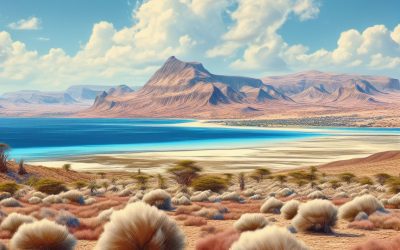
Djibouti
Djibouti (Jumhūrīyah Jībūtī (Arabic); République de Djibouti (French) (Republic of Djibouti)) Capital: Djibouti Population (Estimated July 2012): 774,389 Area: 23,200 km2 or 8,950 mi2 Currency: Djibouti Franc (FDJ) Official Language: Arabic and French Political Information: Semi-Presidential Republic Official Religion: Islam(approximately 94% of the population are Muslim and 6% are Christian) Highest Mountain: Moussa Ali at 2,028m or 6,654ft GDP Official Exchange Rate (OER is more precise at gauging a countries economic power) (Estimated 2011): $1.3 billion (US$) or (GBP) GDP (OER) Per Capita (per member of the population estimated 2011): (US$) or (GBP) GDP Purchasing Power Parity (PPP is good for gauging living conditions and use of resources but not as accurate as OER. This data has been calculated based on the sum value of all goods and services produced in the country valued at prices prevailing in the United States) (Estimated 2011): $2.244 billion (US$) or (GBP) GDP (PPP) Per Capita (per member of the population estimated 2011): $2,600 (US$) or (GBP) Time Zone (GMT/UTC): +3:00 Wildlife: Counties/Provinces/States: 6 districts (cercles, singular – cercle); Ali Sabieh, Arta, Dikhil, Djibouti, Obock, Tadjourah Leaders: President Ismail Omar Guelleh with Dileita Mohamed Dileita as Prime Minister. Additional: Gained Independence from France on the 27th of June 1977. Sources: CIA World Fact Book, Encyclopaedia Britannica. Djibouti Djibouti, officially known as the Republic of Djibouti, is a small country located in the Horn of Africa. It is bordered by Eritrea to the north, Ethiopia to the west and southwest, and Somalia to the southeast. With a land area of approximately 23,200 square kilometres and a population of around one million people, Djibouti is one of the smallest countries in Africa. Despite...

Population Density of Djibouti
Djibouti, located in the Horn of Africa, is a small country with a population density that is among the highest in the world. With an area of just 23,200 square kilometers (8,958 square miles), Djibouti is home to approximately 1 million people, resulting in a population density of over 43 people per square kilometer (112 people per square mile). Understanding the factors that contribute to this high population density is crucial for effective planning and development in Djibouti. Summary Djibouti is a small country with a high population density. Population density is the number of people per unit of land area and can be calculated by dividing the total population by the land area. Djibouti’s small land area is a key factor in its high population density. Djibouti’s population density has shifted from nomadic to urban over time. Population density in Djibouti presents both opportunities and challenges for economic development. Understanding Population Density: Definition and Calculation Population density refers to the number of people living in a specific area, usually measured in terms of persons per square kilometer or square mile. It is calculated by dividing the total population of an area by its land area. In the case of Djibouti, the population density is calculated by dividing the country’s population of 1 million by its land area of 23,200 square kilometers. When comparing Djibouti’s population density with other countries, it becomes evident that it is significantly higher than the global average. For example, the global average population density is around 57 people per square kilometer (148 people per square mile), while Djibouti’s population density is over 43 people...

Terrain and Topography of Djibouti: mountains, valleys, and plains.
Djibouti, located in the Horn of Africa, is a small country with a diverse and unique terrain. Its geography is characterized by mountains, valleys, plains, plateaus, and coastal regions. Understanding Djibouti’s terrain and topography is crucial for various reasons, including environmental conservation, infrastructure development, and tourism. This article will provide an in-depth overview of Djibouti’s terrain and topography, highlighting the importance of preserving its unique landscape. Summary Djibouti’s terrain is diverse, with mountainous regions, valleys, plains, coastal areas, and plateaus. The mountainous regions of Djibouti are home to unique flora and fauna, including the endangered Djibouti francolin bird. The valleys of Djibouti are characterized by their steep walls and narrow floors, creating a striking landscape. The plains of Djibouti are vast and open, with sparse vegetation and a harsh climate. Volcanic activity has played a significant role in shaping Djibouti’s topography, with several active and dormant volcanoes in the region. Overview of Djibouti’s Terrain and Topography Djibouti’s landscape is a result of various geological processes that have shaped the region over millions of years. The country is located at the junction of three tectonic plates, which has contributed to its diverse topography. The terrain in Djibouti is characterized by mountains, valleys, plains, plateaus, and coastal regions. The Mountainous Regions of Djibouti Djibouti is home to several mountain ranges, including the Goda Mountains and the Mabla Mountains. These mountains are an important part of Djibouti’s ecosystem as they provide a habitat for a variety of plant and animal species. They also play a crucial role in regulating the climate by influencing wind patterns and rainfall distribution. The Valleys of Djibouti:...

Cultural or Historical Sites of Djibouti: Important Cultural Landmarks or Historical Sites in Djibouti
Djibouti, a small country located in the Horn of Africa, may not be on the top of everyone’s travel list, but it is a hidden gem waiting to be explored. With its rich cultural heritage and stunning natural wonders, Djibouti offers a unique and unforgettable experience for travelers. From ancient cities to salt lakes, from historical landmarks to ecological treasures, Djibouti has something for everyone. In this article, we will take a closer look at some of the must-visit cultural and natural wonders in Djibouti. Summary Tadjourah offers a glimpse into Djibouti’s ancient past Arta Plage combines history and natural beauty in one stunning location The Grand Mosque of Djibouti is a symbol of the country’s Islamic heritage Day Forest National Park is a must-visit for those seeking natural and cultural wonders The Afar Triangle is a geological and cultural marvel that should not be missed The ancient city of Tadjourah: A glimpse into Djibouti’s past Tadjourah, located on the Gulf of Tadjourah, is one of the oldest cities in Djibouti and offers a glimpse into the country’s past. With its narrow streets and traditional architecture, Tadjourah exudes an old-world charm that is hard to resist. The city has a rich history, having been an important trading port for centuries. It was once a major center for the slave trade and served as a hub for merchants from across the region. One of the must-see landmarks in Tadjourah is the Tadjourah Mosque, also known as the Sheikh Ahmed Dini Mosque. This beautiful mosque, built in the 19th century, is made entirely of coral stone and is a testament to...

Natural Resources of Djibouti: Where Natural Resources are Located in Djibouti
Djibouti, located in the Horn of Africa, is a small country with a diverse range of natural resources. Its geography is characterized by rugged mountains, arid deserts, and a coastline along the Red Sea and the Gulf of Aden. Despite its small size, Djibouti possesses significant natural resources that play a crucial role in its economic development. Natural resources are essential for economic growth and development as they provide the raw materials needed for various industries. Djibouti’s natural resources include minerals, petroleum and gas reserves, agriculture, fisheries, water resources, geothermal energy, and wildlife and biodiversity. These resources contribute to the country’s GDP and provide employment opportunities for its population. Summary Djibouti has a variety of natural resources including minerals, petroleum and gas reserves, agriculture, fisheries, water resources, geothermal energy, and wildlife. Djibouti’s mineral resources include gold, copper, and salt, while its petroleum and gas reserves are still being explored. Agriculture is a vital resource in Djibouti, with crops such as fruits, vegetables, and livestock providing food and income for the population. Djibouti’s fisheries are a valuable natural resource, with a variety of fish species found in the Red Sea and Gulf of Aden. Water resources in Djibouti are scarce and precious, with the country relying heavily on groundwater and desalination plants for drinking water. Mineral Resources in Djibouti: A Comprehensive Overview Djibouti is rich in mineral resources, including gold, limestone, marble, granite, gypsum, and clay. The country has been actively exploring and mining these minerals to support its construction and manufacturing industries. The mining sector in Djibouti has attracted foreign investment and has the potential for further development. Exploration...

Terrain and Topography of Denmark: mountains, valleys, and plains.
Denmark, located in Northern Europe, is a country known for its unique terrain and topography. Situated on the Jutland Peninsula and numerous islands, Denmark offers a diverse landscape that ranges from low-lying landscapes to rolling hills and coastal features. Understanding Denmark’s geography is essential for both visitors and locals, as it plays a significant role in shaping the country’s infrastructure, history, culture, and way of life. Summary Denmark’s terrain and topography are unique and diverse, with low-lying landscapes, hills, plains, islands, beaches, cliffs, dunes, rivers, lakes, glaciers, and fertile soil. The Jutland Peninsula is a mix of hills and plains, with heathlands, forests, and wetlands, and is home to Denmark’s highest point, Møllehøj. The islands of Denmark have a diverse topography, with rocky coasts, sandy beaches, rolling hills, and steep cliffs, and are popular tourist destinations. Denmark’s coastal features include long sandy beaches, high cliffs, and shifting dunes, and are shaped by wind, waves, and tides. Denmark’s waterways, including rivers and lakes, are important for transportation, fishing, and recreation, and are home to a variety of wildlife. Low-Lying Landscapes: Denmark’s Unique Geographical Features One of the defining features of Denmark’s terrain is its low-lying landscapes. The majority of the country is flat, with an average elevation of only 31 meters above sea level. This flat terrain is a result of the last ice age, which left behind vast areas of glacial deposits and created a relatively uniform landscape. The low-lying nature of Denmark’s terrain has had a significant impact on the country’s infrastructure and daily life. It has made it easier to build an extensive network of canals, rivers,...

Climate Zones Of Denmark: Different Climate Regions Of Denmark
Denmark, located in Northern Europe, is a country known for its beautiful landscapes, charming cities, and rich history. It is situated on the Jutland Peninsula and consists of over 400 islands, with a total land area of approximately 43,000 square kilometers. Due to its geographical location, Denmark experiences a variety of climate zones, each with its own unique characteristics. Understanding these climate zones is crucial for various industries and daily life in Denmark. Summary Denmark has four distinct climate zones: temperate oceanic, subarctic, continental, and Mediterranean. Western Denmark has a temperate oceanic climate with mild winters and cool summers. Northern Denmark has a subarctic climate with cold winters and mild summers. Eastern Denmark has a continental climate with cold winters and warm summers. Southern Denmark has a Mediterranean climate with mild winters and warm summers. The Temperate Oceanic Climate of Western Denmark Western Denmark is characterized by a temperate oceanic climate, which is influenced by the North Atlantic Ocean. This climate zone experiences mild summers and cool winters, with relatively high levels of precipitation throughout the year. The regions in Western Denmark that fall under this climate zone include Jutland and the western parts of Zealand. The temperate oceanic climate has a significant impact on daily life in Western Denmark. The mild summers allow for outdoor activities such as hiking, cycling, and beach visits. The cool winters bring opportunities for winter sports such as skiing and ice skating. However, the high levels of precipitation can sometimes lead to flooding and other weather-related challenges. The Subarctic Climate of Northern Denmark Northern Denmark experiences a subarctic climate, characterized by cold winters...

Political Boundaries of Denmark: Provinces, Districts, or Historical Boundaries.
Denmark, a small Scandinavian country located in Northern Europe, is known for its rich history, stunning landscapes, and vibrant culture. Understanding the political boundaries within Denmark is crucial for gaining a comprehensive understanding of the country’s governance, geography, and historical context. This article will provide an in-depth overview of the provinces and districts in Denmark, as well as explore the historical boundaries that have shaped the nation. By delving into the significance of each region, we can gain a deeper appreciation for the diverse landscapes, cultures, and contributions that make up Denmark. Summary Denmark is divided into provinces and districts, each with their own unique characteristics and history. Jutland is the largest province in Denmark, located on the mainland and known for its rugged coastline and Viking history. Zealand is the heart of Denmark, home to the capital city of Copenhagen and known for its picturesque countryside and charming towns. Funen is an island province known for its fairy tale landscapes and historic castles. South Denmark is a region of castles and beaches, while North Jutland is the northernmost province of Denmark with a unique culture and landscape. Provinces in Denmark: An Overview Denmark is divided into five provinces, also known as regions: Jutland, Zealand, Funen, North Jutland, and South Denmark. These provinces play a significant role in Danish politics and governance. Each province has its own regional council responsible for managing local affairs and implementing policies within their jurisdiction. The regional councils are elected by the residents of each province and have the power to make decisions on issues such as healthcare, education, transportation, and regional development. Understanding...