Explore the World Through Geography, Natural Resources & Daily History
Clear, reliable and engaging guides that help you understand our planet — from UK geography education to global natural resources and On This Day history events.
Explore, discover, and learn about the wonders of our world! At Earth Site, we’re passionate about bringing geography, history, and science to life for curious minds of all ages. Whether you’re delving into historical events, uncovering the mysteries of the natural world, or seeking interactive resources, you’re in the right place.
Here, you can uncover the stories behind historical events, explore the natural wonders of our planet, and gain valuable insights into how the Earth’s systems shape our daily lives. From the towering peaks of mountain ranges to the far-reaching impacts of human innovation, we aim to make every topic both engaging and informative.
Start your journey of discovery with us today, and let’s make learning an adventure!
What We Cover
Earth Site brings together engaging and accessible educational content designed to help you understand the world, its history, and its natural systems.
🌍 Geography Education (UK & Worldwide)
We publish clear, easy-to-understand geography resources for students, teachers and curious learners. Our guides support geography education in the UK and cover physical geography, climate, ecosystems, population, and global development.
⛏️ Natural Resources & Environmental Geography
Explore detailed country profiles covering natural resources, mining, energy, geology and global environmental challenges. We show how nations manage minerals, water, land and ecosystems, and why these resources matter.
📅 On This Day in History
Every day has a story. Our On This Day history series features major events, anniversaries, traditions, and cultural milestones from around the world — with timelines, context, and fun facts.
TIMELINE
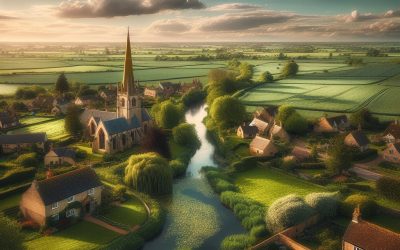
Huntingdonshire, England
Huntingdonshire, located in the eastern part of England, is a historic county with a rich and fascinating history. It is bordered by Northamptonshire to the west, Bedfordshire to the south, Cambridgeshire to the east, and Lincolnshire to the north. The county has played a significant role in English history, with its roots dating back to Roman times. Huntingdonshire was once an important administrative and judicial center, and its strategic location made it a key area during various conflicts throughout history. Summary Huntingdonshire is a historic county in England with a rich history dating back to Roman times. The geography and landscape of Huntingdonshire is a visual delight, with rolling hills, rivers, and picturesque villages. Huntingdonshire is home to famous people and landmarks, making it a popular tourist destination. The county has a strong agricultural heritage, with farms and fields dominating the landscape. Huntingdonshire is a haven for nature lovers, with wildlife and nature reserves scattered throughout the county. The Geography and Landscape of Huntingdonshire: A Visual Delight Huntingdonshire boasts a diverse and picturesque landscape that is sure to captivate visitors. The county is characterized by rolling hills, lush green fields, and charming villages. The River Great Ouse flows through the heart of Huntingdonshire, adding to its natural beauty. The county is also home to several nature reserves and parks, providing ample opportunities for outdoor activities such as hiking, birdwatching, and picnicking. One of the most scenic spots in Huntingdonshire is Grafham Water, a reservoir surrounded by woodlands and meadows. It offers a range of recreational activities including sailing, fishing, and cycling. Another must-visit location is Hinchingbrooke Country Park, which...

Tin: A Versatile and Essential Element in British Industry and Beyond
Tin is a versatile and valuable metal that has played a significant role in human history. It has been used for thousands of years, with evidence of its use dating back to ancient civilizations such as the Egyptians and the Romans. Tin is known for its low melting point, corrosion resistance, and malleability, making it an ideal material for a wide range of applications. In industry, tin is used in the production of various products, including electronics, food packaging, and construction materials. Summary Tin has a rich history and is a versatile metal with many uses in industry. Tin has played a significant role in British industry, from mining to manufacturing. Tin mining in the UK has a long history, but current production is limited. Tin is a crucial component in electronics and technology, and its demand is increasing. Tin is widely used in the food and beverage industry for packaging and preservation. The Role of Tin in British Industry Tin has been an integral part of British industry for centuries. The mining of tin in Britain dates back to the Bronze Age, when it was used to make bronze, an alloy of tin and copper. During the Industrial Revolution, tin played a crucial role in the development of British industry. It was used in the production of machinery, tools, and other industrial equipment. Tin mining and manufacturing became major industries in Cornwall and Devon, where large deposits of tin were found. Tin Mining in the UK In the past, tin mining in the UK was primarily carried out using underground methods. Miners would dig tunnels into the ground...
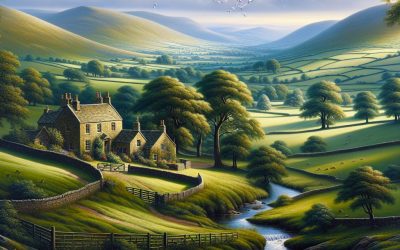
Hertfordshire, England
Hertfordshire, located in the East of England, is a county with a rich history and vibrant culture. It is bordered by Bedfordshire to the north, Cambridgeshire to the northeast, Essex to the east, Buckinghamshire to the west, and Greater London to the south. The county has a long and fascinating history, with evidence of human habitation dating back to the Mesolithic period. Throughout the centuries, Hertfordshire has been home to various settlements and has played a significant role in shaping the history of England. Hertfordshire is known for its cultural significance, with numerous historical landmarks, museums, galleries, and theatres. The county has been a source of inspiration for many artists and writers over the years. It is also home to several prestigious educational institutions and has a thriving business hub. Whether you are interested in exploring its natural beauty, delving into its history, immersing yourself in its arts and culture scene, or enjoying its sporting heritage, Hertfordshire has something for everyone. Summary Hertfordshire boasts a rich history and culture, with plenty of natural beauty to explore. Visitors can discover historic landmarks such as castles, abbeys, and stately homes. The county’s vibrant towns offer shopping, dining, and entertainment hotspots. Hertfordshire has a thriving arts and culture scene, with museums, galleries, and theatres to explore. Sports fans can enjoy football, rugby, and cricket clubs, while education and business opportunities abound. Exploring the Natural Beauty of Hertfordshire: From Countryside Walks to Picturesque Villages Hertfordshire is blessed with beautiful countryside and picturesque villages that are perfect for exploring on foot. The county is known for its rolling hills, meandering rivers, and lush...
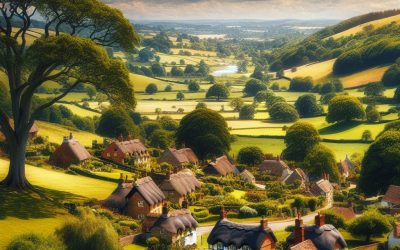
Hampshire, England
Hampshire is a county located on the southern coast of England. It is known for its rich history, natural beauty, cultural offerings, and more. In this blog post, we will explore Hampshire’s highlights and showcase why it is a must-visit destination. Whether you are interested in history, outdoor activities, culinary delights, or cultural experiences, Hampshire has something for everyone. Summary Hampshire is a quintessential English county with a rich history, natural beauty, and cultural offerings. The county boasts Roman settlements, medieval times, picturesque villages, and historic cities. Hampshire’s countryside and coastline offer opportunities for hiking, biking, and water sports. The culinary scene features traditional dishes and modern cuisine, and shopping ranges from high street brands to independent boutiques. Festivals and events celebrate Hampshire’s heritage and culture, and practical information is available for planning your trip. Hampshire’s Rich History: From Roman Settlements to Medieval Times Hampshire has a fascinating history that dates back to Roman times. The county was once home to several Roman settlements, including the important town of Venta Belgarum, which is now modern-day Winchester. Winchester Cathedral, located in the heart of the city, is one of Hampshire’s most iconic historical sites. It is the longest medieval cathedral in Europe and is known for its stunning architecture and rich history. Another historical site worth visiting in Hampshire is Portchester Castle. This well-preserved castle dates back to Roman times and offers visitors a glimpse into the county’s past. The castle played a significant role in defending the coast and was later used as a prison during the Napoleonic Wars. The Natural Beauty of Hampshire: Exploring the Countryside and...

Exploring the Versatility of Indium (In): From Electronics to Medical Imaging
Indium (In) is a chemical element with the atomic number 49 and the symbol In. It is a soft, malleable, and silvery-white metal that is often found in combination with other metals, such as zinc, lead, and tin. Indium has a low melting point and is highly ductile, making it easy to work with in various applications. One of the key properties of indium is its ability to conduct electricity. It is classified as a metalloid, meaning it exhibits both metallic and non-metallic properties. This makes indium a valuable material in the electronics industry, where it is used in the production of semiconductors, touchscreens, and displays. Indium also has a unique property known as “indium wetting,” which allows it to spread evenly over the surface of other metals. This makes it an excellent choice for soldering applications, as it forms strong bonds with other metals. Additionally, indium has a low toxicity level, making it safe for use in various industries. Summary Indium (In) is a soft, silvery-white metal with unique properties such as low melting point and high ductility. Indium (In) is widely used in electronics, particularly in the production of touchscreens, LCD displays, and semiconductors. Indium (In) is also a key component in solar panels, helping to increase their efficiency and durability. In medical imaging, Indium (In) is used in radiopharmaceuticals for diagnosis and treatment of various diseases, including cancer. Indium (In) has potential applications in aerospace, automotive, and glass industries, but its scarcity and high cost pose challenges for further development. Indium (In) in Electronics: Uses and Applications Indium plays a crucial role in the electronics industry...

Greater London, England
Greater London, often referred to simply as London, is the capital city of England and the United Kingdom. It is one of the most important and influential cities in the world, known for its rich history, diverse culture, and thriving economy. With a population of over 8 million people, it is also one of the most populous cities in Europe. Summary Greater London has a rich history dating back to Roman times and has grown into a diverse and vibrant city. The city’s geography and climate vary from the bustling urban center to the peaceful countryside. Greater London is home to a diverse population, with over 8 million people from different backgrounds and cultures. The city’s economy is a hub of business and finance, with many international companies and financial institutions based in the city. Greater London is a cultural and entertainment hub, with a thriving arts scene, world-class museums, and a vibrant nightlife. History of Greater London: From Roman Times to the Present Day The history of Greater London dates back to Roman times when it was founded as a settlement called Londinium. Over the centuries, it has witnessed numerous significant events and milestones that have shaped its development. From the Norman Conquest in 1066 to the Great Fire of London in 1666, the city has experienced both triumphs and tragedies. One of the key moments in London’s history was the Industrial Revolution in the 19th century, which brought about rapid urbanization and economic growth. The city became a major center for trade, finance, and industry, attracting people from all over the world. In the 20th century,...
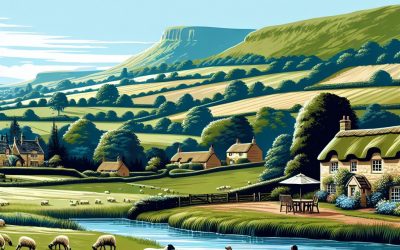
Gloucestershire, England
Gloucestershire, located in the South West of England, is a county known for its stunning natural beauty, rich history and heritage, charming villages, and delicious food and drink. With its picturesque landscapes, historic sites, and vibrant cultural scene, Gloucestershire is a great destination for travelers looking to explore the best of what England has to offer. Summary Gloucestershire is a county in South West England known for its natural beauty, charming villages, and rich history and heritage. The county has a long and fascinating history, with notable landmarks such as Tewkesbury Abbey and Gloucester Cathedral. Visitors can explore the stunning Cotswolds, Forest of Dean, and Wye Valley, which offer a range of outdoor activities and picturesque scenery. Gloucestershire’s villages, such as Bourton-on-the-Water and Bibury, are famous for their quaint charm and traditional architecture. Foodies will love Gloucestershire’s local delicacies, including cheese, cider, and the famous Gloucester Old Spot pork, while culture vultures can enjoy the county’s thriving arts scene and numerous festivals. History and Heritage of Gloucestershire Gloucestershire has a fascinating history that dates back thousands of years. The county was once part of the Roman Empire and was an important center for trade and commerce. Today, visitors can explore the remnants of this ancient civilization at sites such as the Roman Baths in Bath and the Cirencester Amphitheatre. In addition to its Roman heritage, Gloucestershire is also home to several historic sites from the medieval period. One of the most famous is Tewkesbury Abbey, a stunning example of Norman architecture that dates back to the 12th century. Other notable historical sites include Berkeley Castle, Sudeley Castle,...

The Toxic Truth About Cadmium: Understanding its Harmful Effects on Human Health
Cadmium is a naturally occurring element that is found in the Earth’s crust. It is a soft, bluish-white metal that is commonly used in various industries due to its unique properties. Cadmium can be found in both natural and man-made sources. Natural sources of cadmium include volcanic emissions, weathering of rocks and soils, and the burning of fossil fuels. Man-made sources of cadmium include industrial processes such as mining, smelting, and manufacturing. Cadmium has a wide range of uses in industries. It is commonly used in batteries, pigments, coatings, and alloys. It is also used in the production of plastics, ceramics, and solar panels. Due to its high toxicity, cadmium is regulated by various government agencies to ensure that exposure to this metal is minimized. Summary Cadmium is a toxic heavy metal found in various sources, including industrial emissions, tobacco smoke, and contaminated food and water. Cadmium exposure can occur through inhalation, ingestion, or skin contact, and the body can absorb it easily and accumulate it over time. Cadmium poisoning can cause a range of health problems, from acute symptoms like nausea and vomiting to chronic conditions like kidney damage, osteoporosis, and cancer. Long-term exposure to low levels of cadmium can increase the risk of lung cancer, prostate cancer, and other types of cancer, as well as impair fertility and harm the cardiovascular and respiratory systems. Preventing cadmium exposure requires reducing emissions and contamination in the environment, avoiding smoking and contaminated food and water, and using protective equipment and practices in workplaces where cadmium is present. Cadmium Exposure and Absorption in the Human Body Cadmium can enter the human...
Essex, England
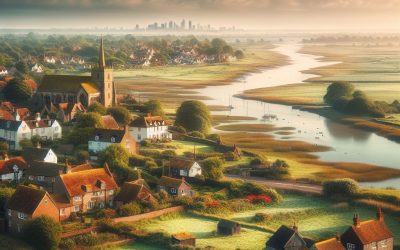
Welcome to Essex, England: Explore the County That Became a Cultural and Coastal Gem Essex is more than just a county in the East of England — it’s a vibrant blend of historic charm, bustling seaside resorts, and dynamic towns and villages. This article will take you through the fascinating world of Essex, from its rich Anglo-Saxon roots to its modern-day appeal, including the essential role of Essex County Council. If you’ve ever wondered why Essex holds such a prominent place in British culture, or why so many people from Essex are proud of their roots, you’re in the right place. Whether you’re planning to visit, move, or simply learn more, there’s plenty to discover about this iconic part of the UK. Essex is a county located in the southeast of England, bordering the counties of Suffolk and Cambridgeshire to the north, Hertfordshire to the west, Kent across the River Thames to the south, and London to the southwest. With its close proximity to London, Essex has become an important commuter belt, attracting many residents who work in the capital but prefer to live in a more rural or suburban setting. Outline What Makes Essex Special Today? How Did the County of Essex Develop Over Time? Where Are the Best Seaside Resorts Along the Essex Coastline? Which Towns and Villages in Essex Should You Visit? How Has Essex County Council Shaped Modern Services in Essex? Why is Chelmsford Called the County Town of Essex? What’s Unique About the Essex Coastline and the Thames Estuary? How Do New Towns Like Basildon and Harlow Represent Essex’s Growth? What is the...
East Yorkshire, England
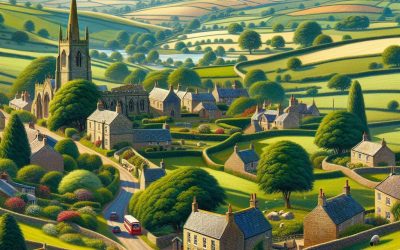
East Yorkshire, located in the north of England, is a hidden gem waiting to be discovered. With its rich history, stunning natural beauty, delicious local cuisine, vibrant cultural scene, and a wide range of outdoor activities and family-friendly attractions, East Yorkshire has something for everyone. In this blog post, we will take you on a journey through this beautiful region and provide you with all the information you need to plan your visit. Summary East Yorkshire is a hidden gem in the north of England, offering rich history, natural beauty, and cultural highlights. From Roman times to modern day, East Yorkshire has a fascinating history waiting to be discovered. The coast and countryside of East Yorkshire offer stunning natural beauty, perfect for outdoor activities like walking, cycling, and watersports. Food lovers will enjoy the local delicacies and must-try restaurants in East Yorkshire. East Yorkshire has a vibrant cultural scene, with museums, galleries, and festivals to explore. Discovering the Rich History of East Yorkshire: From Roman Times to Modern Day East Yorkshire has a fascinating history that dates back to Roman times. The region was once home to a Roman settlement called Petuaria, which was an important trading hub. Today, visitors can explore the remains of this ancient settlement at the Brough Roman Fort. Another key historical site in East Yorkshire is Beverley Minster, a stunning Gothic cathedral that dates back to the 13th century. This magnificent building is known for its intricate carvings and beautiful stained glass windows. To learn more about the history of East Yorkshire, visitors can also visit the Hull and East Riding Museum. This...

Shining a Light on the Versatility and Value of Silver (Ag)
Silver has been a highly valued and sought-after metal for centuries. Its timeless appeal can be attributed to its beauty, versatility, and enduring worth. From ancient civilizations to modern times, silver has played a significant role in various aspects of human life. Whether it is used in jewellery, technology, or as a form of currency, silver continues to hold its place as a precious metal with immense value. Despite the advancements in technology and the introduction of new materials, silver remains relevant today. Its unique properties make it indispensable in various industries, and its aesthetic appeal continues to captivate people around the world. The enduring popularity of silver can be attributed to its ability to adapt and evolve with the changing times. Summary Silver is a precious metal with timeless appeal and enduring worth. Silver has many forms, from jewellery to industrial applications, and is a key component in modern technology. Silver has a rich history, from ancient civilizations to modern times, and has played a role in currency and artistic expression. Silver has anti-microbial properties and other health benefits, making it a valuable material in healthcare. Investing in silver can be a safe haven for wealth preservation, and the future of silver technology is full of innovations and advancements. The Many Forms of Silver: From Jewellery to Industrial Applications Silver comes in various forms, each with its own unique characteristics and uses. One of the most well-known forms of silver is jewellery. Silver jewellery has been worn by people for centuries, admired for its beauty and elegance. From delicate necklaces to intricate bracelets, silver jewellery continues to be...

East Sussex, England
East Sussex is a county located on the southeastern coast of England. It is known for its stunning natural beauty, rich history, and vibrant cultural scene. With its picturesque landscapes, historic towns and villages, and a wide range of activities and attractions, East Sussex offers something for everyone. East Sussex has played a significant role in English history. It was the site of the Battle of Hastings in 1066, which marked the beginning of Norman rule in England. The county is also home to several historic castles and landmarks that showcase its medieval past. Additionally, East Sussex has been a hub for artistic and cultural movements throughout history, with many renowned artists and writers finding inspiration in its landscapes. Summary East Sussex is a coastal county with a rich history and culture. The natural beauty of East Sussex includes the South Downs and beaches. Historic towns and villages like Hastings and Rye are waiting to be discovered. East Sussex has a thriving art and cultural scene with museums, galleries, and festivals. Local specialties and dining experiences make East Sussex a foodie’s paradise. Exploring the Natural Beauty of East Sussex: From the South Downs to the Beaches One of the highlights of East Sussex is the South Downs National Park, which covers a large portion of the county. The park offers breathtaking views of rolling hills, picturesque villages, and ancient woodlands. It is a paradise for hikers and nature lovers, with numerous trails and paths to explore. Another natural wonder in East Sussex is the Seven Sisters Cliffs. These iconic chalk cliffs stretch along the coastline and provide stunning...