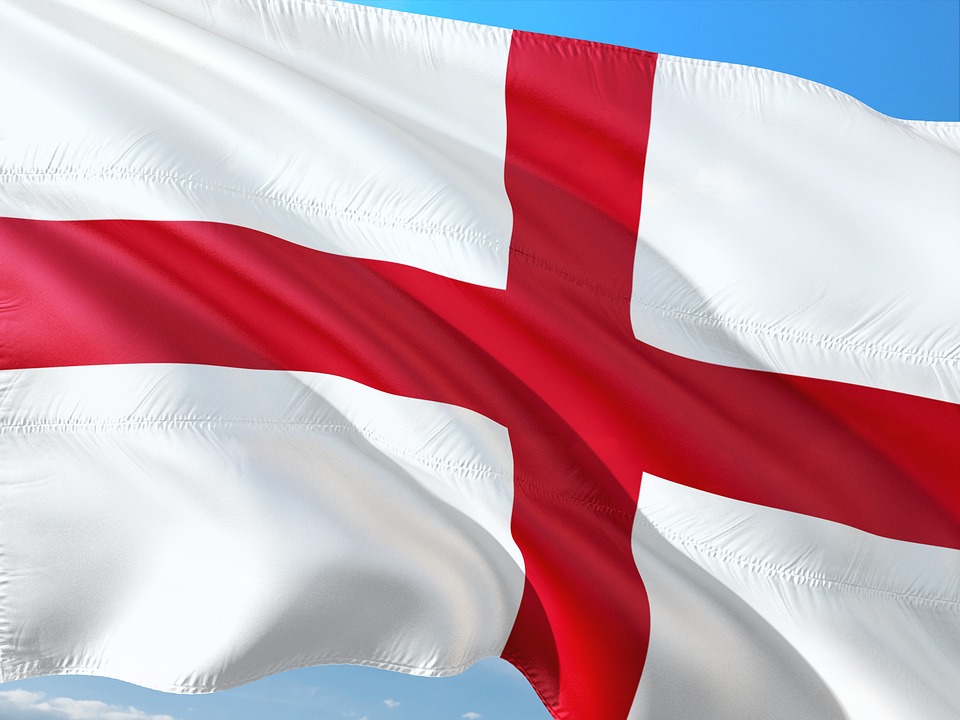
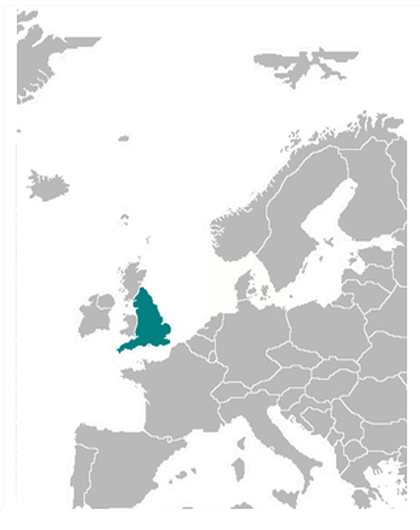
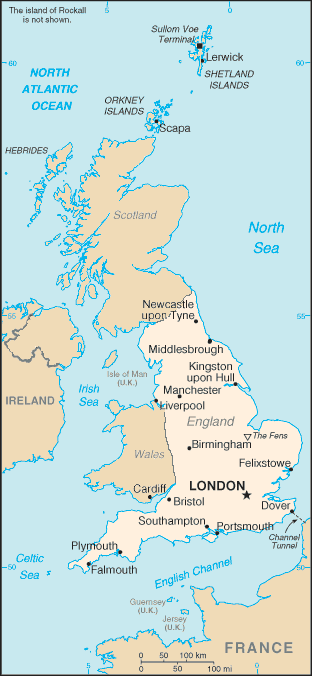
England
Capital: London
Population (Estimated 2012): 52,656,400
Area: 130,395 km2 or 50,346 mi2
Currency: Pound Sterling (GBP(£))
Official Language: English
Political Information: Constitutional Monarchy and Democratic Parliament
Official Religion: No Official Religion (approximately 77.7% of the population are Christian, 3.2% are Muslim, 1.2% are Hindu, 1.8% have other religious beliefs and 16.1% have no religious beliefs Based on 2001 Census for England and Wales)
Highest Mountain: Scafell Pike at 978m or 3,209ft
GDP Official Exchange Rate (OER is more precise at gauging a countries economic power)
(Estimated 2011): (US$) or (GBP)
GDP (OER) Per Capita (per member of the population estimated 2011): (US$) or (GBP)
GDP Purchasing Power Parity (PPP is good for gauging living conditions and use of resources but not as accurate as OER. This data has been calculated based on the sum value of all goods and services produced in the country valued at prices prevailing in the United States)
(Estimated 2011): (US$) or (GBP)
GDP (PPP) Per Capita (per member of the population estimated 2011): (US$) or (GBP)
Time Zone (GMT/UTC): GMT
Counties/Provinces/States: (Counties)Bedfordshire, Berkshire, Buckinghamshire, Cambridgeshire, Cheshire, Cornwall, Cumbria, Derbyshire, Devon, Dorset, Durham, East Riding, East Sussex, East Yorkshire, Essex, Gloucestershire, Greater London, Hampshire, Hertfordshire, Huntingdonshire, Kent, Lancashire, Leicestershire, Lincolnshire, Merseyside, Middlesex, Norfolk, Northamptonshire, Northumberland, Nottinghamshire, Oxfordshire, Rutland, Shropshire, Somerset, South Yorkshire, Staffordshire, Suffolk, Surrey, Tyne and Wear, Warwickshire, Westmorland, Wiltshire, Worcestershire, West Sussex and West Yorkshire.
Leaders: H.M. Queen ELIZABETH II (since 6 February 1952); Heir Apparent Prince CHARLES, son of the queen (born 14 November 1948); Prime Minister Theresa MAY (Conservative) (since 13 July 2016)
England
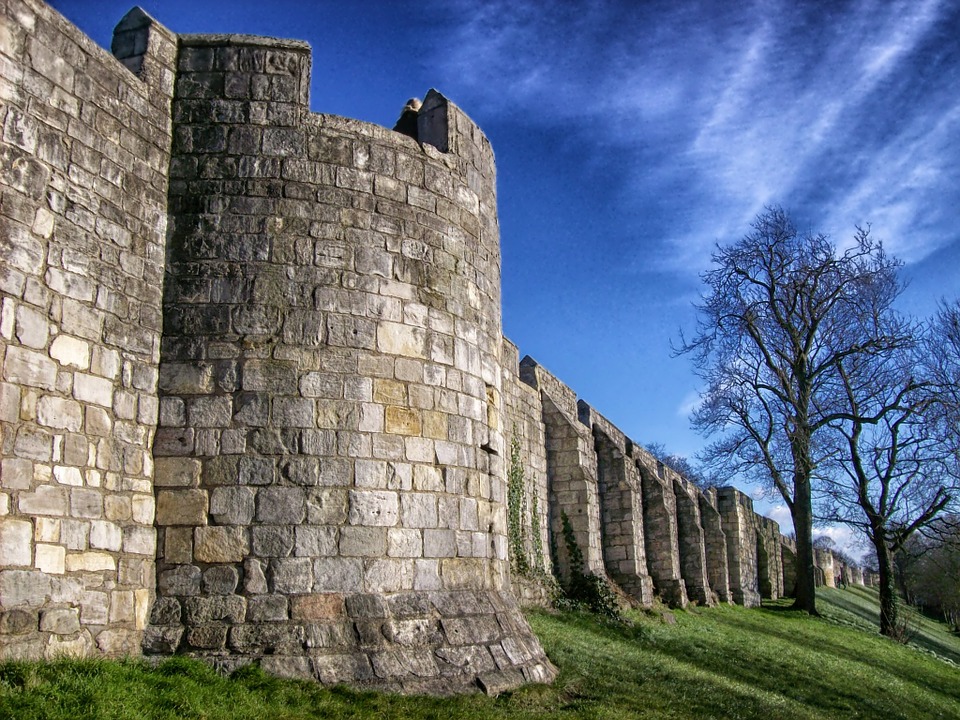
The history of England is a tapestry woven from a multitude of threads, each representing different peoples, cultures, and events that have shaped the nation over millennia. The earliest known inhabitants of England were the Celts, who arrived around 600 BC. They established tribal kingdoms and left a lasting legacy in the form of place names and cultural practices. The Roman conquest in AD 43 marked a significant turning point, as the Romans brought advanced engineering, urban planning, and a new administrative system.
The remnants of Roman Britain can still be seen today in structures such as Hadrian’s Wall and the ruins of Roman baths in cities like Bath. Following the decline of Roman influence in the early 5th century, England experienced a period of fragmentation and invasions by various groups, including the Saxons, Angles, and Jutes. This era saw the establishment of several kingdoms, which eventually unified under the rule of King Alfred the Great in the late 9th century.
The Norman Conquest in 1066 further transformed England’s landscape, as William the Conqueror introduced feudalism and commissioned the Domesday Book, a comprehensive survey of landholdings. The subsequent centuries were marked by power struggles, including the Wars of the Roses, which pitted the houses of Lancaster and York against each other, ultimately leading to the rise of the Tudor dynasty.
Summary
- England has a rich history dating back to prehistoric times, with influences from the Romans, Anglo-Saxons, Vikings, and Normans shaping the country’s development.
- English culture and traditions are diverse, with a strong emphasis on literature, theatre, music, and sports such as football and cricket.
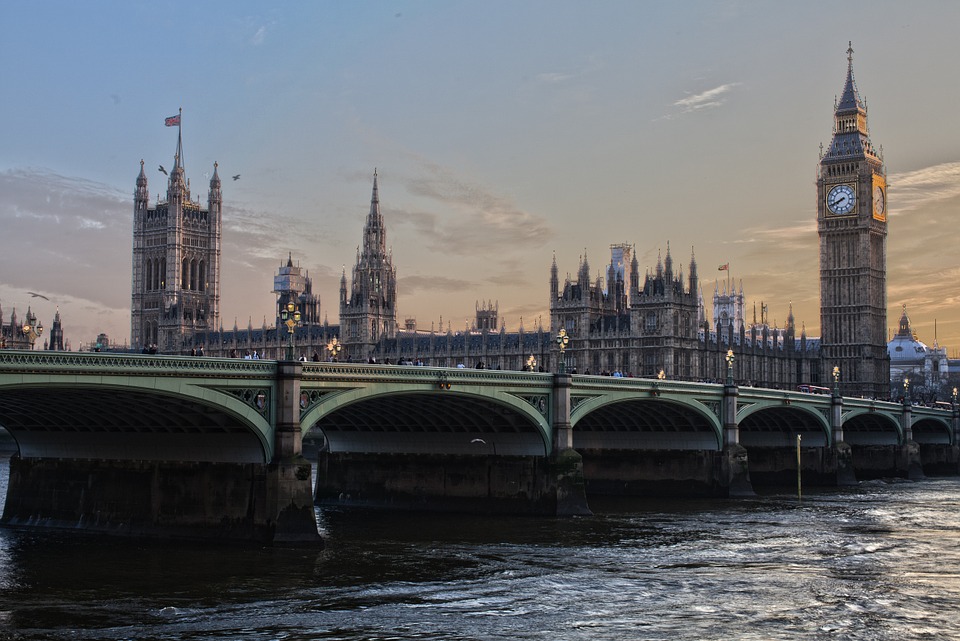
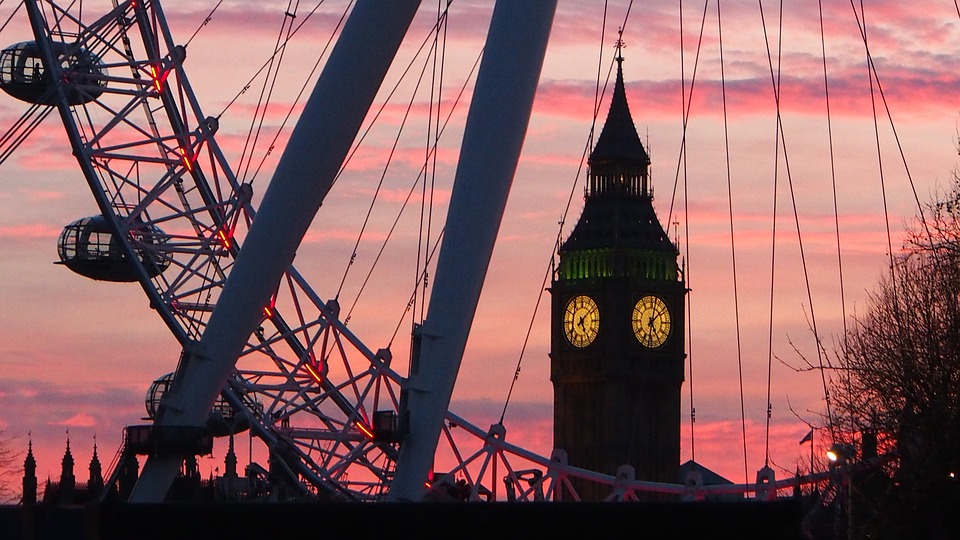
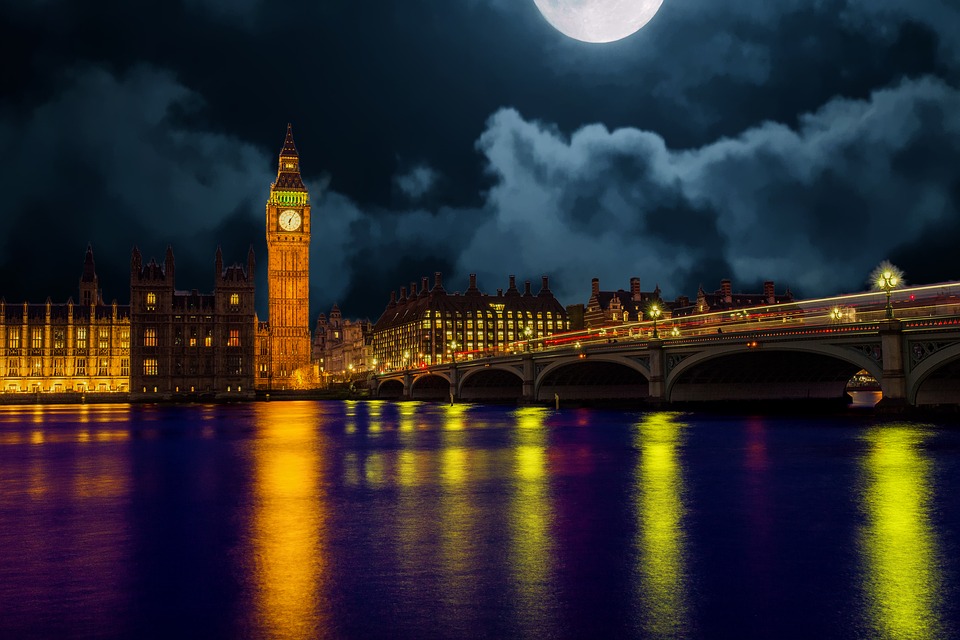
- Famous landmarks and attractions in England include the iconic Big Ben, Stonehenge, the Tower of London, and the historic city of Bath.
- The Royal Family, including Queen Elizabeth II and other members, play a significant role in English society and are a major tourist attraction.
- English cuisine is known for dishes such as fish and chips, roast beef with Yorkshire pudding, and traditional English breakfasts.
- England is home to prestigious universities such as Oxford and Cambridge, with a strong emphasis on higher education and research.
- Sports and recreation are an integral part of English culture, with football, rugby, cricket, and tennis being popular pastimes.
- The weather in England is known for its variability, with mild summers, cool winters, and frequent rainfall throughout the year.
Culture and Traditions
Literary Heritage
Literature holds a prominent place in English culture, with figures such as William Shakespeare, Geoffrey Chaucer, and Jane Austen leaving indelible marks on the literary world. Shakespeare’s works, in particular, have transcended time and geography, influencing countless writers and playwrights across the globe.
Linguistic Evolution
The English language itself has evolved significantly over the centuries, absorbing vocabulary from Latin, French, and other languages, which has contributed to its status as a global lingua franca.
Timeless Traditions
Traditions in England are deeply rooted in its history and often reflect the changing seasons or significant historical events. One notable tradition is Guy Fawkes Night, celebrated on 5th November to commemorate the foiling of the Gunpowder Plot in 1605. This event is marked by bonfires and fireworks, symbolising the burning of Guy Fawkes in effigy. Another cherished tradition is afternoon tea, which originated in the early 19th century and has become synonymous with English hospitality. The ritual involves serving tea alongside an assortment of sandwiches, scones, and pastries, often enjoyed in elegant settings that reflect England’s penchant for refinement.
Famous Landmarks and Attractions
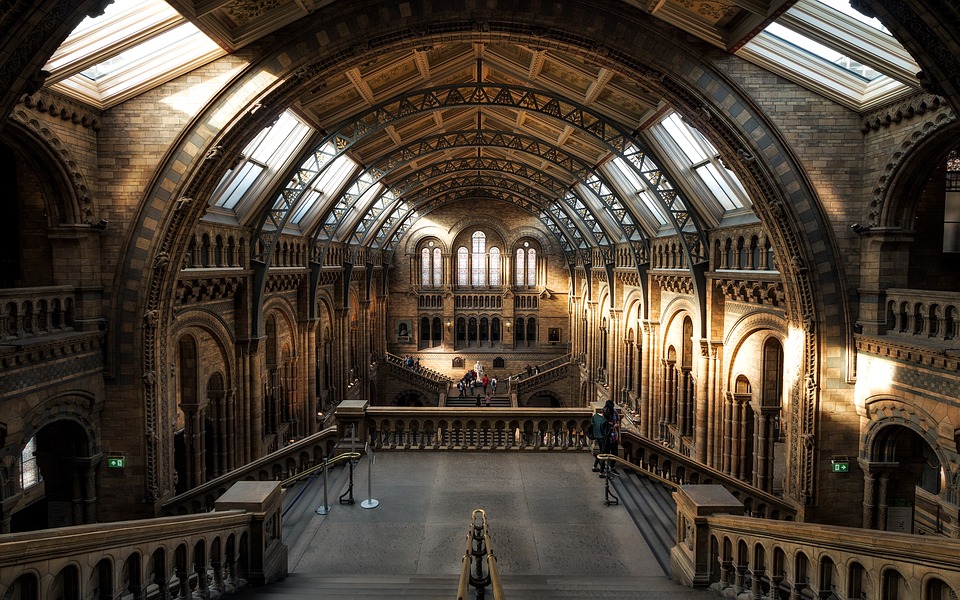
England is home to an array of landmarks that encapsulate its rich history and architectural prowess. The Tower of London stands as a testament to England’s tumultuous past; originally built as a royal palace and fortress, it has served various roles throughout history, including that of a prison and treasury. Today, it houses the Crown Jewels, attracting millions of visitors each year who come to marvel at these symbols of royal heritage.
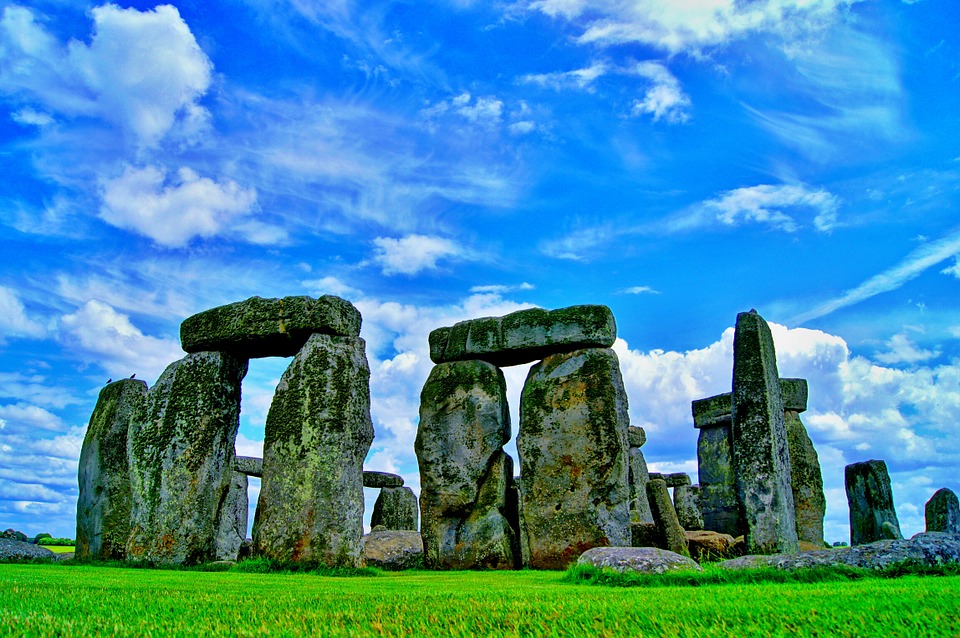
Another iconic landmark is Stonehenge, a prehistoric monument that continues to baffle archaeologists and historians alike. Dating back to around 3000 BC, this enigmatic circle of standing stones is believed to have been used for ceremonial purposes or astronomical observations. Its significance is underscored by its designation as a UNESCO World Heritage Site.
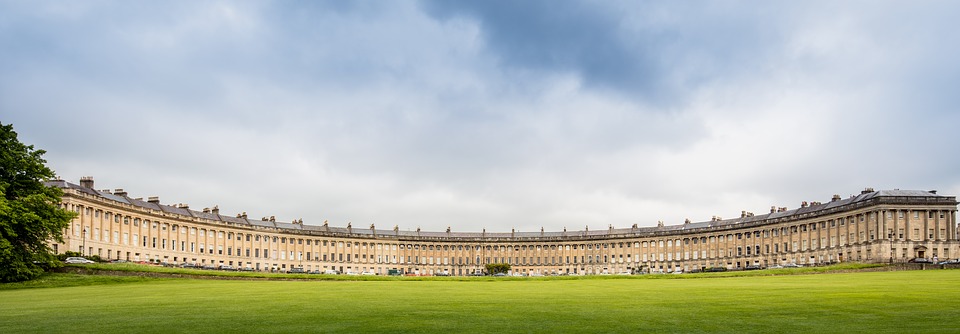
Additionally, the picturesque city of Bath boasts stunning Georgian architecture and Roman baths that draw visitors eager to experience its historical charm. The combination of natural hot springs and classical architecture makes Bath a unique destination that reflects England’s ability to blend history with leisure.
The Royal Family
The British Royal Family is an institution that embodies centuries of tradition and national identity. The monarchy has evolved significantly over time, adapting to societal changes while maintaining its ceremonial role in British life. Queen Elizabeth II, who reigned from 1952 until her passing in 2022, was a symbol of continuity during times of great change.
Her dedication to public service and her ability to connect with people from all walks of life endeared her to many. The current monarch, King Charles III, has taken on the mantle with a focus on modernising the monarchy while preserving its historical significance. The Royal Family engages in numerous charitable activities through various foundations and initiatives aimed at addressing social issues such as mental health awareness and environmental conservation.
Events such as Trooping the Colour and royal weddings capture public interest and showcase British pageantry at its finest. The monarchy remains a focal point for national pride and unity, drawing both admiration and scrutiny from citizens and observers worldwide.
English Cuisine
English cuisine is often characterised by its hearty dishes that reflect regional diversity and historical influences. Traditional meals such as fish and chips have become synonymous with British culture; this dish originated in the 19th century when fried fish was served alongside thick-cut chips. The combination of crispy batter and fluffy potatoes has made it a beloved staple across the nation.
Another quintessential dish is the Sunday roast, typically featuring roasted meat accompanied by Yorkshire pudding, vegetables, and gravy—a meal that brings families together each week. In recent years, English cuisine has undergone a renaissance as chefs embrace local ingredients and innovative cooking techniques. The rise of gastropubs has transformed dining experiences by offering elevated versions of classic dishes in relaxed settings.
Furthermore, England’s multicultural society has enriched its culinary landscape; Indian cuisine, for instance, has become immensely popular, with dishes like chicken tikka masala often cited as a national favourite. This fusion of flavours reflects England’s evolving identity while celebrating its culinary heritage.
Education and Universities
Historic Institutions
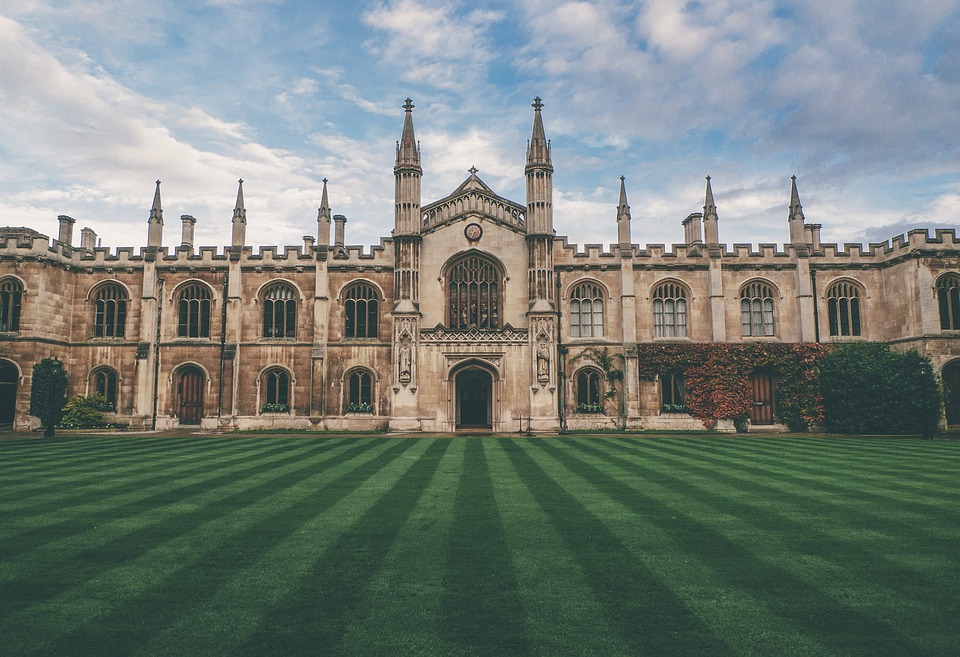
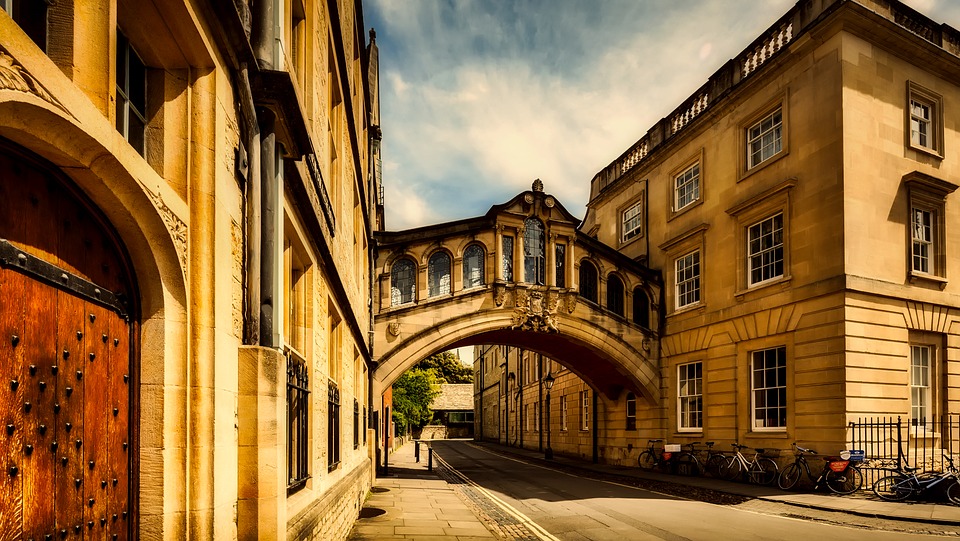
The University of Oxford and the University of Cambridge are two of the oldest universities in the world, renowned for their rigorous academic standards and distinguished alumni. Oxford’s tutorial system fosters close relationships between students and tutors, encouraging critical thinking and independent research.
Diverse Range of Universities
Beyond these historic institutions, England boasts a diverse array of universities catering to various fields of study. Institutions such as Imperial College London focus on science and technology, while others like the University of Arts London specialise in creative disciplines.
Inclusive Education System
The higher education system is characterised by its inclusivity; initiatives aimed at widening participation have made it possible for students from diverse backgrounds to access quality education. This commitment to educational equity ensures that England continues to produce innovative thinkers who contribute to global advancements across multiple sectors.
Sports and Recreation
Sport plays an integral role in English culture, with a rich history that encompasses both traditional pastimes and modern athletic pursuits. Football (soccer) reigns supreme as the nation’s most popular sport; clubs like Manchester United and Liverpool boast passionate fan bases that span generations. The English Premier League attracts global attention, showcasing some of the world’s best talent while fostering local rivalries that ignite community spirit.
Cricket also holds a special place in English hearts; it is often referred to as a quintessentially English sport with roots dating back to the 16th century. The game’s traditional format is celebrated during summer months at iconic venues such as Lord’s Cricket Ground in London. Beyond team sports, individual pursuits like tennis have gained prominence; Wimbledon stands as one of the most prestigious tennis tournaments globally, drawing elite players from around the world each summer.
These sporting events not only provide entertainment but also foster camaraderie among fans while promoting physical activity across communities.
Weather and Climate
The weather in England is famously unpredictable; it can change from sunny to rainy within minutes, leading to a cultural acceptance of carrying an umbrella at all times. The temperate maritime climate results in mild winters and cool summers, with rainfall distributed fairly evenly throughout the year. This variability has shaped not only daily life but also agricultural practices; farmers have adapted their methods to accommodate changing weather patterns.
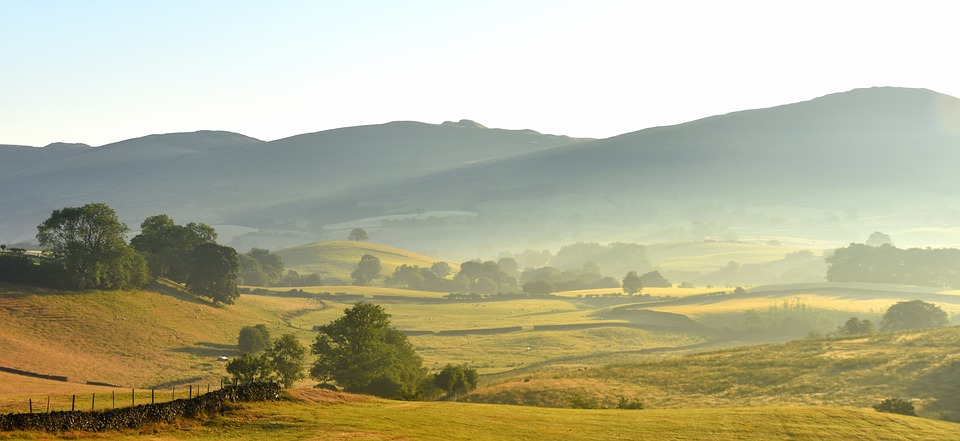
Regional variations exist within England’s climate; for instance, coastal areas tend to experience milder temperatures due to their proximity to the sea, while inland regions may endure colder winters. The Lake District is known for its stunning landscapes but also for its frequent rainfall—contributing to its lush greenery that attracts hikers and nature enthusiasts alike. Despite occasional dreary days, many English people embrace their climate by engaging in outdoor activities year-round; from walking along coastal paths to enjoying picnics in parks during sunny spells, the weather remains an intrinsic part of life in England.
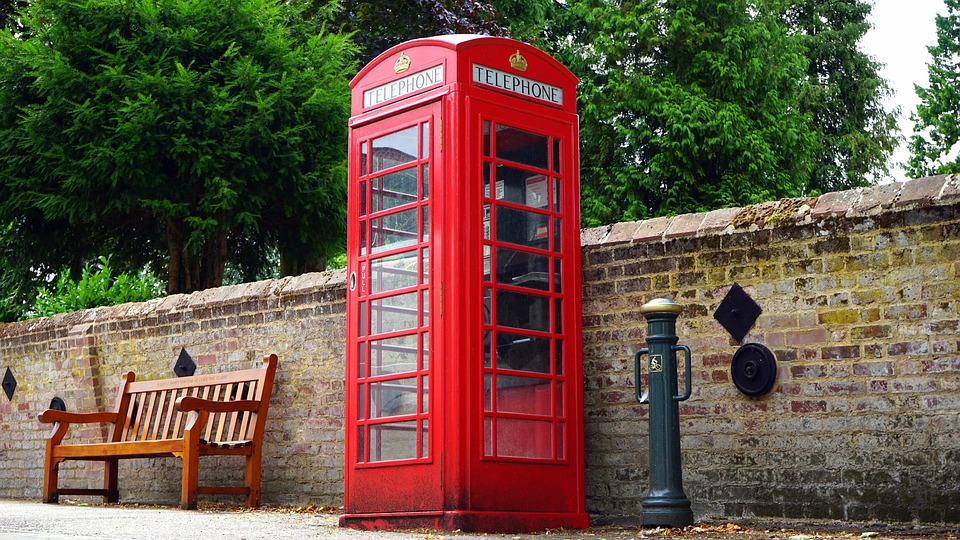
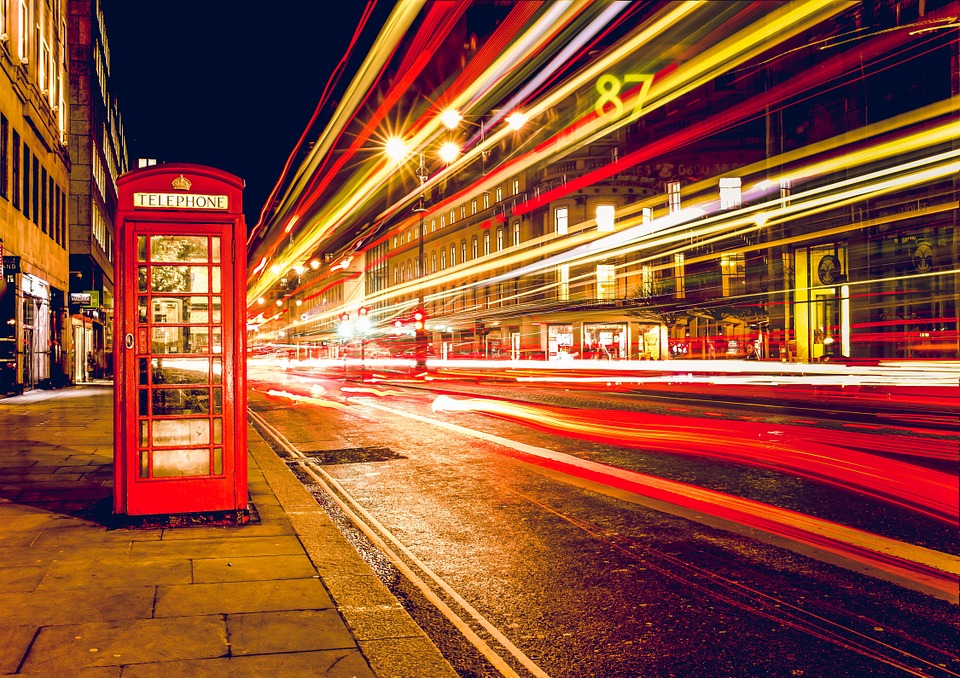
One interesting article related to England can be found in the Array, which discusses the history of the iconic red telephone boxes that can still be seen on the streets of London. These telephone boxes, designed by Sir Giles Gilbert Scott, have become a symbol of British culture and are now considered a nostalgic reminder of a bygone era. To learn more about the history and significance of these red telephone boxes, you can read the article here.
The Charm of English Countryside
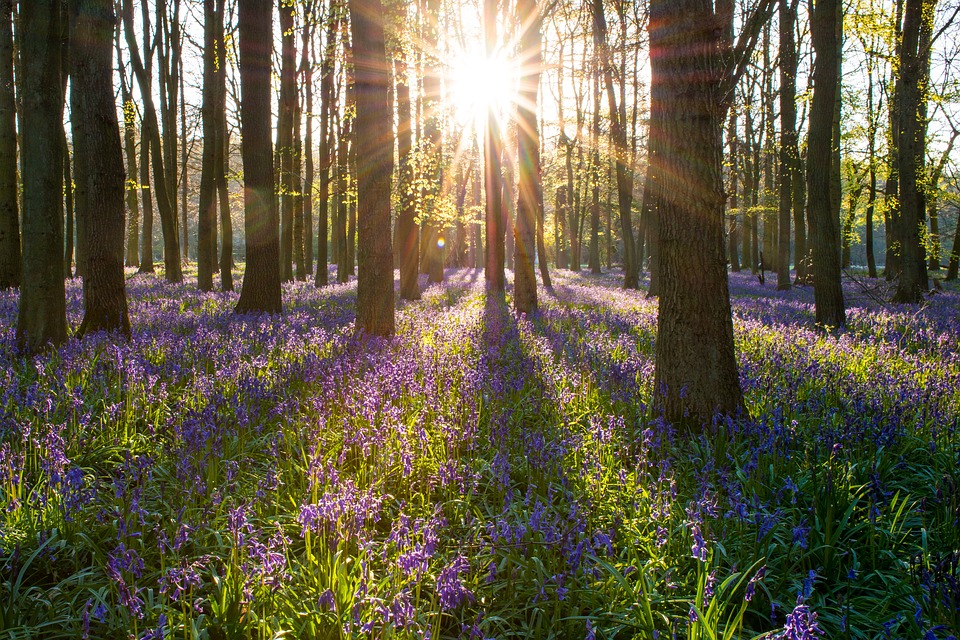
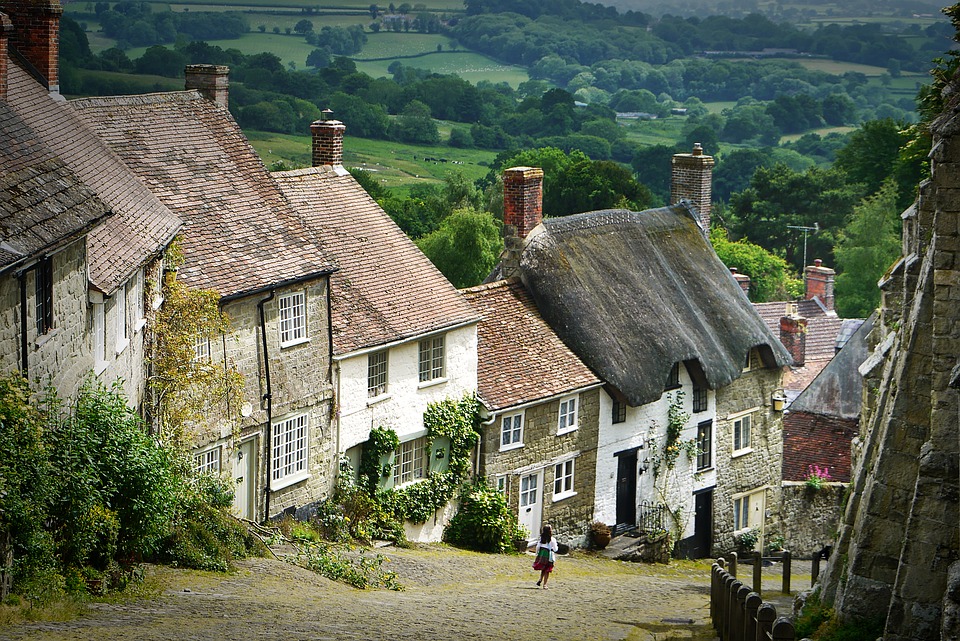
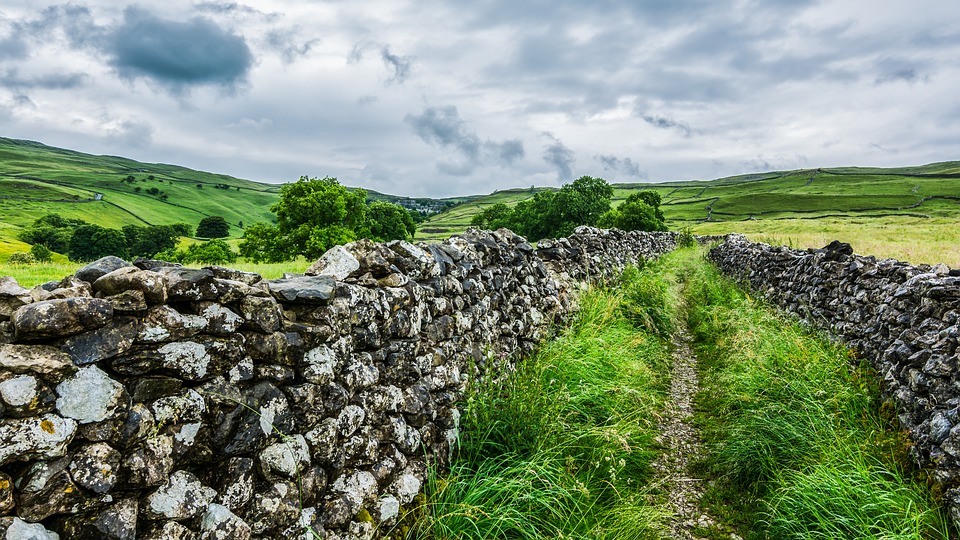
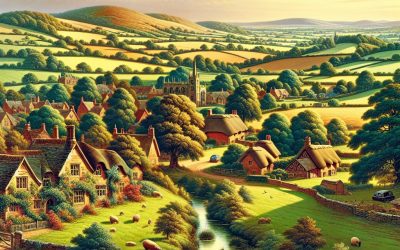
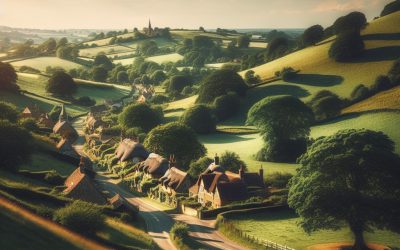
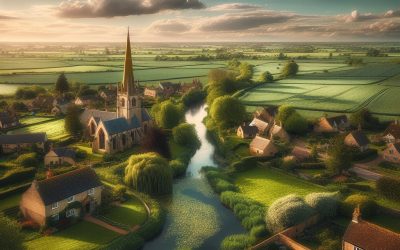
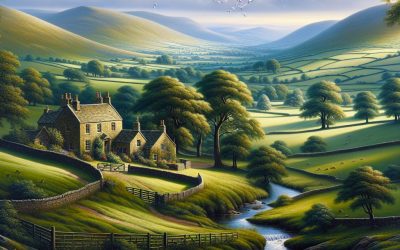
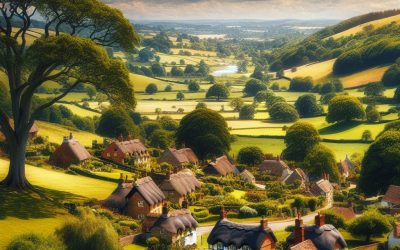
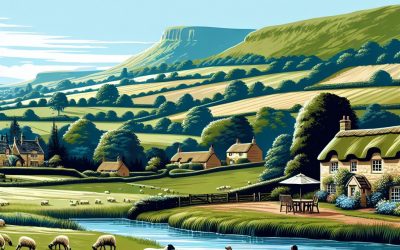
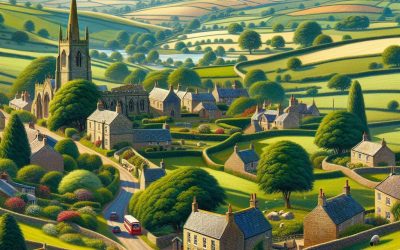
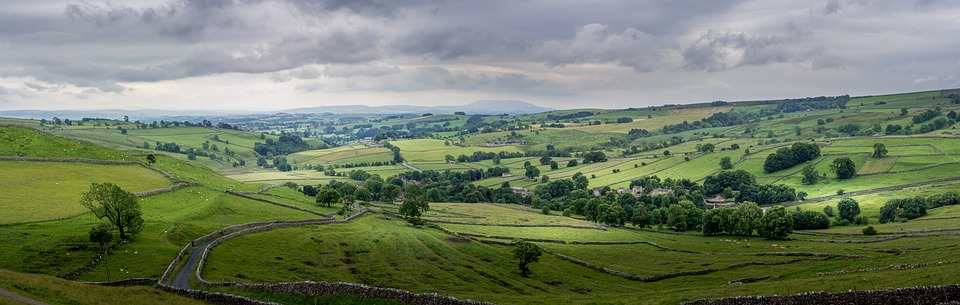
The English countryside is often romanticised in literature and art, and for good reason. Its picturesque landscapes are dotted with charming villages, lush green fields, and meandering rivers that seem to whisper tales of yore. Areas such as the Cotswolds, with its honey-coloured stone cottages and rolling hills, epitomise the idyllic rural life that many dream of.
Walking through these quaint villages, one can find local artisans crafting goods, farmers markets brimming with fresh produce, and cosy pubs serving hearty meals. The tranquillity of the countryside provides a stark contrast to the hustle and bustle of urban life, offering a serene escape for those seeking solace in nature. Moreover, the countryside is not just about visual beauty; it is also a haven for outdoor enthusiasts.
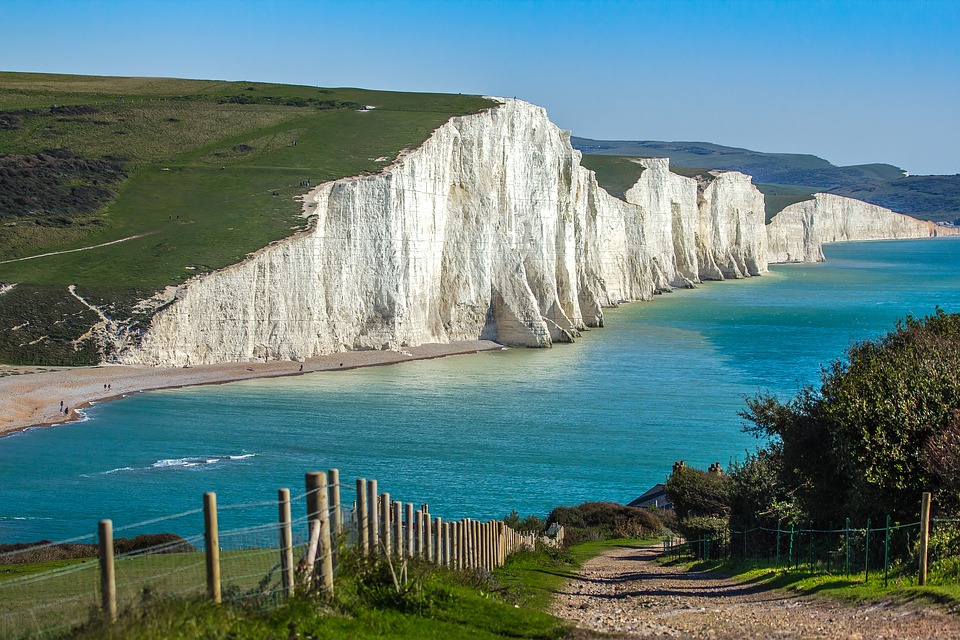
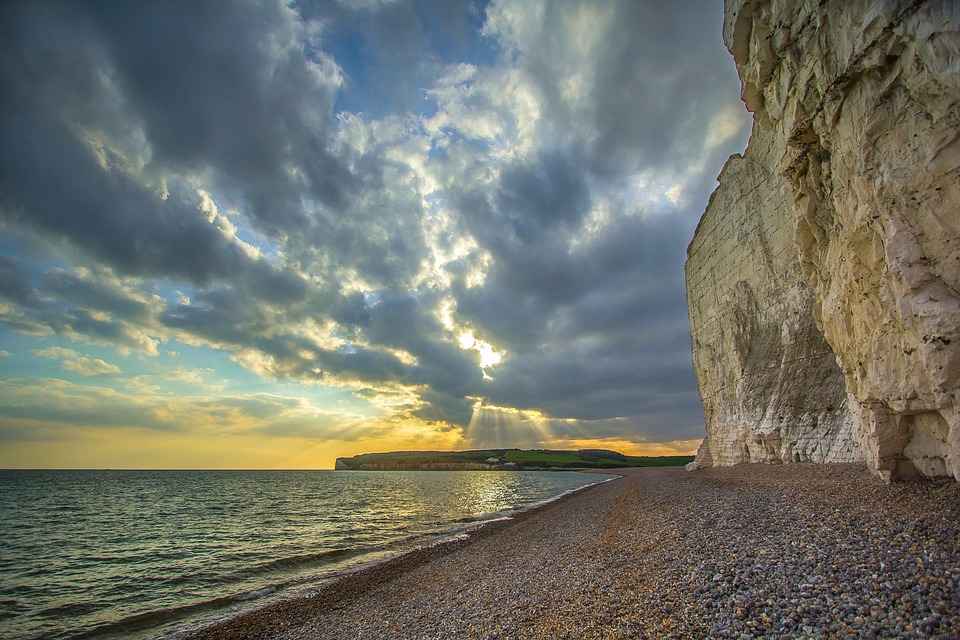
The network of public footpaths and bridleways invites walkers and cyclists to explore the landscape at their own pace. The South Downs National Park, for instance, offers stunning views over the English Channel and is home to diverse wildlife. Here, one can hike along the famous South Downs Way or simply enjoy a leisurely picnic amidst the wildflowers.
The charm of the English countryside lies in its ability to connect people with nature while providing a glimpse into a slower-paced way of life that many find rejuvenating.
Historic Landmarks and Heritage Sites
England’s rich history is encapsulated in its myriad historic landmarks and heritage sites that dot the landscape. From prehistoric monuments to medieval castles and grand stately homes, each site tells a story that contributes to the nation’s identity. Stonehenge, one of the most iconic prehistoric sites in the world, continues to intrigue visitors with its mysterious origins and astronomical significance.
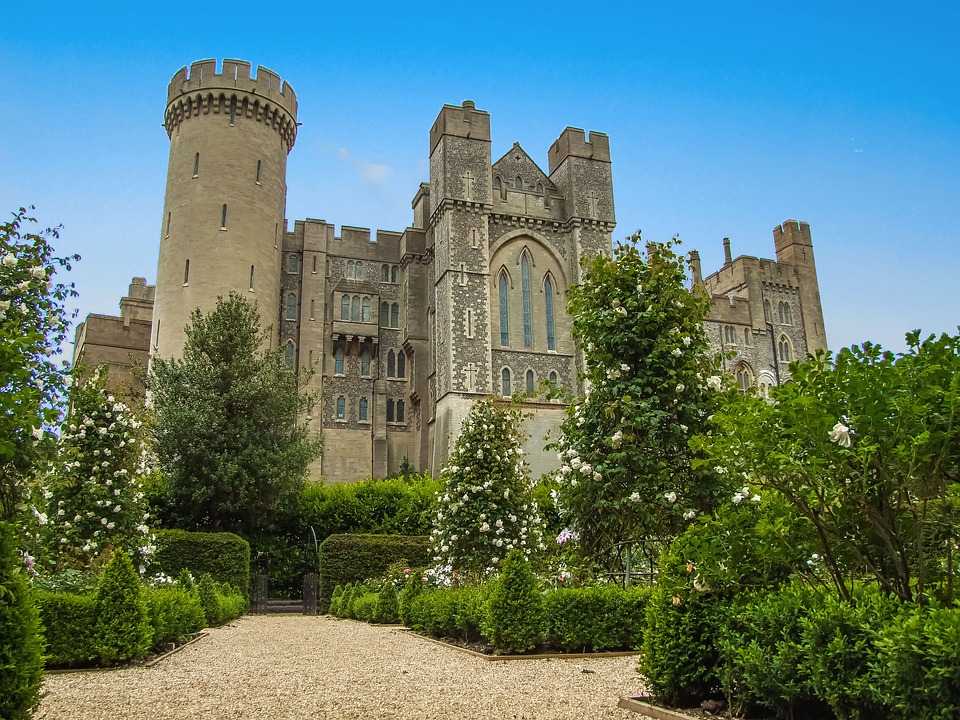
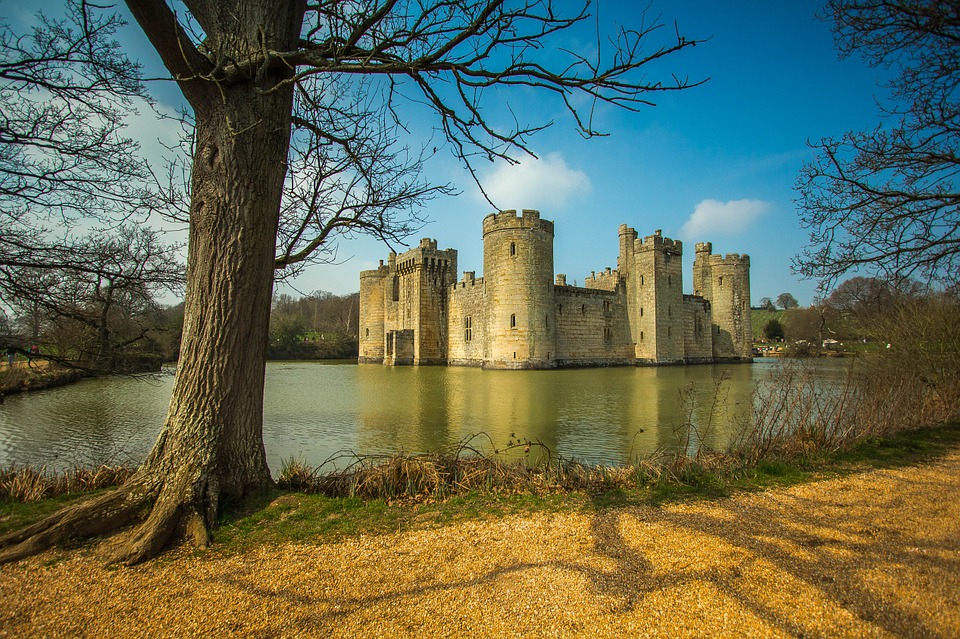
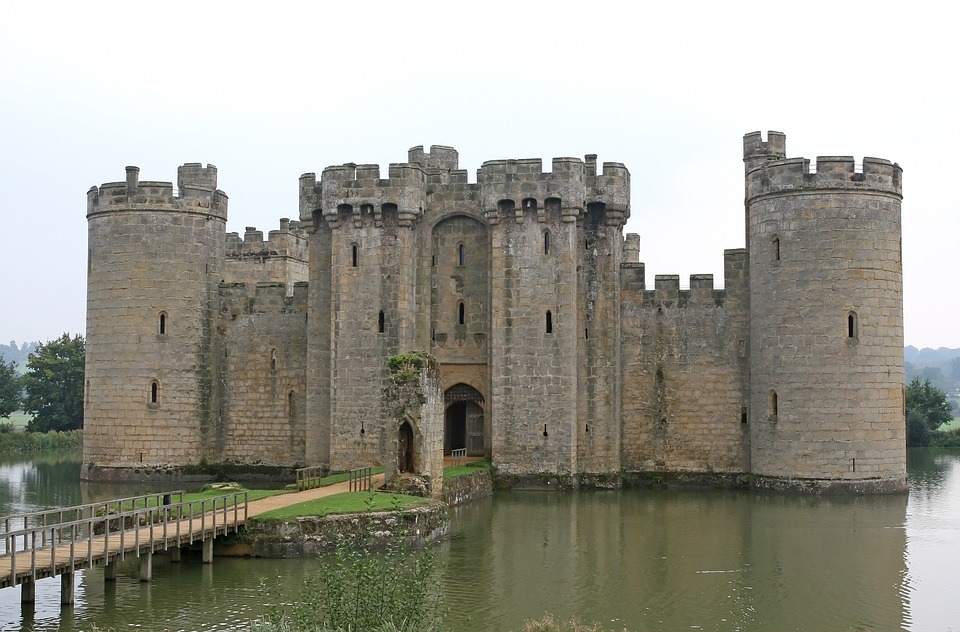
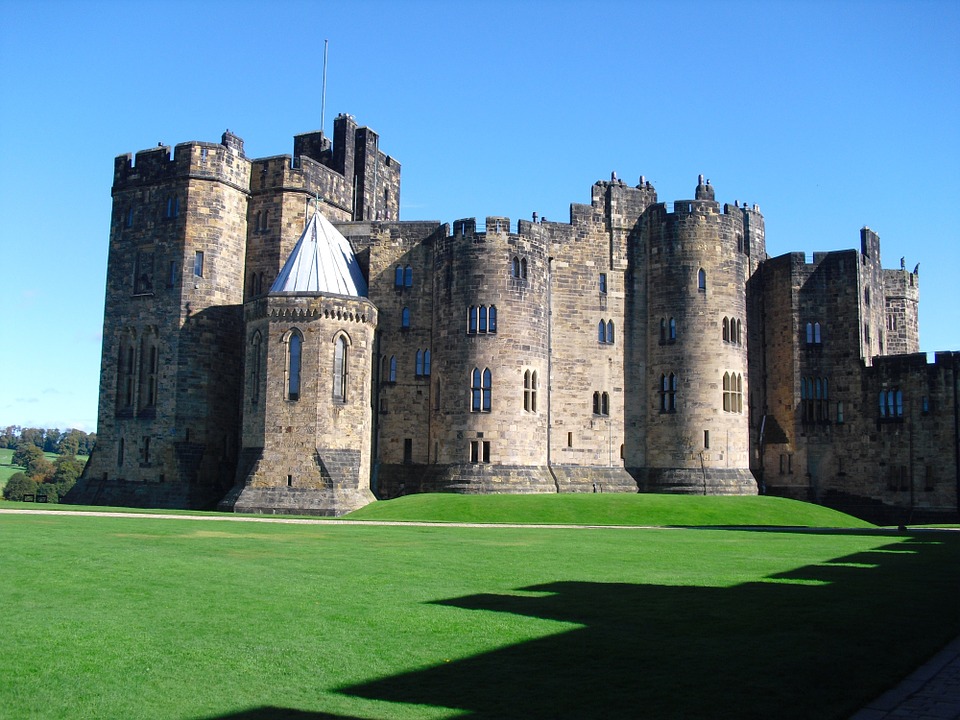
Standing amidst these ancient stones evokes a sense of wonder and curiosity about the people who constructed them thousands of years ago. In addition to prehistoric sites, England boasts an impressive array of castles that reflect its tumultuous history. Windsor Castle, for example, is not only one of the oldest inhabited castles in the world but also serves as an official residence for the British monarch.
Visitors can explore its opulent State Apartments and St George’s Chapel, where royal ceremonies take place. Similarly, the Tower of London offers a glimpse into England’s darker past as a royal palace, fortress, and prison. The Crown Jewels housed within its walls are a testament to the nation’s royal heritage and attract millions of visitors each year.
Exploring English Cities
| City | Population | Area (sq km) | Landmarks |
|---|---|---|---|
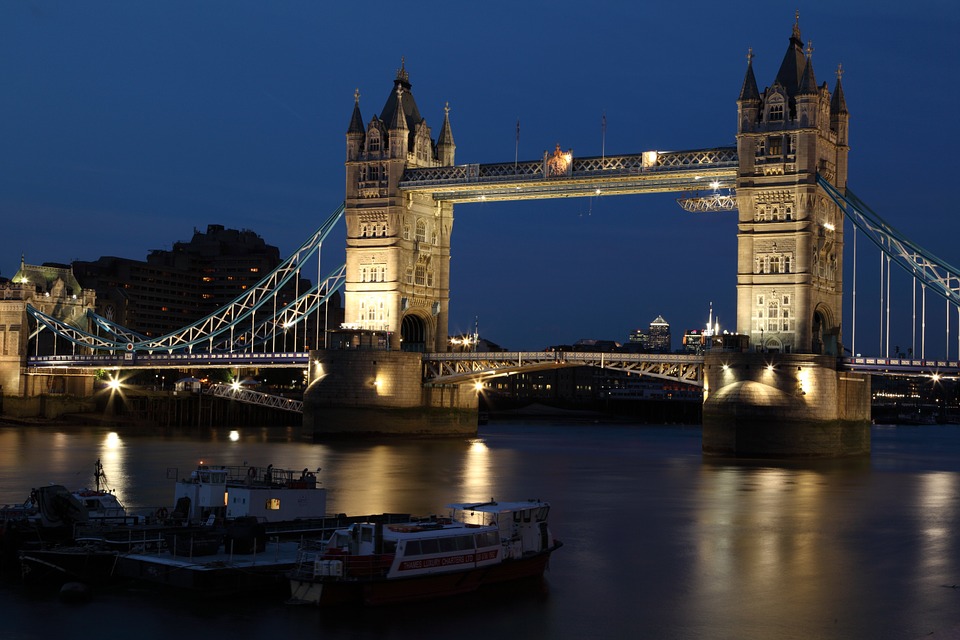
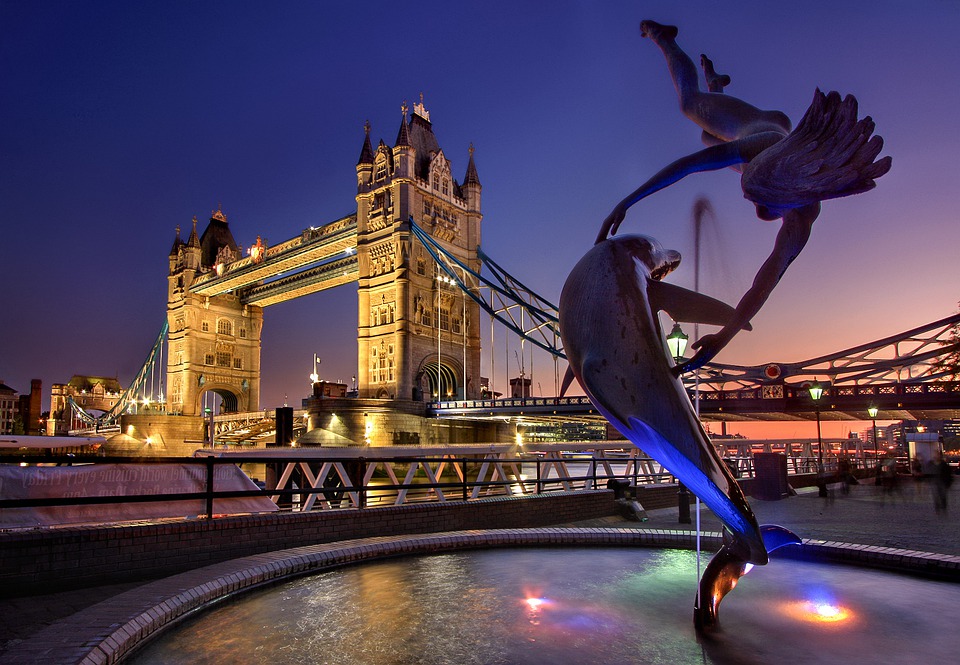
| London | 8,982,000 | 1,572 | Big Ben, Tower Bridge, Buckingham Palace |
| Manchester | 547,627 | 115.6 | Old Trafford, Manchester Cathedral, MediaCityUK |
| Birmingham | 1,153,717 | 267.8 | Bullring, Birmingham Museum and Art Gallery, Cadbury World |
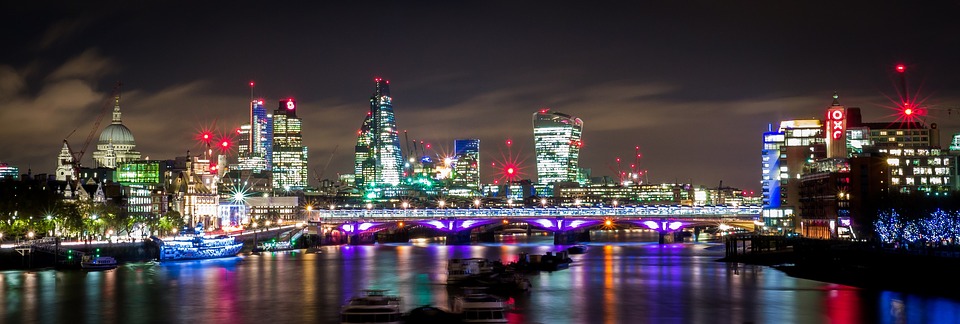
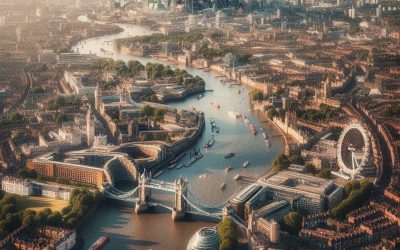
The cities of England are vibrant hubs of culture, history, and innovation. Each city possesses its own unique character shaped by centuries of development and change. London, the capital city, is a melting pot of cultures and traditions.
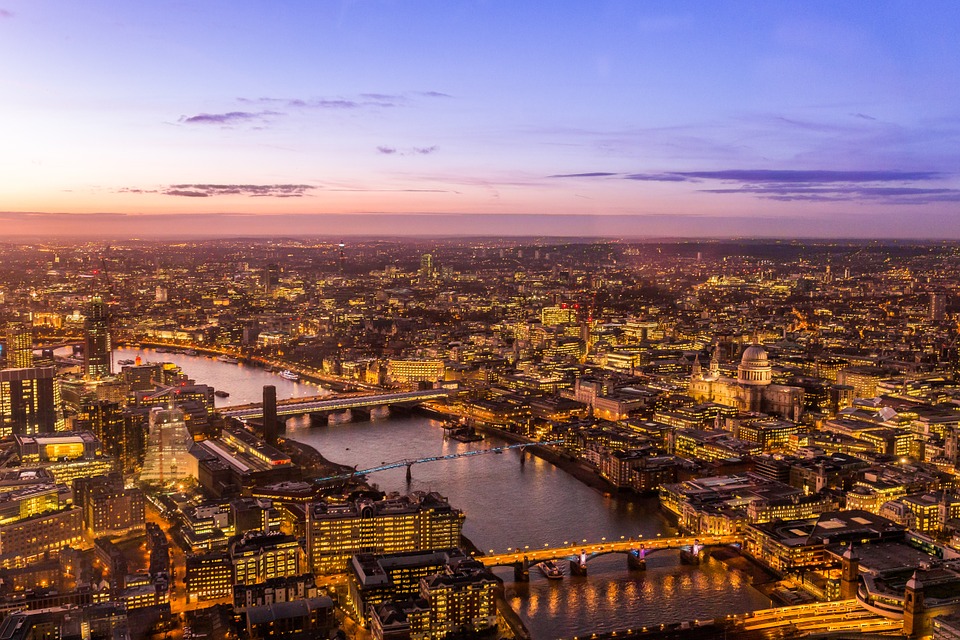
From iconic landmarks such as Buckingham Palace and the Houses of Parliament to world-class museums like the British Museum and Tate Modern, London offers an endless array of attractions for visitors. The city’s diverse neighbourhoods each tell their own story; Camden Market is known for its eclectic vibe and street food scene, while Notting Hill enchants with its colourful houses and charming boutiques. Beyond London, cities like Manchester and Birmingham have emerged as cultural powerhouses in their own right.
Manchester is renowned for its music scene and sporting heritage; it was here that bands like Oasis and The Smiths rose to fame. The city’s industrial past is celebrated in its museums and galleries, while its thriving nightlife attracts visitors from all over. Birmingham, on the other hand, boasts a rich industrial history and has transformed into a culinary hotspot with a diverse range of restaurants reflecting its multicultural population.
The Bullring shopping centre and the historic Jewellery Quarter are just two examples of what makes Birmingham an exciting city to explore.
Coastal Adventures in England
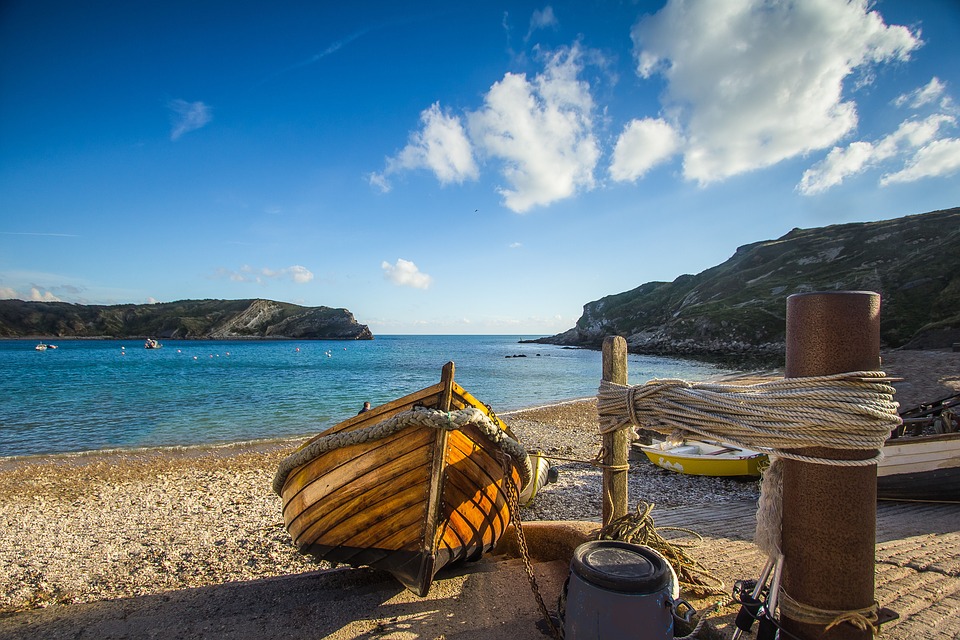
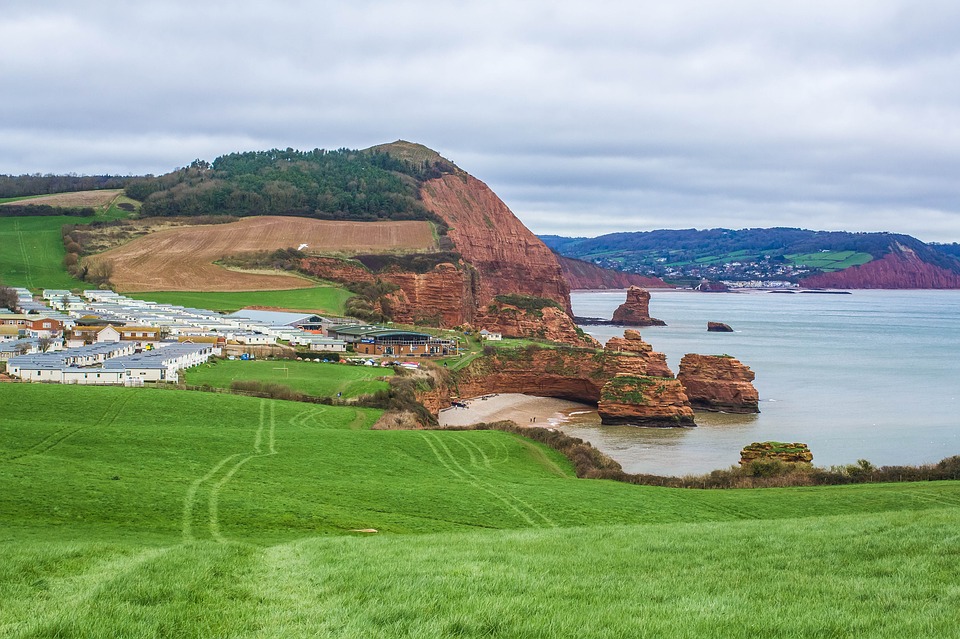
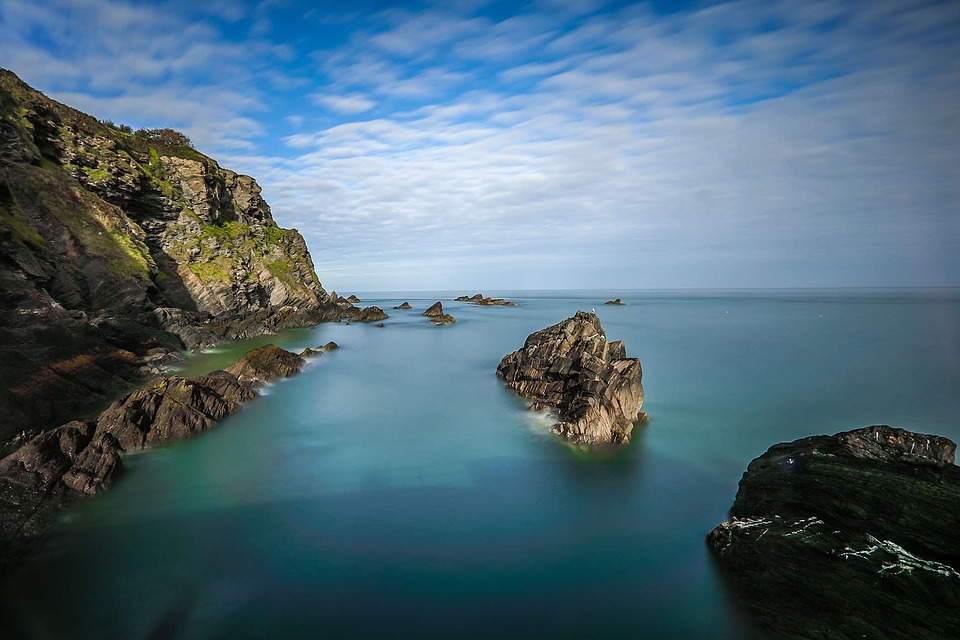
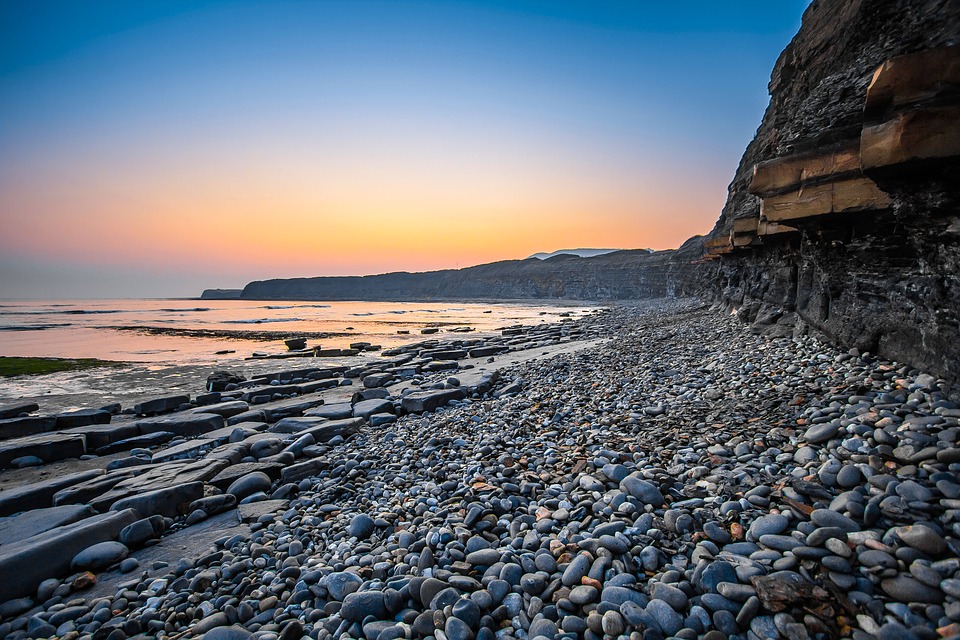
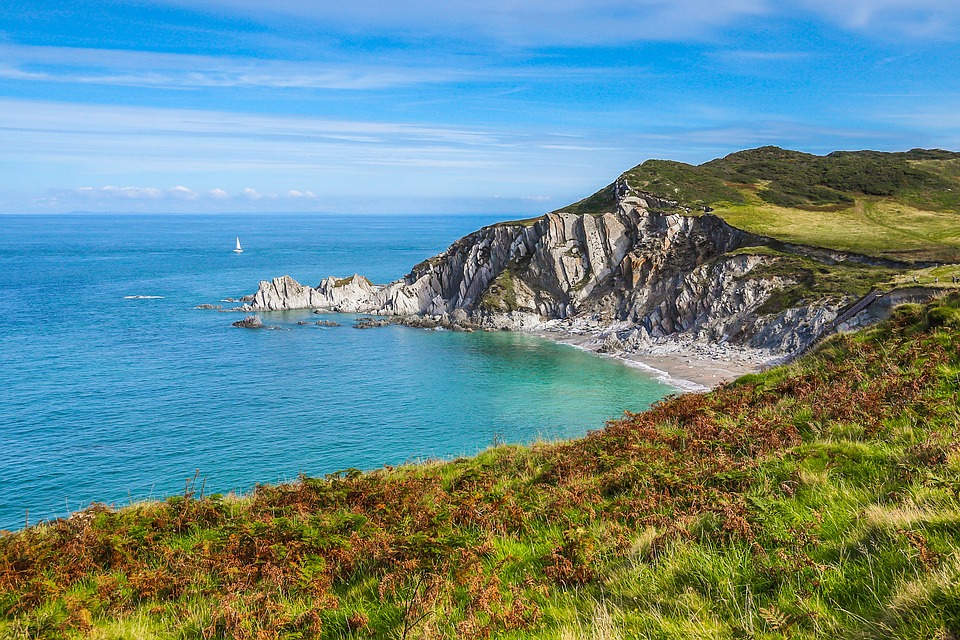
England’s coastline is as diverse as its landscape, offering a plethora of coastal adventures for those who seek them. From dramatic cliffs to sandy beaches, the coastal regions provide opportunities for relaxation as well as thrilling activities. The Jurassic Coast in Dorset is a UNESCO World Heritage Site known for its stunning geological formations and fossil-rich cliffs.
Here, visitors can embark on guided fossil-hunting tours or simply enjoy a leisurely walk along the coastal path while taking in breathtaking views. In contrast, Cornwall’s coastline is famous for its picturesque beaches and charming fishing villages. Places like St Ives and Padstow are not only beautiful but also offer various water sports such as surfing and kayaking.
The region’s mild climate makes it an ideal destination for beachgoers during the summer months. Additionally, coastal towns like Whitby in Yorkshire are steeped in maritime history; visitors can explore its historic abbey or indulge in fresh seafood at local eateries while enjoying views over the North Sea.
Culinary Delights of British Cuisine
Regional Delights
For instance, Yorkshire pudding is a beloved dish that accompanies Sunday roasts across England, while Cornish pasties are synonymous with Cornwall’s mining history.
A Resurgence in British Food
In recent years, there has been a resurgence in interest in British food, with chefs focusing on seasonal produce and traditional cooking methods. Farmers’ markets have become popular venues for sourcing fresh ingredients directly from local producers. Additionally, gastropubs have emerged as culinary destinations where patrons can enjoy elevated versions of classic pub fare alongside craft beers and fine wines.
Multicultural Influences
The diversity of British cuisine is further enhanced by multicultural influences; cities like London boast an array of international restaurants offering everything from Indian curry to Italian pasta.
Outdoor Activities and Adventures
For those who thrive on adventure and outdoor activities, England offers an abundance of options that cater to all levels of experience. The Lake District National Park is a prime destination for hiking enthusiasts; its rugged mountains and serene lakes provide countless trails to explore. Whether you choose to tackle Scafell Pike—the highest peak in England—or enjoy a stroll around Lake Windermere, the natural beauty of this region is unparalleled.
Cycling has also gained popularity as a way to experience England’s landscapes up close. The National Cycle Network features thousands of miles of routes that traverse scenic countryside, coastal paths, and urban areas alike. For those seeking something more adrenaline-fuelled, rock climbing in places like the Peak District or surfing along Cornwall’s coast offers thrilling experiences amidst stunning backdrops.
Additionally, activities such as kayaking on rivers or coasteering along cliffs provide unique perspectives on England’s diverse geography.
Planning Your British Adventure
Embarking on an adventure through England requires careful planning to ensure you make the most of your experience. Consider your interests when deciding which regions to explore; whether you are drawn to historical landmarks or natural wonders will influence your itinerary significantly. Researching local events or festivals can also enhance your visit; many towns host seasonal celebrations that showcase their unique culture.
Accommodations range from luxurious hotels to charming bed-and-breakfasts or self-catering cottages in rural areas. Booking in advance during peak seasons is advisable to secure your preferred lodging options. Transportation options are plentiful; trains connect major cities efficiently while car rentals offer flexibility for exploring more remote areas at your own pace.
Finally, don’t forget to immerse yourself in local customs—whether it’s enjoying afternoon tea or engaging with locals at community events—these experiences will enrich your understanding of England’s vibrant culture. As you prepare for your British adventure, remember that each journey through England is an opportunity to create lasting memories while discovering the beauty and diversity this remarkable country has to offer.
FAQs
What is England?
England is a country that is part of the United Kingdom. It is located in the southern part of the island of Great Britain and shares borders with Scotland to the north and Wales to the west.
What is the capital of England?
The capital of England is London, which is also the largest city in the country.
What is the population of England?
As of 2021, the population of England is estimated to be around 56 million people.
What is the official language of England?
The official language of England is English.
What are some famous landmarks in England?
Some famous landmarks in England include the Tower of London, Buckingham Palace, Stonehenge, the Roman Baths in Bath, and the city of Oxford with its historic university buildings.
What is the climate like in England?
The climate in England is generally mild and temperate, with moderate rainfall throughout the year. Winters are usually cold and summers are mild.
What are some popular sports in England?
Football (soccer) is the most popular sport in England. Other popular sports include cricket, rugby, tennis, and golf.
What are some traditional dishes in England?
Traditional English dishes include fish and chips, roast beef with Yorkshire pudding, shepherd’s pie, bangers and mash, and English breakfast (consisting of eggs, bacon, sausage, beans, and toast).
What are some famous festivals and events in England?
Some famous festivals and events in England include the Notting Hill Carnival, the Glastonbury Festival, the Wimbledon tennis tournament, and the Chelsea Flower Show.
Herefordshire, England
Herefordshire, located in the West Midlands region of England, is a county known for its natural beauty and rich history. Nestled between the Welsh border to the west and the counties of Shropshire, Worcestershire, and Gloucestershire, Herefordshire offers visitors a unique blend of stunning countryside, charming market towns, and fascinating historical sites. The county has a long and storied history, with evidence of human habitation dating back thousands of years. From the ancient hill forts and burial mounds that dot the landscape to the medieval castles and churches that still stand today, Herefordshire is a treasure trove of historical sites and landmarks. In addition to its historical significance, Herefordshire is also renowned for its natural beauty. The county is home to the picturesque Wye Valley, an Area of Outstanding Natural Beauty that offers breathtaking views of rolling hills, meandering rivers, and lush green countryside. With its abundance of walking trails, cycling routes, and outdoor activities, Herefordshire is a paradise for nature lovers and outdoor enthusiasts. Summary Herefordshire is a county with natural beauty and rich history. The picturesque countryside and charming market towns are worth exploring. Herefordshire has a fascinating history and heritage to discover. The local cuisine and traditional dishes are delicious. There are plenty of activities and attractions for families and children in Herefordshire. Exploring Herefordshire’s picturesque countryside and charming market towns One of the main attractions of Herefordshire is its picturesque countryside. The county is characterized by rolling hills, meandering rivers, and lush green fields, making it a haven for nature lovers and outdoor enthusiasts. Whether you enjoy hiking, cycling, or simply taking in the...
Rutland, England
Rutland, located in the East Midlands of England, is the country’s smallest county. With an area of just 147 square miles, it may be small in size, but it is big on charm and natural beauty. Despite its small size, Rutland has a lot to offer visitors, from its picturesque countryside and historic market towns to its vibrant arts and culture scene. Whether you’re a nature lover, history enthusiast, or simply looking for a peaceful getaway, Rutland is definitely worth a visit. Summary Rutland is England’s smallest county, located in the East Midlands. The county has a rich history dating back to Roman times, with evidence of settlements and battles throughout the centuries. Rutland’s countryside offers some of the best walks and hikes in the country, with stunning views and diverse wildlife. Rutland Water is a must-visit destination, offering a range of activities including water sports, cycling, and birdwatching. The county is home to rare species and natural wonders, making it a haven for nature lovers. The History of Rutland: From Roman Times to the Present Day Rutland has a rich and fascinating history that dates back to Roman times. The area was once home to a Roman fort and was an important trading hub during the Roman occupation of Britain. Over the centuries, Rutland has seen its fair share of historical events and figures. During the Middle Ages, it was a thriving agricultural region and was home to several castles and manor houses. In more recent history, Rutland played a significant role in the Industrial Revolution, with the development of the railway and the growth of industry...
Exploring the Grandeur of Blenheim Palace: A Stately Home Fit for Royalty
Blenheim Palace, located in Woodstock, Oxfordshire, is one of the most iconic stately homes in the United Kingdom. It is a masterpiece of Baroque architecture and is renowned for its stunning grounds and rich history. Built in the early 18th century, Blenheim Palace has been the ancestral home of the Churchill family for over 300 years. It is a UNESCO World Heritage Site and attracts thousands of visitors each year. Blenheim Palace holds great importance in British history and culture. It was built as a gift to John Churchill, the 1st Duke of Marlborough, by Queen Anne for his victory at the Battle of Blenheim in 1704. The palace has since been passed down through generations of the Churchill family and has played a significant role in shaping British politics and society. It is also closely associated with Sir Winston Churchill, one of Britain’s greatest leaders, who was born at Blenheim Palace in 1874. Summary Blenheim Palace is a stunning example of British architecture, located in Oxfordshire. The palace has a rich history, having been built as a gift to the first Duke of Marlborough in the early 18th century. The palace’s baroque architecture is a sight to behold, with intricate details and grandeur throughout. The grounds of Blenheim Palace are equally impressive, with a picturesque landscape and beautiful gardens. Visitors can explore the state rooms of the palace, which are filled with opulence and elegance, as well as a Churchill exhibition. The History of Blenheim Palace: A Legacy of the Churchill Family The history of Blenheim Palace is deeply intertwined with that of the Churchill family. John...
Oxfordshire, England
Oxfordshire, located in the heart of England, is a county known for its rich history, stunning natural landscapes, prestigious universities, and vibrant arts and culture scene. This blog post will provide a comprehensive guide to exploring Oxfordshire, highlighting its historical sites, natural beauty, famous universities, top tourist attractions, local cuisine, arts and culture scene, sporting traditions, accommodation options, festivals and events, and charming towns and villages. Whether you are a history buff, nature lover, foodie, art enthusiast, sports fan, or simply looking for a relaxing getaway, Oxfordshire has something to offer for everyone. Summary Oxfordshire has a rich history and heritage, with landmarks such as Blenheim Palace and the Ashmolean Museum. The county boasts stunning natural beauty, including the Cotswolds and the Chiltern Hills. Oxfordshire is home to world-renowned universities, including Oxford and the University of Reading. Visitors should check out popular attractions like Bicester Village and the Oxford Botanic Garden. Oxfordshire’s food culture is unique, with local specialities like Banbury cakes and Oxford sausages. The History and Heritage of Oxfordshire Oxfordshire has a fascinating history that dates back thousands of years. The county is home to several key historical sites and landmarks that are worth visiting. One of the most iconic landmarks in Oxfordshire is the University of Oxford, which was founded in the 12th century and is one of the oldest universities in the world. The university’s stunning architecture and rich history make it a must-visit attraction. Another historical site in Oxfordshire is Blenheim Palace, a UNESCO World Heritage Site and the birthplace of Sir Winston Churchill. This magnificent palace is surrounded by beautiful gardens and...
Nottinghamshire, England
Located in the heart of England, Nottinghamshire is a county that offers a wealth of attractions and experiences for visitors. From its rich history and heritage to its stunning natural beauty and bustling cities, Nottinghamshire has something for everyone. Whether you are interested in exploring ancient castles, immersing yourself in the arts and culture scene, or simply enjoying the picturesque countryside, Nottinghamshire has it all. Summary Nottinghamshire boasts a rich history and heritage, with evidence of human activity dating back to the Ice Age. The charming towns and villages of Nottinghamshire offer a glimpse into the county’s past, with well-preserved architecture and quaint streets. Nottinghamshire’s stunning natural beauty and scenic countryside make it a popular destination for outdoor enthusiasts and nature lovers. The famous landmarks and attractions of Nottinghamshire, such as Sherwood Forest and Nottingham Castle, draw visitors from around the world. Nottinghamshire’s thriving arts and culture scene includes world-class museums, galleries, and theatres, as well as a vibrant music and festival scene. Nottinghamshire’s rich history and heritage Nottingham Castle and Robin Hood One of the most iconic landmarks in Nottinghamshire is Nottingham Castle. Built in the 17th century on the site of the original medieval castle, it offers panoramic views of the city and is steeped in history. The castle is famously associated with the legendary outlaw Robin Hood, who is said to have roamed Sherwood Forest and used the castle as a hideout. Visitors can explore the castle grounds, visit the museum, and learn about the fascinating history of this legendary figure. The Lace Market and textile industry Nottinghamshire has a long history of lace making...
Sussex, England
See Also: East Sussex West Sussex Located in the southeastern part of England, Sussex is a county known for its rich history, stunning countryside, and charming towns. With its proximity to London and its diverse range of attractions, Sussex has become a popular destination for tourists from all over the world. Sussex has a long and fascinating history that dates back thousands of years. It was once home to the ancient Britons and later became part of the Roman Empire. The county is dotted with historic sites, including castles, stately homes, and prehistoric sites, which offer a glimpse into its past. In addition to its historical significance, Sussex is also known for its picturesque countryside. From rolling hills and meandering rivers to beautiful beaches and nature reserves, there is no shortage of natural beauty to explore in this part of England. Summary Sussex offers a charming blend of history and natural beauty. Visitors can explore rolling hills, beaches, nature reserves, castles, and prehistoric sites. The cultural scene in Sussex includes art galleries, theatres, and festivals. Foodies will love Sussex’s local produce, fine dining, and traditional pub grub. Sussex offers a range of accommodation options, from luxury hotels to quaint B&Bs and self-catering cottages. Discovering the Best of Sussex’s Countryside: Rolling Hills, Beaches, and Nature Reserves One of the highlights of Sussex’s countryside is the South Downs National Park. Covering an area of over 1,600 square kilometers, this national park offers breathtaking views of rolling hills, picturesque villages, and ancient woodlands. Visitors can explore the park on foot or by bike, following the many walking trails and cycling routes that...
Northumberland, England
Northumberland, located in the northeast of England, is a hidden gem that offers a unique experience for travelers. With its rich history, stunning coastline, and beautiful national park, Northumberland has something for everyone. Whether you’re interested in exploring historical sites, enjoying outdoor activities, or immersing yourself in the local culture, Northumberland has it all. Northumberland is known for its rugged landscapes and picturesque countryside. It is bordered by Scotland to the north and the counties of Cumbria and Durham to the west and south respectively. The region has a long and fascinating history, with evidence of human habitation dating back thousands of years. From Roman forts to medieval castles, Northumberland is steeped in history. Summary Northumberland is a hidden gem in Northern England with rich history, stunning coastline, and unique culture. The region boasts a rich heritage, including Hadrian’s Wall and Alnwick Castle, which are must-visit attractions. Northumberland’s coastline and beaches are breathtaking, with spots like Bamburgh Castle and Holy Island being popular tourist destinations. Nature lovers will find Northumberland National Park a haven, with its diverse wildlife and stunning landscapes. Northumberland’s culture and traditions are unique, with events like the Northumbrian Gathering celebrating the region’s heritage. Discovering Northumberland’s Rich History and Heritage Northumberland is home to a wealth of historical sites and landmarks that offer a glimpse into its past. One of the highlights is Hadrian’s Wall, a UNESCO World Heritage Site that was built by the Romans in the 2nd century AD. Stretching for 73 miles across the region, it is one of the most iconic landmarks in Britain. In addition to Hadrian’s Wall, Northumberland is...
Northamptonshire, England
Northamptonshire is a county located in the East Midlands region of England. It is bordered by eight other counties, including Warwickshire, Leicestershire, and Bedfordshire. With a population of over 700,000 people, it is one of the most populous counties in England. Summary Northamptonshire is a county located in central England with a rich history dating back to Roman times. The county boasts stunning natural beauty with its countryside and parks, perfect for exploring and outdoor activities. Northamptonshire is home to numerous museums, galleries, and historic sites that showcase its cultural heritage. The county is known for its delicious local cuisine and breweries, as well as its sporting legacy in football, rugby, and motorsports. Northamptonshire offers a diverse shopping experience with both high street brands and independent boutiques, and hosts a variety of festivals and events throughout the year. The History of Northamptonshire: From Roman Times to Present Day Northamptonshire has a rich history that dates back to Roman times. The Romans occupied the area and established a settlement known as Lactodorum, which later became the town of Towcester. The Romans also built several roads and forts throughout the county. During the Anglo-Saxon period, Northamptonshire was part of the Kingdom of Mercia. The county played a significant role in the Norman Conquest of England in 1066, with several battles taking place in the area. The Normans built castles and churches throughout Northamptonshire, many of which still stand today. In more recent history, Northamptonshire played a crucial role in the Industrial Revolution. The county was known for its iron and steel industries, as well as its shoemaking industry. Today, Northamptonshire...
Norfolk, England
Norfolk is a county located in East Anglia, England. It is known for its rich history, natural beauty, and cultural highlights. With its stunning coastline, picturesque countryside, and charming towns and villages, Norfolk offers a diverse range of attractions for visitors to explore. Summary Norfolk is a county in England with a rich history dating back to Roman times. Visitors can explore top attractions such as Norwich Cathedral and Sandringham Estate. Norfolk’s natural beauty includes stunning coastline and countryside perfect for outdoor activities. The county’s food and drink scene features local produce and fine dining options. Cultural highlights include museums, galleries, and theatres, while festivals and events celebrate Norfolk’s heritage. History of Norfolk: From Roman Times to the Present Day Norfolk has a fascinating history that dates back to Roman times. The county was once part of the Roman province of Britannia and was home to several important settlements, including the town of Venta Icenorum, which was the capital of the Iceni tribe. During the Anglo-Saxon period, Norfolk became an important center of trade and commerce. The town of Norwich, which is now the county’s capital, was founded by the Anglo-Saxons in the 5th century and quickly grew into a thriving city. In the Viking era, Norfolk was frequently raided by Viking invaders. The county’s strategic location on the east coast made it an attractive target for Viking ships. However, the Vikings were eventually defeated by the Anglo-Saxons and Norfolk remained under English control. Norfolk played a significant role in the Industrial Revolution, with many towns and villages becoming centers of industry and manufacturing. The county’s ports and...
Merseyside, England
Merseyside is a county located in the North West of England. It is named after the River Mersey, which runs through the county and has played a significant role in its history and development. The county is home to several major cities and towns, including Liverpool, the largest city in Merseyside and one of the most famous cities in the UK. Other notable cities and towns in Merseyside include Birkenhead, St Helens, and Southport. Summary Merseyside is a metropolitan county in the North West of England, with a population of over 1.4 million people. The region has a rich history, from its role in the Industrial Revolution to its vibrant cultural scene today. Merseyside has a temperate maritime climate, with mild winters and cool summers. The area is known for its contributions to music, literature, and film, with famous artists such as The Beatles and Willy Russell hailing from the region. Merseyside is home to several successful sports teams, including Liverpool and Everton football clubs, as well as a thriving tourism industry. History of Merseyside: From Industrial Revolution to Today Merseyside has a rich history that dates back centuries. It played a crucial role in the Industrial Revolution, with its ports and waterways becoming major hubs for trade and industry. Liverpool, in particular, became one of the world’s leading ports during this time, with goods from all over the world passing through its docks. Over time, Merseyside has evolved and adapted to changing economic and social conditions. The decline of traditional industries such as shipping and manufacturing in the late 20th century led to significant challenges for the...
Leicestershire, England
Leicestershire, located in the heart of England, is a county that is rich in history, natural beauty, and cultural offerings. From its Roman roots to its bustling modern cities, Leicestershire has something to offer everyone. In this blog post, we will explore the diverse attractions and experiences that make Leicestershire a must-visit destination. Whether you are interested in exploring its historical landmarks, immersing yourself in its natural beauty, or indulging in its vibrant cultural scene, Leicestershire has it all. Summary Leicestershire has a rich history dating back to Roman times and boasts famous landmarks such as castles, cathedrals, and stately homes. The county is home to beautiful parks, reserves, and waterways, making it a great destination for nature lovers. Leicestershire has a thriving cultural scene with art, music, and theatre events happening throughout the year. Visitors can enjoy the best shopping and dining experiences in Leicestershire, with a range of options to suit all tastes and budgets. Sports fans can discover Leicestershire’s sporting heritage, including football, cricket, and rugby, while festival-goers can enjoy top events throughout the year. The History of Leicestershire: From Roman Times to the Present Day Leicestershire has a long and fascinating history that dates back to Roman times. The county was once an important Roman settlement and evidence of this can still be seen today in the form of the Jewry Wall and the remains of the Roman baths. Throughout the centuries, Leicestershire has been home to many key historical events and figures. One such figure is King Richard III, whose remains were famously discovered under a car park in Leicester in 2012. The...
Lancashire, England
Lancashire is a county located in the North West of England. It is bordered by the counties of Cumbria to the north, Greater Manchester to the east, Merseyside to the south, and North Yorkshire to the east. Lancashire has a rich history that dates back to Roman times, and it played a significant role in England‘s industrial revolution. The county of Lancashire has a long and fascinating history. It was originally part of the Kingdom of Northumbria, but it later became part of the Kingdom of Mercia. In the 12th century, Lancashire became a county in its own right, and it was granted a royal charter by King Henry Lancashire played an important role in the Wars of the Roses, with battles taking place in the county. Lancashire’s industrial revolution began in the late 18th century with the growth of the cotton industry. The county became known as the “workshop of the world” due to its large number of cotton mills. These mills were powered by water from rivers and streams, and they produced vast quantities of cotton goods that were exported around the world. The cotton industry brought great wealth to Lancashire and transformed it into one of the most industrialized regions in England. Summary Lancashire is a historical county in North West England with a rich industrial heritage. The county boasts beautiful countryside, including the Trough of Bowland and the Forest of Bowland. Lancashire’s coastal towns and cities, such as Blackpool and Morecambe, are popular tourist destinations. The county has a vibrant cultural scene, with a focus on literature, music, and art. Lancashire is known for its...